There’s something incredibly exciting about travelling solo, setting your own pace, embracing new experiences, and stepping outside your comfort zone. But when your dream destination is Japan, excitement is often accompanied by a few understandable questions. How difficult is it to navigate the country’s famous rail network? Will the language barrier be overwhelming? More importantly, if you choose a guided tour, will you feel out of place travelling on your own?
If you’ve been searching for guided solo tours to Japan, chances are you’ve already decided Japan is where you want to go. Now, you’re simply trying to determine whether joining a guided group is the right way to experience it. That’s a smart question to ask. While Japan is one of the safest and most rewarding countries for solo travelers, it also comes with unique cultural customs, transportation systems, and logistical challenges that can feel intimidating, especially on your first visit.
The good news is that a solo guided Japan tour offers the perfect balance between independence and support. You enjoy the confidence of travelling with an experienced guide, a thoughtfully planned itinerary, and like-minded travelers, while still having plenty of opportunities to explore at your own pace. Many solo travelers discover that joining a guided group not only removes the stress of planning but also enriches the journey through shared experiences, local insights, and friendships formed along the way.
In this first time Japan Travel Guide, we’ll walk you through exactly what to expect from guided solo tours to Japan, from the booking process and accommodations to the group dynamic, single supplements, free time, and overall travel experience. Whether you’re a first-time solo traveler, an experienced adventurer, or someone looking for a comfortable, expertly guided vacation, this article will help you decide if a guided Japan tour is the perfect fit.
If you’re ready to explore ancient temples, vibrant cities, tranquil gardens, and unforgettable cultural traditions without worrying about the logistics, Japan escorted group tours offer an effortless way to experience the very best of Japan.
Solo vs. Group — The Real Comparison for Japan
One of the biggest decisions you’ll make when planning a trip to Japan is whether to travel independently or join a guided group tour. There’s no universal right answer—it depends on your travel style, budget, and the kind of experience you’re looking for. While some travelers value complete independence, others prefer the convenience and cultural insight that comes with an escorted journey. Here’s an honest comparison to help you decide.
Going Solo (DIY Japan)
Traveling through Japan on your own offers unmatched freedom. You decide where to go, how long to stay, and whether your day revolves around exploring hidden neighborhoods, relaxing in an onsen, or hopping on a train to an entirely different city. Independent travel also gives you the flexibility to change plans at the last minute and, if you’re comfortable staying in hostels or budget accommodations, it can reduce overall accommodation costs.
However, Japan is one of those destinations where independent travel can be more challenging than many first-time visitors expect. Tokyo’s rail network alone includes multiple train operators, hundreds of stations, and complex transfers that can feel overwhelming after a long international flight. Outside major tourist areas, English isn’t always widely spoken, making everyday interactions such as ordering food, asking for directions, or understanding local customs more difficult.
Beyond logistics, independent travelers often miss the cultural stories behind the places they visit. Walking through a centuries-old temple is very different from understanding its history, traditions, and significance through the eyes of a local expert. Solo evenings can also feel quieter than anticipated, particularly if you’re traveling for two weeks or longer without familiar company.
Guided Group Tour as a Solo Traveler
For many people, joining a Japan escorted group tour, offers the ideal balance between independence and convenience. A professional guide transforms each destination by providing historical context, explaining Japanese customs, and sharing local insights that simply aren’t available in guidebooks. Every transfer, hotel check-in, Shinkansen reservation, and sightseeing schedule is arranged in advance, allowing you to focus entirely on enjoying the journey.
One of the biggest surprises for many travelers is how social these tours naturally become. A Japan group tour for singles isn’t exclusively designed for single travelers—instead, it’s a welcoming environment where many participants happen to be traveling on their own. Shared experiences, group dinners, scenic train rides, and cultural activities create opportunities to build genuine friendships throughout the trip.
Contrary to common misconceptions, escorted tours don’t mean every minute is scheduled. Most quality itineraries include guided sightseeing during the day alongside free afternoons or evenings, giving you plenty of opportunities to explore independently, shop, relax, or discover local restaurants at your own pace.
Of course, guided travel also involves a few compromises. The itinerary follows a fixed schedule, sightseeing is completed at a group pace, and meal times occasionally require coordination with fellow travelers. For many visitors, however, these small trade-offs are outweighed by the convenience, local expertise, and stress-free experience.
The Solo Guided Tour Sweet Spot
For many travelers, the ideal solution lies somewhere between complete independence and large coach tours.
Small-group escorted journeys typically limit groups to between 8 and 16 travelers, creating a more relaxed and personal atmosphere. You’ll enjoy the reassurance of having an experienced guide, while still having plenty of opportunities to explore on your own during scheduled free time. These smaller groups also move more efficiently through busy attractions, making the overall experience smoother and more enjoyable.
A Japan guided tour single traveller experience is especially appealing because solo travelers are no longer the exception—they’re often one of the largest groups on the tour. Whether you’re traveling after retirement, taking a career break, celebrating a milestone, or simply fulfilling a lifelong dream, you’ll find yourself surrounded by like-minded people who share your enthusiasm for discovering Japan.
Who Solo Guided Tours Are Not For
While guided tours are an excellent fit for many travelers, they’re not the perfect choice for everyone.
If your priority is complete flexibility—changing cities at a moment’s notice, spending several extra days in one location, or building your itinerary entirely around spontaneous decisions—you’ll probably enjoy independent travel more.
Similarly, travelers who dislike group settings or prefer spending nearly all their time alone may find the structured nature of escorted tours restrictive. Budget backpackers whose primary goal is minimizing costs through hostels, overnight buses, and inexpensive local transport may also find self-planned travel more economical than a fully escorted itinerary.
Ultimately, the right choice depends on what you value most. If you want cultural insight, stress-free logistics, and the opportunity to meet fellow travelers without sacrificing personal time, a small-group escorted tour offers an excellent balance of structure and freedom.
For a full comparison of escorted tour operators and what to look for before booking, see our guide to Japan escorted group tours.
What to Expect — The Day-by-Day Solo Group Tour Experience
If you’ve never joined a group tour before, it’s natural to wonder what the experience actually feels like—especially if you’re traveling alone. Will you constantly be with the group? Will there be enough free time? Will you feel out of place?
The reality is that modern solo tours to Japan are designed to strike a balance between guided exploration and personal independence. You’ll have expert support whenever you need it, while still enjoying plenty of opportunities to discover Japan at your own pace. Here’s what a typical day-by-day experience looks like.
Arrival Day
After a long international flight, arriving in Japan can feel overwhelming. Instead of trying to navigate the Narita Express or Haneda Airport with heavy luggage, you’ll be welcomed by your tour representative and transferred directly to your hotel.
Your guide will help with check-in, answer any immediate questions, and introduce you to the rest of the group. For solo travelers, these first few hours make all the difference. Rather than feeling like you’re arriving alone in a new country, you immediately become part of a shared journey.
Most tours begin with a welcome dinner, where introductions happen naturally over delicious Japanese cuisine. Conversations flow easily because everyone has one thing in common—they’re excited to explore Japan. By the end of the evening, names become familiar, travel stories are exchanged, and the nervousness of traveling solo quickly fades away.
Guided Morning, Free Afternoon
A hallmark of quality escorted tours is the balance between structured sightseeing and independent exploration.
Most mornings begin with guided visits to Japan’s iconic attractions. You may spend the first half of your day exploring ancient temples, peaceful Zen gardens, bustling local markets, historic districts, or cultural landmarks while your guide shares fascinating stories, local traditions, and historical insights that bring each destination to life.
The afternoons are often yours to enjoy.
You might continue exploring with new friends from the group, visit museums, browse local shops, relax in a traditional café, or simply wander through neighborhoods that catch your attention. If you prefer company, there’s usually someone happy to join you. If you’d rather explore alone for a few hours, that’s equally encouraged.
This flexibility is one of the biggest reasons solo tours to Japan appeal to independent-minded travelers—they offer support without taking away your freedom.
Meals — The Social Engine
Meals become much more than opportunities to eat—they’re where lasting friendships often begin.
Breakfast is usually served at the hotel and included in your tour package, providing a relaxed start before the day’s sightseeing. Lunch is commonly independent, giving you the freedom to sample local specialties with recommendations from your guide. Whether it’s ramen, sushi, tempura, or regional delicacies, your guide can point you toward authentic restaurants that visitors might otherwise overlook.
Evenings are where the social side of the tour truly shines.
Group dinners introduce you to Japan’s incredible food culture through shared dishes, izakaya-style dining, and regional specialties. Guides often recommend what to order, explain dining etiquette, and encourage everyone to try something new. Before long, conversations become effortless, and it’s common to see travelers making plans for the next day’s free time together.
The Shinkansen Days
Traveling between Japan’s cities aboard the famous Shinkansen bullet train is one of the highlights of any escorted tour.
For solo travelers, this experience is especially enjoyable because every logistical detail has already been arranged. Your guide coordinates seat reservations, platform information, boarding times, and luggage forwarding services (takkyubin), eliminating the stress of navigating busy railway stations on your own.
Instead of worrying about connections or carrying heavy suitcases across multiple platforms, you can simply sit back, admire the scenery, and enjoy one of the world’s fastest and most efficient rail networks.
By the time you arrive in your next destination, everything has already been organized—from hotel transfers to orientation—allowing you to start exploring almost immediately.
Free Time in Each City
One of the biggest misconceptions about guided travel is that every minute is scheduled. In reality, quality Japan tours intentionally include free afternoons and evenings because they understand that every traveler enjoys exploring differently.
These unstructured moments often become some of the most memorable parts of the trip.
It’s common to hear someone casually ask, “Does anyone want to try that ramen restaurant?” or “Who’s interested in visiting the night market?” Small groups naturally form based on shared interests, while others choose to spend a quiet afternoon exploring independently.
The guide remains available for recommendations, directions, and local advice, but participation is always optional. This combination of independence and support is one of the most valuable Japan solo travel tips for first-time visitors—having expert help nearby without feeling tied to a strict itinerary.
The Last Night
The final evening often becomes one of the most memorable moments of the entire journey.
Most escorted tours conclude with a farewell dinner where travelers reflect on everything they’ve experienced together—from Tokyo’s vibrant streets and Kyoto’s peaceful temples to unforgettable bullet train rides and countless shared meals.
Over 10 to 14 days, what began as a group of strangers usually becomes a close-knit travel community. Many solo travelers exchange contact details, make plans for future trips, and leave Japan with friendships they never expected to find.
It’s this unexpected sense of connection that so many travelers describe as the highlight of their journey. While Japan’s incredible landscapes, cuisine, and culture are unforgettable, the people you share the experience with often become just as memorable.
To see exactly how the days are structured across Tokyo, Kyoto, and Osaka, explore this 10-day Japan itinerary for solo travellers.
Japan’s Best Cities for Solo Guided Travel
Japan is one of the most rewarding countries in the world for independent travelers, but every city offers a different experience. Some destinations are perfect for wandering at your own pace, while others become far more meaningful when explored alongside an expert guide who can explain the stories behind the landmarks.
If you’re researching Japan solo travel tips or wondering whether a guided tour is the right fit, these are the destinations that consistently stand out for solo travelers.
Tokyo for Solo Travelers
Tokyo is often the first stop on most guided itineraries, and it’s the perfect introduction to Japan. Although the city is enormous, its outstanding public transportation, well-organized neighborhoods, and exceptional safety make it surprisingly comfortable for solo exploration.
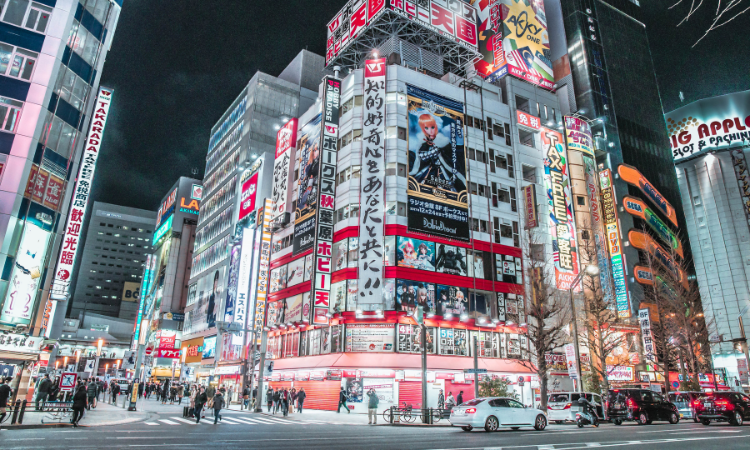
Each district offers something unique. Shinjuku buzzes with skyscrapers, rooftop viewpoints, and vibrant nightlife, while Shibuya combines world-famous crossings with shopping, entertainment, and countless dining options. Asakusa provides a completely different atmosphere, where traditional streets, local markets, and the historic Senso-ji Temple showcase Tokyo’s cultural heritage.
One of the greatest advantages of visiting Tokyo as part of a guided tour is the balance between structure and independence. Most itineraries spend around three days in the city, allowing travelers to enjoy guided sightseeing in the mornings before exploring independently during free afternoons and evenings.
Tokyo is also widely regarded as one of the safest major cities in the world, making evening walks, late-night dining, and solo exploration feel comfortable—even for first-time visitors. This is one of the reasons solo female travel Japan continues to grow in popularity, with many travelers appreciating the city’s clean streets, reliable public transportation, and welcoming atmosphere.
For a deeper look at Tokyo’s best neighborhoods and what a guided group tour covers in the city, see our guide to solo guided Tokyo experiences.
Kyoto for Solo Travelers
Kyoto offers a completely different side of Japan. As the country’s ancient imperial capital, it’s home to centuries-old temples, peaceful gardens, traditional tea houses, and beautifully preserved historic districts.
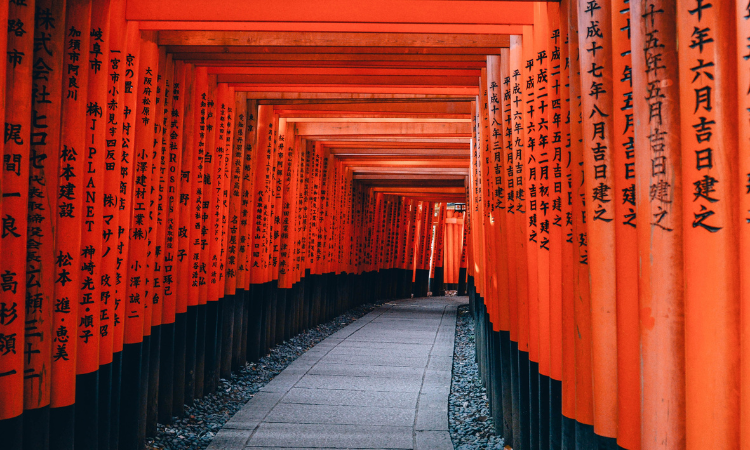
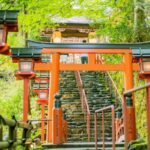
While it’s certainly possible to explore Kyoto independently, many travelers find that a guided tour transforms the experience. Visiting iconic attractions such as Fushimi Inari Shrine early in the morning with an experienced guide allows you to avoid the busiest crowds while learning the fascinating history and symbolism behind the thousands of vermilion torii gates.
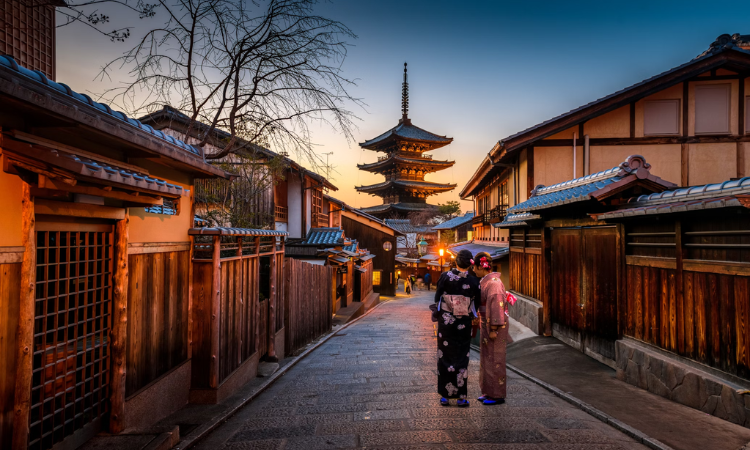
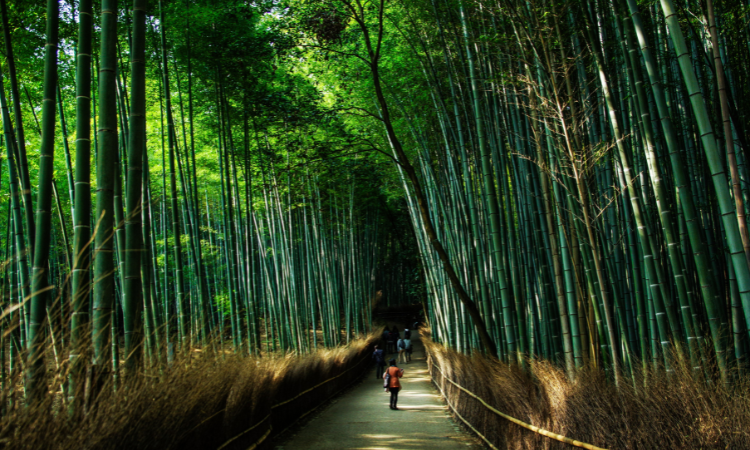
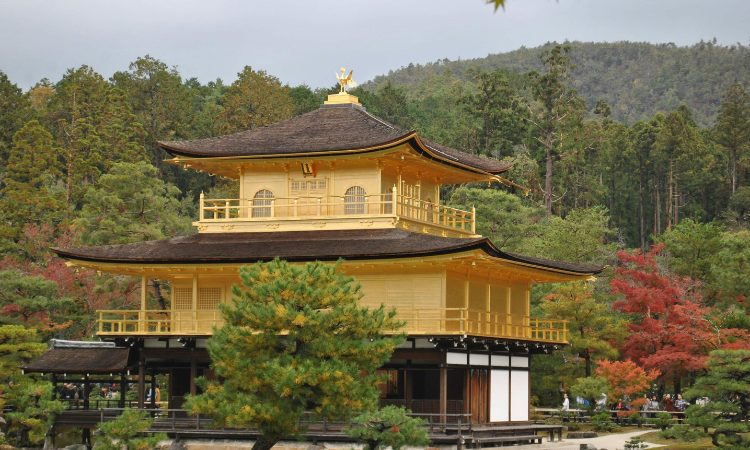
The same is true throughout the city. Walking through Kinkaku-ji, strolling beneath the bamboo groves of Arashiyama, or exploring the traditional streets of Gion becomes far more meaningful when you understand the cultural traditions, religious significance, and historical events that shaped these remarkable places.
Kyoto is also an excellent destination for solo travelers after dark. The lantern-lit lanes of Gion create a peaceful atmosphere for evening walks, while the city’s reputation for safety allows visitors to explore comfortably at their own pace.
For a deeper look at Kyoto’s best neighborhoods and what a guided group tour covers in the city, see our guide to solo guided Kyoto experiences.
Osaka for Solo Travelers
If Tokyo impresses with its energy and Kyoto with its history, Osaka wins visitors over with its personality.
Known as Japan’s food capital, Osaka has a friendly, outgoing atmosphere that makes it particularly enjoyable for solo travelers. Locals are often more conversational than in other parts of Japan, and the city’s lively restaurant culture naturally encourages interaction.
Dotonbori is the heart of the action, with dazzling neon lights, riverside promenades, bustling restaurants, and famous street foods such as takoyaki and okonomiyaki. While it’s exciting to explore alone, it’s also one of those places where sharing the experience with fellow travelers often makes the memories even better.
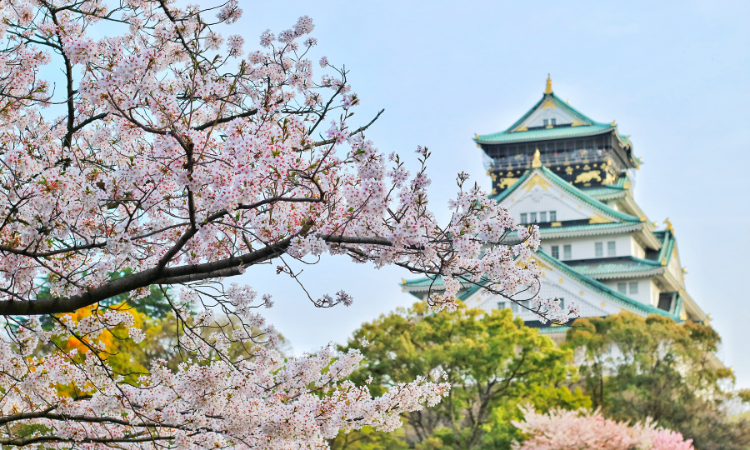
Most escorted tours spend one or two days in Osaka before departure, giving travelers enough time to experience the city’s vibrant nightlife, historic Osaka Castle, and world-famous culinary scene while enjoying a relaxed conclusion to their journey.
Check out this Osaka Travel guide for more information about planning a trip to Osaka.
Day Trips That Are Even Better with a Guide
Some of Japan’s most memorable experiences happen beyond its major cities, and guided day trips provide valuable cultural context that independent travelers often miss.
Nara is a perfect example. While its friendly deer are undoubtedly charming, the city’s true significance lies in its history as Japan’s first permanent capital. Visiting Todai-ji Temple with a knowledgeable guide brings the enormous Great Buddha and the surrounding temple complex to life through stories of Buddhism, imperial history, and Japanese architecture.
Similarly, day trips to Nikko or Kamakura from Tokyo become much more rewarding when explored with expert commentary. Understanding the legacy of the Tokugawa shogunate, the symbolism of ornate shrines, and the historical importance of these destinations adds depth that guidebooks simply cannot replicate.
For many travelers, these guided excursions become some of the most memorable moments of the trip because they combine spectacular scenery with a richer understanding of Japan’s fascinating past.
Solo Female Travel on a Japan Guided Tour
For many women, traveling solo is both exciting and empowering—but it’s also natural to have questions about safety, navigating unfamiliar places, and feeling comfortable in a new country. The good news is that Japan has earned a global reputation as one of the safest destinations for independent travelers, making it an excellent choice for women embarking on their first solo international adventure.
While Japan is easy to explore independently, many women choose solo tours to Japan because they combine the freedom of solo travel with the reassurance of expert support and a welcoming group environment.
Is Japan Safe for Solo Female Travelers?
Japan is consistently ranked among the safest countries in the world for solo female travelers, thanks to its low crime rates, respectful public culture, clean and well-lit cities, and exceptionally reliable public transportation.
Whether you’re walking through Tokyo after dinner, catching an evening train in Kyoto, or exploring Osaka’s lively neighborhoods, you’ll likely notice how secure and organized everyday life feels. Public transport is punctual, stations are clearly marked, and locals are generally courteous and willing to help if assistance is needed.
For first-time international solo travelers, this welcoming environment removes many of the concerns that often come with visiting a new country. Instead of constantly worrying about personal safety, you can focus on experiencing Japan’s incredible culture, cuisine, and history with confidence.
What a Guided Tour Adds for Solo Female Travelers
Although Japan is already a remarkably safe destination, joining a guided tour offers benefits that extend well beyond personal security.
One of the greatest advantages is the instant sense of community. Rather than spending evenings dining alone or wondering where to go next, you’ll be traveling alongside like-minded people who share your enthusiasm for discovering Japan. Shared meals, sightseeing, and cultural experiences create natural opportunities to form friendships throughout the journey.
Your guide also provides valuable support whenever needed. Whether it’s translating conversations, recommending local restaurants, explaining cultural etiquette, or handling unexpected situations, having an experienced local expert nearby makes the entire experience more relaxed.
Another often-overlooked benefit is the reduction of decision fatigue. Instead of spending hours researching transportation, planning sightseeing routes, or choosing between dozens of attractions, the important logistics have already been arranged. That leaves you free to enjoy each destination while still having plenty of time to explore independently.
Group Demographics on Japan Tours
Many first-time solo travelers worry they’ll be the only person traveling alone—but that concern rarely reflects reality.
Women traveling independently make up a significant percentage of participants on many Japan guided tours. In fact, on numerous Indus Travel departures, solo female travelers represent more than half of the group. This creates an immediate sense of community where everyone shares similar travel goals and experiences.
Because so many participants are traveling on their own, introductions happen naturally from the very beginning. Whether you’re enjoying a welcome dinner, riding the Shinkansen together, or exploring Kyoto’s temples, it’s easy to find companions for meals, shopping, or free-time activities.
Knowing that you’re surrounded by other independent travelers often removes the uncertainty that some women feel before joining a group tour for the first time.
Practical Safety Tips for Solo Female Travelers in Japan
Even in one of the world’s safest countries, a few practical tips can help you travel with even greater confidence.
- Use women-only train carriages during rush hour if you prefer. Many major rail lines provide dedicated cars for women during busy commuting periods.
- Enjoy evening walks with confidence. Well-lit streets, active neighborhoods, and low crime rates make late-night strolls in cities such as Tokyo, Kyoto, and Osaka generally comfortable for solo travelers.
- Choose reputable accommodations. Quality hotels maintain excellent security standards, secure entry systems, and helpful front-desk staff available around the clock.
- Ask your guide whenever you’re unsure. Whether you need restaurant recommendations, transportation advice, or assistance in an unfamiliar situation, your tour guide is always your first point of contact and a valuable local resource.
- Stay aware of your surroundings as you would anywhere else. While Japan is exceptionally safe, practicing basic travel awareness is always a sensible habit.
For many women, the combination of Japan’s outstanding safety record and the added reassurance of a professionally guided tour creates the ideal environment to experience solo travel with confidence. It offers the freedom to explore independently while knowing that expert support and a friendly group are never far away.
The Solo Traveler’s Cost Guide — Japan Guided Tours
Budget is one of the biggest considerations when planning a trip to Japan, especially if you’re traveling on your own. Many solo travelers assume that guided tours are significantly more expensive than planning everything independently, but that’s not always the case. Once you factor in international flights, quality accommodation, high-speed rail travel, entrance fees, and local transportation, a professionally organized tour often offers excellent overall value.
Understanding what is included, how the Japan tour single supplement works, and what additional expenses to expect will help you choose the option that best fits your travel style and budget.
What Does a Solo Japan Guided Tour Cost?
For travelers departing from the United States or Canada, an all-inclusive guided tour of Japan typically costs between $5,500 and $8,000 per person for a 10 to 14-day itinerary.
This price generally includes:
- Return international flights from major US and Canadian cities
- Centrally located 4-star hotels
- Shinkansen (bullet train) travel between destinations
- Airport and inter-city transfers
- A licensed Japan specialist guide
- Daily breakfast and selected dinners
- Entrance fees to major attractions and cultural sites
Unlike some operators that advertise attractive “land-only” prices, these figures reflect the cost of the complete journey, making it easier to understand the true investment required before booking.
The Single Supplement — What It Is and How to Minimise It
One of the most common questions asked by solo travelers concerns the Japan tour single supplement.
Most tour prices are based on two people sharing a hotel room. If you prefer a private room, you’ll usually pay an additional fee known as the single supplement. Depending on the operator, hotel category, and itinerary length, this can range from $400 to $1,500.
Fortunately, there are ways to reduce—or even avoid—this extra cost.
Some tour companies will match solo travelers of the same gender who are happy to share a room, allowing both guests to avoid paying the supplement. Others offer guaranteed single rooms for a fixed additional cost, giving travelers complete privacy without uncertainty.
Before confirming your booking, always ask the operator about their room-sharing policy, guaranteed single-room options, and whether they offer any single supplement waivers on selected departures. If you’re considering an Indus Travel itinerary, it’s worth checking whether a single supplement waiver or promotional offer is available for your preferred departure date.
Understanding these options upfront helps you budget accurately and choose the arrangement that best suits your comfort level.
Is a Guided Tour Cheaper Than DIY Japan as a Solo Traveler?
Many travelers assume that independent travel is automatically the more affordable option, but when traveling alone, the difference is often much smaller than expected.
A self-planned 10 to 12-day itinerary can easily cost between $5,000 and $7,000 once you include return international airfare, centrally located hotels in Tokyo, Kyoto, and Osaka, Shinkansen tickets, local transportation, attraction entrance fees, and occasional guided experiences.
Solo travelers also bear the full cost of hotel rooms rather than sharing accommodation, which can significantly increase the overall budget.
A Japan guided tour single traveller package combines these major expenses into one transparent price while also providing expert guidance, seamless logistics, and the opportunity to travel alongside like-minded people. In many cases, the single supplement on an escorted tour is actually lower than the additional accommodation costs you would pay when organizing an equivalent independent trip.
Beyond the financial comparison, guided tours also save valuable planning time and reduce the stress of coordinating transportation, reservations, and daily sightseeing.
What’s Included vs. What Should You Budget Extra?
One of the biggest advantages of an escorted tour is knowing exactly what your package includes before you depart.
Typically Included
- Return international flights
- 4-star hotel accommodation
- Shinkansen and inter-city transportation
- Airport transfers
- Licensed Japan specialist guide
- Daily breakfast and selected dinners
- Entrance fees to scheduled attractions
- Guided sightseeing throughout the itinerary
Budget Separately For
- Single supplement (if applicable)
- Guide and driver gratuities (approximately $10–$15 USD per day)
- Lunches and meals during free time
- Personal shopping and souvenirs
- Optional excursions not included in the itinerary
- Comprehensive travel insurance
Planning for these additional expenses ensures there are no surprises during your journey and allows you to enjoy your trip with complete peace of mind.
For a full cost breakdown covering flights, accommodation, food, transportation, and sightseeing expenses, explore our solo Japan travel budget guide for 2026.
Practical Japan Solo Travel Tips (That a Guided Tour Handles for You)
Japan is one of the easiest countries in Asia to explore independently, but it’s also full of small logistical challenges that can catch first-time visitors off guard. These Japan solo travel tips will help you understand what to expect—and show how a guided tour can simplify many of these situations without taking away your independence.
Train Navigation
The challenge: Japan’s railway network is incredibly efficient, but it can also feel overwhelming. Multiple train operators, different ticket types, platform changes, and busy stations—especially in Tokyo—can leave first-time visitors second-guessing every journey.
How you’d handle it solo: Most independent travelers rely on an IC card such as Suica or PASMO alongside Google Maps, which generally provides excellent route guidance. After a day or two, navigating becomes much easier, although mistakes and wrong platforms are common during the first few days.
How a guided tour handles it for you: Your guide manages every train reservation, platform change, and boarding process. Shinkansen tickets are pre-booked, schedules are coordinated, and luggage logistics are organized in advance, allowing you to simply enjoy the journey instead of worrying about getting from A to B.
Language Barrier
The challenge: While English is spoken in many hotels and popular attractions, communication becomes more limited in local restaurants, smaller shops, and rural destinations.
How you’d handle it solo: Translation apps like Google Translate make everyday conversations much easier, and many signs now include English. Most interactions are manageable with a little patience.
How a guided tour handles it for you: Your guide removes the language barrier completely. Beyond translating conversations, they explain cultural customs, recommend authentic local experiences, and help you understand the traditions and etiquette that make Japan such a fascinating destination.
Cash Culture
The challenge: Although cashless payments are becoming increasingly common, Japan still has many smaller restaurants, temples, local markets, and family-run businesses that prefer cash.
How you’d handle it solo: Most travelers withdraw Japanese yen from 7-Eleven ATMs, which reliably accept international bank cards. You’ll also learn to carry enough cash before visiting smaller towns or traditional attractions.
How a guided tour handles it for you: Your guide lets you know exactly when you’ll need cash and points out convenient ATMs before it’s necessary. That means fewer unexpected situations where you’re searching for an ATM before dinner or an attraction.
Booking Popular Experiences
The challenge: Some of Japan’s most sought-after attractions sell out weeks or even months in advance.
How you’d handle it solo: Careful planning is essential. Experiences such as teamLab exhibitions, the Ghibli Museum, and highly rated ryokan stays often require reservations long before you arrive in Japan.
How a guided tour handles it for you: Quality operators secure these reservations well in advance as part of the itinerary whenever they’re included, removing the uncertainty of availability and ensuring you don’t miss out on iconic experiences.
Packing Light
The challenge: Carrying large suitcases through busy railway stations, climbing stairs, and navigating crowded trains can quickly become exhausting during a multi-city itinerary.
How you’d handle it solo: Many experienced travelers discover Japan’s excellent luggage forwarding service, known as takkyubin, which allows bags to be sent directly between hotels while you travel with a small overnight bag.
How a guided tour handles it for you: On many escorted tours, luggage forwarding is arranged for you automatically. Your guide coordinates the process, allowing you to enjoy bullet train journeys without dragging heavy luggage through stations.
Solo Dining
The challenge: Dining alone worries many first-time solo travelers, particularly during longer trips.
How you’d handle it solo: Fortunately, Japan is one of the world’s best destinations for solo dining. Counter seating at ramen shops, sushi bars, cafés, and conveyor-belt sushi restaurants is completely normal, and you’ll rarely feel out of place eating alone.
How a guided tour handles it for you: Guided tours provide the best of both worlds. Lunches are often independent, allowing you to explore local restaurants on your own, while many dinners become enjoyable social occasions where the group shares regional dishes, exchanges stories, and discovers new Japanese flavors together—without any obligation to participate every evening.
Getting Lost
The challenge: Even experienced travelers occasionally take the wrong exit or board the wrong train in Tokyo. With hundreds of stations and multiple rail operators, getting lost is almost a rite of passage for first-time visitors.
How you’d handle it solo: Google Maps, station maps, and helpful locals usually get you back on track quickly. Most navigation mistakes become part of the adventure and often lead to unexpected discoveries.
How a guided tour handles it for you: On guided travel days, your escort takes care of every transfer and route. There’s no rushing through unfamiliar stations, worrying about missed trains, or trying to interpret complex platform signs. You spend your time enjoying Japan instead of figuring out how to reach the next destination.
The beauty of traveling independently is the freedom to solve these challenges yourself. The beauty of a guided tour is that you don’t have to. Instead of investing time and energy into logistics, you can focus on experiencing Japan’s history, cuisine, culture, and unforgettable landscapes with confidence.
Frequently Asked Questions About Guided Solo Tours to Japan
Are guided solo tours to Japan suitable for first-time travelers?
Absolutely. Guided solo tours to Japan are an excellent choice for first-time visitors because they eliminate the stress of planning transportation, accommodations, and sightseeing. With experienced guides handling the logistics, you can focus on enjoying Japan’s culture, cuisine, and iconic landmarks while travelling with confidence.
Will I be the only solo traveler on the tour?
In most cases, no. Guided tours often include a healthy mix of solo travelers, couples, and friends. Many people choose escorted tours specifically because they enjoy meeting fellow travelers while still maintaining their independence. By the end of the trip, it’s common for solo travelers to have formed lasting friendships.
How much free time do guided Japan tours include?
Most escorted itineraries balance guided sightseeing with personal leisure time. You’ll have opportunities to explore local neighborhoods, shop, enjoy regional cuisine, or relax on your own while still benefiting from a professionally organized schedule.
Do I have to participate in every group activity?
Not at all. While sightseeing activities included in the itinerary are guided, your free time is entirely your own. If you’d like to join fellow travelers for dinner or continue exploring independently, the choice is yours.
Is Japan safe for solo travelers?
Yes. Japan is widely regarded as one of the safest countries in the world. Its low crime rates, reliable public transportation, and respectful culture make it an ideal destination for solo travelers. Many visitors feel comfortable exploring both major cities and smaller towns independently during their free time.
What is a single supplement?
A single supplement is an additional charge that covers the cost of occupying a hotel room alone. Since hotel rooms are typically priced for double occupancy, solo travelers who prefer a private room may be required to pay this supplement. It’s always worth checking with your tour operator for current offers or promotions.
What’s included in most Japan escorted tours?
While inclusions vary by itinerary, most Japan escorted tours typically include accommodations, transportation between destinations, guided sightseeing, entrance fees to included attractions, daily breakfasts, and the services of experienced English-speaking tour directors and local guides.
Which Japan tour is best for solo travelers?
The right itinerary depends on your interests and travel style. Travelers looking for a well-rounded introduction often choose Best of Japan, while those wanting a comprehensive overview may prefer Highlights of Japan. If you’re interested in exploring beyond the most famous attractions, Treasures of Japan offers a more immersive cultural experience.
Final Thoughts
Travelling solo doesn’t mean travelling alone, it means travelling on your own terms. For many people, guided solo tours to Japan provide the ideal combination of independence, expert guidance, and meaningful connections. You can immerse yourself in Japan’s rich traditions, breathtaking landscapes, and world-famous hospitality without worrying about train schedules, hotel logistics, or language barriers.
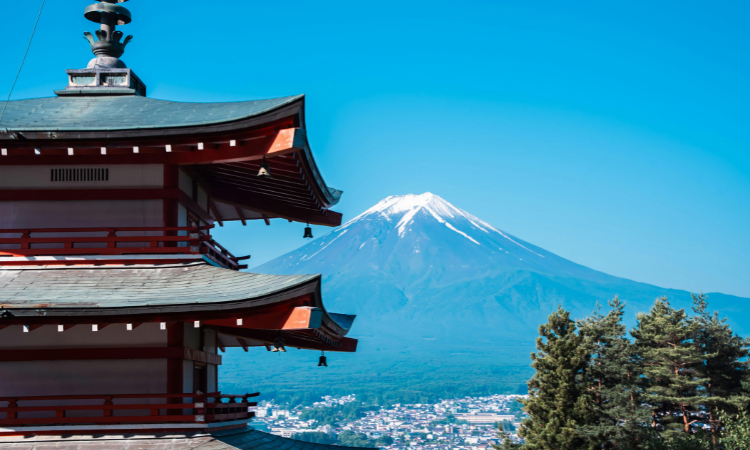
Whether you’re setting off on your very first solo adventure or you’re an experienced traveler looking for a deeper, more enriching way to discover Japan, an escorted tour allows you to experience the country’s highlights with confidence and ease. From the vibrant streets of Tokyo and the timeless beauty of Kyoto to the serenity of Mount Fuji and the moving history of Hiroshima, every destination becomes even more memorable when every detail is thoughtfully planned.
Ready to start your journey?
Discover expertly crafted itineraries designed to help solo travelers experience Japan comfortably, confidently, and unforgettable and book a guided solo Japan tour.
 Toll Free (USA & Canada) +1 866 978 2997