Japan is a country where ancient traditions blend seamlessly with cutting-edge technology, offering travelers an endless array of unforgettable experiences. From exploring historic temples and shrines to dining on world-class sushi, Japan captivates visitors with its rich culture and stunning landscapes. Whether you’re soaking in an onsen with breathtaking mountain views, wandering through neon-lit streets in Tokyo, or witnessing the beauty of cherry blossoms in Kyoto, every moment in Japan is unique. With so much to see and do, this list of 66 incredible experiences, along with this Japan Travel Guide for first timers will help you uncover the magic of Japan like never before.
Check out our Japan Tours to experience these amazing unique experiences.
Wondering what can you do in Japan? Well, we have quite a few answers.
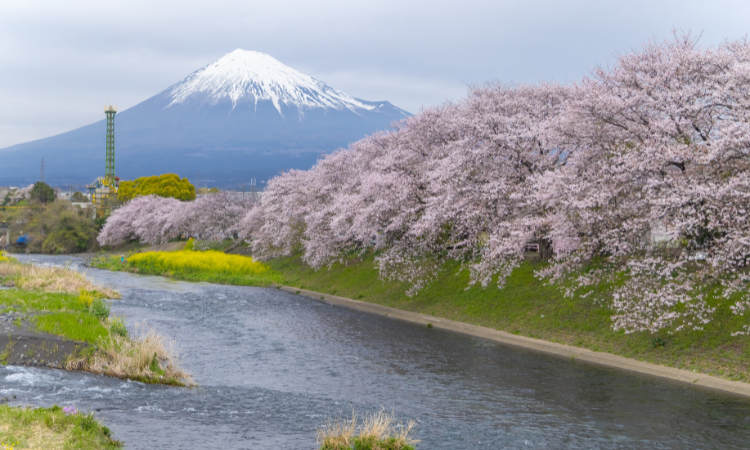
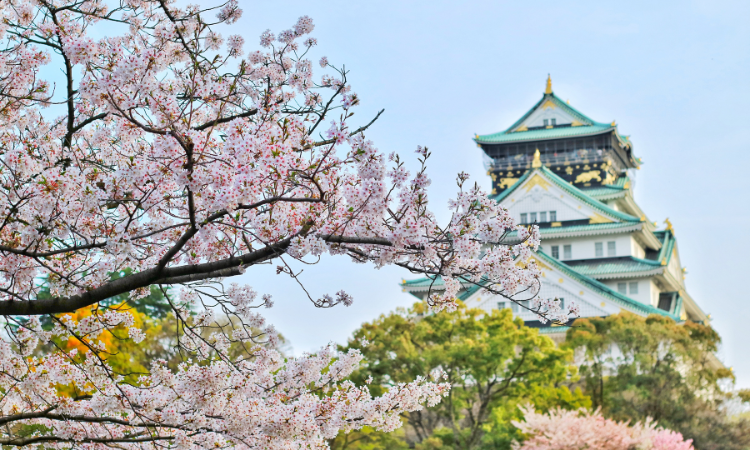
See the Cherry Blossoms in Full Bloom
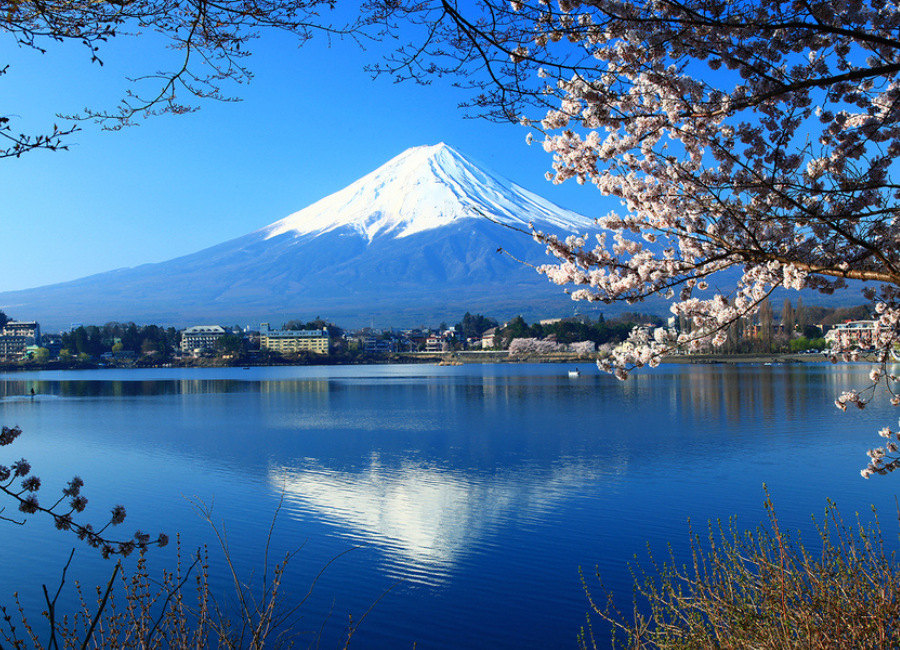
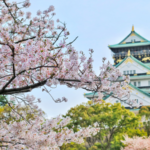
Japan’s cherry blossoms, or sakura, are world-famous, drawing visitors from across the globe. Hanami, or flower viewing, is a beloved tradition where people gather in parks for picnics under delicate pink blooms. Top spots include Tokyo’s Ueno Park, Kyoto’s Maruyama Park, and the iconic Chureito Pagoda with Mount Fuji in the background. The best time to see cherry blossoms varies by region, typically from late March to early April. It’s an unforgettable sight that perfectly captures Japan’s fleeting beauty.
If possible, plan your 10 day Japan Itinerary in Spring time, as Japan in April is truly straight out of a fairytale.
Stay in a Traditional Ryokan
A ryokan stay immerses you in Japanese culture with tatami-matted rooms, futon bedding, and communal hot spring baths. Many ryokans offer kaiseki meals, featuring seasonal ingredients beautifully presented. Cities like Kyoto and Hakone are known for their charming, historic ryokans. Waking up to serene garden views and experiencing omotenashi (Japanese hospitality) makes for an unforgettable stay. This surely is one of the best things to do in Japan.
Feast on Sushi and Local Japanese Delicacies
What is Japan famous for? Well, Japan is a paradise for food lovers, offering everything from fresh sushi at Tsukiji Outer Market to comforting bowls of ramen in a local shop. Kaiseki dining provides a refined multi-course meal, while street food stalls in Osaka serve takoyaki (octopus balls) and okonomiyaki (savory pancakes). Don’t miss trying uni (sea urchin) or A5-grade Wagyu beef, both known for their rich flavors. Each dish reflects Japan’s deep culinary heritage and commitment to quality.
Travel by High-Speed Bullet Train
Japan’s Shinkansen, or bullet train, is the epitome of efficiency and comfort. Traveling at speeds up to 320 km/h (199 mph), it connects major cities like Tokyo, Kyoto, and Osaka in record time. The trains are incredibly punctual and provide scenic views of Japan’s countryside. A Japan Rail Pass can save travelers money while offering unlimited train rides.
Bathe in a Natural Onsen
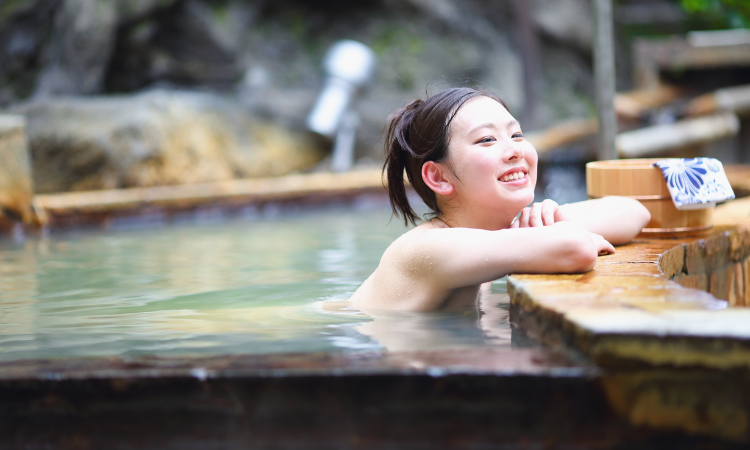
Onsen bathing is a deeply ingrained part of Japanese culture, offering relaxation and health benefits. Popular onsen towns like Hakone, Beppu, and Kusatsu feature mineral-rich hot springs with stunning mountain views. Traditional onsens often require bathers to go in nude, following proper etiquette. Soaking in an outdoor rotenburo (open-air bath) during winter with snow falling around is an unforgettable experience.
Observe Snow Monkeys in Their Natural Habitat
Japan’s snow monkeys, or Japanese macaques, are famous for their love of hot springs. You can see them bathing in the steamy pools of Jigokudani Monkey Park in Nagano, especially during winter. These playful primates thrive in the cold and provide an entertaining sight as they relax in the warm waters. The park is a short hike from the nearest entrance, offering a scenic walk through a snowy wonderland. Watching them soak and interact up close is a unique and heartwarming experience.
Attend the Sapporo Snow Festival
Held every February, the Sapporo Snow Festival transforms Hokkaido’s capital into a winter wonderland. Massive ice sculptures, some reaching over 15 meters tall, line Odori Park, while the Susukino district hosts an ice-carving competition. Families can enjoy snow slides and skating rinks, while food stalls serve delicious local dishes like miso ramen and seafood. The festival’s nighttime illuminations create a magical atmosphere, making it one of Japan’s most celebrated winter events.
Visit the Historic Hiroshima Memorial
The Hiroshima Peace Memorial Park stands as a solemn reminder of history while promoting a message of peace. The Atomic Bomb Dome, one of the few buildings left standing after the bombing, has been preserved as a UNESCO World Heritage Site. The museum inside the park tells the story of Hiroshima’s resilience and recovery. Visitors can also ring the Peace Bell and leave paper cranes at the Children’s Memorial. It’s a deeply moving experience that highlights the importance of peace and remembrance.
Hike the Scenic Kumano Kodo Trail
The Kumano Kodo is an ancient pilgrimage route in the Kii Peninsula, leading to sacred Shinto shrines. Walking these forested trails takes you through misty mountains, serene villages, and historic temples. The route is dotted with traditional ryokans and onsens, making it a perfect mix of adventure and relaxation. Hikers can choose from several routes, with the Nakahechi path being the most popular. Completing the pilgrimage earns travelers a dual pilgrim certificate if they’ve also walked the Camino de Santiago in Spain.
Take a Ferry to Miyajima Island
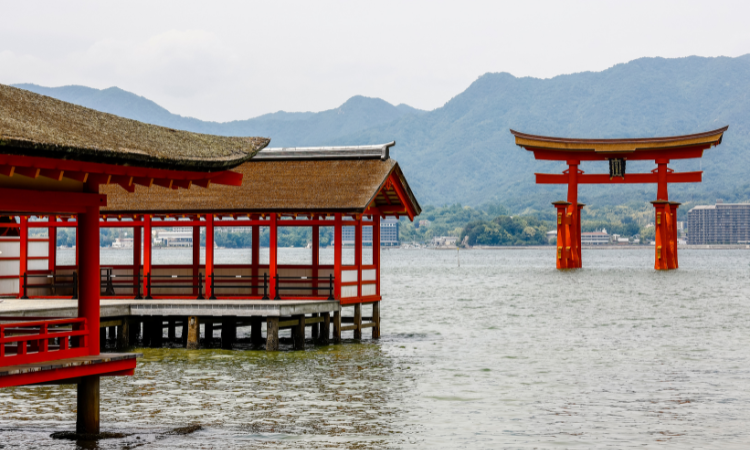
Miyajima, known for its floating torii gate, is one of Japan’s most scenic destinations. The vermilion gate, part of Itsukushima Shrine, appears to float on the water during high tide. Deer roam freely across the island, adding to its charm. Visitors can hike or take a ropeway up Mount Misen for panoramic views of the Seto Inland Sea. The island’s specialty, grilled oysters and momiji manju (maple leaf-shaped cakes), make for delicious local treats.
Explore Tokyo’s Bustling Nightlife
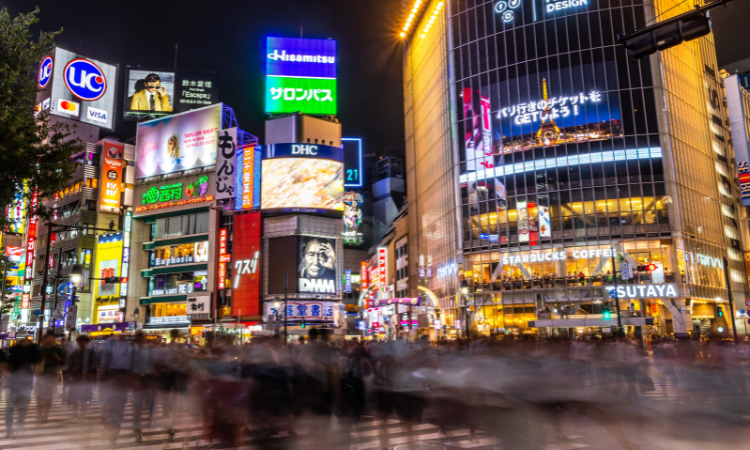
What are fun things to do in Japan? Experiencing the nightlife of its capital city! Tokyo comes alive at night with endless entertainment options, from neon-lit streets to underground jazz bars. Shinjuku and Shibuya offer vibrant nightlife, with karaoke, izakayas, and rooftop lounges. For a more traditional experience, visit Golden Gai, a narrow alley lined with tiny themed bars. Akihabara’s arcades and gaming centers remain open late, catering to anime and tech enthusiasts. Whether you’re looking for high-energy clubs or cozy hidden bars, Tokyo has something for every night owl.
Try Authentic Wagyu Beef
Japan’s wagyu beef is world-renowned for its rich marbling and melt-in-your-mouth texture. Regions like Kobe, Matsusaka, and Hida produce some of the finest cuts, offering an unparalleled dining experience. Many restaurants prepare wagyu as steak, sukiyaki, or shabu-shabu, enhancing its delicate flavor. Some places even let diners grill their own meat yakiniku-style. Trying authentic wagyu in Japan is a must for any food lover.
Learn the Art of Making Sushi
What is Japan most known for? It’s sushi! Sushi-making classes in Japan provide hands-on experience in crafting this beloved dish. Expert chefs teach you how to prepare sushi rice, slice fresh fish, and roll maki with precision. Many classes take place in traditional settings, allowing travelers to appreciate Japanese culinary techniques. Some even include visits to local fish markets, where participants select their own ingredients. Learning sushi-making is both a fun and cultural experience that deepens my appreciation for Japan’s cuisine.
Experience Otaku Culture in Akihabara
Akihabara is Japan’s mecca for anime, manga, and gaming culture. The district is packed with multi-story arcades, collectible shops, and themed cafés catering to fans of Japanese pop culture. Visitors can browse exclusive merchandise, meet cosplayers, and even visit maid cafés for a unique dining experience. Retro gaming enthusiasts can find rare consoles and vintage games in hidden specialty stores. Akihabara is a must-visit for anyone fascinated by Japan’s otaku subculture.
Ride the Ferry to Itsukushima Shrine
What is popular in Japan? The ferry ride to Itsukushima Shrine. It offers stunning views of the floating torii gate, one of the country’s most iconic sites. This sacred Shinto site on Miyajima Island is known for its vermilion structure appearing to float on water during high tide. The shrine itself is beautifully constructed on stilts, seamlessly blending with the surrounding natural scenery. Visitors can explore the island’s lush forests and encounter friendly deer wandering freely. Miyajima is a serene escape from Japan’s bustling cities.
Participate in a Japanese Tea Ceremony
A Japanese tea ceremony is a peaceful and meditative experience that embodies the country’s hospitality and tradition. Guests are guided through the careful preparation and presentation of matcha, appreciating every step of the ritual. The ceremony takes place in a traditional tatami room, often within a historic temple or teahouse. It emphasizes harmony, respect, and mindfulness, making it more than just a tea-drinking session. This cultural experience offers a glimpse into Japan’s Zen philosophy.
Witness the Wisteria Blooms at Kawachi Fuji Garden
Kawachi Fuji Garden is a dreamlike destination when its wisteria tunnels burst into full bloom in late April to early May. The cascading purple, pink, and white flowers create a breathtaking tunnel, making it a favorite for photographers. The best time to visit is during the annual Wisteria Festival when the colors are at their peak. The garden is located in Kitakyushu, offering a quiet escape from city life. Walking under the fragrant blossoms feels like stepping into a fairytale.
Walk Along the Snow Corridor at Tateyama Kurobe Alpine Route
The Tateyama Kurobe Alpine Route is famous for its towering snow walls that reach up to 65 feet high in spring. The Snow Corridor opens from mid-April to June, allowing visitors to walk through a path surrounded by pure white walls. The route also offers cable cars, ropeways, and breathtaking mountain views. It’s one of Japan’s most unique winter-to-spring experiences, attracting nature lovers and adventure seekers alike.
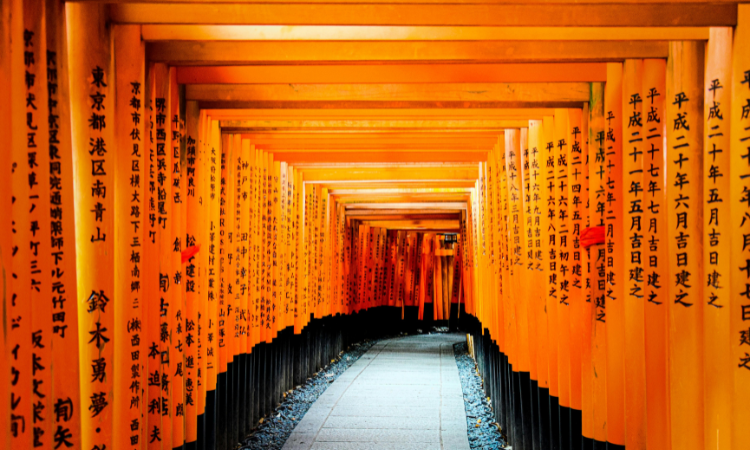
Explore Kyoto’s Fushimi Inari Shrine and Its Thousands of Torii Gates
Fushimi Inari Shrine is famous for its mesmerizing path of thousands of vermilion torii gates leading up Mount Inari. This Shinto shrine, dedicated to the god of rice and prosperity, is one of Kyoto’s most photographed sites. The winding trails offer stunning views of the city, and hidden sub-shrines add to the mystical atmosphere. Many visitors write wishes on fox-shaped ema plaques, as foxes are believed to be Inari’s messengers. Walking through this iconic landmark is an unforgettable spiritual experience.
Visit the Iconic Kiyomizudera Temple & the Historic Higashiyama District
Kiyomizudera Temple, a UNESCO World Heritage Site, is known for its massive wooden stage that offers breathtaking views of Kyoto. The temple is especially stunning during cherry blossom season and autumn foliage. Nearby, the Higashiyama District preserves Kyoto’s old-world charm, with narrow streets lined with traditional tea houses and shops. Visitors can try matcha treats, buy handcrafted souvenirs, or even spot geisha walking through the area. Exploring this district feels like stepping back in time.
Discover the Beauty of the Takayama Festivals
Takayama’s spring and autumn festivals are among Japan’s most beautiful, featuring elaborate floats adorned with intricate carvings and moving puppets. These centuries-old festivals bring the historic town to life with parades, performances, and lantern-lit evening processions. Takayama itself is known for its preserved Edo-period streets, offering a glimpse into Japan’s past. Visitors can also enjoy local specialties like Hida beef and sake from the region’s traditional breweries. Attending a Takayama festival is an enchanting cultural experience.
Try Shochu and Other Traditional Japanese Spirits
Shochu is Japan’s lesser-known but equally fascinating spirit, often compared to sake but with a higher alcohol content. Made from barley, sweet potatoes, or rice, it offers a variety of flavors depending on the region. Izakayas and specialty bars serve shochu straight, on the rocks, or mixed with hot water. Japan also has unique liquors like umeshu (plum wine) and awamori, Okinawa’s distinctive spirit. Exploring Japan’s traditional drinks is a fun way to experience its rich culinary culture.
Watch a Live Sumo Wrestling Match
Sumo wrestling is Japan’s national sport, steeped in ancient Shinto traditions and rituals. Watching a live sumo match in arenas like Ryogoku Kokugikan in Tokyo is an unforgettable experience. The ceremonial start, powerful clashes, and the sheer size of the wrestlers make each bout thrilling to witness. Visitors can also explore sumo stables where wrestlers train and even enjoy a chanko-nabe meal, the hearty stew they eat to maintain their size. A sumo match offers a rare glimpse into a deeply traditional side of Japan.
Experience the Nightlife and Food Scene in Osaka’s Dotonbori
Dotonbori is Osaka’s lively entertainment district, famous for its neon lights, giant billboards, and incredible street food. This bustling area is the best place to try Osaka’s famous dishes like takoyaki (octopus balls) and okonomiyaki (savory pancakes). The atmosphere is electric, with street performers, game arcades, and karaoke bars lining the streets. Visitors can take a boat ride along the Dotonbori River for a different perspective of the city’s vibrant nightlife. Osaka’s “eat till you drop” culture shines brightest in Dotonbori.
Explore the Unique Architecture of Himeji Castle
Himeji Castle, often called the “White Heron Castle,” is Japan’s most stunning and well-preserved feudal-era fortress. Its elegant white walls and intricate wooden interiors make it a masterpiece of 17th-century architecture. A UNESCO World Heritage Site, it has survived wars, earthquakes, and time without major damage. Visitors can wander through its winding passages, hidden defenses, and towering keep. Himeji Castle is a must-visit for history buffs and architecture lovers alike. This is one of the most beautiful tourist attractions in Japan.
Indulge in a Traditional Kaiseki Multi-Course Dinner
Kaiseki is Japan’s version of haute cuisine, featuring a meticulously prepared multi-course meal that balances taste, texture, and presentation. Each dish is crafted with seasonal ingredients and arranged beautifully to reflect nature’s harmony. Dining in a kaiseki restaurant, especially in Kyoto, is an elegant and immersive experience. The meal typically includes sashimi, grilled dishes, simmered delicacies, and exquisite desserts. Kaiseki dining is a true art form that showcases Japan’s culinary mastery.
Browse the Unique Finds at a 100 Yen Shop
Japan’s 100 yen shops are treasure troves of affordable and surprisingly high-quality goods. From kitchenware and stationery to souvenirs and snacks, these stores have an astonishing variety of products. Popular chains like Daiso and Seria are great places to pick up Japanese gifts without breaking the bank. Many items are uniquely Japanese, featuring cute designs and innovative functions. Shopping at a 100 yen store is a fun experience for bargain hunters and curious travelers alike.
Witness the Fuji Shibazakura Festival in Spring
Every spring, the fields near Mount Fuji burst into color with thousands of pink, white, and purple shibazakura (moss phlox) flowers. The Fuji Shibazakura Festival offers stunning views of the blossoms with Japan’s most iconic mountain in the background. The best time to visit is from mid-April to late May when the flowers are in full bloom. The festival also features food stalls selling local delicacies like sakura-flavored treats. It’s one of the most picturesque springtime experiences in Japan.
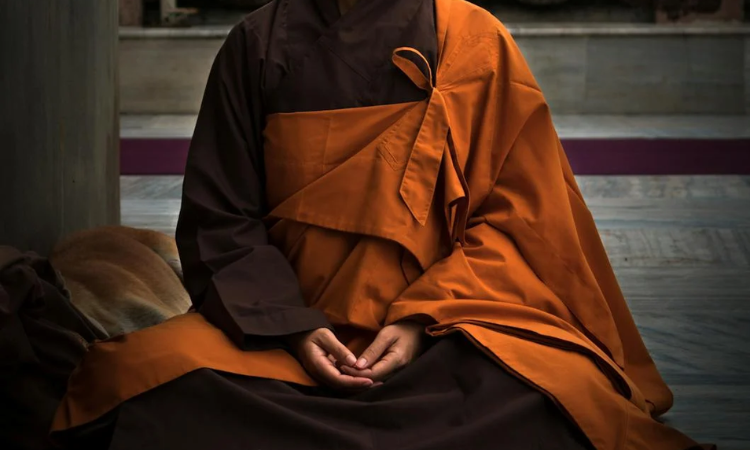
Participate in Zen Meditation in a Traditional Temple
Zen meditation, or zazen, is a practice that promotes mindfulness and inner peace. Many temples in Kyoto and Kamakura offer sessions where visitors can experience this ancient Buddhist discipline. A monk guides participants through breathing techniques and posture adjustments to achieve a state of deep focus. The tranquil temple setting enhances the meditative experience, providing a break from the fast pace of travel. Trying zazen meditation should be added to your Japan things to do list as it is a rewarding and calming experience.
Enjoy the Lavender Fields of Hokkaido in Summer
Hokkaido’s Furano region transforms into a breathtaking sea of purple during the summer lavender season. Farm Tomita is the most famous spot, offering endless rows of fragrant lavender fields against a mountainous backdrop. Visitors can enjoy lavender-flavored ice cream and pick up lavender-scented souvenirs. The best time to visit is from late June to early August when the flowers are in peak bloom. Hokkaido’s lavender fields are a peaceful and visually stunning escape from the city.
Take a Day Trip to Arashiyama’s Bamboo Forest
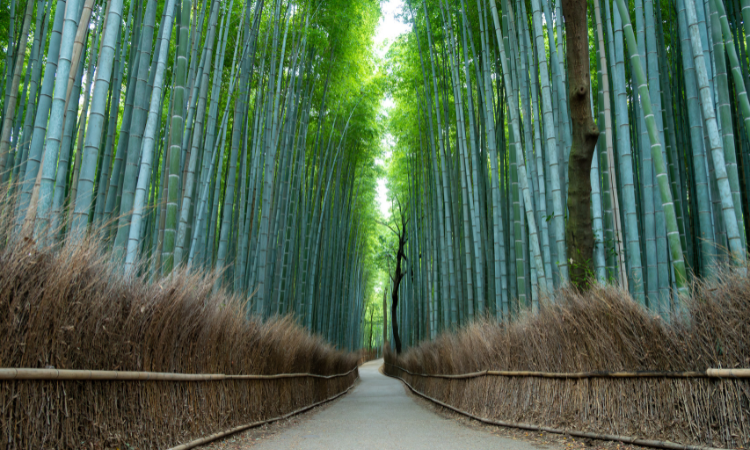
One of the famous Japan tourist attractions, the Arashiyama Bamboo Forest in Kyoto is a magical place where towering bamboo stalks sway gently in the wind. Walking through the shaded pathways feels like stepping into another world, with soft light filtering through the green canopy. The forest is best visited in the early morning to avoid crowds and enjoy the peaceful atmosphere. Nearby, the scenic Togetsukyo Bridge and Iwatayama Monkey Park add to the charm of the area. Arashiyama is a must-visit for nature lovers and photographers.
Visit Asakusa and Feel the Old Tokyo Atmosphere
Asakusa is home to Senso-ji, Tokyo’s oldest and most famous Buddhist temple. The vibrant Nakamise shopping street leading up to the temple is filled with traditional snacks and souvenirs. Rickshaw rides, kimono rental shops, and historic buildings give the district an old-world charm. The nearby Sumida River and Tokyo Skytree provide stunning modern contrasts to the area’s historic feel. Exploring Asakusa is a great way to experience Tokyo’s cultural heritage.
Try on a Japanese Kimono for a Day
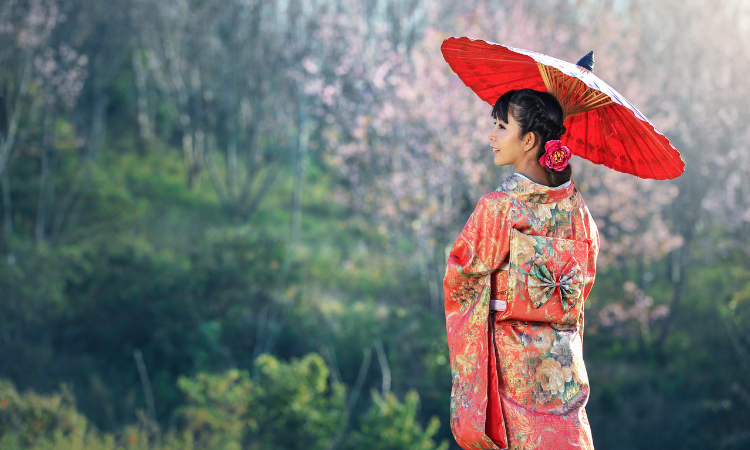
Wearing a kimono is a wonderful way to immerse yourself in Japanese culture. Many rental shops in Kyoto, Tokyo, and Kanazawa offer kimono experiences, complete with professional dressing assistance. Strolling through historic streets or visiting temples in a kimono makes for beautiful photos and unforgettable memories. Seasonal kimono styles reflect cherry blossoms in spring and maple leaves in autumn. This experience offers a deeper appreciation of Japan’s timeless traditions.
Watch a Kabuki Theater Performance in Tokyo
Kabuki is a traditional Japanese performing art that combines dramatic storytelling, elaborate costumes, and stylized acting. The best place to watch a Kabuki performance is at Tokyo’s Kabukiza Theatre, where both short and full-length plays are staged. The actors, often wearing striking makeup called “kumadori,” bring historical and mythical stories to life with exaggerated movements and expressive voices. While the performances are in Japanese, English guides are available to help visitors follow the plot. Watching Kabuki is a fascinating way to experience Japan’s cultural heritage.
Discover the Baby Blue Eyes Flowers at Hitachi Seaside Park
Every spring, the rolling hills of Hitachi Seaside Park in Ibaraki transform into a breathtaking ocean of blue. Millions of “Nemophila” flowers, also known as Baby Blue Eyes, bloom across the landscape, creating a dreamy, sky-like effect. The best time to visit is in late April to early May, when the park is at its most vibrant. Besides the blue flowers, the park also has tulip gardens, cycling paths, and a small amusement park. It’s a stunning natural spectacle that attracts photographers and nature lovers alike.
Visit the Blue Mosque in Tokyo
Tokyo’s Blue Mosque, also known as the Tokyo Camii, is the largest mosque in Japan and a stunning example of Ottoman architecture. Built in the 1930s by Turkish immigrants, it features intricate domes, elegant calligraphy, and beautifully detailed tilework. Visitors can take guided tours to learn about Islamic culture in Japan and even experience a prayer session. The mosque also has a cultural center where guests can enjoy Turkish tea and snacks. It’s a serene and fascinating place to explore in the heart of Tokyo, hence, one of the must things to see in Japan.
Spend a Day in Odaiba and Explore Its Futuristic Attractions
Odaiba, a man-made island in Tokyo Bay, is home to some of Japan’s most futuristic attractions. Visitors can explore teamLab Borderless, an immersive digital art museum, or see the life-sized Gundam robot outside DiverCity. The island also features a replica Statue of Liberty, a giant Ferris wheel, and an artificial beach. Shopping malls, entertainment complexes, and hot spring resorts make Odaiba a perfect spot for a fun-filled day. The futuristic vibe of Odaiba contrasts with Tokyo’s historic districts, offering a glimpse into Japan’s innovation.
Sing Your Heart Out in a Japanese Karaoke Booth
Karaoke is a huge part of Japanese nightlife, and singing in a private karaoke booth is a must-try experience. Unlike Western-style karaoke bars, Japan’s karaoke rooms allow groups to sing in a cozy, private setting with themed decor and high-tech sound systems. Many karaoke spots offer all-you-can-drink packages and a menu of snacks to keep the party going. Whether you belt out a classic ballad or a J-pop hit, karaoke is a fun way to experience Japan’s love for music.
Learn the Ancient Art of Samurai Sword Training
For history enthusiasts, trying samurai sword training is an unforgettable experience. Several dojos in Tokyo and Kyoto offer hands-on lessons where visitors can learn basic katana techniques from skilled instructors. Some experiences also include dressing in traditional samurai attire and performing choreographed sword movements. These classes provide insight into the discipline, precision, and philosophy behind the samurai way of life. It’s a unique opportunity to step into the world of Japan’s legendary warriors.
Visit the Gion Matsuri Yamaboko Junko in Kyoto
The Gion Matsuri is one of Japan’s most famous festivals, held every July in Kyoto. The highlight is the Yamaboko Junko parade, where massive, beautifully decorated floats are pulled through the streets by teams of locals. The festival dates back over a thousand years and is deeply rooted in Kyoto’s traditions. Visitors can also enjoy night markets, street performances, and cultural events leading up to the main parade. Attending the Gion Matsuri offers a rare chance to experience Japan’s rich festival culture.
Go to the Tokushima Awa Odori Festival and Dance With the Locals
Awa Odori, Japan’s most famous dance festival, takes place every August in Tokushima on Shikoku Island. Thousands of dancers parade through the streets performing rhythmic, high-energy movements to traditional music. The festival welcomes visitors to join in the dance, making it an interactive and exhilarating experience. Colorful yukata-clad performers and the lively beats of taiko drums create a mesmerizing spectacle. Awa Odori is a celebration of joy and community, making it a must-see for culture lovers.
Find Out What’s So Special About Japan’s Convenience Stores
Japanese convenience stores, or “konbini,” are unlike any others in the world. Open 24/7, they offer an impressive variety of fresh meals, seasonal snacks, high-quality coffee, and even limited-edition treats. Many konbini also have ATMs, delivery services, and ticket booking options. Travelers can try delicious onigiri (rice balls), bento boxes, and matcha-flavored sweets on the go. Visiting a Japanese convenience store is not just about grabbing food—it’s a cultural experience in itself.
Take Part in the Kyoto Aoi Matsuri, One of Japan’s Oldest Festivals
The Aoi Matsuri, held every May in Kyoto, is one of Japan’s most elegant and historically significant festivals. Participants dress in Heian-era (8th-12th century) attire and parade from the Imperial Palace to the Kamo Shrines. The festival’s name comes from the aoi (hollyhock) leaves that decorate costumes and floats. The event recreates ancient court rituals, giving visitors a glimpse into Japan’s aristocratic past. Aoi Matsuri is a peaceful and visually stunning experience for history enthusiasts.
Explore Japan’s Underground Culinary World in a Depachika (Food Basement)
Depachika, the basement food halls of Japanese department stores, are a paradise for food lovers. These gourmet markets sell everything from sushi and bento boxes to artisanal sweets and rare delicacies. The presentation of food is exquisite, making depachika a fantastic place to explore Japanese cuisine. Some of the best depachika can be found in Tokyo’s Ginza and Shinjuku districts. Sampling food in a depachika is a must for anyone wanting to experience Japan’s rich culinary culture.
Experience the Thrill of Playing Pachinko in a Local Arcade
Pachinko is Japan’s favorite gambling pastime, blending pinball with slot machine mechanics. Pachinko parlors are found all over Japan, filled with flashing lights, loud sounds, and intense energy. Players try to win tiny metal balls, which can be exchanged for prizes or cash. While the game has a learning curve, many parlors offer guidance for first-timers. Whether you win or lose, playing pachinko is a fun way to experience Japan’s unique entertainment culture.
Discover the Hidden Shrines and Temples of Nara
Nara, Japan’s first capital, is famous for its giant Buddha statue and friendly, free-roaming deer. Beyond its well-known attractions, Nara is home to many hidden temples and shrines nestled in peaceful forested areas. Places like Hōryū-ji, one of the world’s oldest wooden temples, and Kasuga-taisha, known for its stone lantern-lined paths, offer a serene escape from the crowds. Exploring Nara’s lesser-known spiritual sites provides a deeper connection to Japan’s history and traditions.
Join a Private Food Tour in Shinjuku and Try Local Street Eats
Shinjuku is a food lover’s paradise, with hidden alleyways and bustling izakayas serving mouthwatering Japanese street food. A private food tour lets you explore the best local spots, from yakitori stalls in Omoide Yokocho to ramen shops in Golden Gai. Guides often introduce visitors to off-the-beaten-path eateries where they can try specialties like okonomiyaki, takoyaki, and fresh sashimi. The experience is not just about food—it’s about immersing yourself in Tokyo’s lively nightlife. If you want to taste authentic Japan, a Shinjuku food tour is a must.
Stroll Through the Hanging Wisteria in Ashikaga Flower Park
Ashikaga Flower Park, located in Tochigi Prefecture, is famous for its enchanting wisteria tunnels. During late April to mid-May, the park’s 150-year-old wisteria trees bloom in cascades of purple, pink, and white flowers. The illuminated night displays create a magical, dreamlike atmosphere. Besides wisteria, the park also features seasonal floral arrangements and peaceful walking paths. It’s a breathtaking destination for nature lovers and photographers alike.
See the Illuminated Winter Festivals Across Japan
Winter in Japan is spectacular, with dazzling illumination events held across the country. Cities like Tokyo, Osaka, and Sapporo light up with millions of twinkling LED decorations. Some of the most famous displays include the Kobe Luminarie, Nabana no Sato’s tunnel of lights, and the Tokyo Midtown Illumination. Many festivals also feature hot drinks, seasonal treats, and romantic atmospheres. Visiting Japan in winter offers a magical experience unlike any other.
Witness the Tohoku Region’s Three Great Summer Festivals
The Tohoku region is home to three of Japan’s most exciting summer festivals: the Aomori Nebuta Matsuri, the Sendai Tanabata Festival, and the Akita Kanto Matsuri. The Aomori Nebuta Matsuri features massive illuminated floats depicting mythical warriors, while the Akita Kanto Matsuri showcases skilled performers balancing towering poles of lanterns. The Sendai Tanabata Festival, inspired by a romantic folktale, decorates the city with colorful paper streamers. Attending these festivals is a fantastic way to experience Japan’s vibrant summer traditions.
Stay in a Capsule Hotel
Capsule hotels are a uniquely Japanese accommodation experience, offering compact yet comfortable sleeping pods. Originally designed for business travelers, they have become popular among tourists seeking an affordable and novel place to stay. Many modern capsule hotels provide high-tech amenities, stylish interiors, and even gender-specific floors for privacy. Despite their small size, they offer a surprisingly cozy and futuristic experience. Staying in a capsule hotel is a fun and budget-friendly way to spend a night in Japan.
Visit a Themed Café
Japan is famous for its quirky themed cafés, ranging from animal cafés to anime-inspired restaurants. In Tokyo, visitors can sip coffee while playing with owls, hedgehogs, or even micro pigs. Other popular themes include ninja cafés, robot cafés, and maid cafés where waitresses dress in cute costumes. Some places, like the Pokémon Café or the Final Fantasy Eorzea Café, serve dishes inspired by popular games and anime. Visiting a themed café is a delightful way to experience Japan’s playful side.
Explore an Abandoned Island
Japan has several abandoned islands with hauntingly beautiful ruins. One of the most famous is Hashima Island (Gunkanjima), a former coal-mining island that became a ghost town after its closure in 1974. Visitors can take guided boat tours to explore its eerie, crumbling buildings. Other lesser-known abandoned sites include Okunoshima, an island once used for chemical warfare, now home to hundreds of friendly rabbits. Exploring these islands offers a fascinating look at Japan’s forgotten history.
Join a Firefly Viewing Event
During early summer, Japan’s rivers and forests come alive with glowing fireflies, creating a mesmerizing natural spectacle. Popular firefly viewing spots include the Chikugo River in Fukuoka and the forests of Nagoya and Kyoto. Many parks and temples host special evening events where visitors can watch the fireflies in a peaceful, romantic setting. The fleeting beauty of firefly season makes it a cherished tradition in Japan. Watching fireflies dance in the night is an unforgettable experience.
Visit a Hidden Samurai Village
Japan is home to well-preserved samurai districts that transport visitors back in time. Places like Kakunodate in Akita and the Chiran Samurai Residences in Kagoshima feature traditional samurai homes, serene gardens, and historical exhibits. These villages offer insight into the disciplined lifestyle of Japan’s feudal warriors. Some locations even provide samurai costume experiences, allowing visitors to dress up in armor and wield a katana. Walking through a samurai village is like stepping into a living museum.
Take a Ramen Cooking Class
Ramen is one of Japan’s most beloved comfort foods, and learning to make it from scratch is a rewarding experience. Cooking classes in Tokyo, Kyoto, and Osaka teach visitors how to prepare broth, hand-make noodles, and perfect the art of ramen toppings. Some classes even include a tasting session with different regional ramen styles. Making your own bowl of ramen allows you to appreciate the skill and dedication behind this iconic dish. It’s a delicious and hands-on cultural experience.
Explore a Ghost Town
Japan has several ghost towns, abandoned due to economic shifts or natural disasters. One of the most famous is the deserted town of Tomioka, located near the Fukushima nuclear disaster zone. While some areas remain restricted, guided tours provide insight into the town’s eerie silence and abandoned homes. Other ghost towns, like Nichitsu and Matsuo, were once thriving mining communities but now stand as haunting remnants of the past. Visiting these locations offers a sobering yet fascinating glimpse into Japan’s history.
Go Stargazing on a Remote Island
Japan’s remote islands offer some of the best stargazing opportunities, far from city lights. The Yaeyama Islands in Okinawa are known for their crystal-clear night skies and incredible Milky Way views. Aogashima, a volcanic island in the Philippine Sea, provides an isolated and breathtaking stargazing experience. Some observatories, like Ishigaki’s Starry Sky Tour, offer guided night-sky experiences with telescopes. Stargazing in Japan’s remote regions is a peaceful and awe-inspiring adventure.
Discover Japan’s Subterranean Waterfalls
Japan’s hidden waterfalls are not just above ground—some flow through caves and underground rivers. One of the most spectacular is the Akame 48 Waterfalls, a mystical area historically associated with ninja training. The Ryusendo Cave in Iwate features stunning underground lakes with vibrant blue waters. Another breathtaking spot is the Inazumi Underwater Cave in Oita, formed over 300 million years ago. Exploring these subterranean wonders reveals a hidden, magical side of Japan.
Go on a Real-Life Mario Kart Tour in Tokyo
One of Tokyo’s most thrilling activities is riding go-karts through the city streets dressed as your favorite video game or anime character. Several companies offer these “real-life Mario Kart” experiences, allowing visitors to drive around landmarks like Shibuya Crossing and Tokyo Tower. Participants must have an international driver’s license, but once on the road, the experience is unforgettable. Zooming through Tokyo in costume is a once-in-a-lifetime adventure.
Visit Gyokusendo Cave
Gyokusendo Cave stands as a relatively well-visited yet less recognized attraction you must travel to as you visit Japan. Nestled in the Okinawa prefecture, this expansive limestone cave invites exploration through its carefully placed walkways, bridges, and staircases.
Illuminated by strategically positioned lights, an underground river meanders through the cave, enhancing the enchantment of the experience. Ideal for adventurous souls seeking to delve deeper into Japan’s treasures, Gyokusendo Cave offers the perfect escape. While there, consider exploring other caves like Ryusendo Cave, ensuring you make the most of your adventure in Japan.
Witness the beauty of Iya Valley
Explore the tranquility of Iya Valley, a hidden gem nestled within the Shikoku region. This unexplored paradise offers a serene retreat with its remote villages, picturesque hanging bridges, and lush landscapes—perfect for those seeking an escape from the hectic pace of modern life.
Stay in a traditional thatched-roof farmhouse called a “kominka” to experience Japanese culture. Enjoy the warm hospitality of the local community. You can go on a refreshing hike on the Kazura Bridge.
You can also enjoy a rejuvenating swim in the Iya River. By doing so, you will experience the untouched beauty of rural Japan. If you’re looking for unique things to do in Japan, this hidden paradise promises an unforgettable experience.
Explore Tottori Sand Dunes
The Tottori Sand Dunes near Tottori City are a popular tourist spot along the Sea of Japan coast. Spanning 16 kilometers with heights up to 50 meters, they formed from river-carried sand shaped by winds and tides. The main area covers half a kilometer and offers great views and exploration.
Activities like camel rides, paragliding, and sandboarding are available, and the Sakyu Center has a panoramic observation deck. The Sand Museum nearby features intricate sand sculptures from global artists, with changing exhibits focusing on countries or regions. An ongoing Egyptian-themed exhibition highlights sculptors’ skills until January 3, 2024.
Awaji Island: Floral Paradise
If you’re seeking a revitalizing escape, Awaji Island, often dubbed the “Island of Flowers,” offers a perfect retreat. This lesser-visited paradise boasts flourishing gardens, a kaleidoscope of plant life, and breathtaking coastal panoramas. The Awaji Yumebutai complex is a must-visit, featuring enchanting terraced gardens that beguile the senses. Another natural wonder awaits at the Naruto Whirlpools, where the swirling tides create a mesmerizing spectacle.
What sets Awaji Island apart is its renowned cuisine, centered around the humble onion. This distinctive culinary tradition adds a layer of uniqueness to your journey. From savory dishes to delightful snacks, the island’s onion-based fare offers a range of flavors that reflect the local culture.
Explore Yanagawa
Nestled in Fukuoka Prefecture’s south, Yanagawa blends history and serenity effortlessly. This charming city, a haven from bustling crowds, echoes its storied past as a vibrant castle town. Its streets, with graceful willow trees and aged structures, create a captivating scene for leisurely exploration.
Yanagawa’s allure as “the City of Water” is entwined with its aquatic backdrop. Traditional Donko boats offer a chance to cruise the city’s waterways, immersing you in its historical charm. Glide along, and the gentle currents will embrace you with tranquility and picturesque beauty.
Yanagawa is a hidden treasure, embodying water’s calm and history’s echoes. It invites you to a world where time eases, where past and present blend seamlessly, and where the charm of streets and waterways promises a unique journey.
Try flowing Noodles at Chayakado
Nestled within Kamakura, a coastal city, you’ll find Chayakado, a quaint ramen eatery renowned for its expertise in Nagashi somen. This specialty involves delicate noodles streaming down a bamboo chute accompanied by cold water. This Tokyo gem offers a chance to engage in an authentic, communal dining tradition unique to Japan.
Chayakado is a unique place to visit in Tokyo if you want to try something different. It’s not common to find similar restaurants in the city center. Apart from this, don’t forget to try other Japanese food.
Beyond its remarkable dining concept, Kamakura offers further delights. Explore the city’s historic temples, including the iconic Great Buddha, or stroll along its scenic beaches. The city’s blend of cultural heritage and natural beauty provides an enriching backdrop for your culinary adventure at Chayakado.
As you plan your journey here, consider exploring these unique things to do in Japan. These lesser-known attractions provide an opportunity to escape the tourist crowds and create lasting memories that go beyond the ordinary. Embrace the spirit of adventure and uncover the hidden gems that make Japan an even more remarkable destination.
FAQs
Japan offers unique experiences year-round. Spring (March–May) is perfect for cherry blossoms and mild weather. Summer (June–August) is ideal for festivals, beaches, and hiking in the mountains. Autumn (September–November) brings stunning foliage and comfortable temperatures. Winter (December–February) is best for skiing in Hokkaido, hot spring retreats, and winter illuminations.
Are there any unique cultural customs travelers should be aware of?
Japan has many cultural customs that visitors should respect. Bowing is a common greeting, and removing shoes before entering homes or certain establishments is expected. It’s considered rude to talk loudly on public transportation or tip at restaurants. When visiting temples, be sure to cleanse your hands at the purification fountain before entering. Respect for personal space and politeness are highly valued in Japanese culture.
How can I experience Japan on a budget?
Traveling Japan on a budget is possible by using discount transport options like the Japan Rail Pass, staying in hostels or capsule hotels, and eating at convenience stores or budget-friendly eateries like ramen shops and conveyor belt sushi restaurants. Free attractions, such as temples, shrines, and public parks, can help reduce costs. Shopping at 100-yen stores and taking advantage of free walking tours are also great ways to save money.
What are the best day trips from Tokyo or Kyoto?
From Tokyo, top day trips include Hakone for hot springs and Mount Fuji views, Nikko for historic temples, and Kamakura for its giant Buddha statue. From Kyoto, consider visiting Nara to see the famous bowing deer, Osaka for its vibrant street food scene, and Himeji to explore Japan’s most famous castle. These destinations are easily accessible by train.
Is it necessary to know Japanese to travel around the country?
No, but it helps! Many signs and public transport announcements are available in English, and major tourist areas have English-speaking staff. Learning a few basic phrases like “Arigato” (Thank you) and “Sumimasen” (Excuse me) can be useful. Using translation apps and Google Maps will make navigation easier.
What are some safety tips for first-time visitors to Japan?
Japan is one of the safest countries in the world, but travelers should still take precautions. Keep your belongings secure in crowded areas, follow local laws, and be aware of natural disaster protocols. Earthquakes can occur, so familiarize yourself with emergency exits and procedures. Also, Japan has strict drug laws, including some medications that are legal elsewhere but banned in Japan.
How do I get a Japan Rail Pass and is it worth it?
The Japan Rail Pass (JR Pass) is available for foreign tourists and can be purchased online before arrival or at select locations in Japan. It provides unlimited travel on JR trains, including the bullet train (Shinkansen), making it a great value for long-distance travel. If you plan on taking multiple train trips, the pass can save you money.
What are some hidden gem destinations in Japan that tourists often miss?
Some lesser-known but incredible destinations include Takachiho Gorge in Kyushu, the thatched-roof village of Shirakawa-go, and the stunning sand dunes of Tottori. The Iya Valley offers breathtaking scenery, while Yakushima Island is home to ancient forests and hiking trails. For a peaceful retreat, consider Kinosaki Onsen, a charming hot spring town.
What local souvenirs should I buy in Japan?
Popular Japanese souvenirs include matcha (green tea), traditional ceramics, Japanese knives, handmade washi paper, and kimono or yukata robes. Snacks like Tokyo Banana, Kit-Kats in unique flavors, and mochi are also great gifts. For anime fans, Akihabara in Tokyo is the best place to find collectibles.
How do I properly visit a shrine or temple in Japan?
When visiting a shrine, cleanse your hands and mouth at the purification fountain before entering. Bow before passing through the torii gate, and when offering prayers, toss a coin, bow twice, clap twice, and bow once more. At temples, remain quiet and respectful, and avoid taking photos in restricted areas.
What are the top 10 things to do in Japan?
- See cherry blossoms in spring.
- Visit Mount Fuji and Hakone.
- Explore Kyoto’s temples and shrines.
- Experience Tokyo’s vibrant city life.
- Stay in a traditional ryokan and enjoy an onsen.
- Watch a sumo wrestling match.
- Try authentic sushi and ramen.
- Attend a Japanese festival.
- Visit the Hiroshima Peace Memorial.
- Explore Osaka’s street food scene.
What kind of activities do they do in Japan?
Japan offers a mix of cultural, outdoor, and modern activities. Visitors can experience tea ceremonies, wear a kimono, go skiing in the Japanese Alps, or hike Mount Fuji. Shopping in Tokyo’s fashion districts, visiting anime and gaming centers, and exploring ancient castles are also popular. Food lovers can try local delicacies like wagyu beef, okonomiyaki, and matcha desserts.
Is $5000 enough for a trip to Japan?
Yes, $5000 is enough for a comfortable trip, covering flights, accommodation, food, and sightseeing. A mid-range budget for two weeks could include a Japan Rail Pass, mid-range hotels, and dining at a mix of budget and nicer restaurants. If you plan luxury stays or shopping sprees, costs may be higher.
Is $100 a day enough for Japan?
Yes, $100 per day can be enough for budget travelers. Staying in hostels or capsule hotels, eating at convenience stores or affordable restaurants, and using public transport can keep costs low. However, activities like visiting theme parks, luxury dining, or frequent Shinkansen rides can quickly exceed this budget.
How much is a trip to Japan for 2 people?
A budget trip for two (staying in hostels, using a Japan Rail Pass, and eating budget meals) can cost around $2500–$4000 for two weeks. A mid-range trip with hotels, restaurant dining, and sightseeing can cost $5000–$8000. Luxury trips, including five-star hotels and fine dining, can go well over $10,000.
Is Japan cheap to travel?
Japan can be expensive, but there are many ways to travel on a budget. Accommodation ranges from budget hostels to luxury hotels, and food can be affordable if you eat at ramen shops, convenience stores, or conveyor belt sushi restaurants. Public transport is efficient, and many cultural attractions, such as temples and shrines, are free or inexpensive. This Japan Budget Guide, has got all the information for you to plan your trip to Japan with a realistic budget.
What are 5 things Japan is known for?
Cherry Blossoms & Seasonal Beauty – Japan is famous for its stunning cherry blossoms (sakura) in spring, as well as its vibrant autumn leaves and picturesque landscapes.
Delicious Cuisine – From sushi and ramen to tempura and wagyu beef, Japan offers some of the world’s most renowned and diverse dishes.
Technology & Innovation – Known for futuristic technology, robotics, and bullet trains (Shinkansen), Japan blends tradition with cutting-edge advancements.
Rich Culture & History – With ancient temples, Shinto shrines, sumo wrestling, and traditional tea ceremonies, Japan has a deep cultural heritage.
Pop Culture & Entertainment – Anime, manga, video games, and J-pop make Japan a global hub for entertainment and creativity.
What are you waiting for?
Book the best guided Japan Tours and experiences with Indus Travels today !
 Toll Free (USA & Canada) +1 866 978 2997