Kyoto Beyond the Crowds: How to Choose Kyoto Tours That Beat the Rush
The soft chime of temple bells, the scent of incense drifting through centuries-old shrines, lantern-lit alleyways glowing at dusk, and bamboo groves swaying gently in the breeze—Kyoto is the Japan many travelers imagine long before they arrive. Once the imperial capital for more than 1,000 years, Kyoto preserves the country’s cultural soul through ancient traditions, stunning architecture, and timeless landscapes.
Home to 17 UNESCO World Heritage Sites, countless temples, traditional tea houses, and some of Japan’s most iconic scenery, Kyoto offers a striking contrast to the energy and modernity of Tokyo. Our Japan Travel guide for first time travellers, is the most comprehensive Japan Travel Guide you’ll need to plan your trip to Japan. Whether you’re planning your first trip to Japan or refining a detailed itinerary, this Kyoto travel guide covers everything you need to know—from the best attractions and day trips to seasonal planning and practical travel advice. If you’re researching Kyoto tours, you’re in exactly the right place.
Why Kyoto Belongs on Every Japan Itinerary
If Tokyo represents Japan’s future, Kyoto represents its past.
While Tokyo dazzles with skyscrapers, neon lights, and cutting-edge technology, Kyoto moves at a gentler pace. Here, centuries-old temples sit beside quiet gardens, geisha glide through historic streets, and tea ceremonies continue traditions that have been practiced for generations.
Kyoto is where travelers discover the Japan of their imagination.
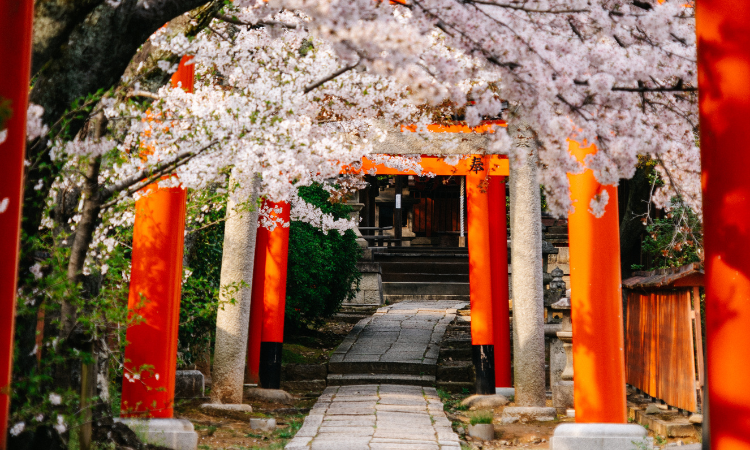
Visitors come to wander through the famous torii gates of Fushimi Inari, admire tranquil Zen gardens, experience traditional kaiseki dining, and stroll through preserved neighborhoods where wooden machiya houses line narrow streets. The city’s cultural depth is unmatched, making it one of the most rewarding destinations in the country.
Accessibility is another major advantage. Kyoto is incredibly easy to reach:
Tokyo to Kyoto: approximately 2 hours 15 minutes by Shinkansen
Osaka to Kyoto: approximately 15 minutes by Shinkansen
Nara to Kyoto: approximately 45 minutes by train
The challenge isn’t getting to Kyoto—it’s deciding what to prioritize once you arrive.
With more than 1,600 temples and shrines spread across the city, even a week wouldn’t be enough to see everything. That’s why thoughtful planning is essential. Many travelers quickly realize that guided Kyoto tours provide tremendous value, helping visitors discover hidden viewpoints, avoid peak crowds, and experience locations at their most magical times of day.
Knowing which section of Fushimi Inari to explore at sunrise or which Arashiyama trail stays peaceful after 9 a.m. can completely transform the experience.
Top Things to Do in Kyoto
When travelers search for things to do in Kyoto, they quickly discover an overwhelming number of options. These are the experiences that consistently rank among the city’s most rewarding, and are also some of the Best Things to do in Japan.
Fushimi Inari Taisha
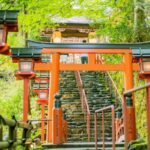
Famous for its thousands of vermillion torii gates, Fushimi Inari is arguably Kyoto’s most recognizable attraction. Most visitors only explore the lower sections of the shrine, but those who continue further up the mountain are rewarded with quieter paths and spectacular views. This indeed is on top of Kyoto tours.
Arrive at sunrise if possible. The difference between 7 a.m. and 10 a.m. can mean the difference between peaceful exploration and heavy crowds.
Arashiyama Bamboo Grove
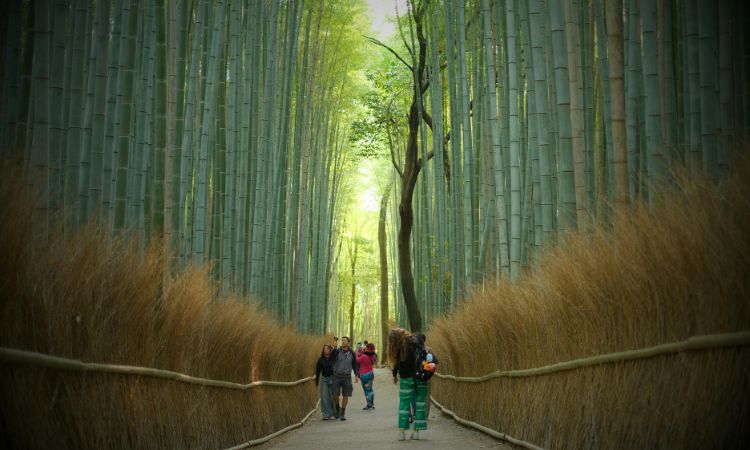
Kyoto tours are incomplete without the towering bamboo stalks of Arashiyama, which create one of Japan’s most photographed landscapes. While the bamboo path itself is relatively short, many visitors miss nearby treasures, including Tenryu-ji Temple and its exceptional gardens.
Visit early in the morning and combine the grove with a walk along the Katsura River for a fuller experience.
Kinkaku-ji (Golden Pavilion)
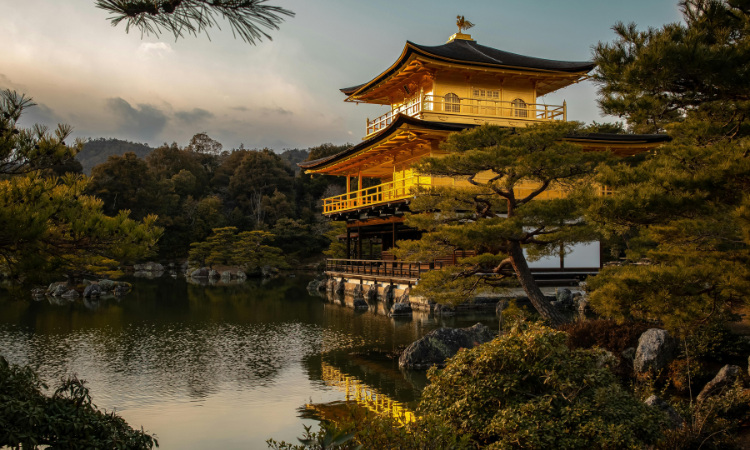
The shimmering Golden Pavilion is one of Kyoto’s most iconic landmarks. Covered in gold leaf and reflected in a surrounding pond, it delivers exactly the postcard image visitors expect.
Crowds can be intense throughout the day, so managing expectations is important. The site is stunning, but patience is required.
Gion District and Hanamikoji Street
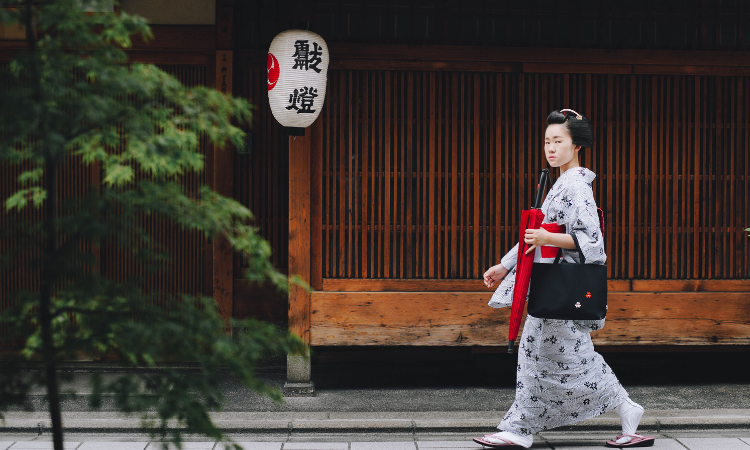
Gion remains Kyoto’s most famous geisha district. Traditional wooden buildings, tea houses, and lantern-lit streets make it one of the city’s most atmospheric neighborhoods.
Visit in the early evening when the district comes alive. Respect local etiquette and avoid photographing geisha without permission.
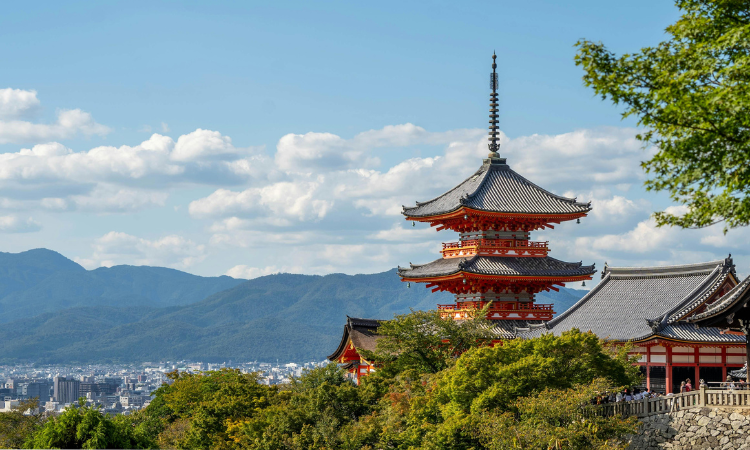
Kiyomizudera Temple
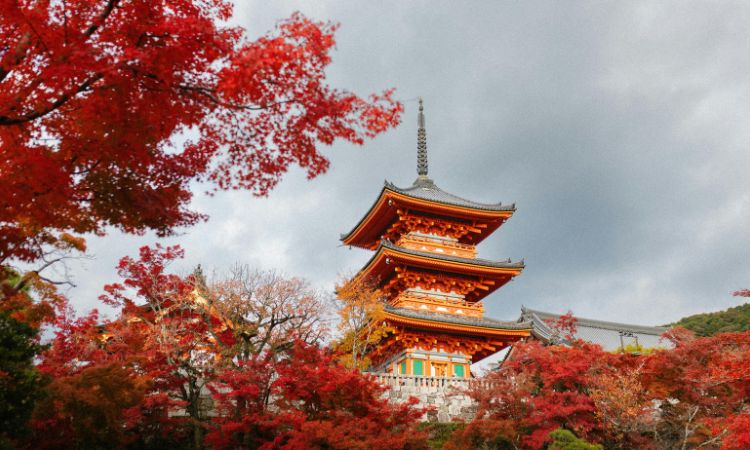
Perched on a hillside overlooking Kyoto, Kiyomizudera offers some of the city’s best panoramic views. Its famous wooden stage appears to float above the surrounding forest, creating particularly spectacular scenery during cherry blossom and autumn foliage seasons.
The walk leading to the temple is equally memorable, lined with traditional shops and local snacks.
Nishiki Market
Known as “Kyoto’s Kitchen,” Nishiki Market is a paradise for food lovers. Stretching across five blocks, the market showcases local specialties including matcha sweets, grilled seafood, pickled vegetables, and traditional Japanese delicacies.
Come hungry and sample as much as possible.
Philosopher’s Path
This peaceful canal-side walkway connects several temples and becomes particularly beautiful during cherry blossom season. Approximately 450 cherry trees line the path, transforming it into one of Kyoto’s most beloved spring destinations.
Outside blossom season, it remains one of the city’s most relaxing walks.
Nijo Castle
Built as the Kyoto residence of the Tokugawa shoguns, Nijo Castle offers a fascinating glimpse into Japan’s feudal era. Its famous “nightingale floors” chirp underfoot, originally designed to detect intruders.
The castle interiors and gardens provide a welcome contrast to Kyoto’s many religious sites.
Ryoan-ji
Home to Japan’s most famous Zen rock garden, Ryoan-ji invites quiet contemplation. Fifteen stones are arranged within a carefully raked gravel landscape, yet visitors can never see all fifteen at once from any single viewpoint.
Its simplicity is precisely what makes it so powerful.
Before and After Kyoto — Building Your Japan Itinerary
Kyoto rarely stands alone.
Most visitors combine it with other major destinations, creating a route that showcases multiple sides of Japan.
A classic itinerary often looks like:
Tokyo → Hakone → Kyoto → Osaka → Hiroshima
Or in reverse.
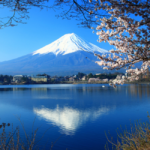
Tokyo introduces visitors to modern Japan, Hakone offers Mount Fuji views and hot springs, Kyoto delivers culture and history, Osaka provides food and nightlife, and Hiroshima adds important historical perspective.
The Japan Rail Pass makes this route remarkably efficient, connecting major cities via the country’s world-famous Shinkansen network.
For most travelers:
Kyoto highlights: 3 days minimum
Kyoto + Nara: 4 days
Kyoto + multiple day trips: 5 days
The key is allowing enough time to experience Kyoto without feeling rushed.
For additional planning inspiration, explore our Tokyo tour guidebefore finalizing your route.
Day Trips from Kyoto
One of Kyoto’s greatest strengths is its location. Positioned in the heart of the Kansai region, the city serves as an ideal base for exploring some of Japan’s most rewarding destinations. These Kyoto day trips are easy to reach by train and add valuable variety to any Japan itinerary.
Nara (45 Minutes by Train)
Nara is one of Japan’s most popular day trips—and for good reason. It is a major part of many Kyoto tours.
As Japan’s first permanent capital, Nara is packed with historical significance. Its biggest draw is Todai-ji Temple, home to one of the world’s largest bronze Buddha statues. Just outside the temple, visitors encounter Nara’s famous free-roaming deer, considered sacred messengers in Shinto tradition.
Kasuga Taisha Shrine, with its thousands of lanterns, adds another layer of beauty and cultural depth.
Nara is easily manageable as a half-day or full-day excursion from Kyoto.
Osaka (15 Minutes by Shinkansen)
If Kyoto is traditional Japan, Osaka is its fun-loving sibling.
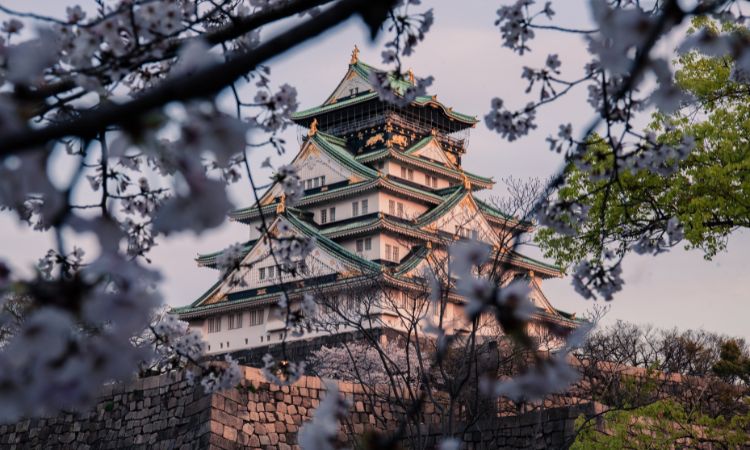
Known for its energetic atmosphere and outstanding food scene, Osaka offers a completely different experience. Visitors flock to Dotonbori for its neon signs, street food stalls, and vibrant nightlife, while Osaka Castle provides a dose of history amid the modern cityscape.
The short travel time makes Osaka one of the easiest and most rewarding day trips from Kyoto. Many travelers even split their stay between the two cities.
This is a longer excursion but one that many travelers consider essential.
Hiroshima’s Peace Memorial Park and Museum provide a moving and educational experience that helps visitors better understand modern Japanese history. Nearby Miyajima Island offers a dramatic contrast, known for its famous floating torii gate and scenic mountain views.
While ambitious as a day trip, Japan’s efficient rail network makes it entirely possible.
Uji (20 Minutes by Train)
Often overlooked by international visitors, Uji is one of the most enjoyable short excursions from Kyoto.
The city is famous for producing some of Japan’s finest matcha tea and is home to Byodoin Temple, one of the country’s most beautiful UNESCO World Heritage Sites. Visitors can tour tea houses, sample local sweets, and enjoy a slower pace away from Kyoto’s busiest attractions.
For travelers seeking authenticity without crowds, Uji is a fantastic choice.
This is one of the most common questions travelers ask when planning a Japan itinerary.
The honest answer is that both deserve dedicated time because they offer completely different experiences.
Choose Tokyo For…
Modern Japan
World-class dining
Fashion and shopping
Technology and innovation
Diverse neighborhoods
Pop culture experiences
Tokyo feels endless. Every district offers a completely different atmosphere, from the neon chaos of Shibuya to the sophistication of Ginza and the traditional charm of Asakusa.
Choose Kyoto For…
Traditional Japan
Temples and shrines
Geisha culture
Historic architecture
Gardens and tea houses
Slower, more reflective travel
Kyoto offers depth rather than scale. The city rewards patience, encouraging visitors to slow down and absorb centuries of history and culture.
The Best Answer? Both.
First-time visitors should plan a minimum of three days in each city.
Tokyo provides essential context for understanding modern Japan, while Kyoto offers access to the traditions, architecture, and cultural heritage that shaped the nation.
Interestingly, many repeat visitors find themselves returning to Kyoto more often. Its quieter pace and deeper cultural immersion make it a destination that reveals new layers with every visit.
The best time to visit Kyoto depends on what kind of experience you’re seeking.
While Kyoto can be visited year-round, spring and autumn consistently attract the largest number of visitors due to their spectacular seasonal scenery.
Season
Highlights
Demand
Booking Tip
Spring (Mar–May)
Cherry blossoms, peak beauty
High
Book 6+ months ahead
Summer (Jun–Aug)
Gion Matsuri festival, lush greenery
Moderate
Book 3–4 months ahead
Autumn (Sep–Nov)
Fall foliage, mild temperatures
High
Book 4–6 months ahead
Winter (Dec–Feb)
Fewer crowds, occasional snow
Low–Moderate
Flexible availability
Spring
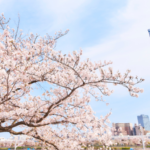
Cherry blossom season transforms Kyoto into one of the most beautiful cities in the world. Parks, temples, and canals become framed by delicate pink blooms, creating iconic scenes that attract visitors from across the globe.
Summer
Summer brings lush greenery and the famous Gion Matsuri Festival in July. However, temperatures and humidity can be challenging, particularly in July and August.
Autumn
Many experienced travelers consider autumn Kyoto’s finest season. Brilliant red and gold foliage blankets temple grounds, gardens, and mountain landscapes while temperatures remain pleasant for sightseeing.
Winter
Winter is Kyoto’s hidden gem. Crowds are significantly smaller, hotel prices are often lower, and occasional snowfall creates magical scenes at famous temples like Kinkaku-ji.
One important note: avoid Golden Week (late April to early May) if possible. Domestic tourism surges during this holiday period, leading to crowded attractions and limited accommodation availability.
Kyoto in Spring — Cherry Blossoms and What to Expect
For many travelers, spring is the season that puts Kyoto at the top of their Japan bucket list. Cherry blossom season transforms temples, gardens, canals, and historic streets into scenes that feel almost impossibly beautiful.
Typically, cherry blossoms begin appearing in late March and reach peak bloom during early April, although exact dates vary slightly each year depending on weather conditions.
The result is one of the most sought-after travel experiences in the world.
Best Cherry Blossom Spots in Kyoto
Maruyama Park
Kyoto’s most famous cherry blossom viewing location, Maruyama Park attracts both locals and visitors throughout the season.
Its centerpiece is the iconic weeping cherry tree, dramatically illuminated in the evening. During peak bloom, the atmosphere becomes festive, with food stalls and visitors gathering beneath the blossoms.
Philosopher’s Path
One of Kyoto’s most picturesque walks becomes even more magical in spring.
Approximately 450 cherry trees line the canal, creating a tunnel of blossoms stretching nearly two kilometers. Early mornings offer the most peaceful experience before tour groups arrive.
Kiyomizudera Temple
The hillside surrounding Kiyomizudera bursts into shades of pink and white during cherry blossom season. From the temple’s famous wooden stage, visitors enjoy panoramic views of blooming trees spreading across the city below.
It’s one of Kyoto’s most photographed spring scenes covered in Kyoto tours.
Expect Crowds — Lots of Them
Cherry blossom season is beautiful, but it is also extremely busy.
Visitors should prepare for:
Crowded temples and parks
Fully booked hotels
Higher accommodation prices
Long restaurant waits
Increased demand on trains and public transportation
The popularity of sakura season is entirely justified—but realistic expectations help avoid frustration.
Tips for Visiting Kyoto During Cherry Blossom Season
To enjoy the blossoms while minimizing crowds:
Visit major sites between 6:00 and 7:00 AM
Prioritize weekdays over weekends
Book accommodations 6–12 months in advance
Stay several nights rather than attempting rushed day trips
Explore lesser-known neighborhoods alongside famous attractions
The early mornings are especially rewarding. At sunrise, locations like Fushimi Inari, the Philosopher’s Path, and Maruyama Park feel remarkably peaceful compared to the crowds that arrive later in the day.
Why Guided Tours Help During Peak Season
Cherry blossom season is when local expertise becomes particularly valuable.
Experienced guides know:
Which sites bloom first
Which neighborhoods stay quieter
The best times to visit major attractions
Alternative viewing locations beyond the obvious hotspots
For first-time visitors, guided tours often help maximize limited time while reducing the stress that can accompany peak-season travel.
A little preparation goes a long way in Kyoto. Understanding transportation, accommodation options, and local customs will make your visit smoother and far more enjoyable.
Getting There
Kyoto is exceptionally well connected.
From Tokyo: Approximately 2 hours 15 minutes by Shinkansen (Hikari or Nozomi services).
From Osaka: Around 15 minutes by Shinkansen or approximately 75 minutes by local train.
From Hiroshima: Approximately 1 hour 40 minutes by Shinkansen.
The efficiency of Japan’s rail system makes Kyoto easy to incorporate into virtually any Japan itinerary.
Getting Around Kyoto
Kyoto’s attractions are spread across multiple districts, so public transportation plays an important role.
Popular options include:
Kyoto City Subway
Local buses
Bicycle rentals
Taxis
Many major attractions are easily accessible by bus, although buses can become crowded during peak tourist seasons.
Cycling is particularly popular and allows visitors to explore neighborhoods at a relaxed pace.
Where to Stay
Gion
The most atmospheric area in Kyoto.
Visitors enjoy:
Traditional streets
Walking access to major attractions
Historic architecture
Evening ambiance
Perfect for travelers prioritizing culture and character.
Central Kyoto
Ideal for convenience.
Benefits include:
Easy access to Kyoto Station
Excellent transportation connections
Wide range of hotels and restaurants
Convenient for day trips
Arashiyama
Best for travelers seeking a quieter experience.
Highlights include:
Proximity to bamboo groves
Scenic surroundings
Relaxed atmosphere
Fewer crowds in the evenings
Experience a Ryokan
If possible, spend at least one night in a traditional ryokan.
These Japanese inns offer:
Tatami mat rooms
Futon bedding
Multi-course kaiseki meals
Traditional hospitality
Onsen access in some properties
A ryokan stay often becomes one of the most memorable parts of a Japan trip.
Use an IC Card
Purchase and load a:
Suica
ICOCA
PASMO
These rechargeable cards simplify transportation throughout Kyoto, Osaka, Tokyo, and many other Japanese cities.
Kyoto Etiquette
Visitors are generally welcomed warmly, but a few customs are important to respect:
Remove shoes when required.
Keep voices low inside temples and shrines.
Avoid blocking pathways for photographs.
Do not photograph geisha or maiko without permission.
Respect quiet spaces designed for reflection and worship.
Budget Expectations
For a mid-range traveler, a three-day Kyoto visit typically costs approximately:
Accommodation: $120–$250
Food: $40–$100
Transportation: $20–$50
Attractions: $20–$60
A comfortable 3-day Kyoto itinerary generally falls between $300–$500 per person, excluding international flights.
While Kyoto can certainly be visited on a budget, many travelers find it worthwhile to allocate extra funds toward unique cultural experiences, traditional accommodations, and exceptional local cuisine. Use this Japan Budget Guide, to plan your trip to Japan more efficiently.
Frequently Asked Questions
How many days do I need in Kyoto?
Three days is the recommended minimum to experience Kyoto’s highlights. This allows enough time to visit major attractions such as Fushimi Inari, Arashiyama, Kinkaku-ji, Gion, and Kiyomizudera without feeling rushed. If you’d like to include Nara, Osaka, or Hiroshima as day trips, consider spending four to five days. Most guided Japan itineraries include two to four nights in Kyoto.
What is the best time of year to visit Kyoto?
Spring and autumn are widely considered the best times to visit Kyoto. Cherry blossom season typically peaks between late March and early April, while autumn foliage reaches its peak between mid-October and late November. Both seasons offer stunning scenery but also attract the largest crowds. Winter is quieter and often more affordable, while summer is best for festivals such as Gion Matsuri.
Is Kyoto worth visiting if I’ve already been to Tokyo?
Yes—Kyoto offers a completely different side of Japan. Tokyo showcases modern Japanese culture, innovation, dining, and urban life, while Kyoto focuses on history, traditional arts, temples, gardens, and centuries-old customs. Many travelers who have already visited Tokyo find Kyoto provides a deeper cultural connection to Japan.
Can I do a day trip from Kyoto to Osaka?
Yes, Osaka is one of the easiest and most popular day trips from Kyoto. The journey takes approximately 15 minutes by Shinkansen or about 75 minutes by local train. Visitors can explore Dotonbori, Osaka Castle, and the city’s famous food scene before returning to Kyoto the same day.
What is the best neighborhood to stay in Kyoto?
Gion is the most atmospheric area for first-time visitors. Its traditional architecture, historic tea houses, and proximity to major attractions create an authentic Kyoto experience. Travelers focused on convenience may prefer central Kyoto near Kyoto Station, while Arashiyama is ideal for those seeking a quieter setting surrounded by nature.
Do I need a guided tour to visit Kyoto?
No, but a guided tour can significantly enrich the experience. Local guides provide cultural and historical context that goes far beyond what information boards can offer. They also help visitors navigate Kyoto’s vast number of attractions, avoid major crowds, and discover lesser-known locations that independent travelers often miss.
Is Kyoto expensive to visit?
Kyoto is moderately priced by Japanese standards. Temple entry fees typically range between ¥500–¥1,000 ($3–$7 USD), while a traditional ryokan stay can range from ¥15,000–¥40,000 ($100–$270 USD) per person. Budget travelers can comfortably explore Kyoto for $200–$300 over three days, excluding flights, while mid-range travelers should budget approximately $400–$600.
Ready to Experience Kyoto for Yourself?
Kyoto isn’t just a destination—it’s an immersion into the traditions, artistry, and timeless beauty that have shaped Japan for more than 1,200 years. From walking beneath the vermilion torii gates of Fushimi Inari to wandering the lantern-lit streets in Gion, every day in Kyoto reveals another layer of the country’s remarkable cultural heritage.
Whether you’re planning your first visit to Japan or returning to explore beyond the major cities, Kyoto rewards travelers with unforgettable experiences, extraordinary cuisine, stunning seasonal beauty, and some of the most important historical sites in Asia.
 Toll Free (USA & Canada) +1 866 978 2997