The Perfect 10-Day Japan Travel Itinerary and Guide
Japan is one of those rare destinations that manages to exceed expectations no matter how much you’ve read about it beforehand. From neon-lit cityscapes and centuries-old temples to bullet trains and breathtaking natural scenery, the country offers an incredible variety of experiences packed into a relatively compact area. For travelers planning their first visit, creating the perfect itinerary can feel overwhelming. There are simply too many incredible places to see. If you’re searching for a 10 day Japan itinerary, you’re likely past the dreaming stage and actively planning your trip. You’re probably asking questions like: Is 10 days enough? Which cities should I prioritize? How much will it cost? Should I plan everything myself or book a guided tour?
The good news is that ten days is the ideal amount of time to experience Japan’s famous Golden Route. You’ll have enough time to explore the energy of Tokyo, admire the beauty of Mount Fuji, discover Kyoto’s cultural treasures, sample Osaka’s world-famous food scene, and even visit historic destinations like Nara and Hiroshima.
This itinerary is inspired by Indus Travel’s Best of Japan journey and combines many of Japan’s most iconic attractions into one unforgettable adventure. Whether you’re creating your own itinerary or considering one of Indus Travel’s Japan tour packages, this Japan Travel guide for first time travellers will help you understand exactly how to make the most of your time in Japan.
Is 10 Days in Japan Enough? (Short Answer: Yes — If You Plan It Right)
One of the most common questions travelers ask is whether ten days is enough for Japan. The answer is a resounding yes.
For a Japan itinerary for first timers, ten days provides enough time to experience the country’s most iconic cities while still allowing for cultural immersion and memorable excursions. You’ll be able to visit:
Tokyo
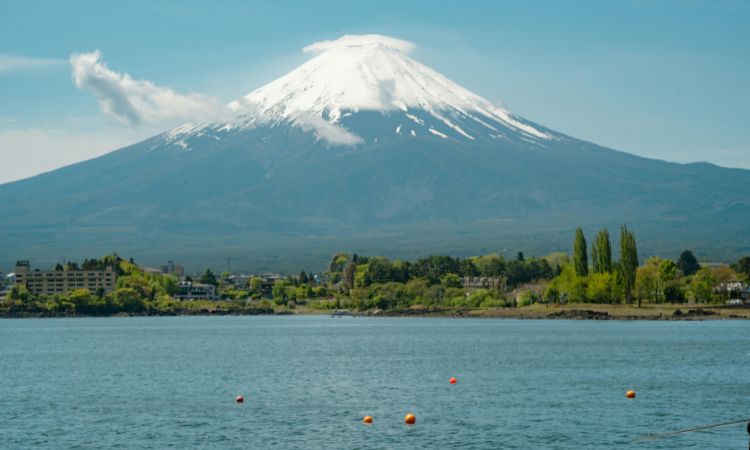
Mount Fuji and Kawaguchiko
Kyoto
Nara
Osaka
Himeji
Okayama
Hiroshima
Miyajima Island
Could you spend three weeks in Japan and still not see everything? Absolutely.
However, for most travelers, a well-planned 10-day itinerary strikes the perfect balance between seeing major attractions and avoiding travel fatigue.
Many first-time visitors make the mistake of trying to include destinations such as Hokkaido, Okinawa, Kanazawa, Takayama, Hiroshima, Kyoto, Osaka, Tokyo, and Mount Fuji all in one trip. The result is often too much time spent moving between destinations and not enough time enjoying them.
Instead, focusing on the Golden Route allows you to experience Japan’s most famous highlights while maintaining a comfortable pace.
This itinerary is especially ideal for travelers who want:
Japan’s most famous landmarks
Traditional cultural experiences
Modern city attractions
Scenic countryside
Historic UNESCO World Heritage Sites
World-class cuisine
Efficient transportation connections
The route also works exceptionally well for travelers considering a guided experience. If you’re comparing DIY travel against a tour, you’ll quickly realize that coordinating hotels, train reservations, attraction tickets, and regional transportation can become surprisingly complex. This is one reason many travelers eventually choose small group Japan tours through Indus Travel.
Your 10-Day Japan Itinerary — Day by Day
This Tokyo Kyoto Osaka itinerary 10 days follows the route used by many experienced travel planners because it combines Japan’s most famous destinations with several remarkable hidden gems.
Day 1–2: Tokyo — Arrival & First Impressions
Your adventure begins in Tokyo, one of the world’s most fascinating cities.
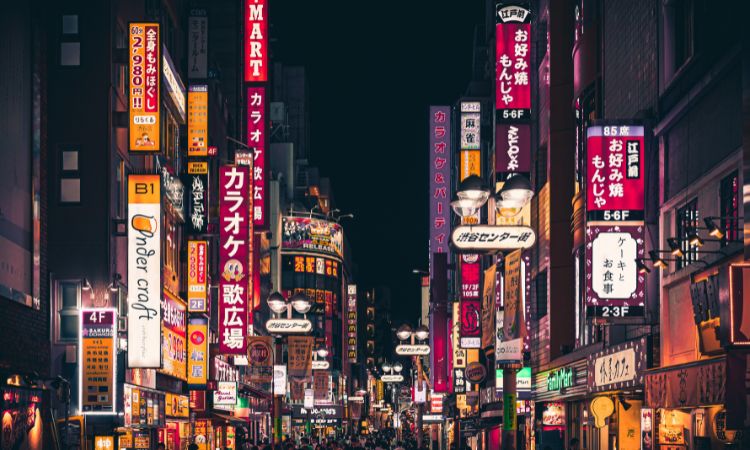
Upon arrival, settle into your hotel and take some time to adjust after your international flight. Rather than rushing into sightseeing, spend your first evening exploring one of Tokyo’s most vibrant districts: Shinjuku.
Shinjuku offers the perfect introduction to modern Japan. Towering skyscrapers stand beside tiny alleyways packed with restaurants, izakayas, and local eateries. The energy here is unlike anywhere else in the world.
As you navigate Tokyo’s metro system for the first time, you’ll quickly realize why Japan’s transportation network is considered one of the most efficient on Earth.
Highlights include:
Shinjuku entertainment district
Tokyo Metro experience
Local Japanese dining
Neon-lit city views
First introduction to Japanese culture
For many travelers, this first evening becomes one of the most memorable moments of the entire trip because it captures everything people imagine when they think about Japan.
Day 3: Tokyo — History, Culture & Modern Life
Today is dedicated to discovering Tokyo’s many personalities.
Unlike many global cities that feel relatively uniform, Tokyo transforms dramatically from neighborhood to neighborhood.
Begin your day at the beautiful Zojoji Temple, where centuries of Japanese history meet the modern skyline dominated by Tokyo Tower.
Continue to Shibuya Crossing, often called the busiest pedestrian crossing in the world. Watching thousands of people move through the intersection in perfect harmony is a fascinating experience.
Other highlights include:
Meiji Shrine
Omotesando
Imperial Palace East Gardens
Nijubashi Bridge
Akihabara Electric Town
Kokugikan Sumo Stadium
Senso-ji Temple
Nakamise Shopping Street
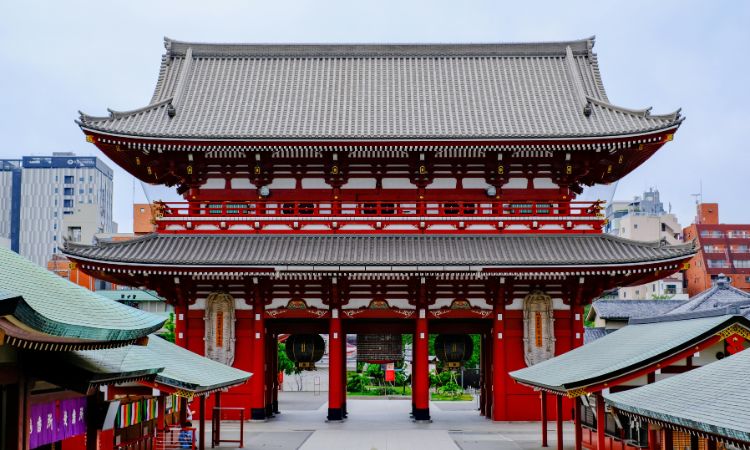
Senso-ji Temple remains one of Tokyo’s most important cultural landmarks and offers visitors a glimpse into Japan’s spiritual traditions, and visiting it is one of the Best Things to do in Japan.
Meanwhile, Akihabara showcases the country’s modern obsession with gaming, anime, electronics, and technology.
Together, these attractions perfectly demonstrate why Tokyo remains one of the world’s most compelling cities.
Day 4: Tokyo to Mount Fuji & Kawaguchiko
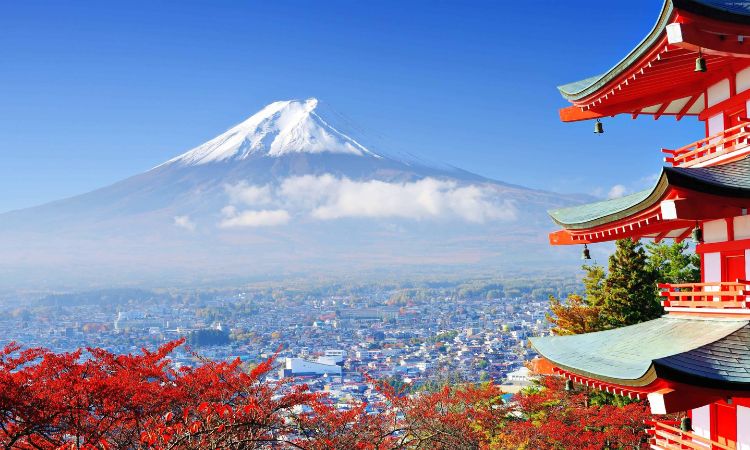
No 10 day Japan itinerary is complete without experiencing the beauty of Mount Fuji. Today, you’ll leave the bright lights of Tokyo behind and journey into one of Japan’s most scenic regions.
The drive itself is part of the experience, passing through picturesque countryside, charming villages, and landscapes that feel worlds away from the capital.
Your first stop is Arakurayama Sengen Park, home to one of Japan’s most photographed views. The iconic pagoda standing before Mount Fuji creates a scene that appears on countless postcards and travel brochures.
Next, visit Fuji Sengen Shrine, historically the starting point for pilgrims climbing Mount Fuji.
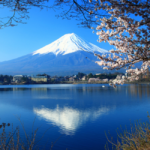
One of the highlights of the day is a relaxing cruise on Lake Kawaguchiko. On clear days, the reflection of Mount Fuji on the water creates one of Japan’s most breathtaking landscapes.
Weather permitting, continue to Mount Fuji’s Fifth Station at approximately 2,300 metres above sea level. The panoramic views from here are spectacular and provide a completely different perspective of Japan’s most famous mountain.
In the evening, check into a traditional ryokan. Sleeping on tatami mats, enjoying Japanese hospitality, and experiencing a traditional inn is often a highlight for first-time visitors.
Today’s Highlights
Mount Fuji Fifth Station
Arakurayama Sengen Park
Lake Kawaguchiko cruise
Fuji Sengen Shrine
Traditional ryokan experience
Day 5: Kawaguchiko to Kyoto
After breakfast, continue exploring Japan’s beautiful countryside before heading toward Kyoto.
Begin with a visit to Iyashi no Sato Nenba, a restored traditional village that offers a glimpse into rural Japan’s past. Originally destroyed by a typhoon, it has been rebuilt as an open-air museum featuring traditional architecture, craft shops, and cultural exhibits.
Next, visit the stunning Shiraito Falls. The waterfall cascades across a wide cliff face, creating hundreds of delicate streams that resemble white silk threads.
For a surprising change of pace, stop at the Toyota Automobile Museum, where visitors can explore the evolution of Japan’s automotive industry alongside classic international vehicles.
By evening, arrive in Kyoto, Japan’s ancient imperial capital and one of the country’s most culturally significant destinations.
Day 6: Kyoto — Temples, Shrines & Tradition
Kyoto is often the city that travelers fall in love with most.
For over a thousand years, it served as Japan’s capital and remains the country’s cultural heart.
Start your day in the beautiful district of Arashiyama Bamboo Grove. Walking beneath towering bamboo stalks creates an almost magical atmosphere unlike anywhere else in the world.
Nearby, explore Tenryu-ji Temple, a UNESCO World Heritage Site known for its exquisite Zen gardens.
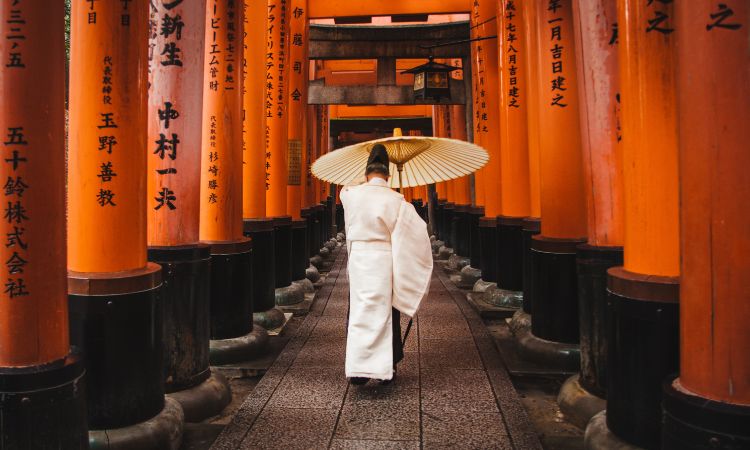
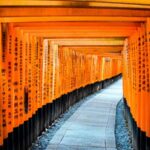
Continue to one of Japan’s most iconic landmarks: Fushimi Inari Taisha. Its thousands of bright red torii gates create one of the country’s most recognizable sights.
Other highlights include:
Kyoto Imperial Palace
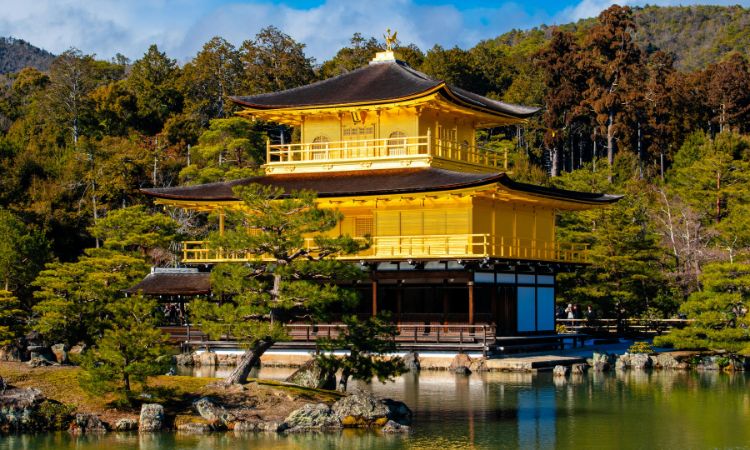
Kinkaku-ji (Golden Pavilion)
Traditional neighborhoods
Historic temples and shrines
In the evening, consider visiting Gion, Kyoto’s famous geisha district. Its traditional wooden buildings, lantern-lit streets, and centuries-old tea houses offer a glimpse into old Japan.
Day 7: Kyoto, Nara & Osaka
Today’s journey combines two of Japan’s most important historical destinations.
Begin in Nara, Japan’s first permanent capital.
The city’s most famous attraction is Todai-ji Temple, home to one of the world’s largest bronze Buddha statues.
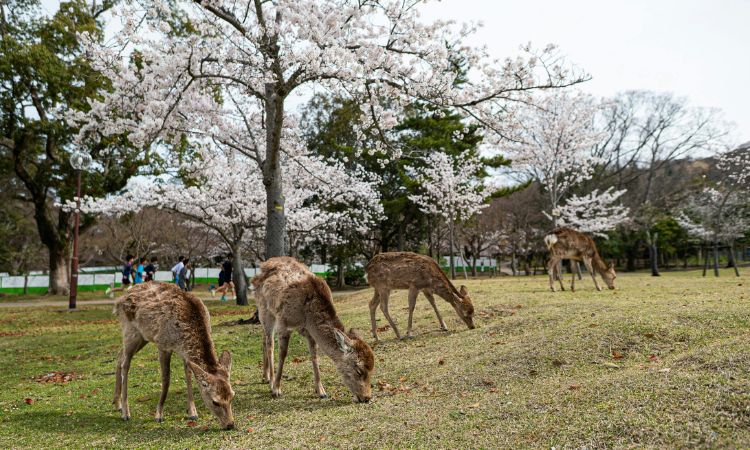
Nearby, stroll through Nara Park, where hundreds of friendly deer roam freely. Considered sacred messengers of the gods, these deer have become one of Japan’s most beloved attractions.
You’ll also visit Horyu-ji Temple, one of the world’s oldest surviving wooden structures and a UNESCO World Heritage Site.
Later, continue to Osaka.
Known as Japan’s kitchen, Osaka offers a completely different atmosphere from Kyoto. The city is energetic, friendly, and obsessed with food.
In the evening, explore Dotonbori, famous for its neon lights, street food, and lively entertainment scene.
Day 8: Osaka, Himeji & Okayama
Today combines castles, gardens, and some of Japan’s most beautiful historical sites.
Travel first to Mount Shosha and the remarkable Engyo-ji Temple, known internationally as a filming location for The Last Samurai.
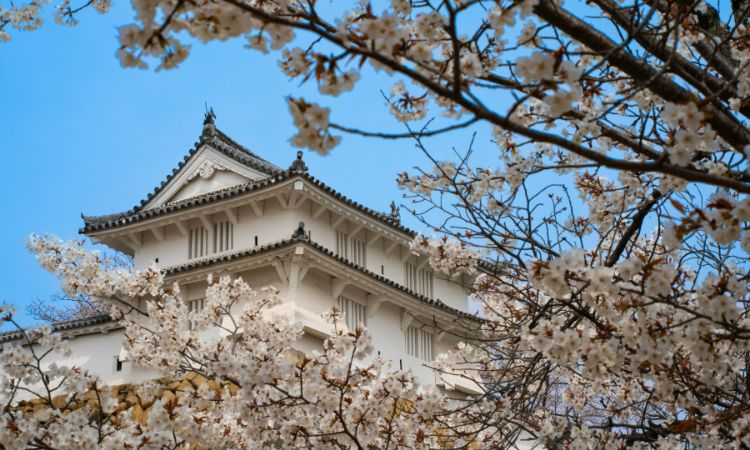
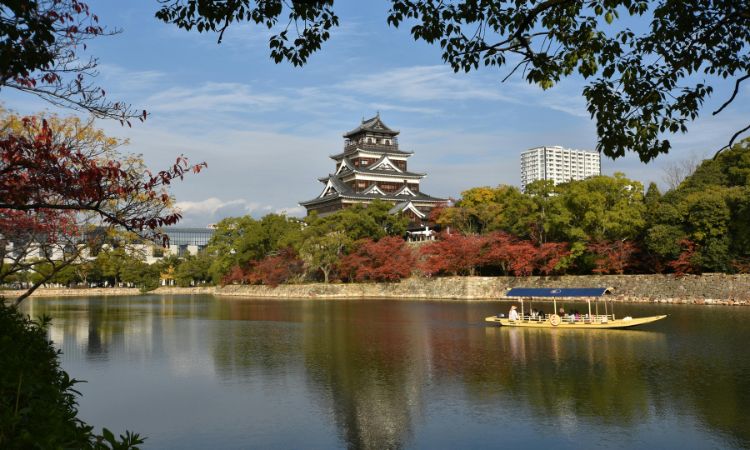
Next, visit the magnificent Himeji Castle.
Often called Japan’s most beautiful castle, Himeji Castle is a UNESCO World Heritage Site and one of the few original castles remaining in the country.
Continue to Okayama, where you’ll visit Korakuen Garden, considered one of Japan’s Three Great Gardens.
With its ponds, tea houses, walking paths, and meticulously landscaped grounds, Korakuen is a perfect example of traditional Japanese garden design.
Day 9: Hiroshima & Miyajima Island
Today is one of the most emotional and memorable days of the itinerary.
En route to Hiroshima, stop in Kurashiki, a beautifully preserved canal town known for its historic warehouses and charming atmosphere.
Continue to Hiroshima.
Visit:
Hiroshima Peace Memorial Park
Peace Memorial Museum
Atomic Bomb Dome
These sites tell the story of Hiroshima’s destruction and remarkable recovery, offering an important perspective on modern history.
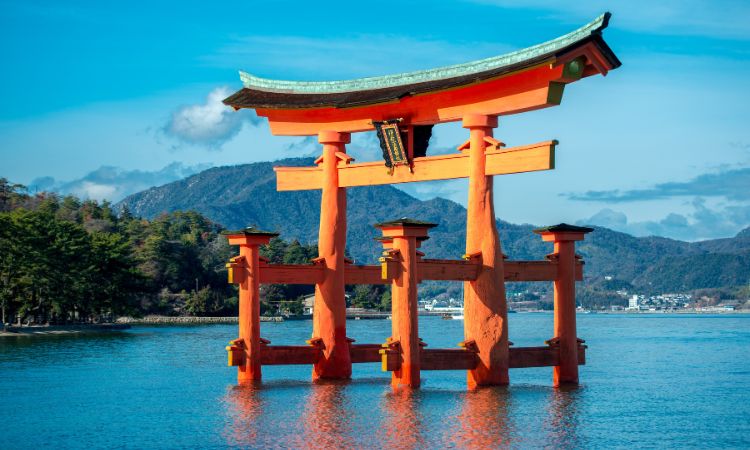
Later, take a ferry to Miyajima Island and visit the famous Itsukushima Shrine.
Its floating torii gate is considered one of Japan’s Three Most Scenic Views and is among the country’s most photographed landmarks.
Day 10: Hiroshima to Tokyo by Bullet Train
No answer to what to do in Japan for 10 days would be complete without experiencing the Shinkansen.
Today you’ll board Japan’s world-famous bullet train for the approximately 800-kilometre journey back to Tokyo.
Traveling at speeds exceeding 300 km/h, the Shinkansen demonstrates why Japan is admired worldwide for transportation efficiency.
Upon arrival in Tokyo, enjoy one final evening exploring neighborhoods you may have missed earlier in the trip or indulge in some last-minute shopping.
Day-by-Day Summary Table
Day
Location
Main Highlights
1–2
Tokyo
Shinjuku, local culture
3
Tokyo
Senso-ji, Meiji Shrine, Shibuya
4
Mount Fuji
Kawaguchiko, Fifth Station
5
Kawaguchiko–Kyoto
Shiraito Falls, Toyota Museum
6
Kyoto
Fushimi Inari, Bamboo Grove
7
Nara–Osaka
Todai-ji, Deer Park, Dotonbori
8
Himeji–Okayama
Himeji Castle, Korakuen
9
Hiroshima
Peace Park, Miyajima
10
Tokyo
Bullet train return
How Much Does a Japan 10 Day Trip Cost?
One of the most common questions travelers ask when planning a 10 day Japan itinerary is how much they should budget. The good news is that Japan is no longer the ultra-expensive destination many people assume it to be. While it isn’t as cheap as parts of Southeast Asia, it offers excellent value considering the quality of transportation, accommodation, safety, and overall travel experience.
Your total Japan tour cost will depend on when you travel, your departure city, accommodation preferences, dining choices, and whether you travel independently or join a guided tour.
Flights to Japan
Flight prices fluctuate significantly depending on season and departure city.
Average Roundtrip Airfare
Departure City
Average Cost
New York
$900–$1,500
Los Angeles
$800–$1,400
Toronto
$1,100–$1,800
Vancouver
$900–$1,600
London
$900–$1,500
Sydney
$700–$1,300
Peak travel periods such as cherry blossom season (March–April) and autumn foliage season (October–November) generally command higher airfares.
Accommodation Costs
Japan offers accommodation options for every budget.
Budget Hotels
Business hotels
Capsule hotels
Hostels
Average Cost: $70–$120 per night
Mid-Range Hotels
3–4 star hotels
Comfortable city-center properties
Average Cost: $150–$300 per night
Premium Hotels
Luxury hotels
Boutique ryokans
International brands
Average Cost: $350+ per night
For this itinerary, expect higher rates in Tokyo and Kyoto, especially during peak seasons.
JR Pass vs Point-to-Point Tickets
Many travelers automatically assume they need a JR Pass.
However, since Japan adjusted JR Pass pricing, it’s important to compare actual costs before purchasing.
For this route:
Tokyo → Kawaguchiko Kyoto → Osaka Osaka → Himeji → Okayama → Hiroshima Hiroshima → Tokyo
Point-to-point tickets can sometimes provide better value than a nationwide JR Pass.
Always calculate current pricing before making your decision.
Food Budget
Japan can be surprisingly affordable when it comes to food.
Budget Traveler
Convenience store meals
Ramen shops
Casual restaurants
$25–$40 per day
Mid-Range Traveler
Local restaurants
Sushi restaurants
Casual dining experiences
$50–$100 per day
Premium Traveler
Kaiseki dining
Fine dining experiences
Michelin-starred restaurants
$150–$300+ per day
One of Japan’s greatest strengths is that excellent food exists at every price point.
Attraction & Activity Costs
Typical costs include:
Attraction
Approximate Cost
Senso-ji Temple
Free
Meiji Shrine
Free
Tokyo Tower Area
Free–$15
Mount Fuji Fifth Station
Included in many tours
Himeji Castle
$8–$12
Peace Memorial Museum
$2–$5
TeamLab Planets
$25–$35
Kyoto Temples
$3–$10 each
Many attractions are surprisingly affordable compared to Europe and North America.
Estimated Total Cost Table
DIY Japan Trip Cost
Travel Style
Estimated Cost Per Person
Budget
$2,500–$3,500
Mid-Range
$3,500–$5,000
Premium
$5,500–$8,000+
What Does a Guided Tour to Japan Cost?
Many travelers are surprised to discover that guided tours can sometimes cost only slightly more than independent travel once flights, hotels, transportation, attraction fees, and logistics are factored in.
Rather than managing dozens of separate bookings, an all-inclusive guided itinerary bundles most major travel components into one predictable price.
Rather than tracking 10 separate bookings, one Indus Travel tour price covers it all — explore what’s included with ourJapan tour packages.
Tokyo vs. Kyoto vs. Osaka — What Makes Each City Unmissable?
Every traveler who visits Japan develops a favorite city.
The beauty of this itinerary is that it allows you to experience three completely different sides of the country.
Tokyo: The Future Meets Tradition
Tokyo is often travelers’ first introduction to Japan, and it rarely disappoints.
The city feels futuristic without losing touch with its history. You can walk from a centuries-old shrine directly into a district filled with giant digital billboards, gaming arcades, and cutting-edge technology.
Highlights include:
Shibuya Crossing
Senso-ji Temple
Meiji Shrine
Akihabara
Shinjuku
World-class dining
Tokyo’s energy is unmatched.
Kyoto: The Soul of Japan
If Tokyo represents Japan’s future, Kyoto represents its past.
Kyoto is home to:
Traditional temples
Zen gardens
Geisha districts
Historic neighborhoods
Cultural landmarks
Walking through Arashiyama or Fushimi Inari often feels like stepping back in time.
For many visitors, Kyoto becomes the emotional highlight of the trip.
Osaka: Japan’s Food Capital
Osaka offers a more relaxed and playful atmosphere.
The city is famous for:
Street food
Nightlife
Friendly locals
Dotonbori
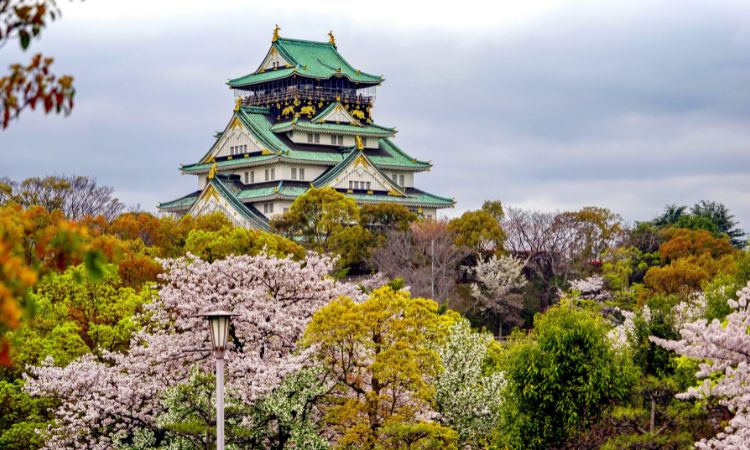
Osaka Castle
Local culture
Osaka residents are known throughout Japan for their humor and hospitality.
Many travelers describe Osaka as the city where Japan feels most approachable.
Practical Tips for This Specific Itinerary
A well-planned itinerary is only half the battle. These practical tips can save time, money, and stress.
Getting Between Cities
Japan’s transportation system is remarkably efficient.
The Shinkansen (bullet train) is the fastest and most comfortable way to travel between major cities.
For this itinerary:
Tokyo → Kyoto
Hiroshima → Tokyo
are particularly memorable rail journeys.
Book tickets early during peak travel seasons.
IC Card vs JR Pass
For most visitors:
IC Cards (Suica/Pasmo) are essential
JR Pass may or may not provide value
Use an IC card for:
Metro systems
Local trains
Convenience stores
Vending machines
Evaluate JR Pass pricing carefully before purchasing.
Luggage Forwarding Services
Japan’s luggage forwarding service (takkyubin) is one of the country’s best travel hacks.
Instead of carrying large suitcases through train stations, send luggage directly to your next hotel.
Benefits include:
Easier train travel
Less stress
Faster transfers
Best Areas to Stay
Tokyo
Shinjuku
Ginza
Tokyo Station Area
Kyoto
Kyoto Station Area
Gion
Downtown Kyoto
Osaka
Namba
Umeda
Dotonbori Area
Choosing centrally located accommodations can save hours throughout your trip.
Book These Experiences in Advance
Some attractions frequently sell out.
Reserve early for:
TeamLab Planets
Special observation decks
Kaiseki dining experiences
Cherry blossom season accommodations
Seasonal Adjustments
Spring (March–May)
Perfect for:
Cherry blossoms
Mild temperatures
Photography
Travel demand is highest during this season.
Autumn (October–November)
Ideal for:
Fall foliage
Comfortable weather
Temple visits
Many experienced travelers consider autumn Japan’s most beautiful season.
The Guided Tour Option — Same Cities, Zero Logistics
By now, you’ve probably noticed something: planning this itinerary independently requires a lot of coordination.
You’re managing:
International flights
Hotel reservations across multiple cities
Regional transportation
Shinkansen tickets
Attraction bookings
Luggage logistics
Language barriers
Restaurant reservations
Airport transfers
For some travelers, that’s part of the adventure.
For others, it quickly becomes overwhelming.
If the above itinerary sounds incredible but the planning process feels daunting, you’re not alone. That’s exactly why many travelers choose a guided journey.
A guided itinerary allows you to experience the same iconic destinations while eliminating the stress of coordinating dozens of moving parts.
With Indus Travel’s Japan tour packages, travelers enjoy a carefully curated journey through Japan’s most famous cities and cultural landmarks while experienced travel professionals handle the logistics.
What Makes a Guided Japan Tour Different?
The biggest difference isn’t what you see.
It’s how you experience it.
Instead of worrying about train schedules, finding your hotel after a long travel day, or figuring out transportation between destinations, you can focus entirely on enjoying Japan.
Many first-time visitors discover that a guided journey allows them to see more while feeling less rushed.
Benefits of a Guided Japan Journey
Hand-picked hotels in strategic locations
Expert local guides
Pre-arranged transportation
Carefully planned sightseeing
Cultural insights you may otherwise miss
Reduced travel stress
Group camaraderie
Efficient use of time
For many travelers, especially first-timers, this results in a richer overall experience.
DIY vs Guided Tour Comparison
Category
DIY Travel
Guided Tour
Planning Time
High
Minimal
Hotel Research
Required
Included
Transportation Booking
Required
Included
Navigation
Self-managed
Guided
Local Expertise
Limited
Extensive
Group Support
None
Included
Stress Level
Higher
Lower
Cultural Insights
Self-researched
Expert-led
Hidden Experiences
Harder to find
Often included
Overall Convenience
Moderate
Excellent
Who Should Consider a Guided Tour?
A guided itinerary is ideal for:
First-Time Visitors
Japan is easy to travel in many ways, but it can still feel overwhelming for first-time visitors.
The best Japan guided tour itinerary removes uncertainty while maximizing your time. Check out this complete first time Japan Travel Guide for the best Japan Travel Tips.
Solo Travelers
Many solo travelers appreciate the built-in community and social aspect of group travel.
Couples Seeking Convenience
Rather than spending months coordinating every detail, couples can simply focus on enjoying the trip together.
Travelers Who Value Depth
Local guides often provide historical and cultural context that independent travelers might otherwise miss.
Why Indus Travel?
For over 25 years, Indus Travel has helped travelers explore destinations around the world through carefully crafted itineraries.
Their Japan programs combine:
Expert local knowledge
Comfortable accommodations
Thoughtfully planned sightseeing
Seamless transportation
Cultural immersion
Whether you’re interested in temples, history, food, nature, or modern city life, a guided Japan itinerary helps bring everything together.
Ready to Explore Japan?
Indus Travel offers small-group and guided journeys that cover many of the destinations featured in this itinerary.
Yes. Ten days is enough to comfortably experience Japan’s most popular destinations. Most travelers spend three days in Tokyo, two to three days in Kyoto, and one to two days in Osaka, while also incorporating destinations such as Mount Fuji, Nara, or Hiroshima. This provides a balanced introduction to Japan without feeling rushed.
What is the best order to visit Tokyo, Kyoto, and Osaka?
The most efficient route is typically Tokyo first, followed by Kyoto, and then Osaka. This allows travelers to arrive in Tokyo, gradually move west through Japan, and eventually depart from the Kansai region. It also aligns well with major transportation routes and minimizes backtracking.
Do I need a JR Pass for a 10-day Tokyo–Kyoto–Osaka trip?
Not necessarily. Since JR Pass pricing has changed in recent years, travelers should compare the cost of a pass against individual train tickets. For some itineraries, point-to-point tickets provide better value. Always calculate costs based on your exact route before purchasing.
How much does a 10-day Japan trip cost per person?
Most travelers can expect to spend between $3,000 and $5,000 USD for a mid-range 10-day trip, including flights, hotels, transportation, food, and attractions. Luxury trips can exceed $6,000, while budget-conscious travelers may spend less. Guided tours often simplify budgeting by combining many expenses into one price.
What is the best time of year for a 10-day Japan itinerary?
The most popular seasons are spring (March to May) and autumn (October to November). Spring offers cherry blossoms, while autumn features stunning foliage and comfortable temperatures. Both seasons are highly sought after, so booking several months in advance is recommended.
Can I do a Tokyo day trip on a 10 day Japan itinerary?
Absolutely. Destinations such as Nikko, Kamakura, Hakone, and Mount Fuji are popular day-trip options from Tokyo. Travelers with limited time often choose Mount Fuji or Kamakura because they offer a rewarding experience without requiring overnight stays.
Is Nara worth adding to a Tokyo–Kyoto–Osaka itinerary?
Yes. Nara is one of Japan’s most historically significant cities and is an easy addition between Kyoto and Osaka. Highlights include Todai-ji Temple, Nara Park, and the famous free-roaming deer. For many first-time visitors, Nara becomes one of the most memorable stops on their journey.
What does an Indus Travel guided Japan tour include?
While inclusions vary by itinerary, many guided Japan tours feature accommodations, transportation, guided sightseeing, expert local guides, selected meals, and curated experiences. Travelers also benefit from having major logistics coordinated in advance. Explore available options through Japan tour packages.
Final Thoughts: Is This the Perfect 10 day Japan itinerary?
For first-time visitors, it’s hard to imagine a better introduction to Japan.
This route combines:
The energy of Tokyo
The beauty of Mount Fuji
The traditions of Kyoto
The history of Nara
The food culture of Osaka
The resilience of Hiroshima
Along the way, you’ll experience ancient temples, modern cityscapes, mountain scenery, traditional culture, world-class cuisine, and one of the most efficient transportation systems on Earth.
Whether you choose to plan every detail yourself or join one of Indus Travel’s expertly curated journeys, this itinerary offers an unforgettable introduction to Japan.
If you’d rather spend your time enjoying Japan instead of coordinating hotels, trains, and sightseeing, explore Indus Travel’s small group Japan tours and discover how easy your dream trip can be.
 Toll Free (USA & Canada) +1 866 978 2997