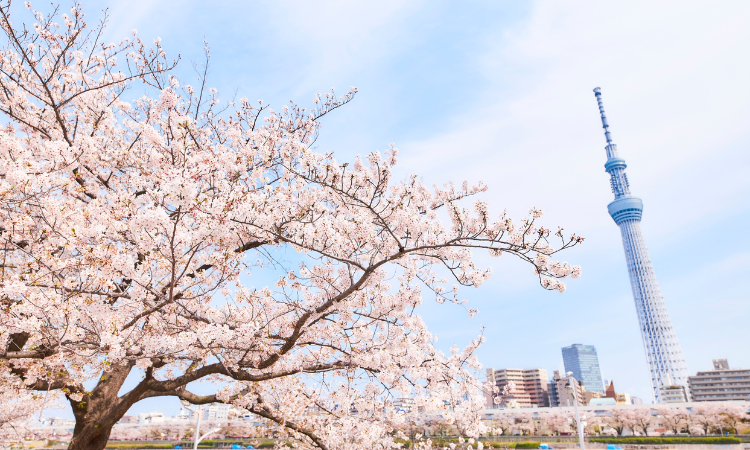
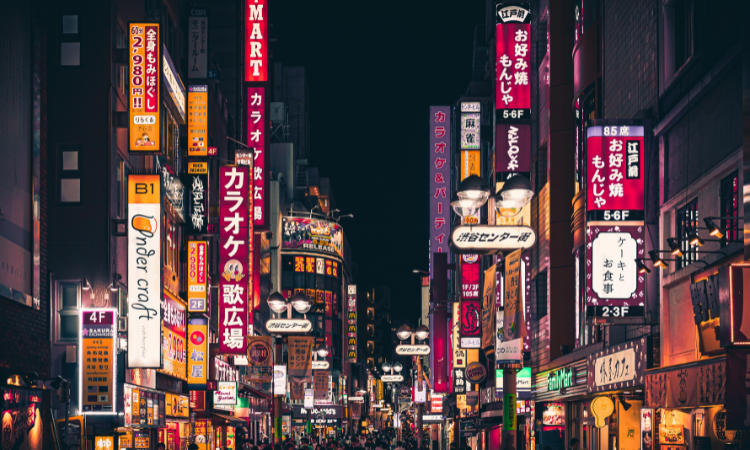
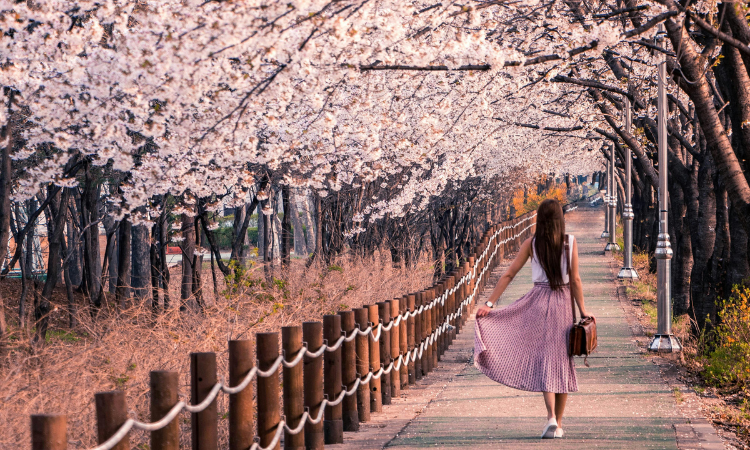
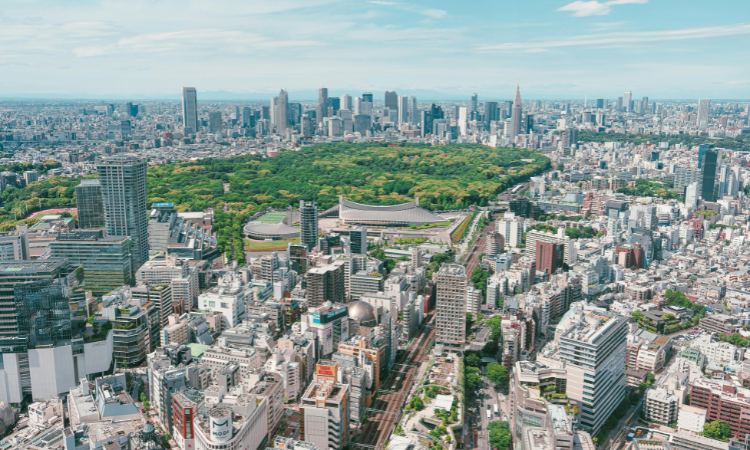
Tokyo is a city that constantly surprises. One moment you’re weaving through neon-lit streets lined with towering skyscrapers, and the next you’re standing in a centuries-old temple surrounded by peaceful gardens. As Japan’s bustling capital, Tokyo seamlessly blends ancient traditions with cutting-edge innovation, offering travelers an experience unlike anywhere else in the world, making it an important stop on this 10 day Japan Itinerary.
For first-time visitors, however, the city’s immense size and endless attractions can feel overwhelming. With dozens of neighborhoods, world-famous landmarks, hidden local gems, and one of the most complex transportation systems on the planet, deciding where to begin is often the biggest challenge. That’s where a knowledgeable Tokyo tour guide can make all the difference. Use this Japan Travel Guide for first timers, to plan your dream vacation to Japan.
Whether you’re interested in historic temples, vibrant food markets, modern architecture, or authentic cultural experiences, exploring Tokyo with expert guidance helps transform a good trip into an unforgettable one. Beyond simply showing you the highlights, a guide provides context, local insights, and practical assistance that allow you to experience the city on a much deeper level.
Tokyo also serves as the gateway to many of Japan’s most iconic destinations. Most travelers begin their journey here before continuing to Kyoto, Osaka, Nikko, or other remarkable regions throughout the country. For this reason, many visitors find that joining one of the available guided Japan tours offers the most seamless and rewarding way to explore both Tokyo and the rest of the country.
In this guide, we’ll explore Tokyo’s most fascinating neighborhoods, the best things to do in Tokyo, practical travel tips, and why a guided experience often provides the best value for travelers looking to make the most of their time in Japan.
Why Tokyo Rewards the Curious — and Challenges the Unprepared
Tokyo is one of the world’s great travel destinations, but it is not a city that reveals itself easily. Home to more than 13 million residents within the city and part of a metropolitan area exceeding 37 million people, Tokyo operates on a scale that few travelers have experienced before.
The city’s transportation network alone can feel like a destination in itself. With hundreds of train stations, multiple rail operators, and countless interconnected subway lines, even seasoned travelers occasionally find themselves taking a wrong turn. Add language differences, unfamiliar customs, and a seemingly endless list of attractions, and it’s easy to understand why many first-time visitors feel intimidated.
Yet this complexity is exactly what makes Tokyo so rewarding.
Behind every corner lies a new discovery: a tiny ramen shop hidden beneath a railway bridge, a centuries-old shrine tucked between office towers, or a local neighborhood that rarely appears in guidebooks. Tokyo rewards travelers who are willing to look beyond the obvious and embrace the city’s layers of history, culture, and innovation.
This is where having a Tokyo tour guide, on a guided Japan Tour becomes especially valuable. Rather than spending valuable vacation time deciphering train maps or deciding which attractions deserve priority, travelers can focus on enjoying the experience itself. A knowledgeable guide helps connect the dots between Tokyo’s past and present, turning famous landmarks into meaningful cultural experiences rather than simple photo opportunities.
For many visitors, Tokyo serves as the starting point of a broader Japan adventure. Whether you’re planning to continue to Kyoto’s temples, Osaka’s culinary scene, or the natural beauty of Nikko, Tokyo provides the perfect introduction to the country. Many Japan guided tour packages use Tokyo as the launchpad for exploring Japan’s most iconic destinations, creating a seamless journey that balances urban excitement with cultural discovery.
What often surprises travelers most is that Tokyo doesn’t demand perfection. You don’t need to see everything to appreciate the city. The key is knowing where to focus your time—and that’s often where local expertise provides the greatest advantage.
Tokyo’s Best Neighbourhoods — Where to Go and Why
One of the biggest challenges for first-time visitors reading this Tokyo tour guide, is deciding which Tokyo neighbourhoods to visit. Tokyo is not a city with a single center. Instead, it is a collection of distinct districts, each with its own personality, attractions, and atmosphere. Understanding what makes each neighborhood unique can help you prioritize your time and create a more balanced itinerary.
Shinjuku — Tokyo’s Neon-Lit Playground
If Tokyo had a district that perfectly embodies its fast-paced energy, it would be Shinjuku. Home to one of the busiest railway stations in the world, Shinjuku dazzles visitors with its towering skyscrapers, bright neon lights, and endless entertainment options.
This is where travelers can explore the famous Kabukicho entertainment district, sip cocktails in the tiny bars of Golden Gai, or enjoy authentic local cuisine in Omoide Yokocho, often referred to as “Memory Lane.” During the day, Shinjuku Gyoen National Garden provides a peaceful escape from the surrounding urban buzz.
For first-time visitors, Shinjuku serves as an excellent base thanks to its outstanding transportation connections and easy access to many of Tokyo’s major attractions.
Shibuya — The Heartbeat of Modern Tokyo
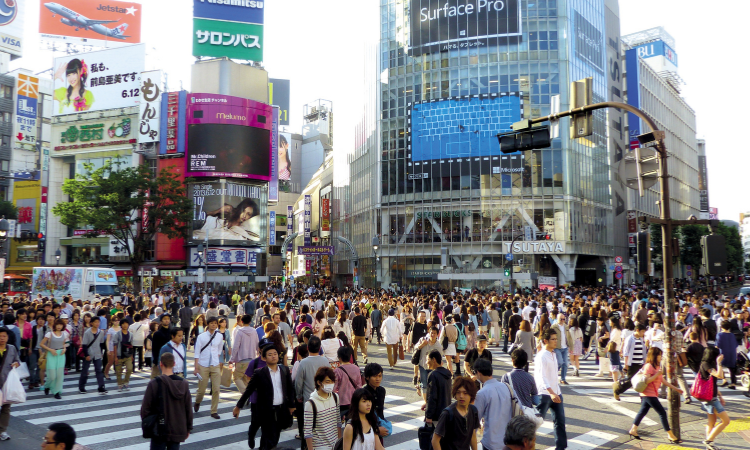
Few places are as instantly recognizable as Shibuya. Best known for the world-famous Shibuya Scramble Crossing, this district represents the youthful and fashionable side of Tokyo.
Visitors can browse trendy boutiques, explore the stylish avenues of Omotesando, and experience the vibrant atmosphere of nearby Harajuku. The neighborhood is packed with cafes, restaurants, entertainment venues, and observation decks offering incredible city views.
While the crossing itself attracts millions of photographs every year, Shibuya offers far more than a single intersection. It provides an authentic glimpse into Tokyo’s contemporary culture and evolving urban landscape, and is one of the Top things to do in Japan.
Asakusa — A Window into Old Tokyo
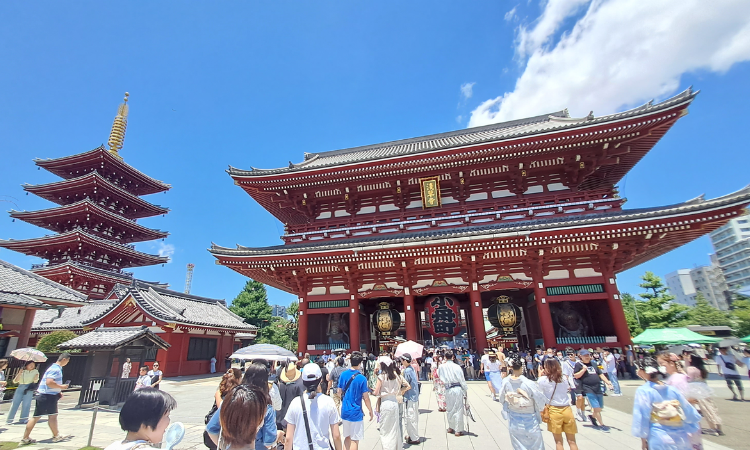
For travelers seeking traditional Japan, Asakusa is one of the most rewarding Tokyo neighbourhoods to visit. The district is centered around Senso-ji, Tokyo’s oldest and most famous Buddhist temple.
The bustling Nakamise Shopping Street leading to the temple offers local snacks, traditional crafts, and souvenirs that reflect centuries of Japanese culture. Rickshaws, historic architecture, and nearby Sumida River views add to the area’s timeless charm.
A visit to Asakusa provides a fascinating contrast to Tokyo’s futuristic districts and helps travelers better understand the city’s rich heritage.
Akihabara — The Capital of Pop Culture
Akihabara is unlike anywhere else in the world. Often called “Electric Town,” this district is famous for its electronics stores, gaming centers, anime shops, and unique themed cafes.
Fans of Japanese pop culture can spend hours exploring multi-story arcades, browsing collectible stores, and discovering the latest technology. Even visitors unfamiliar with anime or gaming culture often find Akihabara fascinating because of its energy and distinctive atmosphere.
It is one of Tokyo’s most unique districts and a must-visit for anyone interested in modern Japanese entertainment.
Yanaka — Tokyo’s Hidden Gem
While many visitors focus on Tokyo’s major attractions, Yanaka offers a glimpse into a quieter and more traditional side of the city. This charming neighborhood survived much of the destruction that reshaped Tokyo during the twentieth century, preserving its old-world character.
Narrow streets, family-run shops, local cafes, and small temples create a relaxed atmosphere rarely found elsewhere in the capital. Walking through Yanaka feels like stepping back in time and provides a welcome break from Tokyo’s busy tourist corridors.
Travelers looking to experience local life beyond the major attractions often consider Yanaka one of Tokyo’s most rewarding discoveries.
Ginza — Elegance and Sophistication
For luxury shopping, fine dining, and refined city experiences, Ginza remains unmatched. Often compared to New York’s Fifth Avenue or Paris’s Champs-Élysées, this upscale district features designer boutiques, department stores, art galleries, and Michelin-starred restaurants.
Ginza also provides convenient access to the nearby Tsukiji Outer Market, where visitors can sample some of Tokyo’s freshest seafood and traditional Japanese delicacies.
Whether you’re interested in shopping, architecture, or simply enjoying the atmosphere of one of Tokyo’s most prestigious neighborhoods, Ginza delivers a sophisticated side of the city that contrasts beautifully with districts like Shinjuku and Akihabara.
Tokyo’s neighborhoods are remarkably diverse, and deciding which ones to visit can be challenging. This is where many guided tours in Tokyo provide exceptional value. An experienced local Tokyo tour guide knows which districts complement one another, how to navigate efficiently between them, and how to uncover hidden gems that most visitors would otherwise miss. Rather than rushing from one attraction to another, travelers gain a deeper understanding of what makes each neighborhood unique.
The Best Things to Do in Tokyo (Especially With a Guide)
With countless attractions spread across the city, deciding where to spend your time can be overwhelming. While many travelers arrive with a checklist of famous landmarks, the most memorable experiences often come from understanding the stories, traditions, and local customs behind them. That’s why many visitors find that guided tours in Tokyo offer far more than convenience—they provide context that transforms sightseeing into genuine cultural discovery.
Here are some of the best things to do in Tokyo, along with why having a guide can significantly enhance the experience.
Navigate Tsukiji Outer Market
Although the famous wholesale fish market moved to Toyosu, the Tsukiji Outer Market remains one of Tokyo’s best food destinations. Narrow lanes are packed with seafood vendors, sushi counters, street-food stalls, and specialty shops selling everything from Japanese knives to traditional sweets.
The sheer number of options can be overwhelming for first-time visitors. Knowing which stalls are local favorites and what dishes are worth trying often makes the difference between a good visit and an exceptional one.
Why a Tokyo tour guide adds value: Local guides help eliminate the guesswork by introducing regional specialties, explaining food etiquette, and recommending vendors that many tourists overlook.
Visit Senso-ji at Dawn
Senso-ji Temple in Asakusa is one of Tokyo’s most visited attractions, drawing millions of visitors each year. While the temple is impressive at any time of day, arriving early in the morning reveals a completely different side of this historic site.
Before the crowds arrive, visitors can appreciate the temple’s architecture, hear the gentle sounds of morning prayers, and experience a more peaceful atmosphere. The quiet surroundings make it easier to understand why Senso-ji remains such an important spiritual destination.
Why a guide adds value: A knowledgeable guide can explain the significance of purification rituals, prayer customs, temple symbolism, and the role Senso-ji has played in Tokyo’s history for nearly 1,400 years.
Explore the Imperial Palace East Gardens
Situated in the heart of Tokyo, the Imperial Palace East Gardens offer a fascinating glimpse into Japan’s imperial history. Beautifully landscaped grounds, historic ruins, stone walls, and seasonal flowers create a peaceful oasis amid the city’s skyscrapers.
Many visitors enjoy the gardens without fully understanding their historical significance. What appears to be a pleasant park is actually the former site of Edo Castle, once the political center of Japan.
Why a guide adds value: Historical context brings the site to life, helping visitors understand the rise of the Tokugawa shogunate and Tokyo’s transformation from Edo to the modern capital.
Experience teamLab Planets or teamLab Borderless
Tokyo’s immersive digital art museums have become global sensations. Both teamLab Planets and teamLab Borderless combine technology, art, sound, and movement to create interactive experiences unlike anything found elsewhere.
Visitors walk through floating installations, mirrored spaces, and dynamic digital environments that change in response to movement. Tickets often sell out weeks in advance, especially during peak travel seasons.
Why a guide adds value: Tokyo tour Guides can advise on the best time slots, help secure reservations, and suggest how to combine a visit with nearby attractions for a more efficient day.
Take a Day Trip to Nikko or Kamakura
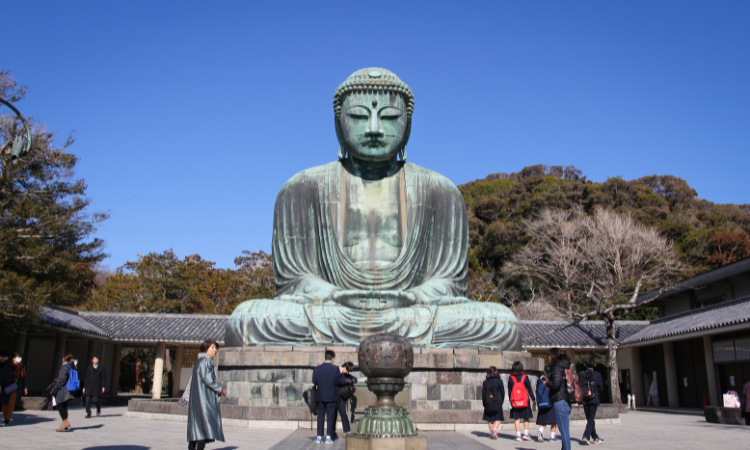
While Tokyo offers endless attractions, some of Japan’s most rewarding experiences lie just beyond the city limits. Nikko is famous for its ornate shrines, mountain scenery, and UNESCO World Heritage Sites, while Kamakura offers giant Buddha statues, historic temples, and a relaxed coastal atmosphere.
Both destinations are accessible by train, but planning routes, transfers, and schedules can consume valuable sightseeing time.
Why a guide adds value: A guide handles logistics, transportation, and historical interpretation, allowing travelers to focus on enjoying the destination rather than navigating unfamiliar transit systems.
Enjoy a Local Ramen or Izakaya Experience
Food is one of the most memorable aspects of any Tokyo visit. From steaming bowls of ramen to lively izakaya dining experiences, the city offers countless opportunities to experience Japanese cuisine beyond the typical tourist restaurants.
However, many visitors hesitate when menus are entirely in Japanese or when dining customs feel unfamiliar.
Why a guide adds value: A local guide can introduce hidden neighborhood favorites, explain ingredients and dining etiquette, and turn a simple meal into a fascinating cultural experience.
Visit Hamarikyu Gardens at Sunset
Few places capture Tokyo’s unique balance of tradition and modernity better than Hamarikyu Gardens. Originally built as a feudal lord’s estate, the gardens feature ponds, tea houses, and carefully maintained landscapes framed by the city’s towering skyline.
The contrast becomes especially striking at sunset when golden light reflects across the water while skyscrapers illuminate in the distance.
Why a guide adds value: Guides help visitors understand the garden’s historical significance and the design principles that make traditional Japanese gardens so meaningful.
Tokyo’s attractions are impressive on their own, but understanding the stories behind them creates a far richer experience. Whether you’re exploring historic temples, sampling local cuisine, or venturing beyond the city on a day trip, a Tokyo tour guide provides insights that most travelers would otherwise miss. This deeper level of understanding is one reason why many visitors choose Japan guided tour packages, where local expertise is built into the journey from start to finish.
How to Get Around Tokyo — and What a Tokyo Tour Guide Handles for You
One of the first things travelers notice about Tokyo is how incredibly efficient its transportation system is. The city is served by an extensive network of trains, subways, and buses that connect virtually every corner of the metropolitan area. While this makes getting around remarkably convenient, it can also be one of the most intimidating aspects of visiting Tokyo for the first time.
For many visitors, understanding how to navigate the system quickly becomes one of the most important Tokyo travel tips first time travelers.
Understanding Tokyo’s Rail Network
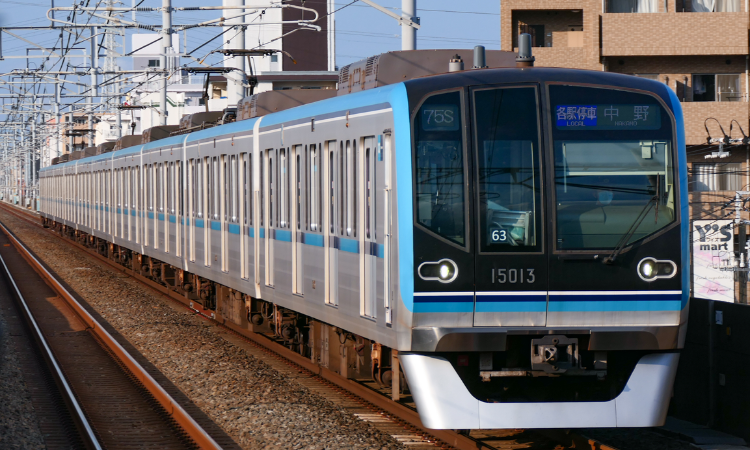
Tokyo’s transportation system is primarily divided among several major operators, including the JR East network, Tokyo Metro, and Toei Subway. Together, these systems operate hundreds of stations and dozens of interconnected routes.
Although English signage is widely available at major stations, the sheer size of the network can be overwhelming. Major transportation hubs such as Shinjuku, Tokyo Station, and Shibuya often feel like cities within cities, with multiple exits, shopping centers, and train platforms spread across several levels.
Missing a transfer or choosing the wrong exit can easily add unnecessary time to your day, particularly when you’re trying to maximize sightseeing opportunities.
IC Cards: The Simplest Way to Travel
One of the easiest ways to navigate Tokyo is by using a rechargeable IC card such as Suica or Pasmo. These cards can be loaded with funds and used across trains, subways, buses, convenience stores, vending machines, and many restaurants.
Instead of purchasing individual tickets for each journey, travelers simply tap their card at the entrance and exit gates.
For visitors planning multiple days of sightseeing, an IC card is an essential convenience that saves both time and effort.
Are Taxis Worth Using?
While taxis are clean, safe, and reliable, they are significantly more expensive than public transportation. Traffic congestion can also slow travel times during peak periods.
Most visitors find that trains and subways provide a faster and more economical way to move around the city. Taxis are generally best reserved for late-night journeys, airport transfers, or situations where public transportation is less convenient.
What a Guide Handles for You
Even though Tokyo’s transportation network is excellent, navigating it efficiently requires experience. Determining the fastest routes, identifying the correct platforms, understanding transfer stations, and coordinating schedules can consume a surprising amount of time.
This is where A Guided Japan Tour offers a major advantage.
When exploring Tokyo with an experienced guide, travelers don’t need to worry about reading train maps, calculating routes, or finding the correct station exit. The guide manages the logistics while the group moves smoothly between attractions, allowing everyone to focus on enjoying the experience.
For first-time visitors, this convenience often removes one of the biggest sources of travel stress.
Tokyo Day Tours vs. Multi-Day Guided Tours
Many travelers initially consider booking a single Tokyo day tour. While these tours can be useful for introducing key landmarks, they often focus on only one part of the city and leave travelers responsible for managing the rest of their itinerary.
A broader Japan itinerary offers considerably more value.
Instead of navigating transportation between cities, arranging accommodations, and coordinating sightseeing independently, travelers on guided Japan tours enjoy a seamless experience that connects Tokyo with destinations such as Kyoto, Osaka, Nara, and beyond.
The famous Shinkansen, or bullet train, makes travel between these cities remarkably fast, but understanding schedules, seat reservations, and station navigation can still be challenging for first-time visitors. Guided tours eliminate these concerns entirely by handling transportation and logistics from start to finish.
Rather than spending valuable vacation time figuring out how to get somewhere, travelers can focus on what matters most: experiencing Japan’s culture, history, cuisine, and unforgettable attractions.
For many visitors, that’s what transforms a good trip into an exceptional one.
Tokyo Travel Tips Every First-Timer Should Know
Tokyo is one of the easiest major cities in the world to visit, but understanding a few local customs and practical travel tips can make your experience significantly smoother. Whether you’re visiting independently or as part of one of the many Japan guided tour packages, these insights will help you navigate the city with confidence.
Train Etiquette Matters
Tokyo’s trains are famously punctual, clean, and efficient. They’re also surprisingly quiet.
Locals generally avoid loud conversations, phone calls, and disruptive behavior while riding public transportation. Passengers queue neatly at designated platform markings and wait for others to exit before boarding.
While eating is acceptable on long-distance trains like the Shinkansen, it’s generally avoided on local commuter trains. Following these simple customs helps visitors blend in and travel respectfully.
Don’t Assume Everywhere Accepts Cards
Japan has become increasingly cash-friendly toward international travelers, but cash still plays an important role in daily life.
Many small restaurants, neighborhood shops, local markets, and some shrines continue to operate on a cash-only basis. Carrying a modest amount of Japanese yen ensures you won’t miss out on authentic local experiences.
If you need cash, ATMs found at 7-Eleven stores and Japan Post locations are generally the most reliable for international cards.
Choose the Right Connectivity Option
Staying connected is essential for navigating Tokyo.
Travelers generally choose between a pocket Wi-Fi device and a local SIM or eSIM. Pocket Wi-Fi is particularly useful for families and groups because multiple devices can connect simultaneously. Solo travelers often prefer the convenience of an eSIM, which can be activated before arrival without needing to swap physical cards.
Whichever option you choose, reliable internet access makes transportation, translations, and restaurant searches much easier.
Tipping Is Not Part of Japanese Culture
One of the most surprising Tokyo travel tips for first time visitors is that tipping is not expected.
In fact, attempting to leave a tip can sometimes create confusion. Excellent service is considered standard throughout Japan and is already reflected in the overall customer experience.
Whether dining at a local ramen shop or staying in a luxury hotel, simply expressing gratitude is more than enough.
Convenience Stores Are Your Secret Weapon
Tokyo’s convenience stores are on an entirely different level.
Chains such as 7-Eleven, FamilyMart, and Lawson offer freshly prepared meals, quality coffee, snacks, toiletries, umbrellas, travel essentials, and access to international ATMs. Many travelers quickly discover that these stores become an indispensable part of their daily routine.
Need breakfast before an early tour? A late-night snack after sightseeing? A forgotten phone charger? Chances are the nearest convenience store has you covered.
Google Maps Is Excellent — But Not Your Only Tool
Google Maps works exceptionally well throughout Japan and is usually sufficient for most visitors.
However, travelers who want more detailed rail information may benefit from using the Japan Official Travel App or other transit-specific applications. These tools often provide additional details about fares, train types, and platform information.
For visitors tackling Tokyo independently, combining these apps with reliable internet access can make transportation far less intimidating.
Consider Luggage Forwarding Services
One of Japan’s most underrated travel conveniences is takkyubin, the country’s luggage forwarding service.
Rather than carrying large suitcases through crowded stations and onto trains, travelers can ship luggage directly between hotels. Bags often arrive the next day, allowing visitors to travel comfortably with only a small overnight bag.
This becomes particularly valuable when moving between Tokyo, Kyoto, and Osaka as part of a multi-city itinerary.
Book Popular Attractions Early
Tokyo’s most sought-after attractions often require advance planning.
Experiences such as teamLab Planets, teamLab Borderless, and the Ghibli Museum frequently sell out weeks ahead of time, especially during cherry blossom and autumn foliage seasons. Travelers visiting during peak months should make reservations well before departure.
One advantage of joining guided tours in Tokyo or broader Japan tours is that many of these arrangements are handled in advance, removing the stress of securing tickets independently.
By understanding these practical tips before arrival, travelers can spend less time troubleshooting logistics and more time enjoying everything Tokyo has to offer. While the city may initially seem overwhelming, a little preparation goes a long way toward creating a smooth and memorable experience.
DIY Tokyo vs. Guided Tour — What You Actually Get
One of the most common questions travelers ask when planning a trip to Japan is whether they should explore Tokyo independently or join a guided experience. The truth is that both approaches can work—but the experience is often very different.
Tokyo is an incredibly safe, organized, and visitor-friendly city. English signage is common, Google Maps works exceptionally well, and public transportation is among the most reliable in the world. With enough preparation, independent travelers can absolutely navigate the city on their own.
The question isn’t whether you can do Tokyo independently.
The question is whether you’ll get the most out of your limited time.
The DIY Experience
Independent travel offers flexibility. You can spend as much time as you’d like in a particular neighborhood, adjust plans on the fly, and create a completely personalized itinerary.
However, that flexibility comes with responsibilities. Travelers must research attractions, reserve tickets, navigate transportation systems, coordinate day trips, select restaurants, and constantly make decisions throughout the day.
Many first-time visitors discover that they spend more time planning logistics than actually enjoying the destination.
It’s also easy to miss the deeper cultural context behind Tokyo’s most famous landmarks. Visiting Senso-ji, Meiji Shrine, or the Imperial Palace without understanding their historical significance can sometimes feel like checking items off a list rather than fully experiencing them.
The Guided Experience
A guided tour removes many of the obstacles that first-time visitors face.
Instead of worrying about train connections, attraction reservations, language barriers, or itinerary planning, travelers can focus entirely on the experience itself. Expert guides provide local insight, historical context, and cultural understanding that simply isn’t available from a map or guidebook.
A guide can explain why certain traditions exist, recommend hidden local favorites, and share stories that bring famous landmarks to life. What appears to be a beautiful temple or garden suddenly becomes part of a much larger narrative about Japan’s history and culture.
This added depth is one of the main reasons many travelers find guided tours in Tokyo more rewarding than exploring independently.
The Real Value Goes Beyond Tokyo
Perhaps the strongest argument for guided travel isn’t Tokyo itself—it’s everything that comes after.
Most visitors spend only two to four days in Tokyo before continuing to destinations such as Kyoto, Osaka, Nara, Hakone, or Nikko. Coordinating transportation, hotels, luggage transfers, attraction bookings, and sightseeing across multiple cities requires considerable planning.
This is where guided Japan tours provide exceptional value.
Rather than managing every detail independently, travelers enjoy a seamless journey that connects Japan’s most iconic destinations under one carefully designed itinerary. Hotels, transportation, sightseeing, and local experiences are arranged in advance, creating a stress-free experience from arrival to departure.
For travelers who want to maximize their time while minimizing logistical challenges, exploring Tokyo as part of a larger Japan tour packages itinerary often delivers the best overall experience.
A Great Option for Solo Travelers
Guided travel also appeals to solo travelers who want the freedom of independent exploration combined with the social benefits of group travel.
Japan is extremely safe for solo visitors, but joining a guided tour creates opportunities to connect with like-minded travelers while sharing memorable experiences. Many guests find that the friendships formed during a multi-city Japan journey become just as meaningful as the destinations themselves.
See Japan Beyond Tokyo
Tokyo is an incredible introduction to Japan, but it is only one chapter of the story.
From Kyoto’s ancient temples and Osaka’s culinary delights to scenic countryside landscapes and historic cultural sites, Japan rewards travelers who venture beyond the capital. Choosing a well-designed guided itinerary allows you to experience these destinations without the stress of planning every detail yourself.
If you’re considering a trip to Japan, explore our Japan tour packages and discover how expertly crafted itineraries can help you experience Tokyo, Kyoto, Osaka, and beyond with confidence, comfort, and local insight.
See the best Japan Tour Packages Including Tokyo
Planning Your Tokyo Visit as Part of a Japan Tour
For most travelers, Tokyo is more than just a destination—it’s the gateway to a broader Japanese adventure. While the city alone could easily fill a week, the most rewarding itineraries combine Tokyo’s modern energy with Japan’s historic, cultural, and scenic highlights.
That’s why many travelers choose to experience Tokyo as part of a larger guided journey through the country.
How Tokyo Fits Into the Classic Japan Route
A well-planned Japan itinerary typically begins in Tokyo before moving west via the famous Shinkansen (bullet train). This route allows visitors to experience both Japan’s modern and traditional sides in a single trip.
A classic journey often follows this path:
Tokyo → Nikko (optional day trip) → Kyoto → Osaka
Tokyo introduces travelers to Japan’s cutting-edge technology, vibrant neighborhoods, and world-famous landmarks. Kyoto offers centuries-old temples, geisha districts, and cultural traditions. Osaka delivers incredible food, nightlife, and a more relaxed atmosphere. Together, they create a balanced introduction to Japan.
Many travelers exploring Japan guided tour packages follow a variation of this route because it showcases the country’s most iconic experiences while minimizing travel time.
How Many Days Should You Spend in Tokyo?
Most first-time visitors should plan to spend at least three days in Tokyo.
Three days allows enough time to explore major neighborhoods such as Shibuya, Shinjuku, Asakusa, and Ginza while visiting several of the city’s most famous attractions.
Four days is often considered ideal, especially if you wish to include a day trip to Nikko or Kamakura. Additional time allows for a slower pace and the opportunity to discover some of Tokyo’s lesser-known neighborhoods and cultural experiences.
Many Japan tour packages allocate three to four days in Tokyo before continuing to Kyoto and Osaka, striking a balance between sightseeing and comfort.
The Best Areas to Stay in Tokyo
Choosing the right neighborhood can significantly improve your experience, and that’s what a first-time Japan travel guide also suggests.
Shinjuku remains one of the most popular choices thanks to its outstanding transportation connections, extensive dining options, and central location.
Asakusa appeals to travelers seeking a more traditional atmosphere and easy access to historic attractions such as Senso-ji Temple.
Shibuya offers a lively environment filled with shopping, restaurants, entertainment, and some of the city’s most recognizable landmarks.
Most organized tours select centrally located hotels that provide convenient access to transportation, major attractions, and local dining options, helping travelers maximize their sightseeing time.
When Should You Book?
Tokyo is a year-round destination, but certain seasons are particularly popular.
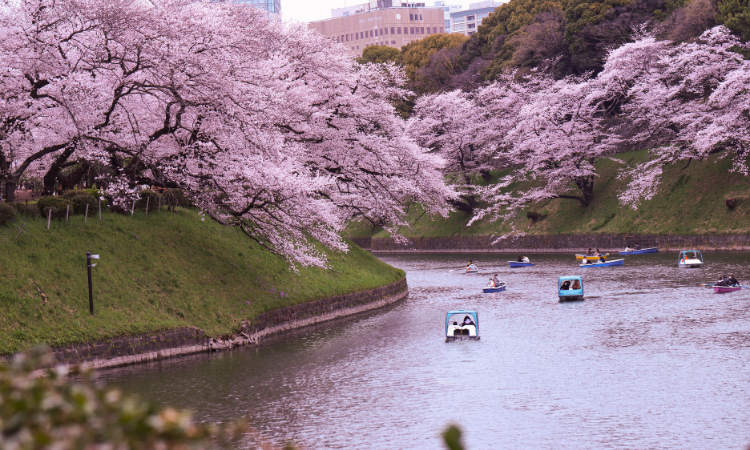
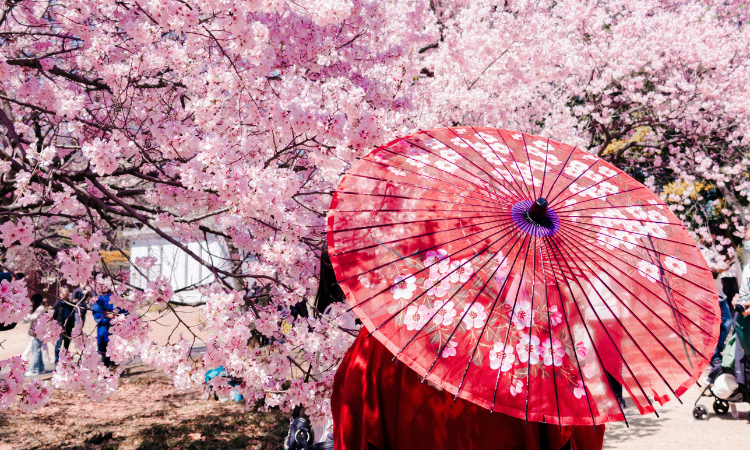
March through May , which is also one of the best times to visit Japan, attracts visitors eager to experience Japan’s famous cherry blossom season. Parks, temples, and riversides transform into stunning displays of pink and white blooms.
October through November offers comfortable temperatures and spectacular autumn foliage, making it another highly sought-after travel period.
Because demand is highest during these seasons, travelers should ideally book four to six months in advance. Hotels, guided experiences, and transportation can fill quickly, particularly for cherry blossom departures.
Travelers interested in cherry blossom Japan tours should begin researching itineraries as early as possible to secure preferred travel dates.
See How Indus Travel Brings It All Together
Planning Tokyo is exciting. Planning Tokyo, Kyoto, and Osaka, transportation, accommodations, and sightseeing across multiple cities is considerably more complex.
That’s where a professionally designed itinerary makes a difference.
Whether you’re looking for a comprehensive 10-day Japan itinerary or simply exploring options for your first visit, Indus Travel’s expertly crafted journeys combine Japan’s most iconic destinations into a seamless and enriching experience.
Explore Japan Tour Packages with multiple Departure Dates
By handling accommodations, transportation, guided sightseeing, and carefully curated experiences, Indus allows travelers to spend less time planning and more time enjoying everything Japan has to offer.
Frequently Asked Questions About Tokyo Tours
Is Tokyo easy to navigate without a guide?
Tokyo is manageable for independent travelers, especially with English signage, Google Maps, and an efficient public transportation system. However, first-time visitors often find the city’s scale, complex rail network, language differences, and countless attractions overwhelming. A guide helps simplify logistics, provide cultural context, and maximize limited sightseeing time, allowing travelers to experience more without the stress of constant planning.
How many days do I need in Tokyo?
Three days is generally enough to cover Tokyo’s major highlights, including neighborhoods such as Shibuya, Shinjuku, Asakusa, and Ginza. Four days is ideal if you’d like to include a day trip to destinations like Nikko or Kamakura. Most Japan itineraries allocate three to four days in Tokyo before continuing to Kyoto, Osaka, or other regions throughout the country.
What is the best area to stay in Tokyo?
The best area depends on your travel style. Shinjuku offers outstanding transportation access and a vibrant atmosphere, making it a popular choice for first-time visitors. Asakusa provides a more traditional setting near historic attractions, while Shibuya is ideal for travelers seeking shopping, nightlife, and contemporary culture. Most guided tours select centrally located hotels for maximum convenience.
Do I need to book Tokyo attractions in advance?
Yes. Popular attractions such as teamLab Planets, teamLab Borderless, and the Ghibli Museum frequently sell out weeks in advance, particularly during peak travel seasons. Travelers visiting during cherry blossom or autumn foliage periods should secure reservations early. One advantage of guided tours is that many attraction bookings are arranged before departure, eliminating the need to manage reservations independently.
What is the best time to visit Tokyo?
The most popular times to visit Tokyo are spring (March through May) and autumn (October through November). Spring brings the famous cherry blossoms, while autumn offers comfortable temperatures and spectacular fall colors. Summer can be hot and humid but often sees fewer international visitors. Travelers planning to visit during peak seasons should ideally book four to six months in advance and go for cherry blossom Japan tours.
Is Tokyo safe for solo travelers?
Tokyo is consistently ranked among the safest major cities in the world. Crime rates are extremely low, public transportation is reliable, and locals are generally helpful and respectful. Solo travelers can explore confidently throughout the city. For those seeking additional convenience and social interaction, guided group tours provide a great way to experience Japan while meeting fellow travelers.
Can I visit Tokyo and Kyoto on the same Japan trip?
Absolutely. In fact, Tokyo and Kyoto are the two most commonly combined destinations in Japan. The Shinkansen connects the cities in approximately 2 hours and 15 minutes, making travel quick and convenient. Most classic Japan itineraries include Tokyo, Kyoto, and often Osaka, allowing travelers to experience both Japan’s modern energy and traditional cultural heritage.
What does a guided Japan tour include for Tokyo?
Most guided Japan tours include two to four nights in a centrally located Tokyo hotel, guided sightseeing of major attractions, airport transfers, transportation assistance, and expert local guides. Many itineraries also include optional or included excursions to nearby destinations such as Nikko or Kamakura. For complete details and current departures, travelers can explore Indus Travel’s Japan tour packages.
Conclusion
Tokyo is a city of contrasts—a place where centuries-old temples stand beside futuristic skyscrapers, where peaceful gardens coexist with some of the world’s busiest intersections, and where every neighborhood offers something entirely different from the last.
While it’s possible to explore the city independently, many travelers discover that the real magic of Tokyo lies in understanding the stories, traditions, and cultural nuances that exist beyond the surface. From navigating historic districts and sampling local cuisine to uncovering hidden gems and venturing beyond the city, local expertise adds depth to every experience.
More importantly, Tokyo is often just the beginning of an unforgettable journey through Japan. Whether you’re dreaming of Kyoto’s temples, Osaka’s food scene, or the breathtaking scenery throughout the country, a well-designed guided itinerary lets you experience Japan seamlessly and confidently.
If you’re ready to discover Tokyo—and everything that comes after—explore Indus Travel’s guided Tokyo and Japan tours and start planning your next adventure today.
 Toll Free (USA & Canada) +1 866 978 2997