Tokyo vs Kyoto: Which City Should You Choose for Your First Trip to Japan?
When planning a trip to Japan, one question inevitably comes up: Tokyo vs Kyoto—which city should you visit first? It’s a decision that almost every first-time visitor faces, especially when working with a 10 to 14-day itinerary. While each destination offers an unforgettable experience, they couldn’t be more different, making it difficult to know where to begin.
Japan is a country of remarkable contrasts, and nowhere is that contrast more striking than between its two most iconic cities. Tokyo is a dazzling metropolis where futuristic skyscrapers stand beside centuries-old shrines, high-speed trains keep the city moving, and every neighborhood offers something entirely different. Kyoto, by comparison, invites you to slow down. With its ancient temples, traditional wooden streets, seasonal gardens, tea houses, and centuries-old customs, it preserves the cultural heritage that has defined Japan for generations.
If you’re wondering Tokyo or Kyoto first time, the answer depends less on which city is “better” and more on the type of experience you’re looking for. Tokyo introduces visitors to Japan’s innovation, scale, world-class dining, and nonstop energy. Kyoto reveals a quieter side of the country through historic landmarks, peaceful bamboo groves, geisha districts, and traditions that continue to thrive in everyday life.
The good news is that this isn’t a choice you necessarily have to make. Many travelers assume they must prioritize one city over the other, but the reality is quite different. Thanks to Japan’s exceptional transportation network, including the world-famous Shinkansen (bullet train), it’s easy to travel between Tokyo and Kyoto in just over two hours. For most first-time visitors, a 10–14 day trip to Japan provides enough time to experience the highlights of both cities without feeling rushed.
Rather than competing with one another, Tokyo and Kyoto complement each other perfectly. Together, they showcase the full spectrum of Japan—from cutting-edge technology and vibrant city life to timeless traditions and cultural treasures. Experiencing only one city offers an incredible trip, but visiting both provides a far more complete understanding of what makes Japan such a fascinating destination.
In this first time Japan Travel guide, we’ll take an in-depth look at what makes each city unique, compare their attractions, atmosphere, food, culture, and pace of travel, and help you decide which destination best matches your interests. And if, like many travelers, you discover that choosing between them isn’t necessary, we’ll also show you how to comfortably visit both on a single itinerary.
Tokyo Deep Dive — What Makes Japan’s Capital Unmissable
If Kyoto is the soul of traditional Japan, Tokyo is the country’s beating heart. It’s a city that constantly reinvents itself while preserving its cultural roots, making it one of the best Japanese cities to visit for first-time travelers. Understanding the difference between Tokyo and Kyoto begins here—Tokyo doesn’t simply impress with its size; it overwhelms, excites, and surprises in equal measure.
The Scale and Energy
Tokyo isn’t just a city—it’s one of the world’s largest metropolitan areas, home to nearly 37 million people across Greater Tokyo. Yet despite its enormous population, everything functions with astonishing precision.
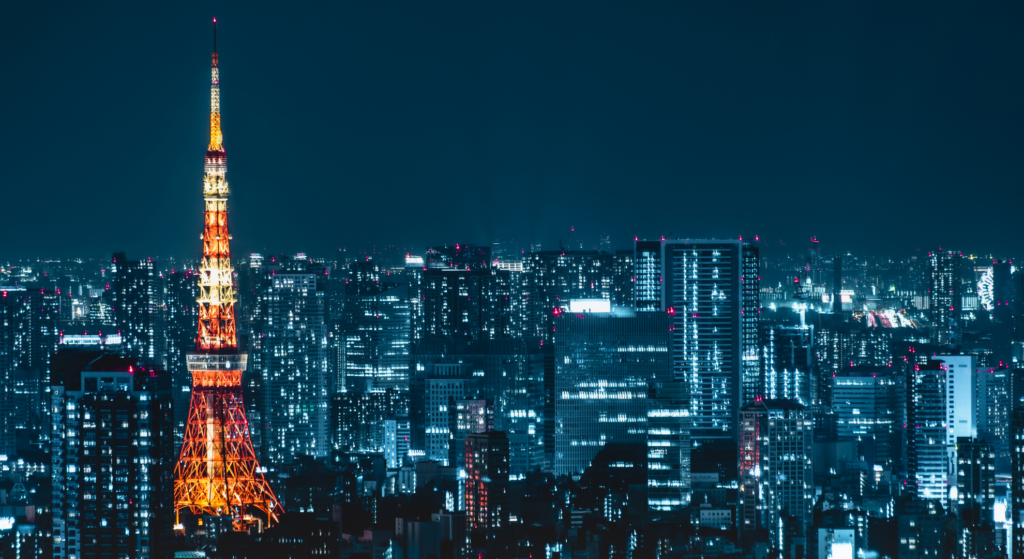
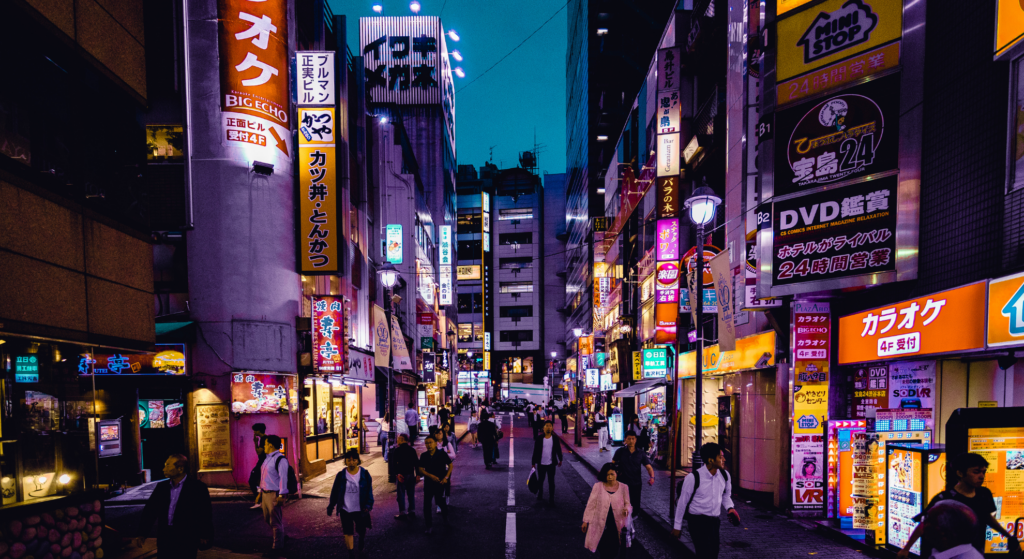
The famous Shibuya Scramble Crossing, where thousands of pedestrians cross from every direction at once, perfectly captures Tokyo’s organised chaos. Just a few train stops away, Shinjuku dazzles visitors with towering skyscrapers, glowing neon signs, bustling entertainment districts, and one of the busiest railway stations in the world. The city moves at an extraordinary pace, but remarkably, it never feels out of control.
For many first-time visitors, simply walking through Tokyo’s streets becomes one of the most memorable experiences of the trip. Every corner offers something unexpected—whether it’s a centuries-old shrine tucked between office towers, a tiny ramen shop hidden beneath railway tracks, or a futuristic robot café standing beside a peaceful Japanese garden.
Neighbourhoods: A City of Villages
One of Tokyo’s greatest strengths is that it never feels like a single city. Instead, it feels like dozens of unique neighborhoods woven together, each with its own personality, architecture, and atmosphere.
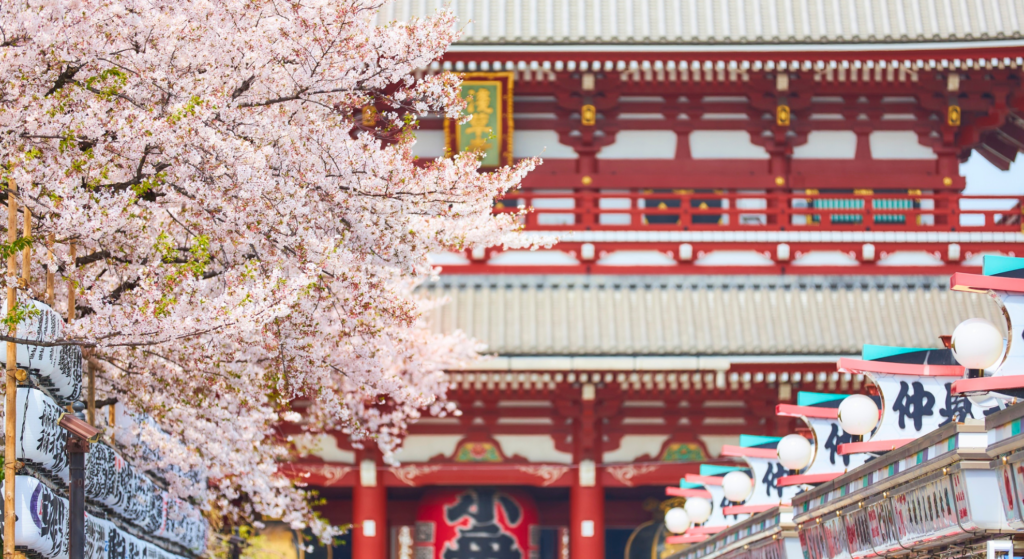
Asakusa offers a glimpse into old Edo through the iconic Senso-ji Temple, traditional shopping streets, and rickshaw rides that preserve the city’s historic character.
Harajuku is Tokyo’s creative playground, famous for bold fashion, quirky cafés, youth culture, and the elegant tree-lined avenues surrounding Meiji Shrine.
Yanaka remains one of Tokyo’s best-preserved historic districts. Narrow lanes, family-run bakeries, quiet temples, and traditional wooden houses create a peaceful atmosphere that’s increasingly rare in modern Tokyo.
Meanwhile, Akihabara showcases another side of the capital entirely. Bright electronics stores, anime culture, gaming arcades, collectible shops, and themed cafés have made it a global destination for technology enthusiasts and pop culture fans alike.
Spend a week exploring Tokyo, and each day feels like visiting a completely different city. That incredible diversity is one of the defining characteristics that separates Tokyo from destinations elsewhere in Japan.
Food Capital of the World
Tokyo has earned its reputation as one of the greatest culinary destinations on Earth.
The city boasts more Michelin-starred restaurants than any other city in the world, but exceptional food isn’t reserved for luxury dining. Some of Tokyo’s most memorable meals come from humble ramen counters serving steaming bowls for around ¥500, tiny neighborhood sushi restaurants, or standing noodle bars filled with local office workers.
At the other end of the spectrum, elegant kaiseki restaurants offer meticulously prepared multi-course meals that celebrate Japan’s seasonal ingredients and culinary traditions, with prices reaching ¥30,000 or more for an unforgettable dining experience.
Even Tokyo’s convenience stores surprise first-time visitors. Fresh sandwiches, sushi, rice balls, desserts, and hot meals from stores like 7-Eleven, Lawson, and FamilyMart routinely exceed expectations, often rivaling restaurant-quality food found elsewhere in the world.
Whether your budget is modest or luxurious, Tokyo delivers extraordinary dining experiences at every price point.
Day Trips from Tokyo
One of Tokyo’s greatest advantages is its easy access to some of Japan’s most spectacular destinations.
Nikko, approximately two hours by train, is a UNESCO World Heritage Site known for its lavishly decorated shrines, peaceful cedar forests, and mountain scenery. It’s an ideal escape for travelers interested in Japanese history and architecture.
Just one hour away, Kamakura combines coastal charm with remarkable cultural landmarks, including the famous Great Buddha, ancient temples, bamboo groves, and relaxed seaside atmosphere.
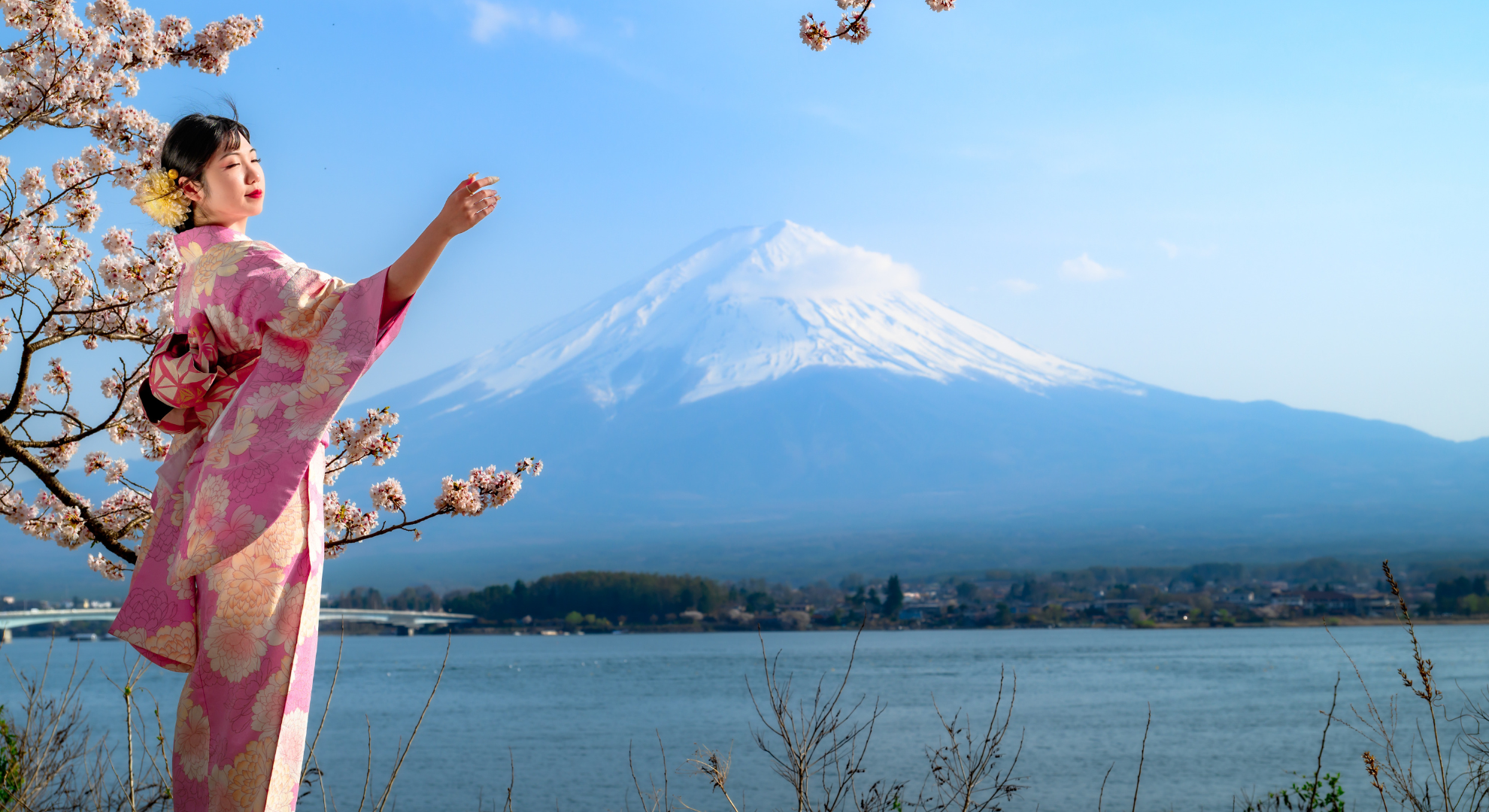
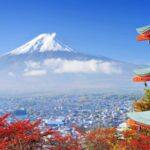
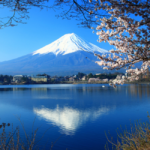
For those hoping to catch a glimpse of Japan’s most iconic mountain, Hakone remains one of the most popular excursions from Tokyo. Visitors can enjoy breathtaking views of Mount Fuji, cruise across Lake Ashi, soak in natural hot springs, and ride scenic ropeways through volcanic landscapes—all within a comfortable day trip.
These nearby destinations make Tokyo an excellent base for travelers wanting to combine vibrant city life with nature, history, and traditional culture.
Who Tokyo Is For
Tokyo is the perfect destination for travelers who want to experience the full force of modern Japan.
It’s ideal for first-time visitors eager to see the country’s most famous landmarks, food lovers seeking world-class cuisine, culture-curious travelers fascinated by the contrast between ancient traditions and futuristic innovation, and anyone who enjoys the excitement of being surrounded by one of the world’s most dynamic urban environments.
While the difference between Tokyo and Kyoto often comes down to modernity versus tradition, Tokyo proves that those worlds can coexist beautifully. It’s energetic without being overwhelming, innovative without forgetting its history, and constantly evolving while remaining unmistakably Japanese.
For a more detailed look at Tokyo’s neighborhoods, attractions, suggested itineraries, and hidden gems, explore our full Tokyo tour guide.
Kyoto Deep Dive — Japan’s Cultural Soul
If Tokyo showcases Japan’s future, Kyoto preserves its past. As the country’s imperial capital for more than a thousand years, Kyoto offers an experience unlike anywhere else in Japan. For travelers comparing the difference between Tokyo and Kyoto, Kyoto is where centuries-old traditions, sacred temples, seasonal beauty, and timeless neighborhoods come together to create a city that feels remarkably untouched by modern life.
The Temple City
Kyoto is often called Japan’s spiritual heart, and it’s easy to understand why. The city is home to more than 1,600 Buddhist temples and 400 Shinto shrines, many of which are among the country’s most treasured cultural landmarks.
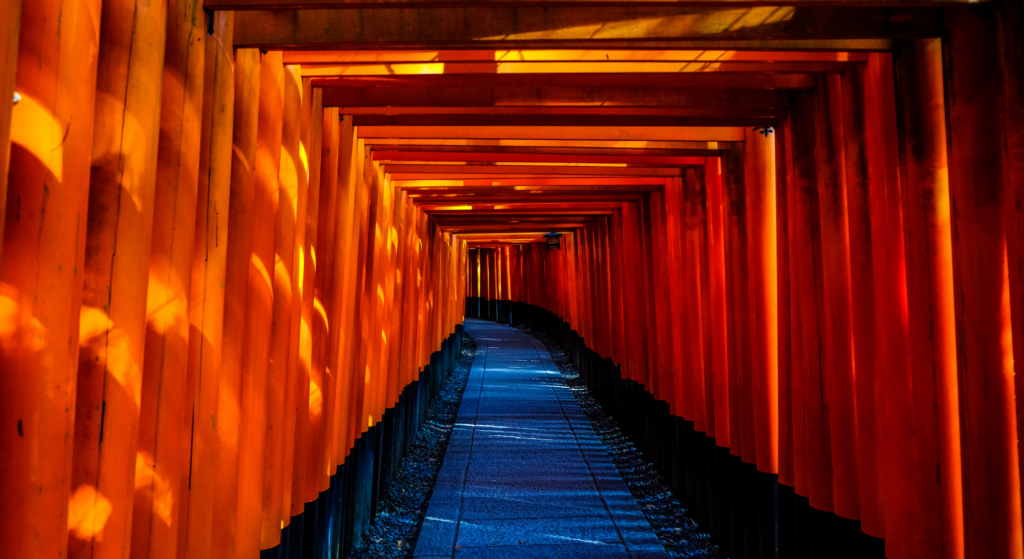
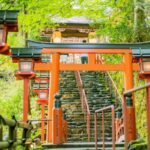
No visit is complete without walking through Fushimi Inari Taisha, famous for its seemingly endless tunnel of more than 10,000 vibrant vermilion torii gates winding up the mountainside. It’s one of Japan’s most photographed sites, yet arriving early in the morning reveals a peaceful side that many visitors never experience.
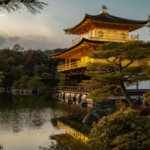
Equally iconic is Kinkaku-ji, the Golden Pavilion, whose shimmering gold leaf exterior reflects beautifully across the surrounding pond. In contrast, Ryoan-ji offers a completely different kind of beauty through its famous Zen rock garden, where fifteen carefully positioned stones invite quiet contemplation rather than grand spectacle.
These landmarks aren’t simply attractions—they represent centuries of Japanese philosophy, religion, and artistic expression that continue to shape the country’s cultural identity today.
Neighbourhoods: Where Old Japan Survives
Kyoto’s greatest charm often lies beyond its famous temples. Its historic neighborhoods preserve an atmosphere that has largely disappeared elsewhere in Japan.
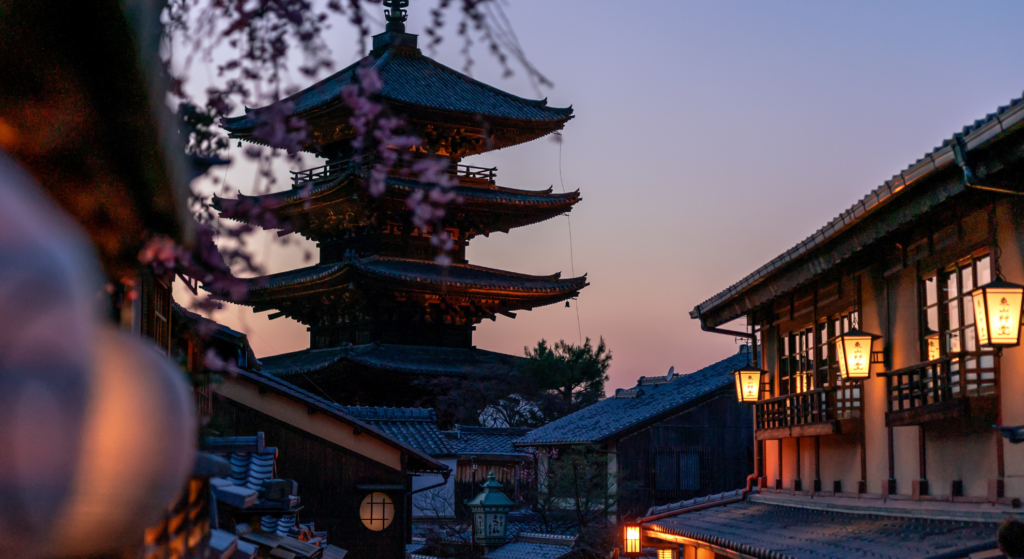
Gion, Kyoto’s renowned geisha district, is lined with beautifully preserved wooden machiya townhouses, traditional tea houses, and narrow stone lanes illuminated by lanterns after sunset. Visitors strolling through Hanamikoji Street may even catch a glimpse of a geiko or maiko gracefully making her way to an evening appointment.
On the city’s western edge, Arashiyama combines natural beauty with cultural landmarks. The towering bamboo grove creates one of Japan’s most iconic walking experiences, while nearby Tenryu-ji Temple, a UNESCO World Heritage Site, offers exquisite Zen gardens. For panoramic views across Kyoto, adventurous travelers can continue to the famous monkey park overlooking the city.
Meanwhile, Nishiki Market serves as Kyoto’s culinary heartbeat. Stretching for several blocks beneath a covered arcade, the market is filled with family-run vendors selling everything from fresh seafood and handcrafted sweets to local pickles, matcha delicacies, and traditional Kyoto specialties.
Every neighborhood tells a different story, making Kyoto a destination that rewards slow exploration rather than rushing from one attraction to the next.
Seasonality as an Experience
While every season brings something special to Kyoto, few places in the world celebrate the changing seasons quite as beautifully.
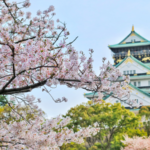
Spring transforms the city into a sea of delicate pink blossoms. Maruyama Park, the Philosopher’s Path, and temple gardens throughout Kyoto become spectacular settings for hanami, Japan’s cherished cherry blossom viewing tradition. The city feels almost dreamlike as petals drift through historic streets and ancient temple grounds.
Autumn is equally breathtaking. Brilliant shades of crimson, orange, and gold blanket Kyoto’s temples and gardens, with Tofuku-ji and Arashiyama among the most celebrated locations for fall foliage. During this season, the combination of cool temperatures, colorful landscapes, and centuries-old architecture creates one of the most memorable travel experiences anywhere in Japan.
More than almost any other destination in the country, Kyoto rewards travelers who carefully time their visit around the changing seasons.
The Slower Pace
Unlike Tokyo’s constant movement, Kyoto invites visitors to slow down.
The city’s compact historic districts are best explored on foot or by bicycle, allowing travelers to discover hidden temples, quiet residential lanes, peaceful gardens, and traditional cafés at their own pace. There is no pressure to rush between attractions. Instead, Kyoto encourages lingering a little longer, whether you’re enjoying a matcha tea ceremony, wandering through bamboo groves, or simply sitting quietly beside a Zen garden.
Perhaps Kyoto’s greatest achievement is its ability to make visitors feel as though they have stepped back several centuries. Despite being a modern city, it possesses a timeless atmosphere that few destinations in the world can replicate.
Who Kyoto Is For
Kyoto is the perfect destination for travelers who want to immerse themselves in Japan’s cultural heritage rather than simply admire its modern achievements.
History enthusiasts, temple lovers, photographers, food explorers, and anyone fascinated by Japanese traditions will find endless opportunities to connect with the country’s past. Travelers who value atmosphere, craftsmanship, and meaningful cultural experiences often leave Kyoto considering it the highlight of their trip.
So, is Kyoto better than Tokyo? The honest answer is that neither city is objectively better—they simply offer completely different experiences. Tokyo captivates with its energy, innovation, and endless variety, while Kyoto enchants through history, tranquility, and cultural depth. Understanding this difference between Tokyo and Kyoto helps travelers realize that the two cities aren’t competitors—they’re complementary chapters of the same remarkable journey.
For a complete overview of Kyoto’s temples, neighborhoods, seasonal highlights, and must-have experiences, explore our complete Kyoto tours guide.
Tokyo vs. Kyoto — The Head-to-Head Comparison
If you’re still debating Tokyo or Kyoto first time, this side-by-side comparison makes the decision much easier. While both cities are essential to understanding Japan, they offer distinctly different experiences. Here’s how they compare across the categories that matter most to travelers.
Category
Tokyo
Kyoto
Vibe
Modern, electric, overwhelming in the best way
Traditional, serene, culturally immersive
Best for
Food, neighbourhoods, nightlife, contemporary Japan
Temples, history, seasonal beauty, old Japan
Pace
Fast — there’s always more to see
Slow — built for wandering and absorbing
Days needed
3–4 minimum
2–3 minimum
English ease
Very accessible
Accessible, slightly less signage in outer areas
Crowds
Year-round busy
Peak season (cherry blossom/autumn) very crowded
Day trip potential
Excellent (Nikko, Kamakura, Hakone)
Good (Nara, Osaka 30 minutes away)
Ideal traveler
First-timers, city lovers, food obsessives
Culture seekers, history lovers, photographers
Looking at the comparison, it’s easy to see why the debate continues. Tokyo impresses with its incredible energy, endless neighborhoods, world-class restaurants, and the feeling that something exciting is happening around every corner. It’s the city that introduces visitors to Japan’s innovation, efficiency, and urban lifestyle on a scale unlike anywhere else in the world.
Kyoto offers an entirely different rhythm. Instead of towering skyscrapers and flashing lights, you’ll find peaceful temple gardens, historic wooden streets, traditional tea houses, and seasonal landscapes that encourage you to slow down and appreciate the country’s rich cultural heritage. It’s a destination where history isn’t confined to museums—it surrounds you in everyday life.
So, is Kyoto better than Tokyo? Not necessarily. The answer depends entirely on what kind of traveler you are.
If you’re fascinated by vibrant cities, incredible food, nightlife, shopping, and modern culture, Tokyo will likely be your favorite. If your ideal trip revolves around temples, history, traditional architecture, gardens, and quieter moments, Kyoto may leave the stronger impression.
For anyone asking Tokyo or Kyoto first time, the recommendation is straightforward. If you were forced to choose just one city, Tokyo edges ahead for most first-time visitors because it delivers the broadest introduction to contemporary Japan while still offering remarkable cultural experiences. Kyoto, meanwhile, is unmatched for travelers whose primary goal is understanding Japan’s traditions, spirituality, and historical identity.
The good news is that this isn’t an either-or decision. Thanks to Japan’s exceptional rail network, most travelers with 10–14 days can comfortably experience both cities. Rather than choosing between Japan’s modern face and its cultural soul, you can enjoy both and that’s ultimately what makes a first trip to Japan so unforgettable.
Why You Should Visit Both — And How to Do It in One Trip
After comparing the strengths of each destination, the conclusion becomes surprisingly simple: for most travelers, choosing between Tokyo and Kyoto isn’t necessary. The two cities are connected by Japan’s world-famous Shinkansen (bullet train), with the journey taking just 2 hours and 15 minutes. That means experiencing both on the same vacation is not only possible but also the ideal way to discover Japan.
For first-time visitors, the classic Tokyo and Kyoto itinerary offers the perfect balance between modern city life, cultural heritage, incredible cuisine, and unforgettable day trips. Rather than viewing the cities as competing destinations, think of them as two complementary chapters of the same journey—each revealing a different side of Japan.
The Classic 10–14 Day Japan Circuit
A well-planned itinerary allows you to experience Japan’s most iconic destinations without feeling rushed. The classic route typically follows this pattern:
Tokyo (3–4 days): Explore vibrant neighborhoods like Shibuya, Asakusa, Shinjuku, Harajuku, and Akihabara while enjoying world-class dining and modern attractions.
Shinkansen to Kyoto: Relax on one of the world’s fastest and most efficient trains as you travel comfortably between the two cities.
Kyoto (2–3 days): Visit historic temples, stroll through Gion, wander the Arashiyama Bamboo Grove, and experience Japan’s cultural heart.
Osaka (2 days): Discover Japan’s food capital, explore Dotonbori, Osaka Castle, and enjoy the city’s lively nightlife.
Optional Day Trips: Extend your journey with visits to Nara, home to the famous free-roaming deer and Todai-ji Temple, or Hiroshima, where history and resilience come together at the Peace Memorial Park and Museum.
This route has become the benchmark for first-time visitors because it combines Japan’s biggest highlights while minimizing unnecessary travel time.
Why Tokyo and Kyoto Complement Each Other
Tokyo and Kyoto aren’t rivals—they’re partners in telling Japan’s story.
Tokyo introduces visitors to the country’s remarkable innovation, futuristic skyline, efficient transport, diverse neighborhoods, and nonstop energy. It’s where you’ll experience Japan’s global influence, cutting-edge technology, and modern lifestyle.
Kyoto provides the historical and cultural context that makes everything you experience in Tokyo even more meaningful. Walking through centuries-old temple grounds, participating in a traditional tea ceremony, or wandering lantern-lit streets lined with wooden machiya houses offers insight into the customs and traditions that continue to shape modern Japanese society.
Together, the two cities create a richer, more complete travel experience. Tokyo gives you scale and excitement; Kyoto gives you depth and perspective. Visiting both allows you to appreciate how Japan has successfully preserved its heritage while embracing innovation.
Suggested Day Allocation
How you divide your time depends on the length of your trip, but these itineraries work well for most travelers.
10-Day Itinerary
Tokyo: 3 days
Kyoto: 2 days
Osaka: 2 days
Day trips (Nara, Nikko, Hakone, or Kamakura): 2 days
Intercity travel: 1 day
This itinerary covers Japan’s essential highlights while leaving enough flexibility to enjoy each destination without constantly rushing.
14-Day Itinerary
With four additional days, you can travel at a slower pace and enjoy more meaningful experiences. Spend an extra day exploring Tokyo’s neighborhoods, linger longer in Kyoto’s temples and gardens, or add destinations such as Hiroshima, Miyajima, or additional countryside excursions. The extra time also allows for more relaxed mornings and spontaneous discoveries that often become the most memorable parts of a trip.
If you’re looking for a day-by-day route, plan your 10-day Japan itinerary visiting both here. The guide walks you through exactly how to structure your time across Tokyo, Kyoto, Osaka, and nearby day trips.
Why a Guided Tour Makes Visiting Both Cities Easier
Although Japan’s transport system is exceptionally efficient, coordinating a multi-city itinerary still requires careful planning. Booking Shinkansen tickets, arranging hotel check-ins and check-outs, forwarding luggage between cities, navigating unfamiliar stations, and deciding how to maximise your time can quickly consume hours that could otherwise be spent sightseeing.
A guided multi-city Japan tour removes those logistical challenges entirely. Your Shinkansen reservations are handled in advance, hotel changes happen seamlessly, luggage forwarding is arranged for you, and experienced local guides provide valuable cultural context in every destination. Instead of worrying about transportation schedules or accommodation logistics, you can focus entirely on enjoying Tokyo’s dynamic energy, Kyoto’s timeless beauty, and everything in between.
For most first-time visitors, that’s the biggest advantage of experiencing both cities on a well-planned guided itinerary—you spend your time discovering Japan rather than managing the details of getting around it.
Best Time to Visit Tokyo and Kyoto
No matter when you visit, Tokyo and Kyoto offer unforgettable experiences. However, the changing seasons dramatically transform both cities, influencing everything from landscapes and festivals to crowd levels and hotel availability. If you’re wondering when to experience two of the best Japanese cities to visit, here’s what to expect throughout the year.
Spring (March–May)
Spring is widely considered the finest time to visit both Tokyo and Kyoto. As cherry blossoms bloom across Japan, parks, temple grounds, riversides, and historic streets are transformed into breathtaking shades of pink and white, creating one of the world’s most iconic seasonal spectacles.
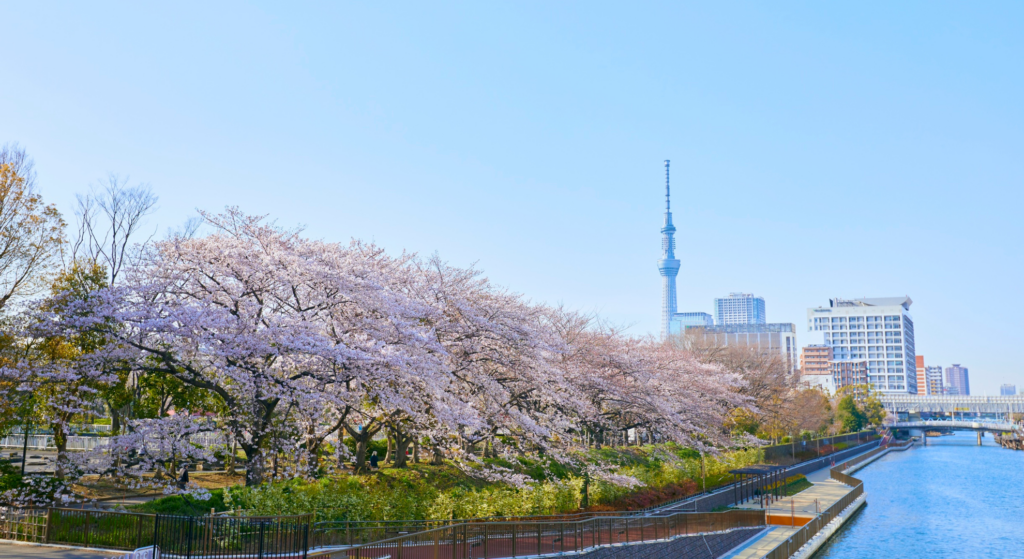
In Kyoto, Maruyama Park and the Philosopher’s Path become must-visit destinations for hanami (cherry blossom viewing), while temple gardens take on an almost magical atmosphere. Tokyo offers equally memorable viewing spots, with Shinjuku Gyoen National Garden and Ueno Park attracting visitors from around the world. The mild temperatures also make sightseeing exceptionally comfortable.
Because spring is Japan’s busiest travel season, accommodations, guided tours, and Shinkansen seats fill quickly. Booking four to six months in advance is highly recommended, especially if your visit falls between late March and early April.
For detailed information on bloom forecasts, crowd levels, and the best cherry blossom locations, read our guide to visiting Japan in spring.
Autumn (October–November)
Autumn rivals spring as one of Japan’s most beautiful seasons. Comfortable temperatures and spectacular fall foliage make it an outstanding time for exploring both cities.
Kyoto is arguably at its finest during autumn. Temple gardens at Tofuku-ji, the bamboo groves and riverside scenery of Arashiyama, and countless historic shrines glow with brilliant shades of red, orange, and gold. Tokyo also embraces the season beautifully, with parks such as Shinjuku Gyoen displaying vibrant autumn colors. Day trips to Nikko become particularly rewarding as mountain landscapes burst into color.
Although autumn remains popular, visitor numbers are generally slightly lower than during cherry blossom season, making it an excellent alternative for travelers seeking beautiful scenery with a little more breathing room.
Summer (June–August)
Summer brings long daylight hours, lively festivals, and energetic city life, but it also arrives with high temperatures and humidity.
Both Tokyo and Kyoto can become hot and uncomfortable during July and August, particularly for travelers spending full days outdoors exploring temples, neighborhoods, and gardens. The rainy season in June can also add occasional weather disruptions.
That said, summer is festival season. Traditional matsuri, spectacular fireworks displays, and cultural celebrations bring both cities to life in ways that aren’t possible during other times of the year. Travelers who don’t mind the heat can enjoy a uniquely festive side of Japan, though this season is generally not recommended for first-time visitors hoping to comfortably explore major attractions.
Winter (December–February)
Winter offers a quieter, more relaxed way to experience Japan.
Tokyo enjoys relatively mild weather, making it comfortable for sightseeing while benefiting from smaller crowds at many popular attractions. Kyoto becomes even more atmospheric during winter, and on the rare occasions when snow blankets its temples and traditional streets, the city feels almost otherworldly.
Hotels and flights are often more affordable outside the holiday period, making winter an excellent choice for budget-conscious travelers who value peaceful sightseeing over seasonal blossoms.
Seasonal Recommendation
If you’re deciding between spring and autumn for your first visit, spring has a slight advantage. Experiencing cherry blossom season across both Tokyo and Kyoto is one of Japan’s defining travel experiences and remains on countless travelers’ bucket lists for good reason.
Autumn is an exceptional alternative, offering equally beautiful scenery, pleasant weather, and somewhat lighter crowds. But for first-time visitors hoping to experience Japan at its most iconic, spring delivers a once-in-a-lifetime journey through two of the world’s most memorable destinations.
The Verdict — Tokyo, Kyoto, or Both?
After comparing everything from atmosphere and attractions to food, history, and pace, the verdict is clear: visit both.
The classic 10–14 day Japan circuit exists for a reason. Tokyo and Kyoto aren’t competing destinations—they’re complementary experiences that together tell the complete story of Japan. Tokyo introduces you to the country’s remarkable innovation, vibrant neighborhoods, world-class dining, and fast-paced urban culture. Kyoto slows everything down, offering centuries-old temples, traditional streets, seasonal beauty, and the cultural depth that has shaped Japan for generations.
Experiencing only one city means seeing just one side of the country. Visiting both allows you to appreciate the fascinating balance between modernity and tradition that makes Japan unlike anywhere else in the world.
If your schedule is limited to 7–8 days, Tokyo should be your starting point. The capital serves as Japan’s primary international gateway, making arrival straightforward while giving you enough time to explore its diverse neighborhoods and iconic attractions. From there, take the Shinkansen to Kyoto for two memorable days before departing from nearby Osaka. Although shorter than the ideal itinerary, this route still delivers an excellent introduction to both cities.
Most importantly, remember that there isn’t a wrong choice. Whether you fall in love with Tokyo’s dazzling energy or Kyoto’s timeless charm, both cities consistently exceed travelers’ expectations. Many visitors arrive believing they’ll prefer one, only to discover that each destination offers something completely different—and equally unforgettable.
The easiest way to experience both without losing valuable vacation time to booking train tickets, changing hotels, forwarding luggage, or navigating unfamiliar transport systems is by choosing guided Japan tours covering both cities. With the logistics handled for you, you can simply enjoy everything that makes Tokyo and Kyoto two of the world’s greatest travel destinations.
Frequently Asked Questions
1. Should I visit Tokyo or Kyoto first?
For most first-time visitors, Tokyo should come first. As Japan’s primary international gateway, it’s the easiest city to fly into and provides an exciting introduction to the country’s modern side. Following Tokyo with Kyoto creates a natural travel rhythm, transitioning from the energy of the capital to the peaceful temples and traditional streets of Japan’s cultural heart. Most guided Japan tours and experienced travelers recommend this order.
2. How far is Tokyo from Kyoto?
Tokyo and Kyoto are approximately 450 kilometers (280 miles) apart. The fastest way to travel is by the Shinkansen (bullet train). The Nozomi service takes around 2 hours and 15 minutes, while the slightly slower Hikari service takes approximately 2 hours and 40 minutes. It’s an easy morning journey, leaving plenty of time to begin exploring Kyoto that same afternoon.
3. How many days should I spend in Tokyo vs. Kyoto?
A balanced itinerary includes 3–4 days in Tokyo and 2–3 days in Kyoto. Add 2 days in Osaka plus a day trip to destinations such as Nara or Nikko, and you’ll have a well-rounded 10–12 day Japan itinerary. This schedule gives you enough time to experience each city’s highlights without feeling rushed.
4. Is Kyoto more expensive than Tokyo?
Overall, Tokyo and Kyoto are similarly priced, although there are some differences. Accommodation in central Kyoto can be slightly more expensive than comparable hotels in Tokyo, especially during cherry blossom and autumn foliage seasons. Dining is often a little cheaper in Kyoto, while Tokyo offers a wider range of options across every budget, from affordable eateries to world-renowned fine dining. Use this Japan Budget guide to plan your dream vacation to Japan.
5. Can I do Tokyo and Kyoto in 7 days?
Yes, it’s possible to visit both cities in 7 days, but the pace will be quite busy. A practical itinerary would include 3 days in Tokyo, 2 days in Kyoto, 1 day for Shinkansen travel, and 1 day in Osaka or on a nearby day trip. If your schedule allows, extending your trip to 10 days creates a much more comfortable and rewarding experience.
6. Which city is better for cherry blossom season?
Both cities are spectacular during cherry blossom season, which is one of the Best Thing to do in Japan. Kyoto’s Philosopher’s Path and Maruyama Park offer some of Japan’s most iconic sakura scenery, while Tokyo’s Shinjuku Gyoen and Ueno Park are equally breathtaking. If choosing only one destination for atmosphere, Kyoto has a slight edge thanks to its historic temples, traditional streets, and timeless spring landscapes.
7. Do I need to speak Japanese to visit Tokyo and Kyoto?
No. Both Tokyo and Kyoto are very accessible for international visitors, with English signage available at major train stations, airports, and popular tourist attractions. Translation apps can help in smaller establishments, but communication is rarely a major obstacle. Guided tours make travel even easier by removing the language barrier entirely while providing cultural insights that independent travelers may otherwise miss.
8. What is the best way to travel between Tokyo and Kyoto?
The Shinkansen (bullet train) is the fastest, most comfortable, and most reliable way to travel between Tokyo and Kyoto. The journey takes just over two hours and offers spacious seating, punctual departures, and a smooth ride. Travelers visiting three or more Japanese cities may find the JR Pass worthwhile, while guided tours typically include Shinkansen travel as part of the overall itinerary, making the journey completely hassle-free.
Ready to Experience Tokyo and Kyoto on One Unforgettable Journey?
You don’t have to choose between Japan’s vibrant modern capital and its timeless cultural heart. The most rewarding first-time itinerary combines both, allowing you to experience Tokyo’s dynamic energy, Kyoto’s historic temples, Osaka’s incredible food scene, and the country’s world-famous bullet trains in one seamless adventure.
Indus Travel’s small-group Japan tours take you through Tokyo, Kyoto, Osaka, and beyond—with expert local guides, pre-booked Shinkansen, hand-picked hotels, and cultural depth that DIY travel can’t match.
 Toll Free (USA & Canada) +1 866 978 2997