The Ultimate Guide to Osaka Tours: How to See the Best of the City in 3 Day
Osaka is Japan’s most vibrant food city, a place where sizzling street stalls, glowing neon signs, and centuries-old traditions exist side by side. Known for its famous kuidaore philosophy—”eat until you drop”—Osaka welcomes visitors with a warmth and energy that feels entirely different from Tokyo or Kyoto. If you’re planning a trip to Japan, this Japan travel guide for first timers, has all the important info you need, and this Osaka travel guide covers everything you need to know, from the best attractions and local foods to itinerary planning, day trips, and guided tour options.
Why Osaka Deserves More Than a Stopover
Many travelers initially view Osaka as a convenient stop between Kyoto and Tokyo. In reality, Osaka deserves dedicated time on any Japan itinerary. While Kyoto captivates with ancient temples and traditional culture, Osaka offers a more relaxed and lively atmosphere shaped by centuries of merchant culture, humor, and hospitality.
The city truly comes alive after sunset. Dotonbori’s neon-lit streets, bustling food stalls, and vibrant nightlife create an atmosphere that cannot be experienced during a quick daytime visit. Neighborhoods such as Shinsekai, Tennoji, and Namba reward travelers who slow down and explore beyond the major landmarks.
Accessibility is another reason Osaka shines. The city is only about 15 minutes from Kyoto by Shinkansen and serves as one of Japan’s most efficient transportation hubs. Yet despite its convenience, Osaka maintains a personality entirely its own—loud, welcoming, and endlessly delicious.
For visitors seeking a complete Japan experience, Osaka provides the perfect counterbalance to Kyoto’s serenity and Tokyo’s fast-paced urban energy. Together, they create a well-rounded understanding of modern and traditional Japan.
Top Things to Do in Osaka
When researching things to do in Osaka, you’ll quickly discover that the city offers much more than food. Here are the experiences that deserve a place on every Japan itinerary.
Dotonbori
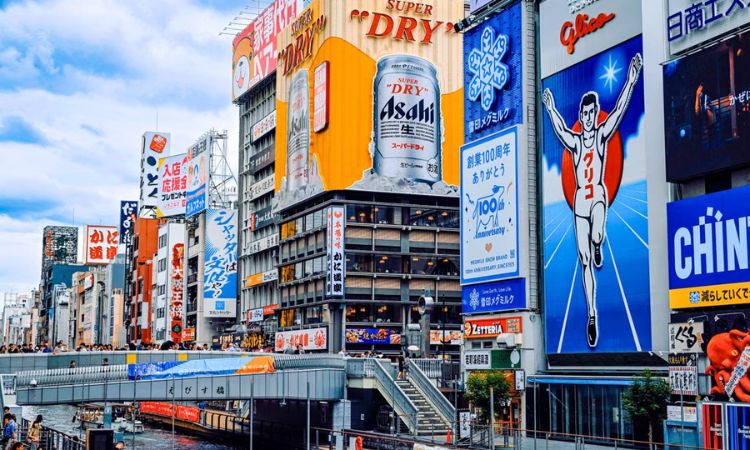
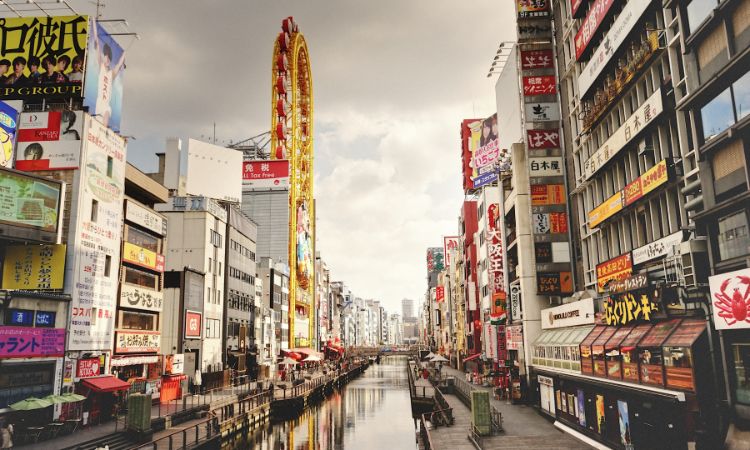
Dotonbori is Osaka’s most famous district and the city’s beating heart. The area is known for giant illuminated signboards, including the iconic Glico Running Man, and countless restaurants lining the canal. Visit after dark to experience Osaka at its most energetic.
Osaka Castle and Nishinomaru Garden
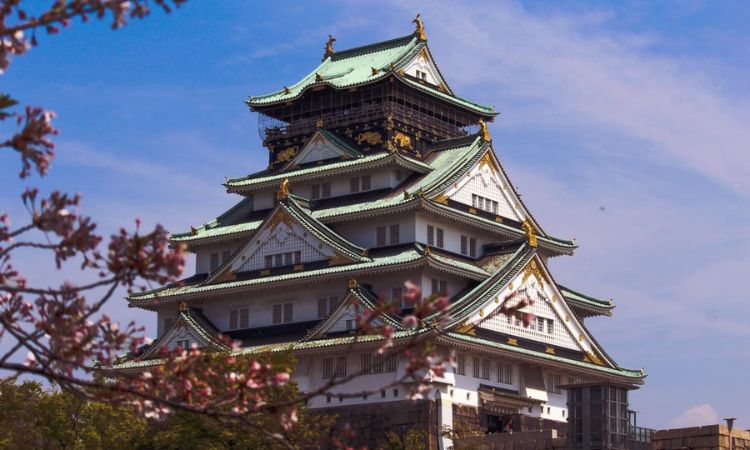
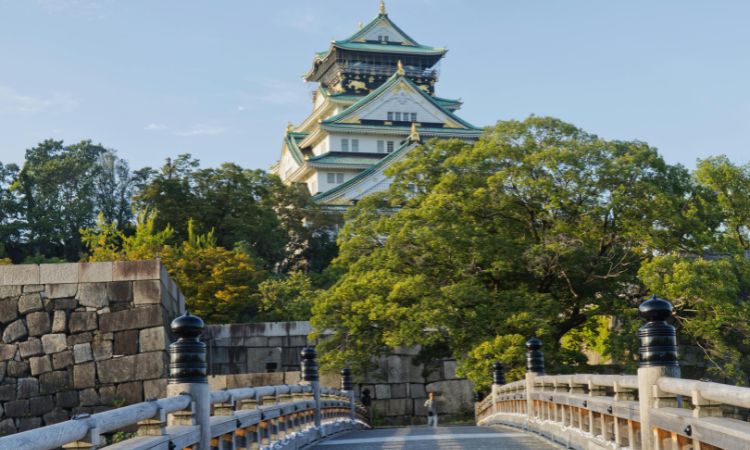
Osaka Castle is one of Japan’s most recognizable landmarks. Surrounded by moats, stone walls, and beautiful gardens, the castle offers insight into Japan’s feudal history. During spring, Nishinomaru Garden becomes one of the city’s top cherry blossom viewing locations.
Kuromon Ichiba Market
Often called “Osaka’s Kitchen,” Kuromon Market features more than 180 stalls selling seafood, wagyu beef, fresh fruit, and street food specialties. It’s one of the best places to sample authentic local flavors.
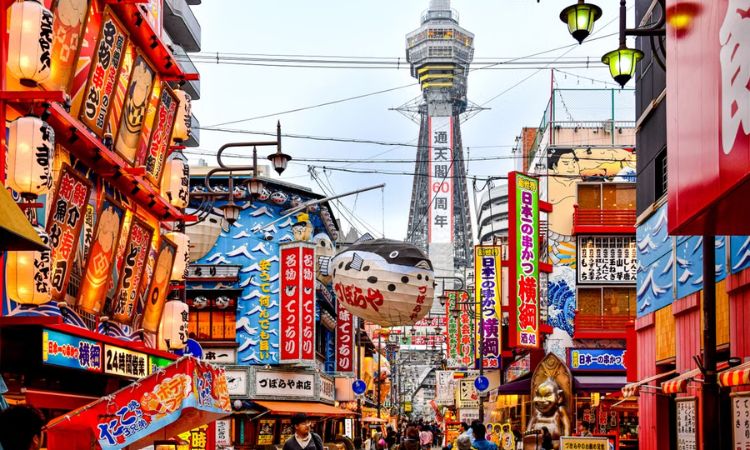
Shinsekai and Tsutenkaku Tower
Shinsekai feels like stepping back into post-war Japan. The retro neighborhood is famous for kushikatsu restaurants and the Tsutenkaku Tower. The atmosphere here is distinctly local and less polished than central Osaka.
Namba and Shinsaibashi
These neighboring districts form Osaka’s premier shopping area. Visitors can browse everything from luxury boutiques to quirky local shops and budget-friendly stores while enjoying endless dining options.
Umeda Sky Building
The Umeda Sky Building’s Floating Garden Observatory provides some of the best views in Osaka. Arrive before sunset and watch the city transform as thousands of lights illuminate the skyline.
Sumiyoshi Taisha
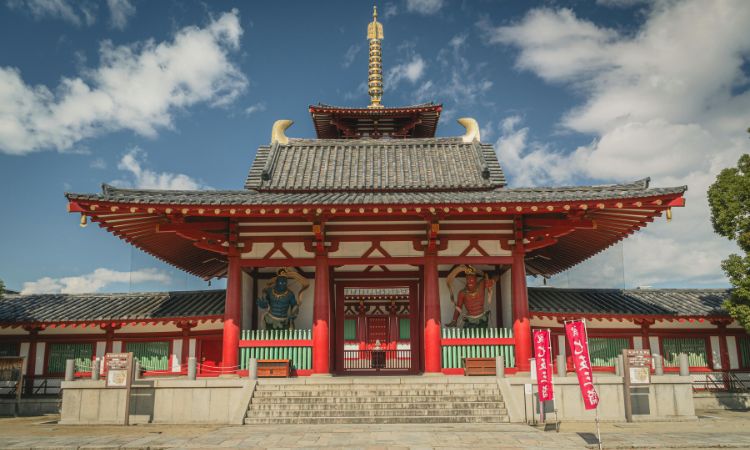
One of Japan’s oldest shrines, Sumiyoshi Taisha offers a peaceful escape from the city’s busier attractions. Its distinctive architecture predates the influence of Chinese temple design.
TeamLab Borderless Osaka
This immersive digital art experience combines technology, creativity, and interactive installations. Tickets often sell out, so advance booking is highly recommended.
Osaka Aquarium Kaiyukan
One of the largest aquariums in the world, Kaiyukan is famous for its enormous whale shark exhibit and thoughtfully designed marine environments representing the Pacific Rim.
Rinku Premium Outlets
Located near Kansai International Airport, these outlets offer excellent shopping opportunities for visitors looking to pick up international and Japanese brands before departure.
No Osaka food guide would be complete without diving into the dishes that have earned the city its reputation as Japan’s culinary capital. While Tokyo may boast more Michelin stars and Kyoto may be known for refined kaiseki dining, Osaka’s food culture is built around accessibility, flavor, and enjoyment. The city’s unofficial motto, kuidaore (“eat until you drop”), perfectly captures the local attitude toward dining.
Whether you’re sampling street food from a market stall or sitting down for a traditional meal, Osaka delivers some of Japan’s most memorable culinary experiences.
Must-Try Osaka Dishes
Takoyaki
Takoyaki is perhaps Osaka’s most famous street food. These golden-brown octopus balls are made from a savory batter filled with diced octopus, green onions, and pickled ginger before being topped with sauce, mayonnaise, and bonito flakes. Dotonbori and Kuromon Market are among the best places to try freshly prepared takoyaki.
Okonomiyaki
Often described as a savory Japanese pancake, okonomiyaki is a local favorite. Osaka-style okonomiyaki mixes all ingredients together before cooking, unlike Hiroshima’s layered version. Cabbage, meat, seafood, and batter combine into a satisfying dish that’s both filling and flavorful.
Kushikatsu
A specialty of Shinsekai, kushikatsu consists of meat, seafood, and vegetables skewered, breaded, and deep-fried. One important rule applies when enjoying kushikatsu: no double-dipping your skewer into the communal sauce.
Ramen
Although ramen can be found throughout Japan, Osaka’s versions tend to feature lighter broths than some regional styles. Small noodle shops tucked away in Namba and Umeda often serve some of the city’s most authentic bowls.
Kitsune Udon
Osaka is widely regarded as the birthplace of kitsune udon, a comforting noodle dish topped with sweet fried tofu. The combination of delicate broth and chewy noodles makes it a local comfort food favorite.
Wagyu Beef
Visitors looking for a premium dining experience will find excellent wagyu restaurants throughout Namba, Shinsaibashi, and Umeda. Many establishments offer lunch specials that make Japan’s famous beef more affordable.
Best Areas for Food in Osaka
Dotonbori
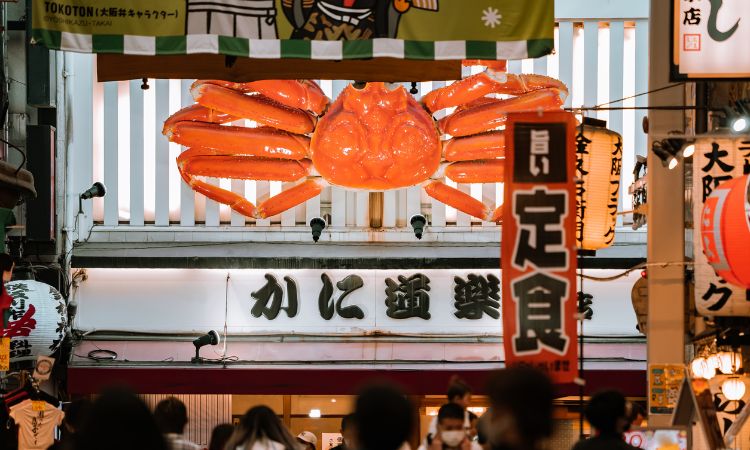
Dotonbori remains Osaka’s most famous food district for good reason. From takoyaki and ramen to sushi and wagyu, the neighborhood offers almost every culinary experience imaginable. While tourist numbers are high, the quality remains excellent.
Kuromon Ichiba Market
For food lovers, Kuromon Market is an essential stop. The market’s vendors sell everything from giant oysters and grilled seafood to seasonal fruits and premium wagyu skewers. Arriving hungry is highly recommended.
Hozenji Yokocho
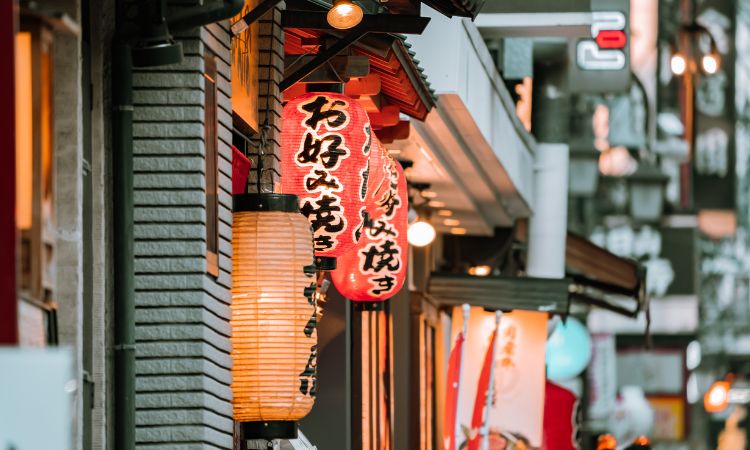
Hidden near Dotonbori, this atmospheric stone-paved alley feels worlds away from the surrounding crowds. Small traditional restaurants and lantern-lit storefronts create one of Osaka’s most charming dining environments.
Shinsekai
Shinsekai offers a more local and affordable dining experience. It’s the best place to try kushikatsu and experience Osaka’s retro food culture. The neighborhood may feel rough around the edges, but that’s part of its appeal.
Why Osaka’s Food Culture Is Different
Unlike Kyoto’s formal dining traditions or Tokyo’s polished restaurant scene, Osaka’s food culture is built on enjoyment rather than ceremony. Locals are proud of their reputation for friendliness, and dining here often feels more relaxed and approachable.
Food is not simply something to eat in Osaka—it’s part of the city’s identity. Conversations revolve around restaurant recommendations, market discoveries, and favorite dishes. For many travelers, the culinary experiences become the highlight of their entire visit.
This is one reason many guided Osaka tours incorporate market visits, local food tastings, and neighborhood walks. Understanding the stories behind the dishes adds another layer to the experience and helps visitors appreciate why Osaka has earned its place as Japan’s undisputed food capital.
How Many Days in Osaka? Planning Your Osaka Itinerary
One of the most common questions travelers ask is how much time Osaka deserves. The short answer: two nights and two full days is the recommended minimum, while three nights is ideal if you want to fully experience the city’s food scene, neighborhoods, and nearby attractions without rushing.
Unlike Tokyo, which can feel overwhelming due to its size, Osaka is surprisingly compact and easy to navigate. Many attractions are connected by efficient subway lines, and several popular districts are easily explored on foot.
Day 1: Discover Osaka’s Iconic Highlights
Start your Osaka adventure in Namba and Dotonbori, the city’s most famous entertainment district. Spend the morning exploring the canal area before the crowds arrive and snap a photo with the iconic Glico Man sign.
Continue through Shinsaibashi Shopping Street, one of Japan’s longest covered shopping arcades, where you’ll find everything from luxury boutiques to quirky local shops.
In the evening, return to Dotonbori as the neon signs illuminate the skyline. This is the perfect time to sample takoyaki, okonomiyaki, and other local specialties while soaking up Osaka’s energetic atmosphere.
Day 2: History, Markets, and Local Culture
Begin your day at Osaka Castle, one of Japan’s most important historical landmarks. Explore the castle grounds and Nishinomaru Garden before heading to Kuromon Ichiba Market for lunch.
Afterward, visit Shinsekai, where retro streets, kushikatsu restaurants, and Tsutenkaku Tower offer a glimpse into Osaka’s nostalgic side.
End the day at the Umeda Sky Building, where panoramic views provide the perfect farewell to the city as the sun sets over Osaka’s skyline.
Day 3: A Slower Side of Osaka
If your itinerary allows for a third day, slow the pace and explore areas many visitors miss.
Visit Sumiyoshi Taisha, one of Japan’s oldest shrines, followed by an immersive experience at TeamLab Borderless Osaka. Spend your final evening enjoying a leisurely dinner in Hozenji Yokocho, one of Osaka’s most atmospheric dining districts.
Why Osaka Rewards Extra Time
Many travelers initially plan to spend only one night in Osaka, often treating it as a base for Kyoto or Nara. However, the city’s true character reveals itself gradually. The food scene alone can fill several days, while neighborhoods like Shinsekai, Tennoji, and Nakazakicho reward travelers who wander beyond the main tourist areas.
If you’re building a broader Japan itinerary, see what a 10-day Tokyo, Kyoto and Osaka itinerary looks like at. It demonstrates how Osaka fits naturally into Japan’s famous Golden Route while providing a distinctly different experience from both Tokyo and Kyoto.
Best Time to Visit Osaka
One of the biggest advantages of Osaka is that it can be enjoyed year-round. Unlike destinations that rely heavily on a single season, Osaka offers unique experiences throughout the year—from cherry blossom-lined parks in spring to vibrant food festivals and dazzling winter illuminations. The best time to visit Osaka ultimately depends on your interests, travel style, and tolerance for crowds.
Spring (March–May)
Spring is widely considered one of the most beautiful times to visit Osaka. Cherry blossoms typically bloom between late March and early April, transforming parks, castle grounds, and riversides into stunning pink landscapes.
Osaka Castle Park becomes one of the city’s most popular hanami (flower-viewing) spots, attracting both locals and visitors. Temperatures are mild, ranging from 10°C to 22°C (50°F–72°F), making sightseeing comfortable throughout the day.
The only drawback is popularity. Hotels, trains, and major attractions experience high demand, especially during cherry blossom season.
Summer (June–August)
Summer brings warm temperatures, lively festivals, and a vibrant atmosphere. While humidity can be intense, Osaka’s energy peaks during events such as the famous Tenjin Matsuri, one of Japan’s largest traditional festivals held each July.
The city’s nightlife thrives during summer evenings, and food lovers can enjoy seasonal specialties at outdoor markets and festivals.
Travelers should prepare for temperatures frequently exceeding 30°C (86°F) and occasional rainy periods during June’s rainy season.
Autumn (September–November)
Many seasoned Japan travelers consider autumn the ideal time to visit Osaka. Temperatures become cooler and more comfortable, while vibrant red, orange, and yellow foliage creates beautiful scenery throughout the region.
Nearby destinations such as Kyoto, Nara, and Minoh Park become especially spectacular during November. Autumn combines pleasant weather with slightly smaller crowds than spring, making it a favorite among repeat visitors.
Winter (December–February)
Winter offers a quieter and often more affordable experience. While temperatures can drop to around 5°C (41°F), snowfall is rare in Osaka itself.
The city embraces the season with impressive illuminations, festive decorations, and fewer tourist crowds. Popular attractions become easier to visit, and hotel availability improves significantly compared to spring and autumn.
For travelers who prioritize value and a more relaxed pace, winter can be an excellent choice.
Seasonal Snapshot
Season
Highlights
Crowds
Travel Tip
Spring (Mar–May)
Cherry blossoms, mild weather
High
Book accommodation early
Summer (Jun–Aug)
Festivals, nightlife, food events
Moderate
Expect heat and humidity
Autumn (Sep–Nov)
Fall foliage, pleasant temperatures
High
Ideal for sightseeing
Winter (Dec–Feb)
Illuminations, fewer tourists
Low–Moderate
Best value and availability
When Should You Visit?
If it’s your first trip to Japan, spring and autumn offer the most picturesque conditions and are often considered the most rewarding seasons, which are also the Best Times to visit Japan. Travelers focused on festivals and nightlife may enjoy summer, while those seeking lower prices and fewer crowds should consider winter.
No matter when you visit, Osaka’s combination of food, culture, and hospitality ensures a memorable experience. Understanding seasonal differences simply helps you choose the version of Osaka that best matches your travel style.
Day Trips from Osaka
One of Osaka’s greatest advantages is its location. Positioned at the heart of Japan’s Kansai region, the city serves as an ideal base for exploring some of the country’s most iconic destinations. Thanks to Japan’s efficient rail network, several world-class attractions can be reached in less than an hour, making Osaka day trips an easy addition to any itinerary.
Whether you’re interested in ancient temples, historic cities, mountain scenery, or cultural experiences, Osaka provides convenient access to some of Japan’s most rewarding excursions.
Kyoto (15 Minutes by Shinkansen)
No destination is more closely linked to Osaka than Kyoto. Located just a short train ride away, Kyoto offers a completely different atmosphere despite its proximity.
Visitors can spend the day exploring famous sites such as Fushimi Inari Taisha, Kinkaku-ji (Golden Pavilion), Arashiyama Bamboo Grove, and the historic Gion district. While Osaka represents modern, energetic Japan, Kyoto provides a window into the country’s imperial and cultural heritage. Use this Kyoto Tour Guide to plan your stay in Kyoto properly.
Many travelers choose to split their stay between the two cities, while others use Osaka as a base and take multiple day trips.
Nara (35–45 Minutes by Train)
Nara was Japan’s first permanent capital and remains one of the country’s most beloved cultural destinations.
The city’s biggest attraction is Todai-ji Temple, home to the Great Buddha, one of the largest bronze Buddha statues in the world. Nearby Nara Park is famous for its free-roaming deer, which have become symbols of the city.
With its compact layout and peaceful atmosphere, Nara makes for an easy and highly rewarding day trip from Osaka.
Kobe (30 Minutes by Train)
Kobe combines waterfront scenery, international influences, and culinary prestige.
The city is best known for its world-famous Kobe beef, but visitors will also enjoy the historic Kitano district, scenic harbor area, and Mount Rokko viewpoints overlooking Osaka Bay.
Kobe’s relaxed atmosphere makes it an excellent choice for travelers looking to escape the crowds while still enjoying an urban experience.
Himeji (1 Hour by Train)
History enthusiasts should not miss Himeji Castle, widely regarded as Japan’s most beautiful surviving feudal castle.
Unlike many Japanese castles that have been reconstructed, Himeji Castle remains largely original and has earned UNESCO World Heritage status. Its brilliant white exterior has earned it the nickname “White Heron Castle.”
A visit to Himeji can easily be combined with nearby Koko-en Garden for a full day of cultural exploration.
Hiroshima and Miyajima (90 Minutes by Shinkansen)
Although slightly farther away, Hiroshima remains one of Japan’s most meaningful and memorable day trips.
Visitors can explore the Hiroshima Peace Memorial Park and Museum before continuing to nearby Miyajima Island, famous for Itsukushima Shrine and its iconic floating torii gate.
The combination of history, reflection, and natural beauty makes this one of Japan’s most impactful excursions.
Why Osaka Is an Ideal Base
Few cities in Japan offer such easy access to diverse destinations. Within a short train ride, travelers can experience ancient capitals, UNESCO World Heritage Sites, mountain landscapes, historic castles, and coastal cities.
This flexibility is one reason many guided Osaka tours include nearby destinations as part of a broader Kansai itinerary. Instead of constantly changing hotels, travelers can enjoy multiple regions while maintaining a comfortable base.
Osaka vs Tokyo — Which Should You Spend More Time In?
One of the most common questions among first-time visitors to Japan is whether they should spend more time in Osaka or Tokyo. The honest answer is that both cities offer completely different experiences, and most travelers benefit from visiting both.
Tokyo represents Japan’s modern face. It’s a city of towering skyscrapers, cutting-edge technology, world-famous shopping districts, and endless neighborhoods that feel like cities within a city. From Shibuya Crossing and Akihabara to Ginza and Asakusa, Tokyo offers an unparalleled variety of experiences, and our Tokyo guided tour guide has all the answers for planning an epic trip to Tokyo.
Osaka, by contrast, feels more approachable and relaxed. The city is known for its friendly locals, incredible food culture, vibrant nightlife, and easygoing atmosphere. While Tokyo can sometimes feel overwhelming due to its scale, Osaka is easier to navigate and often feels more welcoming to first-time visitors.
Choose Tokyo If You Love:
Modern cityscapes and futuristic attractions
Shopping, fashion, and pop culture
Diverse neighborhoods with distinct personalities
Museums, observation decks, and urban exploration
Fast-paced city energy
Choose Osaka If You Love:
Street food and local culinary experiences
Nightlife, entertainment, and vibrant street scenes
A more relaxed and affordable urban experience
Easy access to Kyoto, Nara, and Kobe
Friendly local culture and authentic atmosphere
How Many Days for Each?
For first-time visitors, most travel experts recommend spending at least three days in Tokyo and three days in Osaka/Kyoto combined, though a longer stay provides a more complete experience.
A popular route looks like this:
Tokyo → Hakone → Kyoto → Osaka → Hiroshima
This itinerary balances modern cities, cultural landmarks, natural scenery, and historical sites while making efficient use of Japan’s rail network.
The Verdict
If you’re visiting Japan for the first time, don’t choose between Osaka and Tokyo—experience both. Tokyo provides the excitement, innovation, and scale that many travelers associate with Japan, while Osaka delivers food, personality, and a more local perspective on Japanese life.
Many guided Japan itineraries combine the strengths of both cities, allowing travelers to enjoy the best of modern and traditional Japan without worrying about transportation or logistics.
If you’re still deciding which city deserves more of your time, explore this detailed Tokyo vs Kyoto comparison at aviator.indus.travel/tokyo-vs-kyoto/ to better understand how Japan’s major destinations complement one another within a larger itinerary.
Planning Your Osaka Tour — Practical Essentials
A little planning goes a long way in Osaka. The city is one of Japan’s easiest destinations to navigate, but understanding transportation, neighborhoods, and local customs will help you maximize your time and avoid unnecessary stress.
Getting to Osaka
Most international visitors arrive through Kansai International Airport (KIX), located approximately 50 kilometers from the city center. Direct train connections make it easy to reach Namba, Umeda, and other major districts.
Traveling within Japan is equally convenient:
From Tokyo: Approximately 2.5 hours by Shinkansen
From Kyoto: Around 15 minutes by Shinkansen or 30–45 minutes by local train
From Hiroshima: About 90 minutes by Shinkansen
From Nara: Approximately 40 minutes by train
For travelers visiting multiple cities, the Japan Rail Pass may offer excellent value depending on your itinerary.
Getting Around Osaka
Osaka’s transportation system is efficient, affordable, and tourist-friendly.
The Osaka Metro connects most major attractions, while local trains provide easy access to neighboring cities such as Kyoto, Kobe, and Nara. Many central districts, including Dotonbori, Namba, and Shinsaibashi, are highly walkable.
Visitors should purchase or load a rechargeable IC card such as:
ICOCA
Suica
PASMO
These cards work across most trains, buses, and subways throughout Japan, eliminating the need to purchase individual tickets.
Where to Stay in Osaka
Choosing the right neighborhood depends on your travel style.
Namba
Namba is the most popular area for first-time visitors. You’ll be within walking distance of Dotonbori, Kuromon Market, shopping districts, and nightlife. The atmosphere remains lively well into the evening.
Umeda
Umeda is ideal for travelers prioritizing convenience. As Osaka’s major transportation hub, it provides excellent rail connections and easy access to business districts, restaurants, and shopping centers.
Tennoji
Tennoji offers a quieter experience while remaining well connected. The area features excellent hotels, parks, museums, and family-friendly attractions.
Shin-Osaka
Travelers making extensive use of the Shinkansen often prefer Shin-Osaka. While the neighborhood lacks some of Osaka’s character, its transportation convenience is unmatched.
Budgeting for Osaka
Compared to Tokyo, Osaka is often slightly more affordable. Use this Japan Budget guide to get a realistic idea on costs related to your Japan Trip.
Typical daily costs:
Category
Budget
Mid-Range
Luxury
Accommodation
$40–$80
$120–$250
$300+
Meals
$15–$30
$40–$80
$100+
Local Transport
$5–$10
$5–$10
$10+
Attractions
$10–$30
$20–$50
$50+
Most visitors find Osaka delivers excellent value, particularly when it comes to food and accommodation.
Local Etiquette Tips
Japan’s reputation for politeness extends throughout Osaka. While locals are generally more relaxed than in some other Japanese cities, basic etiquette remains important.
Queue patiently for trains and attractions
Speak quietly on public transportation
Carry cash, as smaller establishments may not accept cards
Dispose of trash properly—public bins are limited
Avoid eating while walking in crowded areas
Learn a few simple Japanese phrases; locals appreciate the effort
Why Guided Tours Simplify Osaka
While independent travel in Osaka is straightforward, guided tours provide deeper cultural context and eliminate logistical challenges. Local guides can recommend hidden restaurants, explain historical landmarks, and help visitors experience neighborhoods beyond the typical tourist route.
For first-time visitors especially, guided Osaka tours ensure you spend less time navigating and more time enjoying the city’s food, culture, and attractions.
Frequently Asked Questions About Osaka
How many days do I need in Osaka?
Most travelers should spend 2–3 days in Osaka to experience the city’s major attractions, food scene, and nightlife. Two days covers highlights such as Dotonbori, Osaka Castle, Kuromon Market, and Umeda, while a third day allows for a more relaxed pace or a nearby day trip. Travelers combining Osaka with Kyoto often spend 4–5 days in the Kansai region overall.
What is Osaka best known for?
Osaka is best known for its incredible food culture, lively nightlife, and friendly atmosphere. The city is famous for dishes such as takoyaki, okonomiyaki, and kushikatsu, as well as attractions like Dotonbori, Osaka Castle, and Universal Studios Japan. It is often called Japan’s kitchen due to its culinary reputation.
Is Osaka worth visiting if I’m already going to Tokyo?
Absolutely. Osaka offers a completely different experience from Tokyo. While Tokyo is larger, faster-paced, and more modern, Osaka is known for its relaxed atmosphere, local food culture, and approachable personality. Many visitors find Osaka more laid-back and easier to explore while still offering world-class attractions.
What is the best time to visit Osaka?
Spring (March–May) and autumn (September–November) are generally considered the best times to visit Osaka. Spring brings cherry blossoms and mild temperatures, and Japan in April, is straight our of a fairytale, while autumn offers comfortable weather and beautiful fall foliage. Summer is lively with festivals but can be hot and humid, while winter provides fewer crowds and better hotel availability.
Can I use Osaka as a base for day trips?
Yes. Osaka is one of Japan’s best cities for day trips. Kyoto, Nara, Kobe, Himeji, and even Hiroshima can all be reached easily by train. Many travelers choose Osaka as a central base because it offers excellent transportation connections and a wide range of accommodation options.
Is Osaka expensive to visit?
Osaka is generally more affordable than Tokyo while still offering excellent facilities and attractions. Travelers can find everything from budget hostels and affordable street food to luxury hotels and fine dining. Mid-range travelers typically find Osaka offers excellent value for money.
Should I stay in Osaka or Kyoto?
Both cities offer unique experiences. Kyoto is ideal for travelers focused on temples, traditional culture, and historical sites, while Osaka is better suited for food lovers, nightlife enthusiasts, and those seeking a more energetic urban atmosphere. Many visitors choose to stay in both or use one city as a base while visiting the other.
Ready to Experience Osaka for Yourself?
From the neon-lit streets of Dotonbori and the culinary treasures of Kuromon Market to the historic beauty of Osaka Castle and easy access to Kyoto, Nara, and Kobe, Osaka offers one of Japan’s most rewarding travel experiences. Whether you’re visiting for the food, culture, history, or vibrant nightlife, the city delivers unforgettable memories at every turn.
Ready to experience Osaka with an expert guide?
Browse itineraries, compare inclusions, and discover the best way to explore Japan’s food and culture capital.
 Toll Free (USA & Canada) +1 866 978 2997