Japan and South Korea Tours: How to Plan the Perfect Multi-Country Route
Japan and South Korea are two of East Asia’s most captivating destinations—and combining them into a single vacation is becoming increasingly popular among travelers from North America and Canada. While each country offers its own unique culture, history, cuisine, and landscapes, together they create an unforgettable journey that blends centuries-old traditions with cutting-edge modern life.
If you’ve been researching Japan and South Korea tours, you’ve likely already made an important decision: you want to experience both countries on the same trip. The next question is how to plan it. How many days should you spend in each destination? What’s the best way to travel between them? Should you book everything yourself or choose a professionally guided itinerary? Most importantly, which Japan Korea tour package offers the best overall experience?
Whether you’re visiting East Asia for the very first time, returning to Japan while adding South Korea to your itinerary, or you’re a passionate fan of Japanese traditions and Korean culture, planning a multi-country vacation requires careful coordination. Flights, transportation, accommodations, sightseeing schedules, and cultural experiences all need to fit together seamlessly to make the most of your time abroad.
Fortunately, choosing a professionally guided itinerary removes much of that complexity. Instead of spending months coordinating trains, domestic transportation, hotels, and sightseeing across two countries, you can enjoy a carefully planned journey that allows you to focus on the experiences themselves.
In this comprehensive booking guide, you’ll learn how to plan the ideal itinerary, determine the best trip length, understand what each destination offers, compare travel styles, and discover what to look for when choosing a tour operator. We’ll also introduce some of the best Japan and South Korea tours available, helping you confidently choose the itinerary that’s right for you.
Why Combine Japan and South Korea in One Trip?
If you’re already making the journey from North America or Canada to East Asia, combining Japan and South Korea into a single vacation simply makes sense. These neighboring countries complement one another beautifully, offering distinctly different cultures while being close enough to explore comfortably in one well-planned itinerary.
A thoughtfully designed Japan and South Korea tours itinerary allows you to experience the best of both worlds without feeling rushed. One day, you could be admiring centuries-old temples and tranquil gardens in Japan; the next, you might be exploring South Korea’s vibrant markets, royal palaces, and modern cityscapes. Together, the two countries provide a richer understanding of East Asia’s history, traditions, innovation, and cuisine than either destination could offer on its own.
Maximise Your Long-Haul Vacation
For travelers flying from the United States or Canada, reaching East Asia involves a significant time investment. Rather than planning separate vacations years apart, many travelers choose a Japan Korea tour package that allows them to experience both countries during one international journey.
Instead of paying for two separate long-haul flights in different years, you’ll maximize your vacation time while making the most of your travel budget. It’s an efficient way to visit two bucket-list destinations during one unforgettable trip.
Two Cultures, One Incredible Journey
Although Japan and South Korea are geographically close, each country offers its own distinct personality.
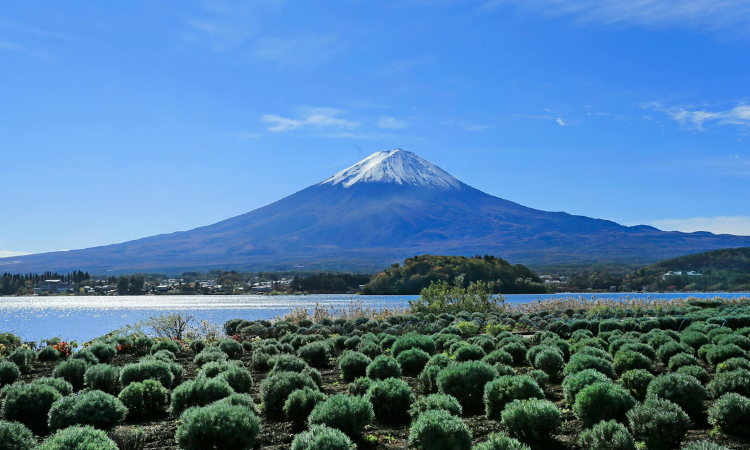
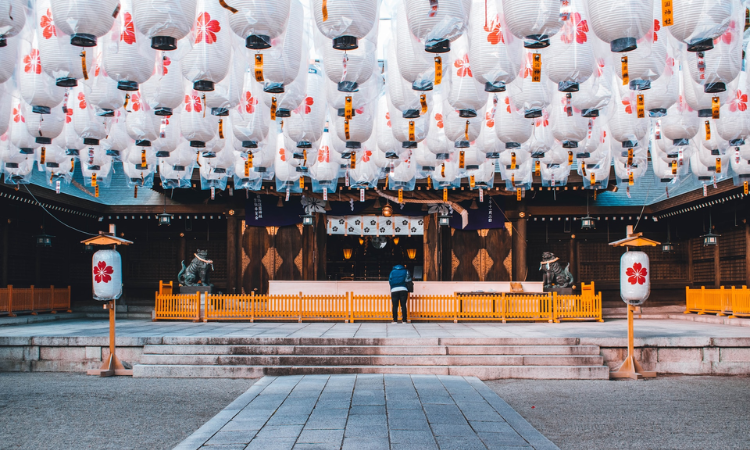
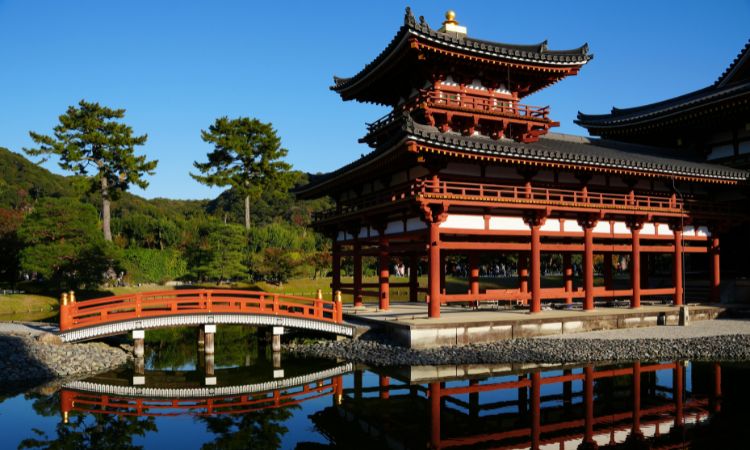
Japan captivates visitors with its balance of ancient traditions and futuristic innovation. From the neon skyline of Tokyo and the historic temples of Kyoto to the breathtaking scenery around Mount Fuji, every destination tells a different story. Visitors can experience peaceful Zen gardens, centuries-old shrines, bullet trains, world-class cuisine, and a culture built on precision and respect.
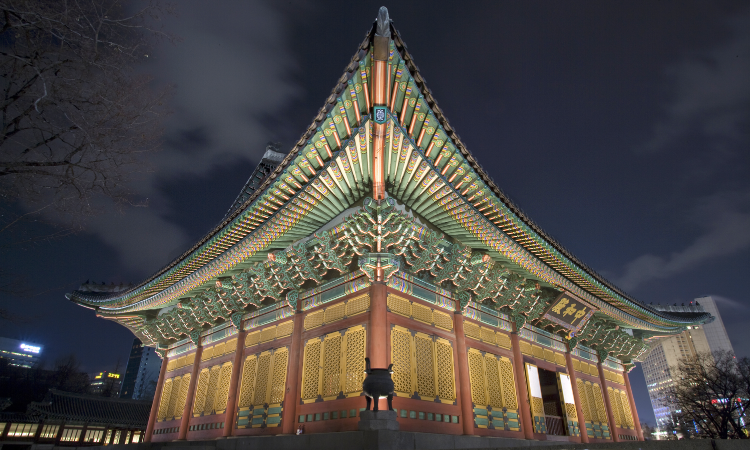
South Korea, meanwhile, delivers a dynamic blend of royal history, vibrant cities, contemporary design, and globally influential pop culture. In Seoul, centuries-old palaces stand alongside cutting-edge skyscrapers, while traditional markets share neighborhoods with trendy cafés and fashion districts. Coastal cities like Busan introduce travelers to stunning beaches, seafood markets, and spectacular temples overlooking the sea.
Experiencing both destinations together highlights not only their similarities but also the unique traditions that make each country unforgettable.
Perfect for Culture Lovers
For travelers fascinated by history, architecture, food, and local traditions, few itineraries are as rewarding as a combined Japan and South Korea journey.
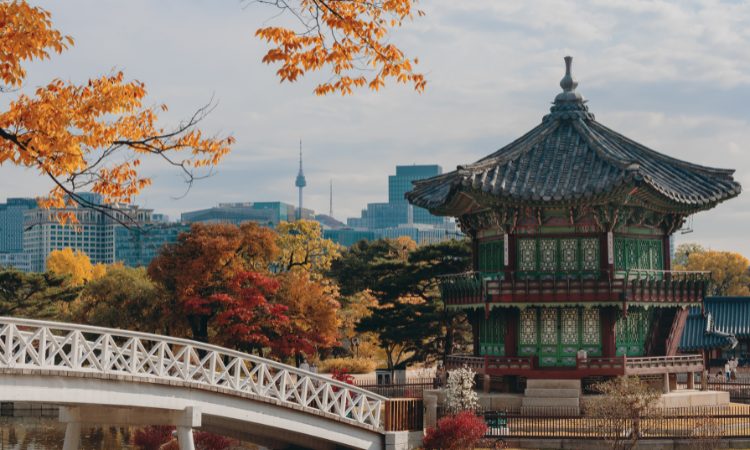
You might spend one morning wandering through Kyoto’s peaceful bamboo groves before attending a traditional tea ceremony, then find yourself days later exploring Seoul’s magnificent Gyeongbokgung Palace or visiting the picturesque Bukchon Hanok Village. Each destination offers its own customs, festivals, cuisine, and artistic heritage, ensuring that every day brings something completely different.
This cultural diversity is one of the biggest reasons Japan and South Korea tours continue to grow in popularity among curious travelers.
A Dream Trip for Food Enthusiasts
One of the greatest advantages of combining both countries is the extraordinary culinary journey.
Japan offers everything from fresh sushi and sashimi to steaming bowls of ramen, delicate tempura, wagyu beef, and traditional kaiseki dining. Meanwhile, South Korea introduces travelers to bold flavors through dishes such as Korean barbecue, bibimbap, japchae, kimchi, and an incredible variety of street food.
Rather than choosing between two of Asia’s greatest culinary destinations, a combined itinerary lets you enjoy both.
Easy Connections Between Countries
Many travelers assume that visiting two countries adds unnecessary complexity. In reality, travelling between Japan and South Korea is surprisingly straightforward.
Direct flights connect major cities such as Tokyo, Osaka, Seoul, and Busan in just a few hours, making it easy to transition from one destination to the next. When you choose professionally planned Japan and South Korea tours, these connections are coordinated for you, ensuring a smooth journey without the stress of managing international transfers on your own.
By combining efficient transportation with expertly curated itineraries, travelers can comfortably experience two extraordinary countries during one seamless vacation.
Japan vs. South Korea — What Each Country Brings to the Itinerary
Combining Japan and South Korea isn’t simply about visiting two countries on one vacation—it’s about experiencing two distinct cultures that have evolved side by side while developing remarkably different identities. Although they share historical influences, each destination offers its own rhythm, cuisine, traditions, and way of life. Together, they create a richer, more balanced travel experience than either country could offer alone.
If you’re considering a Japan and South Korea itinerary, understanding what each destination brings to the journey can help you appreciate why this combination has become increasingly popular among travelers.
Japan: Depth, Ritual, and Sensory Overload
Japan is a country that rewards curiosity. Every street, temple, garden, and meal seems carefully considered, revealing layers of history and tradition that unfold gradually throughout your journey.
Your mornings may begin watching the first sunlight illuminate Senso-ji Temple before the crowds arrive, followed by afternoons wandering Tokyo’s endlessly fascinating neighborhoods where centuries-old shrines sit comfortably beside futuristic skyscrapers. In Kyoto, walking beneath the thousands of vermilion torii gates at Fushimi Inari Shrine is as much a spiritual experience as it is a visual one, while each Shinkansen journey offers a front-row seat to Japan’s changing landscapes.
Even everyday moments become memorable. A beautifully presented kaiseki dinner celebrates seasonal ingredients with extraordinary precision, while a quick stop at a Japanese convenience store often surprises visitors with fresh meals and quality that rival restaurants in many parts of the world.
Japan doesn’t overwhelm because there’s too much to see—it overwhelms because almost everything feels thoughtfully designed, from quiet temple gardens to bustling city intersections. It’s common to hear first-time visitors say they need a second trip before they feel they’ve even scratched the surface.
South Korea: Energy, Modernity, and Cultural Pride
If Japan captivates with quiet refinement, South Korea impresses with confidence, creativity, and infectious energy.
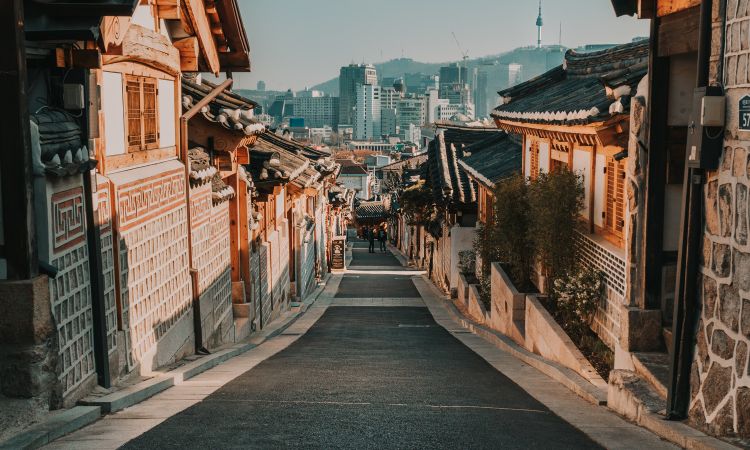
Seoul effortlessly blends old and new in ways few cities can. One moment you’re surrounded by futuristic skyscrapers and luxury boutiques in Gangnam; the next you’re wandering the traditional lanes of Bukchon Hanok Village, where beautifully preserved hanok houses offer a glimpse into Korea’s past.
Food is central to the Korean experience. From sizzling Korean barbecue shared around the table to spicy tteokbokki served by bustling street vendors, every meal reflects the country’s vibrant social culture. Dining here is lively, interactive, and wonderfully communal.
South Korea also offers experiences found nowhere else. Visiting the Demilitarized Zone (DMZ) provides a fascinating insight into one of the world’s most unique geopolitical borders, while Busan combines golden beaches, colorful hillside neighborhoods, and centuries-old seaside temples into a city unlike any other in Asia.
Perhaps most impressive is the country’s remarkable transformation. South Korea has modernized at an extraordinary pace while continuing to celebrate its traditions, language, and cultural identity with unmistakable pride.
Why They Work Together
Although Japan and South Korea share roots in Confucian philosophy and centuries of cultural exchange, they express those influences in very different ways.
Japan often feels quieter and more reflective, where tradition is preserved through ritual, craftsmanship, and subtle attention to detail. South Korea, by contrast, feels more energetic and expressive, embracing rapid innovation while proudly showcasing its heritage through music, cuisine, architecture, and everyday life.
This contrast is precisely what makes visiting both countries on one trip so rewarding.
The temples, palaces, and historic neighborhoods each tell different stories. The food reflects shared ingredients but entirely different flavors and dining traditions. Even modern city life offers unique perspectives, with Tokyo’s measured efficiency complementing Seoul’s dynamic pace and creative energy.
Rather than feeling repetitive, each destination enhances your appreciation of the other. Japan’s quiet elegance makes South Korea’s vibrant personality even more noticeable, while South Korea’s warmth and energy highlight Japan’s refined sense of tradition.
A thoughtfully planned Japan and South Korea itinerary allows travelers to experience two of Asia’s most fascinating cultures in one seamless journey, discovering not only how closely connected they are, but also how beautifully different they remain.
How to Structure a Japan and South Korea Itinerary
Planning a trip that combines Japan and South Korea may seem ambitious, but with efficient transport links and short flight times between the two countries, it’s surprisingly easy to experience both in a single vacation. The key is allocating enough time to enjoy each destination without feeling rushed.
Whether you’re planning a shorter getaway or a more immersive journey, a well-balanced Japan and South Korea itinerary allows you to experience vibrant cities, historic landmarks, incredible cuisine, and rich cultural traditions across Northeast Asia.
The Classic 14–16 Day Circuit
If your schedule allows, a 14 to 16-day itinerary offers the ideal balance between sightseeing and relaxation. It gives you enough time to experience each destination’s highlights while still enjoying free time to explore independently.
A classic itinerary typically follows this route:
Tokyo (3 days) → Nikko or Kamakura day trip → Shinkansen to Kyoto (2–3 days) → Nara day trip → Osaka (1–2 days) → Flight to Seoul (2–3 days) → Gyeongju or Busan (1–2 days) → Departure from Seoul
This itinerary begins in Tokyo, where you’ll discover a fascinating blend of modern city life and centuries-old traditions. From there, a day trip to Nikko or Kamakura introduces Japan’s rich cultural heritage before boarding the famous Shinkansen to Kyoto.
Kyoto offers iconic temples, peaceful gardens, and historic districts, while nearby Nara provides the opportunity to visit Todai-ji Temple and its famous deer park. After spending time in Osaka enjoying its vibrant food culture, a short international flight takes you to South Korea.
The Korean portion of the journey begins in Seoul, where royal palaces, bustling markets, trendy shopping districts, and contemporary culture come together seamlessly. Depending on your interests, you can continue to Busan for coastal scenery and seafood or Gyeongju to explore one of Korea’s most historically significant cities before returning to Seoul for your flight home.
For travelers looking for the complete experience, this is the most rewarding Japan South Korea tour 2 weeks option, offering an excellent mix of history, culture, cuisine, and modern city life.
The Compressed 10–12 Day Version
If you have limited vacation time, it’s still possible to visit both countries in around 10 to 12 days, although the pace is naturally quicker.
A shorter itinerary usually follows this route:
Tokyo (2–3 days) → Shinkansen to Kyoto (2 days) → Osaka (1 day) → Flight to Seoul (3 days) → Departure
This itinerary focuses on each country’s major highlights while minimizing travel time. You’ll experience Tokyo’s energy, Kyoto’s cultural treasures, Osaka’s renowned food scene, and Seoul’s fascinating mix of traditional heritage and modern innovation.
While this schedule works well for first-time visitors, it leaves less flexibility for spontaneous exploration, slower travel days, or weather-related changes. Travelers who enjoy lingering in museums, discovering hidden neighborhoods, or taking additional day trips may find the pace slightly demanding.
Which Country Should You Visit First?
Most travel specialists recommend beginning your journey in Japan before continuing to South Korea, and there are several practical reasons for this approach.
International flights from North America are generally more frequent and direct to Tokyo than to other cities in the region. Arriving in Japan first allows you to adjust to the time difference before navigating the country’s extensive rail network and busy metropolitan areas.
Starting in Tokyo also means you can make full use of Japan’s highly efficient Shinkansen system as you travel south through Kyoto and Osaka before taking a short flight to Seoul.
Ending your journey in South Korea is equally convenient. Seoul’s Incheon International Airport is one of Asia’s largest long-haul hubs, offering excellent connections back to North America and making your return journey straightforward.
Beyond logistics, many travelers appreciate how naturally the two countries complement one another. Japan’s refined traditions, tranquil temples, and meticulous attention to detail create a thoughtful introduction to the region, while South Korea’s energetic cities, vibrant food culture, and contemporary atmosphere provide an exciting finale.
Day Allocation Guide
Choosing how many days to spend in each destination can significantly influence your overall experience. While every traveler has different interests, the following guide provides a balanced framework for planning your itinerary.
Destination
Minimum Days
Recommended Days
Tokyo
2
3–4
Kyoto
2
2–3
Osaka
1
1–2
Seoul
2
3
Busan or Gyeongju
0
1–2
Total
9–10
13–16
If it’s your first visit to both countries, aim for the recommended durations whenever possible. Spending an extra day in destinations such as Tokyo or Seoul allows you to explore beyond the major attractions, discover local neighborhoods, and enjoy the culture at a more relaxed pace.
Whether you’re planning a comprehensive 16-day adventure or a well-organized Japan South Korea tour 2 weeks, a thoughtfully planned Japan and South Korea itinerary ensures you experience the very best of both countries without feeling rushed from one destination to the next.
How Do You Travel Between Japan and South Korea?
One of the biggest misconceptions about booking Japan and South Korea tours is that travelling between the two countries is complicated. In reality, modern transportation makes it remarkably easy to combine both destinations into one seamless itinerary.
Whether you’re travelling independently or as part of a guided tour, Japan and South Korea are well connected by frequent flights. The difference is that with a professionally organized itinerary, you won’t have to worry about booking connections, coordinating luggage, or navigating airport transfers—it’s all handled for you.
Flying Between Japan and South Korea
The quickest and most convenient way to travel between the two countries is by air.
Major cities such as Tokyo, Osaka, Seoul, and Busan are connected by numerous direct flights every day, with journey times typically ranging from two to three hours. This means you can enjoy breakfast in Japan and be exploring South Korea by the afternoon.
For travelers booking a Japan Korea tour package, these flights are carefully scheduled to fit the itinerary, ensuring smooth transfers with minimal waiting time.
Leave the Logistics to the Experts
When planning a multi-country holiday independently, you’ll need to coordinate:
International and regional flights
Hotel check-out and check-in times
Airport transfers
Baggage requirements
Immigration procedures
Transportation once you arrive
While none of these tasks are particularly difficult on their own, managing them across two countries can quickly become time-consuming—especially if it’s your first visit to East Asia.
On Japan and South Korea tours, those details are already taken care of. Your tour operator manages the transportation schedule, coordinates arrivals and departures, and ensures the transition between countries is as effortless as possible.
Instead of worrying about connecting flights or navigating unfamiliar airports, you can simply enjoy the excitement of arriving in your next destination.
Immigration Is Straightforward
Another question many travelers have is whether crossing between Japan and South Korea is complicated.
Since both countries have their own immigration procedures, you’ll complete standard passport and customs formalities upon arrival. For most visitors from North America and Canada, this process is straightforward, particularly when travelling as part of an escorted tour where your tour manager provides guidance throughout the journey.
Before departure, it’s always a good idea to review the latest entry requirements, passport validity rules, and any visa or travel authorization requirements that may apply to your nationality.
Comfortable Travel Throughout Your Journey
Your transportation experience doesn’t end once you arrive.
Within Japan, you’ll travel comfortably between destinations while experiencing one of the world’s most efficient transportation networks. In South Korea, modern highways, comfortable coaches, and well-planned transfers make sightseeing equally enjoyable.
Rather than viewing travel days as interruptions, many escorted itineraries use them as opportunities to enjoy changing landscapes, learn more about local culture from your guide, and prepare for the next exciting destination.
One Seamless East Asia Adventure
Perhaps the greatest advantage of booking professionally planned Japan and South Korea tours is that the journey feels like one continuous experience rather than two separate vacations.
Every hotel, transfer, sightseeing excursion, and transportation connection has been carefully coordinated to maximize your time in each destination. Instead of spending hours researching routes or comparing transportation options, you’ll move effortlessly from Japan’s historic temples and bustling cities to South Korea’s royal palaces, vibrant neighborhoods, and coastal landscapes.
It’s this seamless experience that allows travelers to fully appreciate both countries while focusing on what matters most—creating unforgettable memories rather than managing travel logistics.
Must-See Highlights — Japan and South Korea
One of the greatest advantages of combining Japan and South Korea in a single journey is the incredible variety of experiences packed into one itinerary. From ancient temples and imperial palaces to futuristic cityscapes, world-famous cuisine, and poignant historical landmarks, every destination adds a unique layer to the trip.
If you’re visiting both countries for the first time, these are the highlights that deserve a place on your itinerary.
Japan Highlights on a Combined Tour
With limited time, it’s important to focus on experiences that capture Japan’s unique blend of tradition and modernity.
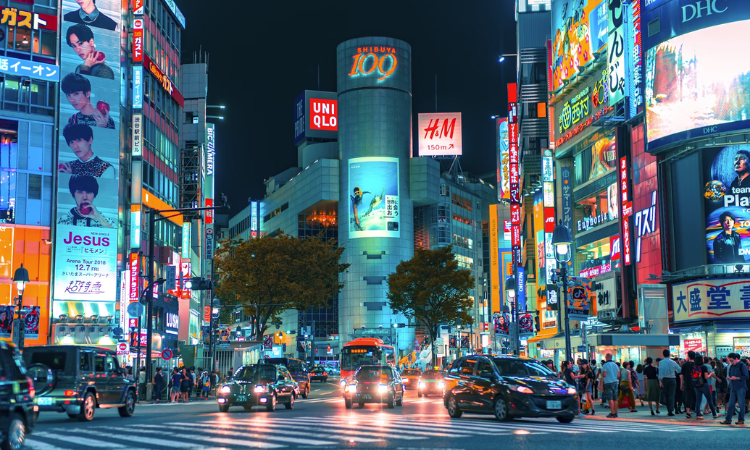
Tokyo introduces visitors to the country’s dynamic energy. Begin your exploration at Senso-ji Temple in Asakusa, where centuries-old traditions continue in one of Japan’s oldest and most significant Buddhist temples. From there, experience the organized chaos of Shibuya Scramble Crossing, browse the trendy boutiques and cafés of Harajuku, and discover why Tokyo constantly ranks among the world’s most exciting cities, in this dedicated Tokyo Travel Guide.
Kyoto on the other hand, according to this Kyoto Travel Guide, offers a completely different atmosphere. Walking through the thousands of vermilion torii gates at Fushimi Inari Shrine, admiring the shimmering Golden Pavilion at Kinkaku-ji, and strolling beneath the towering bamboo stalks of the Arashiyama Bamboo Grove reveal the timeless beauty that defines Japan’s cultural heart.
Osaka provides a lively contrast with its vibrant nightlife and outstanding food scene. Spend an evening wandering through Dotonbori, where giant neon signs illuminate bustling streets filled with takoyaki, okonomiyaki, and countless local specialties that showcase why Osaka is known as Japan’s kitchen. Get to know more about Osaka, by checking out this Osaka Travel Guide.
Before leaving the Kansai region, many itineraries include a half-day visit to Nara, where friendly deer roam freely through the park surrounding the magnificent Todai-ji Temple, home to one of the world’s largest bronze Buddha statues.
South Korea Highlights on a Combined Tour
South Korea combines centuries of royal history with some of Asia’s most innovative urban experiences.
In Seoul, begin at Gyeongbokgung Palace, the grandest of the Joseon Dynasty’s royal residences, before wandering through the beautifully preserved traditional homes of Bukchon Hanok Village. Continue to Insadong, where artisan shops, tea houses, and galleries celebrate Korean culture, then sample popular street food favorites in the energetic streets of Myeongdong.
One of the country’s most unforgettable excursions is a visit to the Demilitarized Zone (DMZ). Standing at one of the world’s most heavily fortified borders offers a rare opportunity to better understand the Korean Peninsula’s modern history. It’s a powerful, thought-provoking experience that leaves a lasting impression on many visitors.
For panoramic views of the capital, head to Namsan Tower, where sweeping city vistas are especially beautiful after sunset.
If your itinerary extends beyond Seoul, Busan offers a refreshing coastal perspective. The spectacular Haedong Yonggungsa Temple, perched dramatically above the sea, combines breathtaking scenery with spiritual significance, while the colorful hillside streets of Gamcheon Culture Village provide one of Korea’s most photographed urban landscapes.
History enthusiasts may prefer Gyeongju, often called “the museum without walls,” where royal tombs, ancient temples, and archaeological treasures preserve the legacy of the Silla Kingdom.
Experiences Unique to the Combination
While Japan and South Korea each offer unforgettable attractions, experiencing both countries on the same journey reveals fascinating cultural contrasts that make the trip even more memorable.
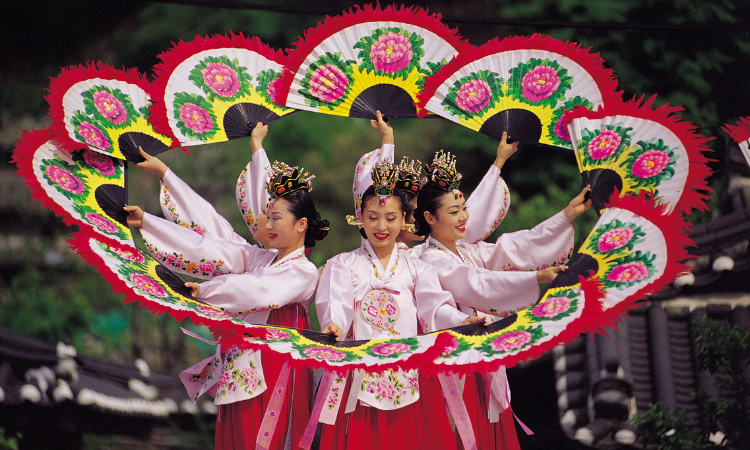
One day, you might wear a beautifully crafted kimono while exploring Kyoto’s historic temple districts; the next, you’ll be dressed in a vibrant hanbok while walking through the courtyards of Gyeongbokgung Palace in Seoul. Both experiences celebrate centuries-old traditions, yet each reflects a distinct national identity.
Food offers another compelling comparison. In Tokyo’s Shinjuku district, evenings often revolve around smoky yakitori restaurants serving grilled skewers in intimate alleyways. In Seoul’s Hongdae neighborhood, lively Korean barbecue restaurants invite diners to gather around tabletop grills, creating a completely different—but equally social—culinary experience.
Perhaps the most meaningful contrast comes through each country’s interpretation of twentieth-century history. Visiting the Hiroshima Peace Memorial in Japan offers a deeply moving reflection on the devastating consequences of nuclear warfare and the enduring message of peace. Later, standing at the DMZ provides a powerful reminder that the Korean War technically remains unresolved, offering a unique perspective on one of the world’s most enduring geopolitical divides.
Together, these experiences create a journey that goes far beyond sightseeing. They provide an opportunity to appreciate how two neighboring countries, shaped by shared regional influences and very different historical paths, have each developed their own remarkable traditions, cultures, and identities.
Booking a Japan and South Korea Guided Tour — What to Look For
If you’re already comparing operators, it’s worth reading our guide to the best Japan escorted tours from North America before booking a combined itinerary. It explains what separates exceptional escorted tours from average ones and provides useful context when evaluating multi-country packages.
When choosing a Japan Korea tour package, don’t focus solely on price. The quality of the itinerary, included services, and the way the two countries are connected will have a much greater impact on your overall experience.
Combined Tour vs. Two Separate Tours
While it’s certainly possible to book separate tours for Japan and South Korea, doing so usually creates more work, additional costs, and unnecessary logistical challenges.
A combined Japan and South Korea tour 2 weeks itinerary based on which our bestseller tour – Highlights of Korea and Japan is based on, is designed to move seamlessly between both countries. Instead of finishing one tour, arranging your own accommodation, booking an international flight, and joining another group days later, everything is coordinated through a single operator.
This approach offers several advantages. Your inter-country flight—typically from Osaka or Tokyo to Seoul—is already arranged, airport transfers are included, and your travel schedule flows naturally from one destination to the next without wasted “gap days.” Perhaps just as importantly, you continue traveling with the same group throughout the journey, allowing friendships formed in Japan to continue as you explore South Korea together.
For most travelers, the convenience, continuity, and simplified planning make a combined itinerary the smarter choice.
What Good Combined Tours Include
Not all guided tours include the same level of service, so it’s important to compare what’s included before making your decision.
A high-quality Japan – Korea tour package should typically include:
Return international flights from North America
Shinkansen (bullet train) travel within Japan
An international flight between Japan and South Korea (usually Osaka or Tokyo to Seoul)
Comfortable hotel accommodation throughout both countries
Experienced local guides in both Japan and South Korea
Airport and hotel transfers
Entrance fees to major attractions
Daily breakfast and selected lunches or dinners
Guided sightseeing according to the itinerary
One detail that’s easy to overlook is the guide structure. The strongest operators provide dedicated local experts in each country rather than relying on one guide to cover both destinations. Having a Japanese specialist in Japan and a Korean specialist in South Korea provides richer cultural insights and a far more authentic travel experience.
Group Size and Pace
A multi-country itinerary naturally moves at a faster pace than a tour focused on just one destination.
Covering two countries in 14 to 16 days means you’ll change cities more frequently, experience a wider variety of attractions, and spend less time in each location than you would on a dedicated Japan-only itinerary.
That isn’t necessarily a disadvantage—it simply requires thoughtful planning.
Look for operators that balance guided sightseeing with regular free time. At least one free afternoon in major destinations such as Tokyo, Kyoto, and Seoul allows you to explore independently, revisit favorite attractions, relax at a café, or simply enjoy the destination without feeling constantly on a schedule.
Smaller group sizes also contribute to a smoother experience. Groups of around 8 to 16 travelers generally move more efficiently through busy attractions, spend less time waiting, and enjoy a more relaxed atmosphere throughout the trip.
Operator Red Flags
Before booking, take time to read exactly what’s included—and, just as importantly, what isn’t.
Some warning signs to watch for include:
The inter-country flight isn’t included. If you have to arrange your own flight between Japan and South Korea, you’ll face additional costs, separate airline bookings, and more complicated travel logistics.
South Korea feels like an afterthought. Spending only a single day in Seoul before flying home doesn’t provide enough time to appreciate the country’s history, food, and culture. A well-designed itinerary should allow at least two to three days in Seoul, with the option of visiting destinations such as Busan or Gyeongju.
No dedicated local guide in South Korea. Some operators continue using the same escort from Japan throughout the trip. While this may simplify staffing, it often limits the depth of local knowledge available once you arrive in Korea. Dedicated local guides provide historical context, cultural insights, and recommendations that significantly enrich the experience.
Too many optional extras. If major attractions, transfers, or essential transportation are listed as optional add-ons, the advertised tour price may not accurately reflect the true cost of the journey.
The best combined tours don’t simply connect two countries, they create a seamless travel experience where transportation, accommodation, sightseeing, and cultural experiences work together naturally. Choosing an operator that prioritizes thoughtful itinerary design over simply fitting as many destinations as possible into the schedule will make your journey through Japan and South Korea far more enjoyable.
Other East Asia Combinations to Consider
While a Japan and South Korea itinerary offers one of the most balanced introductions to East Asia, it’s far from the only multi-country option. Depending on your interests and available vacation time, there are several other combinations worth considering, each offering a distinct perspective on the region.
Japan + China: The Heritage Combination
For travelers drawn to history, architecture, and ancient civilizations, combining Japan with China creates an unforgettable cultural journey. A typical itinerary includes Beijing’s Forbidden City and the Great Wall, the Terracotta Army in Xi’an, Shanghai’s futuristic skyline, and Japan’s iconic destinations such as Tokyo, Kyoto, and Osaka.
Because of the larger distances and the sheer number of world-famous attractions, this combination is best suited to travelers with 18 to 21 days. It also involves more complex logistics than a Japan–South Korea itinerary, making a guided tour particularly valuable. For travelers considering a broader East Asia itinerary, our guide to China and Japan heritage tours explains how to combine both countries across an extended journey.
Japan + Taiwan: An Emerging Favourite
Taiwan is becoming an increasingly popular addition to Japan itineraries, thanks to its short two- to three-hour flights and contrasting travel experiences. After exploring Japan’s temples, gardens, and modern cities, travelers can discover Taipei’s vibrant night markets, visit the tranquil shores of Sun Moon Lake, and admire the dramatic scenery of Taroko Gorge.
Although this combination is still less commonly offered as a fully guided package than Japan and South Korea, interest continues to grow among travelers seeking a slightly less conventional East Asia itinerary.
Japan + Southeast Asia
Another popular option combines Japan with destinations such as Bangkok or Singapore, often as part of a longer holiday or stopover. Many travelers choose to experience Japan’s rich culture before continuing to Southeast Asia for warmer weather, tropical beaches, luxury resorts, or a more relaxed pace.
This combination works particularly well for travelers looking to balance sightseeing with leisure, ending an active Japan tour with a beach escape or a few days enjoying the vibrant food and nightlife of Southeast Asia.
Each of these combinations offers something unique, but for first-time visitors to East Asia, Japan and South Korea remain one of the most rewarding pairings. Together, they provide an ideal balance of history, culture, cuisine, innovation, and unforgettable travel experiences, all within a manageable two-week itinerary.
Japan-Only Option — Is South Korea Right for This Trip?
Not every trip needs to cover multiple countries. While a Japan and South Korea itinerary offers an incredible introduction to East Asia, it’s important to be realistic about your available time and travel priorities. For some travelers, slowing down and exploring one country in greater depth creates a more rewarding experience than trying to fit two destinations into a limited schedule.
If you have 10 days or fewer, a Japan-only itinerary is usually the better choice. Likewise, if your primary motivation is experiencing Japanese culture—from temples and tea ceremonies to onsen towns and traditional cuisine—you may appreciate spending your entire vacation in Japan rather than dividing your time between two countries.
The good news is that Japan alone easily fills a 10 to 14-day itinerary. You’ll have enough time to experience Tokyo’s vibrant neighborhoods, Kyoto’s iconic temples, Osaka’s world-famous food scene, Nara’s historic treasures, and even include a rewarding day trip to destinations such as Nikko or Hakone. Rather than rushing from one highlight to another, you’ll have opportunities to explore local neighborhoods, enjoy slower mornings, and discover places beyond the major tourist attractions.
If a Japan-only trip feels like the right fit for this journey, our 10-day Japan itinerary (Japan-only option) provides a complete Tokyo–Kyoto–Osaka route with day-by-day planning guidance.
Adding South Korea to a shorter schedule inevitably changes the pace of the trip. Instead of immersing yourself in each destination, you’ll spend more time transferring between cities and countries, with less flexibility for spontaneous discoveries or slower travel days. While you’ll certainly experience the highlights, each destination becomes more of an introduction than an in-depth exploration.
Ultimately, the decision comes down to time and interest. If you have 14 days or more and are genuinely curious about both Japanese and Korean culture, a combined itinerary offers an outstanding opportunity to experience two fascinating countries in one seamless journey. However, if you have fewer than 12 days or know that Japan is your primary focus, dedicate this trip entirely to Japan. You’ll enjoy a richer, more relaxed experience—and you’ll have an excellent reason to return to discover South Korea on a future adventure.
Best Time to Visit Japan and South Korea on a Combined Tour
Choosing the best time to visit Japan and South Korea can make a significant difference to your overall experience. Because the two countries share similar seasonal patterns, it’s possible to enjoy cherry blossoms, autumn foliage, or festive winter scenery during the same trip. While each season has its own appeal, some are better suited to a multi-country itinerary than others.
Spring (March–May)
Spring is widely regarded as the best time to visit Japan and South Korea, and for good reason.
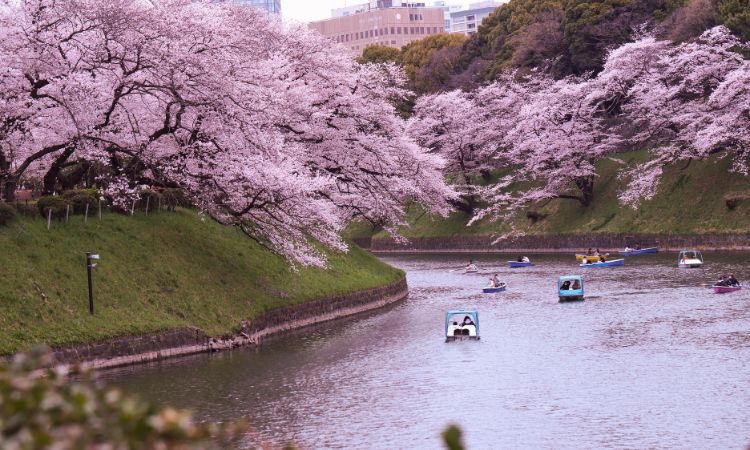
From late March through mid-April, Japan’s famous cherry blossoms transform cities such as Tokyo and Kyoto into landscapes of soft pink blooms. Parks, riversides, and historic temples become some of the most picturesque places in the country, creating an unforgettable backdrop for sightseeing.
The beauty doesn’t end when you fly to South Korea. Seoul experiences its own spectacular cherry blossom season during this period, with places like Yeouido Park and Namsan Park blanketed in blossoms. Experiencing peak spring in both countries during one journey is a rare opportunity that few destinations can match.
Because this is the most popular travel season, tours, hotels, and international flights fill quickly. Booking five to six months in advance is strongly recommended to secure the best departure dates and accommodations.
Autumn (October–November)
If spring belongs to cherry blossoms, autumn belongs to vibrant fall colors.
Across Japan, maple trees transform temple gardens, mountain landscapes, and historic streets into breathtaking shades of red, orange, and gold. Kyoto is particularly spectacular during this season, with famous temples and traditional districts framed by brilliant autumn foliage.
South Korea is equally impressive in autumn. National parks, including Bukhansan National Park in Seoul, burst into rich seasonal color, while pleasant temperatures make sightseeing comfortable throughout the country.
Compared to spring, autumn generally brings slightly smaller crowds while offering equally beautiful scenery, making it an excellent alternative for travelers seeking a more relaxed experience.
Summer (June–August)
Summer offers longer daylight hours and lively festivals, but it’s generally the least recommended season for first-time visitors combining both countries.
Temperatures are often hot and humid across Japan and South Korea, particularly in major cities such as Tokyo, Kyoto, Osaka, and Seoul. In addition, the monsoon season brings periods of heavy rainfall that can occasionally affect sightseeing plans.
Although experienced travelers may enjoy summer festivals and seasonal celebrations, those visiting East Asia for the first time usually find spring or autumn more comfortable for extended sightseeing.
Winter (December–February)
Winter provides a completely different perspective on both countries.
Japan’s major cities remain relatively mild compared to many parts of North America, although mountainous regions experience significant snowfall and become popular destinations for skiing and winter sports.
South Korea is noticeably colder, with temperatures in Seoul often ranging between -5°C and 5°C during the coldest months. Despite the lower temperatures, clear skies, festive decorations, fewer tourists, and excellent transportation make winter a rewarding time to visit.
It’s also one of the best seasons for value-conscious travelers, with lower hotel rates, reduced airfare on many departures, and quieter attractions throughout both countries.
Our Seasonal Recommendation
If your schedule is flexible, spring narrowly edges out autumn as the best time to visit Japan and South Korea.
Witnessing cherry blossoms in Tokyo before continuing to Seoul to experience Korea’s own spectacular spring bloom is a truly extraordinary journey. Few travel experiences allow you to enjoy two of the world’s most celebrated blossom seasons in a single vacation, making spring the ideal choice for a combined itinerary.
That said, autumn remains an outstanding alternative, offering cooler weather, breathtaking foliage, and slightly fewer crowds while showcasing both countries at their most colorful. Whichever season you choose, careful planning and early booking will help ensure you make the most of your East Asian adventure.
Frequently Asked Questions About Japan and South Korea Tours
Is it possible to visit Japan and South Korea on one trip?
Yes, and it’s one of the most popular ways to experience East Asia. Thanks to frequent direct flights between major cities such as Tokyo, Osaka, Seoul, and Busan, combining both countries into one itinerary is straightforward. Many travelers choose Japan and South Korea tours because they maximize a single long-haul journey from North America.
How many days do I need for a Japan and South Korea tour?
Most travelers find that 12 to 16 days offers the ideal balance. This allows enough time to explore Japan’s cultural highlights alongside South Korea’s historic landmarks and vibrant cities without feeling rushed.
What is the best time to visit Japan and South Korea?
The best seasons are spring (March to May) and autumn (September to November). Spring brings Japan’s famous cherry blossoms and pleasant temperatures across both countries, while autumn offers colourful foliage, comfortable weather, and excellent sightseeing conditions.
Is a guided Japan Korea tour package better than travelling independently?
For many travelers, yes. A professionally organized Japan Korea tour package removes the stress of planning transportation, accommodations, domestic flights, and sightseeing across two countries. It also provides expert local guides who help you better understand the history, traditions, and culture of each destination.
Do I need visas for Japan and South Korea?
Visa requirements depend on your nationality. Many travelers from the United States and Canada can enter Japan without a tourist visa for short stays, while South Korea may require an electronic travel authorization depending on current regulations. Always verify the latest entry requirements before travelling.
What are the must-see destinations included in Japan and South Korea tours?
Most itineraries include iconic destinations such as Tokyo, Kyoto, Mount Fuji, and Hiroshima in Japan, alongside Seoul, Busan, and other cultural highlights in South Korea. Each itinerary varies, so it’s worth reviewing what’s included before booking.
Are Japan and South Korea tours suitable for first-time visitors?
Absolutely. Guided tours are particularly valuable for first-time visitors because they simplify transportation, accommodation, sightseeing, and cultural navigation. Instead of worrying about logistics, travelers can focus on enjoying the experience. Check out some of the Best Japan Escorted Tours from North America and Canada that Indus Offers !
Final Thoughts
Planning a journey across two countries might seem overwhelming at first, but the right itinerary makes it surprisingly effortless. Japan and South Korea tours offer an incredible opportunity to experience two distinct cultures, world-famous cuisine, centuries of history, breathtaking landscapes, and vibrant modern cities—all within a single vacation.
From the tranquil temples of Kyoto and the energy of Tokyo to the royal palaces of Seoul and the coastal beauty of Busan, every destination adds a unique chapter to your East Asian adventure. Rather than spending months coordinating transportation, hotels, and sightseeing across multiple countries, a professionally guided itinerary allows you to focus on what matters most: enjoying the journey.
Whether you’re visiting East Asia for the first time, returning to discover more of Japan while adding South Korea to your travels, or simply looking for the most convenient way to experience both destinations, a well-planned escorted tour offers exceptional value, comfort, and peace of mind.
Ready to begin your adventure? Explore Japan guided tours from Indus and discover expertly crafted itineraries that make experiencing Japan and the rest of East Asia—more seamless, enriching, and unforgettable than ever before.
 Toll Free (USA & Canada) +1 866 978 2997