Explore the rich tapestry of Asia’s most iconic historical landmarks with immersive heritage journeys through China and Japan. From the awe-inspiring Great Wall and ancient capitals of China to the preserved original castles of Japan, this is a cultural odyssey like no other. These expertly designed China and Japan tours offer a unique chance to walk through centuries of history, art, and architecture, while enjoying modern comforts and guided insights along the way.
Why Heritage Journeys?
Heritage journeys offer a deeper connection to the places you visit. They provide a lens into how civilizations flourished, ruled, defended, and expressed themselves through time. These curated itineraries not only spotlight architectural marvels and UNESCO sites but also immerse travelers in cultural traditions, natural beauty, and local ways of life. Whether you’re a history buff, photography enthusiast, or culturally curious explorer, China Tours and Japan tours present an unforgettable way to understand these nations beyond the surface.
China’s Timeless Icons
The Great Wall & Imperial Capitals
The Great Wall
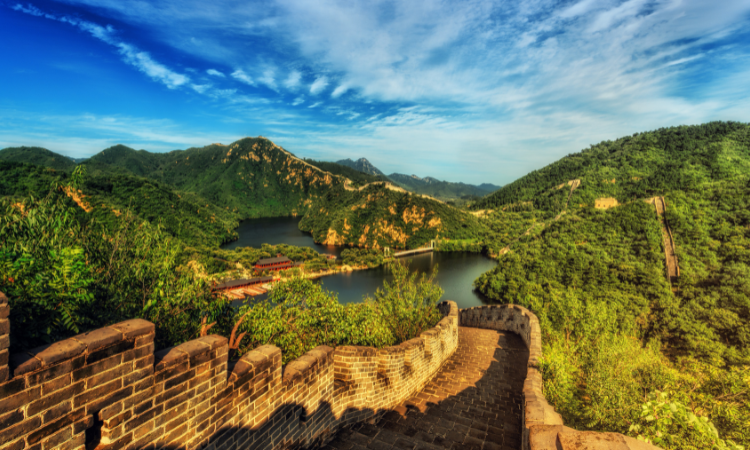
The Great Wall of China is not just a wonder—it’s a narrative carved into mountains and valleys, and is one of the Best Places to visit in China. Stretching over 13,000 miles, it was built across centuries to protect imperial China from northern invasions. Popular access points like Badaling and Mutianyu near Beijing offer breathtaking views and well-preserved architecture, ideal for both history lovers and casual travelers. This iconic landmark is often a highlight of many China and Japan tours, providing a powerful introduction to the region’s rich historical legacy.
Beijing Highlights
Beijing, China’s vibrant capital, seamlessly weaves the old with the new. The Forbidden City, once closed to outsiders, now welcomes millions who come to admire its imperial splendor. Nearby, the Temple of Heaven and Summer Palace offer lush retreats filled with symbolism, philosophy, and artistry from the Ming and Qing dynasties.
Xi’an & the Terracotta Army
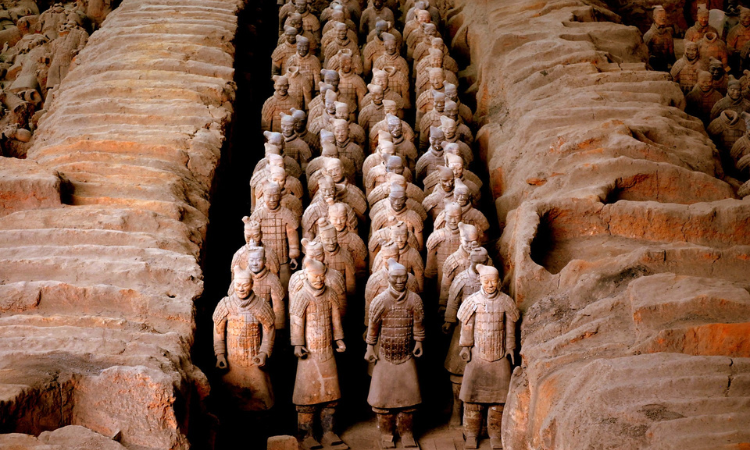
As the former capital of over a dozen dynasties, Xi’an is a treasure chest of Chinese history. The city’s crown jewel is the Terracotta Army—thousands of life-sized warriors crafted over 2,000 years ago to protect Emperor Qin Shi Huang in the afterlife. The city’s ancient wall and Muslim Quarter also make it a diverse cultural hub.
Shanghai Modernity
Shanghai bridges the ancient and futuristic. The Bund’s colonial-era waterfront architecture contrasts with the hypermodern skyline of Pudong. While rooted in tradition through neighborhoods like Yuyuan Garden, Shanghai showcases China’s rapid transformation, making it the perfect endpoint or starting point for your heritage journey.
Cultural Treasures & Natural Wonders
China’s expansive landscapes hold more than just history. Picture the serene limestone karsts of Guilin, the sacred peaks of Mount Tai, or the panda sanctuaries of Chengdu. These natural wonders offer a peaceful counterpoint to the architectural marvels of the cities and add incredible variety to your itinerary.
Japan’s Original Castles
Hirosaki Castle (Aomori)
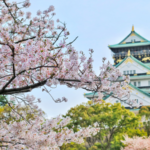
Hirosaki Castle is one of the few original castles that retains its Edo-era charm and authenticity. Surrounded by a sprawling park with over 2,500 cherry blossom trees, it is especially breathtaking during hanami season. The three-story keep and moat offer a glimpse into the feudal lords’ lives of the Tsugaru Clan. Unlike many reconstructed castles, Hirosaki offers a genuinely preserved experience.
Matsumoto Castle (Nagano)
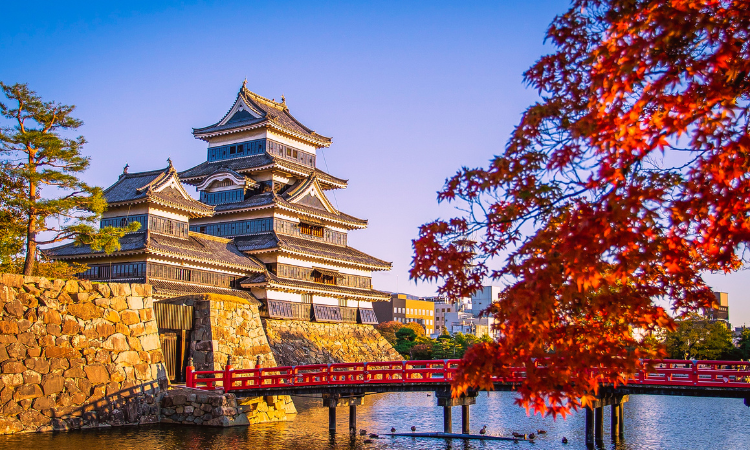
Also known as the “Crow Castle” for its striking black exterior, Matsumoto Castle is one of Japan’s premier historic keeps. Built on flat land rather than a hill or mountain, it was strategically designed with moats and hidden defenses. The six-story main tower is the oldest of its kind and still retains original woodwork and stonework. Its dramatic backdrop of the Japanese Alps adds to its scenic appeal.
Himeji Castle (Hyōgo)
A UNESCO World Heritage Site, Himeji Castle is widely considered the finest surviving example of prototypical Japanese castle architecture. Visiting it is one of the Best Things to do in Japan, and is a highlight of this 10 day Japan Itinerary. Known as the “White Heron Castle” due to its elegant white plastered walls, it was never destroyed by war or natural disaster. The labyrinthine layout was designed to confuse attackers, while the pristine interiors reveal samurai-era sophistication. Himeji is a crown jewel among famous Japanese castles.
Inuyama Castle (Aichi)
Inuyama Castle is one of the twelve remaining original castles in Japan and also one of the oldest, dating back to 1537. Perched on a hill overlooking the Kiso River, it served as a stronghold during the Sengoku period. The wooden interior, narrow staircases, and defensive turrets reflect the tactical design of the time. Visitors are rewarded with sweeping views and intimate historical insight.
Maruoka Castle (Fukui)
Maruoka Castle is known for having Japan’s oldest surviving castle keep, dating back to 1576. It is nicknamed the “Mist Castle” because of a local legend that claims the castle becomes enveloped in mist to protect it from enemies. The original stone walls and interior staircases are steep and narrow, enhancing its authenticity. Surrounded by cherry trees, it is a quiet yet powerful heritage site.
Hikone Castle (Shiga)
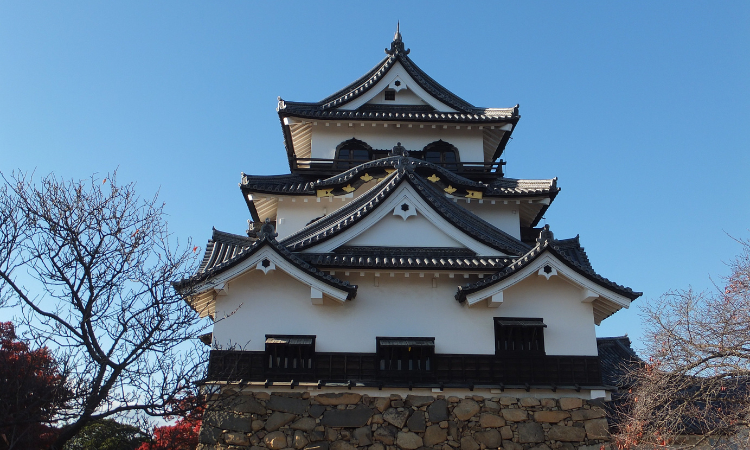
Hikone Castle is celebrated not only for its preservation but also for the breadth of original structures surrounding it. Located on Lake Biwa, the castle grounds include moats, gates, and samurai residences. The main keep offers panoramic views and houses artifacts from the Ii clan. It is one of the five castles designated as national treasures of Japan.
Bitchu‑Matsuyama Castle (Okayama)
At 430 meters above sea level, Bitchu-Matsuyama Castle is the highest original castle in Japan. Its remote location and misty mountain setting give it an air of mystery and serenity. The castle is less commercialized than others, offering a more contemplative and raw experience. Hiking to the top is rewarded with scenic beauty and solitude.
Matsue Castle (Shimane)
Matsue Castle is one of the few castles in Japan with a wooden main tower still intact. Built in 1611, it has a unique black façade and features steep staircases, hidden rooms, and excellent defensive structures. Known as the “Black Castle,” it overlooks Lake Shinji and the surrounding cityscape. The area also offers historic samurai residences and museums.
Marugame Castle (Kagawa)
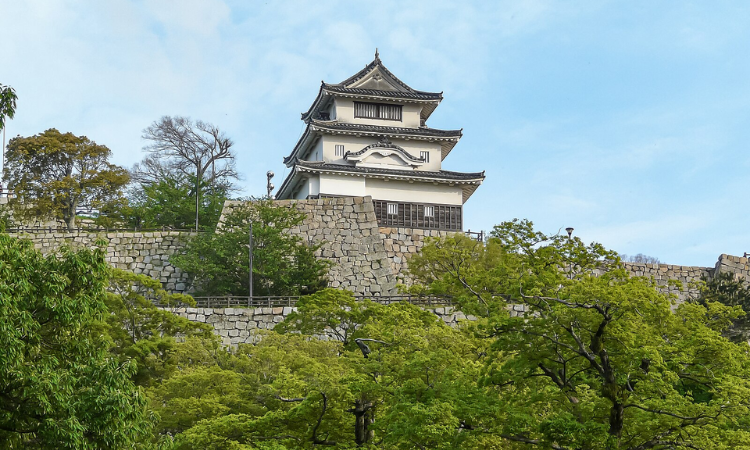
This compact yet commanding hilltop castle features some of the highest stone walls in Japan. Built in 1597, it is known for its original wooden keep and sweeping views over the Seto Inland Sea. The walls curve inward in a technique called musha-gaeshi, designed to repel climbers. The site is especially lovely during springtime when cherry blossoms line the ascent.
Kochi Castle (Kōchi)
Kochi Castle is notable because all of its original buildings in the inner citadel still stand. Completed in the early 17th century, it served both military and administrative purposes. The keep, watchtowers, and gates have been preserved to reflect life during the Edo period. The castle grounds are also a hub of local festivals and cultural events.
Uwajima Castle (Ehime)
This hilltop Japanese palace offers a tranquil experience, surrounded by lush greenery and with views of Uwajima Bay. Built in the early 1600s, it is one of the few original castles not to undergo major alterations. Its compact design, along with authentic wooden interiors and traditional stone walls, makes it a peaceful heritage escape. The adjoining park also features historical artifacts and local flora, making it a must-see on many China and Japan tours that explore the region’s rich cultural legacy.
Matsuyama Castle (Ehime)
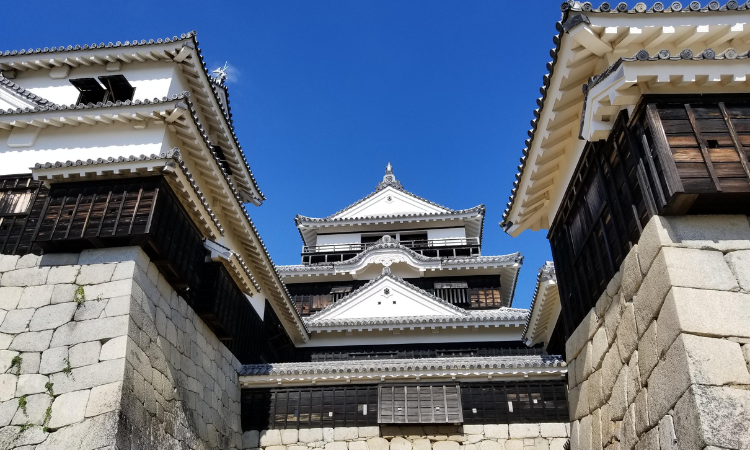
Standing on Mount Katsuyama, Matsuyama Castle is one of the most beautiful mountaintop castles in Japan. Accessible by a ropeway or footpath, it offers a commanding view of the city and sea. The main keep and surrounding turrets have been meticulously restored and maintained. It’s an excellent destination for both architecture enthusiasts and casual visitors.
Classic China
The Classic China Tour is a comprehensive introduction to China’s most iconic heritage landmarks. You’ll explore Beijing’s imperial palaces, climb the Great Wall, and wander through Xi’an’s ancient streets. This tour also visits Shanghai to witness the blend of tradition and innovation. Ideal for first-time visitors, it offers a deep cultural dive and memorable historical experiences.
Best of China
The Best of China Tour elevates the heritage journey by including Guilin’s stunning karst landscapes along with Beijing, Xi’an, and Shanghai. It’s designed for travelers who want both cultural depth and scenic beauty. Explore imperial tombs, ride a Li River cruise, and experience a tea ceremony in a traditional setting. This tour weaves nature and culture seamlessly.
Wonders of China & Japan
For travelers who want the full East Asia experience, the Wonders of China and Japan Tour provides an epic dual-country adventure. From the Forbidden City and the Great Wall to Kyoto’s temples and Tokyo’s neon streets, this tour offers a contrast of heritage and modernity. Explore sacred shrines, samurai castles, and imperial gardens. It’s an enriching journey that spans civilizations.
Essential China & Japan
The Essential China and Japan Tour is perfect for those with limited time but a deep passion for history and culture. You’ll experience the highlights of both nations, including Beijing’s dynastic landmarks and Osaka’s vibrant districts. The itinerary strikes a perfect balance between guided excursions and free time. It’s an ideal pick for curious minds and culture lovers.
Practical Planning Tips
- Best Seasons: Spring (March–May) and Autumn (September–November) are ideal for heritage journeys due to mild weather and seasonal festivals.
- Visas & Entry: Check visa requirements for both China and Japan well in advance. Processing times vary by nationality.
- Packing Essentials: Comfortable walking shoes, weather-appropriate clothing, power adapters, and a good travel guidebook.
- Health & Safety: Stay hydrated, follow local customs, and ensure your travel insurance covers medical emergencies.
Conclusion
From ancient citadels to scenic mountaintop castles, china and japan tours are unforgettable for those who appreciate history, culture, and craftsmanship. These countries preserve their stories not only through artifacts but in their cities, landscapes, and living traditions. Whether you’re exploring the Terracotta Army or strolling the cherry-blossom-lined grounds of a feudal castle, each moment offers a portal into a rich and enduring legacy.
FAQs for China and Japan Tours
1. Which original castles in Japan can I visit on these tours?
You can visit several original Japanese castles such as Himeji, Matsumoto, and Inuyama. Each castle offers unique features, from defensive designs to panoramic views and historical museums.
2. What are the must‑see heritage sites on a China‑to‑Japan itinerary?
Key heritage sites include the Great Wall, Forbidden City, Terracotta Warriors, and in Japan, the castles of Himeji, Matsue, and Matsumoto. These locations showcase the military, political, and architectural achievements of both nations.
3. When is the best time of year to take this heritage journey?
The Best time to visit Japan, is during Spring and autumn, as they are ideal for comfortable weather and stunning seasonal landscapes—cherry blossoms in Japan and mild temperatures in China.
4. Do I need a visa to visit China and Japan, and how far in advance should I apply?
Yes, most travelers will need separate visas for China and Japan. It’s advisable to begin the visa process at least 30 days before your departure.
5. How will I travel between the major heritage sites?
Most China and Japan tours include domestic flights, high-speed trains, and private transfers to ensure efficient and comfortable travel between destinations.
6. Are these tours suitable for solo travelers?
Absolutely. These guided group tours are a great fit for solo travelers, offering shared experiences, safety, and the opportunity to meet like-minded explorers interested in history and culture.
 Toll Free (USA & Canada) +1 866 978 2997