How to Travel Around China: High-Speed Trains, Sleeper Trains and Domestic Flights Explained
China is one of the world’s most fascinating countries to explore, offering everything from futuristic cities and ancient temples to dramatic mountains, pandas, deserts, and historic villages. However, because the country is so massive, many travelers wonder exactly how to travel in China efficiently.
Fortunately, China has one of the most advanced transportation networks in the world. Whether you want to ride the famous bullet trains, experience overnight sleeper trains, or take quick domestic flights between major cities, getting around China is easier than many first-time visitors expect.
This complete guide explains everything travelers need to know about transportation in China, including high-speed rail, overnight trains, domestic air travel, booking systems, and practical tips for building the perfect China travel planner or China trip planner.
How to Travel in China: Understanding Your Main Options
When deciding how to travel in China, travelers typically choose between three main transportation methods:
High-speed trains
Sleeper trains
Domestic flights
Each option offers different benefits depending on your budget, travel style, schedule, and destinations.
For example:
High-speed trains are ideal for fast city-to-city travel
Sleeper trains work well for overnight journeys and budget-conscious travelers
Domestic flights help cover long distances quickly
The good news is that China’s transportation system is modern, affordable, and remarkably efficient once you understand how it works.
China High-Speed Rail: The Best Way to Travel?
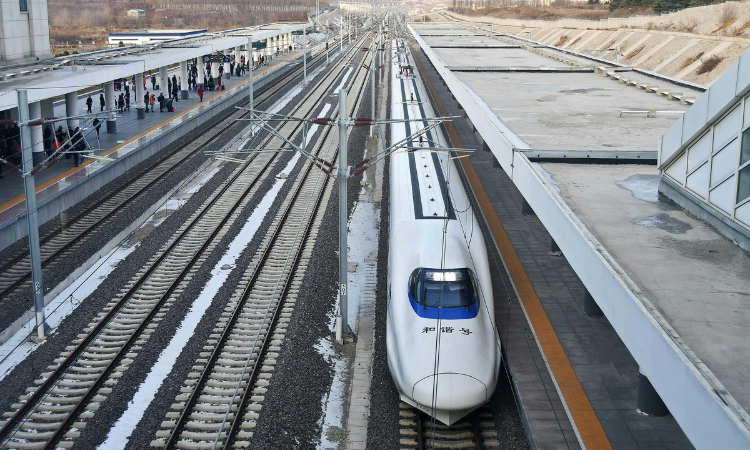
China’s high-speed rail system is often considered the backbone of modern travel in the country. It is one of the largest and fastest rail networks in the world, connecting major cities with incredible speed and comfort.
For many travelers researching how to travel in China, high-speed trains quickly become the preferred option.
Why Travelers Love China High-Speed Trains
China’s bullet trains are:
Fast
Clean
Comfortable
Reliable
Scenic
Many trains travel at speeds exceeding 300 km/h (186 mph), dramatically reducing travel times between major cities.
Popular High-Speed Routes
Some of the most common routes include:
Route
Approximate Travel Time
Beijing to Shanghai
4.5–6 hours
Shanghai to Xi’an
6–7 hours
Beijing to Xi’an
4–5 hours
Guangzhou to Shenzhen
30–60 minutes
Shanghai to Hangzhou
1 hour
For travelers building a China trip planner, high-speed rail often makes more sense than flying for medium-distance routes.
What High-Speed Trains Are Like
Most trains offer:
Spacious seating
Air conditioning
Luggage storage
Food carts
Power outlets
Clean restrooms
Seat classes generally include:
Second Class
First Class
Business Class
Second Class is already comfortable for most travelers.
China Train Guide: Understanding Train Types
A good China train guide starts with understanding train categories.
Chinese trains use letter codes to identify train types.
G Trains
These are the fastest high-speed bullet trains.
Best for:
Major cities
Fastest travel times
Comfortable modern journeys
D Trains
Slightly slower high-speed trains.
Often used for:
Regional routes
Overnight high-speed sleeper trains
Z Trains
Direct overnight sleeper trains with fewer stops.
Best for:
Long-distance overnight travel
T and K Trains
Traditional slower trains.
Typically:
Cheaper
Older
Less comfortable
Used by budget travelers
For most international visitors, G and D trains are the most convenient.
China Sleeper Trains Explained
Sleeper trains remain one of the most interesting ways to experience China, especially for long overnight journeys.
Many travelers researching how to travel in China are curious whether sleeper trains are worth trying.
The answer depends on your travel style.
Benefits of Sleeper Trains
Sleeper trains can:
Save hotel costs
Maximize sightseeing time
Offer a classic travel experience
Cover long distances overnight
Popular overnight routes include:
Beijing to Xi’an
Shanghai to Guilin
Chengdu to Lhasa
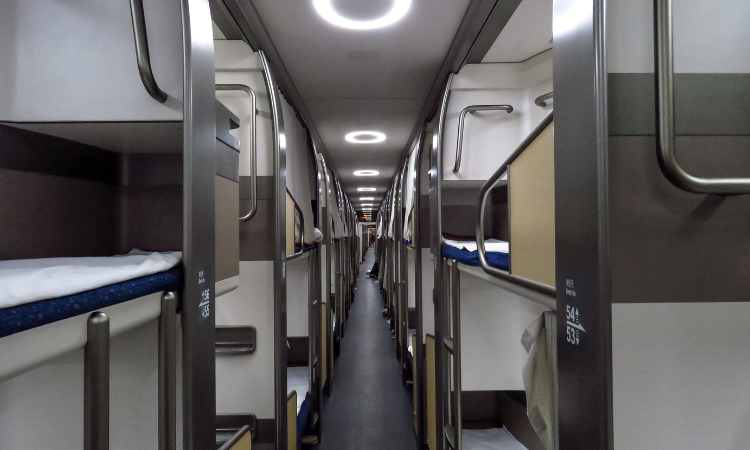
Types of Sleeper Cabins
Soft Sleeper
Most recommended for international tourists.
Features:
Four beds per cabin
Lockable doors
Cleaner environment
More privacy
Hard Sleeper
Still comfortable despite the name.
Features:
Six beds per compartment
Open-plan layout
More affordable
Hard Seat
Budget option, but not ideal for overnight journeys.
Are Sleeper Trains Safe?
Generally yes. Sleeper trains are considered safe for tourists.
Helpful tips:
Keep valuables secure
Use luggage locks
Bring earplugs and snacks
China Train Tickets: How to Book
Understanding China train tickets is essential for smooth travel planning.
When to Book
Train tickets usually become available:
Around 15 days before departure
Popular routes sell out quickly during:
Chinese New Year
National holidays
Summer vacation periods
Where to Buy China Train Tickets
Travelers can book:
Online booking platforms
Official railway apps
Travel agencies
Train stations
Many international visitors prefer third-party booking services because English-language systems are easier to navigate.
What You Need
To purchase China train tickets, travelers usually need:
Passport details
Travel dates
Departure and arrival cities
Ticket Collection
Many stations now support e-ticket systems linked directly to passports.
Travelers often only need:
Their passport
Booking confirmation
Navigating China Train Stations
Chinese train stations can initially feel overwhelming because of their size and crowds.
However, they are generally very organized.
Helpful Station Tips
Arrive:
60–90 minutes early for major stations
Be prepared for:
Security screening
Passport checks
Boarding gate announcements
Most large stations have:
English signage
Electronic displays
Helpful staff
Domestic Flights in China
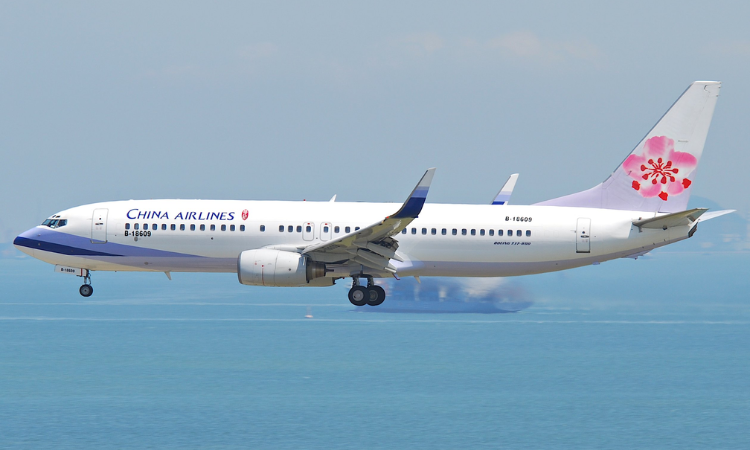
Although trains dominate many routes, domestic flights remain essential for longer journeys.
For example:
Beijing to Lhasa
Shanghai to Kunming
Guangzhou to Urumqi
These routes are often better by air due to distance.
Advantages of Domestic Flights
Flights help travelers:
Save time
Reach remote regions
Avoid very long train rides
China has hundreds of airports, and domestic aviation is extensive.
Challenges of Flying in China
However, flights can involve:
Delays
Airport crowds
Longer check-in procedures
In many cases, high-speed rail is actually more convenient for routes under 5–6 hours.
High-Speed Rail vs Domestic Flights
One of the biggest decisions in a China travel planner is choosing between trains and flights.
Choose High-Speed Rail If You Want:
City-center to city-center convenience
Scenic travel
Fewer airport procedures
Reliable schedules
Comfortable seating
Choose Flights If You Want:
Faster long-distance travel
Access to remote areas
Shorter total journey times across huge distances
Building a China Trip Planner
Creating a realistic China trip planner is extremely important because China is enormous.
Trying to see too much in one trip can quickly become exhausting.
Ideal First-Time China Route
A classic beginner itinerary could include:
Beijing
Xi’an
Chengdu
Shanghai
These cities connect easily by China train routes and offer a strong mix of culture, history, food, and modern attractions.
How Many Days Do You Need?
Recommended:
10–14 days minimum for a comfortable first trip
Avoid planning too many one-night stops.
Best Transportation for Popular China Destinations
Beijing to Xi’an
Best option:
High-speed rail
Why:
Fast
Comfortable
Easy city-center access
Shanghai to Guilin
Best option:
Flight or overnight sleeper train
Chengdu to Lhasa
Best option:
Tibet train experience or flight
Hong Kong to Mainland China
Best option:
High-speed rail connections
Is Traveling Around China Easy for Foreigners?
Many travelers worry about language barriers while figuring out how to travel in China.
Fortunately, transportation has become much easier for international visitors.
Helpful Tips
Download:
Translation apps
Offline maps
Booking apps
Keep:
Hotel addresses in Chinese
Screenshots of tickets
Passport accessible
Major transportation hubs increasingly support English signage.
Budgeting for Transportation in China
Transportation costs in China are often more affordable than travelers expect.
Approximate Costs
High-Speed Rail
Short routes: $10–30
Long routes: $50–120
Sleeper Trains
Budget-friendly
Great value for overnight journeys
Domestic Flights
Competitive pricing
Often affordable when booked early
A balanced China travel planner usually combines trains and flights for efficiency.
Scenic Train Journeys in China
Some train routes are attractions themselves.
Best Scenic Routes
Tibet Railway
One of the world’s highest rail journeys.
Guilin Routes
Beautiful karst mountain scenery.
Yunnan Province
Mountain landscapes and rice terraces.
Traveling by China train often becomes part of the adventure rather than simply transportation.
Practical Tips for Traveling Around China
Bring Snacks
Train station food can vary, and long rides are more enjoyable with snacks.
Carry Tissue and Hand Sanitizer
Useful in stations and older trains.
Avoid Peak Holiday Travel
Chinese holidays can become extremely crowded.
Use Mobile Payment Apps
China increasingly relies on digital payments.
Final Thoughts on How to Travel in China
Understanding how to travel in China is one of the most important parts of planning a successful trip. Thankfully, the country’s transportation system is fast, modern, and highly connected, making it easier than ever for international travelers to explore.
For most visitors:
High-speed trains offer the best balance of speed and convenience
Sleeper trains provide memorable overnight adventures
Domestic flights help cover massive distances efficiently
Whether you are building a detailed China trip planner, searching for reliable China train tickets, or simply trying to understand your options, combining rail and air travel usually creates the best experience.
From futuristic bullet trains to scenic overnight journeys across mountains and countryside, transportation in China is more than just practical, it often becomes one of the highlights of the journey itself.
 Toll Free (USA & Canada) +1 866 978 2997