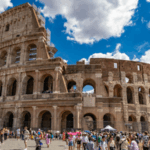
Planning a trip to Italy is exciting, but even the most carefully researched itinerary can be disrupted by small oversights. Many of the most common mistakes to avoid in Italy aren’t dramatic—they’re simple errors like forgetting to validate a train ticket before boarding, arriving at the Colosseum without a timed reservation, or accidentally driving into a restricted ZTL (Limited Traffic Zone), only to receive an expensive fine weeks after returning home. These seemingly minor slip-ups can cost you money, valuable sightseeing time, and unnecessary stress during a holiday that’s meant to be unforgettable.
The good news is that most Italy travel mistakes are completely avoidable once you know what to expect. Whether you’re planning your first Italian adventure or returning to explore new regions, understanding the common tourist mistakes in Italy will help you spend less time troubleshooting and more time enjoying the country’s incredible food, history, landscapes, and culture. If you’re still deciding what deserves a place on your itinerary, see our full guide to the best things to do in Italy to help prioritise the experiences that matter most.
In this guide, we’ve grouped the 50 biggest Italy travel mistakes into six practical categories so you can quickly find the advice that’s most relevant to your trip. We’ll cover itinerary and trip-planning mistakes, money and payment pitfalls, dining and food etiquette, sightseeing and cultural missteps, transportation challenges, and important language and safety tips. Consider this your companion guide to Italy travel tips for first-time visitors—helping you avoid the little mistakes that can have a surprisingly big impact on an otherwise perfect Italian holiday.
Itinerary & Trip-Planning Mistakes (1–10)
A well-planned itinerary can make the difference between an unforgettable Italian holiday and one that feels rushed or stressful. Many Italy travel mistakes happen before you even board your flight, from trying to squeeze too much into a short trip to overlooking essential reservations. These common tourist mistakes in Italy are easy to avoid with a little planning.
Mistake #1: Trying to Visit Too Many Cities
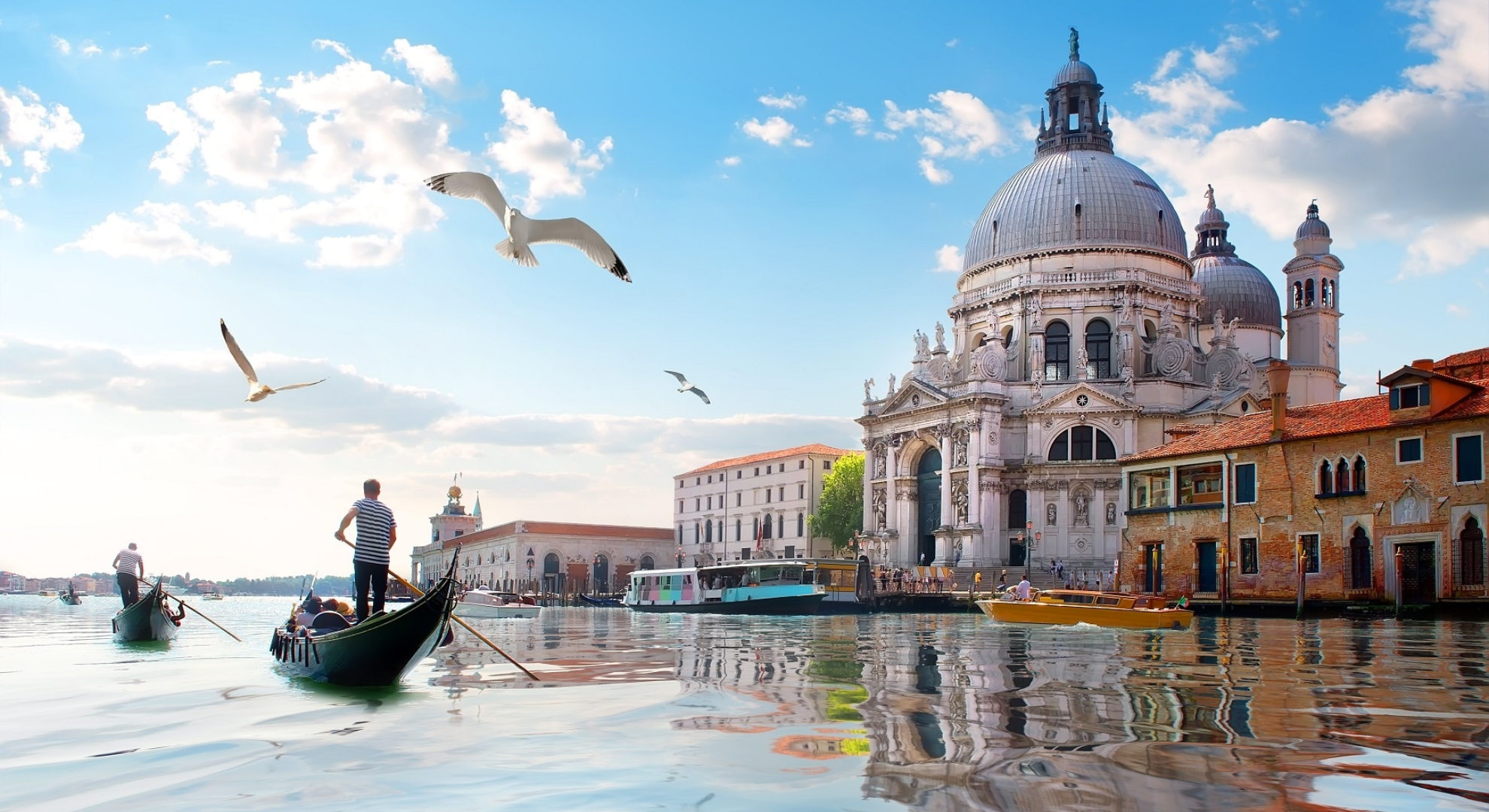
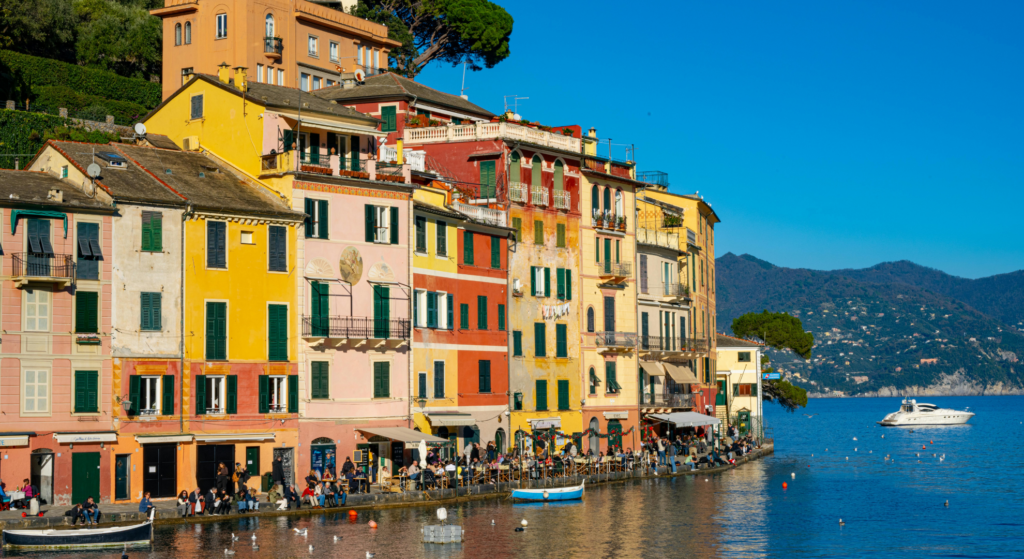
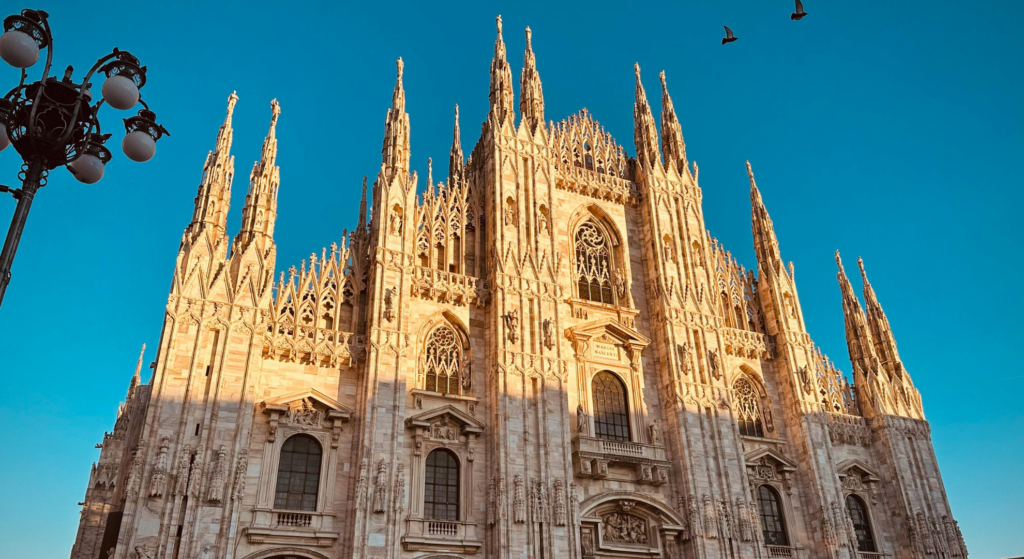
Italy may look compact on a map, but every destination deserves time to be experienced properly. Trying to fit Rome, Florence, Venice, Milan, Cinque Terre, the Amalfi Coast, and Sicily into a single 10-day itinerary usually means spending more time packing and travelling than sightseeing. Instead, focus on three or four destinations and enjoy each at a relaxed pace.
Mistake #2: Spending Only One Day in Rome
Rome is far more than a quick stop between cities. With world-famous landmarks like the Colosseum, the Vatican Museums, the Pantheon, Piazza Navona, and Trastevere, one day barely scratches the surface. Most first-time visitors should allow at least three days to experience the city’s highlights comfortably. If you’re unsure how long to stay, read how many days you actually need in Rome before finalising your itinerary.
Mistake #3: Skipping Italy’s Smaller Towns
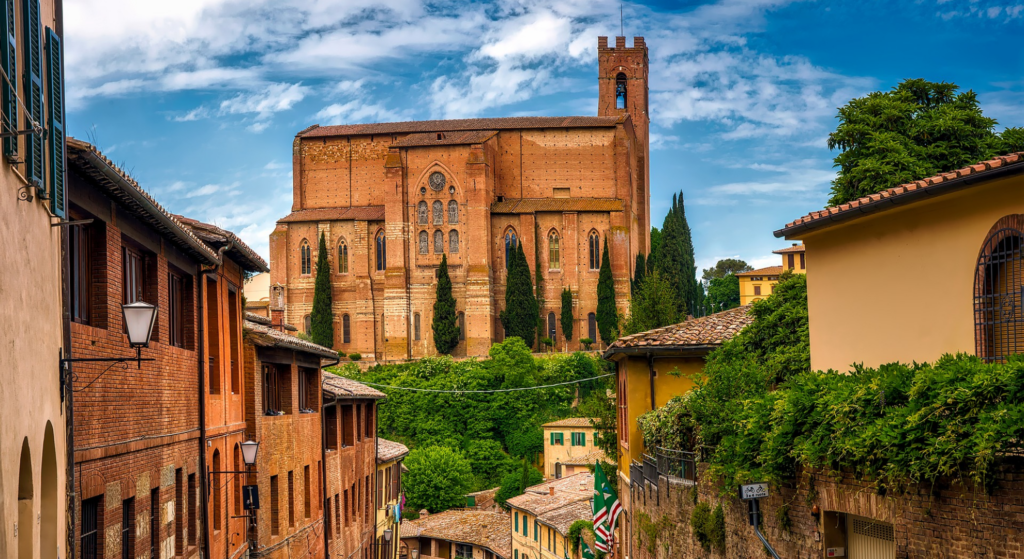
While Rome, Florence, and Venice deserve their reputation, many travellers overlook the places that showcase Italy’s authentic charm. Medieval Siena, hilltop Orvieto, the trulli houses of Alberobello, and the ancient cave dwellings of Matera offer unique experiences that feel completely different from the country’s larger cities. Before deciding where to go, explore 40 of the best places to visit in Italy to build a more balanced itinerary.
Mistake #4: Underestimating Travel Time
High-speed trains make travelling between major cities efficient, but getting to stations, checking into hotels, navigating local transport, and reaching smaller towns all take time. A journey that appears to take two hours on paper can easily consume half a day when transfers are included. Leave realistic gaps between destinations to avoid unnecessary stress.
Mistake #5: Waiting Too Long to Book High-Speed Trains
Many visitors assume train fares remain the same until departure, but Italy’s high-speed services often use airline-style pricing. Booking several weeks or months ahead can significantly reduce costs while also giving you more departure choices. Last-minute bookings during holidays and weekends are frequently the most expensive.
Mistake #6: Forgetting to Validate Regional Train Tickets
Regional train tickets often need to be validated before boarding unless they are digital tickets with automatic validation. Missing this simple step can result in an on-the-spot fine, even if you’ve already paid for your ticket. Always check the ticket instructions and use the validation machines at the station where required.
Mistake #7: Assuming Attractions Are Open Every Day
Museums, churches, archaeological sites, and even restaurants may close on specific weekdays or operate shorter seasonal hours. Some attractions also limit visitor numbers or close sections for restoration work. Double-check opening days and times before building your daily schedule.
Mistake #8: Visiting During Peak Summer Without a Plan
July and August bring long days and lively festivals, but they also mean extreme heat, crowded attractions, and higher accommodation prices. Popular destinations like Rome, Florence, Venice, and the Amalfi Coast can become especially busy. Booking hotels, attraction tickets, and transport well in advance is essential if you’re travelling during peak season.
Mistake #9: Not Reserving Popular Attractions in Advance
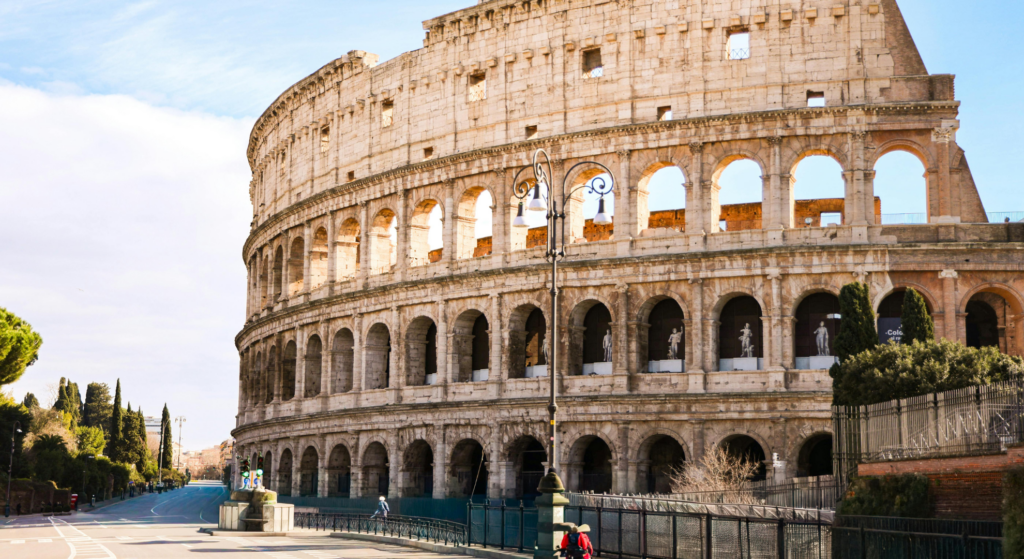
Italy’s biggest attractions increasingly operate on timed-entry systems. The Colosseum, Vatican Museums, Florence’s Uffizi Gallery, and Leonardo da Vinci’s The Last Supper often sell out days or even weeks ahead during busy periods. Waiting until you arrive can mean missing experiences you’ve travelled thousands of miles to see.
Mistake #10: Choosing Hotels Too Far from the City Centre
A cheaper hotel on the outskirts can quickly become expensive when you factor in taxi fares, public transport, and the time spent commuting every day. Staying within walking distance of major attractions or close to a central train station often provides much better overall value, especially if you’re visiting multiple cities during your trip.
Money & Payment Mistakes (11–14)
Money matters are often overlooked when planning an Italian holiday, but a few simple financial mistakes can lead to unnecessary fees or inconvenient situations. From carrying the right amount of cash to understanding how card payments work, these practical tips will help you manage your budget more confidently while travelling through Italy.
Mistake #11: Assuming Italy Is Completely Cashless
While credit and debit cards are widely accepted across Italy, especially in hotels, supermarkets, and larger restaurants, cash still plays an important role in everyday transactions. Small cafés, family-run trattorias, market stalls, beach kiosks, and some taxis may prefer or even require cash for smaller purchases. Don’t assume you’ll be able to pay by card everywhere you go.
Mistake #12: Carrying No Cash at All
Many first-time visitors rely entirely on contactless payments, only to find themselves unable to buy a coffee, pay for public toilets, or shop at a local market. You don’t need to carry large amounts of cash, but keeping €50–€100 in small notes and coins is a sensible backup for everyday expenses and unexpected situations.
Mistake #13: Exchanging Money at the Airport
Airport exchange counters are convenient, but they almost always offer some of the least competitive exchange rates along with higher service fees. Instead, withdraw euros from reputable bank ATMs after arriving in Italy or exchange money before you travel if you find a favourable rate. This simple change can save you a surprising amount over the course of your trip.
Mistake #14: Accepting Dynamic Currency Conversion When Paying by Card
When paying by card, the payment terminal may ask whether you’d like to be charged in your home currency instead of euros. It can seem helpful, but this option—known as Dynamic Currency Conversion (DCC)—usually applies a much poorer exchange rate than your own bank or card provider. Always choose to pay in euros to get the most competitive exchange rate and avoid unnecessary conversion fees.
Dining, Food & Value Mistakes (15–30)
Italian food is one of the biggest reasons people visit the country, but it’s also where many first-time visitors make the most obvious mistakes. From misunderstanding local dining customs to choosing restaurants that prioritise tourists over quality, these are the things not to do in Italy if you want to enjoy authentic cuisine, better value, and a more local experience.
Mistake #15: Being Surprised by the Coperto Charge
Many restaurants in Italy include a coperto—a small per-person cover charge that helps cover table service, bread, and table settings. This isn’t a hidden fee or a scam; it’s a long-standing tradition. Always check the menu, where the coperto is usually listed.
Mistake #16: Tipping Like You Would in North America
Unlike the United States or Canada, tipping isn’t expected at 20% in Italy. If service has been excellent, rounding up the bill or leaving a few euros is appreciated, but it’s entirely optional. In many restaurants, service is already reflected in the final bill.
Mistake #17: Eating Beside the Biggest Tourist Attractions
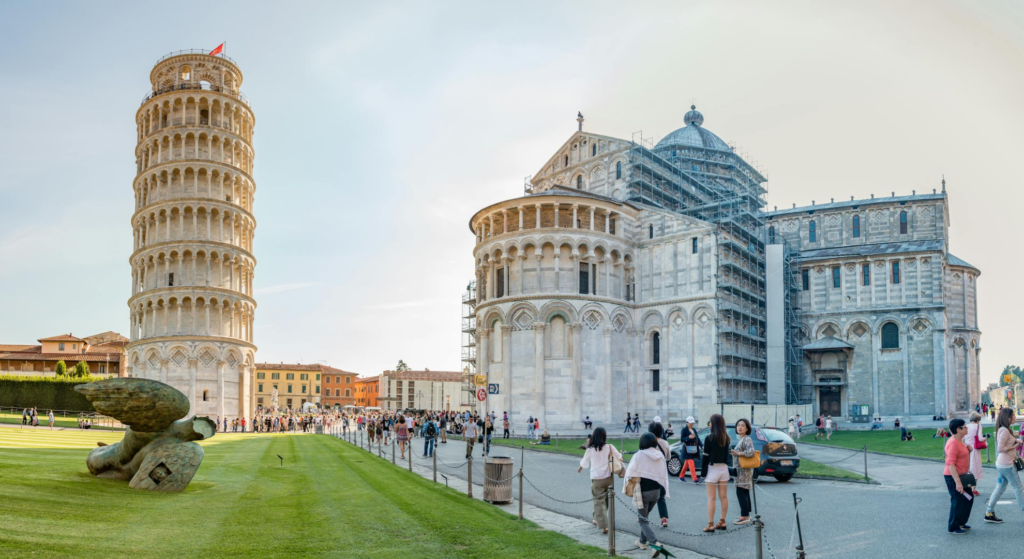
Restaurants directly overlooking landmarks like the Colosseum, Piazza San Marco, or the Leaning Tower of Pisa often charge premium prices while serving average food. Walk just a few streets away, and you’ll usually find better-quality meals, friendlier service, and lower prices.
Mistake #18: Missing Affordable Lunch Specials
Many trattorias and family-run restaurants offer excellent fixed-price lunch menus that include multiple courses at a fraction of dinner prices. It’s one of the easiest ways to enjoy authentic regional cooking while keeping your travel budget under control.
Mistake #19: Buying Bottled Water All Day
Italy has thousands of public drinking fountains that provide clean, safe water. Rome alone has over 2,000 historic fountains known as nasoni. Carry a reusable bottle and refill it throughout the day instead of constantly buying bottled water.
Mistake #20: Forgetting About VAT Refunds
If you’re shopping for luxury goods, fashion, or souvenirs, don’t overlook VAT refunds. Visitors from outside the European Union may be eligible to reclaim VAT on qualifying purchases, provided they meet the minimum spending requirements and complete the necessary paperwork before leaving the EU.
Mistake #21: Ordering a Cappuccino After Lunch
One of Italy’s most famous food customs is that cappuccino is considered a breakfast drink. While no one will refuse to serve you one after lunch, most locals switch to espresso later in the day. It’s a small cultural detail that often surprises visitors.
Mistake #22: Looking for Fettuccine Alfredo Everywhere
Many travellers expect Alfredo pasta to be a staple of Italian cuisine because of its popularity abroad. In reality, the creamy version served internationally is largely an American adaptation. Instead, try authentic classics like cacio e pepe, carbonara, amatriciana, or ragù alla Bolognese.
Mistake #23: Ordering Pineapple Pizza
You’ll certainly find restaurants willing to make it, particularly in tourist areas, but pineapple on pizza is not part of traditional Italian cuisine. If you’re hoping for an authentic pizza experience, choose classic combinations that highlight fresh, local ingredients.
Mistake #24: Adding Cheese to Seafood Pasta Automatically
Grated Parmesan is wonderful on many pasta dishes, but Italians generally avoid adding cheese to seafood-based pasta because it can overpower the delicate flavours of the fish or shellfish. When in doubt, follow the chef’s recommendation before reaching for the cheese.
Mistake #25: Choosing Restaurants with Tourist-Only Menus
Large multilingual menus filled with photos, staff actively inviting people inside, and dishes representing every region of Italy are often signs of a restaurant catering primarily to tourists. Look for places where locals are dining and menus focus on seasonal, regional specialities.
Mistake #26: Ignoring Regional Cuisine
Italy’s food culture changes dramatically from one region to another. Risotto in Milan, fresh pesto in Liguria, seafood in Sicily, bistecca alla Fiorentina in Tuscany, and Neapolitan pizza in Naples all tell different culinary stories. One of the biggest Italy travel mistakes is eating the same dishes everywhere instead of embracing local traditions.
Mistake #27: Eating Dinner Too Early
Many restaurants don’t begin dinner service until around 7:30 or even 8:00 p.m., and locals often eat later still. Arriving at 5:30 or 6:00 p.m. may leave you with very limited dining options, particularly outside major tourist districts.
Mistake #28: Skipping Restaurant Reservations
Italy’s most popular restaurants can fill up quickly, especially during weekends, holidays, and peak travel seasons. If there’s somewhere you really want to dine, reserve a table in advance rather than hoping for a last-minute opening.
Mistake #29: Defaulting to Fast Food
While international fast-food chains are easy to find in larger cities, choosing them repeatedly means missing one of Italy’s greatest pleasures. Even a simple neighbourhood trattoria or bakery often delivers fresher ingredients, better flavours, and greater value than familiar fast-food options.
Mistake #30: Choosing Brightly Coloured Gelato
One of the easiest ways to spot lower-quality gelato is by its unnaturally bright colours. Neon green pistachio, fluorescent blue flavours, or towering piles of gelato are often made with artificial colouring and stabilisers. Authentic artisanal gelato usually has softer, more natural colours and is stored in covered metal containers rather than overflowing mountain-like displays.
Sightseeing & Etiquette Mistakes (31–40)
Italy’s famous landmarks deserve to be enjoyed, but how you experience them can make a huge difference. Many first-time visitors unknowingly waste time, miss the best views, or unintentionally break local etiquette. These practical things not to do in Italy will help you sightsee more comfortably, respectfully, and efficiently.
Mistake #31: Wearing the Wrong Shoes
Italy’s historic city centres are beautiful—but they’re also covered in uneven cobblestones, steep streets, and countless stairs. Fashionable shoes might look great in photos, but comfortable walking shoes will save your feet after a full day exploring cities like Rome, Florence, or Venice.
Mistake #32: Assuming Museums Are Open Every Day
Many of Italy’s museums and cultural attractions close one day each week, often on Mondays. Others operate reduced hours during holidays or religious celebrations. Always check opening schedules before planning your sightseeing to avoid unnecessary disappointment.
Mistake #33: Heading Out Without Water
Long sightseeing days, especially during spring and summer, can be surprisingly tiring. Carry a reusable water bottle and refill it at Italy’s many public drinking fountains whenever possible. Staying hydrated is especially important when visiting archaeological sites or walking through historic centres.
Mistake #34: Ignoring Church Dress Codes
Many of Italy’s most spectacular churches and cathedrals remain active places of worship. Visitors are generally expected to cover their shoulders and knees before entering. Carrying a light scarf or shawl is an easy way to ensure you’re appropriately dressed, particularly during the warmer months.
Mistake #35: Touching Historic Monuments
It may be tempting to climb, sit on, or touch ancient monuments for the perfect photo, but many historic sites have strict preservation rules. Respect barriers, follow signage, and remember that these landmarks have survived for centuries because they’re carefully protected.
Mistake #36: Packing Too Much into One Day
Trying to visit five museums, three churches, and several neighbourhoods in a single day usually results in rushing through experiences instead of enjoying them. Italy rewards slower travel, where there’s time to wander side streets, stop for a coffee, and discover unexpected highlights along the way.
Mistake #37: Missing Italy’s Golden Hour
Some of Italy’s most memorable moments happen just after sunrise or before sunset. Whether it’s the Colosseum glowing in the evening light, Florence viewed from Piazzale Michelangelo, or Venice at dawn before the crowds arrive, planning around golden hour transforms both your experience and your photographs.
Mistake #38: Skipping Guided Tours at Historic Sites
Italy’s landmarks are impressive on their own, but understanding the history behind them adds an entirely new dimension. Expert guides bring ancient ruins, Renaissance masterpieces, and medieval cities to life with stories and context that are easy to miss when exploring independently.
Mistake #39: Sightseeing Only During Peak Hours
Many visitors head to the biggest attractions between late morning and early afternoon—exactly when crowds are at their worst. Visiting early in the morning or later in the afternoon often means shorter queues, cooler temperatures, and a much more enjoyable experience. If you’re deciding when to travel, the best time to visit Italy can make just as much difference as the itinerary itself.
Mistake #40: Ignoring Local Festivals
Italy’s calendar is filled with food festivals, religious celebrations, historical reenactments, and local events that many tourists never experience. While festivals may occasionally affect transport or opening hours, they also offer some of the country’s most authentic cultural experiences. Checking local event calendars before your trip can turn an ordinary visit into an unforgettable one.
Transportation Mistakes (41–45)
Getting around Italy is generally straightforward, but choosing the wrong mode of transport—or not understanding how the system works—can quickly lead to unnecessary costs, delays, and frustration. These Italy travel mistakes are among the easiest to avoid with a little preparation before you arrive.
Mistake #41: Renting a Car for Major Cities
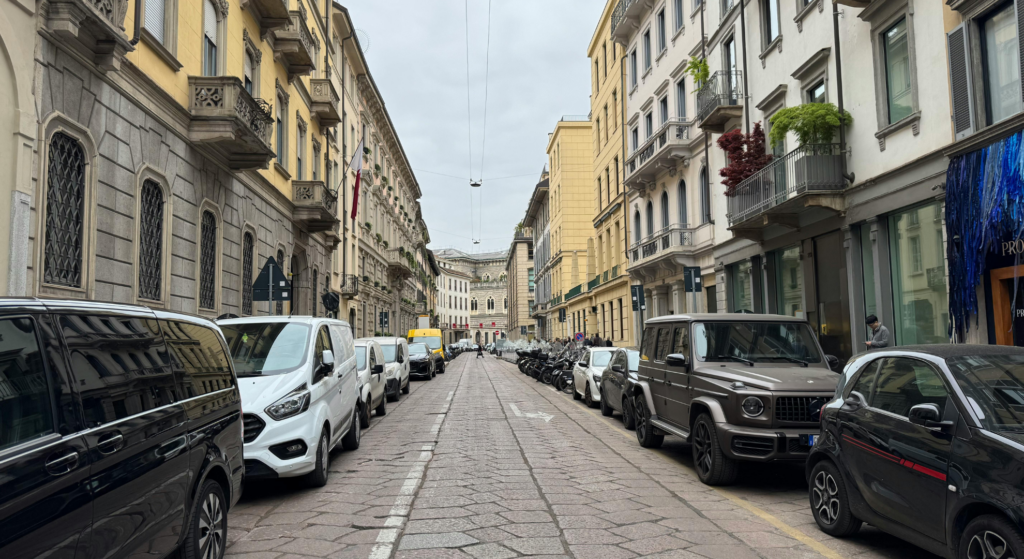
Many first-time visitors assume renting a car offers the most freedom, but it’s often the opposite in cities like Rome, Florence, Milan, and Naples. Heavy traffic, limited parking, one-way streets, and restricted driving zones can make city driving stressful and expensive. Italy’s excellent high-speed rail network is usually a much faster and more convenient way to travel between major destinations.
Mistake #42: Accidentally Driving into a ZTL Zone
One of the most expensive common tourist mistakes in Italy is unknowingly entering a ZTL (Zona a Traffico Limitato), or Limited Traffic Zone. These restricted areas are monitored by cameras, and unauthorized vehicles can receive fines that arrive weeks or even months after returning home. Before deciding whether to rent a car or rely on trains, it’s worth reading about choosing the best way to see Italy — train, coach, cruise, or self-drive:, which explains ZTL zones, transport options, and when driving actually makes sense.
Mistake #43: Feeling Overwhelmed by Large Train Stations
Major stations such as Roma Termini, Milano Centrale, and Firenze Santa Maria Novella are busy transport hubs with multiple platforms, departure boards, and different train operators. Arriving just a few minutes before departure can leave you rushing to find the correct platform. Give yourself extra time to navigate the station, especially if it’s your first visit.
Mistake #44: Assuming Every Taxi Accepts Credit Cards
Although many taxis now accept card payments, not all drivers do, particularly in smaller towns and regional destinations. Before starting your journey, confirm your preferred payment method is accepted or keep some cash available to avoid awkward situations at the end of the ride.
Mistake #45: Waiting Until You Arrive to Learn the Transport System
Spending a little time understanding Italy’s trains, metros, buses, ferries, and ticketing systems before your trip will save valuable sightseeing time once you’re there. Download transport apps, learn the difference between high-speed and regional trains, and familiarise yourself with station layouts. A little preparation goes a long way toward making travel between Italy’s incredible destinations smooth and stress-free.
Culture, Language & Safety Mistakes (46–50)
Beyond logistics and sightseeing, understanding local customs can make your trip far more enjoyable. These final Italy do’s and don’ts aren’t about strict rules—they’re simple habits that help you connect with locals, travel more confidently, and experience Italy in a more authentic way.
Mistake #46: Speaking Too Loudly in Quiet Spaces
Italy is lively and expressive, but there are places where a quieter approach is appreciated. Churches, museums, historic libraries, and smaller neighbourhood cafés are spaces where locals tend to keep conversations low. Being mindful of your volume shows respect for both the setting and the people around you.
Mistake #47: Assuming Everyone Speaks English
You’ll find English widely spoken in hotels, major attractions, and tourist restaurants, but that’s not always the case in smaller towns, local markets, or family-run businesses. Learning a few basic Italian phrases—or using a translation app when needed—can make everyday interactions much smoother and is always appreciated by locals.
Mistake #48: Forgetting Basic Italian Greetings
Simple words like Buongiorno (good morning), Buonasera (good evening), Per favore (please), Grazie (thank you), and Arrivederci (goodbye) go a long way. Beginning conversations with a polite greeting before asking a question is considered good manners and often leads to warmer, friendlier interactions throughout your trip.
Mistake #49: Leaving Valuables Unattended
Italy is generally a safe destination for visitors, but like many popular tourist destinations, pickpocketing can occur in crowded places such as train stations, busy piazzas, public transport, and famous attractions. Keep your passport, wallet, and phone secure, avoid hanging bags on the backs of chairs, and stay particularly aware in crowded areas.
Mistake #50: Treating Italy Like a Checklist Instead of Slowing Down
Perhaps the biggest of all the mistakes to avoid in Italy is trying to “complete” the country as quickly as possible. Italy isn’t a destination that rewards rushing from one landmark to the next. Some of the most memorable moments happen while lingering over a long lunch in a village piazza, wandering through quiet backstreets, chatting with local shop owners, or simply watching daily life unfold with a gelato in hand. Slow down, leave room for spontaneity, and you’ll discover that the best Italian experiences are often the ones you never planned. It’s also why many travellers find that a well-paced guided tour removes the stress of constant planning, allowing them to enjoy the journey instead of racing through it.
Frequently Asked Questions
What is the biggest mistake tourists make in Italy?
The biggest Italy travel mistake is trying to see too much in too little time. Packing Rome, Florence, Venice, Milan, and the Amalfi Coast into a single week leaves you constantly travelling instead of experiencing each destination. A slower itinerary with fewer cities almost always results in a more memorable and enjoyable trip.
Do I need cash in Italy, or can I use cards everywhere?
Credit and debit cards are widely accepted across Italy, but it’s still wise to carry a small amount of cash. Family-run cafés, local markets, small bakeries, and some taxis may prefer or only accept cash. Withdraw euros from reputable ATMs rather than exchanging money at airports, where exchange rates and fees are usually less favourable.
What should I avoid doing at Italian restaurants?
Avoid tipping as generously as you might in North America, as service or a coperto (cover charge) is often already included. Don’t automatically choose restaurants beside famous attractions, where prices are higher and quality is often lower. Walking just a few streets away usually leads to more authentic food and better value.
Is it worth renting a car in Italy?
For most travellers visiting Rome, Florence, Venice, or Milan, the answer is no. Italy’s train network is fast, reliable, and often more convenient than driving through busy city centres. A rental car becomes worthwhile when exploring rural regions like Tuscany, Puglia, the Dolomites, or parts of Sicily, where public transport is more limited.
How many days do I need to see Italy properly?
A well-balanced first trip to Italy typically requires 10–14 days. Rome deserves at least three full days, while Florence and Venice each benefit from two or three days. This timeframe also allows for day trips or visits to smaller towns without making the itinerary feel rushed.
What should I wear to visit churches in Italy?
When visiting churches and cathedrals, including Vatican sites, dress modestly by covering your shoulders and knees. This applies to both men and women. Carrying a lightweight scarf or shawl is a simple way to meet dress requirements, especially during the warmer months when sleeveless clothing is common.
What’s the best way to avoid tourist traps in Italy?
Move a few streets away from major landmarks before choosing a restaurant or café. Look for places where locals are dining, menus feature regional specialities, and prices are clearly displayed. Restaurants with multilingual picture menus and brightly coloured gelato piled unusually high are often signs of tourist-focused establishments rather than authentic local favourites.
Should I book a guided tour or travel independently in Italy?
Both options can be rewarding, but guided tours eliminate many of the most common tourist mistakes in Italy. They take care of transportation, reservations, attraction timing, and local logistics while providing expert guides who add historical and cultural context. Independent travel offers flexibility, but it requires considerably more planning and research, especially for first-time visitors.
 Toll Free (USA & Canada) +1 866 978 2997