Egypt vs Jordan: Which Country Tour Is Better for You?
If you’ve narrowed your Middle East adventure to Egypt or Jordan, you’re already choosing between two of the world’s most fascinating destinations. Both are home to extraordinary ancient civilizations, breathtaking desert landscapes, and unforgettable cultural experiences. But when it comes to deciding between an Egypt vs Jordan tour, the right choice depends on your budget, travel style, available time, and the kind of experiences you value most.
For many first-time travelers, the decision comes down to a few key questions. Is Egypt or Jordan safe to travel to? Which destination offers better value for money? Do you want to stand before the iconic Pyramids of Giza and cruise the Nile, or explore the rose-red city of Petra and camp beneath the stars in Wadi Rum? And if you have enough time, is combining both countries the ultimate Middle East itinerary?
This guide compares Egypt and Jordan across the factors that matter most from costs and safety to must-see attractions, trip length, and overall travel experience. Whether you’re looking for the best Middle East tour destination in 2026, planning your first visit to the region, or deciding whether an Egypt or Jordan tour is the better fit, you’ll find a practical, side-by-side comparison to help you book with confidence.
Egypt vs Jordan at a Glance
Choosing between an Egypt or Jordan tour isn’t about deciding which destination is “better”—it’s about choosing the experience that best matches your interests, budget, and available time. Egypt generally offers more iconic archaeological sites, better value for money, and the unforgettable experience of sailing the Nile. Jordan, meanwhile, appeals to travelers looking for a shorter itinerary, spectacular desert landscapes, and a relaxed pace of travel.
For many first-time visitors to the Middle East, Egypt delivers the greatest variety of experiences within a single itinerary. However, Jordan’s compact size and renowned hospitality make it an equally rewarding choice for those with less time or a stronger interest in natural landscapes and outdoor adventures.
Category
Egypt
Jordan
Average guided tour cost per day
Generally lower; offers excellent value for comparable tour quality*
Generally higher due to smaller tourism infrastructure and site fees*
Recommended trip length
7–10 days (10 days is ideal)
5–7 days
Best for
Ancient history, iconic landmarks, Nile cruises, first-time Middle East travelers
Pyramids of Giza, Sphinx, Valley of the Kings, Karnak Temple, Nile Cruise, Abu Simbel
Petra, Wadi Rum, Dead Sea, Amman
Best time to visit
October–April
March–May and September–November
This overview provides a quick snapshot, but the differences become clearer once you look at what each destination offers. From world-famous monuments and travel costs to safety, itinerary style, and trip length, the sections below will help you decide whether an Egypt vs Jordan tour is the better fit, or whether combining both countries is worth considering.
Egypt: Pros and Cons for Travelers
For many travelers comparing an Egypt vs Jordan tour, Egypt stands out for the sheer scale and variety of experiences it offers. From world-famous monuments and river cruises to vibrant cities and Red Sea resorts, it’s a destination that rewards travelers with an extraordinary concentration of history and culture. Like any destination, however, it also comes with practical considerations worth understanding before you book.
Pros of Visiting Egypt
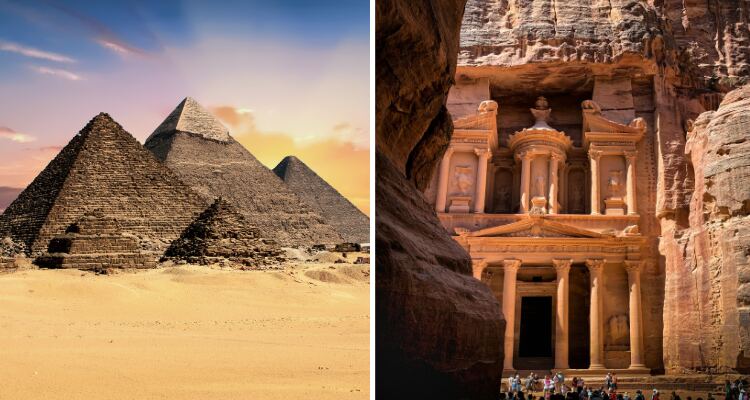
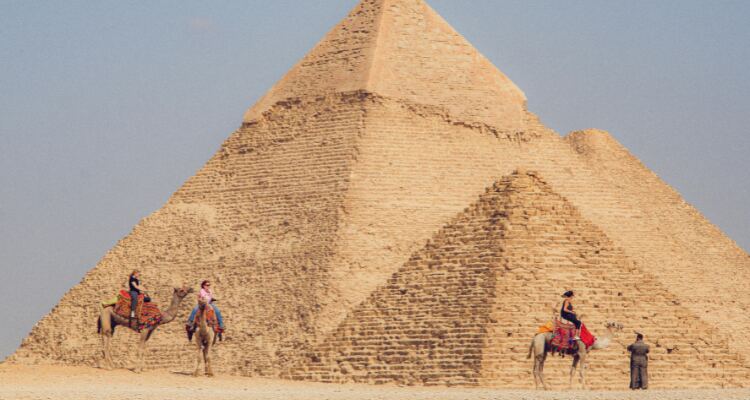
The biggest draw is, of course, the Pyramids of Giza and the Great Sphinx. These instantly recognizable landmarks are among the world’s greatest archaeological treasures and, for many people, the main reason to visit the Middle East. Standing beside structures that have survived for more than 4,500 years is an experience few destinations can match.
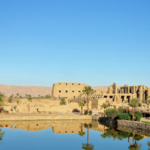
Another advantage unique to Egypt is the opportunity to enjoy a Nile cruise between Luxor and Aswan. Rather than simply traveling between destinations, you’ll sail along one of the world’s most famous rivers while stopping at remarkable sites such as Karnak Temple, the Valley of the Kings, Edfu, Kom Ombo, and Philae Temple. Jordan offers spectacular landscapes, but it has no equivalent to this iconic journey.
Egypt also delivers excellent value for money. For comparable accommodation, guided sightseeing, and transportation, Egypt generally has a lower cost per day than Jordan, making it especially attractive for travelers who want to maximize their experiences without significantly increasing their budget.
History enthusiasts will appreciate the country’s unmatched concentration of ancient sites. Beyond Cairo’s pyramids, you’ll find the temples of Luxor, the royal tombs of the Valley of the Kings, Abu Simbel, and countless other monuments spanning thousands of years of civilization. Few single-country itineraries anywhere in the world offer so many globally significant attractions in one journey.
Finally, Egypt benefits from a well-developed tourism industry. International airports in Cairo and other major cities are served by numerous airlines, while guided tours, domestic flights, hotels, and Nile cruises make it relatively straightforward to explore the country’s major highlights.
Cons of Visiting Egypt
One of the most common challenges travelers mention is vendor and tout activity around some of the country’s busiest attractions. Popular sites such as the Pyramids of Giza can attract persistent souvenir sellers and unofficial guides. While this can feel overwhelming for first-time visitors, it’s generally much less of an issue when traveling with a reputable small-group or private guided tour, where local guides help manage interactions and keep your visit focused on the experience.
Another consideration is the climate. Between June and August, temperatures in the Nile Valley regularly become extremely hot, making long days of sightseeing more demanding. Most travelers find that visiting during the shoulder or winter seasons—roughly October through April, provides far more comfortable conditions for exploring Egypt’s outdoor archaeological sites.
Some travelers also hesitate because of outdated perceptions about safety. Although past regional headlines continue to influence opinions, Egypt’s primary tourist destinations operate with extensive tourism infrastructure and established visitor services. If safety is one of your main concerns, it’s worth reading our detailed guide on is Egypt safe for tourists in 2026?, which explores the current situation in greater depth and explains what travelers can realistically expect today.
Jordan: Pros and Cons for Travelers
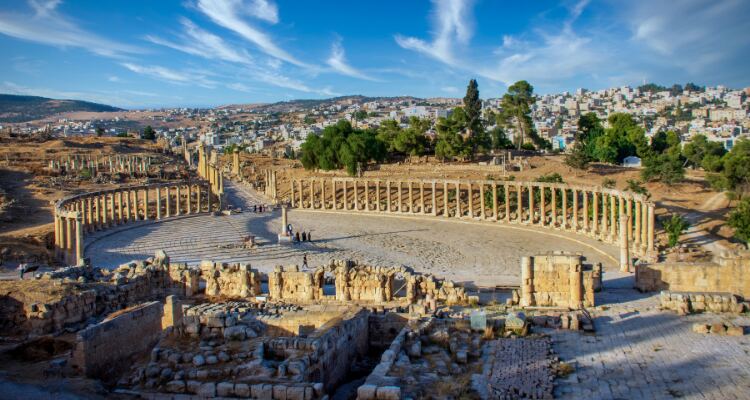
Jordan may be smaller than Egypt, but it packs an impressive variety of experiences into a compact itinerary. From the ancient city of Petra to the dramatic landscapes of Wadi Rum and the therapeutic waters of the Dead Sea, Jordan is ideal for travelers who want to combine history, nature, and adventure without covering long distances.
Pros of Visiting Jordan
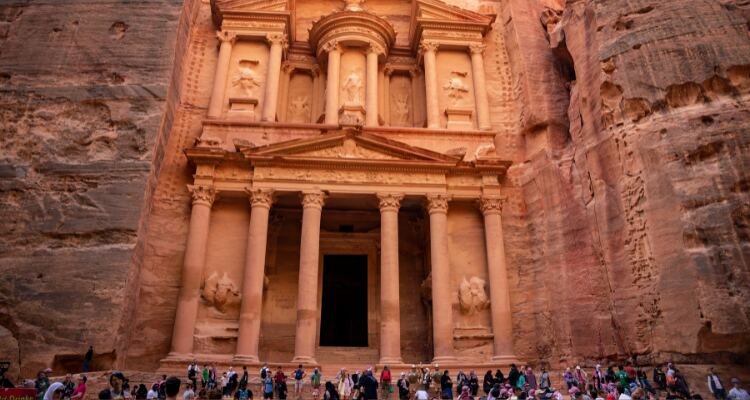
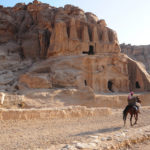
The country’s biggest attraction is Petra, the spectacular rock-carved city recognized as one of the New Seven Wonders of the World. Walking through the narrow Siq before emerging in front of the iconic Treasury is one of the Middle East’s most unforgettable travel experiences. Visitors also often find Petra less crowded by vendors than some of Egypt’s busiest archaeological sites, allowing for a more relaxed sightseeing experience.
Jordan also offers something Egypt cannot replicate: overnight desert camping in Wadi Rum. Sleeping beneath a blanket of stars, exploring towering sandstone landscapes by jeep, and experiencing traditional Bedouin hospitality make Wadi Rum one of the country’s defining highlights.
For travelers seeking relaxation alongside sightseeing, Jordan’s Dead Sea provides a unique opportunity to float effortlessly in its mineral-rich waters, while Amman offers a lively food scene filled with traditional Jordanian cuisine, modern cafés, and welcoming local culture.
Jordan also enjoys a strong reputation for stability and ease of travel. Its relatively compact geography means you’ll spend less time in transit between major attractions, making it an excellent option for travelers with only five to seven days available.
Cons of Visiting Jordan
The biggest drawback for many travelers is cost. Comparable guided tours, accommodations, and daily travel expenses generally make Jordan more expensive than Egypt, particularly when entrance fees to major attractions such as Petra are factored into the overall budget.
Jordan’s compact size can also be a limitation depending on your travel style. While destinations like Petra, Wadi Rum, the Dead Sea, and Amman are exceptional, some visitors feel they’ve experienced most of the country’s headline attractions within four or five days, leaving fewer options for extending the itinerary compared with Egypt.
Finally, depending on where you’re traveling from, Jordan may offer fewer direct international flight options than Egypt. Travelers from some markets may need additional flight connections, which can increase both travel time and airfare.
Ultimately, both destinations offer extraordinary experiences. Egypt tends to appeal to travelers seeking iconic ancient monuments, greater itinerary variety, and excellent value, while Jordan is a strong choice for those prioritizing a shorter, more relaxed journey focused on dramatic landscapes and unique outdoor experiences.
What a Trip to Egypt Looks Like
A classic Egypt tour follows a well-established route that connects the country’s most iconic ancient landmarks with some of its most memorable travel experiences. For first-time visitors, the journey typically begins in Cairo before continuing south to Luxor and Aswan, either by domestic flight, overland transport, or a relaxing Nile cruise. Most travellers complete this itinerary in 7–10 days, striking a balance between sightseeing and a comfortable pace.
The adventure usually starts in Cairo, where you’ll visit the legendary Pyramids of Giza, the Great Sphinx, and the world-renowned Egyptian Museum (or Grand Egyptian Museum, depending on your travel dates), which are some of the Best Places to visit in Egypt. Many itineraries also include time to explore Islamic Cairo, Coptic Cairo, and the vibrant Khan el-Khalili Bazaar, offering a glimpse into Egypt’s rich cultural heritage beyond its ancient monuments.
From Cairo, the journey continues to Luxor, often called the world’s greatest open-air museum. Here, travellers explore extraordinary archaeological treasures such as Karnak Temple, Luxor Temple, the Valley of the Kings, and the magnificent Mortuary Temple of Hatshepsut, which are some of the Best Temples of Egypt. Many tours also offer an optional sunrise hot-air balloon ride, providing spectacular views over the Nile Valley.
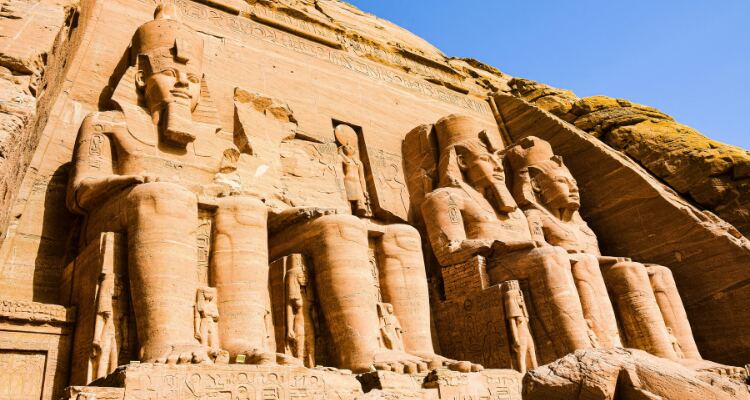
The final stop is Aswan, where the pace slows and the scenery becomes more tranquil. Visitors can admire the beautiful Philae Temple, enjoy a traditional felucca sail on the Nile, visit a colourful Nubian village, or take an unforgettable day trip to the colossal temples of Abu Simbel. If your itinerary includes a Nile cruise, the journey between Luxor and Aswan becomes one of the highlights of the trip, with stops at remarkable temples such as Edfu and Kom Ombo along the way.
While every itinerary varies slightly, this Cairo–Luxor–Aswan route remains the classic introduction to Egypt, combining ancient history, vibrant culture, and scenic river cruising into one seamless journey. If you’d like to see how this route is organised day by day, explore our sample Egypt itinerary covering Cairo, Luxor and Aswan, where you’ll find a complete breakdown of sightseeing, transport, and suggested pacing.
What a Trip to Jordan Looks Like
A classic Jordan itinerary is shorter and more compact than most Egypt tours, making it an excellent choice for travellers with limited vacation time. In just 5–7 days, you can experience Jordan’s most iconic landscapes, ancient history, and cultural highlights without covering the long distances that are typical of an Egypt itinerary.
Most guided tours begin in Amman, Jordan’s modern capital, where you’ll explore Roman ruins, lively markets, and a growing food scene before heading south. From there, the journey continues to Petra, Jordan’s crown jewel and one of the New Seven Wonders of the World. Walking through the narrow Siq before emerging in front of the Treasury is a highlight that draws visitors from around the globe.
After Petra, many itineraries travel to the spectacular desert landscapes of Wadi Rum. Here, travellers can enjoy jeep safaris, Bedouin hospitality, and even spend a night in a desert camp beneath some of the clearest night skies in the Middle East. The final stop is often the Dead Sea, where visitors can float effortlessly in the mineral-rich waters and relax at a beachfront resort before returning to Amman for departure.
The biggest advantage of a Jordan itinerary is efficiency. Travel times between major attractions are relatively short, allowing you to experience the country’s highlights without constantly packing and unpacking or spending long hours in transit. However, compared with Egypt, Jordan offers fewer headline attractions, which is why many travellers feel they’ve comfortably seen the country’s major sights within a week.
For travellers with more time and a flexible budget, combining Jordan with Egypt creates one of the Middle East’s most rewarding journeys, pairing Petra and Wadi Rum with the Pyramids of Giza, a Nile cruise, and the ancient temples of Luxor and Aswan.
Budget Comparison: Egypt vs Jordan Tour Costs
For many travellers comparing an Egypt vs Jordan tour, budget plays a major role in the final decision. While both destinations offer exceptional historical and cultural experiences, the overall cost of travelling in each country can differ noticeably. Rather than looking at a single tour price, it’s more helpful to compare the main expenses that shape your total trip cost.
Flights
International airfare varies depending on your departure city, airline, and travel season. Egypt generally benefits from a larger number of international flight connections into Cairo, giving travellers more options and, in many cases, more competitive fares. Jordan’s main gateway, Amman, has fewer direct international routes from some markets, which can result in slightly higher airfare or longer connections.
Guided Tour Packages
When comparing guided tours of a similar quality, Egypt typically offers better value per day. Lower accommodation and operating costs allow travellers to enjoy well-organised itineraries, experienced Egyptologist guides, and comfortable transportation at a more competitive overall price.
Jordan’s tourism industry is smaller, and many itineraries cover fewer destinations over a shorter period. As a result, the daily cost of a guided tour is often higher, even though the total trip may be shorter.
Entrance Fees
Both countries charge admission to their most famous attractions, but the overall cost structure differs.
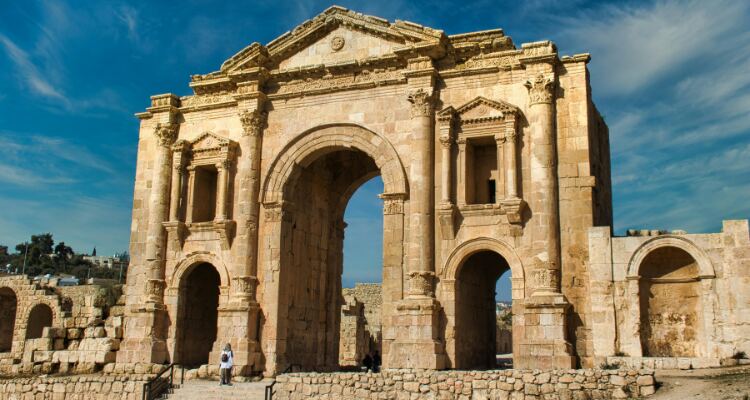
In Egypt, you’ll purchase tickets for major sites such as the Pyramids of Giza, Karnak Temple, the Valley of the Kings, and Abu Simbel, with some premium tombs requiring separate admission. In Jordan, Petra represents one of the largest single sightseeing expenses, particularly for visitors purchasing multi-day passes. Additional entrance fees for attractions like Jerash and Wadi Rum can also increase the overall sightseeing budget.
Accommodation
Accommodation is another area where Egypt often provides stronger value. Travellers can usually enjoy high-quality 4- and 5-star hotels, as well as comfortable Nile cruise ships, at more competitive rates than similarly rated properties in Jordan.
Jordan offers excellent hotels throughout Amman, Petra, and the Dead Sea, but accommodation prices are generally higher due to the country’s smaller tourism infrastructure and more limited supply of larger resort properties.
Meals and Daily Expenses
Dining is affordable in both destinations, especially when eating at local restaurants. Egypt generally offers lower prices for everyday meals, snacks, and beverages, allowing travellers to stretch their budget further. Jordan’s restaurant scene is equally rewarding, particularly in Amman, but visitors should expect to spend slightly more on food and drinks throughout their trip.
Tipping and Local Costs
Tipping is customary in both countries, though the practices vary slightly. In Egypt, gratuities for guides, drivers, cruise staff, and service personnel are a regular part of the travel experience and should be included in your budget planning. Jordan also has a tipping culture, but overall incidental expenses are often a little higher.
Which Destination Offers Better Value?
If you’re looking for the best value per day, Egypt generally comes out ahead. Lower accommodation costs, competitive guided-tour pricing, and the sheer concentration of world-famous attractions mean travellers often experience more iconic sites over a longer itinerary for a similar—or even lower—overall budget than a comparable trip to Jordan.
That doesn’t necessarily make Jordan expensive; rather, it reflects the country’s smaller tourism sector and premium pricing for landmark attractions like Petra. If budget is one of your deciding factors, Egypt usually delivers more sightseeing value for every travel dollar.
For current pricing, seasonal trends, and a detailed breakdown of package costs, accommodation, and transportation, see our Egypt tour cost guide. It provides the latest information to help you compare tour styles and plan your budget with confidence.
Which Destination Should You Choose?
There’s no universal winner in the Egypt vs Jordan debate—it depends on the type of trip you’re looking for. Egypt offers better value, more iconic historical sites, and a wider variety of experiences, while Jordan excels as a compact destination with dramatic desert landscapes and a relaxed pace. Use the table below to see which destination best matches your travel style.
Traveler Type
Better Fit
Why
First-time Middle East traveler on a budget
Egypt
Offers excellent value, world-famous landmarks, and longer itineraries at a competitive price.
History and archaeology enthusiast wanting the most iconic sites in one trip
Egypt
Home to the Pyramids of Giza, the Sphinx, Luxor, the Valley of the Kings, Abu Simbel, and a Nile cruise—all within one country.
Traveller prioritizing a short, efficient vacation
Jordan
Its compact size makes it easy to experience Petra, Wadi Rum, the Dead Sea, and Amman in just 5–7 days.
Adventure or desert-camping enthusiast
Jordan
Wadi Rum’s spectacular desert landscapes, jeep safaris, and Bedouin camp experiences are unlike anywhere else in the region.
Traveller with 12+ days and a flexible budget
Combine both
Experience the best of both countries by pairing Egypt’s ancient monuments with Jordan’s dramatic landscapes and Petra.
Family travelling with young children
Egypt
Nile cruises, beach resorts, and well-established guided tour infrastructure make travelling with children easier and more comfortable.
The Bottom Line
If you’re choosing just one destination, Egypt is the better fit for most travellers. It delivers exceptional value, an unmatched concentration of ancient wonders, and a wider variety of experiences, from standing before the Pyramids and exploring the temples of Luxor to cruising the Nile and relaxing by the Red Sea.
Jordan is an outstanding choice if you prefer a shorter itinerary, want to experience Petra and Wadi Rum, or are looking for a trip centred on desert landscapes and outdoor adventure.
If time and budget allow, however, combining Egypt and Jordan offers one of the Middle East’s most rewarding travel experiences, bringing together two extraordinary destinations in a single unforgettable journey.
Frequently Asked Questions
Is Egypt safe for tourists in 2026?
Yes. Egypt’s main tourist destinations—including Cairo, Luxor, Aswan, and the Red Sea resorts—welcome millions of visitors every year and have well-established tourism infrastructure with a strong security presence. Like any destination, it’s important to stay aware of your surroundings, follow local advice, and use reputable tour operators. For the latest updates, read our complete guide on is Egypt safe for tourists in 2026?, which covers current travel advisories, common scams, and region-by-region safety tips.
Which is cheaper, Egypt or Jordan?
In general, Egypt offers better value for money than Jordan. Accommodation, meals, local transportation, and guided tours are typically more affordable, allowing travelers to experience more over a longer itinerary. Jordan’s higher attraction fees, including Petra, and its smaller tourism infrastructure often result in higher daily travel costs. For verified pricing, see our Egypt Tour Cost Guide 2026 before booking.
Can you visit Egypt and Jordan in one trip?
Absolutely. Many travelers combine Egypt and Jordan into a single 10–14 day itinerary, thanks to convenient flight connections between Cairo and Amman. This allows you to experience iconic highlights such as the Pyramids of Giza, a Nile cruise, Petra, Wadi Rum, and the Dead Sea in one Middle East adventure without needing two separate international holidays.
How many days do you need for Egypt vs. Jordan?
Egypt generally requires 7–10 days to comfortably experience Cairo, Luxor, and Aswan, especially if you plan to include a Nile cruise. Jordan is more compact, so 5–7 days is usually enough to visit Amman, Petra, Wadi Rum, and the Dead Sea. If you have around two weeks available, combining both countries becomes a practical and rewarding option.
Which has better ancient historical sites, Egypt or Jordan?
Both countries are extraordinary for history lovers, but Egypt offers a greater concentration of world-famous ancient landmarks. Highlights such as the Pyramids of Giza, Karnak Temple, the Valley of the Kings, and Abu Simbel create one of the richest archaeological experiences anywhere in the world. Jordan’s crown jewel is Petra, complemented by impressive Roman ruins and desert landscapes, but travelers focused primarily on ancient history will generally find Egypt offers more variety and depth.
Is Jordan or Egypt better for first-time Middle East travelers?
It depends on the type of trip you’re looking for. Egypt is often the preferred choice for first-time visitors thanks to its extensive guided tour options, iconic landmarks, and excellent value for money. Jordan appeals to travelers seeking a shorter itinerary, dramatic desert scenery, and a more relaxed pace centered around Petra and Wadi Rum. If your budget and schedule allow, combining both destinations offers an outstanding introduction to the Middle East.
What’s the best time of year to visit Egypt or Jordan?
The best time to visit Egypt and Jordan is October through April, when daytime temperatures are more comfortable for sightseeing and outdoor activities. Summer, particularly from June to August, can bring extreme heat, especially in Egypt’s Nile Valley and Jordan’s desert regions, making sightseeing more challenging. Traveling during the cooler months allows for a more enjoyable experience at iconic sites in both countries.
Ready to Book Your Middle East Adventure?
After comparing costs, itineraries, travel styles, and must-see attractions, the choice ultimately comes down to the kind of experience you’re looking for.
If you’re seeking the world’s most iconic ancient monuments, exceptional value for money, and a journey packed with unforgettable sights, Egypt is the destination that delivers the richest overall experience for most travellers. From standing beneath the Pyramids of Giza to cruising the Nile between Luxor and Aswan, few places offer so much history, culture, and variety in a single trip.
If your dream holiday revolves around exploring Petra, camping beneath the stars in Wadi Rum, and enjoying a shorter, more relaxed itinerary, Jordan remains an outstanding choice. And if you have the time and budget, combining both countries creates one of the Middle East’s most rewarding travel experiences.
Whether you’re planning your first visit or returning to discover more, a guided tour takes the complexity out of arranging transportation, accommodation, sightseeing, and local logistics, allowing you to focus on enjoying the journey.
 Toll Free (USA & Canada) +1 866 978 2997