Planning a Cairo Luxor Aswan itinerary is one of the best ways to experience Egypt’s most iconic landmarks in a single trip. From standing before the timeless Pyramids of Giza in Cairo to exploring the magnificent temples of Luxor and cruising the Nile to Aswan, this classic route brings together thousands of years of history, culture, and breathtaking scenery. For most first-time visitors, it’s the itinerary that offers the most complete introduction to Egypt.
The challenge isn’t deciding whether to visit these incredible destinations. It’s figuring out how to plan an Egypt itinerary that makes the most of your time without feeling rushed. How many days do you actually need? Should you fly or take the overnight train from Cairo to Luxor? Is a Nile cruise worth including? And how do you fit Egypt’s most famous temples into a logical route?
This Egypt Travel guide, which features the best Egypt tour packages from North America and Canada, also answers those questions by providing a practical planning framework rather than a one-size-fits-all itinerary. Whether you’re planning a quick seven-day adventure, a comfortable ten-day holiday, or a more leisurely two-week journey, you’ll learn how to structure your route, choose the right transportation, estimate your budget, and decide which experiences deserve a place on your itinerary.
You’ll also find the best Egypt Travel Tips, shared by travel experts along with practical advice on visiting the must-see sites in Cairo, Luxor, and Aswan, along with planning tips for packing, travel timing, and understanding the logistics involved. By the end, you’ll have a clear roadmap for building an itinerary that matches your travel style while avoiding many of the common planning mistakes first-time visitors make.
Let’s begin by exploring why the Cairo, Luxor, and Aswan route has become Egypt’s classic itinerary for travellers from around the world.
Why Cairo, Luxor & Aswan Is Egypt’s Classic Route
If you’re planning your first trip to Egypt, it’s hard to find a better route than a Cairo Luxor Aswan itinerary. This well-established journey connects the country’s three most iconic destinations, taking you from the ancient wonders of Cairo to the remarkable temples of the Nile Valley before ending in the tranquil riverside city of Aswan. It offers an ideal balance of history, culture, scenery, and unforgettable experiences, making it the itinerary most travellers choose for their first visit.
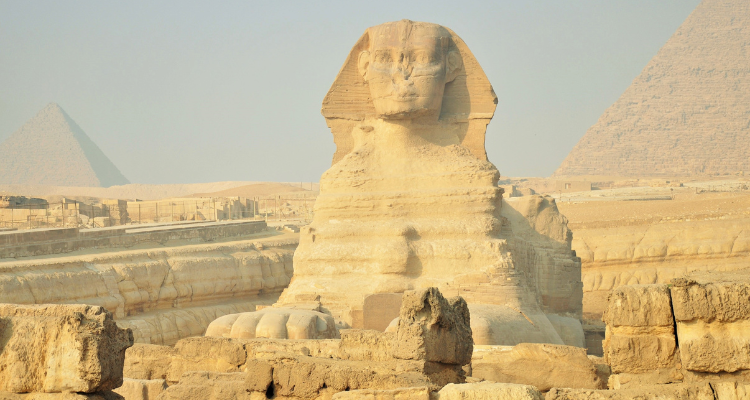
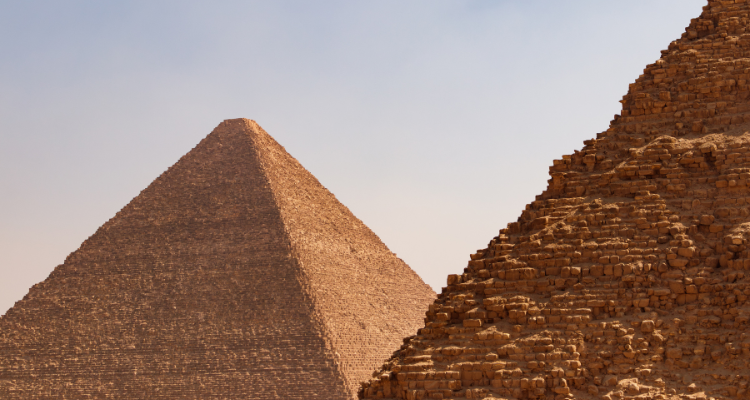
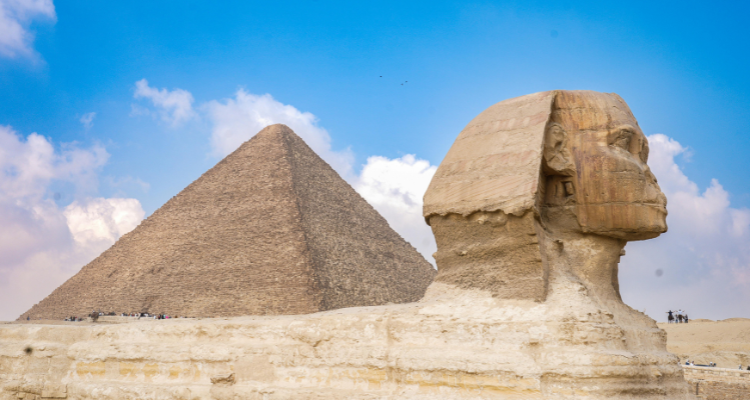
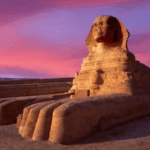
The journey begins in Cairo, home to the legendary Pyramids of Giza, the Great Sphinx, and some of the world’s finest collections of ancient Egyptian artefacts. It’s the perfect introduction to Egypt’s fascinating history while also giving visitors a chance to experience the energy of one of Africa’s largest cities.
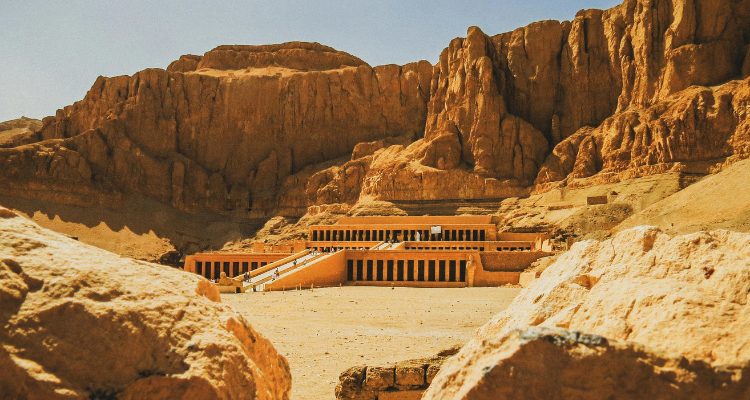
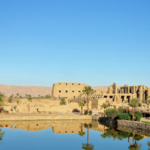
From Cairo, the route naturally continues south to Luxor, often described as the world’s greatest open-air museum. Here you’ll discover extraordinary archaeological treasures, including Karnak Temple, Luxor Temple, the Valley of the Kings, and the magnificent Mortuary Temple of Hatshepsut. Few destinations offer such an impressive concentration of ancient monuments in one place.
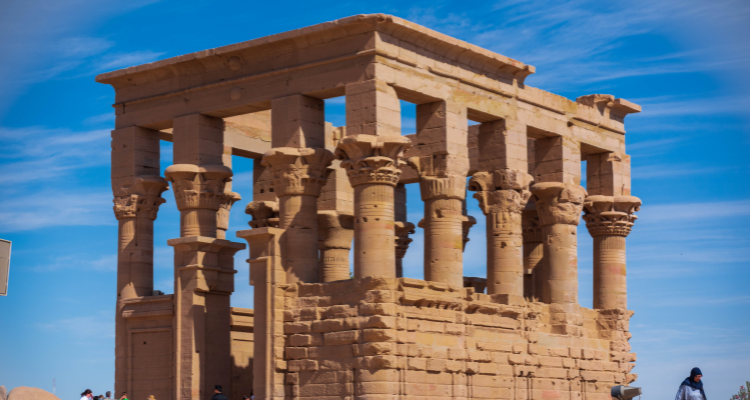
The final stop is Aswan, where the pace slows and the scenery changes dramatically. Known for its beautiful Nile views, Nubian culture, and landmarks such as Philae Temple, Aswan provides a relaxing conclusion to the journey. Many travellers also choose to visit the spectacular temples of Abu Simbel, one of Egypt’s most rewarding day trips.
Another reason this route remains so popular is its flexibility. You can travel between Luxor and Aswan by domestic flight, overland transport, or, for many travellers, the highlight of the trip: a Nile cruise that combines sightseeing with a relaxing journey along one of the world’s most famous rivers.
For first-time visitors looking for maximum highlight coverage without unnecessary backtracking, a Cairo Luxor Aswan itinerary offers the perfect introduction to Egypt. It follows a logical route, showcases the country’s most celebrated archaeological sites, and can easily be adapted to suit different trip lengths, travel styles, and budgets, making it the foundation of countless unforgettable Egyptian adventures.
How Many Days Do You Need?
One of the most common questions when planning a Cairo Luxor Aswan itinerary is how long to spend in Egypt. The answer depends on your travel style, budget, and how much time you want to dedicate to sightseeing versus relaxing. While it’s possible to see the highlights in a week, most travellers find that 10 days offers the best balance between exploring Egypt’s iconic attractions and travelling at a comfortable pace.
7 Days: A Highlights-Focused Itinerary
A seven-day itinerary is ideal if you’re limited on time and want to experience Egypt’s must-see landmarks. You’ll typically spend two to three days in Cairo before flying to Luxor, visiting the major temples and the Valley of the Kings, then continuing to Aswan for Philae Temple and perhaps a quick visit to Abu Simbel before returning home.
The trade-off is that you’ll spend a larger portion of your holiday in transit. Domestic flights, hotel check-ins, and transfers leave less time to fully appreciate each destination, and there is little flexibility if travel delays occur.
10 Days: The Most Popular Choice
For most visitors, a 10-day Cairo Luxor Aswan itinerary offers the ideal balance. It allows enough time to explore Cairo without rushing, discover Luxor’s remarkable archaeological sites, enjoy a relaxing Nile cruise or comfortable overland journey to Aswan, and include memorable experiences such as a sunrise hot-air balloon ride or a day trip to Abu Simbel.
With extra time built into the schedule, you’ll enjoy a more relaxed pace, spend less time packing and unpacking, and have greater flexibility to adjust plans if needed.
14 Days: A More Relaxed Egyptian Escape
If you have two weeks, you’ll be able to experience Egypt at a much slower pace. Along with Cairo, Luxor, and Aswan, you can comfortably add extra nights in Abu Simbel or unwind on the beautiful beaches of the Red Sea in destinations such as Hurghada or Marsa Alam. This longer itinerary also allows for additional museum visits, cultural experiences, and more free time to enjoy each destination without feeling rushed.
A longer itinerary is particularly appealing for travellers who prefer slower-paced holidays, families, or anyone wanting to combine Egypt’s ancient wonders with a relaxing beach escape.
Ultimately, there isn’t a single “perfect” length for a Cairo Luxor Aswan itinerary. Seven days lets you experience the highlights, 10 days provides the most comfortable and well-balanced journey, and 14 days offers the flexibility to slow down and discover even more of Egypt. The right choice depends on how you like to travel—but allowing a little extra time almost always leads to a more rewarding experience.
Cairo to Luxor: Route and Travel Options
Travelling from Cairo to Luxor is one of the key decisions when planning a Cairo Luxor Aswan itinerary. Fortunately, there are several ways to make the journey, each offering a different balance of time, comfort, and cost. Whether you prioritise convenience, budget, or the experience itself, choosing the right option will help set the pace for the rest of your Egyptian adventure.
Domestic Flight: The Fastest and Most Convenient
For most travellers, flying is the easiest way to travel between Cairo and Luxor. Domestic flights take around one hour, making them the quickest option and leaving you with more time to explore temples, museums, and other attractions instead of spending hours in transit.
Flights are especially worthwhile if you’re working with a seven or ten-day itinerary, where every sightseeing day counts. While airfare generally costs more than travelling by train, many visitors find the time savings well worth the additional expense.
Overnight Sleeper Train: Travel While You Sleep
The overnight sleeper train remains a popular choice for travellers looking to maximise their time while keeping transportation costs reasonable. By travelling overnight, you save the cost of a hotel stay and arrive in Luxor ready to begin exploring the following morning.
For many visitors, the journey itself becomes part of the adventure, offering a different perspective on Egypt beyond its famous monuments. However, comfort levels can vary depending on the train and cabin, so travellers should set realistic expectations. If a restful night’s sleep is your priority, a domestic flight may be the better option.
Continue the Journey by Nile Cruise
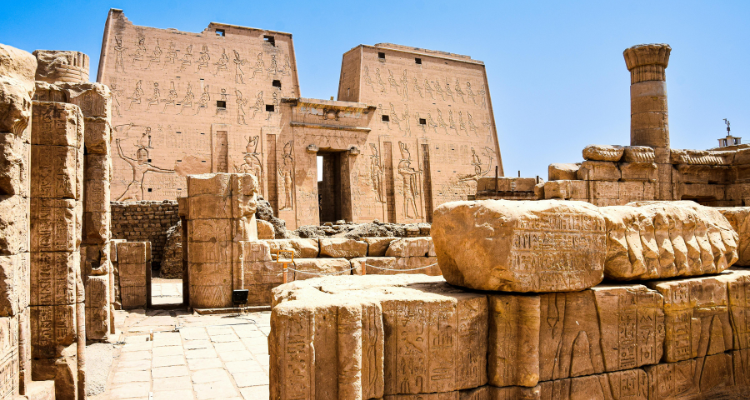
Many travellers choose to combine their visit to Luxor and Aswan with a Nile cruise, one of the highlights of any Cairo Luxor Aswan itinerary. Most itineraries begin with a flight from Cairo to Luxor, where passengers board a cruise ship and sail south toward Aswan while stopping at iconic sites such as Edfu and Kom Ombo along the way.
Although some extended Egypt itineraries include longer cruise options, the classic Luxor-to-Aswan cruise remains the most practical and popular way to experience the Nile, combining sightseeing, comfortable accommodation, and scenic river travel without repeated hotel changes.
Each transportation option has its advantages. Flights offer the greatest convenience and maximise sightseeing time, overnight sleeper trains provide a more budget-friendly journey and a memorable travel experience, while Nile cruises transform the journey itself into one of Egypt’s most unforgettable highlights. The best choice depends on your schedule, travel style, and budget.
If you’d like a more detailed comparison of transportation options, sightseeing stops, and suggested schedules, see our guide to Cairo to Luxor tour — route and highlights, which explores the journey in greater detail before you finalise your itinerary.
Building Your Itinerary Day by Day
A well-planned Cairo Luxor Aswan itinerary follows a logical route that minimises unnecessary travel while giving you enough time to experience Egypt’s most iconic attractions. Although every traveller has different interests and schedules, a 10-day itinerary offers the best balance between sightseeing and relaxation. Here’s what that journey typically looks like.
Days 1–3: Discover Cairo
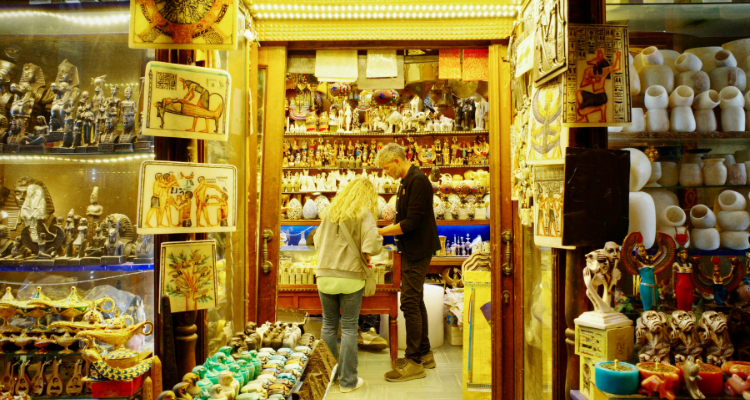
Begin your adventure in Cairo, where you’ll explore Egypt’s most famous landmarks. Visit the awe-inspiring Pyramids of Giza and the Great Sphinx, then spend time at the Egyptian Museum (or the Grand Egyptian Museum, depending on your travel dates) to admire priceless ancient treasures. Round out your stay by wandering through the historic streets of Islamic Cairo, browsing the bustling Khan el-Khalili Bazaar, or discovering the rich heritage of Coptic Cairo.
Day 4: Travel to Luxor
On Day 4, make your way south to Luxor by domestic flight or overnight sleeper train, depending on your itinerary and travel preferences. After arriving, settle into your hotel or board your Nile cruise if you’re continuing your journey by river.
Days 5–6: Explore Luxor’s Ancient Wonders
Spend the next two days discovering why Luxor is known as the world’s greatest open-air museum. Explore the impressive Karnak Temple and Luxor Temple on the East Bank before crossing the Nile to visit the Valley of the Kings, the Temple of Hatshepsut, and the Colossi of Memnon on the West Bank. If time allows, consider an early morning hot-air balloon ride for spectacular views over the Nile Valley.
Days 7–8: Journey to Aswan
Continue south toward Aswan, either aboard a relaxing Nile cruise or by road or rail if you prefer an overland journey. Along the way, many itineraries include visits to remarkable temples such as Edfu and Kom Ombo, adding even more ancient history to your journey while enjoying the scenic landscapes of the Nile.
Days 9–10: Experience Aswan and Abu Simbel
Finish your itinerary in the peaceful city of Aswan. Visit the beautiful Philae Temple, admire the engineering achievement of the High Dam, and enjoy a traditional felucca ride on the Nile. If your schedule allows, dedicate a day to visiting the spectacular Abu Simbel Temples, one of Egypt’s most iconic archaeological sites and a memorable way to conclude your trip.
This overview provides the basic framework for a classic Cairo Luxor Aswan itinerary, but every traveller’s schedule can be customised based on available time, interests, and travel style. For a complete daily breakdown, sightseeing suggestions, and practical planning tips, explore our detailed 10-day Egypt itinerary.
Luxor and Aswan: What to See
No Cairo Luxor Aswan itinerary is complete without exploring the remarkable temples and monuments that line the Nile between Luxor and Aswan, which are also some of the Best Places to visit in Egypt. Together, these two cities showcase some of ancient Egypt’s greatest architectural achievements. While many of the sites are well-equipped for visitors, it’s worth knowing in advance which attractions require more walking or climbing so you can plan a comfortable sightseeing schedule.
Luxor: Egypt’s Greatest Open-Air Museum
Luxor is home to an extraordinary collection of ancient monuments, many of which can be visited over two days.
Karnak Temple is the largest religious complex ever built and one of Egypt’s most impressive archaeological sites. Visitors can wander through towering columns, monumental gateways, and sacred lakes. Expect a fair amount of walking across mostly level stone pathways, although some surfaces can be uneven.
Just a few kilometres away, Luxor Temple offers a more compact and accessible experience. Located in the heart of the city, its wide walkways and relatively flat terrain make it one of the easier ancient sites to explore while still delivering spectacular architecture and beautifully preserved statues.
Across the Nile on the West Bank lies the legendary Valley of the Kings, where generations of pharaohs, including Tutankhamun, were buried. Reaching the tomb entrances involves walking through an open valley, and several tombs require visitors to descend and climb steep staircases or ramps. While not every tomb presents the same level of difficulty, travellers with mobility concerns may prefer to visit only the more accessible chambers.
Nearby, the magnificent Mortuary Temple of Hatshepsut rises dramatically against towering limestone cliffs. Although much of the site is accessible via gently sloping ramps and spacious terraces, visitors should still expect moderate walking between different sections of the temple complex.
Aswan: Temples, Nile Views, and Nubian Culture
After the grandeur of Luxor, Aswan offers a more relaxed pace while remaining rich in history and culture.
One of the city’s highlights is Philae Temple, beautifully situated on an island in the Nile and reached by a short boat ride. Once on the island, visitors can explore the temple using relatively level pathways, making it one of the more comfortable archaeological sites on a Cairo Luxor Aswan itinerary.
Another fascinating stop is the Unfinished Obelisk, where visitors can see how enormous obelisks were carved directly from solid granite thousands of years ago. The site involves walking across uneven rocky ground, so supportive footwear is recommended.
No visit to Aswan is complete without considering a day trip to Abu Simbel. Although the journey begins early, the reward is one of Egypt’s most breathtaking temple complexes. Visitors should expect some walking from the parking area to the temples, but the paths are generally wide and manageable for most travellers.
For a different perspective on southern Egypt, many visitors also enjoy a trip to a traditional Nubian village. These visits offer a slower pace and an opportunity to experience local culture, colourful riverside homes, traditional cuisine, and warm hospitality, providing a refreshing contrast to Egypt’s monumental archaeological sites.
Every traveller’s mobility level is different, and that’s perfectly okay. Some attractions, such as the Valley of the Kings and the Unfinished Obelisk, involve more walking, stairs, or uneven terrain than others, while sites like Luxor Temple and Philae Temple are generally easier to explore at a comfortable pace. Understanding these differences allows you to plan a more enjoyable itinerary without unexpected surprises.
If you’d like a closer look at each archaeological site, including historical background and visitor tips, explore our guide to the key temples to visit in Luxor and Aswan, where you’ll find a detailed overview of Egypt’s most remarkable ancient monuments.
Practical Tips for Planning This Trip
A well-planned Cairo Luxor Aswan itinerary is about more than choosing which temples to visit. Taking care of a few practical details before you depart can make your journey far more comfortable, allowing you to focus on enjoying Egypt’s incredible history rather than dealing with avoidable travel hiccups.
Check Your Visa Requirements
Most international visitors need a tourist visa to enter Egypt. Depending on your nationality, you may be able to obtain a visa on arrival at major international airports or apply for an e-Visa before departure. Since entry requirements can change, it’s always a good idea to check the latest regulations before you travel and ensure your passport remains valid for the required period.
Dress for the Climate and Cultural Sites
Egypt enjoys sunshine throughout much of the year, so lightweight, breathable clothing is essential. Natural fabrics such as cotton or linen help keep you comfortable during long days of sightseeing, particularly between October and April, when many travellers choose to visit, as it is also the Best Time to visit Egypt.
Although Egypt is welcoming to international visitors, modest clothing is appreciated when visiting religious and historical sites. Tops that cover the shoulders, lightweight trousers or longer skirts, comfortable walking shoes, a wide-brimmed hat, sunglasses, and high-SPF sunscreen will help you stay comfortable while exploring outdoor attractions like the Pyramids of Giza, Karnak Temple, and the Valley of the Kings.
Carry Local Currency and Understand Tipping
The local currency is the Egyptian Pound (EGP), and while credit cards are widely accepted at larger hotels and restaurants, carrying some cash is useful for small purchases, local markets, and tipping.
Tipping—or baksheesh—is a normal part of everyday life in Egypt. Small gratuities are customary for guides, drivers, hotel staff, cruise crews, and other service providers, so keeping smaller denomination notes readily available makes the process easier throughout your trip.
Stay Connected
Reliable internet access makes navigating your Cairo Luxor Aswan itinerary much easier. Purchasing a local SIM card at the airport or activating an international eSIM before departure provides affordable mobile data for maps, messaging, ride-hailing apps, and staying in touch with family throughout your journey.
Packing for a Nile Cruise
If your itinerary includes a Nile cruise, your packing list may differ slightly from a standard hotel-based holiday. Air-conditioned cabins can feel cool after spending time in the Egyptian sun, so it’s worth packing a light sweater or jacket for evenings onboard. Many cruise ships also offer welcome dinners or evening entertainment, making smart-casual outfits a useful addition to your suitcase alongside comfortable sightseeing clothes.
For a complete checklist of everything to bring, including clothing, footwear, travel essentials, and cruise-specific recommendations, see our Nile cruise packing list. Preparing ahead ensures you’ll be ready for every stage of your Egyptian adventure, from exploring ancient temples to relaxing on the Nile.
What Does This Itinerary Cost?
The cost of a Cairo Luxor Aswan itinerary can vary considerably depending on your travel style, accommodation preferences, and whether you book a guided tour or plan everything independently. Rather than focusing on a single price, it’s more useful to understand the factors that have the biggest impact on your overall budget.
Transportation Between Cities
One of the first cost considerations is how you travel between Cairo, Luxor, and Aswan. Domestic flights are the fastest option and allow you to maximise sightseeing time, but they generally cost more than travelling by overnight sleeper train. Travellers who choose a Nile cruise between Luxor and Aswan often bundle transportation, accommodation, and some sightseeing into one package, which can offer good overall value.
Guided Tour vs. Independent Travel
Whether you join a guided tour or organise the trip yourself is another major factor affecting the total cost. A guided tour typically includes accommodation, transportation, many meals, sightseeing, and the services of an experienced guide, making budgeting simpler and reducing the need to arrange each component separately.
Independent travellers have greater flexibility and can customise every aspect of the journey, but they should budget separately for hotels, transportation, attraction tickets, guides, and transfers. While travelling independently can sometimes reduce costs, careful planning is essential to avoid unexpected expenses.
Entrance Fees Add Up
Egypt’s world-famous archaeological sites generally charge individual entrance fees, so it’s important to include these in your travel budget. Major attractions such as the Pyramids of Giza, Karnak Temple, Luxor Temple, Valley of the Kings, Philae Temple, and Abu Simbel each have separate admission charges, with some sites offering optional tickets for special tombs or exhibits.
If you’re purchasing a guided tour, check carefully which entrance fees are included and which are payable locally to avoid surprises during your trip.
Nile Cruise Cabin Category
If your Cairo Luxor Aswan itinerary includes a Nile cruise, your choice of cabin and cruise category will also influence the overall price. Standard cabins offer excellent comfort for most travellers, while premium ships may include upgraded amenities, larger cabins, enhanced dining, and additional onboard services. Selecting the right cruise depends on your preferred balance of comfort, experience, and budget.
Focus on Overall Value
When comparing different itineraries, don’t base your decision solely on the headline price. Consider what’s included—such as hotel quality, internal transportation, guided sightseeing, meals, entrance fees, and cruise accommodation—to determine the true value of each package. A slightly higher-priced itinerary may include services that would otherwise become additional out-of-pocket expenses.
For the latest pricing guidance, seasonal trends, and a detailed breakdown of expenses, read our guide on how much this Egypt itinerary costs. It provides up-to-date information to help you budget confidently and choose the itinerary that offers the best value for your travel style.
Frequently Asked Questions
How many days do I need for a Cairo, Luxor and Aswan itinerary?
Most travellers need 7–10 days to experience the highlights of a classic Cairo Luxor Aswan itinerary. A seven-day trip covers the major attractions at a faster pace, while a 10 day Egypt Itinerary, is the most popular choice, allowing extra time for a Nile cruise, additional sightseeing, and a more relaxed schedule. If you have two weeks, you can comfortably add destinations like Abu Simbel or the Red Sea.
What’s the best way to travel from Cairo to Luxor?
A domestic flight is the fastest option, taking around one hour and giving you more time for sightseeing. An overnight sleeper train is a budget-friendly alternative that also saves the cost of one night’s accommodation. Some longer itineraries also incorporate a Nile cruise after arriving in Luxor, combining transportation with sightseeing along the river.
Should I take a Nile cruise or travel overland between Luxor and Aswan?
A Nile cruise is the preferred option for many travellers because it combines transportation with visits to remarkable sites such as Edfu and Kom Ombo, while providing comfortable accommodation along the way. Travelling overland by road or rail is generally quicker, but you’ll need to arrange visits to these attractions separately if you don’t want to miss them.
What are the must-see temples in Luxor and Aswan?
In Luxor, the highlights include Karnak Temple, Luxor Temple, the Valley of the Kings, and Hatshepsut’s Mortuary Temple. In Aswan, don’t miss Philae Temple, and if time allows, take a day trip to the magnificent Abu Simbel. For a more detailed overview of each site, including what to prioritise if you’re short on time, explore our guide to the key temples in Egypt.
What should I pack for a Nile cruise?
Pack lightweight, breathable clothing for Egypt’s warm climate, along with modest attire for visiting temples and religious sites. Comfortable walking shoes are essential for archaeological sites, while a light sweater or jacket is useful for air-conditioned cabins and cooler evenings onboard. Smart-casual clothing is also recommended for dinner and evening entertainment. For a complete checklist, see our Nile cruise packing list.
How much does a Cairo, Luxor and Aswan itinerary cost?
The cost depends on several factors, including your accommodation standard, transportation choices, whether you book a guided tour or travel independently, and whether your itinerary includes a Nile cruise. Entrance fees for major attractions are also an important part of the budget. For the latest pricing and a detailed breakdown by travel style, read our guide on how much this Egypt itinerary costs
Can I plan this itinerary independently, or should I book a guided tour?
It’s entirely possible to plan a Cairo Luxor Aswan itinerary independently, but it requires coordinating domestic flights or trains, hotel bookings, Nile cruise reservations, transfers, and attraction tickets. A guided tour simplifies the experience by organising all logistics, while also providing knowledgeable Egyptologist guides who add valuable historical context at each site. For many first-time visitors, guided travel offers a more seamless and stress-free way to explore Egypt.
Ready to Book Your Cairo, Luxor and Aswan Tour?
Planning a Cairo Luxor Aswan itinerary takes time. From deciding how many days to spend in each destination and choosing between flights, trains, or a Nile cruise to budgeting for entrance fees and selecting the right hotels, there are plenty of moving parts to coordinate. By now, you’ve done the research—you know the route, the must-see attractions, and what to expect along the way.
The good news? You don’t have to manage all those details yourself.
Every Indus guided itinerary is designed to take the stress out of planning, with carefully timed sightseeing, comfortable accommodations, experienced Egyptologist guides, seamless transportation, and optional Nile cruise experiences already built into the journey. That means you can spend less time organising logistics and more time enjoying the Pyramids, the temples of Luxor, and the timeless beauty of the Nile. Planned out the route, now skip the logistics?
Book your Cairo, Luxor and Aswan guided tour
and let us at Indus Travels, handle everything else.
 Toll Free (USA & Canada) +1 866 978 2997