From the Pyramids to the Valley of the Kings: The Best Cairo to Luxor Tours
Egypt is a destination of superlatives, and nowhere is that more apparent than on the journey between Cairo and Luxor. This route connects the country’s modern capital and the home of the Great Pyramids with Luxor, the ancient city of Thebes and one of the world’s most extraordinary archaeological destinations. For many travelers, Cairo to Luxor tours form the backbone of an Egypt itinerary, which are an quintessential part of these Egypt Tour packages from the USA and Canada, bringing together iconic monuments, fascinating history, and unforgettable Nile landscapes.
Whether you’re deciding between a flight and a sleeper train, planning how many days to spend in Luxor, or wondering whether a guided tour is worth it, this guide will walk you through everything you need to know before embarking on one of Egypt’s most rewarding journeys.
Cairo to Luxor — The Essential Egypt Route
Located approximately 670 kilometers south of Cairo, Luxor sits along the fertile Nile Valley and represents the ceremonial and spiritual heart of ancient Egypt. Historically, this corridor connected the great northern capital of Memphis, near modern Cairo, with Thebes, the powerful southern capital known today as Luxor.
Almost every Egypt itinerary includes both cities because together they tell the complete story of ancient Egyptian civilization.
Cairo is energetic, sprawling, and constantly moving. It is home to over 20 million people and is anchored by the world-famous Giza Plateau, where the Great Pyramids and Sphinx continue to captivate visitors from around the globe.
Luxor offers a completely different atmosphere. The pace is slower, the city is smaller, and nearly every corner reveals a connection to Egypt’s pharaonic past. Split between the East and West Banks of the Nile, Luxor is defined by colossal temples, royal tombs, and archaeological treasures unlike anywhere else on Earth.
Experience both destinations and you will understand why this route remains the essential Egypt journey.
How to Get from Cairo to Luxor
One of the first questions travelers ask when planning Cairo to Luxor travel is simple: what’s the best way to get there? Fortunately, there are several options available depending on your budget, travel style, and schedule. For most visitors, the decision comes down to the Cairo to Luxor train versus a domestic flight, although private transfers and guided tour transportation are also popular choices.
Option
Duration
Est. Cost
Notes
Overnight Train
~10–12 hrs
$40–$100 (sleeper)
Scenic, budget-friendly, classic Egypt experience. Book 1st-class sleeper. Limited English support.
Domestic Flight
~1 hr
$50–$180
Fastest option. EgyptAir operates multiple daily flights. Book ahead during peak season.
Private Road Transfer
~6–7 hrs
$150–$300 (vehicle)
Flexible option with potential stops at Abydos and Dendera temples.
Guided Tour Transport
Varies
Included in package
Guides handle logistics, transfers, and schedules. Most convenient option.
The Overnight Train Experience
The Cairo to Luxor train remains one of Egypt’s most iconic travel experiences. Operated by Abela Egypt, the overnight sleeper train allows travelers to leave Cairo in the evening and wake up in Upper Egypt the next morning.
That said, expectations should be realistic. While some travelers love the nostalgic atmosphere, desert scenery, and budget-friendly pricing, others find delays, aging cabins, and inconsistent service frustrating. If you choose this option, arrive at Cairo Railway Station early, bring snacks and bottled water, and avoid scheduling activities immediately after arrival.
For adventurous travelers, it’s a memorable experience. For those prioritizing comfort and efficiency, other options may be better.
Flying from Cairo to Luxor
For most first-time visitors, flying is the easiest and most practical solution. Multiple daily flights connect Cairo International Airport with Luxor International Airport, and the journey takes just over an hour.
Prices are often surprisingly reasonable, particularly when booked several weeks in advance. Travelers aged 60+ generally find flying significantly more comfortable than the overnight train, especially when working within a limited itinerary.
Private Road Transfers
A private transfer offers flexibility that neither trains nor flights can provide. The drive takes approximately six to seven hours, but travelers can stop at lesser-visited sites such as Abydos and Dendera along the way.
This option is ideal for photographers, history enthusiasts, and travelers who want to experience more of Egypt between the major destinations.
Why Many Travelers Choose a Guided Tour
One of the biggest advantages of guided Egypt tours is that transportation logistics disappear entirely. There’s no need to compare schedules, navigate railway stations, arrange transfers, or coordinate baggage between destinations.
Many visitors underestimate how complicated Egypt’s transport network can feel when arriving for the first time. Guided tours handle flights, transfers, hotel check-ins, and site visits seamlessly, allowing travelers to focus entirely on the experience.
After the energy and intensity of Cairo, arriving in Luxor often feels like stepping into a different Egypt. While Cairo overwhelms with its size and constant activity, Luxor is far easier to navigate and significantly more relaxed. Despite being home to some of the world’s most important archaeological sites, the city itself is surprisingly compact.
Most visitors quickly discover that Luxor revolves around the Nile. The river divides the city into two distinct areas: the East Bank, where people live and modern Luxor thrives, and the West Bank, home to the ancient necropolis where pharaohs were buried thousands of years ago.
Understanding this layout before arrival makes exploring the city much easier.
East Bank: The Living City
The East Bank serves as Luxor’s modern center and is where most hotels, restaurants, and shops are located. It is also home to some of Egypt’s most famous temple complexes.
Luxor Temple
Located in the heart of the city, Luxor Temple is unique because it sits among modern streets, cafes, and hotels. Unlike many Egyptian monuments isolated in the desert, this temple feels woven into everyday life. It becomes especially spectacular after sunset when illuminated against the night sky.
Karnak Temple Complex
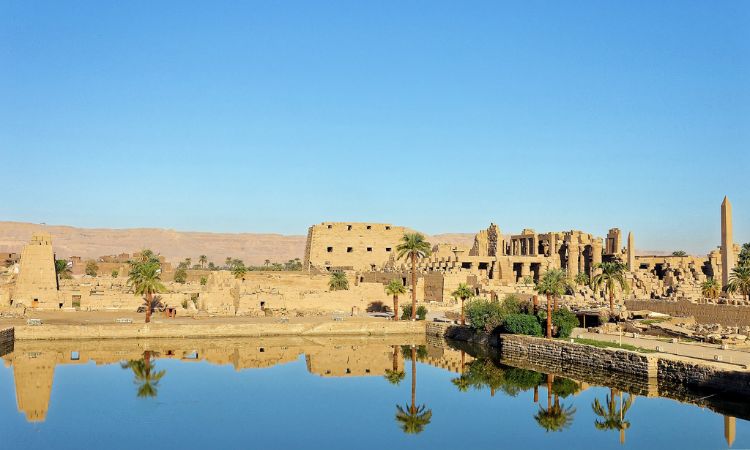
Located approximately 3 kilometers north of Luxor Temple, Karnak is the largest religious complex ever built. Most visitors spend two to three hours exploring its colossal columns, obelisks, and sacred precincts.
Luxor Museum
Smaller than Cairo’s Egyptian Museum but beautifully curated, Luxor Museum offers a quieter and more focused experience. Many travelers consider it one of Egypt’s most underrated museums.
The Nile Corniche
Stretching along the riverfront, the Corniche is perfect for an evening walk. Traditional feluccas drift past as locals and visitors gather to enjoy views of the Nile at sunset. There are a few must-visit temples along the Nile in Luxor.
West Bank: The City of the Dead
While the East Bank represents life, the West Bank was dedicated to death and the afterlife. This side of the Nile contains the tombs, temples, and burial sites that have made Luxor famous around the world.
Here you’ll find:
Valley of the Kings
Valley of the Queens
Temple of Hatshepsut
Colossi of Memnon
Deir el-Medina
Most travelers dedicate an entire day—sometimes two—to exploring the West Bank properly.
Crossing the Nile
Getting between the two sides of Luxor is straightforward. Several options are available:
Public passenger ferry
Traditional felucca sailboats
Private motorboats
Tour-operated transfers
The crossing typically takes between 5 and 10 minutes and offers excellent views of both riverbanks. Many travelers find the ferry ride itself becomes one of their favorite memories of Luxor.
Climate: Be Prepared for the Heat
Luxor sits in Upper Egypt and experiences significantly higher temperatures than Cairo.
October to March: Ideal weather for sightseeing.
April and September: Warm but manageable.
May to August: Extremely hot, with temperatures frequently exceeding 40°C (104°F).
During summer months, early morning site visits are essential. Many travelers start touring at sunrise, return to their hotel during midday heat, and resume sightseeing later in the afternoon. Wondering what to pack for your Nile cruise? Pack lightweight clothing, comfortable walking shoes, sun protection, a light jacket for evenings, and a camera to capture the Nile’s timeless beauty.
Crowd Levels and Best Visiting Times
Luxor’s major attractions become busiest between 9:00 AM and 2:00 PM, especially during peak travel season.
For the best experience:
Visit Karnak Temple immediately after opening.
Enter the Valley of the Kings early in the morning.
Explore Luxor Temple at sunset or after dark.
Schedule outdoor activities before temperatures rise.
Travelers who start their days early are rewarded with cooler temperatures, better photography conditions, and significantly smaller crowds. In a city filled with ancient wonders, timing can make all the difference.
Top Luxor Highlights — East Bank
When travelers think about things to do in Luxor Egypt, the East Bank is often where the journey begins, as it is home to some of the Best Places to visit in Egypt. Home to some of the country’s most impressive monuments, this side of the Nile showcases the grandeur, power, and religious significance of ancient Egypt. The East Bank can comfortably fill a full day, although history enthusiasts may want even longer.
Karnak Temple Complex
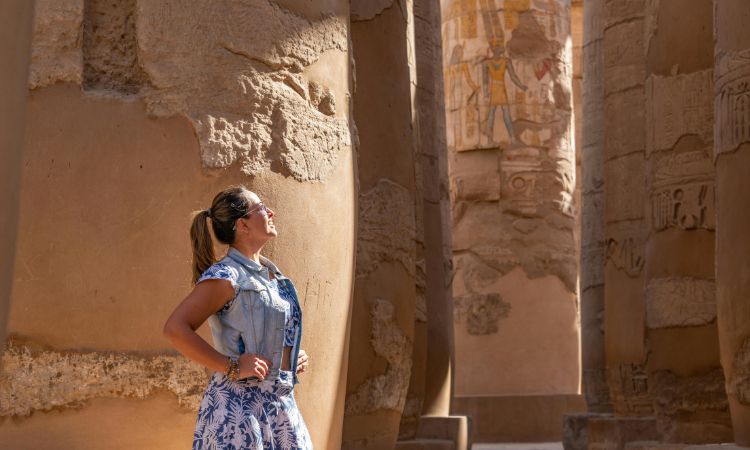
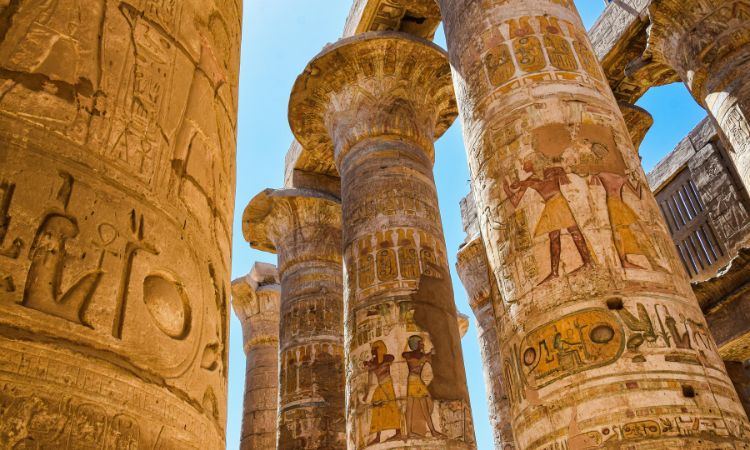
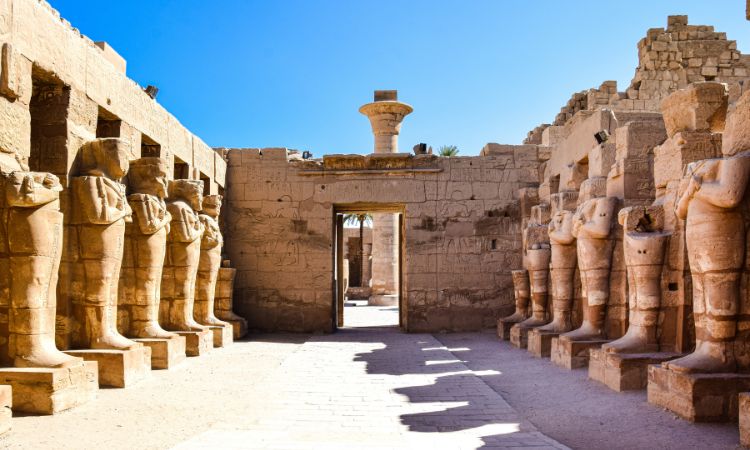
No visit to Luxor is complete without experiencing Karnak Temple Complex. Covering more than 200 acres, it is the largest religious site ever constructed and one of Egypt’s most visited attractions after the Pyramids of Giza.
Its most famous feature is the breathtaking Hypostyle Hall, where 134 massive sandstone columns tower overhead, some reaching heights of 23 meters. Construction continued here for nearly 2,000 years, meaning generations of pharaohs left their mark on the complex. Allow at least two to three hours to explore properly, and arrive early to avoid both the crowds and the heat.
Luxor Temple
Unlike most ancient Egyptian temples, Luxor Temple sits right in the heart of the modern city. This remarkable setting creates a unique contrast between ancient and contemporary Egypt.
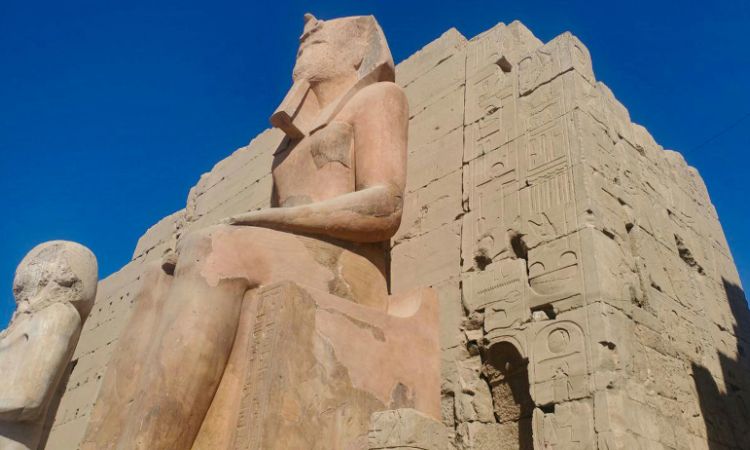
Built primarily by Amenhotep III and expanded by Ramses II, the temple played a central role in religious festivals and royal ceremonies. While impressive during the day, Luxor Temple truly shines after sunset when carefully designed lighting transforms its columns, statues, and gateways into one of Egypt’s most magical nighttime experiences. These are must-visit temples along the Nile in Luxor.
Luxor Museum
Overshadowed by larger museums in Cairo, Luxor Museum remains one of Egypt’s hidden gems. The collection is smaller but exceptionally curated, allowing visitors to appreciate artifacts without feeling overwhelmed.
Highlights include beautifully preserved New Kingdom statues, royal mummies, and artifacts linked to Tutankhamun’s era. The museum provides valuable context before or after visiting the surrounding temples and tombs.
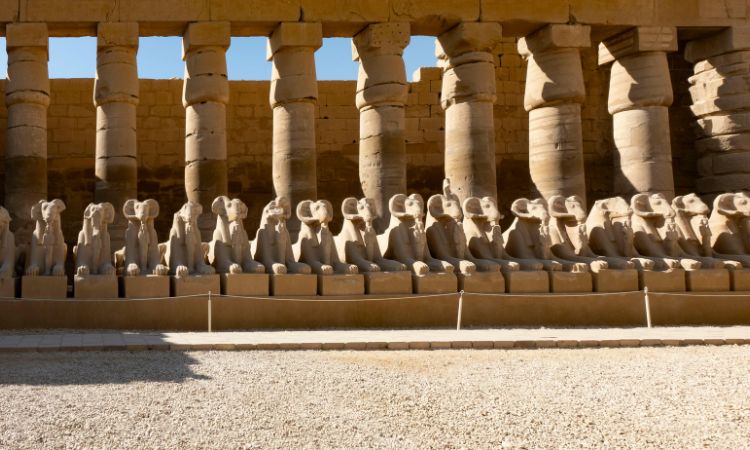
Avenue of Sphinxes
Recently restored and reopened to visitors, the Avenue of Sphinxes stretches approximately 2.7 kilometers between Karnak Temple and Luxor Temple.
Lined with more than 1,000 sphinx statues, this ancient ceremonial road once hosted religious processions connecting the two sacred complexes. Walking along the avenue offers a fascinating glimpse into how ancient Egyptians experienced their most important religious celebrations. Early evening is the ideal time to visit when temperatures begin to cool and the golden light creates stunning photo opportunities.
For travelers interested in Luxor Egypt temples, the East Bank delivers some of the most impressive archaeological sites in the country. Together, these monuments reveal the scale, ambition, and spiritual importance of ancient Thebes, helping visitors understand why Luxor earned its reputation as one of the world’s greatest historical destinations.
Top Luxor Highlights — West Bank
If the East Bank celebrates life, the West Bank is devoted to the afterlife. This is where Egypt’s pharaohs prepared for eternity, constructing elaborate tombs and mortuary temples designed to preserve their legacy for thousands of years. Today, the West Bank remains one of the most fascinating archaeological regions in the world and is often the highlight of many Cairo to Luxor tours.
Most visitors dedicate an entire day to exploring the area, although history lovers could easily spend two or three days uncovering its secrets.
Valley of the Kings
The Valley of the Kings is Luxor’s most famous archaeological site and one of Egypt’s greatest treasures. Hidden among desert cliffs, this royal burial ground contains more than 60 tombs belonging to pharaohs of the New Kingdom period.
The most famous tomb belongs to King Tutankhamun, whose nearly intact burial chamber was discovered by Howard Carter in 1922. While King Tut’s tomb attracts significant attention, many visitors find the vividly painted tombs of Ramses III, Seti I, and Ramses VI equally impressive.
Each tomb reveals intricate artwork depicting the pharaoh’s journey into the afterlife, and the preservation of these paintings continues to amaze visitors today.
Valley of the Queens
Less crowded but equally fascinating, the Valley of the Queens served as the burial place for royal wives, princes, and princesses.
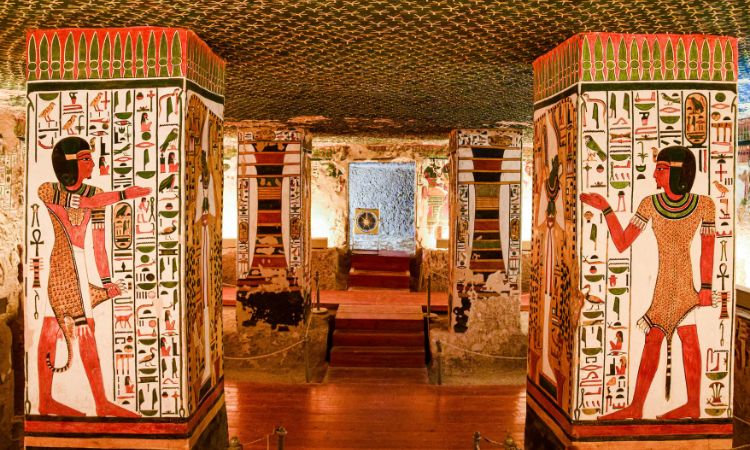
Its greatest treasure is the Tomb of Queen Nefertari, often described as the most beautiful tomb in Egypt. The vibrant colors and exquisite artwork are considered masterpieces of ancient Egyptian art. Access is limited and requires a separate ticket, but many travelers consider it one of the most worthwhile upgrades in Luxor.
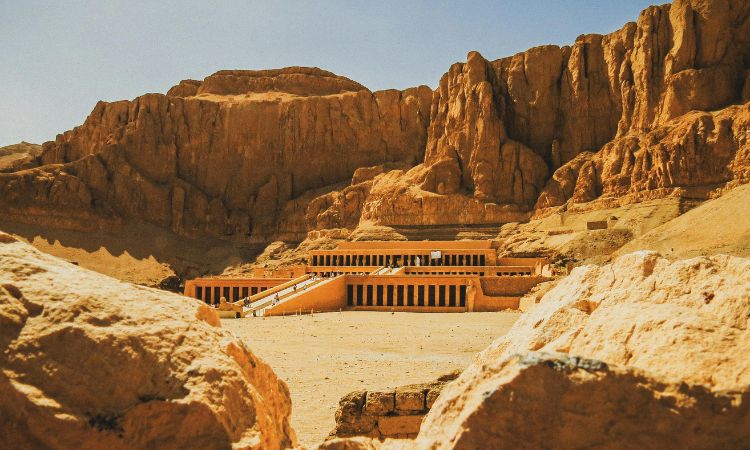
Temple of Hatshepsut
Built dramatically against towering limestone cliffs, the Temple of Hatshepsut is one of Egypt’s most recognizable monuments.
Hatshepsut was one of the few female pharaohs in Egyptian history, and her mortuary temple reflects her ambition and influence. Its unique terraced design stands apart from other temples in Egypt and showcases remarkable architectural innovation.
The setting alone is breathtaking, especially in the early morning light when the surrounding cliffs glow golden against the desert landscape.
Colossi of Memnon
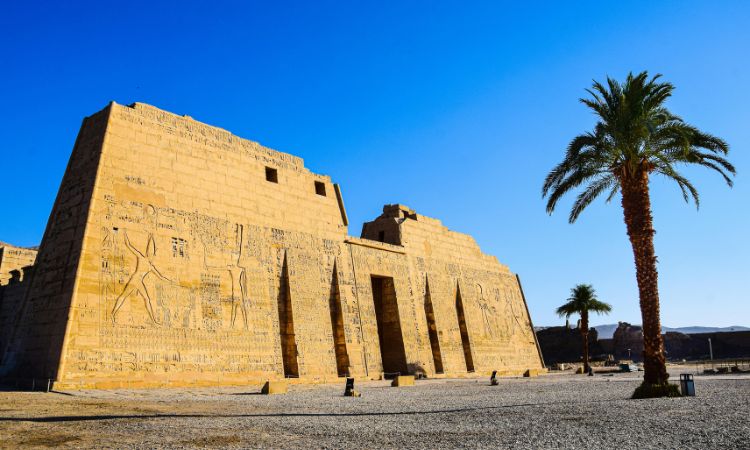
Standing guard over the West Bank for more than 3,400 years, the Colossi of Memnon are two massive stone statues of Pharaoh Amenhotep III.
Although they are all that remains of a once-enormous temple complex, these statues remain one of Luxor’s most photographed landmarks. Most tours stop here briefly on the way to the Valley of the Kings, making them an easy addition to any West Bank itinerary.
Deir el-Medina
Often overlooked by first-time visitors, Deir el-Medina offers one of the most intimate glimpses into daily life in ancient Egypt.
This village was home to the skilled craftsmen and artisans responsible for building and decorating the royal tombs. Unlike the grand monuments dedicated to kings and queens, Deir el-Medina reveals how ordinary workers lived, worshipped, and raised families.
For travelers seeking a deeper understanding of ancient Egyptian society, this site provides insights that many of Luxor’s larger attractions cannot.
Why a Guide Makes a Difference Here
The West Bank is where a knowledgeable guide truly adds value. Without context, visitors may see beautiful tombs and impressive ruins. With expert interpretation, the stories behind the artwork, symbolism, burial practices, and political history come alive.
A guide can explain why certain tombs are better preserved, which chambers deserve extra attention, and how ancient Egyptians viewed death and the afterlife. These insights transform a sightseeing visit into a much richer and more meaningful experience.
For many travelers, the West Bank isn’t just the highlight of Luxor—it’s the highlight of their entire Egypt journey.
How Many Days Should You Spend in Luxor?
One of the most common questions travelers ask while planning a Cairo Luxor itinerary is how much time they should allocate to Luxor. The answer depends on your interests, travel pace, and whether you’re visiting independently or as part of a guided Egypt tour.
While some travelers attempt a rushed visit, Luxor rewards those who slow down and give its extraordinary historical sites the time they deserve.
The Minimum: One Full Day
If your schedule is tight, one full day allows you to see Luxor’s most famous highlights.
A typical day would include:
Karnak Temple
Luxor Temple
Valley of the Kings
Temple of Hatshepsut
Colossi of Memnon
While this itinerary covers the essentials, it can feel quite fast-paced, particularly during warmer months. You’ll see the major attractions, but you may not have much time to truly absorb their significance.
This approach works best for travelers combining Luxor with a Nile cruise and multiple destinations across Egypt.
The Ideal Stay: Two to Three Days
For most first-time visitors, two to three days in Luxor is ideal.
This timeframe allows you to:
Explore both the East and West Banks comfortably.
Visit lesser-known sites such as Deir el-Medina.
Spend more time inside the Valley of the Kings.
Experience Luxor Temple after dark.
Enjoy a felucca ride or sunset along the Nile.
Visit museums and local markets without rushing.
A slower pace also helps travelers avoid sightseeing fatigue. Egypt’s monuments are extraordinary, but they are also incredibly rich in detail. Having additional time allows you to appreciate the stories, artwork, and history behind each site.
For History Enthusiasts: Four Days or More
Travelers with a deep interest in archaeology or ancient history could easily spend four or more days in Luxor.
Additional experiences might include:
Tomb of Nefertari in the Valley of the Queens
Abydos Temple day trip
Dendera Temple excursion
Hot-air balloon flight over the West Bank
Extended exploration of Karnak’s lesser-visited areas
Many Egypt specialists consider Luxor one of the greatest open-air museums in the world, and history lovers often find themselves wishing they had allocated more time.
Can You Do Luxor as a Day Trip from Cairo?
Technically, yes.
Several operators offer a Luxor day trip from Cairo, usually involving an early morning flight and a late evening return. These tours typically include Karnak Temple, the Valley of the Kings, and the Temple of Hatshepsut.
However, while possible, it’s not generally recommended.
The long day, airport transfers, and limited sightseeing time mean you’ll spend more time rushing than truly experiencing Luxor. Given the city’s importance and the effort required to reach it, most travelers find that at least one overnight stay delivers a much more rewarding experience.
How Guided Tours Structure Luxor
Most Egypt Nile tours and guided itineraries allocate two nights in Luxor or combine the city with a Nile cruise departure.
This structure provides several advantages:
Time to visit both East and West Bank attractions.
Early access to major sites before crowds arrive.
Seamless coordination of transportation and accommodations.
Opportunity to experience Luxor at different times of day.
Many travelers discover that Luxor becomes one of the most memorable parts of their Egypt journey, and the extra time allows them to appreciate its significance without feeling rushed.
For most visitors, the sweet spot is simple: two to three days offers the perfect balance between sightseeing, comfort, and immersion.
Cairo to Luxor Train vs Flight: Which Is Better?
One of the biggest decisions travelers face when planning Cairo to Luxor travel is whether to take the train or fly. Both options are popular, and each offers distinct advantages depending on your budget, schedule, and travel style.
For some visitors, the overnight train feels like a classic Egyptian adventure. For others, a quick domestic flight is the clear winner. Here’s how they compare.
Choose the Train If…
The overnight sleeper train appeals to travelers who enjoy slow travel and want to maximize sightseeing time without spending an extra day in transit.
Pros of the Cairo to Luxor Train
Lower cost than many flights.
Saves on a hotel night.
Scenic views of rural Egypt and the Nile Valley.
Unique travel experience that’s part of the adventure.
Convenient city-center departures and arrivals.
Cons of the Cairo to Luxor Train
Journey takes approximately 10–12 hours.
Delays can occur.
Cabins are comfortable but not luxurious.
Sleep quality varies depending on the traveler.
Limited flexibility compared to multiple daily flights.
The train works best for travelers who enjoy the journey as much as the destination and don’t mind sacrificing some comfort for the experience.
Choose the Flight If…
For most first-time visitors, flying is the most practical and efficient choice.
Pros of Flying
Flight time is approximately one hour.
Multiple daily departures.
More comfortable for travelers with limited vacation time.
Easier for older travelers or those with mobility concerns.
Maximizes sightseeing opportunities in both Cairo and Luxor.
Cons of Flying
Higher cost during peak seasons.
Airport transfers add additional travel time.
Less opportunity to see Egypt’s countryside.
Despite the extra expense, many travelers feel the time savings alone justify the cost.
Which Option Do Most Guided Tours Use?
Many organized Egypt itineraries include domestic flights because they allow travelers to spend more time at attractions and less time in transit.
A typical guided itinerary may include:
Cairo sightseeing and pyramids.
Domestic flight to Luxor.
Luxor temple visits.
Nile cruise from Luxor to Aswan.
Return flight or onward connections.
This approach reduces travel fatigue while ensuring travelers experience the country’s major highlights efficiently.
The Verdict
For travelers focused on comfort and maximizing vacation time, flying is generally the best option.
For travelers seeking a more immersive and budget-conscious experience, the Cairo to Luxor train remains a memorable alternative.
The good news is that neither choice is wrong. Both routes ultimately lead to Luxor’s extraordinary temples, royal tombs, and ancient treasures. The best option simply depends on how you prefer to travel.
For travelers booking Cairo to Luxor tours, transportation is often handled automatically, eliminating the need to compare schedules, book tickets, or coordinate transfers altogether. That convenience alone is one reason many visitors choose a guided Egypt experience.
Is a Guided Egypt Tour Worth It?
Many travelers planning their first trip to Egypt eventually ask the same question: should you explore independently or join a guided tour?
The honest answer is that Egypt can absolutely be explored on your own. Domestic flights are readily available, major attractions are well-known, and navigation apps make getting around easier than ever. However, Egypt is also a destination where local expertise can dramatically enhance the experience.
For travelers considering Cairo to Luxor tours, the value of a guided journey often goes far beyond simple transportation.
The DIY Experience
Independent travel offers flexibility and freedom. You can spend as much time as you like at attractions, choose your own hotels, and build a completely customized itinerary.
Advantages of Independent Travel
Full control over your schedule.
Opportunity to travel at your own pace.
Potential cost savings for experienced travelers.
Flexibility to make last-minute changes.
Challenges of Independent Travel
Coordinating domestic flights, trains, and transfers.
Managing hotel check-ins and transportation logistics.
Navigating language barriers in some areas.
Researching opening hours, ticketing systems, and site regulations.
Understanding the historical significance of monuments without expert interpretation.
Many travelers underestimate how much planning is required when moving between multiple Egyptian destinations.
What a Guided Tour Adds
The greatest advantage of a guided Egypt tour is simplicity.
Instead of worrying about logistics, travelers can focus entirely on the experience.
A quality guide doesn’t just show you where to go—they explain why it matters.
Standing inside the Valley of the Kings is impressive. Understanding the symbolism painted across the tomb walls makes the experience unforgettable.
Walking through Karnak Temple is awe-inspiring. Learning how generations of pharaohs expanded the complex over nearly two millennia brings the ruins to life.
These layers of context are often what transform a good trip into an extraordinary one.
Why the Cairo–Luxor Route Works Especially Well on Guided Tours
The journey between Cairo and Luxor involves multiple moving parts:
Transportation between cities
Hotel arrangements
Attraction tickets
Local guides
Nile cruise coordination (if included)
Airport transfers
Timing visits to avoid peak crowds and extreme heat
A guided itinerary removes virtually all of these concerns.
Rather than spending hours researching transportation schedules or arranging transfers, travelers can simply enjoy the journey while experts handle the details behind the scenes. Check out this Full Cairo, Luxor and Aswan itinerary.
The Solo Traveler Advantage
Egypt is increasingly popular among solo travelers, but it can still feel intimidating for first-time visitors.
Guided small-group tours offer a valuable middle ground between independence and support.
Travelers enjoy:
Built-in companionship
Shared experiences
Local expertise
Increased comfort and confidence
Freedom during free time without feeling isolated
Many solo travelers find that small-group Egypt tours provide both social connection and personal flexibility.
Why Many Travelers Choose Guided Egypt Tours
The real value isn’t simply having a guide in Cairo or Luxor.
It’s having an entire journey coordinated from beginning to end.
Instead of booking separate flights, hotels, transfers, guides, and excursions, travelers receive one seamless itinerary covering Egypt’s most important highlights.
For many first-time visitors, that peace of mind is worth far more than the cost difference.
If you’re considering guided Egypt tours, you’ll often find they provide the most efficient, comfortable, and enriching way to experience both Cairo and Luxor while maximizing your time at the destinations that matter most.
Ready to experience Cairo, Luxor, and the Nile without the stress of planning every detail?
Explore our curated Egypt tour packages and discover expertly designed itineraries that combine ancient wonders, comfortable accommodations, and unforgettable experiences into one seamless journey.
Planning Your Cairo–Luxor Itinerary
For most first-time visitors, the Cairo–Luxor route forms the foundation of a well-balanced Egypt itinerary. Cairo introduces travelers to Egypt’s most famous icons, while Luxor provides a deeper look into the country’s extraordinary pharaonic history. Together, they create an experience that combines world-famous landmarks, cultural immersion, and unforgettable archaeological discoveries.
The key is allocating enough time in each destination without feeling rushed.
A Suggested Cairo–Luxor Timeline
Days 1–3: Cairo
Begin your journey in Egypt’s vibrant capital.
Highlights typically include:
The Great Pyramids of Giza
The Great Sphinx
The Grand Egyptian Museum
Islamic Cairo
Khan El Khalili Bazaar
Optional day trip to Saqqara and Memphis
Three days allows enough time to experience Cairo’s major attractions while adjusting to the pace and energy of the city.
Days 4–6: Luxor
After Cairo, continue south to Luxor.
Spend your time exploring:
Karnak Temple
Luxor Temple
Valley of the Kings
Valley of the Queens
Temple of Hatshepsut
Deir el-Medina
Colossi of Memnon
Two to three days provides a comfortable pace and allows travelers to appreciate Luxor’s remarkable historical significance fully.
Extend the Journey with a Nile Cruise
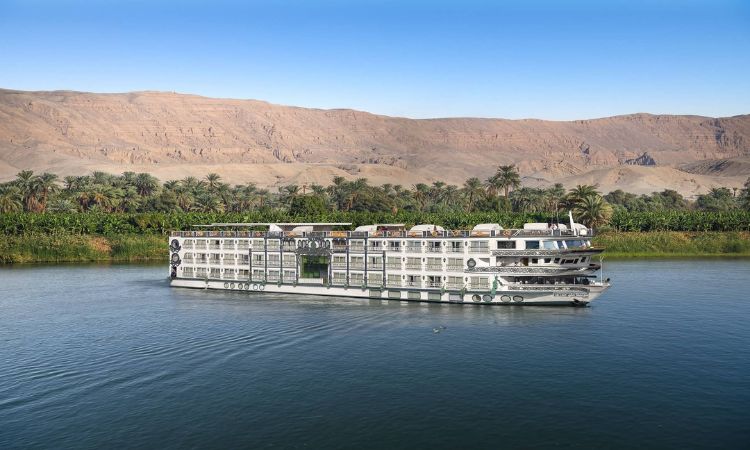
Many travelers continue beyond Luxor aboard a Nile cruise.
This classic Egypt experience includes visits to:
Edfu Temple
Kom Ombo Temple
Aswan
Philae Temple
High Dam
Abu Simbel (optional excursion)
A Nile cruise offers a relaxing way to connect Egypt’s major archaeological sites while enjoying spectacular river scenery. If you are wondering what to pack for a Nile Cruise, this Nile Cruise Packing List has all your answers.
Travelers interested in cooler weather generally prefer late autumn, winter, and early spring departures.
Booking Timeline
Egypt continues to grow in popularity, particularly among North American travelers.
For the best availability:
Book 4–6 months ahead for winter departures.
Reserve earlier for Christmas and New Year travel.
Secure Nile cruises well in advance during peak season.
Book early if Abu Simbel is a priority.
Why This Route Remains Egypt’s Most Popular
The Cairo–Luxor combination succeeds because it captures the essence of Egypt.
In Cairo, you experience the country’s most iconic landmarks and vibrant contemporary culture.
In Luxor, you step directly into the world of the pharaohs, surrounded by temples and tombs that continue to inspire awe thousands of years after they were built.
Together, these destinations provide the perfect introduction to one of the world’s most fascinating civilizations.
Looking for a seamless way to experience Cairo, Luxor, and beyond?
Explore our expertly crafted Egypt tour packages featuring guided sightseeing, carefully selected hotels, Nile cruises, and unforgettable experiences designed to showcase the very best of Egypt.
Frequently Asked Questions About Cairo to Luxor Tours
Is Luxor worth visiting if I’m already seeing the Pyramids in Cairo?
Absolutely. While Cairo is famous for the Pyramids and Sphinx, Luxor offers a completely different perspective on ancient Egypt. The city is home to the Valley of the Kings, Karnak Temple, Luxor Temple, and dozens of other archaeological sites that reveal the religious, political, and cultural heart of the pharaonic world. Many travelers consider Luxor the highlight of their entire Egypt trip.
What is the fastest way to get from Cairo to Luxor?
Flying is the fastest option. Direct flights between Cairo and Luxor take approximately one hour and operate multiple times daily. While trains and road transfers offer different experiences, flying allows travelers to maximize sightseeing time and is often the preferred choice for first-time visitors.
Is the Cairo to Luxor sleeper train worth it?
The overnight sleeper train can be a memorable experience for travelers who enjoy slow travel and want to experience more of Egypt’s landscape. However, it takes considerably longer than flying and offers a more basic level of comfort. For travelers with limited vacation time, a domestic flight is usually the more practical option.
How many days should I spend in Luxor?
Most travelers should plan for at least two to three days in Luxor. This allows enough time to comfortably explore both the East Bank and West Bank attractions, including Karnak Temple, Luxor Temple, the Valley of the Kings, and the Temple of Hatshepsut. History enthusiasts may wish to stay even longer.
Can you do Luxor as a day trip from Cairo?
Yes, but it is not ideal. Day trips typically involve an early morning flight and a late evening return, making for a long and busy day. While you’ll see some major highlights, staying at least one or two nights in Luxor provides a much richer and more enjoyable experience.
What is the best time of year to visit Luxor?
The most comfortable months are between October and April when temperatures are cooler and ideal for sightseeing. Summer months can be extremely hot, particularly between June and August, with temperatures often exceeding 40°C (104°F).
Should I combine Luxor with a Nile cruise?
Yes. Many travelers extend their Cairo–Luxor itinerary with a Nile cruise to Aswan. This allows you to visit additional sites such as Edfu Temple, Kom Ombo Temple, and Philae Temple while enjoying one of Egypt’s most iconic travel experiences.
Are guided Egypt tours worth the cost?
For many travelers, yes. Guided tours eliminate the need to coordinate transportation, accommodations, attraction tickets, and local guides independently. They also provide valuable historical context that helps bring Egypt’s ancient monuments to life. For first-time visitors, the convenience and expertise often make guided tours a worthwhile investment.
Final Thoughts
The journey from Cairo to Luxor isn’t simply a transfer between two cities, it’s a journey through thousands of years of human history. From standing before the Great Pyramids of Giza to exploring the royal tombs hidden within the Valley of the Kings, this route connects Egypt’s most iconic experiences into one unforgettable adventure.
Whether you choose to fly, take the sleeper train, or travel as part of a guided itinerary, Luxor rewards every traveler with extraordinary temples, fascinating history, and some of the world’s most remarkable archaeological treasures. Add a Nile cruise to the experience, and you’ll gain an even deeper appreciation for the river that shaped one of history’s greatest civilizations.
If you’re planning your first Egypt adventure, few routes offer a better introduction than Cairo and Luxor together.
Ready to experience Egypt’s most iconic destinations?
Explore our Egypt tour packages and discover expertly guided itineraries featuring Cairo, Luxor, Nile cruises, and the country’s most unforgettable ancient wonders. Your journey through the land of the pharaohs starts here.
 Toll Free (USA & Canada) +1 866 978 2997