25 Best Places to Visit in Egypt: The Ultimate Bucket List
Egypt is a land of timeless wonders, where ancient history meets vibrant modern life. From the majestic pyramids of Giza to the lively streets of Cairo, every corner tells a story. Among the many places to visit in Egypt, you’ll find sacred temples, bustling markets, and peaceful oases tucked away in golden deserts. Whether you’re exploring the mysteries of the pharaohs or relaxing along the Red Sea, Egypt promises a journey rich in culture, beauty, and discovery. This is more than a destination—it’s a gateway to the past, wrapped in the warmth and rhythm of today.
Egypt is a captivating blend of ancient wonders and modern charm. From the majestic pyramids and millennia-old temples to serene deserts and crystal-clear coastlines, the country offers something for every kind of traveler. History buffs can walk through the remnants of pharaonic glory, while adventure seekers can dive into the Red Sea or explore remote oases. With vibrant cities, warm hospitality, and a rich tapestry of traditions, Egypt promises an unforgettable journey through time and culture.
Best Time to Visit Egypt
The best time to visit Egypt is from October to April, when the weather is cooler and more comfortable for sightseeing. This period offers ideal conditions for exploring ancient sites, cruising the Nile, or relaxing at beach resorts. Summer months (May to September) can be extremely hot, especially in Upper Egypt and desert regions.
Places to Visit in Egypt
Pyramids of Giza & The Sphinx
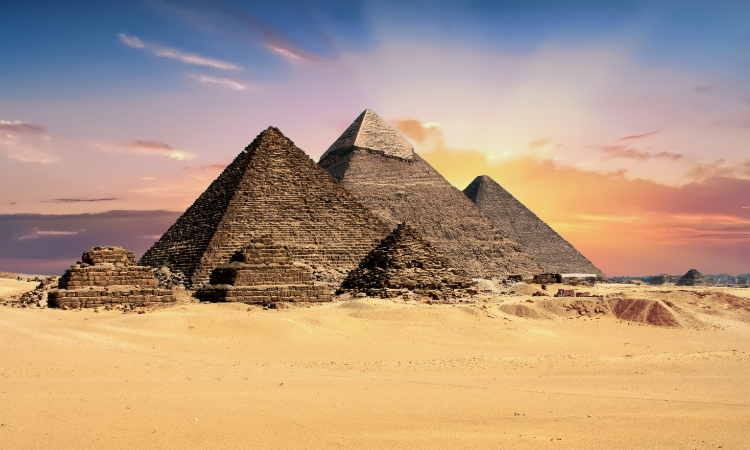
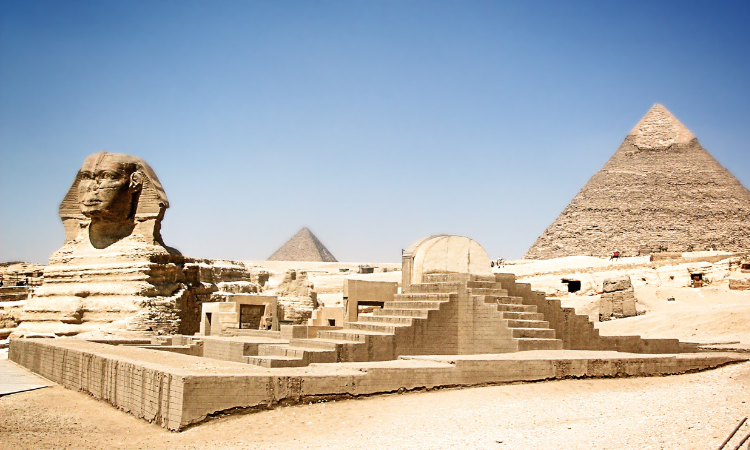
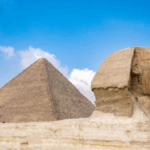
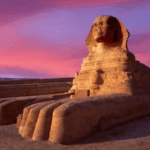
The Pyramids of Giza and the Great Sphinx are among the best places to visit in Egypt and symbols of its ancient glory. These massive structures, built over 4,000 years ago, continue to amaze visitors with their scale and mystery. A visit here is a must for anyone wanting to witness the true wonder of ancient engineering.
The Egyptian Museum, Cairo
Home to over 120,000 artifacts, the Egyptian Museum in Cairo is great for history enthusiasts. It houses treasures from King Tutankhamun’s tomb, royal mummies, and countless relics from the Pharaonic era. Walking through its halls feels like stepping into an ancient world.
Khan el-Khalili Bazaar, Cairo
A sensory feast of colors, scents, and sounds, Khan el-Khalili Bazaar is perfect for a taste of local culture. This centuries-old market is the perfect spot to shop for spices, jewelry, perfumes, and traditional crafts while soaking in the energy of old Cairo.
Luxor & Karnak Temples
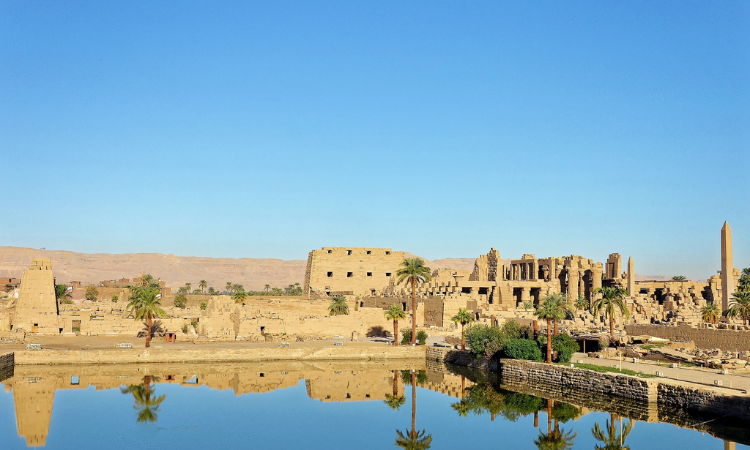
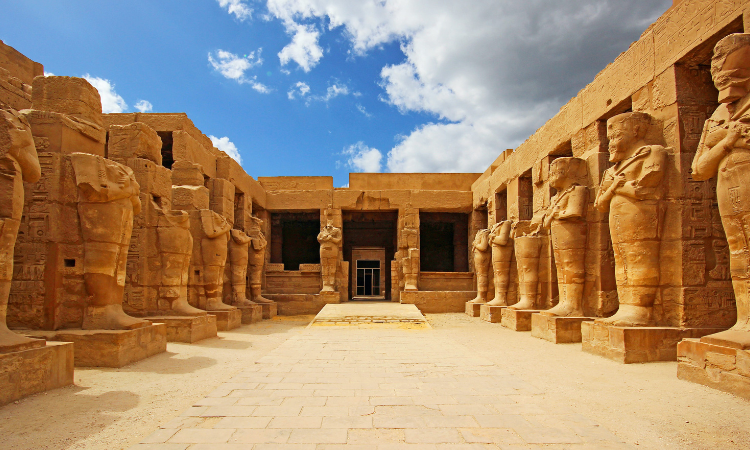
Located on the east bank of the Nile, the temples of Luxor and Karnak are the highlights of these Cairo to Luxor Guided Tours, and are some of the best places to visit in Egypt for their grandeur and historical significance. These sprawling temple complexes are filled with colossal statues, massive columns, and ancient hieroglyphs that tell stories of gods and kings.
Valley of the Kings, Luxor
The Valley of the Kings is where Egypt’s pharaohs were laid to rest in elaborately decorated tombs carved into the desert hills. Explore the hidden chambers and colorful murals that reveal the beliefs and burial practices of ancient Egyptians.
Temple of Hatshepsut
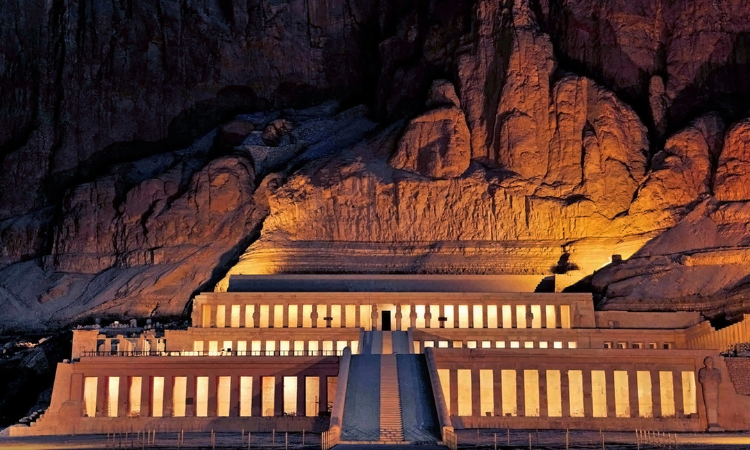
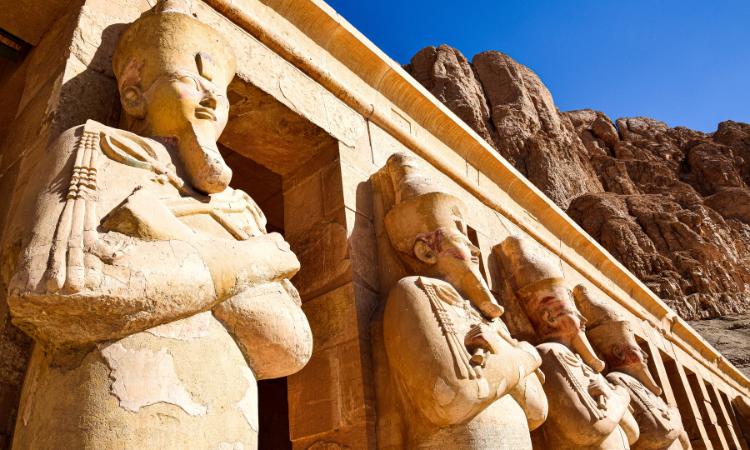
Built into the cliffs of Deir el-Bahari, the Temple of Hatshepsut stands as a stunning tribute to one of Egypt’s few female pharaohs. This temple is admired for its unique architecture and serene setting, offering insight into the legacy of a powerful and visionary ruler.
Abu Simbel Temples
Carved into a mountainside by Ramses II, the Abu Simbel Temples are an awe-inspiring sight in southern Egypt. Their massive statues and intricate carvings were relocated to avoid submersion by Lake Nasser. A visit here showcases the power and artistry of ancient Egyptian civilization.
Nile River Cruises (Luxor to Aswan)
Cruising the Nile between Luxor and Aswan offers a relaxed way to explore Egypt’s ancient heart. These cruises include stops at iconic temples and scenic river views. It’s an unforgettable journey through history and landscape. This Nile Cruise packing list will be helpful when you plan your Trip to Egypt.
Philae Temple, Aswan
Dedicated to the goddess Isis, Philae Temple sits gracefully on an island in the Nile. Its elegant columns, reliefs, and peaceful setting make it a cultural gem. Reached by boat, it’s one of Aswan’s most picturesque historical sites.
Alexandria & Bibliotheca Alexandrina
Alexandria blends Mediterranean charm with rich history, making it a unique coastal escape. The modern Bibliotheca Alexandrina honors the legacy of the ancient Library of Alexandria. It’s a hub of knowledge, architecture, and cultural exchange.
Qaitbay Citadel, Alexandria
Perched on the Mediterranean coast, Qaitbay Citadel was built on the site of the ancient Lighthouse of Alexandria. Its strategic position and solid structure offer panoramic sea views. It’s a symbol of Alexandria’s maritime heritage and resilience.
Siwa Oasis
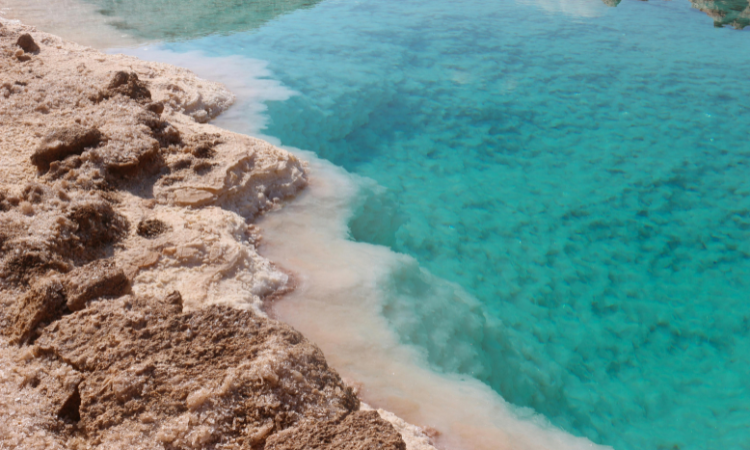
Tucked away near the Libyan border, Siwa Oasis is one of Egypt’s most remote and magical destinations. Surrounded by palm groves and salt lakes, it offers a peaceful retreat far from the crowds. Its unique Berber culture and the ancient Oracle Temple of Amun add to its mystique.
Black and White Deserts
These surreal desert landscapes are unlike anywhere else in Egypt. The Black Desert features volcanic hills, while the White Desert is dotted with chalk rock formations sculpted by wind and sand. Perfect for camping and stargazing, they offer a raw and otherworldly adventure.
The Red Sea Riviera (Sharm el-Sheikh & Hurghada)
The Red Sea Riviera is a paradise for sun-seekers, divers, and beach lovers. Sharm el-Sheikh and Hurghada boast vibrant coral reefs, luxury resorts, and thrilling water sports. It’s the perfect blend of relaxation and adventure along Egypt’s stunning coastline.
Saint Catherine’s Monastery, Sinai
Nestled at the foot of Mount Sinai, Saint Catherine’s Monastery is one of the world’s oldest working Christian monasteries. Its ancient manuscripts, religious icons, and peaceful setting attract pilgrims and history lovers alike. A hike to nearby Mount Sinai offers breathtaking sunrise views.
Dendera & Abydos Temples
Often overlooked, Dendera and Abydos house some of the most well-preserved temples in Egypt. The Temple of Hathor at Dendera features colorful ceilings, while Abydos is revered for its Osirion and Pharaoh Seti I’s temple. These sites offer a quieter, yet equally fascinating, glimpse into ancient Egypt’s spiritual life.
Edfu & Kom Ombo Temples
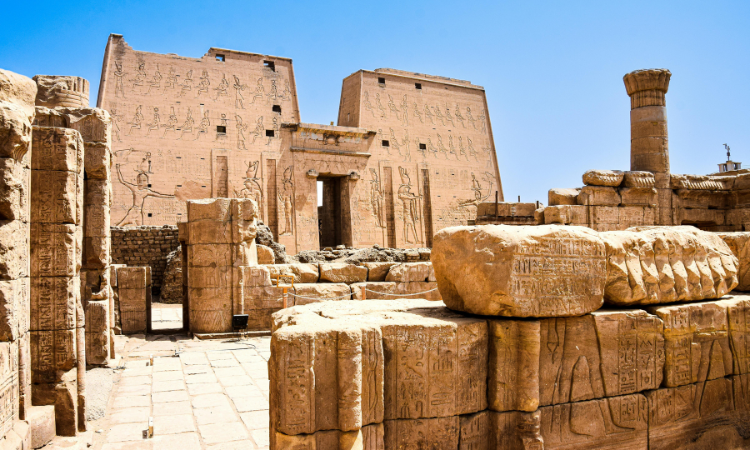
Edfu Temple, dedicated to the falcon god Horus, is one of Egypt’s best-preserved ancient temples. Kom Ombo is unique for its dual dedication to two gods—Sobek and Horus—and its symmetrical design. Both temples are popular stops on Nile cruises, offering rich insights into Egyptian mythology and architecture.
Ras Mohammed National Park
Located at the southern tip of the Sinai Peninsula, Ras Mohammed is Egypt’s premier marine reserve. Known for its vibrant coral reefs, crystal-clear waters, and diverse marine life, it’s a haven for snorkelers and divers. The park also features mangroves, desert landscapes, and stunning beaches.
Wadi Al-Hitan (Valley of the Whales)
A UNESCO World Heritage Site, Wadi Al-Hitan is famous for its fossilized remains of prehistoric whales. Located in the Western Desert, it offers a fascinating glimpse into Earth’s evolutionary history. The remote desert setting makes it ideal for eco-tourism and stargazing.
Mount Sinai & Moses’ Mountain Trail
Mount Sinai is a sacred pilgrimage site believed to be where Moses received the Ten Commandments. The climb, especially at sunrise, is both spiritual and scenic, offering panoramic views of rugged mountain landscapes. The Moses’ Trail is a popular route, often combined with a visit to Saint Catherine’s Monastery.
Marsa Alam
Located along the southern Red Sea coast, Marsa Alam is a hidden gem for diving enthusiasts. It boasts untouched coral reefs, abundant marine life, and a more tranquil vibe compared to other resort towns. It’s also one of the few places in Egypt where you can spot dugongs and sea turtles.
Egypt’s Mediterranean Coast
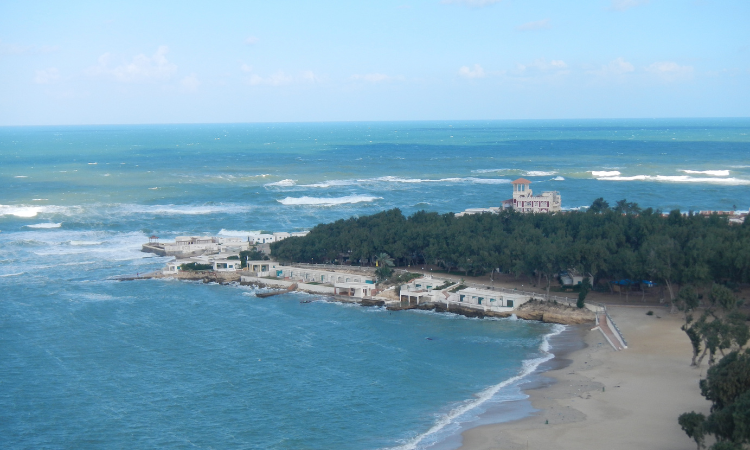
Stretching from Alexandria to Marsa Matrouh, Egypt’s Mediterranean Coast offers golden beaches, turquoise waters, and a laid-back vibe. It’s a popular summer escape for locals, with resorts, historic ruins, and coastal charm. The mix of ancient history and seaside relaxation makes it a unique destination.
El Gouna
El Gouna is a modern resort town near Hurghada, known for its upscale vibe, lagoons, and sustainability. With luxury hotels, golf courses, and a vibrant nightlife scene, it’s a favorite for travelers seeking comfort and style. The town also supports eco-tourism and water sports like kitesurfing and diving.
Nubian Village
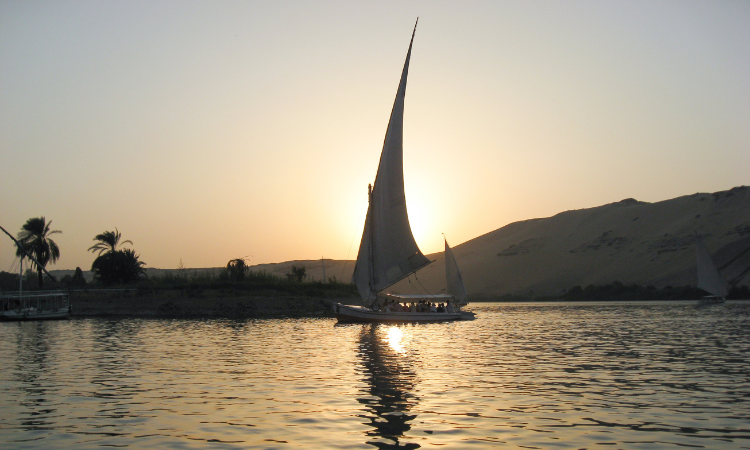
Located near Aswan, the Nubian Village offers a colorful and authentic cultural experience. Painted houses, warm hospitality, and traditional crafts make it a charming stop. Visitors can learn about Nubian heritage, enjoy home-cooked meals, and cruise along the Nile in a felucca.
Memphis
Once the capital of ancient Egypt, Memphis is a must-visit for history lovers. Today, it’s an open-air museum featuring colossal statues, including a massive one of Ramses II. It gives a fascinating glimpse into the early days of the Egyptian civilization, not far from the step pyramid of Saqqara.
Planning Your Itinerary
With so many incredible places to explore, planning your trip to Egypt can feel overwhelming—but we’ve got you covered. Whether you’re dreaming of a classic Nile cruise, a deep dive into ancient history, or a relaxing beach escape along the Red Sea, our expertly crafted itineraries, such as this Realistic 10 Day Egypt Itinerary cater to every kind of traveler.
Explore our curated Egypt vacation packages and find the perfect journey to match your travel style, interests, and pace.
From Cairo to Aswan, desert wonders to coastal bliss—your unforgettable Egyptian adventure starts now!
Travel Tips
Best Modes of Transport: Domestic flights are ideal for covering long distances quickly, especially between Cairo, Luxor, and Aswan. Trains are a budget-friendly option for intercity travel, while guided tours offer convenience, expert insights, and seamless logistics for major attractions.
Packing Advice: Pack light, breathable clothing for the heat, but also include layers for cooler evenings, especially in the desert. Carry a hat, sunglasses, sunscreen, and comfortable walking shoes. For cultural sites and religious areas, modest clothing is appreciated—cover shoulders and knees, and bring a scarf for women.
Safety Tips: Egypt is generally safe for tourists, but it’s best to stay updated on travel advisories and follow local guidance. Use reputable transport services, avoid isolated areas after dark, and keep valuables secure. Always carry a copy of your passport and travel insurance.
Local Etiquette & Cultural Insights: Greet people with a smile and a polite “Salam Alaikum.” Tipping (baksheesh) is customary for services. During Ramadan, avoid eating or drinking in public during daylight hours. Always ask before taking photos of people, especially in rural or traditional areas.
From the awe-inspiring pyramids and ancient temples to bustling markets, tranquil oases, and stunning coastlines, Egypt offers a journey like no other. It’s a country where history lives in every corner, culture thrives in daily life, and natural beauty stretches from the deserts to the sea. Whether you’re a history buff, an adventure seeker, or simply looking to soak in a unique atmosphere, the attractions in Egypt promise unforgettable memories. With its rich heritage, warm hospitality, and timeless charm, Egypt truly stands as one of the world’s must-visit destinations.
FAQs
Which is the best part of Egypt to go to? It depends on your interests. For ancient history, Luxor and Cairo are top picks. For beach vacations and diving, head to the Red Sea Riviera—Sharm el-Sheikh, Hurghada, or Marsa Alam.
What is the most beautiful part of Egypt? The White Desert, with its surreal rock formations, and the temples of Abu Simbel are among the most visually stunning parts of Egypt. The Nile River at sunset is also breathtakingly beautiful.
Where is the most visited place in Egypt? The Pyramids of Giza and the Sphinx near Cairo are the most visited attractions in Egypt, drawing millions of tourists each year.
Is Egypt cheap to visit? Yes, Egypt is generally affordable, especially compared to Western destinations. Accommodation, food, and transport offer great value, though guided tours and luxury resorts can vary in price. Use this Egypt tour cost guide for planning your budget for your Egypt trip.
What is the best time to vacation in Egypt? The best time to visit Egypt is from October to April, when the weather is cooler and ideal for sightseeing and outdoor activities.
What should I be careful of in Egypt? Be mindful of pickpockets in crowded areas, follow local customs, and avoid drinking tap water. Always use reputable transportation and guided services for safety and convenience.
What is the most famous food in Egypt? Koshari is Egypt’s national dish—a hearty mix of rice, pasta, lentils, chickpeas, and crispy onions topped with tomato sauce. Ful medames (mashed fava beans) and falafel are also staples.
What not to bring to Egypt? Avoid bringing drones (they’re restricted), pork products, or revealing clothing for religious sites. Leave valuables like expensive jewelry at home for safety.
Are Egyptians friendly to tourists? Yes, Egyptians are known for their hospitality and friendliness toward tourists. A warm smile and curiosity about where you’re from are common greetings.
What is considered rude in Egypt? Public displays of affection, disrespecting religious customs, or entering mosques without proper attire can be seen as rude. It’s also polite to accept hospitality and avoid showing the soles of your feet when sitting.
 Toll Free (USA & Canada) +1 866 978 2997