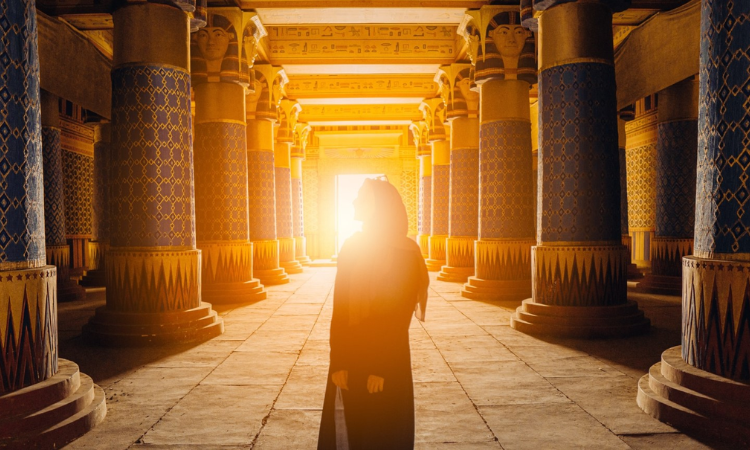
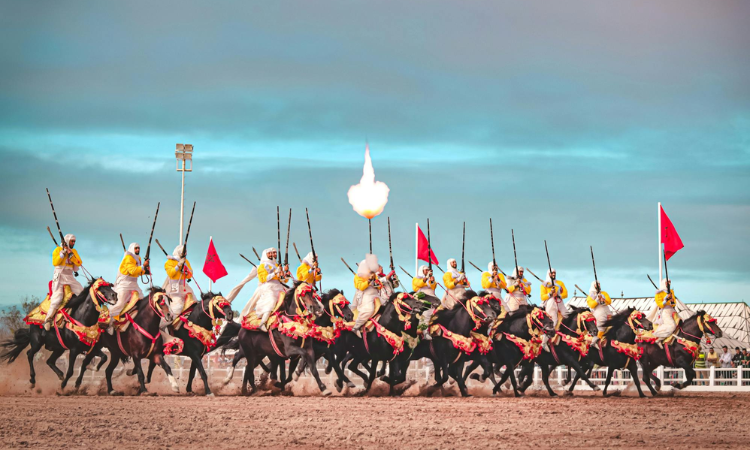
Morocco, often called the “Gateway to Africa,” is a land of captivating contrasts where ancient traditions intertwine with modern influences. Its cultural heritage reflects a unique blend of Berber, Arab, and European elements, shaped by centuries of trade, migration, and conquest. From the bustling medinas of Marrakech and Fes to the serene oases of the Sahara, Morocco’s lively culture is as diverse as its landscapes.
The country’s rich history is evident in its architecture, art, and everyday customs. Traditional Moroccan crafts like intricate zellij tilework, handwoven rugs, and leather goods tell stories of skilled artisanship passed down through generations. The cuisine, with its aromatic tagines, fluffy couscous, and refreshing mint tea, is another testament to Morocco’s vibrant cultural tapestry. Festivals such as Eid al-Fitr and the Rose Festival celebrate the nation’s religious and agricultural roots, while contemporary art and music festivals highlight its dynamic creativity.
For travelers, understanding Moroccan traditions is essential to fully appreciating the country’s charm. Hospitality is a cornerstone of Moroccan culture, and visitors are often welcomed with open arms. However, respecting local customs—such as dressing modestly, especially in rural areas, and being mindful of Islamic practices like prayer times and Ramadan—is key to forming meaningful connections with locals.
Recognizing the nuances between Morocco’s urban and rural lifestyles, as well as its regional variations, adds depth to the travel experience. By engaging with its culture, travelers don’t just visit Morocco; they immerse themselves in its essence, gaining insights into a world where the past and present coexist harmoniously. This understanding fosters respect, enhances travel experiences, and creates memories that last a lifetime.
Check out our Morocco tours.
Understanding Morocco’s Religion
Morocco is a predominantly Muslim country, with Islam shaping nearly every aspect of daily life. The majority of Moroccans follow Sunni Islam, and its influence can be seen in the rhythm of the day, architectural styles, and cultural practices. The call to prayer, or Adhan, punctuates the day five times, reminding the faithful of their connection to God.
Religious observances like Ramadan, the holy month of fasting, play a significant role in Moroccan society. During this time, Muslims fast from dawn to sunset, and the atmosphere becomes more reflective and communal. Visitors are encouraged to respect these practices by avoiding eating, drinking, or smoking in public during daylight hours.
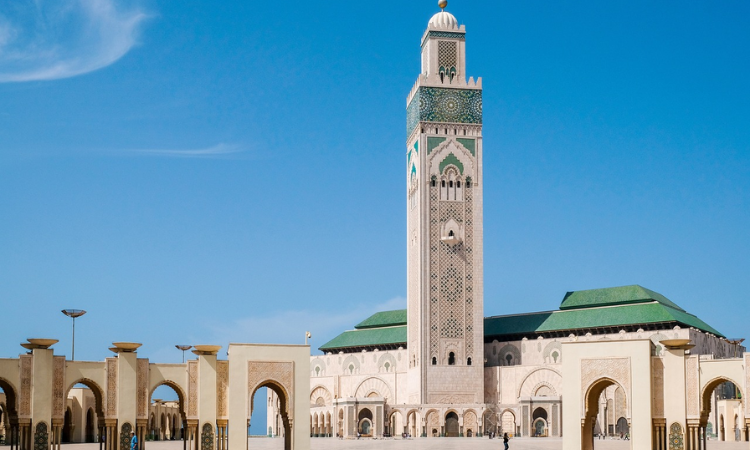
While Islam shapes Morocco’s core identity, non-Muslim visitors are welcomed with warmth and respect. However, certain customs, such as access to mosques, are reserved for Muslims, with a few exceptions like the magnificent Hassan II Mosque in Casablanca.
Understanding and respecting these religious traditions not only enhances a traveler’s experience but also fosters meaningful connections with locals. Islam in Morocco is more than a religion—it is a guiding framework for daily life, offering insight into the country’s deep-rooted values and sense of community.
Morocco’s Cultural Practices and Customs
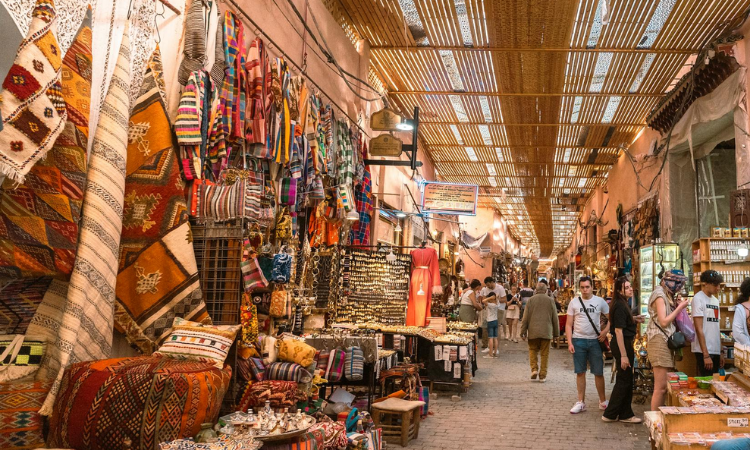
Morocco is a vibrant blend of ancient traditions and modern influences, with customs that vary significantly between its cities and rural areas. In bustling cities like Marrakech and Fes, traditions intertwine with contemporary lifestyles. The medinas, or old town areas, are alive with activity, from artisans crafting wares to the aromatic allure of spice markets. Hospitality is central, and visitors are often welcomed with mint tea, a symbol of Moroccan warmth.
In contrast, rural areas, such as the Atlas Mountains and desert villages, maintain a stronger connection to Berber customs. Here, life is more communal, with a focus on agriculture, handwoven textiles, and oral storytelling.
Regional differences also add depth to Morocco’s culture. Northern cities like Tangier and Chefchaouen reflect Mediterranean influences, while the southern regions near the Sahara exhibit Saharan traditions. Exploring these distinctions reveals the richness of Moroccan culture and the pride its people take in preserving their heritage.
Traditional Clothing and Dress Code in Morocco
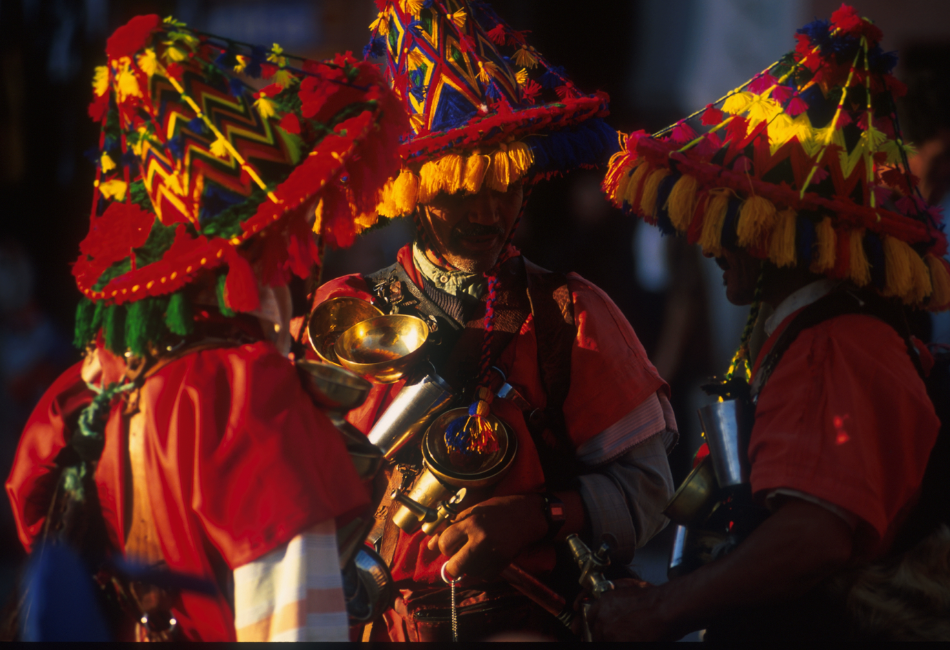
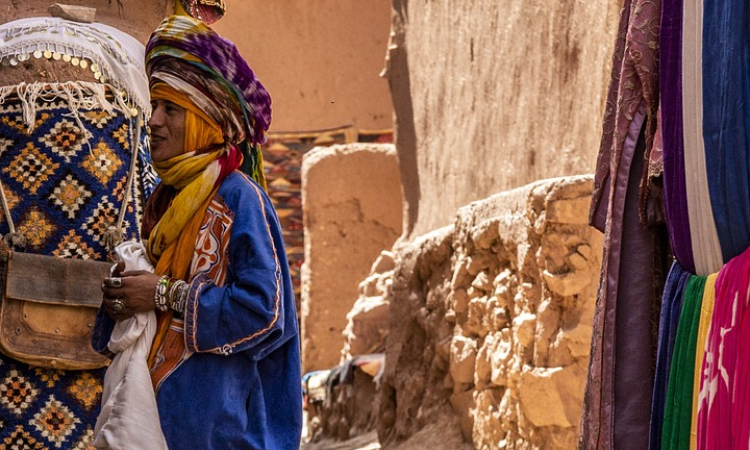
Traditional Moroccan clothing reflects the country’s cultural values of modesty and practicality. The djellaba, a long, loose-fitting robe worn by men and women, is common in everyday wear, often paired with comfortable babouches (leather slippers). Women also wear kaftans, especially for formal occasions, which are often beautifully embroidered.
In Morocco, modesty in dress is highly valued, especially for women. It’s recommended that travelers dress conservatively, covering the shoulders and knees, particularly when visiting religious sites or rural areas. Respecting the local dress code ensures a positive experience and shows appreciation for Moroccan customs.
Moroccan Cuisine and Dining Traditions
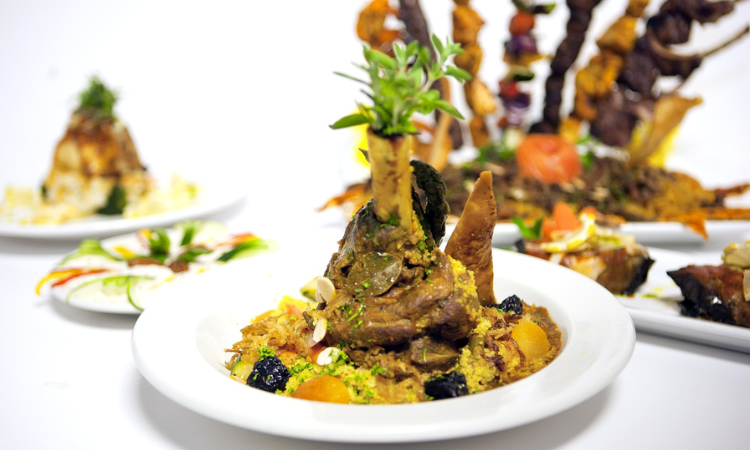
Moroccan cuisine is renowned for its rich flavors, vibrant colors, and the use of aromatic spices. One of the most famous dishes is tagine, a slow-cooked stew made with meat (often lamb or chicken), vegetables, and dried fruits, all simmered with a variety of spices such as saffron, cinnamon, and cumin. The dish is named after the traditional clay pot in which it’s prepared. Another beloved staple is couscous, a dish of steamed semolina grains often served with vegetables, meat, and a savory broth. Couscous is typically enjoyed on Fridays, a day of rest and family gatherings in Moroccan culture.
In addition to these hearty dishes, Moroccan cuisine features an array of flavorful salads, pastries like baklava, and fresh bread, which is used to scoop up food instead of utensils.
A key part of Moroccan dining culture is the serving of mint tea, often referred to as “Moroccan whiskey” due to its popularity. This sweet, green tea is infused with fresh mint leaves and served in ornate glasses. It is offered as a gesture of hospitality and is a crucial part of social gatherings. Accepting mint tea when offered is a sign of respect and appreciation for local customs.
Dining in Morocco is typically a communal experience. Meals are often shared, with guests sitting around a large platter and eating with their hands, using bread to scoop up the food. It’s important to be mindful of the local customs when dining. For instance, using the right hand to eat, as the left hand is considered less clean, is a sign of respect. Also, it’s customary to leave a little food on your plate to show that you’ve had enough. These practices highlight the importance of hospitality and community in Moroccan culture.
Morocco’s Language and Communication Tips
Languages Spoken in Morocco
Morocco is a multilingual country with Arabic and Berber (Tamazight) as the official languages. While Arabic is used in formal settings, Moroccan Arabic (Darija) is the primary spoken language. In addition to these, French is widely spoken, especially in cities and for business, as it’s the language of administration and education. In tourist areas, you’ll also find that many people speak English, particularly in major cities like Marrakech and Casablanca.
Tips for Communicating with Locals
When communicating with locals, it’s helpful to know a few basic phrases in Arabic or French. For example, “Salam Alaikum” (Hello) and “Shukran” (Thank you) are always appreciated. Even if you’re not fluent, locals will often respond with warmth if you try. Learning a few words can enhance your travel experience, allowing you to connect better with Moroccan culture.
Moroccan Festivals and Celebrations
Morocco is a land of vibrant celebrations and rich cultural traditions, with a calendar full of festivals that reflect the country’s deep religious, social, and historical roots. From the joyous celebrations of Islamic holidays to regional festivals that highlight the country’s agricultural heritage, these events offer travelers a unique opportunity to experience the essence of Morocco’s cultural diversity.
Major Festivals in Morocco
Eid al-Fitr and Eid al-Adha
The two most significant religious festivals in Morocco are Eid al-Fitr and Eid al-Adha, both of which are deeply rooted in Islamic tradition.
- Eid al-Fitr marks the end of Ramadan, the holy month of fasting. The day is celebrated with feasts, family gatherings, and prayers at mosques. Moroccan families celebrate with special dishes, sweets, and mint tea, and it is a time for charitable giving. Many Moroccans also visit their relatives, exchange gifts, and give zakat (alms) to the poor. It is a joyous occasion, filled with vibrant street festivities and public prayers, especially in cities like Marrakech and Casablanca.
- Eid al-Adha, also known as the Festival of Sacrifice, commemorates the willingness of the Prophet Ibrahim to sacrifice his son as an act of obedience to God. During this festival, families sacrifice sheep or goats, with the meat being distributed among family, friends, and those in need. The celebration is marked by prayers, feasts, and large gatherings. It is also a time for charity, where a portion of the sacrificed animal is donated to the less fortunate.
Both of these festivals are central to Moroccan culture, offering visitors a chance to see the communal aspects of life in Morocco, with large family gatherings, outdoor feasts, and a display of traditional hospitality.
The Rose Festival (Festival of Roses)
The Rose Festival in Kalaat M’Gouna, a small town located in the Dades Valley, is one of Morocco’s most beautiful and lively regional celebrations. Held annually in May, it celebrates the blooming of the valley’s roses, which are famous for their rich fragrance and vibrant color. The festival includes parades with rose-decorated floats, traditional music and dance performances, and contests to select the best rose harvesters. Visitors can witness local artisans creating rose-scented products, such as perfumes, soaps, and oils, showcasing the region’s heritage.
The Rose Festival is a celebration of Morocco’s agricultural traditions and the importance of roses in Moroccan culture. The festival brings together local communities from the surrounding villages, highlighting the country’s strong rural traditions. For travelers, it’s an opportunity to immerse themselves in the culture of Morocco’s rural heartland and experience the warmth and hospitality of the local people.
Other Public Celebrations
In addition to religious and agricultural festivals, Morocco hosts a variety of public celebrations throughout the year. For instance, the Marrakech International Film Festival attracts filmmakers and movie lovers from around the world. The Fes Festival of World Sacred Music is another significant event, drawing artists from different countries to celebrate music that transcends cultural and religious boundaries.
Understanding the Cultural Significance
Festivals in Morocco are not only about entertainment; they reflect the country’s values of community, hospitality, and spirituality. Whether it’s the religious significance of Eid, the cultural pride of the Rose Festival, or the universal language of music and film, these festivals offer a deeper understanding of Moroccan life. Travelers who participate in these celebrations can gain insight into the rituals, values, and customs that define this fascinating North African nation.
By attending a Moroccan festival, visitors get more than just an enjoyable event; they experience a living tradition that has been passed down through generations. It’s a chance to witness the intersection of religion, culture, and heritage, where modern life and ancient customs coexist in harmony.
Exploring Morocco’s Art and Architecture
Morocco’s art and architecture are reflections of its rich and diverse cultural heritage. From ancient Islamic designs to vibrant contemporary art scenes, Morocco’s artistic expression has evolved over centuries, blending Berber, Arab, and European influences. The country’s architecture, in particular, serves as a visual representation of its history, with a focus on intricate patterns, grand palaces, and stunning mosaics.
The Importance of Modern and Contemporary Art in Morocco
While traditional art forms like calligraphy, pottery, and weaving continue to be celebrated, modern and contemporary art have grown significantly in Morocco’s cultural landscape. Cities like Casablanca and Rabat have emerged as hubs for contemporary art, with art galleries and exhibitions showcasing works from both Moroccan and international artists. These modern movements offer fresh perspectives on the country’s past, blending traditional styles with contemporary ideas to create pieces that resonate with the modern Moroccan identity.
The growth of contemporary art in Morocco has been accompanied by the development of art schools, museums, and cultural festivals that celebrate Morocco’s artistic diversity. These platforms offer visitors a chance to experience a new wave of Moroccan creativity, while maintaining a connection to the country’s deep-rooted cultural traditions.
Key Sites and Their Cultural Relevance
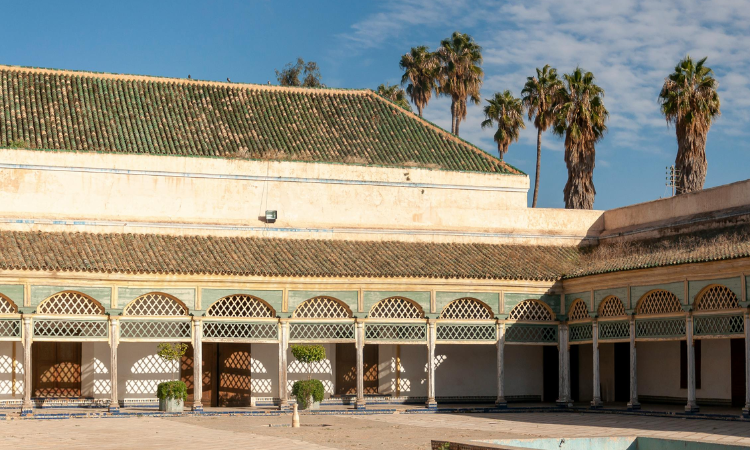
One of Morocco’s most iconic architectural treasures is the Bahia Palace in Marrakech. Built in the late 19th century, the palace is a stunning example of Moroccan craftsmanship, featuring beautifully intricate tilework, lush gardens, and grand courtyards. The Bahia Palace’s design, blending Islamic, Moroccan, and European architectural styles, highlights the country’s historical and cultural fusion.
Another significant site is Volubilis, a UNESCO World Heritage site, where the remnants of Roman ruins stand as a testament to Morocco’s ancient history. Located near Meknes, the ruins include stunning mosaics that are among the best-preserved in North Africa.
In addition to historical sites, contemporary art galleries in cities like Casablanca, Marrakesh, and Rabat continue to grow in importance, displaying works that address everything from social issues to global artistic trends.
Exploring Morocco’s art and architecture offers travelers a unique glimpse into the country’s past, while also highlighting its creative and cultural future. Whether visiting a UNESCO World Heritage site or admiring the latest exhibition in a modern gallery, Morocco’s art scene invites visitors to appreciate the depth and richness of its heritage and innovation.
Travel Tips for Visiting Morocco
Morocco is a vibrant country brimming with unique experiences, from bustling souks and ancient medinas to vast deserts and scenic mountains. While its rich culture and history make it a must-visit destination, it’s essential to understand a few practical tips before embarking on your journey. Here’s a guide to navigating Morocco, from transportation to etiquette, ensuring that your visit is both enjoyable and respectful.
1. Taxis and Public Transportation in Morocco
Morocco’s transportation options are diverse, ranging from traditional taxis to modern trains, buses, and more. Understanding how to navigate them can make your trip much smoother.
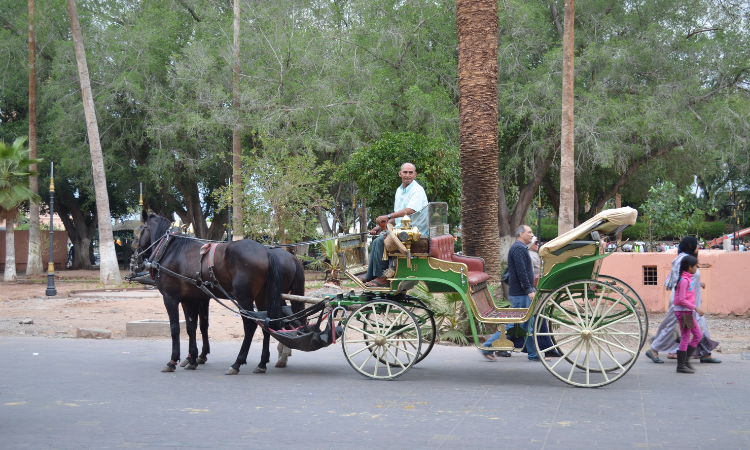
Taxis: Taxis are widely available in Moroccan cities, but it’s important to know that there are two types: petit taxis (small taxis) and grand taxis (larger ones). Petit taxis are meant for short distances within the city, while grand taxis are used for longer distances between cities. It’s advisable to agree on the fare before the ride or ensure that the meter is used. For petit taxis, make sure to use ones with meters for fair pricing.
Public Transportation: Major cities like Casablanca, Marrakech, and Rabat are well-connected with public buses and trains. Morocco’s rail network is efficient, and trains are a comfortable and affordable option for long-distance travel, especially for routes like Casablanca to Marrakesh. For short distances, buses are affordable and can take you between cities, though they may be less punctual. Be sure to check the schedule ahead of time.
2. Navigating the Medinas
The medinas in Morocco are maze-like ancient cities filled with narrow alleyways, souks, and vibrant markets. While exploring these areas is one of the highlights of the country, it can also be a bit overwhelming, especially for first-time visitors.
Getting Around: Always carry a map or use Google Maps for guidance. Medinas are designed to confuse visitors, so if you get lost, don’t hesitate to ask for help. However, be prepared for locals to offer guidance in exchange for a small tip, even if you didn’t request assistance.
Bargaining: Shopping in the medina is a unique experience, and haggling is a part of the process. Don’t be afraid to negotiate for better prices in the souks. Start by offering about 50% of the price the vendor suggests and work your way up from there.
3. Etiquette for Photography
Moroccans are generally friendly and welcoming, but it’s important to be respectful, especially when it comes to taking photographs.
Respect for Privacy: Avoid photographing people without their permission, especially women, in rural areas. Some individuals may feel uncomfortable with cameras, particularly in more traditional settings. If you want to take someone’s photo, always ask politely first, and be prepared to offer a small tip as a sign of appreciation for their time.
Respect for Religious Sites: In mosques and other religious sites, photography is usually not allowed. Always check for signs indicating whether photography is permitted before taking pictures. When inside religious places, keep conversations respectful, dress modestly, and follow local guidelines.
4. Cultural Etiquette and Interaction with Locals
Moroccans take great pride in their culture, and respecting local customs is key to a harmonious experience.
Greetings: The common greeting is “Salam Alaikum” (Peace be upon you), and the response is “Wa Alaikum Salam” (And peace be upon you). If you are introduced to someone, a handshake is common, but it’s important to note that some men and women may prefer not to shake hands, especially in rural areas. Always wait for the local to extend their hand first.
Hospitality: Moroccan hospitality is famous, and you may be offered tea or a snack as a gesture of welcome. Always accept when offered mint tea, as it is an important part of Moroccan culture. However, be mindful of not overindulging in food or drink, especially in more modest homes.
Dress Modestly: While Moroccan cities are relatively modern, it’s important to dress modestly, particularly in rural areas or when visiting religious sites. For women, this means covering shoulders and knees. For men, long pants and shirts are the norm.
5. Things to Know Before Visiting Morocco
Health and Safety: While Morocco is generally safe for tourists, it’s always wise to take basic precautions. Drink bottled water to avoid waterborne illnesses, and ensure you have travel insurance. In larger cities, keep an eye on your belongings in crowded areas to avoid pickpocketing.
Weather: Morocco has a diverse climate, so pack accordingly. Coastal areas like Casablanca and Rabat are milder, while the interior and Atlas Mountains can be much hotter in summer. The Sahara Desert is particularly extreme, with temperatures soaring during the day and dropping significantly at night.
Time Zones and Currency: Morocco operates on Western European Time (WET) during the winter months and Western European Summer Time (WEST) during the summer months. The currency is the Moroccan dirham (MAD), and credit cards are accepted in most urban centers, though smaller towns may prefer cash.
FAQ Section: Must-Know Moroccan Culture and Traditions
1. What are the main traditions in Moroccan culture?
Moroccan culture is deeply shaped by Islam and local customs. Hospitality is at the core of Moroccan tradition, with guests often welcomed into homes and offered food or tea. Tea ceremonies are a vital part of daily life, with mint tea being a symbol of hospitality and social interaction. Religious festivals like Eid al-Fitr and Eid al-Adha are celebrated with great enthusiasm, including feasts and communal prayers. In addition to these, local festivals like the Rose Festival and Mawazine Music Festival highlight Morocco’s cultural diversity and rich heritage.
2. What should I wear when visiting Morocco?
Visitors are encouraged to dress modestly when traveling in Morocco, especially in more conservative or rural areas. For both men and women, loose-fitting clothes that cover the shoulders and knees are appropriate. Traditional garments such as djellabas (long robes with hoods) and kaftans (elegant embroidered dresses) are commonly worn by locals. In tourist-friendly urban areas, attire can be more relaxed, but it’s still important to respect the cultural expectations. Women should avoid wearing revealing outfits, especially when visiting religious sites.
3. What language is spoken in Morocco?
Morocco is a multilingual country, with Arabic and Berber being the official languages. Modern Standard Arabic is used for formal communication, while Darija (Moroccan Arabic) is the most commonly spoken language in daily life. In many major cities, French is widely spoken, especially in business and tourism. Knowing a few basic Arabic or French phrases can help you communicate more effectively with locals and enrich your experience.
4. What are the dining customs in Morocco?
Meals in Morocco are often communal and served in large dishes, where family and friends gather to share food. Tagine and couscous are staple dishes, and it’s common to eat with hands, using bread as a utensil. The traditional Moroccan custom of serving mint tea is integral to hospitality, and it is considered polite to accept food or tea when offered by locals, as refusal can be seen as impolite.
5. Are there any rules tourists should be aware of in Morocco?
Tourists should be mindful of cultural sensitivities when visiting Morocco. Public displays of affection (PDA), such as kissing or hugging in public, are generally frowned upon, particularly in more conservative areas. It’s also important to dress modestly when visiting religious sites and avoid taking photographs of people without permission, especially in rural areas. During religious holidays like Ramadan, it’s respectful not to eat, drink, or smoke in public during the daytime. Being mindful of local customs will help ensure a respectful and enjoyable experience.
 Toll Free (USA & Canada) +1 866 978 2997