Morocco Travel Guide: Essential Tips for First-Time Visitors
Morocco is a land of contrasts, where vibrant cities, ancient culture, and diverse landscapes converge. This North African country has enchanted travelers for centuries with its fusion of Berber, Arab, and French influences, making it a rich destination for first-time visitors eager to experience a new cultural tapestry.
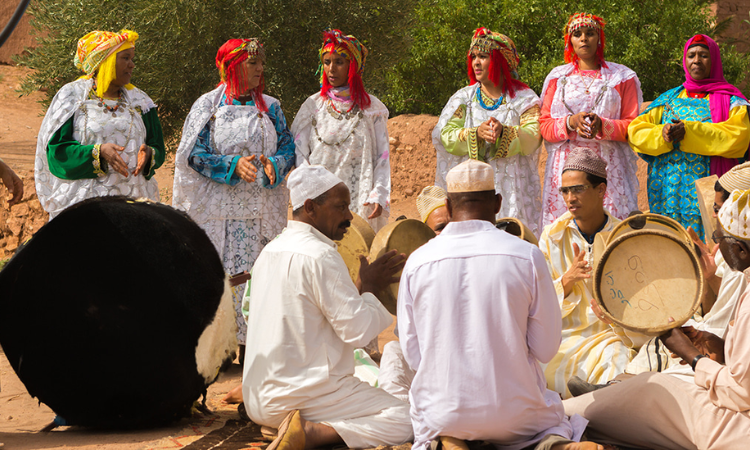
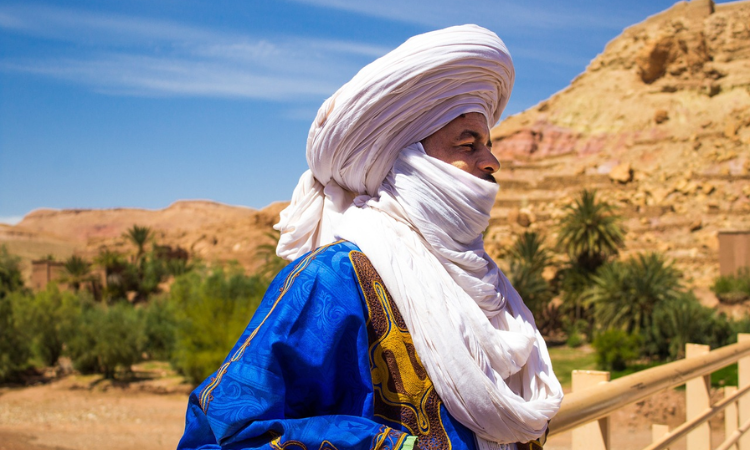
One of the defining aspects of Morocco is its Berber heritage, which dates back thousands of years and is deeply embedded in the culture. The Berber people, indigenous to North Africa, have greatly influenced Moroccan traditions, art, language, and lifestyle. From the intricate geometric designs of Berber rugs to the hospitality of rural Berber villages, this culture provides travelers a chance to connect with Morocco’s roots. Berber dialects are still widely spoken, especially in rural regions, and many locals take pride in sharing their history, music, and customs with visitors.
The Atlas Mountains are a central highlight of any Morocco travel guide, offering rugged, breathtaking landscapes that stretch across the country’s northeast to southwest. For adventure enthusiasts, this region provides countless trekking and hiking opportunities, especially in the High Atlas, known as the “roof of North Africa.” Here lies Toubkal, the highest peak in North Africa, attracting climbers and nature lovers. Exploring these ranges also offers a unique chance to visit remote Berber villages, where visitors gain authentic insights into traditional Moroccan culture and daily life.
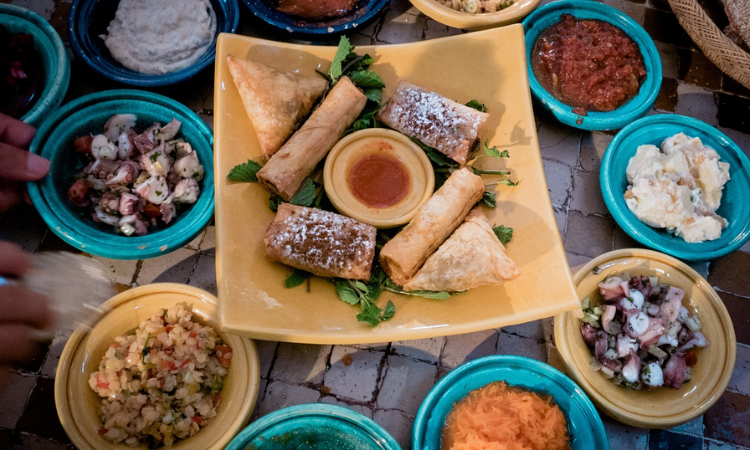
Moroccan cuisine is famous worldwide for its bold flavors, aromatic spices, and creative combinations of sweet and savory. Tagines, couscous, and pastries like pastilla reflect the layers of Morocco’s cultural heritage, blending Berber, Arab, Andalusian, and French culinary influences. Fresh ingredients, often sourced from local markets or crafted into complex spice mixes, are essential to the Moroccan dining experience. Visiting a bustling souk, or market, offers travelers a chance to sample olives, spices, and sweets, providing a sensory introduction to Morocco’s flavors and aromas.
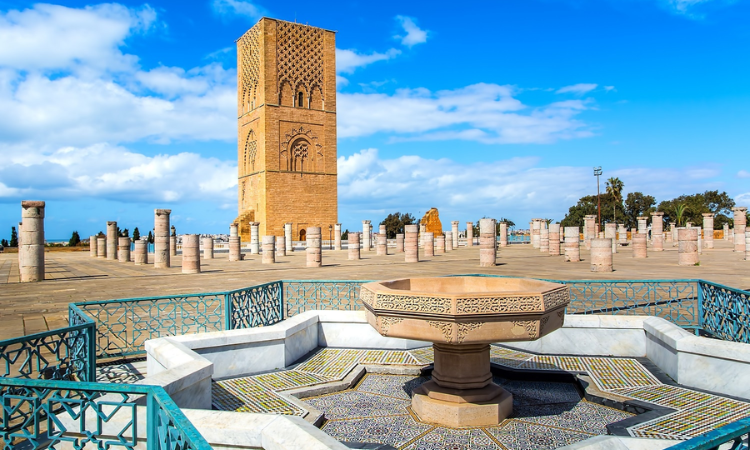
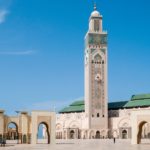
Morocco’s history spans centuries, shaped by interactions with civilizations from across Europe, the Middle East, and Africa. The country’s cities—particularly Marrakech, Fez, Rabat, and Meknes—showcase this rich history through their medieval architecture, historical sites, and UNESCO World Heritage-designated medinas. Walking through the narrow streets of the Fez medina or admiring the intricate designs of Marrakech’s palaces offers a journey back in time. Many monuments and buildings from Morocco’s past, such as the Hassan II Mosque in Casablanca and the Roman ruins of Volubilis, continue to inspire awe for their scale, beauty, and historical significance.
For first-time travelers, Morocco provides an accessible yet immersive experience, with something for every interest. Whether seeking a hike through the mountains, a peaceful escape into the Sahara Desert, or a vibrant marketplace experience in one of the medinas, Morocco’s destinations are as varied as they are captivating. With so many unique experiences, Morocco is a destination for anyone looking to blend adventure, history, and culture into a single unforgettable trip.
Planning Your First Trip to Morocco
Planning your first trip to Morocco is an exciting journey into a land of diverse landscapes, historical sites, and rich traditions. Here are some essential tips to help you get the most out of your Moroccan adventure:
1. Essential Tips for Traveling to Morocco
When planning a trip to Morocco, it’s helpful to keep in mind cultural differences, local customs, and Morocco’s unique climate, as detailed in this Morocco travel guide. The weather varies widely, from coastal breezes to warm deserts and cooler Atlas Mountains. Timing your visit for spring (March-May) or fall (September-November) generally provides ideal conditions for desert and mountain exploration alike. Learning basic Arabic and French can also enhance your experience, as local phrases like “Salam” (hello) or “Shukran” (thank you) can help build connections with locals.
Familiarizing yourself with basic Arabic and French phrases can also make your travels easier. While many Moroccans in tourist areas speak English, Arabic and Berber are the official languages, and French is widely used in urban areas. Simple phrases, greetings, and polite expressions in Arabic, such as “Salam” (hello) or “Shukran” (thank you), can go a long way in making meaningful connections with locals.
2. Understanding the Moroccan Dirham
The Moroccan dirham (MAD) is the local currency, and cash is often the most widely accepted form of payment. It’s recommended to carry some cash, particularly in smaller towns and rural areas where card payments may not be accepted. Larger hotels, restaurants, and businesses in urban areas do accept credit cards, but for street markets, small shops, and tips, cash is preferred.
When it comes to currency exchange, it’s best to avoid airports, where exchange rates can be less favorable. Instead, opt for official exchange offices or banks in cities. ATMs are also widely available in major cities like Marrakech, Casablanca, and Fez, and they provide a convenient way to withdraw local currency. However, it’s advisable to check with your bank beforehand regarding any international fees.
3. Navigating Morocco with Google Maps
Having Google Maps on your phone can be incredibly helpful while traveling in Morocco, especially in the maze-like medinas of cities like Fez and Marrakech. Medinas are known for their narrow, winding alleys filled with shops, and it’s easy to lose your sense of direction. Downloading an offline map of Morocco on Google Maps before you head out is highly recommended, as Wi-Fi and mobile data can sometimes be spotty in remote areas.
In cities, Google Maps can be an invaluable tool for locating key attractions, like the Bahia Palace in Marrakech or the historic ramparts of Fez. However, the complex layouts of medinas mean that not all alleyways and streets are accurately mapped. This Morocco travel guide recommends asking locals for directions if needed, as Moroccans are typically very friendly and willing to help visitors navigate.
Additional Tips for First-Time Visitors
Dress Respectfully: While Morocco is relatively liberal, it’s still a conservative country. Visitors are encouraged to dress modestly, especially in rural areas and religious sites. For women, a scarf can be handy for entering mosques or other conservative areas.
Bargaining Culture: Bargaining is part of Moroccan culture, particularly in markets and souks. Polite but firm negotiation is expected, and haggling can often be an enjoyable experience.
Respect Local Customs: Morocco is a Muslim-majority country, so being mindful of local customs, such as avoiding public displays of affection and respecting prayer times, is essential.
Getting Around Morocco
Morocco has a well-developed transportation network, including trains, buses, and “grand taxis,” which can take you across longer distances. The ONCF train service is a convenient option for traveling between major cities like Casablanca, Rabat, and Marrakech. For shorter trips, grand taxis or private car hires offer flexibility, especially when visiting more rural areas.
By following these tips and preparing for Morocco’s unique experiences, you’ll be well-equipped to fully enjoy this enchanting country and immerse yourself in its vibrant culture.
Top Things to Do in Morocco: A Guide for First-Time Visitors
Morocco travel guide is incomplete without having things to do in it. Morocco is a country of contrasts, offering a diverse range of experiences that cater to every kind of traveler. From ancient cities steeped in history to the vast expanses of the Sahara Desert, Morocco is a place that will leave you in awe. This guide highlights the top things to do in Morocco, including camel treks in the Sahara Desert, trekking the High Atlas Mountains, and exploring bustling cities like Marrakech and Fez.
1. Explore the Sahara Desert – Camel Treks and Desert Adventures
A trip to Morocco is incomplete without experiencing the vast and mesmerizing Sahara Desert. The desert stretches across Morocco’s southern borders and offers an unforgettable adventure, especially for first-time visitors.
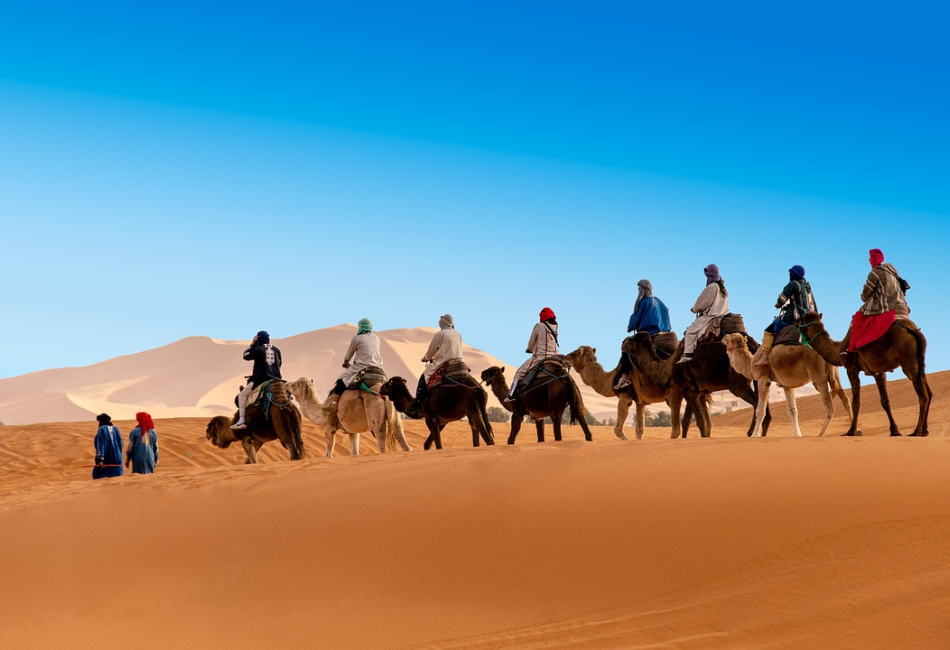
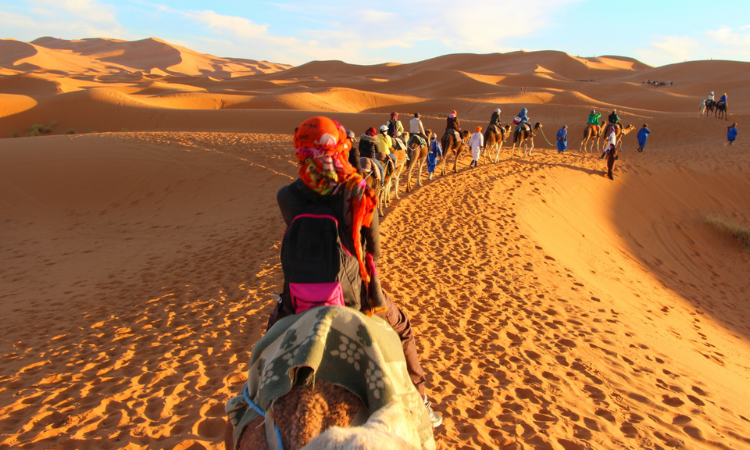
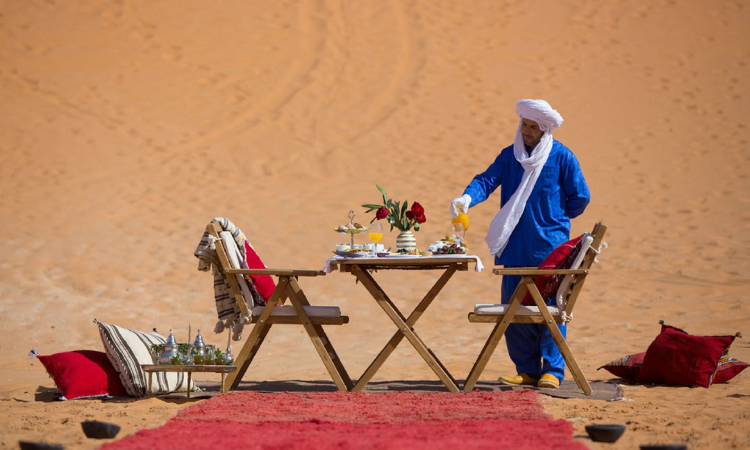
The most popular way to explore the Sahara is on a camel trek, where you can enjoy a serene journey through towering sand dunes and endless desert landscapes. Camel treks typically take you to remote desert camps, where you can sleep under the stars, experience traditional Berber hospitality, and enjoy a campfire dinner. Many tours start from Merzouga, a town located on the edge of the Sahara Desert, and last from a day to several days.
For those who want a more adventurous experience, desert 4×4 tours are available. These tours allow you to explore deeper into the Sahara, including areas that are less accessible by camel. Additionally, some tours offer sandboarding, dune hikes, and photography opportunities, making it an ideal experience for outdoor enthusiasts and photographers.
The Sahara Desert’s beauty is most stunning at sunrise and sunset when the golden sand reflects the changing light. It’s one of the most iconic experiences in Morocco, offering peace and tranquility in a dramatic landscape.
2. Trekking the High Atlas Mountains
The High Atlas Mountains, which run across central Morocco, provide a stunning contrast to the vast deserts of the south. These rugged mountains are perfect for hiking, trekking, and outdoor enthusiasts. The region is home to traditional Berber villages, where you can immerse yourself in the culture and history of Morocco’s indigenous people.
Trekking in the High Atlas offers breathtaking views of snow-capped peaks, lush valleys, and terraced fields. One of the most famous trekking routes is the ascent of Mount Toubkal, the highest peak in North Africa. While the climb is challenging, the views from the summit are well worth the effort, offering sweeping vistas of the surrounding mountain range.
For a more leisurely trek, you can visit the Ourika Valley, located just outside of Marrakech. The valley is home to picturesque waterfalls, traditional Berber homes, and vibrant green orchards, making it a perfect spot for a scenic hike. You’ll also encounter local Berber guides who can teach you about the region’s history, culture, and flora.
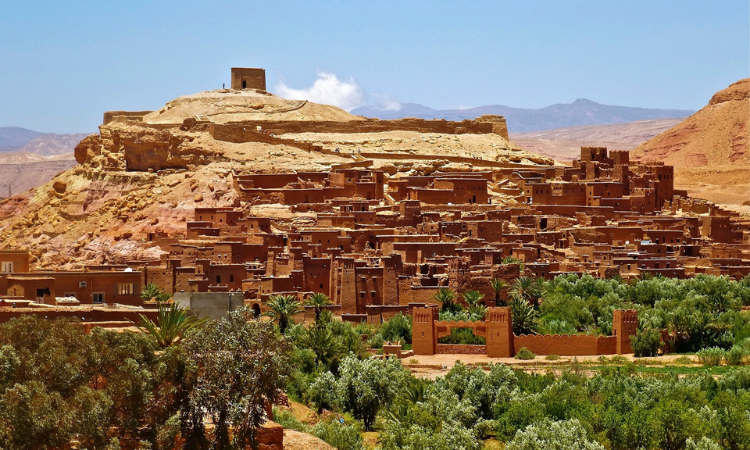
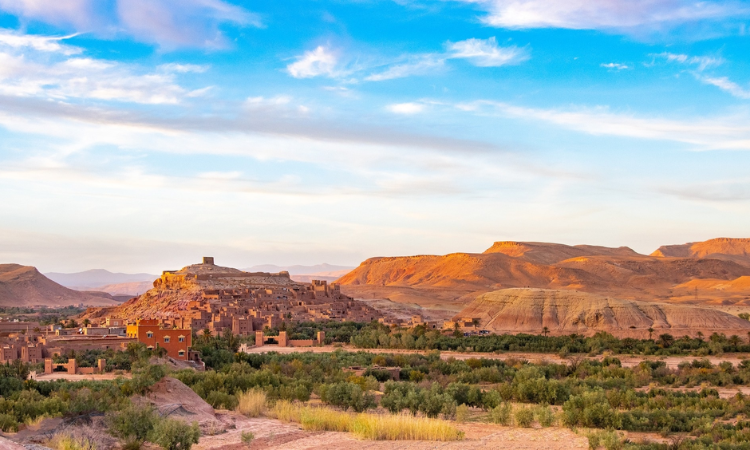
The High Atlas Mountains are also home to Ait Benhaddou, a UNESCO World Heritage site. This ancient fortified village, built from mudbrick, is one of the most striking examples of Moroccan architecture and has been featured in several films, including Gladiator and Lawrence of Arabia. Exploring this site is a must-do for history lovers and architecture enthusiasts.
3. Experience Morocco’s Bustling Cities: Marrakech, Fez, and More
Marrakech and Fez are two of Morocco’s most famous cities, each offering its own distinct experience for visitors.
Marrakech is often considered the heart of Morocco’s culture and history. The city is known for its vibrant atmosphere, bustling souks (markets), and historic medinas (old towns). The Jemaa el-Fnaa square is the beating heart of the city, where street performers, food vendors, and merchants create a lively and energetic atmosphere. The Koutoubia Mosque, the Bahia Palace, and the Majorelle Gardens are just a few of Marrakech’s famous landmarks that should be on every traveler’s list.
One of the most interesting aspects of Marrakech is its blend of old and new. The city’s Medina is a UNESCO World Heritage site and is home to centuries-old buildings and traditional souks, while the newer districts offer modern restaurants, cafes, and shops.
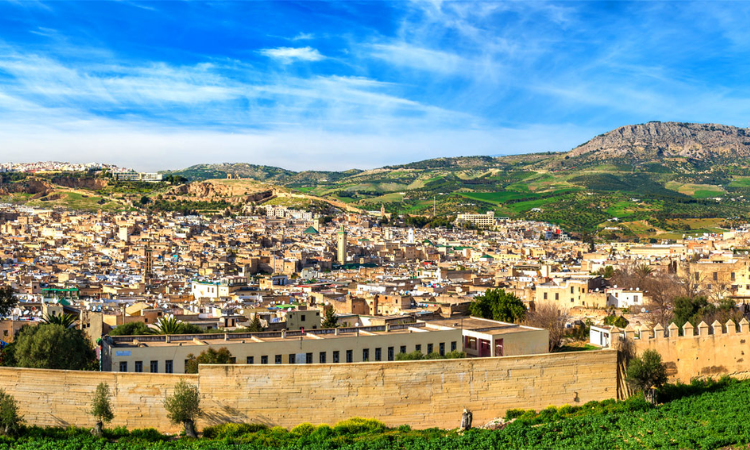
Fez, often considered the spiritual capital of Morocco, is another must-see city. Its medina is one of the best-preserved medieval cities in the world and is also a UNESCO World Heritage site. Wandering through the narrow alleys, you’ll encounter vibrant markets, ancient tanneries, and beautiful madrasas (Islamic schools). Fez is also famous for its artisanal crafts, including pottery, textiles, and leatherwork, making it a great destination for shopping.
In Fez, you can also visit the Al Quaraouiyine University, one of the oldest operating universities in the world. The history and cultural significance of the city are evident in every corner, making it a fascinating place to explore for history buffs and culture seekers.
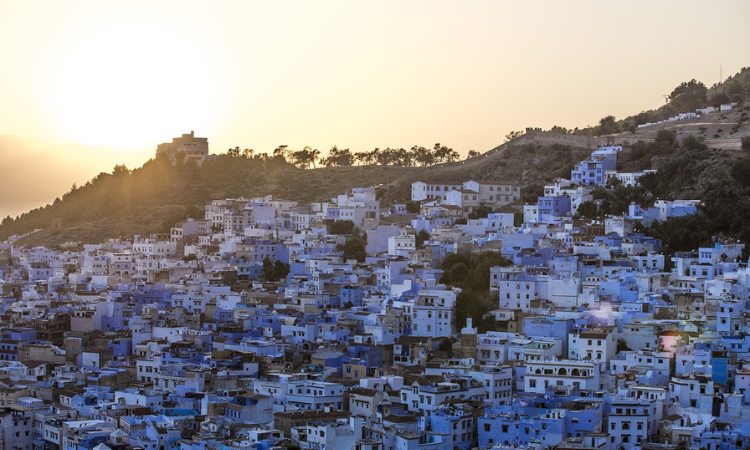
Chefchaouen, a smaller town known for its distinctive blue-painted walls, is another highlight for first-time visitors to Morocco. Nestled in the Rif Mountains, Chefchaouen offers stunning scenery and a relaxed atmosphere. The town is also a great spot for hiking, and visitors can trek to the nearby Akchour Waterfalls for an unforgettable natural experience.
4. Visit Casablanca and the Hassan II Mosque
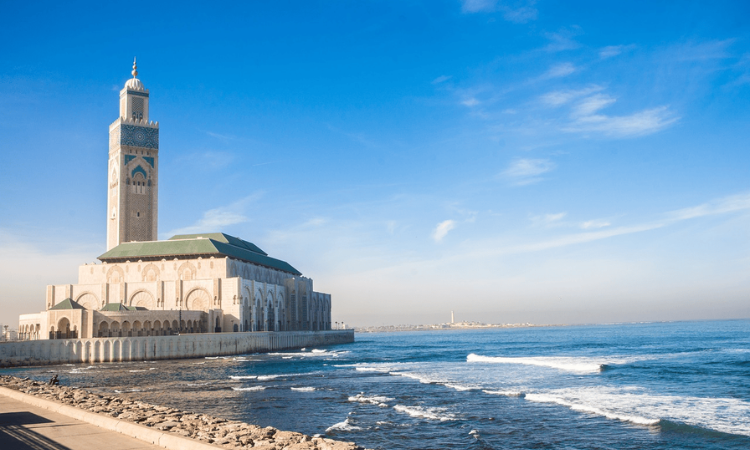
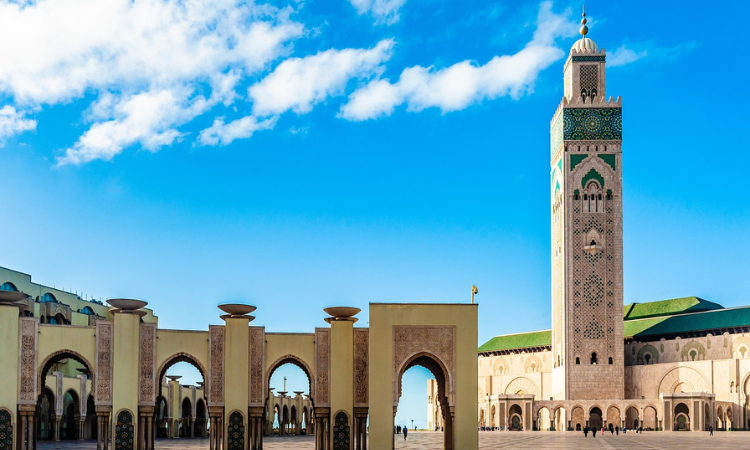
Though Casablanca is more modern and less traditional than Marrakech or Fez, it is a city worth visiting for its art deco architecture and stunning coastline. One of the most iconic landmarks in Casablanca is the Hassan II Mosque, one of the largest mosques in the world and the only one in Morocco that non-Muslims can enter. The mosque is located on the edge of the Atlantic Ocean, offering spectacular views of the sea. Visitors can take a guided tour to learn about its history and the craftsmanship that went into its construction.
5. Unwind in Morocco’s Coastal Cities
While Morocco’s inland cities are rich in culture and history, its coastline offers a more relaxed experience. Cities like Essaouira and Agadir provide beautiful beaches, fresh seafood, and a laid-back atmosphere. Essaouira, with its UNESCO-listed medina, is known for its stunning beaches, excellent windsurfing conditions, and charming old town. Agadir, on the other hand, offers more modern resorts and a thriving tourist industry.
6. The Majestic Sand Dunes of the Sahara
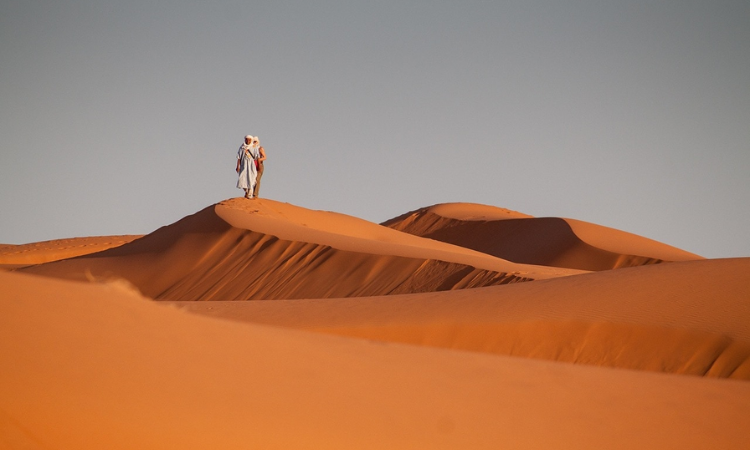
No trip to Morocco would be complete without a visit to the Sahara Desert, but aside from camel treks, there are many ways to explore this awe-inspiring landscape. Spend a night under the stars in a desert camp, or venture to the famous Merzouga dunes for a sunrise view that will leave you speechless. The experience of being surrounded by endless dunes and the quiet stillness of the desert is one that you’ll never forget.
Best Places to Visit in Morocco for First-Time Travelers
Morocco is a land of vibrant culture, rich history, and stunning landscapes, offering an unforgettable experience for travelers. For first-time visitors, the country offers a wide variety of destinations, each with its own unique charm and character. From the bustling cities filled with ancient traditions to the serene desert landscapes and the scenic Atlas Mountains, there is something for every traveler. Here are some of the best places to visit in Morocco, each offering a memorable experience that captures the essence of this North African gem.
1. Morocco travel guide to Marrakech: A City of Vibrancy and History
Marrakech is perhaps Morocco’s most famous city, and for good reason. Known for its vibrant atmosphere, historical sites, and colorful markets, it offers an immersive experience for anyone visiting Morocco for the first time.
Marrakech Medina: The Medina, or old town, is a UNESCO World Heritage site and is the beating heart of Marrakech. It is a maze of narrow, winding streets filled with spice shops, artisan stalls, and local merchants. Here, you can haggle for unique Moroccan goods like carpets, jewelry, and textiles. The hustle and bustle of the Medina can be overwhelming but is an essential part of the Marrakech experience.
Bahia Palace: A stunning example of Moroccan architecture, the Bahia Palace is a sprawling complex of rooms, courtyards, and gardens. Built in the 19th century, it was once the home of a wealthy nobleman and is renowned for its intricate design and beautiful mosaics. The palace offers a glimpse into the opulence of Morocco’s royal past.
Majorelle Gardens: A beautiful escape from the heat of the city, the Majorelle Gardens are a peaceful haven filled with vibrant blue architecture, exotic plants, and fountains. Originally designed by French painter Jacques Majorelle, the gardens were later owned by fashion icon Yves Saint Laurent. It’s a perfect spot for those seeking a bit of tranquility amidst the vibrant chaos of Marrakech.
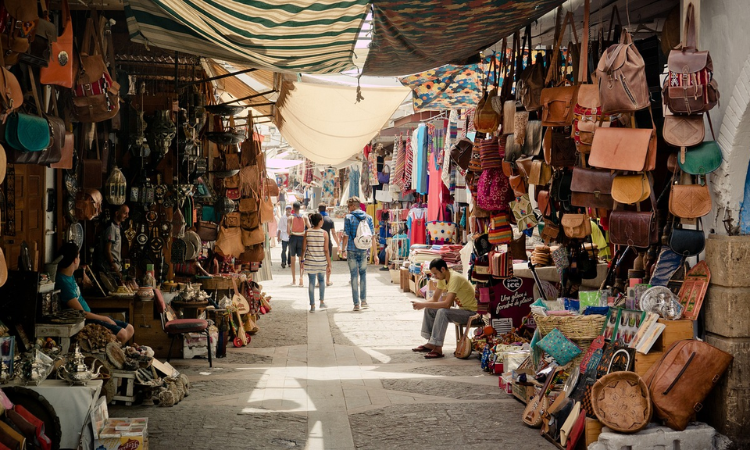
Markets (Souks): No visit to Marrakech would be complete without a walk through its souks (markets). These bustling spaces offer everything from spices and textiles to jewelry and ceramics. You can shop for souvenirs, watch artisans at work, or simply enjoy the sensory overload of colors and scents that fill the air.
2. Fez: A Journey Through History
Morocco travel guide is not complete without having Fez in it. Fez is often considered Morocco’s cultural and spiritual heart. It is home to one of the world’s oldest universities, and its historic medina is a UNESCO World Heritage site that transports visitors back in time.
Old Medina: The Fez Medina is a maze of narrow, winding alleyways, filled with traditional shops, artisans, and street food vendors. The streets are so narrow that cars can’t enter, creating a peaceful atmosphere where you can wander and explore at your leisure. You’ll find tanneries, mosques, and historic landmarks tucked away in the heart of the city. The medina is a living museum, offering an authentic look at Morocco’s past.
Historic Ramparts: The city of Fez is also surrounded by impressive ramparts, some of which date back to the 12th century. These fortifications helped protect the city from invaders and offer great views of the surrounding areas. Walking along the ramparts, you can get a sense of the city’s historical significance and its defensive architecture.
Al Quaraouiyine University: Founded in 859, Al Quaraouiyine University is the oldest continuously operating university in the world. It is located in the heart of the Fez Medina and is a key part of the city’s intellectual and cultural heritage. Though non-Muslims are not permitted to enter the university, the exterior and surrounding areas are worth visiting.
3. Chefchaouen: The Blue City
Chefchaouen, often called the “Blue City,” is one of Morocco’s most picturesque towns. Nestled in the Rif Mountains, Chefchaouen is famous for its distinctive blue-painted buildings that create a serene and calming atmosphere.
The city’s charm lies not only in its striking blue hues but also in its tranquil vibe, which offers a respite from the busier cities. Strolling through the narrow streets of the Medina, you can enjoy the beautiful scenery, shop for unique handicrafts, or simply sit back and enjoy the laid-back atmosphere.
Chefchaouen is also an ideal place to go hiking, with several scenic trails that lead to breathtaking views of the surrounding mountains and valleys. Whether you’re exploring the town’s vibrant streets or hiking through the mountains, Chefchaouen is an essential stop for first-time visitors.
4. Casablanca: The Modern Metropolis
Casablanca is Morocco’s largest city and an economic hub, offering a more modern take on Moroccan life. Though it may not have the same historical charm as cities like Marrakech and Fez, Casablanca has its own appeal with its art deco architecture, lively atmosphere, and coastal views.
Hassan II Mosque: One of Casablanca’s most iconic landmarks is the Hassan II Mosque, the largest mosque in Morocco and the seventh largest in the world. Located on the edge of the Atlantic Ocean, this architectural marvel is known for its stunning minaret, intricate mosaics, and oceanfront setting. Non-Muslim visitors can take guided tours of the mosque, making it one of the must-see attractions in Casablanca.
The Corniche: For a more modern experience, head to the Corniche, Casablanca’s coastal area, where you can enjoy restaurants, cafes, and beaches with views of the Atlantic. The Corniche is a great place to relax, take a stroll, or enjoy a meal while overlooking the ocean.
5. Sahara Desert: A Journey into the Dunes
For many, a trip to Morocco wouldn’t be complete without experiencing the Sahara Desert. The desert is one of the country’s most iconic features, and there are several ways to explore this otherworldly landscape. Our Morocco travel guide focuses on how you can experience the Sahara in the best possible way.
Camel Treks and Desert Camps: Camel rides are the most traditional way to experience the Sahara. Starting in the town of Merzouga, you can embark on multi-day camel treks that take you deep into the desert, where you’ll camp under the stars in traditional Berber tents. The experience of spending a night in the desert, with nothing but sand dunes and the night sky surrounding you, is an unforgettable adventure.
Sand Dunes and Adventures: The Sahara is home to some of the world’s tallest sand dunes, including the famous Erg Chebbi dunes. Visitors can enjoy sandboarding, hiking, or simply taking in the stunning views of the golden dunes. The sense of isolation and beauty in the desert is truly unique and is a must-do for those visiting Morocco.
Cultural Insights for First-Time Visitors to Morocco
Understanding Moroccan culture is key to fully experiencing the country. One of the most distinctive elements of Moroccan culture is the Berber heritage. The Berbers, or Imazighen, are the indigenous people of Morocco, with a rich history and strong traditions that are still visible in many aspects of life, from their art and music to their language. A good Morocco travel guide always shares this!
Learning basic Moroccan Arabic (Darija) can go a long way in helping you connect with locals. Even simple phrases like Salam Alaikum (Hello) or Shukran (Thank you) will endear you to the people.
Moroccans are known for their warm hospitality, and drinking mint tea is a sacred ritual. Sharing a cup of Moroccan mint tea with locals is not just about the drink but also about building relationships. The food is another key part of the culture. Don’t miss trying traditional dishes like tagine, couscous, and freshly baked bread, often shared in a communal setting. Morocco’s unique blend of Arab, Berber, and French influences makes it a cultural melting pot, making each encounter a meaningful exchange.
Unique Moroccan Experiences You Shouldn’t Miss
When exploring Morocco, immerse yourself in the local culture by visiting the bustling medinas. These vibrant, labyrinthine marketplaces are home to street performers, where musicians, dancers, and storytellers bring the streets to life. This is the heart of Morocco’s artistic expression and street entertainment.
Indulge in traditional Moroccan cuisine at local restaurants, where you can savor dishes like tagine, couscous, and pastilla. These meals are cooked using age-old recipes and served in the most authentic settings, offering a taste of Morocco’s rich culinary traditions.
Finally, don’t miss the opportunity to browse the local markets for unique souvenirs. You’ll find everything from colorful textiles, handcrafted leather goods, and intricate pottery to aromatic spices. Each item is a reflection of Morocco’s diverse culture and craftsmanship, making the markets an ideal place to take home a piece of Morocco’s essence.
Exploring the Atlas Mountains and the Sahara Desert
A trip to Morocco would be incomplete without exploring the High Atlas Mountains and Rif Mountains. These dramatic landscapes offer endless adventures, from hiking through the Dades Valley, with its stunning gorges and kasbahs, to enjoying the vastness of the desert. For a unique experience, embark on a camel ride in the Sahara Desert, where you’ll traverse the iconic sand dunes, taking in the beauty of Morocco’s vast, sun-drenched wilderness. These mountain and desert regions are perfect for adventure seekers, offering both scenic beauty and a rich cultural experience.
Navigating Morocco: Getting Around and What to Expect
Getting around Morocco can be a unique experience, as the country’s transportation system combines traditional methods with modern conveniences. When traveling within cities, the Grand Taxi system is a popular choice, offering shared rides in old-fashioned cars that can take you to nearby towns or across cities. The taxis operate on set routes, but for a more flexible experience, negotiating a price with the driver is common.
For longer journeys, trains are an efficient way to travel between major cities like Marrakech, Casablanca, and Fez. The train service is reliable, and the Moroccan Railway (ONCF) offers both standard and high-speed trains, making travel between cities relatively quick and comfortable.
However, navigating Moroccan cities, particularly the bustling medinas, can be challenging. Expect to find narrow streets winding through crowded areas filled with locals, street vendors, and tourists. Walking through these vibrant neighborhoods can be both exciting and overwhelming, so always keep an eye on your surroundings. It’s advisable to have a local guide or use a GPS application like Google Maps to help navigate the labyrinth of streets. Be prepared for the occasional traffic jam or unpredictable road conditions, especially in the more congested urban centers.
Public buses are also available, though they are less reliable for tourists unfamiliar with the routes. Renting a car is an option for more adventurous travelers but be cautious when driving in crowded, narrow streets where local driving habits might differ from what you’re used to.
Travel Tips for Visiting Morocco for the First Time
The most important part of the Morocco travel guide is this! When first time in Morocco, there are several key tips to ensure a smooth and enjoyable trip. First, understand that Morocco’s currency is the Moroccan Dirham (MAD). Credit cards are accepted in most major cities, but it’s advisable to carry cash, especially in smaller towns or rural areas. You can easily exchange foreign currencies at banks or ATMs, but try to avoid exchanging money at airports, where rates tend to be less favorable.
Safety is a concern for any traveler, but Morocco is generally safe for tourists. Like any popular destination, be cautious in crowded places, particularly in markets or medinas, where pickpocketing can occur. It’s a good idea to use a money belt or secure wallet to keep your valuables safe. Always agree on a price with taxi drivers before starting your journey, and if you’re unsure about a route, consider using Google Maps to avoid getting lost.
To save money, avoid tourist traps like expensive cafes and shops. Instead, look for local eateries, street food vendors, and markets where you can experience authentic Moroccan cuisine at a fraction of the price. Bargaining is common in souks (markets), so don’t hesitate to haggle for better prices, but always remain respectful.
Packing for Morocco can vary depending on where you’re going. If you’re visiting the Sahara Desert, remember to pack light, breathable clothing for the day and warm layers for the cool evenings. In cities, modest clothing is recommended, particularly for women. Comfortable walking shoes are essential for navigating the narrow streets and exploring markets, while sunscreen and a hat will protect you from the sun during your desert adventures.
When deciding where to go in Morocco, prioritize destinations like Marrakech, Fez, and Chefchaouen, each offering unique experiences, from bustling souks to serene landscapes.
Check out our Morocco Tours for a wonderful experience!
Frequently Asked Questions (FAQ) about Visiting Morocco
1. What is the best time to visit Morocco?
The best time to visit Morocco is during spring (March to May) and fall (September to November). These months offer pleasant weather, with mild temperatures that make it ideal for exploring both cities and natural landscapes. During these seasons, you’ll avoid the extreme heat of summer, especially in the desert, and enjoy fewer crowds compared to peak travel times.
2. Is Morocco safe for tourists?
Yes, Morocco is generally safe for tourists. However, like any destination, it’s important to take basic safety precautions. Stay aware of your surroundings, especially in crowded places like markets (souks) and major tourist attractions. Petty theft, such as pickpocketing, can happen in busy areas, so use a money belt and keep your valuables secure. Always agree on taxi prices beforehand to avoid scams. Morocco is welcoming, and most locals are friendly and helpful.
3. What are the must-see places in Morocco?
Some of the must-see places in this Morocco travel guide are:
Marrakech Medina: A UNESCO World Heritage site, filled with vibrant souks, ancient palaces, and historic gardens like the Majorelle Gardens.
Sahara Desert: Experience the vast sand dunes, camel rides, and desert camps for a once-in-a-lifetime adventure.
Atlas Mountains: Trek through the high Atlas peaks and enjoy panoramic views, traditional Berber villages, and unique landscapes.
Majorelle Gardens: A beautiful botanical garden in Marrakech, famous for its exotic plants and blue hues.
4. Do I need a visa to enter Morocco?
Most visitors to Morocco do not need a visa for short stays, typically up to 90 days, for tourism purposes. However, entry requirements can vary depending on your nationality. It’s always recommended to check the visa requirements before traveling by consulting the nearest Moroccan embassy or consulate. Travelers must ensure their passports are valid for at least six months beyond their intended stay.
5. How to experience authentic Moroccan culture?
To truly experience authentic Moroccan culture, try to immerse yourself in local traditions and everyday life. Interact with shop owners and artisans in the bustling souks, where bargaining is part of the culture. Sample mint tea, a traditional Moroccan drink, which is often offered as a symbol of hospitality. Consider visiting Berber villages to learn about the indigenous Berber culture, including their way of life, crafts, and cuisine. Engage with locals respectfully, and you’ll gain a deeper understanding of Morocco’s rich heritage and welcoming spirit.
 Toll Free (USA & Canada) +1 866 978 2997