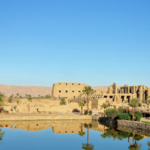
Yes—Egypt is safe for tourists in 2026-27 when you stay within the country’s well-established tourist corridor, including Cairo, Luxor, Aswan, and the Nile cruise route. These destinations welcome millions of international visitors every year, including large numbers from the United States, Canada, the United Kingdom, and Australia. With sensible precautions and a well-planned itinerary, most travelers enjoy a safe and rewarding experience exploring one of the world’s oldest civilizations.
That said, Egypt is a large country, and safety isn’t uniform across every region. This is where much of the confusion begins. The places most tourists visit are very different from the remote border areas that occasionally appear in international headlines. The classic Egypt itinerary—from the Pyramids of Giza to the temples of Luxor and Aswan—is located within a heavily visited tourism corridor that benefits from extensive security measures and well-developed visitor infrastructure.
The perception gap is particularly noticeable among North American travelers. News coverage in the United States and Canada often highlights regional conflicts or political developments, creating the impression that these events affect the entire country. In reality, the vast majority of visitors spend their time in Egypt’s main tourist destinations, far from the regions that government advisories identify as higher risk. This distinction is essential when evaluating Egypt travel safety rather than relying on outdated assumptions or broad headlines.
Current travel advisories also reflect this regional approach rather than applying a blanket warning across the country. While the exact guidance should always be verified before departure, both the U.S. State Department and Global Affairs Canada typically distinguish between Egypt’s major tourist destinations and higher-risk border regions.
Here’s the general picture:
- Major tourist areas such as Cairo, Luxor, Aswan, and the Nile cruise route are generally considered suitable for tourism, with visitors advised to exercise normal precautions or the equivalent level of caution.
- North Sinai, sections of the Sinai Peninsula, and border areas near Libya and Sudan are subject to higher travel advisories and are not part of standard guided Egypt itineraries.
- Reputable tour operators do not include restricted or high-risk regions in their scheduled programs, allowing travelers to focus on Egypt’s iconic historical sites with greater confidence.
Rather than offering empty reassurance, this Egypt travel guide featuring the Best Egypt Tour packages for North Americans, aims to provide the full picture. We’ll explain where tourists actually travel, how current advisories apply to different regions, the real day-to-day risks visitors are most likely to encounter, and the practical steps that make traveling easier and more secure. We’ll also explore why a guided tour with a reputable operator naturally reduces many of the logistical challenges that independent travelers face.
Understanding Egypt’s Travel Advisories — What Americans and Canadians Need to Know
Government travel advisories are often the first resource travelers check when planning a trip to Egypt. However, these advisories can seem alarming without context. Understanding how they work—and which regions they apply to—helps travelers make informed decisions rather than relying on headlines alone. This section explains the current Egypt travel advisory guidance for Americans and Canadians, what it means in practical terms, and how it relates to the destinations most visitors actually explore.
U.S. Department of State Egypt Travel Advisory
The U.S. Department of State issues a nationwide travel advisory for Egypt while also highlighting specific regions that require additional caution or should be avoided altogether. Before publishing, confirm the current advisory level and any region-specific guidance on the official U.S. Department of State website.
For most visitors, it’s important to understand that the popular tourist circuit—including Cairo, Luxor, Aswan, and the Nile cruise route, which is covered in this 10 day Egypt Itinerary, is separate from the border regions and conflict-prone areas that receive stricter warnings. Standard itineraries offered by reputable tour operators do not include destinations such as North Sinai, areas near the Libya border, or parts of the Sudan border, which are subject to heightened security concerns.
Global Affairs Canada Egypt Travel Advisory
Global Affairs Canada publishes similar destination-specific advice for Canadian travelers, including country-wide guidance alongside additional recommendations for higher-risk regions. As with the U.S. advisory, travelers should verify the latest information before departure using the official Government of Canada travel advice website.
For Canadians visiting Egypt’s primary tourism destinations—including Cairo, Luxor, Aswan, Abu Simbel, and the Nile cruise corridor—the guidance differs significantly from the recommendations for border areas and other restricted regions. Understanding these regional distinctions provides a much clearer picture of what travelers can realistically expect during a standard guided tour.
What the Travel Advisories Don’t Tell You
One of the biggest misconceptions about an Egypt travel advisory is that it applies equally across the entire country. In reality, Egypt is geographically vast, and official advisories distinguish between well-established tourist destinations and specific areas facing elevated security risks.
The places most international visitors travel, Cairo, the Pyramids of Giza, Luxor, Aswan, and the Nile cruise route—are hundreds of miles from the regions that receive stricter warnings. The headlines often focus on broader regional events, while most guided itineraries remain entirely within Egypt’s heavily visited tourism corridor.
Rather than asking, “Is Egypt safe for Americans?” the more useful question is whether your planned itinerary includes any higher-risk areas. For the vast majority of travelers visiting Egypt’s iconic archaeological sites with a reputable tour operator, the answer is no. Understanding that distinction helps put official advisories into practical context while allowing travelers to make informed decisions based on where they will actually be spending their time.
The Tourist Corridor — Where You’ll Actually Go (And Why It’s Different)
When people ask, “Is Egypt safe for tourists?”, they’re often thinking about the country as a whole. In reality, most international visitors spend their time within a well-established tourism corridor that has welcomed millions of travelers for decades. This route—stretching from Cairo to Luxor and Aswan, with many itineraries including a Nile cruise—is home to Egypt’s most famous attractions, extensive tourism infrastructure, and enhanced security measures.
Understanding the difference between Egypt’s primary tourist destinations and the regions highlighted in travel advisories is essential for assessing Egypt tourist areas safety. Here’s what you can expect in each of the country’s main visitor hubs.
Cairo
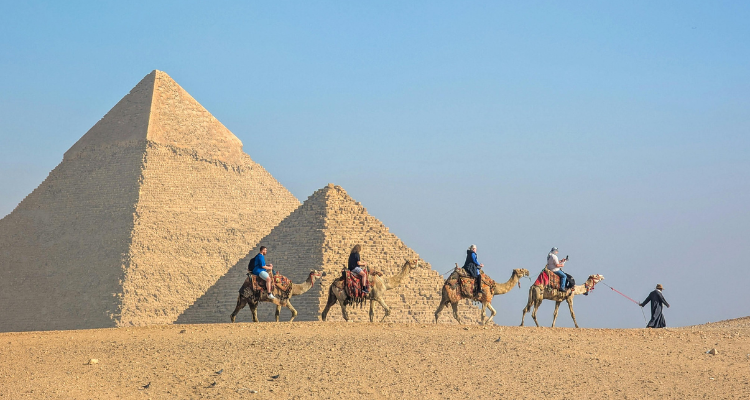
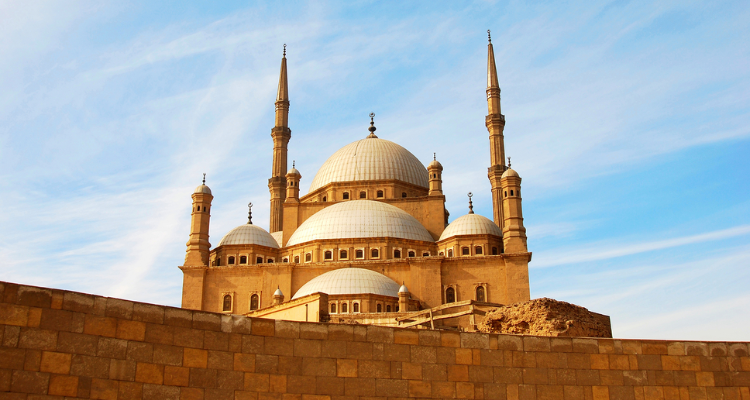
As Egypt’s bustling capital and one of the largest cities in the world, Cairo is home to more than 20 million residents and serves as the gateway for nearly every international visitor. It’s where travelers experience iconic landmarks, which are also the Best Places to visit in Egypt, such as the Pyramids of Giza, the Great Sphinx, the Egyptian Museum, and the Grand Egyptian Museum.
These attractions have a visible security presence, including tourist police and controlled entry points, reflecting their importance to Egypt’s tourism industry. For visitors, the most common concerns are practical rather than serious. Pickpocketing in crowded areas, persistent vendors, unofficial guides, and inflated prices for souvenirs or transportation are far more likely than violent crime.
While vendor pressure around major attractions can feel overwhelming for first-time visitors, it’s generally more of an inconvenience than a safety issue. Traveling with a licensed guide or joining a guided tour helps minimize these interactions, allowing you to focus on the experience rather than negotiating with touts or navigating unfamiliar areas.
Luxor
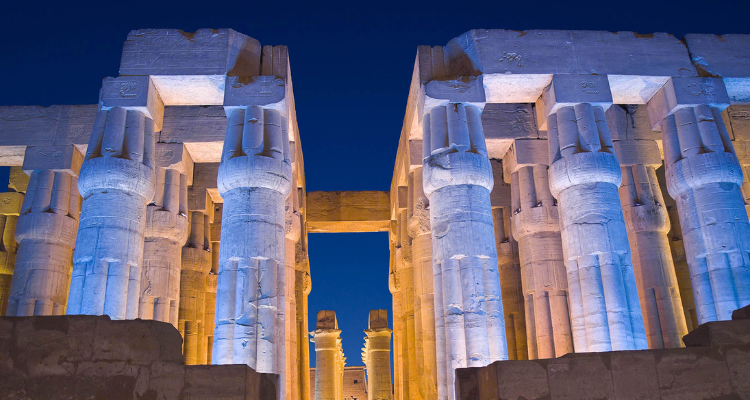
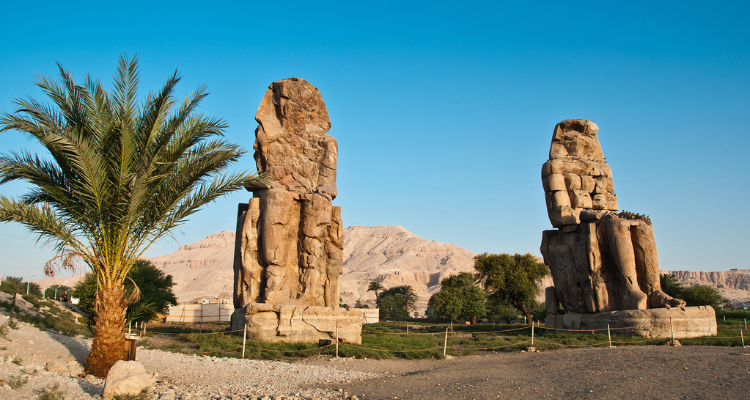
Often described as the world’s greatest open-air museum, Luxor revolves almost entirely around tourism. The city’s economy depends heavily on visitors exploring sites such as the Valley of the Kings, Karnak Temple, and Luxor Temple, making tourism safety a local priority.
Major archaeological sites are well organized, with visible security personnel, designated visitor facilities, and established transportation networks connecting hotels and attractions. Independent travelers generally find Luxor easy to navigate, while guided tours streamline logistics and provide historical context throughout the visit.
Like Cairo, the primary challenges involve occasional souvenir sellers and hot weather rather than security concerns. For most travelers, Luxor offers a relaxed sightseeing experience focused almost entirely on Egypt’s extraordinary ancient heritage.
Aswan
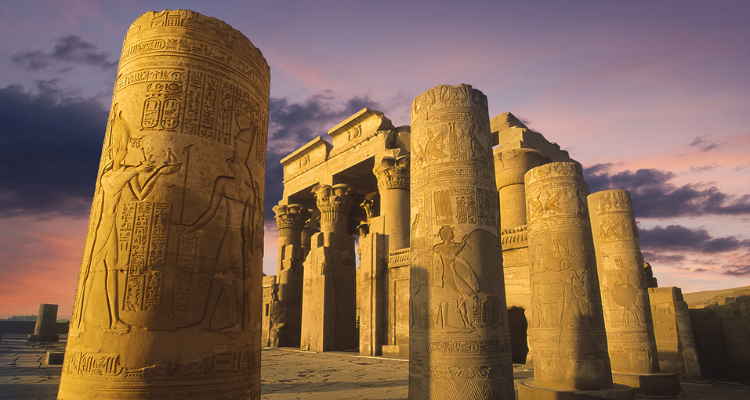
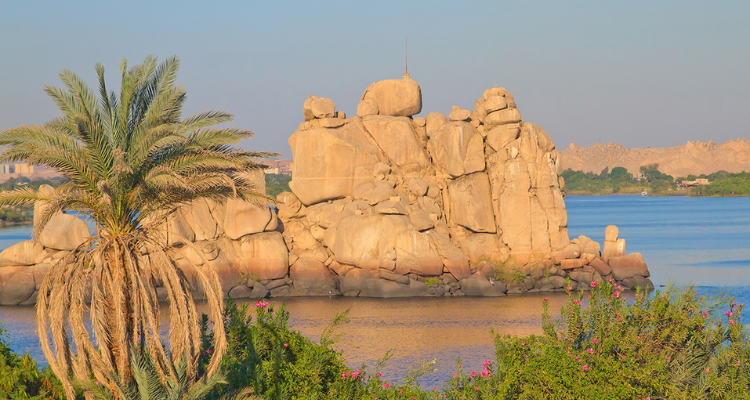
Located farther south along the Nile, Aswan offers a noticeably slower pace than Cairo or Luxor. Known for attractions such as Philae Temple, traditional Nubian villages, and peaceful felucca sailing on the Nile, it is often considered one of Egypt’s most tranquil destinations.
The city has a welcoming atmosphere, and the Nubian community is widely recognized for its hospitality toward visitors. Streets are generally less crowded, traffic is lighter, and many travelers describe Aswan as one of the most relaxing parts of an Egyptian itinerary.
From a Egypt travel safety 2026 perspective, Aswan presents relatively few concerns beyond standard travel precautions. As elsewhere in Egypt, safeguarding valuables, staying hydrated, and using reputable transportation are sensible practices, but serious security issues affecting tourists are uncommon.
The Nile Cruise
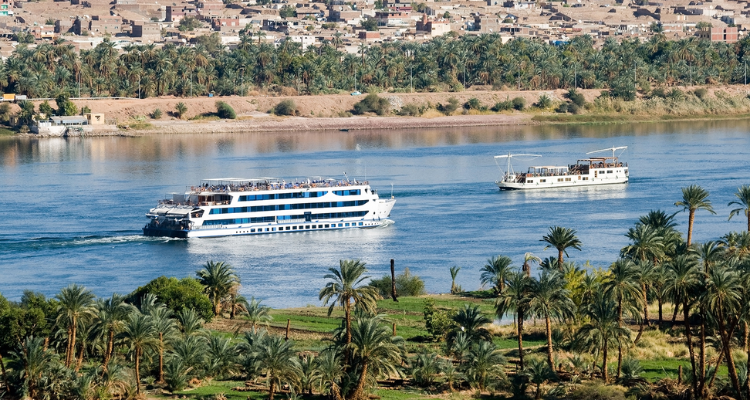
For many travelers, a Nile cruise between Luxor and Aswan is the highlight of an Egyptian vacation—and it is also one of the most comfortable and structured ways to explore the country.
Cruise itineraries follow a fixed route with scheduled visits to major archaeological sites, while licensed operators manage transportation, accommodations, meals, and guided excursions. Because travelers remain within an organized environment throughout the journey, there is little need to arrange independent transport or navigate unfamiliar areas on their own.
This managed format significantly reduces many of the practical challenges visitors sometimes associate with Egypt, including transportation logistics, language barriers, and interactions with unofficial vendors. For first-time visitors, families, and seniors, a Nile cruise offers an enjoyable balance of sightseeing, convenience, and peace of mind.
Areas to Avoid
While Egypt’s main tourism corridor is well established and regularly visited by international travelers, some parts of the country are subject to stricter government travel advisories and are not included in standard tourist itineraries.
These generally include:
- North Sinai, where most governments advise against travel due to ongoing security concerns.
- Border regions near Libya and Sudan, which may carry higher travel advisory levels.
- Remote areas of the Western Desert unless traveling with a specialist operator and appropriate permits.
Fortunately, these locations are far removed from the destinations most travelers visit. Typical itineraries covering Cairo, Luxor, Aswan, Abu Simbel, and the Nile cruise route do not enter these restricted areas, allowing visitors to experience Egypt’s most iconic attractions while remaining within the country’s established tourism network.
Safety in Numbers — Why Guided Tours Reduce Risk in Egypt
While independent travel in Egypt is entirely possible, many of the challenges visitors encounter are logistical rather than security-related. For first-time visitors especially, a guided tour removes much of the uncertainty by handling transportation, accommodations, site access, and local interactions. Rather than constantly making decisions on the ground, travelers can focus on experiencing Egypt’s extraordinary history with confidence.
For many visitors researching Egypt travel safety 2026-2027, this is where a guided tour offers its greatest advantage—not because Egypt is inherently unsafe, but because it minimizes the situations that can make unfamiliar destinations feel intimidating.
Vendor Pressure and Tourist Scams
Ask experienced travelers about the biggest day-to-day challenge in Egypt, and many won’t mention crime—they’ll mention persistent vendors and tourist scams. Around popular attractions like the Pyramids of Giza, visitors may encounter souvenir sellers, camel ride operators, unofficial guides, or drivers offering unsolicited services. In busy bazaars, bargaining is part of the shopping culture, and prices often vary between locals and tourists.
These experiences can feel overwhelming, particularly for first-time visitors, but they rarely pose a genuine safety threat. Instead, they create discomfort and uncertainty.
A licensed tour guide acts as both an advocate and a buffer, helping travelers avoid common scams, negotiate fairly when appropriate, and move confidently through busy tourist areas without unnecessary interruptions.
Navigation and Logistics
Egypt’s major cities—especially Cairo—can be exciting but challenging to navigate independently. Heavy traffic, unfamiliar road systems, language differences, and varying transportation standards can quickly become stressful for visitors unfamiliar with the country.
A guided tour eliminates these logistical concerns by arranging airport transfers, domestic transportation, hotel check-ins, entrance tickets, and sightseeing schedules in advance. Reputable tour operators also work with trusted hotels, restaurants, drivers, and cruise companies that have been carefully vetted for quality and reliability.
Instead of worrying about whether you’ve booked the right transfer or found a legitimate guide, you can simply enjoy the journey.
Your Guide as a Cultural Interpreter
One of the greatest benefits of traveling with an Egyptologist or licensed local guide is having someone who helps you understand—not just see—the country.
Egypt has cultural customs that may differ from what North American travelers are accustomed to. Appropriate dress at religious sites, asking permission before photographing people, tipping etiquette, and interacting respectfully with local communities are all easier when someone knowledgeable is there to explain them.
A guide also helps navigate situations that might otherwise feel uncomfortable, whether it’s politely declining persistent sales pitches or explaining local customs before entering a mosque or historic site. In many ways, this cultural support is just as valuable as the practical logistics.
Emergency Support and Peace of Mind
Travel rarely goes exactly as planned. Flight delays, unexpected weather, minor illnesses, or itinerary changes can happen anywhere in the world.
When traveling independently, resolving these situations often falls entirely on the traveler. With a reputable guided tour, however, there is an experienced support network behind every step of the journey. Tour operators provide emergency contact numbers, assist with itinerary adjustments when necessary, coordinate with local partners, and can offer guidance if medical attention or travel insurance support is needed.
This level of assistance doesn’t just make travel more convenient—it provides reassurance that help is available if unexpected situations arise.
For travelers wondering is Egypt safe for tourists, this added layer of organization and local expertise often makes the biggest difference. Rather than navigating unfamiliar situations alone, you’re supported by professionals who know the destination, understand local conditions, and can respond quickly when needed.
For a full comparison of tour formats and why a small group structure specifically reduces risk exposure, read our guide to Egypt small group tours — a safer way to travel.
Safety for Specific Traveler Types
Every traveler has different priorities and concerns. A solo traveler may worry about personal security, while families often focus on health and convenience, and seniors may be more concerned about accessibility. The good news is that Egypt welcomes a diverse range of visitors every year, and with the right planning, most travelers can explore the country safely and confidently.
Is Egypt Safe for Solo Female Travelers?
One of the most common questions prospective visitors ask is, “Is Egypt safe for solo female travelers?” The honest answer is yes—but with some practical considerations.
Compared with destinations in Western Europe or East Asia, solo female travelers may experience more verbal attention, particularly in busy tourist areas or local markets. While catcalling or persistent conversation can be uncomfortable, serious incidents involving international tourists remain uncommon.
There are several simple ways to make your trip more comfortable:
- Dress modestly, particularly outside resort areas and at religious sites (loose-fitting clothing with shoulders and knees covered is recommended).
- Use Uber or other reputable ride-hailing services in Cairo instead of hailing taxis on the street.
- Avoid walking alone in isolated areas after dark.
- Stay in reputable hotels and use licensed guides for sightseeing.
Many women travel independently throughout Egypt each year without incident, but joining a guided small-group tour removes many of the situations that create unnecessary stress, from transportation logistics to navigating busy attractions.
Is Egypt Safe for Seniors?
Egypt is an excellent destination for older travelers, provided the itinerary matches their pace and mobility needs.
Many of Egypt’s iconic archaeological sites involve uneven pathways, stone steps, and extended periods of walking. Exploring the Pyramids of Giza, climbing into tombs in the Valley of the Kings, or visiting expansive temple complexes can be physically demanding, particularly during warmer months.
Before traveling, seniors should:
- Consult their doctor if they have existing health conditions.
- Purchase comprehensive travel insurance that includes medical coverage.
- Confirm activity levels and accessibility with their tour operator.
- Travel during the cooler months between October and April whenever possible.
Major cities such as Cairo and Luxor have high-quality private medical facilities, while healthcare options become more limited in smaller towns and rural areas.
One of the biggest advantages of a guided tour is the manageable pace. Scheduled transportation, experienced tour leaders, and built-in emergency support reduce physical strain and provide additional reassurance throughout the journey.
For a full guide to tour formats, pacing, and accessibility considerations, read Egypt tours for seniors — safety-first options.
Is Egypt Safe for Families with Children?
Yes. Egypt is generally a family-friendly destination, and children are warmly welcomed throughout the country. Many Egyptian families travel together, and visitors often find locals especially friendly toward younger travelers.
For school-age children, few destinations compare with standing beside the Pyramids, exploring ancient temples, or sailing along the Nile. These experiences bring history to life in a way few classrooms can.
Families should keep a few practical considerations in mind:
- Drink bottled water throughout the trip.
- Avoid street food for young children if they have sensitive stomachs.
- Schedule sightseeing early in the morning to avoid the hottest part of the day.
- Pack sunscreen, hats, and plenty of water for outdoor excursions.
Guided tours simplify family travel by arranging transportation, minimizing waiting times, and creating itineraries that balance sightseeing with appropriate rest periods.
Is Egypt Safe for LGBTQ+ Travelers?
Egypt welcomes visitors from around the world, including LGBTQ+ travelers, but it is important to understand the country’s conservative cultural environment before visiting.
While many LGBTQ+ travelers visit Egypt without experiencing problems, public attitudes and legal protections differ significantly from those in the United States and Canada. Public displays of affection—regardless of sexual orientation—are generally uncommon and should be avoided. Same-sex relationships are not legally recognized, and travelers are advised to exercise discretion throughout their visit.
The vast majority of LGBTQ+ visitors experience Egypt without incident by respecting local customs and cultural expectations. As with any international destination, it’s also wise to consult current LGBTQ+ travel resources before departure, as local guidance and recommendations may evolve over time.
By understanding local norms and following the same common-sense precautions recommended for all visitors, most travelers can enjoy Egypt’s extraordinary history, culture, and hospitality with confidence.
On-the-Ground Safety Tips for North American Travelers in Egypt
Feeling prepared is one of the best ways to travel with confidence. Most visitors have safe, memorable trips to Egypt by following a few straightforward precautions that are recommended for many international destinations. These practical tips can help you avoid common inconveniences and make the most of your journey.
For the complete pre-trip checklist—including visas, packing advice, airport arrivals, and local customs—read our guide to practical tips before travelling to Egypt.
Before You Go
Good preparation is the foundation of Egypt travel safety. Before you depart:
- Enroll in the U.S. State Department’s Smart Traveler Enrollment Program (STEP) if you’re an American citizen so you can receive travel alerts and make it easier for the embassy to contact you in an emergency.
- Canadian travelers should register their trip through the Government of Canada’s Registration of Canadians Abroad service.
- Purchase comprehensive travel insurance that includes medical treatment, trip interruption, and emergency medical evacuation.
- Review current vaccination recommendations from the CDC or the Public Health Agency of Canada. Hepatitis A and Typhoid vaccines are commonly recommended for many travelers.
- Carry both digital and printed copies of your passport, keeping a photocopy separate from the original in case it is lost or stolen.
A little preparation before departure can save significant stress during your trip.
Money and Common Tourist Scams
The biggest concerns for visitors are usually scams and overcharging—not violent crime.
A few practical habits can help you avoid most common issues:
- Use ATMs located inside banks or hotel lobbies rather than standalone street machines.
- In Cairo, use Uber whenever possible instead of negotiating with street taxis.
- When shopping in local markets, remember that bargaining is a normal part of the buying process. An initially higher “tourist price” is generally part of the negotiation rather than an attempt at fraud.
- Ignore unofficial guides who approach you at major attractions. Licensed guides arranged through your tour operator are authorized and identifiable.
- Avoid handing your phone or camera to strangers offering to take photos, particularly around busy sites like the Pyramids of Giza.
These situations can be frustrating for first-time visitors, but they’re easily managed with awareness—and almost entirely eliminated on a guided tour.
Food and Water Safety
One of the simplest ways to stay healthy in Egypt is to be mindful of what you eat and drink.
- Drink bottled or properly filtered water throughout your trip.
- Avoid ice in drinks unless you’re confident it was made using purified water.
- Hotel restaurants and buffets at reputable four- and five-star properties generally maintain high food safety standards.
- If you’re unfamiliar with local street food, it’s best to enjoy it only on the recommendation of a trusted local guide.
Most guided tours also recommend carefully selected restaurants and often provide bottled water during sightseeing, helping travelers avoid common stomach-related illnesses.
Dress Respectfully and Understand Local Customs
Egypt is welcoming to international visitors, but dressing respectfully shows consideration for local customs and often makes interactions more comfortable.
When visiting mosques or religious sites:
- Cover your shoulders and knees.
- Remove your shoes before entering prayer areas when requested.
- Dress modestly regardless of gender.
Women may also find that modest clothing attracts less unwanted attention in more conservative neighborhoods.
When photographing local people, it’s polite to ask permission first. Your guide will usually explain local etiquette before each visit, helping you avoid unintentional cultural misunderstandings.
Stay Healthy in Egypt’s Climate
For many visitors, heat is a more significant concern than personal safety.
During summer, temperatures in parts of Upper Egypt, including Luxor and Aswan, can exceed 45°C (113°F). Heat exhaustion and dehydration are genuine health risks, particularly for older travelers and those unaccustomed to hot climates.
To stay comfortable:
- Travel between October and April if possible.
- Drink plenty of bottled water throughout the day.
- Wear a wide-brimmed hat, sunglasses, lightweight clothing, and sunscreen.
- Schedule outdoor sightseeing early in the morning or later in the afternoon whenever possible.
Most guided tours already follow these best practices, arranging early departures for major archaeological sites and building rest breaks into the day’s schedule.
By following these practical recommendations, visitors quickly discover that Egypt tourist areas safety is less about worrying over security and more about traveling smart, respecting local customs, and preparing for the country’s unique climate and culture.
When to Go — Seasonal Safety and Comfort Considerations
When discussing Egypt travel safety, it’s important to remember that safety isn’t only about security—it also includes weather, comfort, and your overall travel experience. Choosing the right season can make sightseeing more enjoyable, reduce health risks, and help you get the most out of your trip. While Egypt welcomes visitors year-round, some months are far better suited to first-time travelers than others.
October to April: The Best Time to Visit
For most North American travelers, October through April is the ideal time to visit Egypt. Daytime temperatures generally range from 15°C to 28°C (59°F to 82°F), creating comfortable conditions for exploring outdoor landmarks like the Pyramids of Giza, Karnak Temple, and the Valley of the Kings.
This period also marks Egypt’s peak tourism season. Although popular attractions are busier, you’ll benefit from the country’s full tourism infrastructure, including extended operating hours, experienced guides, and a visible tourist police presence at major sites. For first-time visitors, it offers the safest and most comfortable combination of weather and travel services.
May to September: Managing the Heat
Summer in Egypt is not unsafe, but it does require more planning. Between May and September, temperatures in Luxor, Aswan, and other parts of Upper Egypt frequently exceed 40–45°C (104–113°F).
Extreme heat can increase the risk of dehydration, heat exhaustion, and fatigue, particularly for seniors, young children, and travelers who are not accustomed to hot climates. As a result, many tour operators reduce departures during the hottest months or adjust sightseeing schedules.
If you travel during summer:
- Visit outdoor attractions between 6:00–9:00 a.m. or later in the afternoon.
- Stay well hydrated throughout the day.
- Wear lightweight clothing, sunscreen, and a wide-brimmed hat.
- Take regular breaks in shaded or air-conditioned areas.
A Nile cruise remains one of the more comfortable ways to experience Upper Egypt during warmer months, thanks to air-conditioned cabins and the cooling effect of the river.
Visiting During Ramadan
Ramadan offers visitors a unique opportunity to experience Egypt’s culture and traditions, but it also requires greater cultural awareness.
During daylight hours, Muslims fast from food and drink, so visitors should avoid eating, drinking, or smoking publicly where possible as a sign of respect. Some locally owned cafés and restaurants may operate on reduced hours during the day, while hotels and tourist facilities generally continue serving international guests as usual.
Tourist attractions, museums, and archaeological sites remain open, and reputable tour operators prepare travelers in advance so they know what to expect throughout the holiday period.
Current Events and Travel Flexibility
Like many countries in the Middle East, Egypt is occasionally affected by regional geopolitical developments. While these events rarely impact the country’s main tourist corridor, they can sometimes result in itinerary adjustments or temporary changes to transportation routes.
This is another reason many travelers choose organized tours. Reputable operators continually monitor the latest Egypt travel advisory updates and maintain contingency plans should conditions change. If necessary, they can modify schedules, reroute transportation, or adjust sightseeing plans while keeping travelers informed throughout the journey.
Independent travelers, by comparison, are responsible for monitoring advisories, arranging alternative transport, and making logistical changes on their own.
For a complete month-by-month guide to weather, crowds, festivals, and ideal travel windows, read our guide to best time to visit Egypt for safer travel.
The Bottom Line — Should North Americans Visit Egypt?
So, is Egypt safe for tourists? For most North American travelers, the answer is yes.
If you stay within Egypt’s established tourist corridor—Cairo, Luxor, Aswan, Abu Simbel, the Red Sea resorts, and the Nile cruise route—follow normal travel precautions, and travel with a reputable tour operator, Egypt is a rewarding and safe destination. Millions of international visitors explore these iconic sites every year without incident, returning home with unforgettable memories rather than the concerns that often dominate headlines.
Perhaps the better question isn’t, “Is Egypt dangerous?” It’s “How can I experience Egypt while minimizing the real risks?” Those risks are generally practical rather than personal: navigating busy cities, avoiding tourist scams, managing extreme summer temperatures, and understanding local customs. These are challenges that experienced guides handle every day, allowing travelers to focus on Egypt’s extraordinary history instead of logistics.
That doesn’t mean Egypt is the right fit for everyone. Travelers who prefer complete spontaneity, have significant mobility limitations, or whose government issues updated advisories affecting their travel plans should carefully review the latest guidance before booking. Like any international destination, Egypt rewards informed preparation and realistic expectations.
For the vast majority of visitors, however, the experience far outweighs the concerns. The hundreds of thousands of North Americans who visit Egypt each year don’t make headlines—they return with photographs of the Pyramids of Giza, unforgettable sunsets along the Nile, and a lifelong appreciation for one of the world’s oldest and most remarkable civilizations.
The safest way to experience Egypt is with expert support on the ground. Indus Travel’s fully escorted tours are led by licensed Egyptologist guides, with accommodations, transportation, and sightseeing carefully planned so you can travel with confidence every step of the way.
Ready to Experience Egypt with Confidence?
Whether you’re dreaming of standing before the Pyramids of Giza, cruising the Nile between Luxor and Aswan, or exploring ancient temples with an expert guide, a well-planned itinerary makes all the difference.
Indus Travel’s Egypt tours are fully escorted by licensed Egyptologist guides, with every hotel, transfer, and excursion carefully arranged so you can focus on discovering Egypt—not worrying about the logistics. Browse departure dates, compare itineraries, and book a safe, guided Egypt tour with Indus today.
Frequently Asked Questions
Is Egypt safe for American tourists in 2026 – 2027?
Yes. For most travelers, Egypt is safe for American tourists in 2026 – 2027 when visiting the country’s established tourist corridor, including Cairo, Luxor, Aswan, and the Nile cruise route. These destinations receive millions of international visitors each year. However, some regions—such as North Sinai and certain border areas—are subject to higher travel advisories and should be avoided. Standard tourist itineraries do not include these locations. Always verify the latest U.S. State Department advisory before traveling.
What is the current U. S. travel advisory for Egypt?
The U.S. travel advisory for Egypt is region-specific rather than countrywide. Tourist destinations such as Cairo, Luxor, Aswan, and the Nile Valley generally have lower advisory levels than North Sinai and certain border regions, which carry stricter warnings. Because advisory levels can change, travelers should always check the latest information on the U.S. State Department’s website before departure rather than relying on older guidance.
Is Egypt safe for solo female travelers?
Yes, many women travel to Egypt safely every year, including those traveling alone. Solo female travelers may experience more verbal attention or street harassment than in some Western destinations, but serious incidents involving tourists are uncommon. Dressing modestly, using Uber in Cairo, avoiding isolated areas after dark, and joining a guided tour can significantly improve both comfort and confidence throughout the trip.
What are the biggest safety risks for tourists in Egypt?
The most common issues travelers encounter are petty crime, tourist scams, taxi overcharging, persistent vendors at major attractions, and heat-related illness during the summer months. Violent crime against international visitors is relatively rare in Egypt’s main tourist areas. Traveling with a reputable guided tour helps reduce these everyday risks through licensed guides, planned transportation, and carefully selected accommodations.
Is it safe to drink the water in Egypt?
No. Visitors should drink bottled or properly filtered water throughout their trip. It’s also wise to avoid ice in drinks unless you’re confident it was made with purified water. Restaurants at reputable hotels generally follow high food safety standards, while guided tours often provide bottled water during excursions and recommend trusted restaurants for group meals.
Is the Nile cruise safe?
Yes. A Nile cruise between Luxor and Aswan is widely considered one of the safest and most comfortable ways to experience Egypt. Cruise itineraries follow a well-established tourist route using licensed operators with onboard staff, organized excursions, and controlled access. Travelers benefit from a structured itinerary that minimizes logistical challenges while allowing them to visit many of Egypt’s most famous archaeological sites.
Do I need travel insurance for Egypt?
Travel insurance is strongly recommended for all visitors to Egypt. A comprehensive policy should include medical expenses, emergency evacuation, trip cancellation, and baggage protection. While Cairo and Luxor have quality private healthcare facilities, medical services can be more limited outside major cities. Many tour operators also recommend or require travel insurance before departure for added peace of mind.
Is Egypt safer on a guided tour than traveling independently?
For most travelers, yes. Guided tours simplify transportation, accommodation, sightseeing, and local logistics while helping visitors avoid common scams and tourist hassles. Licensed guides also provide cultural insights, assist with communication, and offer support if unexpected situations arise. Independent travel is certainly possible in Egypt, but it requires considerably more planning, local knowledge, and confidence navigating unfamiliar environments.
Book a Safe, Guided Egypt Tour with Indus Travels today!
 Toll Free (USA & Canada) +1 866 978 2997