East Asia is home to some of the world’s most captivating UNESCO World Heritage Sites—from ancient architectural marvels to spiritual sanctuaries and breathtaking natural landscapes. These treasures not only represent the pinnacle of human creativity and history but also reflect deep cultural traditions and beliefs. Whether you’re walking along the Great Wall of China or admiring Japan’s Mount Fuji, each site offers a journey through time and culture. Let’s explore how to plan your perfect UNESCO tour and which sites deserve a spot on your bucket list.
Planning Your UNESCO Journey
When to Go
The best time to visit UNESCO sites in East Asia varies by country. Spring (March to May) and autumn (September to November) generally offer pleasant weather and fewer crowds. Japan is especially beautiful during cherry blossom season, while China’s fall foliage enhances many heritage sites.
Visa & Entry Requirements
Most East Asian countries require visas for international travelers. Japan and South Korea offer visa-free entry to many Western nationals, while China, Vietnam, and Laos may require pre-approved visas. Check the latest embassy updates for country-specific regulations.
Selecting a Tour Operator
Choosing a reliable tour operator can significantly enhance your travel experience. Opt for providers with expertise in heritage travel and strong local connections. Indus Travel offers well-curated packages that include expert guides, cultural insights, and seamless logistics.
Top UNESCO Architectural Wonders
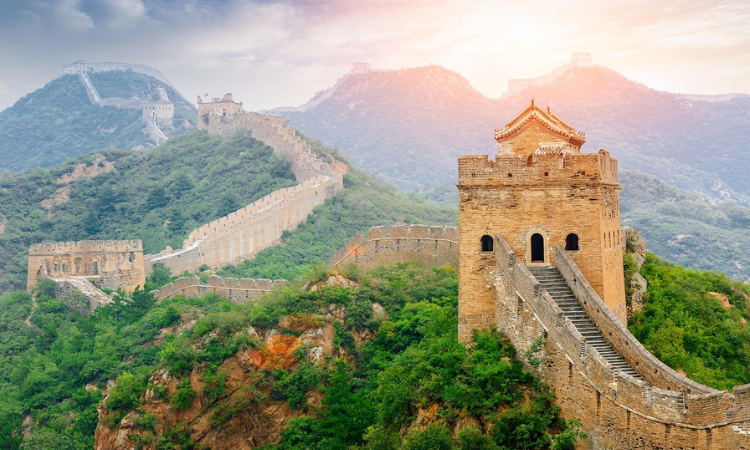
Great Wall of China (China)
One of the most iconic landmarks globally, the Great Wall stretches over 13,000 miles and was built over centuries to protect ancient Chinese empires. This colossal structure offers panoramic views, hiking opportunities, and a deep dive into China’s military history.
Historic Monuments of Ancient Kyoto (Japan)
Kyoto, Japan’s former capital, is home to 17 UNESCO-listed monuments, including temples, gardens, and castles. The blend of Zen Buddhist and Shinto traditions makes Kyoto a cultural heartland worth exploring.
Luang Prabang (Laos)
A fusion of traditional Lao wooden houses and French colonial buildings, Luang Prabang is a spiritual haven filled with golden-roofed temples and morning alms-giving rituals.
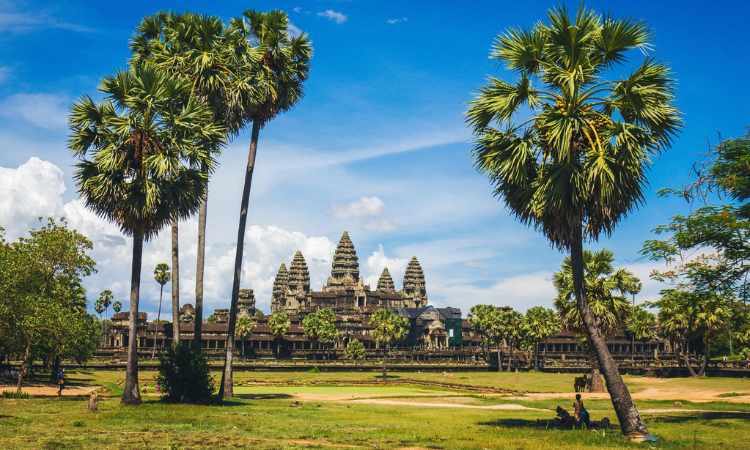
Angkor Wat (Cambodia)
Though not in East Asia strictly, Angkor Wat is a must-see for regional travelers. It is the world’s largest religious monument, showcasing the grandeur of the Khmer Empire with its intricate carvings and massive temple complex.
Hoi An Ancient Town (Vietnam)
Hoi An preserves its heritage as a trading port with well-maintained merchant houses, temples, and a unique blend of Vietnamese, Chinese, and Japanese architectural styles.
Historic Centre of Macao (China)
This region showcases the cultural exchange between East and West with its Portuguese-style buildings and Chinese temples. A stroll through Macao is a walk through centuries of blended heritage.
My Son Sanctuary (Vietnam)
These Hindu temple ruins nestled in the jungle reflect the spiritual life of the Champa Kingdom. The structures feature red bricks and intricate carvings, making it a peaceful yet historically rich site.
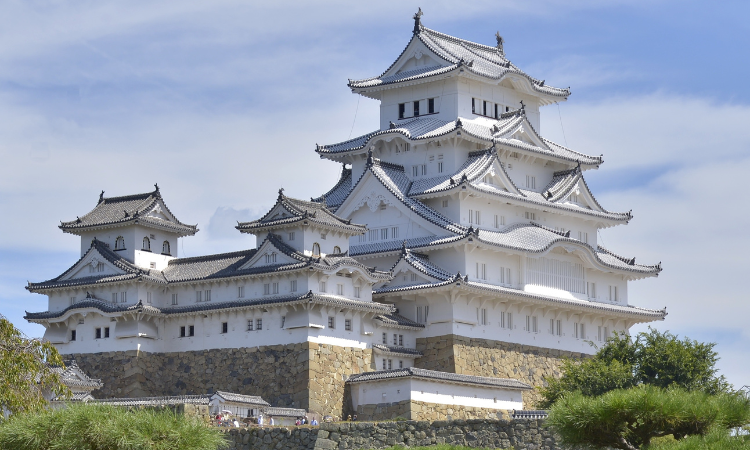
Himeji Castle (Japan)
Nicknamed the “White Heron Castle,” Himeji Castle is Japan’s finest surviving feudal-era fortress. Its pristine condition and sophisticated defensive design offer insights into 17th-century Japanese architecture.
Shirakami-Sanchi (Japan)
This untouched expanse of beech forest in northern Honshu is home to rare wildlife and pristine nature trails, offering a quiet retreat for nature enthusiasts.
Longmen Grottoes (China)
Located near Luoyang, these limestone caves feature over 100,000 Buddhist statues carved over centuries. The artistry represents the pinnacle of Chinese stone carving.
Sacred Sites and Pilgrimage Routes in the Kii Mountain Range (Japan)
These spiritual paths link three grand shrines and offer pilgrims an immersive experience in Japan’s syncretic religious practices and mountainous beauty.
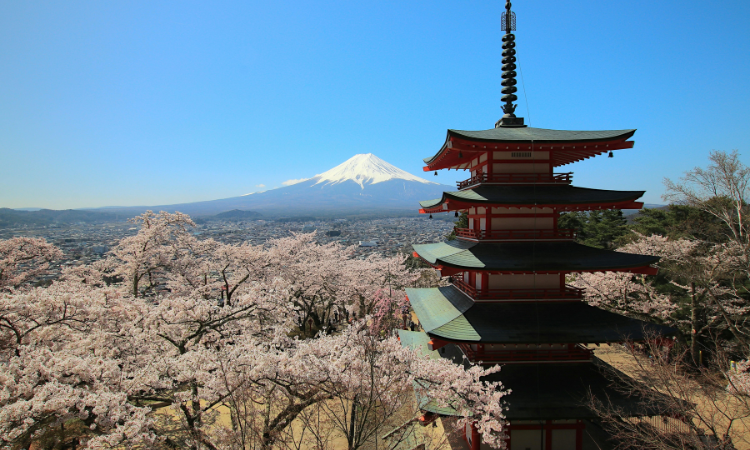
Mount Fuji (Japan)
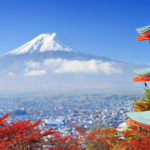
Japan’s tallest peak and a symbol of national identity, Mount Fuji is not only a natural wonder but also a cultural icon represented in countless artworks and spiritual traditions.
Historic Villages of Shirakawa-go and Gokayama (Japan)
These remote villages are famous for their gassho-zukuri farmhouses with steep thatched roofs. They provide a window into rural Japanese life and sustainable living practices.
Temple of Heaven (China)
This imperial complex in Beijing was used by Ming and Qing emperors for annual ceremonies to pray for good harvests. Its architecture and symbolism reflect the harmony between heaven and earth.
Itsukushima Shinto Shrine (Japan)
Built over water, this iconic shrine appears to float during high tide. Located on Miyajima Island, it is one of Japan’s most scenic and spiritual heritage sites.
Featured Tour Packages for Unesco World Heritage Sites in Asia
Amazing China, Macau & Hong Kong
Experience a diverse cultural journey with the Amazing China and Japan Tour. Highlights include visits to the Great Wall, the Longmen Grottoes, and the Historic Centre of Macao. Explore bustling cities and tranquil temples, all with seamless travel and expert guides.
Best of China
Explore imperial palaces, ancient wonders, and spiritual sites with the Best of China Tour. This package features the Great Wall, Temple of Heaven, and other key heritage landmarks, offering a deep cultural immersion into China’s past and present.
Practical Tips & Logistics
Transportation
East Asia boasts reliable public transport, from Japan’s high-speed trains to Vietnam’s domestic flights. Local taxis and tour buses are also efficient options for reaching heritage sites.
Packing
Pack comfortable walking shoes, layered clothing, and a raincoat. Don’t forget essentials like sunscreen, a refillable water bottle, and your travel documents.
Health & Safety
Carry travel insurance, stay hydrated, and be cautious with street food. Consult a doctor about necessary vaccinations depending on your itinerary.
Accommodation Options
From luxury ryokans in Japan to boutique hotels in Vietnam, East Asia offers a wide range of stays. Booking close to heritage sites can save travel time and enhance your experience.
Local Etiquettes
Respect cultural norms such as bowing in Japan, removing shoes before entering homes, and dressing modestly at temples. Learning basic greetings in local languages is also appreciated.
Conclusion
UNESCO World Heritage Sites in East Asia represent more than just historical landmarks—they’re living narratives of culture, architecture, and spiritual significance. By planning your journey with thoughtful timing, knowledgeable tour operators like Indus Travel, and an open heart, you unlock deeper insights into humanity’s shared heritage. Whether you marvel at the grandeur of the Great Wall or find peace at a Shinto shrine, each step enriches your travel experience.
FAQs
Which country has the most UNESCO World Heritage Sites in Asia?
China holds the top spot in Asia with 57 UNESCO World Heritage Sites, ranging from cultural relics like the Great Wall to natural wonders such as Mount Sanqingshan.
What are the 12 UNESCO World Heritage Sites?
UNESCO doesn’t limit itself to just 12; however, popular sites include the Great Wall of China, Angkor Wat, Kyoto monuments, Himeji Castle, and others. A complete list is available on the UNESCO official site.
Which is the 42 UNESCO World Heritage site in India?
The 42nd site added to India’s list is Dholavira: A Harappan City, located in Gujarat. It was inscribed in 2021.
How many world heritage sites are there in Southeast Asia?
Southeast Asia hosts over 40 UNESCO World Heritage Sites, spread across countries like Vietnam, Cambodia, Laos, Thailand, and Indonesia.
What 3 countries have the most World Heritage Sites?
Globally, the top three are:
- Italy
- China
- Germany
How many UNESCO sites are in Thailand?
As of 2024, Thailand has 7 UNESCO World Heritage Sites, including the Historic City of Ayutthaya and Ban Chiang Archaeological Site.
What is the most photogenic UNESCO heritage site in Asia?
Angkor Wat is often cited as the most photogenic, especially at sunrise. Other contenders include Mount Fuji and the temples of Kyoto.
What is the most visited UNESCO heritage site?
Globally, the Great Wall of China is among the most visited UNESCO sites, attracting millions annually due to its historical significance and majestic scale.
What is the most photogenic World Heritage Site?
Globally, Machu Picchu and Petra are highly photogenic, but in Asia, Mount Fuji and Angkor Wat frequently top traveler photography lists.
 Toll Free (USA & Canada) +1 866 978 2997