20 Spanish Foods You MUST Eat in 2026 (Street to Michelin)
Spain is a land where meals become memories—whether you’re squeezing into a lively street tapas bar, smelling woodsmoke from seaside grills, or sitting in an elegant Michelin-starred dining room as a masterpiece is placed before you. Spanish foods dazzle with vibrant color, local authenticity, bold flavors, and narrative: every bite is an invitation into Spain’s living history. If you’re wondering where to begin, let this guide to the top things to eat in Spain, which you can try on your Trip to Spain with Indus Travels show you the can’t-miss street eats, rustic recipes, and contemporary chef creations that define the country in 2026.
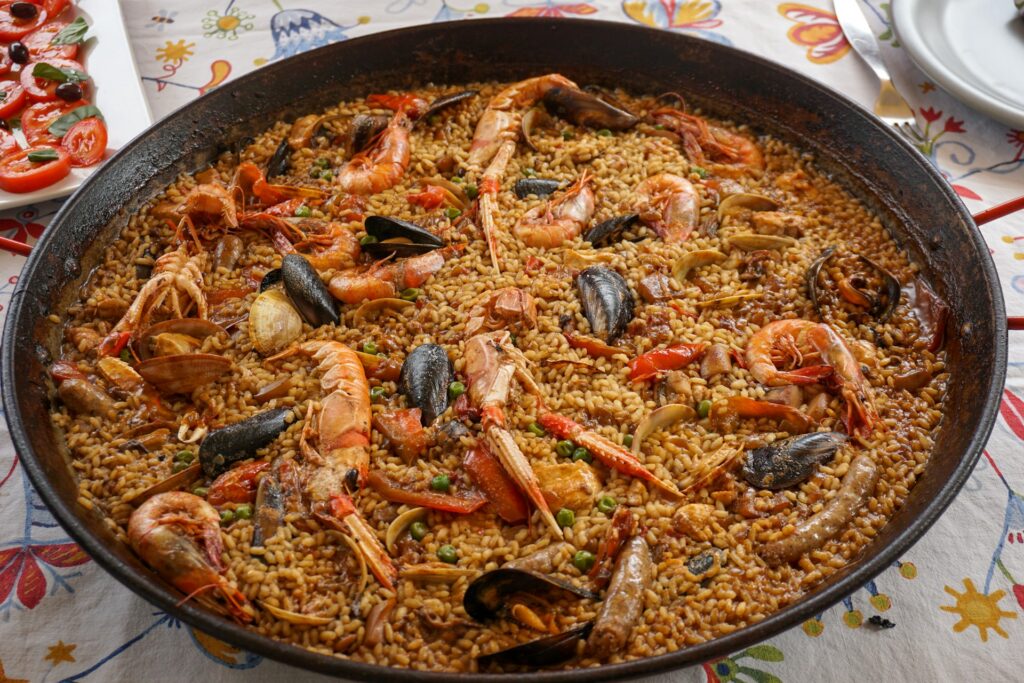
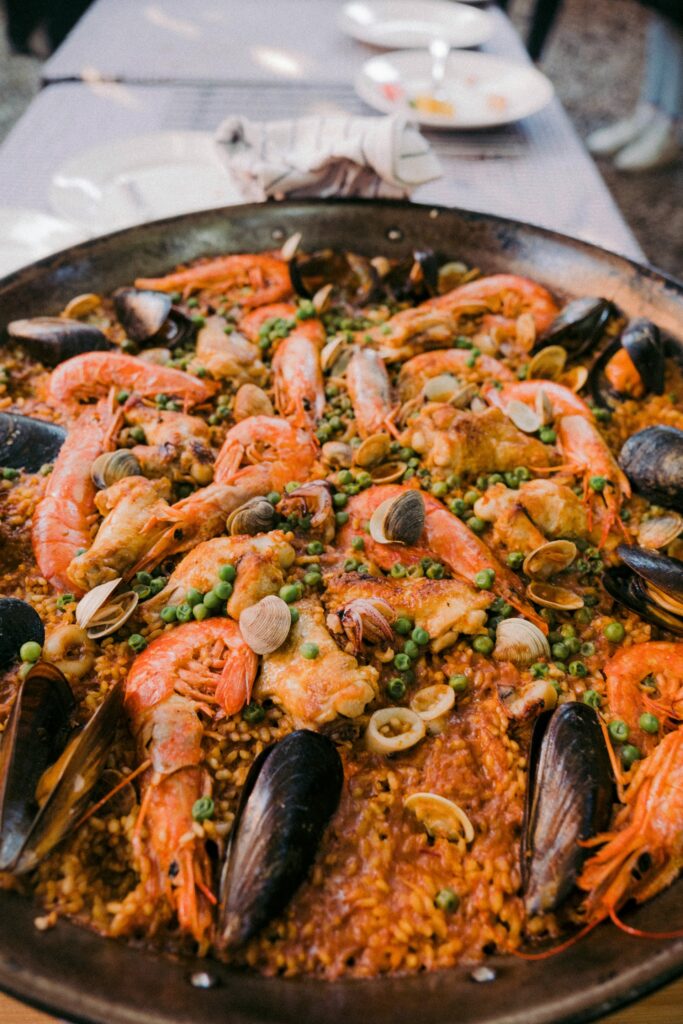
1. Paella Valenciana: The Soul of Spanish Foods
No food symbolizes Spain’s heart quite like paella. Born in Valencia’s rice paddies, this saffron-hued masterpiece combines short-grain rice, tender rabbit and chicken, green beans, and snails, all cooked slowly over open wood fires. In coastal towns, famous seafood paellas reign, filled with calamari, prawns, and mussels. Whether eaten in a beachside chiringuito, local casa, or refined Michelin restaurant, paella holds pride of place among the top things to eat in Spain.
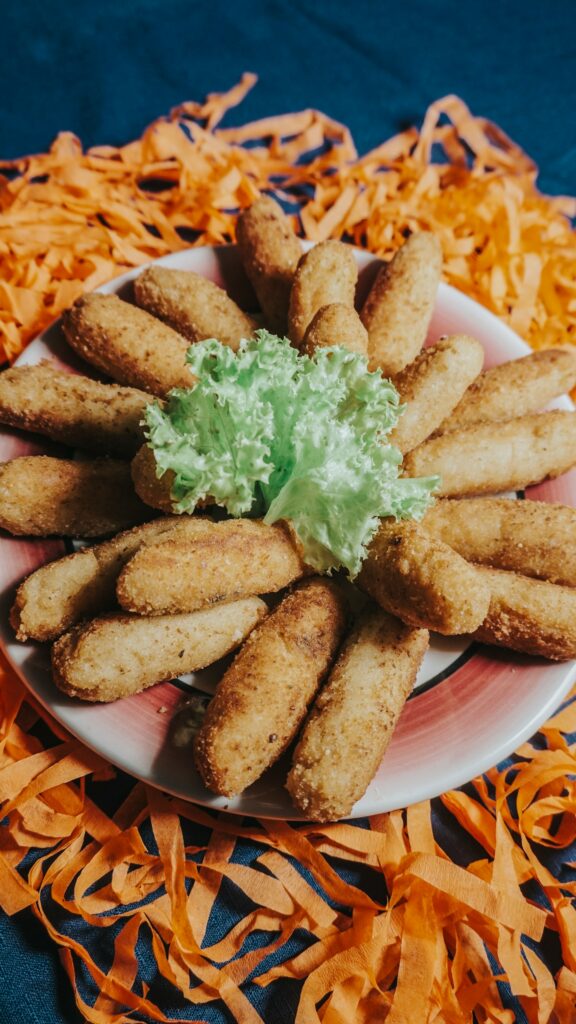
2. Croquetas: Crispy Tapas Magic
A staple of both humble street corners and Madrid’s most legendary tapas bars, croquetas are utterly addictive Spanish foods. Their creamy, molten interior (bechamel and shredded jamón or cod) is offset by a golden, crunchy coating. In culinary capitals like San Sebastián, chefs push the humble croqueta into new territory with mushroom purées, blue cheese, or even black squid ink.
3. Gambas al Ajillo: Sizzling Garlic Shrimp
Step inside any bustling tapas bar and you’ll find a clay dish bubbling with plump shrimp, sizzling in olive oil and garlic with a touch of chili. Gambas al ajillo is fresh, simple, and deeply satisfying—one of the most essential Spanish foods for travelers who crave true Mediterranean flavor.
4. Jamón Ibérico: The Jewel of Spanish Foods
Thin slices of marbled acorn-fed Iberian ham melt on the tongue, unveiling layers of nuttiness and earthiness with every bite. Served with a wedge of Manchego and a glass of Tempranillo, jamón Ibérico is Spain’s culinary signature and a shining star among the top things to eat in Spain. The ritual of watching a jamonero hand-slice this delicacy is almost as sensuous as eating it.
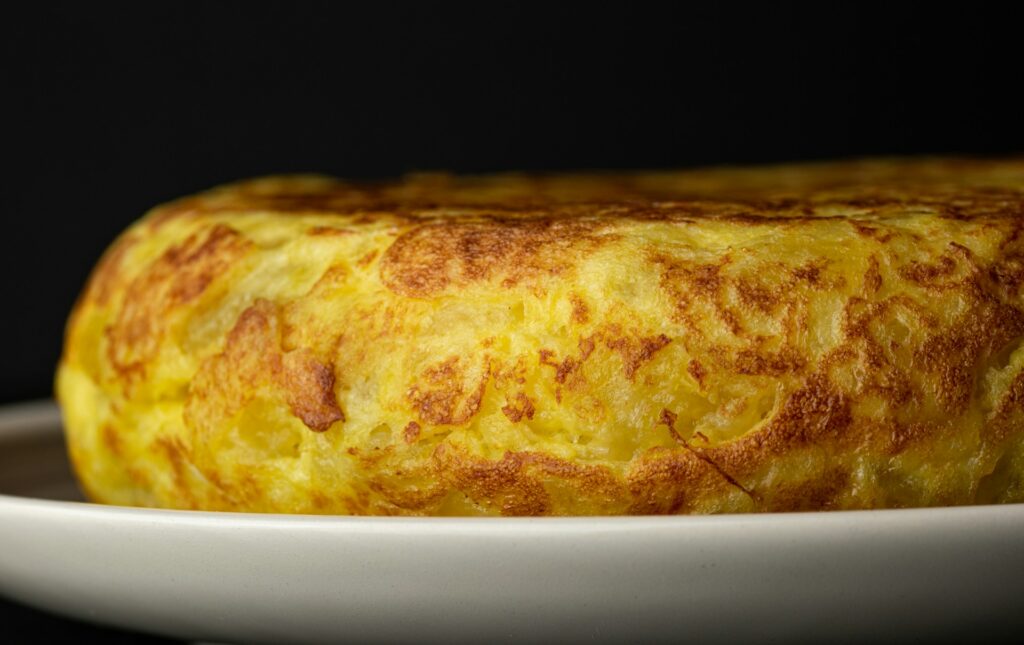
5. Tortilla Española: Comfort on a Plate
The Spanish omelette seems almost too humble—potatoes, eggs, onions, and olive oil—yet in the hands of a loving cook, it transforms into magic. Thicker than its French counterpart, with a soft, juicy center, tortilla is a mainstay in homes, markets, and bars everywhere. No list of Spanish foods or top things to eat in Spain is complete without it.
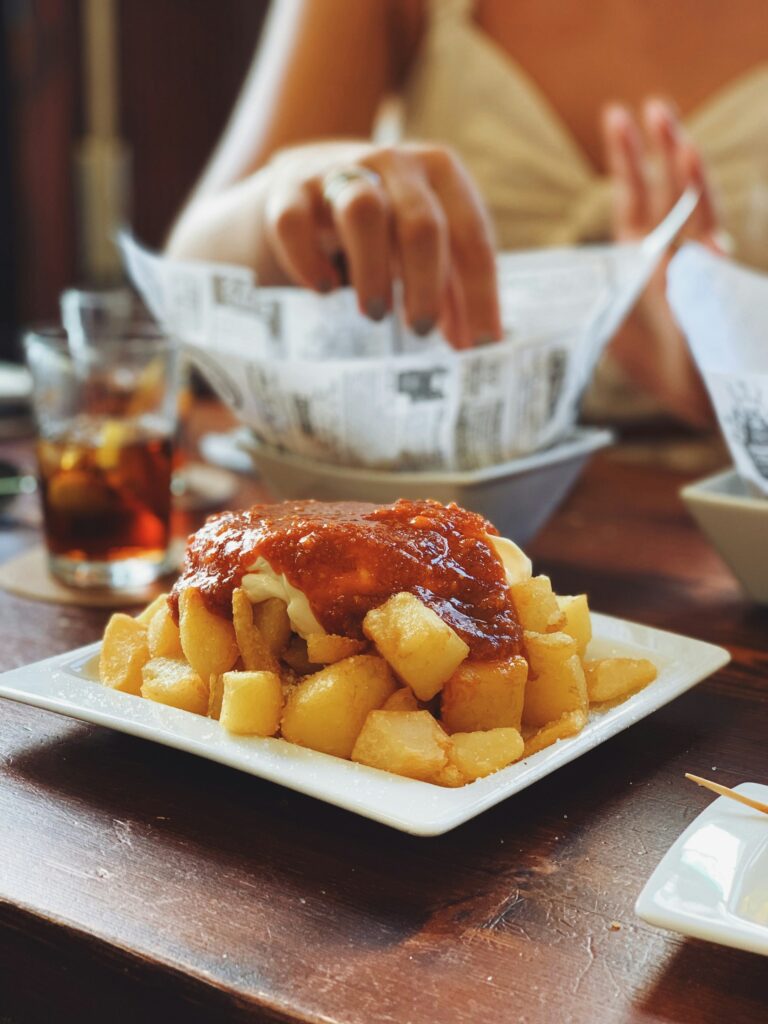
6. Patatas Bravas: Irresistible Spiced Potatoes
A true street food hero, patatas bravas consist of crispy potatoes topped with spicy tomato salsa and garlicky aioli. Whether you sample them in a bustling Madrid market stall or a trendy Barcelona gastrobar, they’re an iconic Spanish food and an irresistible comfort snack. Seek out regional variations for new twists on this essential flavor bomb.
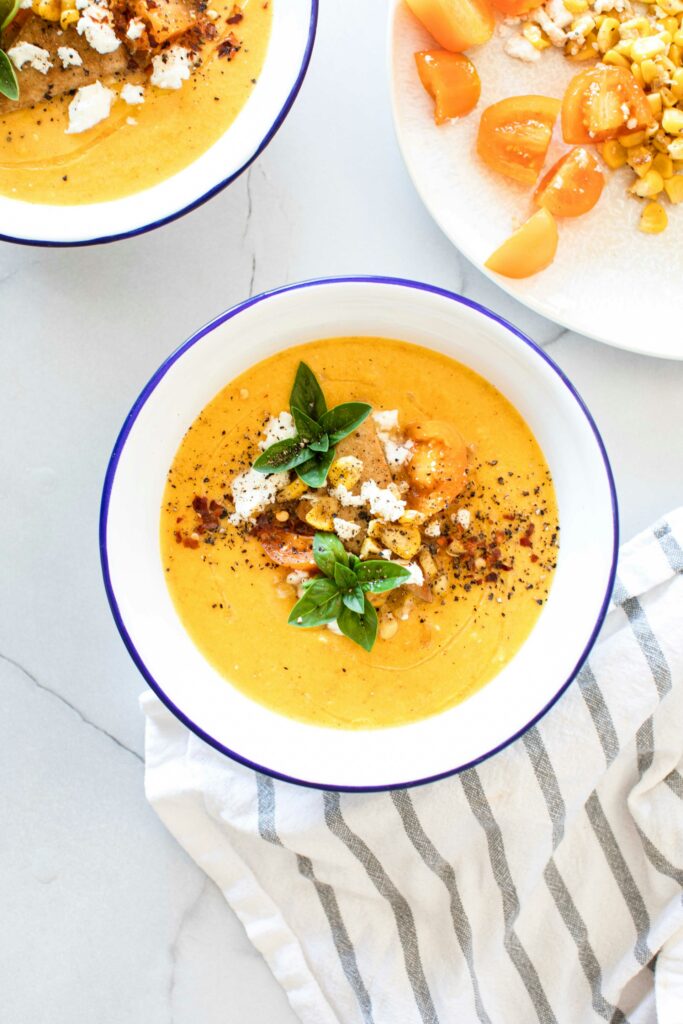
7. Gazpacho & Salmorejo: Cold Soups for Hot Days
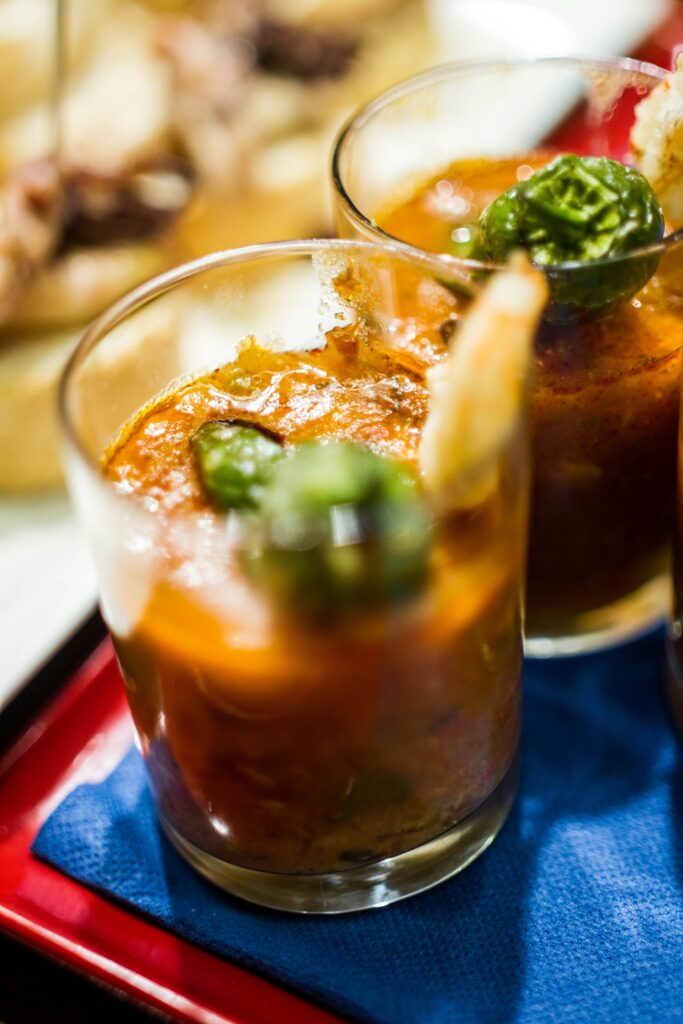
Andalusia’s genius for cooking with sunshine is best experienced in a cold bowl of gazpacho—fresh tomatoes, peppers, cucumber, bread, and olive oil, blended silky smooth and served icy cold. In Córdoba, try Salmorejo, a thicker, creamier cousin topped with jamón and crumbled eggs. Both are refreshing Spanish foods that form part of the top things to eat in Spain during summer.
8. Pulpo a la Gallega: Galician Octopus Masterpiece
In the windswept ports of Galicia, skillful chefs tenderise octopus, slice it warm over potatoes, sprinkle with smoky paprika, and drizzle it all with fruity olive oil. Served on wooden platters, pulpo a la gallega is melt-in-your-mouth perfection. This sea-to-table dish crowns many “top things to eat in Spain” lists for adventurous foodies.
9. Fabada Asturiana: Hearty Stew for the Soul
Northern Asturias produces this robust stew of white beans, chorizo, black pudding, and pork shoulder, simmered together until the flavors melt into a rich, warming hug. Representing the rustic side of Spanish foods, fabada is a winter staple served in country taverns or Michelin-starred new interpretations.
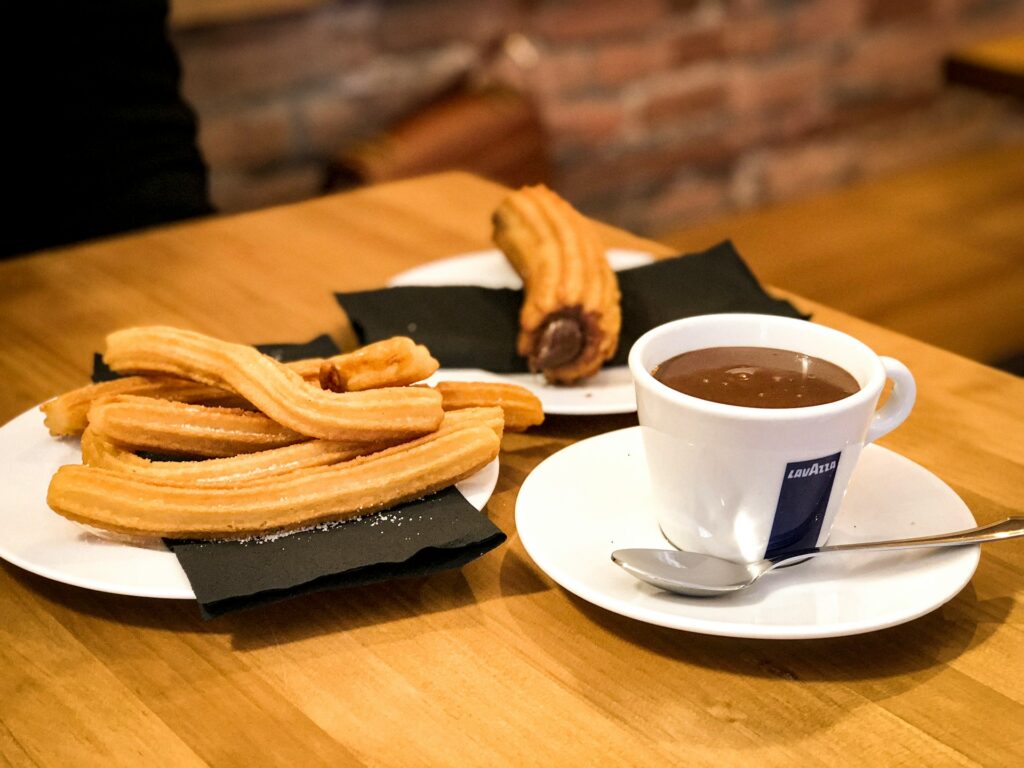
10. Churros con Chocolate: Sweet Street Food
Rise early for fresh churros—golden dough sticks—dusted with sugar and served with thick, hot chocolate for dipping. In Madrid, chocolate y churros are a morning ritual; after a night out, they become a comforting street snack. No journey through Spanish foods is finished without this beloved treat.
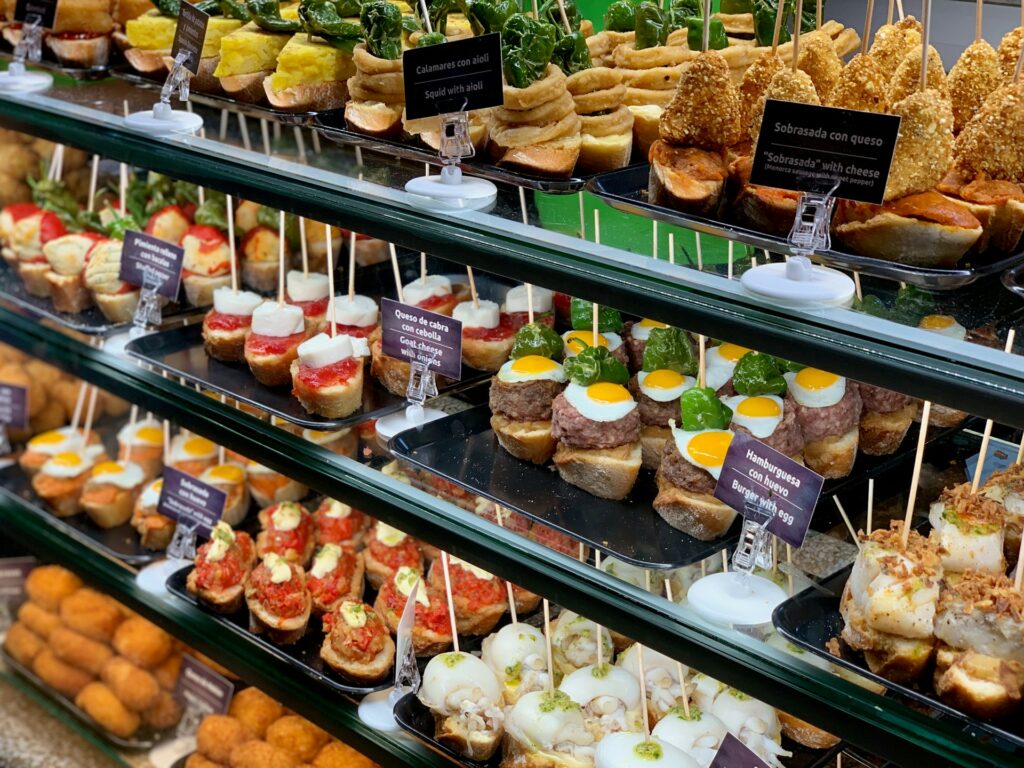
11. Tapas: The Heartbeat of Spanish Eating
From vibrant pintxos bars in San Sebastián to Seville’s bustling bodegas, tapas are a joyous celebration of sharing. Sample anchovies atop garlic toast, smoky chorizo, grilled mushrooms, and much more. Tapas is less a single dish than a way of life, representing the very essence of Spanish foods and truly among the top things to eat in Spain.
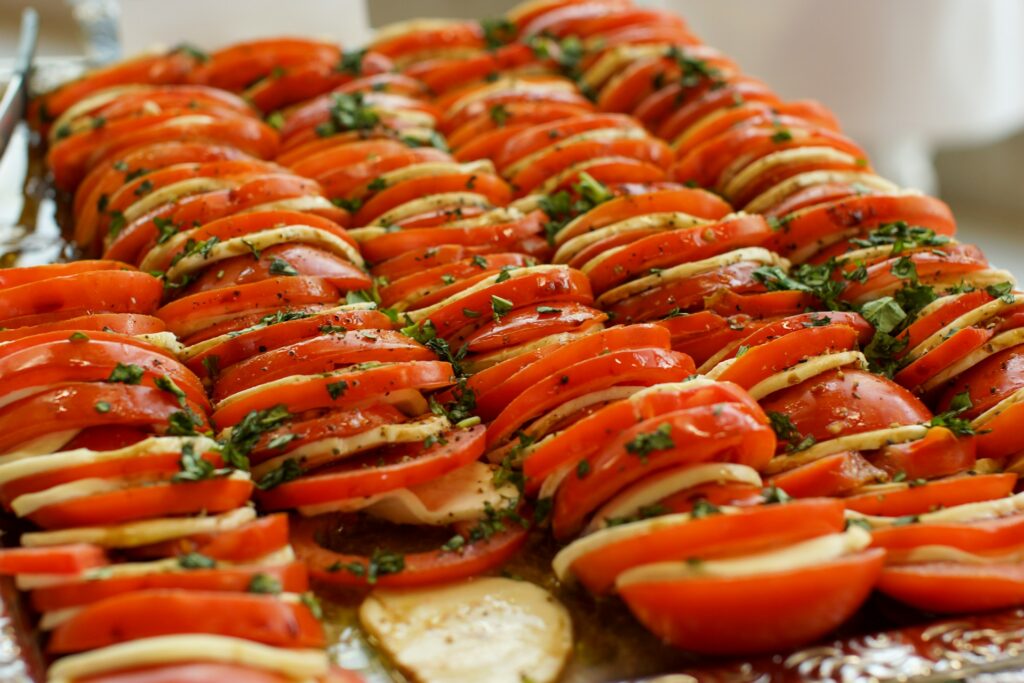
12. Escalivada: Smoky Vegetable Delight
Catalonia’s gift to vegetable lovers, escalivada features roasted eggplant, peppers, onions, and tomatoes drizzled with extra virgin olive oil. Served on crusty bread or as a garnish, this dish is pure rustic sunshine—a celebration of Spanish produce at its best.
13. Tostas de Tomate y Jamón: Iconic Breakfast Bite
Start your day on your Trip to Spain, with pan con tomate—crusty bread rubbed with garlic and ripe tomato, crowned with silky Serrano ham. Found in nearly every café, this simple but flavorful combination embodies the casual brilliance of Spanish foods and deserves its place among the top things to eat in Spain for breakfast or merienda.
14. Pimientos de Padrón: The Russian Roulette Pepper
Flash-fried with coarse sea salt, these small Galician green peppers are sweet and mild—until you find the rare fiery one! Served in bars as a snack, pimientos de padrón are beloved for their playful unpredictability and are a crowd-pleasing staple of Spanish foods.
15. Bacalao al Pil Pil: Basque Cod in Silky Sauce
Traditional in the Basque region, bacalao al pil pil is salt cod gently simmered until it releases creamy gelatin, melded with olive oil, garlic, and chili. The resulting sauce is so luscious, you’ll want to mop the plate with bread. This technique-driven dish is a pillar of northern Spanish cuisine.
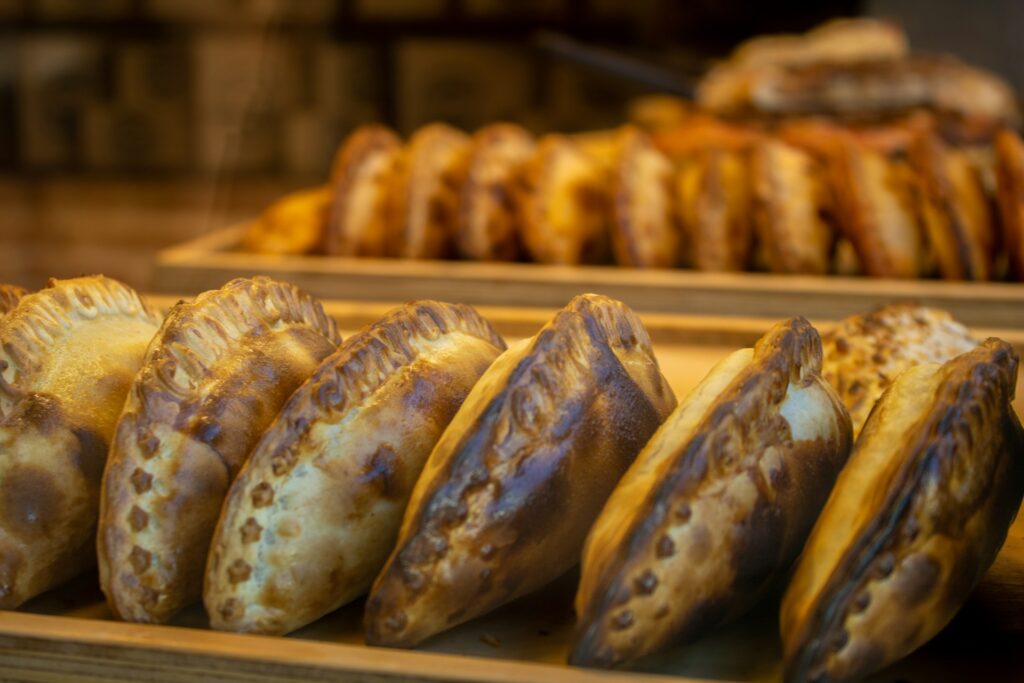
16. Empanadas Gallegas: Savory Hand Pies
Originating in Galicia, empanadas are baked pastries filled with tuna, onions, peppers, or slow-cooked meats. Eaten at street fairs and picnics, they’re a practical and delicious manifestation of Spanish foods—perfect as a snack or rustic lunch.
17. Migas: The Shepherd’s Comfort Food
Born from humble origins, migas are garlicky breadcrumbs fried with chorizo, peppers, or grapes. Originally sustenance for shepherds, this dish is now reinvented in creative Michelin-starred forms across Spain. The balance of tradition and innovation makes migas one of the top things to eat in Spain for culinary travelers.
18. Caracoles: Slippery, Spicy Snails
Urban tapas culture in Madrid and southern Spain celebrates caracoles—snails stewed in aromatic, spicy broths. Adventurous eaters flock to specialty bars with toothpicks at the ready! These unique morsels are essential for anyone wanting to sample the full range of Spanish foods.
19. Tarta de Santiago: Almond Cake from Galicia
This fragrant, moist almond cake—often with the cross of Saint James dusted in sugar—is a staple at celebrations in northwestern Spain. Tarta de Santiago is a gluten-free dessert icon, perfect for pairing with city strolls or countryside feasts.
20. Michelin-Starred Tapas and Modernist Surprises
The Spanish revolution of the last few decades has taken age-old recipes, deconstructed them, and built them anew. At Michelin-starred venues like Disfrutar (Barcelona), Mugaritz (San Sebastián), or DiverXO (Madrid), you’ll find whimsical takes on classics—liquid olives, updated jamón, reimagined bravas—that pay homage to tradition while dazzling the senses. This blending of respect and boundary-pushing cements Spain’s spot at the forefront of global gastronomy.
What Makes These the Top Things to Eat in Spain?
The top things to eat in Spain are more than sustenance—they are journeys through history, region, and emotion. From sharing tapas in a loud bar, to breaking bread with new friends in a sunlit plaza, or marveling at a meticulously plated Michelin marvel, Spanish foods awaken your taste buds and your curiosity. Eating in Spain, during your Spain Tour with Indus Travels, is a daily adventure, whether you’re grabbing churros on a bustling street, feasting on seafood by the sea, or venturing into mountain villages for a flavorful stew. Every locale offers new discoveries, each more delicious than the last.
Your Ultimate Bucket List of Spanish Foods
From the rustic plates gracing local markets and festivals, to the audacious artistry on display in Spain’s cutting-edge restaurants, these 20 Spanish foods are the true top things to eat in Spain in 2026. They celebrate regional traditions, creative risk-taking, and the indomitable Spanish love for good company and better food. Embark on this culinary journey and savor the magic: in every bite, you taste the heart of Spain.
 Toll Free (USA & Canada) +1 866 978 2997