7 Must-See Cathedral in Spain That Showcase Stunning Architecture
Spanish religious architecture, blending Christian, Islamic, and Jewish influences, reflects centuries of cultural exchange and artistic expression. These grand structures, from cathedrals to mosques, symbolize Spain’s deep-rooted religious traditions and diverse heritage. They serve as a tangible link to the country’s past, attracting visitors worldwide with their exquisite craftsmanship and historical significance. From the stunning cathedrals of Toledo to the iconic Alhambra in Granada, they offer a journey through Spain’s cultural evolution, enriching both locals and visitors.
1. The Majestic Sagrada Familia
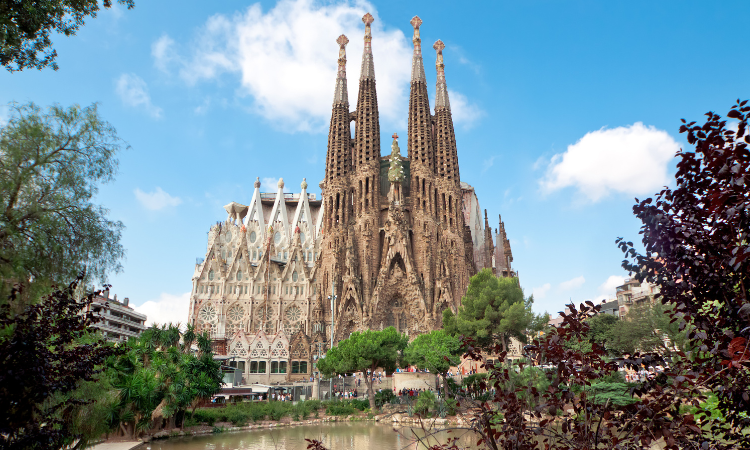
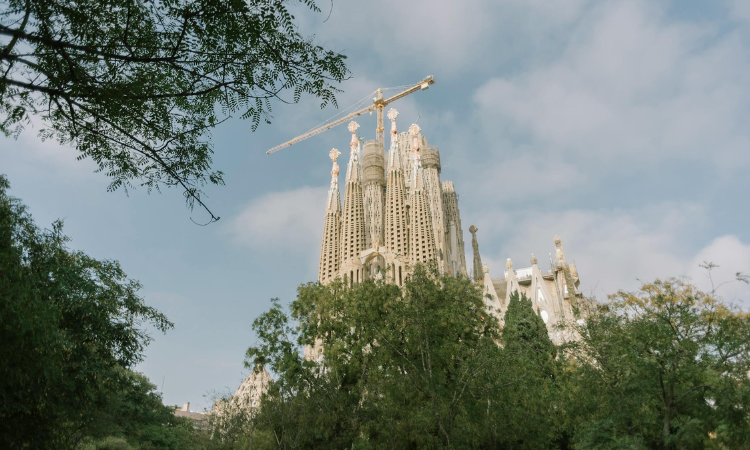
The Sagrada Familia, an awe-inspiring Catholic temple nestled in the heart of Barcelona, stands as a remarkable testament to the visionary genius of architect Antonio Gaudí. Initiated in 1882 under the guidance of Francisco de Villar, Gaudí’s transformative vision propelled the project into an architectural marvel unlike any other. Representing the essence of the New Testament, the Sagrada Familia’s three facades—Nativity, Passion of Christ, and Resurrection—meticulously depict the various stages of Christ’s life, offering visitors a profound spiritual journey through its sculpted narratives.
Despite Gaudí’s untimely death in 1926, the construction of the Sagrada Familia persisted, guided by his meticulous plans and unwavering dedication to his vision. The ongoing endeavor, now overseen by a team of architects and craftsmen, is slated for completion by 2026, culminating in a breathtaking height of 172 meters. Remarkably, Gaudí had only managed to complete 15% of the structure during his lifetime, yet his indelible imprint is vividly etched into every facet of this iconic masterpiece.
The Sagrada Familia’s ethereal beauty transcends mere architecture; it serves as a beacon of hope, faith, and artistic ingenuity, captivating the hearts and minds of millions worldwide. Each intricately carved detail, each soaring spire, is a testament to Gaudí’s unparalleled vision and unwavering devotion to his craft. As visitors wander through its hallowed halls, they are enveloped in a transcendent aura, a profound reverence for the divine, and the boundless potential of human creativity. In every corner of the Sagrada Familia, Gaudí’s spirit lives on, inspiring awe and wonder for generations to come.
Visitor Information:
Location: The Sagrada Familia is located in the Eixample district of Barcelona, easily accessible by public transport.
Tickets: Purchase tickets online in advance to avoid long queues. Choose between basic admission or guided tours for a more immersive experience.
Opening Hours: The basilica is open to visitors daily, with varying opening hours depending on the season.
Usually, it is from 9 AM-6 PM.
Dress Code: As the Sagrada Familia is a religious site, visitors are advised to dress modestly out of respect. Cover your shoulders and avoid deep necklines or short skirts.
Audio Guides: Consider renting an audio guide to learn more about the basilica’s history and architectural features during your visit.
Tips for a Memorable Visit:
Arrive Early: Beat the crowds by arriving early in the morning or later in the afternoon.
Explore Both Exteriors and Interiors: Take your time to admire the intricate details of the exterior facades before heading inside to marvel at the stunning interiors.
Visit the Towers: For panoramic views of Barcelona, consider adding a ticket to the towers to your visit. Note that tower access involves climbing narrow stairs and may not be suitable for everyone.
Photography: Capture the beauty of the Sagrada Familia, but be mindful of other visitors and avoid using flash photography inside the basilica.
Relax in the Gardens: After your visit, unwind in the tranquil gardens surrounding the basilica, offering a peaceful retreat from the bustling city streets.
2. The Cathedral of Barcelona
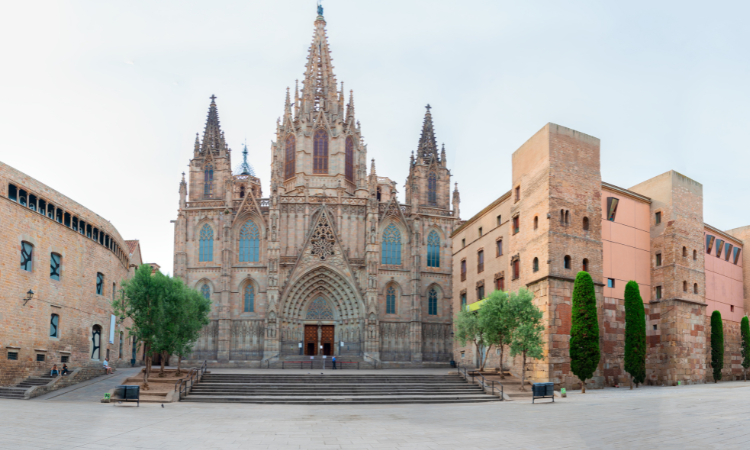
The construction of the Cathedral of Barcelona began in 1298 during the reign of King James II of Aragon, lasting over 150 years until its completion in 1417. Later in the 19th century, Josep O. Mestres redesigned parts of the cathedral, which was eventually completed by Miguel Girona I Agrafel’s children in 1913.
Known for its Gothic architecture, the cathedral features three naves, an apse, and an ambulatory with chapels interspersed between. Two large bell towers adorn each end, with intricate carvings depicting biblical scenes and legends. Inside, notable features include the high altar sculpted by Frederic Marés, the crypt of Saint Eulalia and the exceptional Catalan Gothic choir constructed under Bishop Raymond d’Escales.
The cloister boasts ornate pillars adorned with scenes from the Old and New Testaments, while the sacristy serves as a space for mass and attendance to the faithful. The museum showcases collections dating back to the 11th century, while the Chapel of Saint Lucia and the Chapter House offer glimpses into the cathedral’s rich history. The Neo-Gothic facade, completed in the late 19th century, and the rooftop vistas provide stunning views of Barcelona.
While the Barcelona Cathedral is a must-see, don’t miss out on visiting other famous churches in Barcelona, such as the awe-inspiring Sagrada Família, a masterpiece by Antoni Gaudí, and the stunning Basilica of Santa Maria del Mar, known for its Gothic architecture and rich history. Each church offers a unique glimpse into Barcelona’s architectural and cultural heritage.
3. The Historic Toledo Spain Cathedral
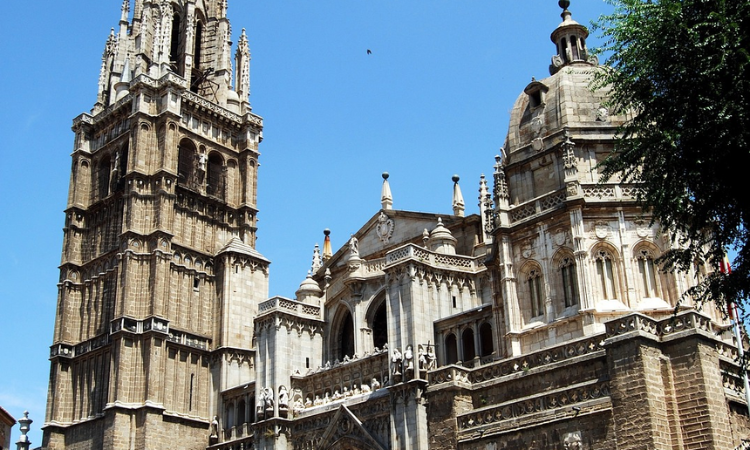
The Toledo Spain Cathedral revered as one of Spain’s top 10 cathedrals, stands as a breathtaking testament to medieval Gothic architecture. Adorned with iconic features such as rose windows and ribbed vaults, it exudes a sense of timeless grandeur and spiritual magnificence. Within its hallowed halls lies a treasure trove of artistic riches, including masterpieces by Velázquez, Goya, and El Greco, housed within the cathedral’s sacristy.
Originally constructed as a mosque during Muslim rule, the cathedral underwent a transformative evolution, transitioning into a Christian church in 1085 and subsequently rebuilt in a captivating blend of Gothic, Mudéjar, and Renaissance styles. Its architectural splendor is matched only by its unique religious traditions, including vibrant celebrations of the Mozarabic Rite, performed daily in the Capilla Mozarabe.
Visitors to the cathedral are urged not to overlook its many architectural wonders, from the opulent Capilla Mayor with its masterpiece altarpiece to the awe-inspiring Transparente and the treasure-filled tesoro, which includes the extraordinary Custodia de Arfe. Other highlights include the intricately carved choir stall, the Gothic tombs and frescoes of the Capilla de San Blas, and the sacristy’s gallery boasting an impressive array of masterpieces by renowned artists.
For a truly immersive experience, visitors are encouraged to explore the enchanting surroundings of the Historic Toledo Spain Cathedral. Wander through the ancient streets of Toledo, marvel at its well-preserved medieval architecture, and immerse yourself in the rich cultural heritage of this iconic Spanish city. Whether admiring the cathedral’s architectural splendor or delving into Toledo’s storied past, a visit to this historic landmark promises to be an unforgettable journey through time and tradition.
4. Spain’s Oldest Sanctuaries
Discover the rich history and diverse architectural styles of Spain’s oldest churches, steeped in centuries of cultural significance. From the ancient Visigothic influence to the enduring legacy of Romanesque and Gothic architecture, these sanctuaries offer a captivating glimpse into Spain’s religious heritage.
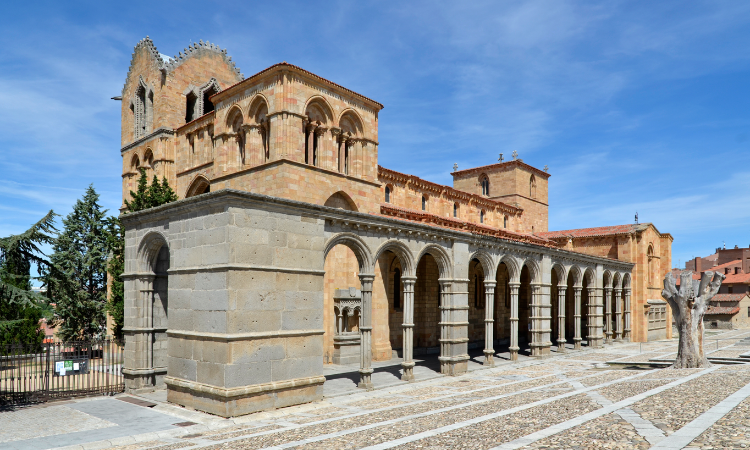
Explore the stunning Basilica of San Vicente in Ávila, a masterpiece of Romanesque design dating back to the 12th century, known for its impressive triple-arched entrance and ornate sculptural details.
Delve into the atmospheric depths of the Crypt of San Antolín in Palencia, one of the oldest Christian sanctuaries in Spain, featuring unique Visigothic architecture and captivating archaeological remnants.
Step back in time at the Basilica of Santa María del Naranco in Oviedo, an exquisite pre-Romanesque gem built in the 9th century, boasting intricate decorative elements and a rich historical narrative.
Experience the timeless beauty of the Church of San Juan de Baños in Palencia, a rare example of Visigothic architecture dating back to the 7th century, adorned with intricate carvings and historic significance.
Embark on a journey through Spain’s religious past as you explore these ancient sanctuaries, each offering a unique blend of architectural splendor and cultural heritage.
Source: Wikimedia Commons
5. Architectural Giants: Spain’s Largest Churches
Embark on a journey to discover Spain’s architectural giants – its largest churches – each a testament to the country’s rich history and diverse architectural styles.
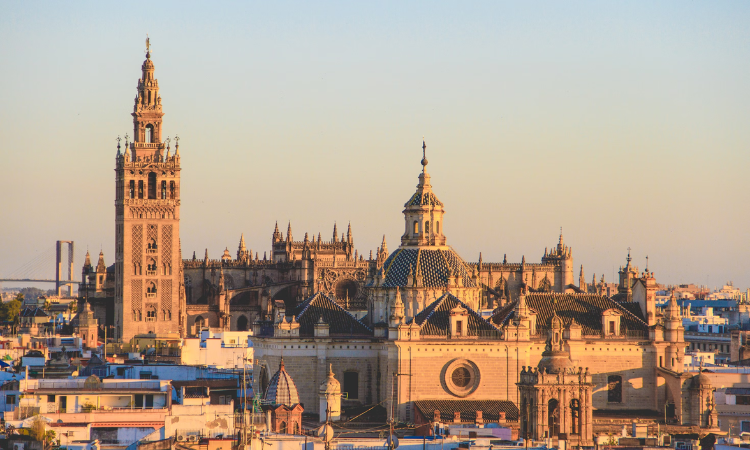
Marvel at the sheer magnitude of the Cathedral of Saint Mary of the See in Seville, also known as Seville Cathedral, the largest Gothic cathedral in the world. Built on the site of a former mosque, its construction began in the 15th century and lasted over a century. The cathedral’s intricate façade, soaring spires, and vast interior, including the awe-inspiring central nave, leave visitors in awe of its grandeur.
Explore the Basilica of the Sagrada Família in Barcelona, a monumental work of Antoni Gaudí and one of the largest unfinished churches globally. Combining Gothic and Art Nouveau elements, its towering spires and intricate façades tell stories of faith and creativity. Begun in 1882, this UNESCO World Heritage Site continues to captivate visitors with its ongoing construction and visionary design.
Admire the Basilica of Our Lady of the Pillar in Zaragoza, one of Spain’s largest churches and a significant pilgrimage site. Built in the Baroque style, its monumental structure overlooks the Ebro River and houses the revered image of the Virgin Mary. Legend has it that the Virgin Mary appeared to the apostle James here, making it one of the oldest Marian apparition sites in history.
From Gothic splendor to modern marvels, Spain’s largest churches stand as architectural wonders, inviting visitors to marvel at their size, history, and enduring beauty.
6. A Journey Through Time: Churches and Cathedrals Across Spain
In the heart of Madrid, behold the majestic Almudena Cathedral, a stunning blend of neoclassical and Gothic revival architecture. Adjacent to the Royal Palace, this relatively modern cathedral boasts intricate stained glass windows and ornate chapels, offering a glimpse into Spain’s contemporary religious landscape.
Venture south to Andalusia, where the Mezquita-Cathedral of Córdoba stands as a testament to the region’s rich cultural history. Originally a mosque during Moorish rule, its breathtaking horseshoe arches and intricately carved columns showcase the fusion of Islamic and Christian influences that define Andalusian architecture.
Travel to the northeast of Spain to discover the breathtaking Cathedral of Santiago de Compostela, the final destination of the legendary Camino de Santiago pilgrimage route. A masterpiece of Romanesque and Baroque architecture, this UNESCO World Heritage Site houses the shrine of Saint James the Great and attracts pilgrims from around the world seeking spiritual enlightenment.
In the picturesque region of Catalonia, the Basilica of Santa Maria del Mar in Barcelona stands as a symbol of medieval Catalan Gothic architecture. Built by the city’s maritime community in the 14th century, its soaring columns and ethereal rose window exude a sense of timeless grandeur.
From the bustling streets of Madrid to the tranquil countryside of Galicia, Spain’s churches and cathedrals offer a captivating glimpse into the country’s rich cultural tapestry, inviting travelers on a journey through time and faith.
7. The Primate Cathedral of Saint Mary of Toledo
The Primate Cathedral of Saint Mary of Toledo, often simply referred to as Toledo Cathedral, stands as a towering symbol of Spain’s religious and architectural heritage. Built atop the ancient Visigothic cathedral in the heart of Toledo, this majestic structure exemplifies the transition from Moorish to Christian rule in Spain.
Constructed over several centuries, beginning in 1226, the cathedral showcases a captivating blend of architectural styles, including Gothic, Mudéjar, Renaissance, and Baroque elements. Its towering spires, intricate façades, and imposing interior have earned it recognition as one of the finest examples of Spanish Gothic architecture.
The cathedral’s history is intertwined with that of Toledo, a city known for its cultural and religious significance. It served as the main mosque during Muslim rule before being converted into a Christian cathedral in 1085. Throughout the centuries, it underwent numerous renovations and expansions, each adding to its grandeur and splendor.
Inside, visitors are greeted by a wealth of artistic treasures, including masterpieces by renowned artists such as El Greco, Velázquez, and Goya. The cathedral’s sacristy is a veritable art gallery, showcasing a stunning collection of paintings, sculptures, and religious artifacts.
The Primate Cathedral of Saint Mary of Toledo continues to be a place of worship and pilgrimage, attracting visitors from around the world who come to admire its architectural beauty and explore its rich history. As a UNESCO World Heritage Site and a symbol of Spain’s enduring faith, it stands as a testament to the country’s cultural legacy.
FAQs About Churches and Cathedrals in Spain
1. What is the most visited cathedral in Spain?
The most visited cathedral in Spain is the Basilica of the Sagrada Familia, located in Barcelona. Designed by the renowned architect Antoni Gaudí, the Sagrada Familia is not only the most visited cathedral here but also one of the most famous churches in the world. Its unique architectural style, blending elements of Gothic and Art Nouveau, attracts millions of visitors each year.
Visitor numbers to the Sagrada Familia are consistently high, with over 4.5 million visitors in 2019 alone. This cathedral’s popularity can be attributed to several factors, including its distinctive design, ongoing construction, and religious significance as the symbol of Barcelona.
What makes the Sagrada Familia unique is its unconventional design, characterized by towering spires, intricate facades, and colorful stained glass windows. Gaudí’s vision for the cathedral was to create a “Bible in stone,” with each element of the design reflecting biblical stories and Christian symbolism. Additionally, the ongoing construction of the Sagrada Familia, which began in 1882 and is still in progress today, adds to its allure, as visitors can witness the evolution of this architectural masterpiece.
2. Are there any UNESCO World Heritage churches or cathedrals in Spain?
Yes, Spain is home to several UNESCO World Heritage churches and cathedrals, each recognized for their cultural and historical significance. Some notable examples include:
Cathedral of Santiago de Compostela: Located in the Galicia region, this cathedral is the final destination of the Camino de Santiago pilgrimage route. It is renowned for its Romanesque and Baroque architecture, as well as its status as the burial place of Saint James the Great.
Cathedral of Burgos: Situated in the city of Burgos in northern Spain, this Gothic cathedral is celebrated for its impressive architecture, including its ornate facade, intricate spires, and majestic interior.
Alhambra, Granada: While not a cathedral, the Alhambra in Granada is a UNESCO World Heritage Site that includes the stunning Alhambra Palace and the Generalife Gardens. This complex showcases exquisite Islamic architecture and is a testament to Spain’s multicultural history.
3. Can you visit churches and cathedrals in Spain for free?
Yes, many churches and cathedrals in Spain offer free entry to visitors, although some may charge a small fee for access to certain areas or attractions within the complex. It’s important to check the specific visitation policies of each church or cathedral before planning your visit.
Some churches and cathedrals that offer free entry include:
Basilica of San Francisco el Grande in Madrid
Cathedral of Santa Eulalia in Barcelona (free entry to the cathedral, but there may be a fee to access the rooftop)
Cathedral of Santa María de Burgos (free entry to the cathedral, but there may be a fee for guided tours or access to certain areas)
4. What are some must-see features inside Spanish cathedrals?
Spanish cathedrals are renowned for their stunning architecture and artistic treasures. Some must-see features inside these cathedrals include:
Altarpieces: Intricately carved altarpieces, often adorned with gold leaf and religious iconography, are a common feature in Spanish cathedrals. These elaborate structures serve as focal points for worship and are often considered masterpieces of art and craftsmanship.
Stained Glass Windows: Spanish cathedrals are known for their magnificent stained glass windows, which depict scenes from the Bible and saints’ lives. These windows are designed to flood the interior spaces with colorful light, creating a mesmerizing and spiritual atmosphere.
Crypts: Many Spanish cathedrals contain crypts or burial chambers where bishops, saints, or other religious figures are interred. These crypts offer a fascinating glimpse into the history and religious traditions of the cathedral.
Choir Stalls: Elaborately carved wooden choir stalls, often adorned with intricate carvings and decorative details, can be found in many Spanish cathedrals. These stalls serve as seating for the choir during religious services and are often adorned with scenes from the Bible or local history.
5. How can you learn about the history and architecture of churches and cathedrals during your visit?
To learn about the history and architecture of churches and cathedrals in Spain, visitors can take advantage of guided tours, audio guides, and informational plaques available on-site.
Guided Tours: Many churches and cathedrals offer guided tours led by knowledgeable guides who can provide insights into the building’s history, architecture, and religious significance. These tours often include visits to areas not accessible to the general public and offer a deeper understanding of the site’s cultural heritage.
Audio Guides: Some churches and cathedrals provide audio guides that visitors can rent or download onto their smartphones. These guides offer narrated tours of the site, allowing visitors to explore at their own pace while learning about its history and architecture.
Informational Plaques: Throughout churches and cathedrals, visitors will find informational plaques providing details about specific features, artworks, or historical events. These plaques are often written in multiple languages and offer valuable insights into the significance of the site.
By utilizing these resources, visitors can gain a deeper appreciation for the history, architecture, and cultural significance of churches and cathedrals in Spain, enriching their overall experience of these iconic landmarks.
 Toll Free (USA & Canada) +1 866 978 2997