Introduction: Unveiling the Tradition of Bullfighting in Spain
Bullfighting in Madrid, deeply rooted in the cultural fabric of Spain, stands as a centuries-old tradition that evokes both fascination and controversy. This traditional spectacle, known as corrida de toros, has been a defining element of Spanish culture, captivating audiences with its intricate dance between man and beast.
The significance of bullfighting in Madrid, Spain extends beyond the arena, weaving into the historical and cultural tapestry of the country. Understanding this traditional event is a journey into the heart of Spanish customs, where the artistry, symbolism, and rituals associated with Madrid bullfights reflect the complexities of Spanish identity.
While bullfighting in Madrid has faced criticism and debate in contemporary times, delving into its roots is essential for grasping the nuances of Spanish culture and heritage. This guide aims to shed light on the importance of unraveling the layers of bullfighting in Madrid Spain, acknowledging its role as a cultural expression, and inviting a nuanced exploration of this age-old tradition.
Understanding Bullfighting in Madrid: A Cultural Tapestry
What a Bullfight Entails: The Artistry and Ritual
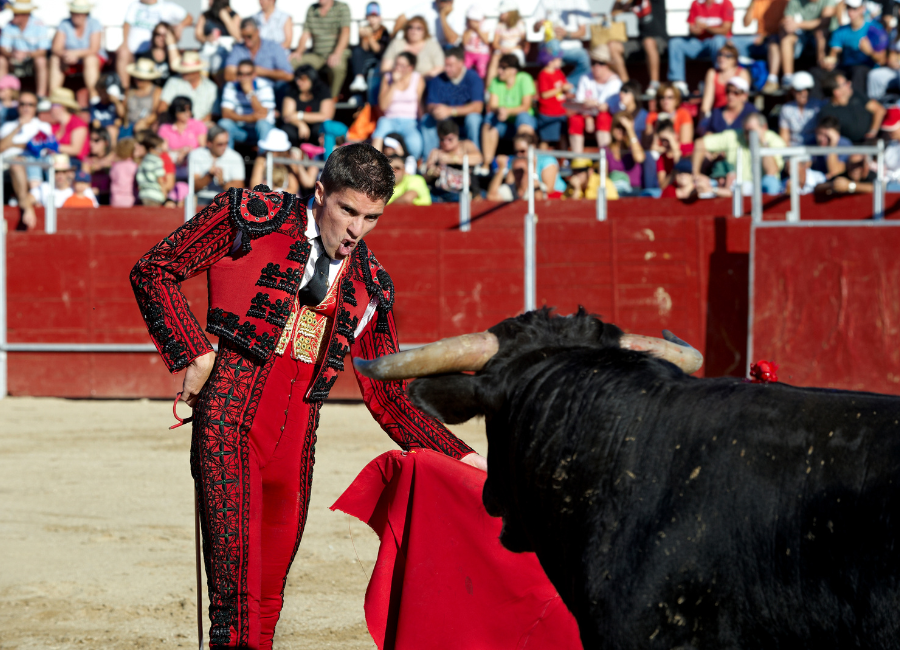
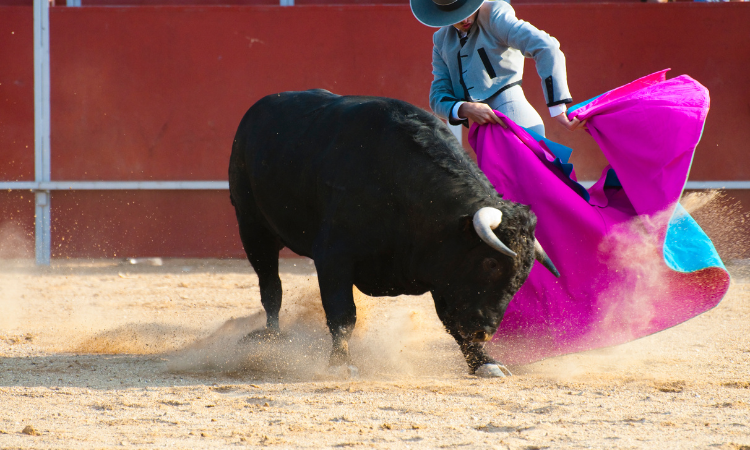
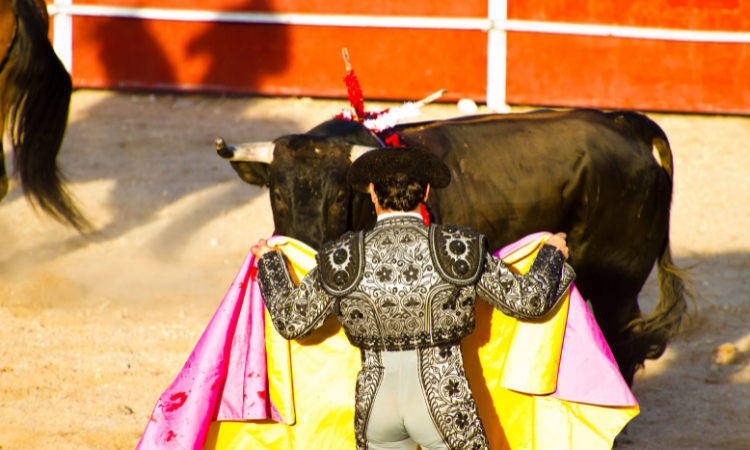
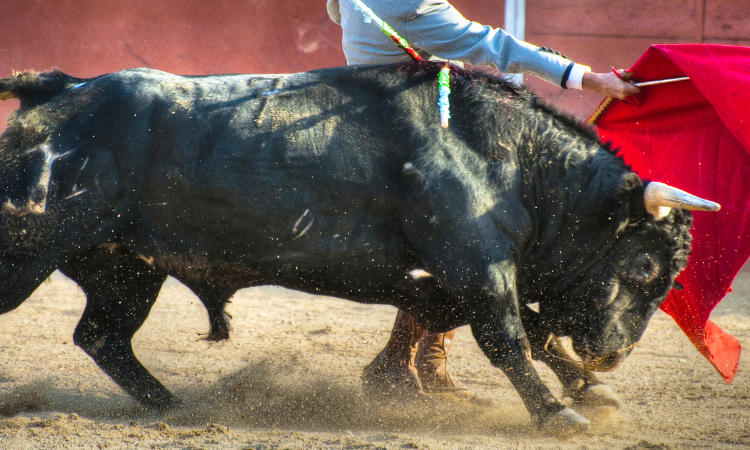
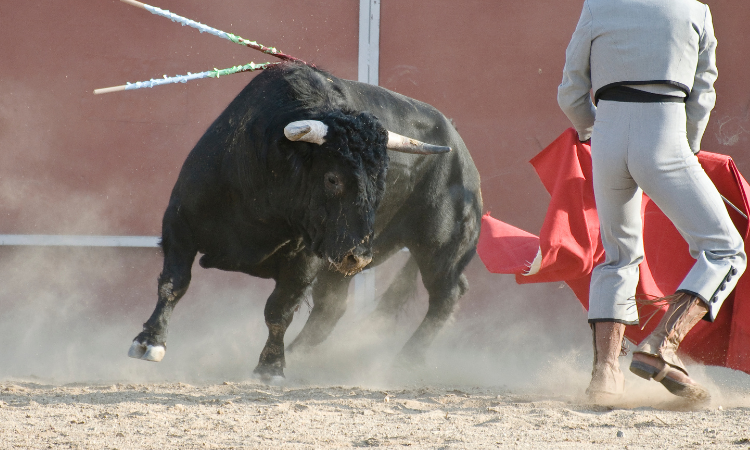
A traditional bullfight, or corrida, is a carefully choreographed performance that unfolds in three acts. The matador, adorned in vibrant attire, faces a fierce and agile bull in a dance of bravery and skill. The initial act involves the matador observing the bull’s movements, assessing its temperament. The second act sees the matador wielding the cape, showcasing graceful maneuvers while testing the bull’s agility. The final act culminates in the matador’s attempt to deliver a precise and elegant kill with a sword.
Beyond the spectacle itself, Madrid bullfighting is a fusion of artistry and ritual. The intricate dance between man and bull is laden with symbolic gestures, representing a profound connection to bullfighting in Spain and its historical roots.
Cultural Significance in Madrid and Spain: Tradition and Identity
Madrid, as the capital of Spain, holds a special place in the realm of bullfighting. The city’s historic Plaza de Toros de Las Ventas stands as an iconic arena, hosting some of the most renowned bullfights. The significance of bullfighting in Madrid extends beyond the arena, permeating the city’s cultural landscape.
In Spain, bullfighting is often seen as a celebration of courage, skill, and tradition. It has been both a subject of artistic inspiration and a platform for expressing cultural identity. The bull, often revered as a symbol of strength and power, becomes a central figure in this spectacle, embodying a connection to the land and its people.
However, many travelers and enthusiasts ask: Is bullfighting legal in Spain? The answer is complex. While bullfighting remains legal in much of Spain, including Madrid, some regions, such as Catalonia and the Canary Islands, have banned it. The debate over its place in modern society continues, reflecting shifting cultural attitudes and ethical considerations.
Understanding Madrid bullfighting is, therefore, an exploration of the soul of Spain. It is an acknowledgment of a tradition that, while evolving over time, remains an integral part of the cultural mosaic that defines the Spanish experience.
Key Venues
Plaza de Toros de Las Ventas
Plaza de Toros de Las Ventas, often referred to simply as Las Ventas, is the most prestigious bullring in Madrid and one of the most famous in the world. Opened in 1931, it showcases stunning Neo-Mudéjar architecture, with intricate brickwork and a grand circular design that can accommodate nearly 24,000 spectators.
Las Ventas is not just an architectural marvel but also the epicenter of bullfighting in Spain. It hosts the most important events of the season, attracting the best matadors and the most passionate fans. Many consider it the ultimate testing ground for bullfighters, as the Madrid audience is known for being highly knowledgeable and demanding.
Beyond bullfighting, Las Ventas serves as a cultural venue, hosting concerts, exhibitions, and tours that offer insights into bullfighting in Madrid, Spain. Visitors can explore its museum, which features bullfighting memorabilia, historic costumes, and artwork depicting the tradition. A visit to Las Ventas is essential for anyone seeking to understand the true essence of Madrid bullfighting.
Other Notable Bullrings
Madrid is home to other bullrings that, while not as grand as Las Ventas, still contribute to the bullfighting tradition. Some of these include:
- Plaza de Toros de Vista Alegre – Located in the Carabanchel district, this venue occasionally hosts smaller-scale bullfights and local events.
- Plaza de Toros de Moralzarzal – Situated in the outskirts of Madrid, this modern bullring is known for hosting novilladas (fights featuring young bulls and novice matadors).
Each of these venues offers a different perspective on bullfighting, making them worthy of exploration for enthusiasts.
The Bullfighting Season
Madrid bullfight schedule
The bullfighting season in Madrid typically runs from March to October, aligning with Spain’s warm weather. The most prestigious events take place during the annual San Isidro Festival in May, which lasts for about a month and attracts the world’s top bullfighters.
San Isidro is considered the pinnacle of the bullfighting season, with fights held almost daily at Las Ventas. If you’re looking for the best time to experience bullfighting in Madrid, attending during this festival is highly recommended.
Outside of San Isidro, fights are scheduled throughout the season on Sundays and public holidays. Checking the official schedule in advance is essential for those planning to attend.
Types of Events
Madrid’s bullfighting season features different types of bullfighting events:
- Corridas de Toros – The most traditional form of bullfight, featuring experienced matadors facing fully grown bulls.
- Novilladas – Bullfights featuring novice matadors, who fight younger bulls as they gain experience.
- Rejoneo – A bullfight performed entirely on horseback by skilled rejoneadores (horse-mounted bullfighters).
Each type of event offers a unique experience, with corridas being the most prestigious and novilladas serving as a stepping stone for future stars.
FAQ Section
(Click on each question to expand)
When does the bullfighting season occur in Madrid?
The season typically runs from March to October, with the peak being the San Isidro Festival in May.
How can I buy Madrid bullfighting tickets?
Tickets can be purchased online through official bullring websites, ticketing platforms, or at the box office of Las Ventas.
What is Las Ventas, and why is it significant?
Las Ventas is Madrid’s most famous bullring, considered the ultimate challenge for matadors due to its size and knowledgeable audience.
What should I know before attending a bullfight in Madrid?
It’s important to understand the structure of a bullfight, the etiquette, and seating options. Arriving early and dressing appropriately is also recommended.
Are there any specific tips for enjoying bullfighting in Madrid?
Choose a seat in the shade (sombra) for comfort, research the matadors performing, and be respectful of traditions.
Is there still bullfighting in Madrid?
Yes, bullfighting continues at Las Ventas, particularly during the San Isidro Festival and other major events.
Is it worth going to a bullfight in Madrid?
For those interested in Spanish culture and history, attending a bullfight offers a deep insight into a centuries-old tradition.
How much does it cost to go to a bullfight in Madrid?
Ticket prices vary based on seating and event importance, ranging from €10 (cheap seats) to over €150 (premium seats).
What month is bullfighting in Spain?
Bullfights occur from March to October, with May being the most prestigious month due to San Isidro.
How many hours does a bullfight last?
A standard bullfight lasts 2 to 3 hours, depending on the number of fights scheduled.
Where to sit at a bullfight?
Seats in the shade (sombra) are more expensive but comfortable, while sun-exposed (sol) seats are cheaper but can be very hot.
What does the crowd yell at a bullfight?
Spectators often yell “¡Olé!” after an impressive move, and sometimes whistle to express disapproval.
Who comes out first in a bullfight?
The matadors and their teams enter first in a formal parade known as the paseíllo.
Where are the cheapest seats at a bullfight?
The cheapest seats are in the sol (sun) section, particularly in the upper tiers of the arena.
 Toll Free (USA & Canada) +1 866 978 2997