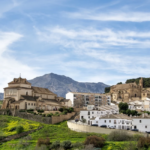
Cordoba, known as the “City of Caliphs,” in Andalusia, Spain, boasts a rich history dating back to Roman times. Its iconic landmark, the Great Mosque-Cathedral, symbolizes religious tolerance and coexistence. Explore the labyrinthine streets of the Jewish Quarter, savor traditional dishes, and immerse yourself in Cordoba’s vibrant cultural scene. Beyond the city, discover outdoor adventures in the surrounding countryside. Cordoba hosts festivals celebrating its folklore and traditions, offering visitors an unforgettable experience beyond the usual tourist path. There is plenty to do here!
The Roman Bridge: A Gateway to Cordoba’s Past
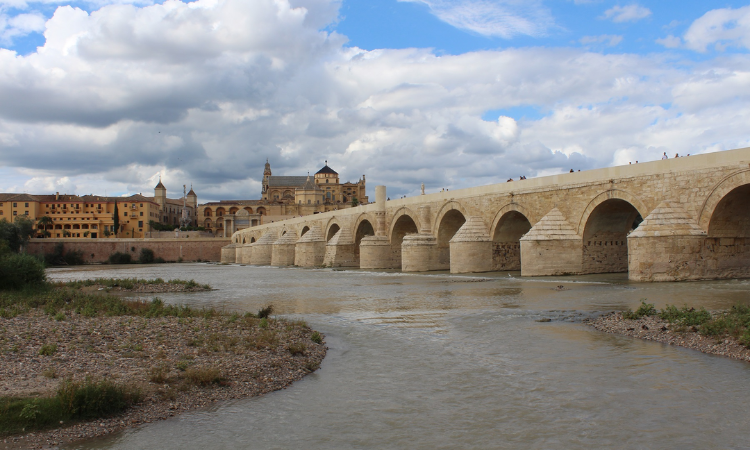
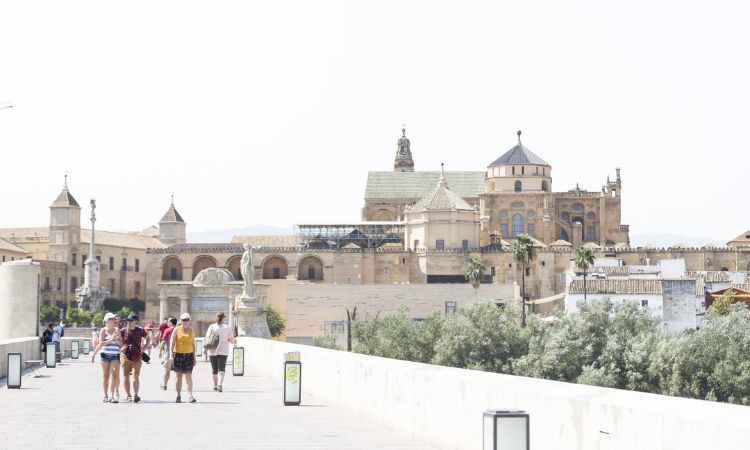
Constructed in the early 1st century AD during Roman rule, the Roman Bridge spans the Guadalquivir river with 16 arches, measuring 331 meters in total length. Serving as the primary entry point to Cordoba from the south of the Iberian Peninsula, it stood as the sole crossing without the need for a boat for many centuries.
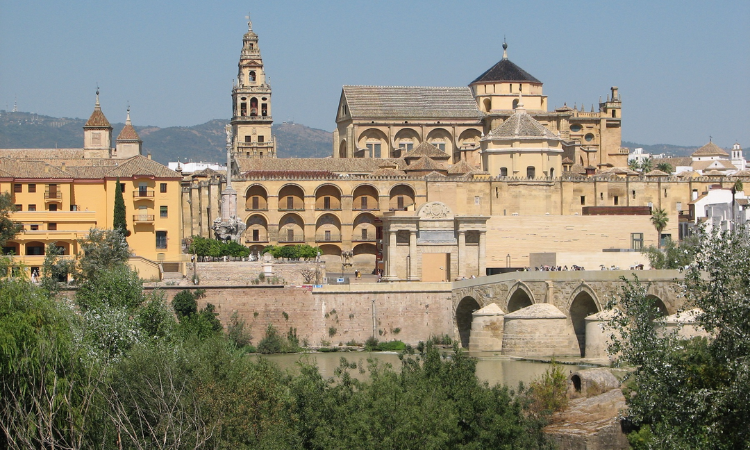
Together with the Archway to the Bridge, the Calahorra Tower, and the riverside walkway known as the ‘Ribera,’ the bridge stands as one of the city’s most iconic landmarks, offering a breathtaking panoramic view from the south bank of the river.
The bridge has undergone numerous renovations over the years, with its current appearance being the result of restoration work conducted by architect Juan Cuenca Montilla from 2006 to 2008. This restoration included cleaning the cutwaters at the base of the piers, uncovering the original stones, and replacing the cobbled paving stones with smooth half-polished granite slabs. Additionally, the 19th-century lampposts were replaced with functional street-level illumination, and the old saints’ niche dedicated to San Acisclo and Santa Victoria was restored. The bridge’s north end was also cleared to match the level of the Archway to the Bridge and the Ribera River walkway.
At the central point of the bridge stands a triumphal column of St. Raphael, dating back to 1651 and sculpted by Bernabé Gómez del Río.
The Majestic Mosque-Cathedral of Cordoba
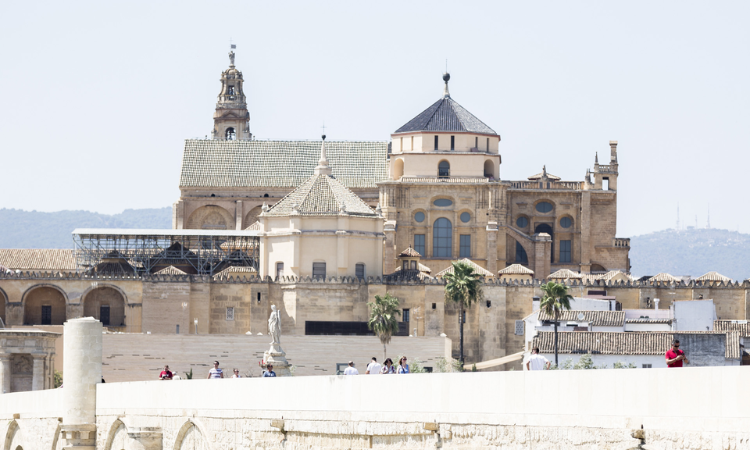
The Mosque Cathedral of Cordoba stands as a paramount monument in the Islamic West and a globally renowned marvel. Its history encapsulates the evolution of Umayyad architecture in Spain, alongside Gothic, Renaissance, and Baroque styles of Christian construction.
The site of the Mosque-Cathedral has been dedicated to worship since ancient times, initially hosting the basilica of San Vicente during Visigoth rule. This basilica, later shared by both Christians and Muslims, was eventually wholly acquired by Abderraman I, who demolished it to erect the first Alhama Mosque. Elements of the Visigoth structure remain integrated into the initial section of Abderraman I’s construction.
The grand Mosque features two distinct areas: the courtyard, housing the minaret, and the prayer room. The interior boasts a mesmerizing array of columns and bicolor arches, creating a striking chromatic effect. Divided into five zones corresponding to various expansions, the enclosure showcases the mosque’s architectural evolution over time.
Hidden Gems: The Jewish Quarter and Calahorra Tower
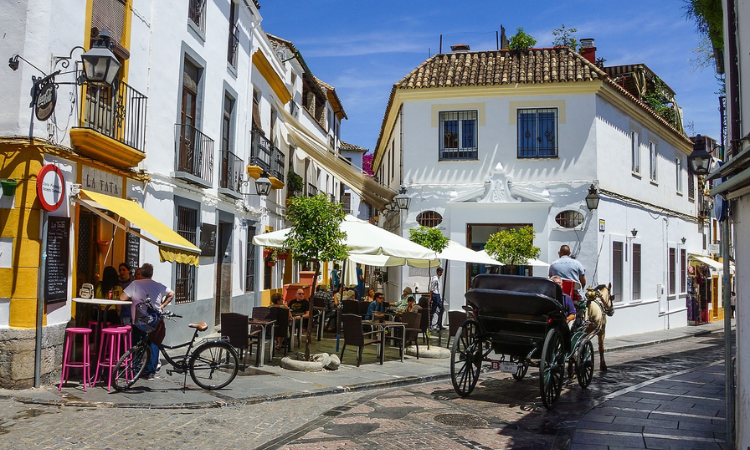
Nestled within the labyrinthine streets of Cordoba lies the enchanting Jewish Quarter, a hidden gem brimming with history and cultural significance. As one of Europe’s largest and best-preserved Jewish quarters, this area offers visitors a glimpse into centuries of Jewish life and heritage. Wander through its narrow alleys adorned with whitewashed buildings and vibrant flower-filled patios, where echoes of the past resonate in every corner.
Amidst the charm of the Jewish Quarter stands the iconic Calahorra Tower, a testament to Cordoba’s rich architectural legacy. Originally built as a defensive structure during the Moorish era, the tower has undergone several transformations over the centuries. Today, it houses a museum dedicated to the history of Al-Andalus, showcasing artifacts and exhibits that illuminate the region’s multicultural heritage.
Visitors to the Calahorra Tower can embark on a captivating journey through time, exploring the cultural exchange between Muslim, Jewish, and Christian communities that shaped Cordoba’s identity. From interactive displays to immersive multimedia presentations, the museum offers a comprehensive overview of the city’s diverse history.
One of the highlights of a visit to the Calahorra Tower is the opportunity to ascend to its rooftop terrace, where panoramic views of Cordoba’s historic quarter and the Guadalquivir River await. Gaze upon the picturesque landscape as you contemplate the enduring legacy of the Jewish Quarter and its pivotal role in shaping the city’s cultural tapestry.
UNESCO World Heritage Sites: A Testament to Cordoba’s Glory
Cordoba’s UNESCO World Heritage Sites stand as enduring testaments to the city’s rich cultural legacy and architectural splendor. At the heart of this designation lies the Historic Center of Cordoba, a captivating tapestry of medieval streets, magnificent landmarks, and architectural wonders. From the iconic Great Mosque-Cathedral to the enchanting Jewish Quarter, the Historic Center embodies the diverse influences that have shaped Cordoba over the centuries.
In addition to the Historic Center, Cordoba is home to another UNESCO gem: the archaeological site of Medina Azahara. This breathtaking complex, located on the outskirts of the city, was once the majestic capital of the Umayyad Caliphate of Cordoba. Today, visitors can explore the evocative ruins of palaces, mosques, and administrative buildings, offering a glimpse into the opulence and grandeur of Al-Andalus during its golden age.
As UNESCO World Heritage Sites, both the Historic Center and Medina Azahara are recognized for their outstanding universal value and significance to humanity. These sites serve as living testaments to Cordoba’s cultural heritage and historical importance, drawing visitors from around the globe to marvel at their beauty and immerse themselves in the city’s rich history.
Exploring Cordoba’s UNESCO World Heritage Sites offers travelers a unique opportunity to step back in time and uncover the stories of empires, civilizations, and cultures that have left their mark on this remarkable city. Whether wandering through the labyrinthine streets of the Historic Center or wandering amidst the ruins of Medina Azahara, visitors are sure to be captivated by the timeless beauty and profound significance of these extraordinary sites.
Palacio de Viana: A Palace of Patios
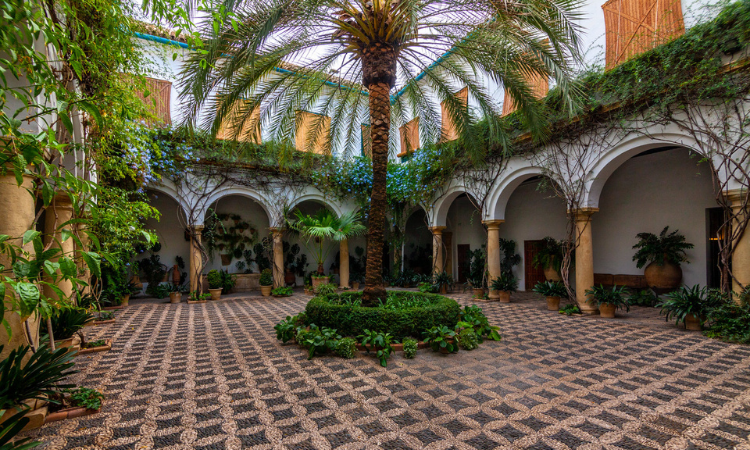
Palacio de Viana, also known as the “Palace of Patios,” is a magnificent architectural gem nestled in the heart of Cordoba. Renowned for its stunning courtyards, the palace boasts eleven uniquely designed patios, each exuding its own charm and character. Visitors to Palacio de Viana can marvel at the intricate craftsmanship of the courtyards, adorned with vibrant flowers, elegant fountains, and ornate architectural details.
For the best visiting experience, immerse yourself in the tranquil ambiance of each patio, taking time to appreciate the beauty and serenity that surrounds you. Explore the diverse themes of the courtyards, from the lush greenery of the Gardeners’ Patio to the captivating allure of the Orange Trees Patio. Don’t miss the opportunity to wander through the palace’s expansive garden, a lush oasis that provides a peaceful retreat from the bustling city streets.
As you stroll through Palacio de Viana, take in the rich history and cultural significance of this architectural masterpiece. Learn about the palace’s fascinating past and its role in Cordoba’s heritage, as well as the influences that shaped its design and construction.
To enhance your experience, consider joining a guided tour of the palace, where knowledgeable guides provide insights into the history, architecture, and symbolism of Palacio de Viana. Alternatively, explore at your own pace, allowing yourself to be captivated by the beauty and elegance of each courtyard and garden.
Whether you’re a history enthusiast, a lover of architecture, or simply seeking a tranquil escape, Palacio de Viana offers a captivating glimpse into Cordoba’s past and present. With its enchanting patios, lush gardens, and rich cultural heritage, the palace promises an unforgettable experience for visitors of all ages.
Image: Paul VanDerWerf Me
A Taste of Cordoba: Local Cuisine and Olive Oil
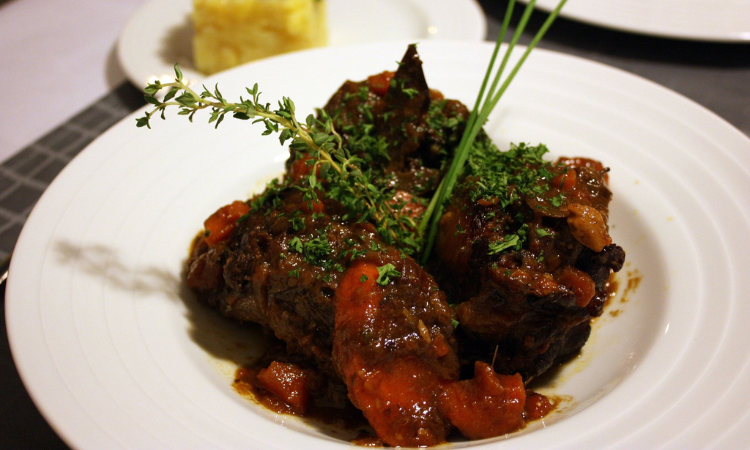
Experience the culinary delights of Cordoba with a tantalizing array of local dishes that reflect the region’s rich gastronomic heritage. Indulge in traditional favorites like Rabo de Toro, a succulent oxtail stew simmered to perfection with aromatic herbs and spices, offering a taste of Andalusian comfort food at its finest.
No culinary journey through Cordoba would be complete without savoring the liquid gold of Andalusia – olive oil. Cordoba’s fertile lands are renowned for producing some of the finest olive oils in the world, cherished for their exquisite flavor and superior quality. Discover the art of olive oil production with visits to local olive mills and tasting experiences that showcase the diverse varieties and nuances of Cordoba’s olive oils.
Explore bustling markets and specialty shops where you can sample an array of olive oil products, from extra virgin to infused oils, each offering a unique sensory experience. Learn about the olive oil-making process from knowledgeable producers, who will share insights into the cultivation, harvesting, and pressing of olives that contribute to Cordoba’s culinary legacy.
Immerse yourself in the flavors of Cordoba with immersive cooking classes and gastronomic tours that highlight the region’s culinary traditions. From traditional tapas to innovative dishes that blend modern techniques with ancient recipes, Cordoba’s vibrant food scene promises a feast for the senses.
As you journey through Cordoba’s culinary landscape, be sure to pair your meals with the region’s finest wines and sherries, adding an extra layer of richness to your dining experience. Whether dining in quaint taverns, chic restaurants, or hidden gems tucked away in historic courtyards, Cordoba invites you to embark on a culinary adventure that celebrates the essence of Andalusian cuisine and the timeless allure of olive oil.
1. What are the top unique things to do in Cordoba, Spain?
Cordoba, steeped in history and cultural heritage, offers a plethora of unique experiences for visitors. Among the must-see attractions are:
Roman Bridge: Spanning the Guadalquivir River, this ancient bridge offers breathtaking views of the cityscape and serves as a testament to Cordoba’s Roman past.
Mosque-Cathedral: A stunning architectural marvel, the Mosque-Cathedral of Cordoba showcases a unique blend of Muslim and Christian influences, with its horseshoe arches and Gothic elements.
Jewish Quarter: Wander through the narrow streets of the Jewish Quarter, known as Juderia, and explore its picturesque alleys, charming courtyards adorned with colorful flowers or visit a historic Jewish synagogue.
Palacio de Viana: Discover the beauty of Cordoba’s patios at the Palacio de Viana, where eleven unique courtyards await exploration, each offering a glimpse into Andalusian architecture and design.
UNESCO World Heritage Sites: Cordoba boasts several UNESCO World Heritage sites, including the historic center and the archaeological complex of Medina Azahara, offering insights into the city’s rich history and cultural significance.
2. Can Cordoba be explored in one day?
While Cordoba is a city rich in history and attractions, it is possible to experience many of its highlights in one day with careful planning. Begin your day with a visit to the Mosque-Cathedral, a UNESCO World Heritage site, and marvel at its stunning architecture and historical significance.
Next, explore the Jewish Quarter, where you can wander through its narrow streets and admire the whitewashed buildings and colorful courtyards. Don’t miss the opportunity to visit the Roman Bridge and take in panoramic views of the city and the Guadalquivir River.
In the afternoon, explore the Palacio de Viana, with its beautiful gardens and courtyards, before heading to the historic center to explore its charming streets and squares. Wrap up your day with a visit to the archaeological complex of Medina Azahara, located just outside the city, and discover the ruins of this ancient Moorish city.
While one day may not be enough to fully explore all that Cordoba has to offer, this itinerary provides a glimpse into the city’s rich history and cultural heritage.
3. What makes Cordoba’s Mosque-Cathedral unique?
Cordoba’s Mosque-Cathedral, also known as the Mezquita, is a masterpiece of Islamic architecture with unique features that set it apart. What makes it truly special is its blend of Muslim and Christian influences, reflecting the city’s diverse cultural heritage.
Originally built as a mosque during the period of Islamic rule in Spain, the Mosque-Cathedral underwent several expansions and renovations after the Christian Reconquista. The result is a stunning architectural fusion, with Islamic elements such as horseshoe arches and intricate geometric patterns seamlessly integrated with Gothic and Renaissance styles.
The mosque’s prayer hall, with its iconic forest of columns and red-and-white striped arches, is a testament to the skill and craftsmanship of Moorish architects. Meanwhile, the Christian additions, including the Renaissance choir stalls and Baroque altar, add a layer of richness and complexity to the space.
Today, the Mosque-Cathedral stands as a symbol of Cordoba’s multicultural past and serves as a place of worship for both Muslims and Christians. Its unique architectural features and historical significance make it a must-visit destination for travelers exploring Cordoba.
4. Is Cordoba worth visiting?
Absolutely! Cordoba is a city steeped in history, culture, and architectural beauty, making it a must-visit destination for travelers. From its stunning UNESCO World Heritage sites to its charming streets and vibrant atmosphere, Cordoba offers a wealth of experiences for visitors to enjoy.
One of the highlights of Cordoba is its rich history, which is reflected in its diverse architecture and cultural heritage. The city’s most iconic landmark, the Mosque-Cathedral, is a masterpiece of Islamic architecture and a symbol of Cordoba’s multicultural past.
In addition to its historical attractions, Cordoba boasts a vibrant culinary scene, with traditional dishes like rabo de toro (oxtail stew) and salmorejo (cold tomato soup) waiting to be savored. The city’s bustling markets and lively tapas bars offer a taste of authentic Andalusian cuisine.
Cordoba’s charming streets and squares are perfect for leisurely strolls, while its numerous museums and galleries provide opportunities for cultural exploration. Whether you’re exploring the narrow alleys of the Jewish Quarter or admiring the lush gardens of the Palacio de Viana, there’s something for everyone to enjoy in Cordoba.
In conclusion, Cordoba is definitely worth visiting for its rich history, diverse architecture, and vibrant culture. Whether you’re interested in exploring its UNESCO World Heritage sites, savoring its delicious cuisine, or simply soaking up its unique atmosphere, Cordoba promises an unforgettable experience for travelers.
5. How do I get to Medina Azahara from Cordoba?
Medina Azahara, located approximately 8 kilometers west of Cordoba, is easily accessible by car, taxi, or public transportation. If you’re driving, simply take the A-431 road towards Palma del Rio and follow the signs for Medina Azahara. The journey takes around 15 minutes by car, and there is ample parking available near the archaeological site.
Alternatively, you can take a taxi from Cordoba city center to Medina Azahara, which typically costs around €15-20. Taxis are readily available throughout the city and can be hailed on the street or booked in advance through a taxi app.
For those preferring public transportation, bus service to Medina Azahara is also available. Several bus companies operate routes between Cordoba and Medina Azahara, with departures from the historic city center. Be sure to check the bus schedule in advance, as frequency may vary depending on the day and time of travel.
Once you arrive at Medina Azahara, you can explore the archaeological site at your own pace or join a guided tour for a more in-depth experience. Highlights include the impressive ruins of the palace city, with its grand arches, courtyards, and intricate decoration, offering insights into the splendor of Moorish architecture and urban planning.
Overall, visiting Medina Azahara from Cordoba is a convenient and rewarding experience, providing a glimpse into one of Spain’s most important historical sites.
 Toll Free (USA & Canada) +1 866 978 2997