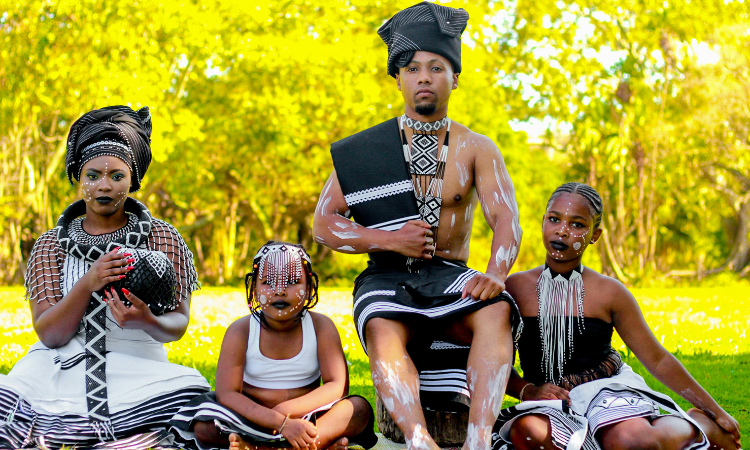
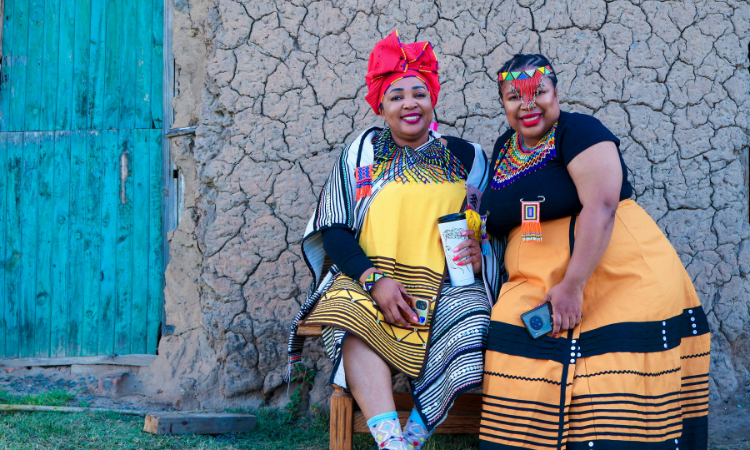
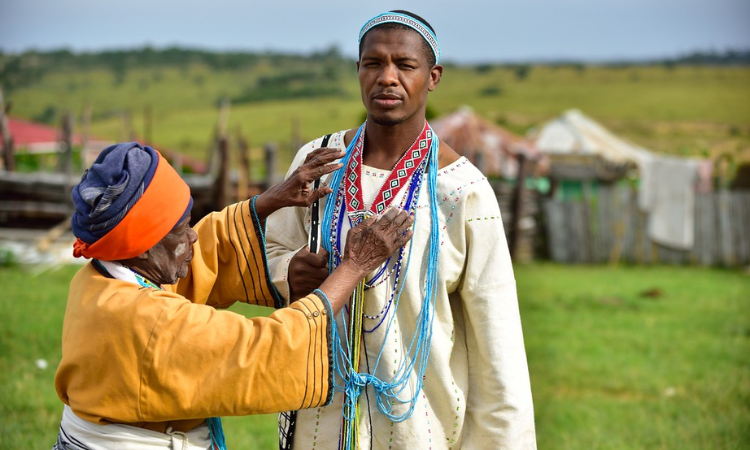
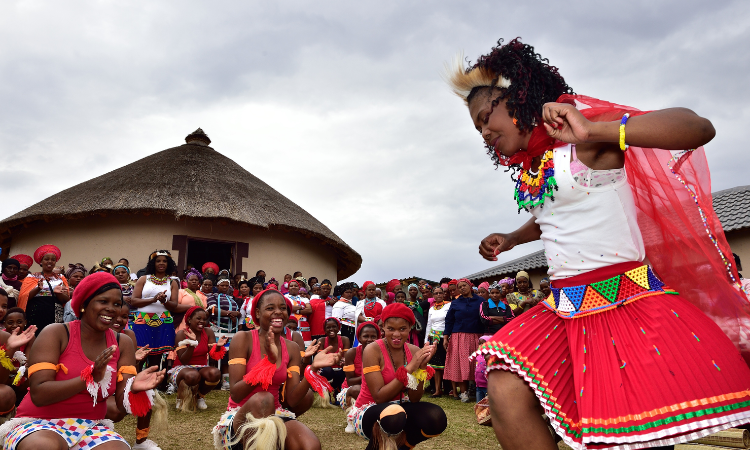
South Africa is one of the most culturally diverse and fascinating countries in the world. Known for its dramatic landscapes, incredible wildlife, vibrant cities, and deep history, Beautiful South Africa offers much more than safaris and scenic coastlines. What truly makes the country unforgettable is its people, traditions, languages, and multicultural identity.
For many travelers, meeting South African people becomes one of the highlights of the journey. From lively conversations in Cape Town cafes to traditional village experiences in KwaZulu-Natal and welcoming local communities along the Garden Route, South Africa offers a rich cultural experience unlike anywhere else in the world.
This guide explores the people, traditions, customs, and official languages of South Africa, helping travelers better understand the country’s identity before visiting.
Understanding South African People
One of the first things visitors notice about South African people is the country’s incredible diversity.
South Africa is often called the “Rainbow Nation” because it is home to multiple ethnic groups, languages, religions, and cultural traditions that coexist within one nation.
The country’s population includes:
- Black South Africans
- White South Africans
- Coloured communities
- Indian South Africans
- Mixed cultural backgrounds
- Indigenous African communities
This diversity influences everything from:
- Food
- Music
- Art
- Festivals
- Fashion
- Languages
- Daily life
Every region in South Africa feels slightly different culturally, which makes traveling across the country especially rewarding.
Why South Africa is Called the Rainbow Nation
The term “Rainbow Nation” became widely popular after the end of apartheid and symbolizes unity among South Africa’s many communities and cultures.
Today, travelers can experience this diversity through:
- Traditional music
- Local cuisines
- Cultural festivals
- Historic neighborhoods
- Community markets
- Religious diversity
- Contemporary art scenes
This multicultural identity is one of the reasons so many travelers fall in love with Beautiful South Africa.
Official Languages of South Africa
One of the most unique aspects of the country is the number of official languages of South Africa.
South Africa has 11 official languages, making it one of the most linguistically diverse countries in the world.
The official languages are:
- Zulu
- Xhosa
- Afrikaans
- English
- Northern Sotho
- Tswana
- Southern Sotho
- Tsonga
- Swati
- Venda
- Ndebele
Is English Spoken in South Africa?
Yes. English is widely spoken throughout the country, especially in:
- Cities
- Hotels
- Restaurants
- Tourist attractions
- Airports
International travelers can comfortably navigate South Africa using English alone.
However, hearing different local languages is part of what makes the country culturally rich and exciting.
Most Spoken Languages in South Africa
Among the official languages of South Africa, Zulu and Xhosa are among the most widely spoken native languages.
Travelers may notice:
- Distinctive click sounds in Xhosa
- Traditional greetings in Zulu
- Afrikaans phrases in parts of the Western Cape
Learning a few local greetings is often appreciated by locals.
The Warm Hospitality of South African People
One of the most memorable parts of visiting South Africa is the warmth and friendliness of its people.
Many travelers describe South African people as:
- Welcoming
- Proud of their culture
- Helpful
- Social
- Passionate storytellers
Conversations often come naturally, whether at local markets, wineries, safari lodges, or restaurants.
Hospitality is deeply valued in many South African communities.
Cultural Diversity Across South Africa
Different parts of the country offer very different cultural experiences.
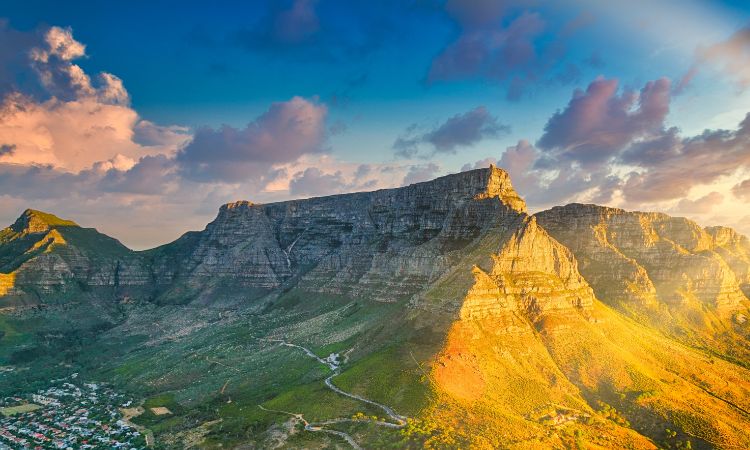
Cape Town and the Western Cape
Cape Town reflects a blend of:
- African culture
- European influences
- Malay heritage
- Contemporary urban lifestyle
Travelers can explore:
- Colorful Bo-Kaap neighborhood
- Local seafood traditions
- Wine estates
- Art galleries
- Coastal communities
The Western Cape is also strongly connected to Afrikaans culture and cuisine.
KwaZulu-Natal and Zulu Culture
KwaZulu-Natal is deeply connected to Zulu traditions and history.
Visitors may experience:
- Traditional dance performances
- Zulu crafts
- Cultural villages
- Historic battlefields
Zulu culture remains one of the strongest cultural influences in South Africa.
Johannesburg and Urban Diversity
Johannesburg is one of Africa’s most dynamic cities.
The city reflects:
- Modern South Africa
- Cultural fusion
- Creative industries
- Music and fashion scenes
- Historic significance
Neighborhoods like Soweto provide important insight into South Africa’s history and resilience.
Traditional Food and Cuisine in South Africa
Food is a major part of understanding South African people and culture.
The country’s cuisine reflects influences from:
- Indigenous African traditions
- Dutch settlers
- Indian communities
- Malay culture
- British colonial history
Popular South African Dishes
Braai
A braai is South Africa’s version of a barbecue, but culturally it is much more than just cooking outdoors.
It is a social tradition centered around:
- Grilled meats
- Conversation
- Family gatherings
- Community
Bunny Chow
Originally from Durban’s Indian community, bunny chow consists of curry served inside hollowed-out bread.
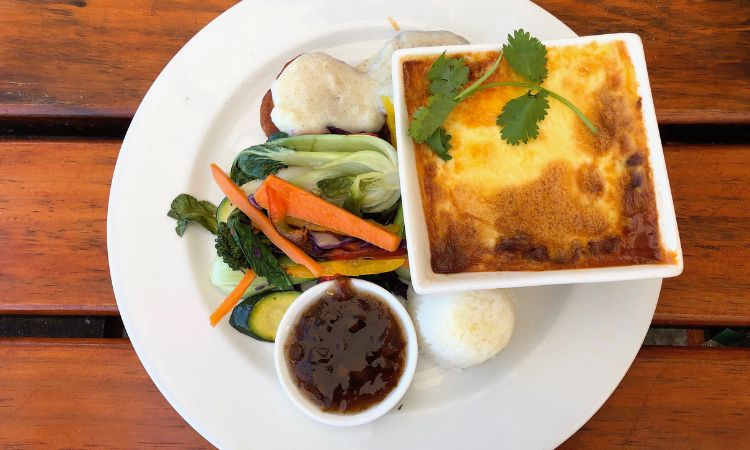
Bobotie
A Cape Malay-inspired dish made with spiced meat and baked egg topping.
Biltong
South Africa’s famous dried meat snack, similar to jerky.
Food experiences are an important part of exploring Beautiful South Africa.
Music and Dance in South African Culture
Music plays a huge role in South African identity.
The country has influenced global music through genres such as:
- Jazz
- Gospel
- House music
- Amapiano
- Traditional African rhythms
Dance is also deeply connected to celebrations, ceremonies, and community gatherings.
Travelers often encounter live music in:
- Restaurants
- Markets
- Festivals
- Townships
- Beachfront areas
South African Traditions and Customs
Understanding local customs helps travelers appreciate the culture more deeply.
Greetings Matter
Greetings are important in South Africa.
People often:
- Shake hands
- Ask about wellbeing
- Engage in friendly conversation before business
Respect for Elders
Many communities place strong emphasis on respecting elders and family traditions.
Ubuntu Philosophy
A famous South African philosophy is “Ubuntu,” often translated as:
“I am because we are.”
It reflects values of:
- Community
- Compassion
- Shared humanity
- Connection
Ubuntu is an important part of understanding South African people.
Exploring Beautiful South Africa Beyond Wildlife
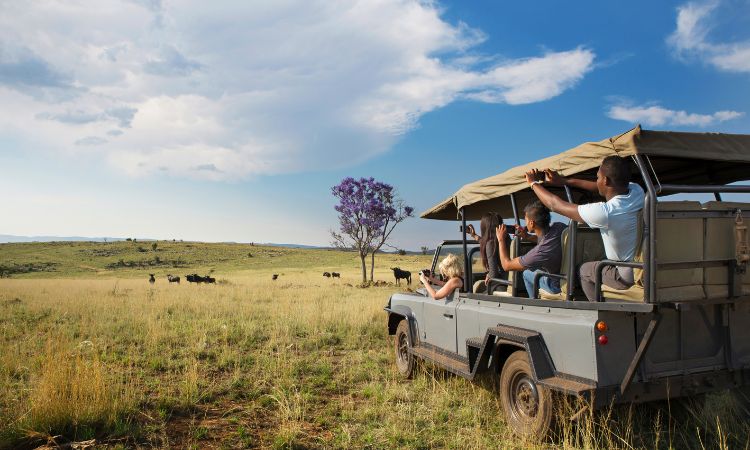
While safaris attract millions of visitors, Beautiful South Africa offers much more than wildlife.
Travelers can experience:
- Mountain landscapes
- Beaches
- Vineyards
- Historic towns
- Coastal drives
- Cultural festivals
- Adventure sports
- Culinary tourism
Popular destinations include:
- Cape Town
- Kruger National Park
- Garden Route
- Durban
- Stellenbosch
- Drakensberg Mountains
Art and Creativity in South Africa
South Africa has a thriving creative scene.
Visitors can explore:
- Street art
- Contemporary galleries
- Handmade crafts
- Local fashion
- Traditional beadwork
Art often reflects:
- Identity
- History
- Politics
- Cultural pride
Is South Africa Safe for Tourists?
Many travelers researching Beautiful South Africa also wonder about safety.
Like many destinations, South Africa has areas where travelers should remain cautious, especially in large cities.
Helpful travel tips include:
- Avoid displaying valuables openly
- Use trusted transportation
- Stay aware in crowded areas
- Follow local advice
Millions of tourists safely visit South Africa every year and enjoy unforgettable experiences.
Best Time to Experience South African Culture
South Africa can be visited year-round, but the best season depends on your interests.
Summer (November to March)
Best for:
- Beaches
- Festivals
- Outdoor dining
- Cape Town travel
Winter (May to September)
Best for:
- Safari experiences
- Whale watching
- Cooler weather
Cultural experiences are available throughout the year.
Why Travelers Fall in Love with South Africa
What makes South Africa truly unforgettable is not only the scenery but the people and cultural richness behind it.
Travelers often leave remembering:
- Conversations with locals
- Shared meals
- Music and celebrations
- Cultural traditions
- Warm hospitality
The diversity of South African people creates a travel experience filled with depth, learning, and meaningful connections.
Final Thoughts on South African People and Culture
Understanding South African people, traditions, and the official languages of South Africa adds a completely different dimension to visiting the country.
Beyond safaris and famous landmarks, South Africa offers:
- Deep cultural diversity
- Fascinating history
- Rich traditions
- World-class food
- Warm hospitality
- Vibrant creativity
Whether you are exploring bustling cities, wine regions, coastal towns, or rural villages, Beautiful South Africa reveals itself through its people as much as its landscapes.
For travelers seeking culture, connection, and unforgettable experiences, South Africa remains one of the world’s most rewarding destinations.
 Toll Free (USA & Canada) +1 866 978 2997