Dubai, a global leader in modern architecture, is home to some of the world’s most awe-inspiring structures. The city seamlessly blends innovation, culture, and futuristic designs, transforming from a quiet desert landscape into a dazzling metropolis of skyscrapers. From record-breaking landmarks to groundbreaking developments, Dubai showcases a vision where architectural brilliance meets luxury and functionality. Explore the architectural wonders of Dubai and discover how this vibrant city redefines the limits of modern design, making it a must-visit destination for architecture enthusiasts. Be ready to raise your brows in astonishment as you see these 6 architectural wonders on your tour to Dubai.
Burj Khalifa: Dubai’s Tallest Gem
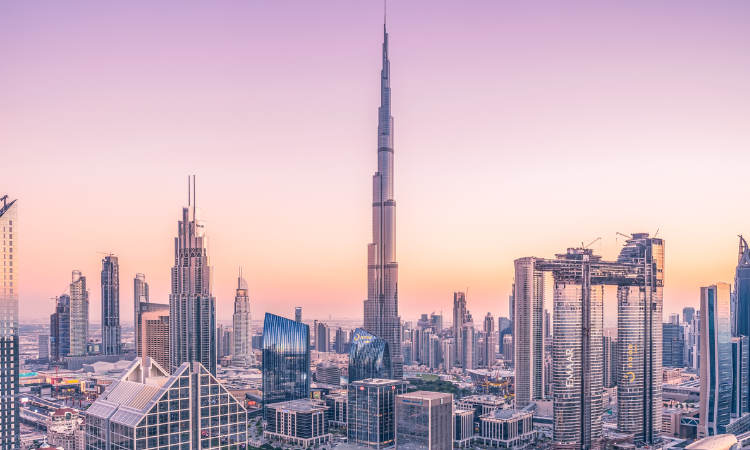
Standing 2,722 feet tall, Burj Khalifa is the tallest building in the world! A symbol of pure magnificence, it adds grandeur to Dubai’s name and is one of the Dubai famous buildings. It is renowned for providing tourists with the best views of the skyline of Dubai. Burj Khalifa is designed by Adrian Smith, an architect from Chicago. It is said to have been inspired by the native desert flowers, and its shape is a beautiful reflection of Islamic architecture. Since its completion in 2010, it has become synonymous with Dubai’s evolution. The cloud-piercing Burj Khalifa has managed to leave every single person who visits it amazed! This centerpiece of Dubai has an ultra-luxury hotel, restaurants and bars, and residential units. You can reach one of the world’s highest observation decks with the At the Top, Burj Khalifa SKY experience, which takes visitors to the 148th floor for jaw-dropping views of Dubai.
Palm Jumeirah: One Of The World’s Largest Man-Made Islands
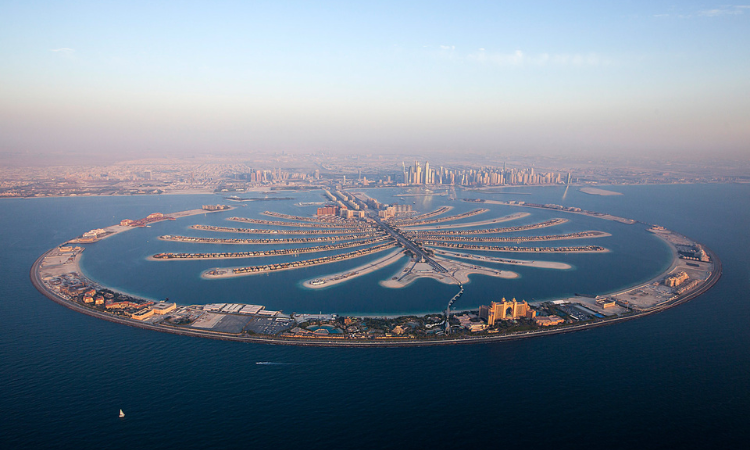
The architecture in Dubai rightly captures the world’s imagination. Shaped like a palm tree when seen from above, Palm Jumeirah is another feather added to the hat of architectural wonders in Dubai. This marvelous artificial archipelago was built from reclaimed land and now houses top-notch hotels, restaurants, the Lost Chambers Aquarium, and Aquaventure Waterpark. It is a symbol of opulence, intelligent engineering, and one of the greatest architectural marvels of the 21st century.
Cayan Tower: The One With A Twist
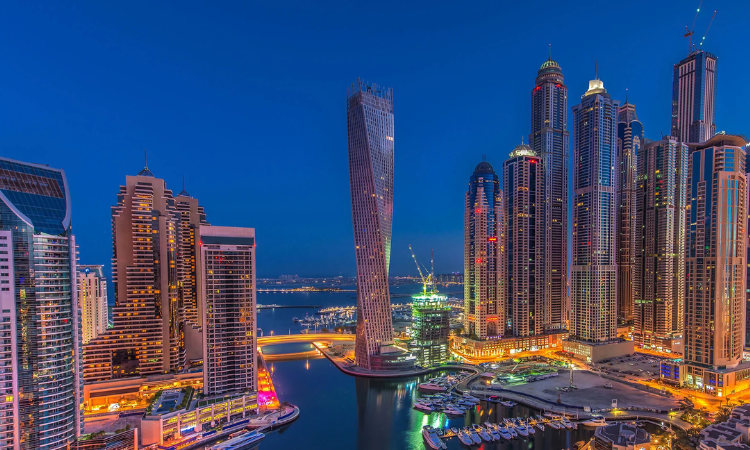
Cayan Tower, earlier known as the Infinity Tower, is a 306-meter-tall skyscraper in Dubai. Recognized as one of the Dubai famous buildings, it is designed by the Owings and Merrill SOM architectural group and is the tallest building with an intricate 90-degree twist without structural pillars. With spectacular views of Jumeirah Beach, it houses 495 apartments. Rising from the ground like a futuristic beanstalk, it remains an eye-catching marvel in Dubai. Standing high at the Dubai Marina, you can’t unsee it! Throughout the day, this architectural jewel has thousands of heads turning to witness its glory!
Burj Al Arab: Redefining Luxury
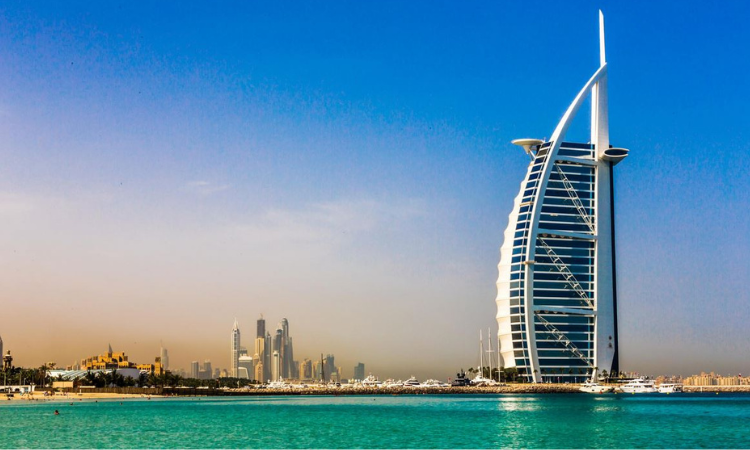
The Burj Al Arab is a 7-star hotel that finds itself on one of the world’s largest artificial islands, Palm Jumeirah. Featuring an underwater restaurant and a sky-view bar, the building has 202 lavish suites, including a two-stories Royal Suite. Owning to its splendor, Burj Al Arab is also the most photographed building in the world. It leaves people astonished by its ravishing beauty once it lights up in the evening. What makes its architecture more interesting is that the ground layer is rocks with concrete honeycomb encirclement. This prevents the foundation from erosion, enabling it to stand firmly above the sea. Burj Al Arab is not only one of the most majestic pieces of Dubai architecture but around the globe!
The Dubai Frame: Not Just A Photo Booth
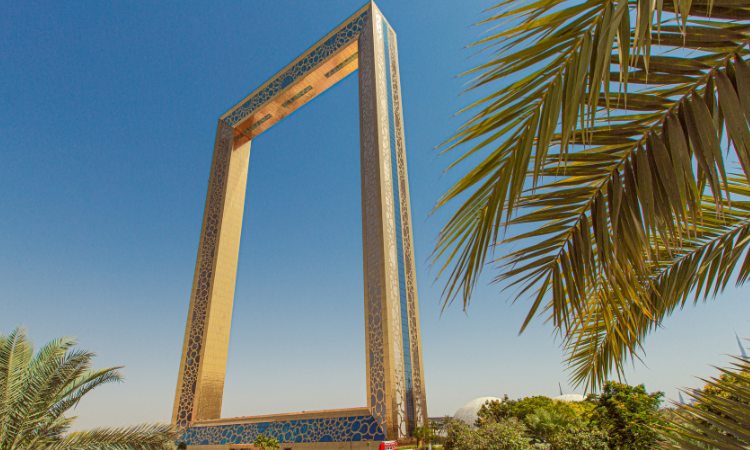
See the perfect blend of the old and the new as you witness Dubai architecture in all its glory. In the north of the city, Old Dubai has lively souks, a maze of alleyways, and ages-old fortresses. In the south, the skyline looks unreal, straight out of a tech movie! Located at a perfect spot between these two different worlds is the spectacular Dubai Frame, a symbol of Dubai’s seamless blend of tradition and modernity. It offers 360-degree views from the glass bridge bottom at the top of the frame. With a whopping height of 492 feet and width of 344 feet, Dubai Frame is the largest picture frame in the world. If you just have 24 hours in Dubai, getting a photo in front of this architectural piece full of splendor is something you shouldn’t miss!
The Green Planet Dubai: An Indoor Rainforest
One of Dubai’s proudest architectural pieces is The Green Planet Dubai, a biodome wherein visitors have a chance to experience an indoor ecosystem replicating the natural habitat of rainforests. It is a great place for nature lovers. You get to witness the wilderness of rainforests and gain knowledge about the same. The Green Planet aims to contribute to creating environmental consciousness. It is an indoor world of exotic flora and fauna that’ll leave you mesmerized as you walk around. One thing that makes it more exciting is the world’s largest artificial tree creating a living environment for the 3,000 plant species and animals inside the dome. No one ever thought to have a whole rainforest inside a building but architect Grout McTavish made it possible with this cutting-edge structure. So be ready for an immersive expedition into the tropics on your Dubai trip.
Museum of the Future
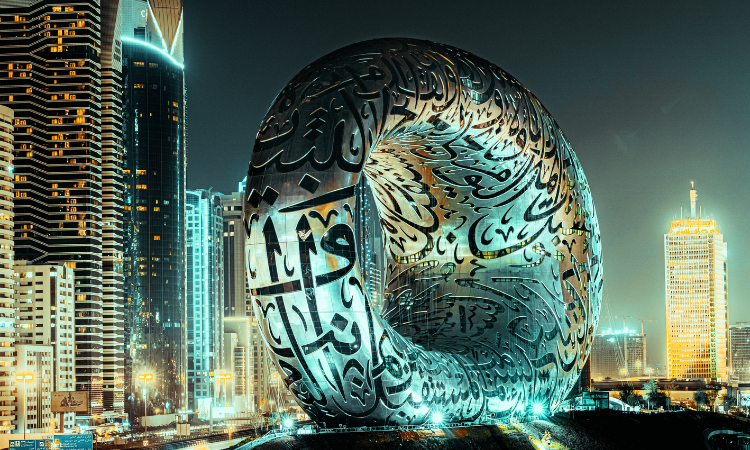
A marvel of design and technology, the Museum of the Future features a striking torus shape covered in Arabic calligraphy. As one of the Dubai landmark buildings, this futuristic marvel serves as a hub for innovation, showcasing advancements in AI, robotics, and space exploration. The hollow center symbolizes the unknown possibilities of the future. Its stainless steel façade and intricate inscriptions make it an architectural masterpiece. Visitors can explore immersive exhibits that challenge the boundaries of science and imagination, making it one of the greatest monuments in Dubai.
Binghatti Pearls
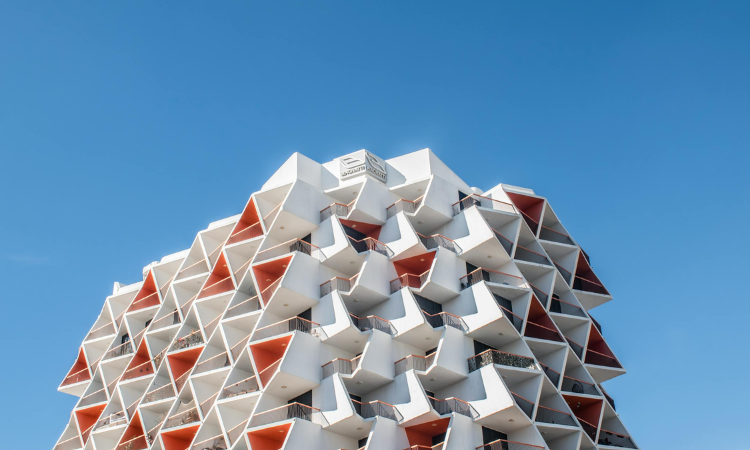
Binghatti Pearls is a uniquely designed residential tower inspired by the natural elegance of pearls. Its white façade with fluid, curving balconies gives the illusion of shimmering waves. The architecture emphasizes modern aesthetics while incorporating traditional Arabic design elements. Offering luxurious living spaces, it reflects Dubai’s commitment to blending culture with contemporary design. The building stands as a symbol of sophistication and innovation in urban living.
The Opus by Zaha Hadid
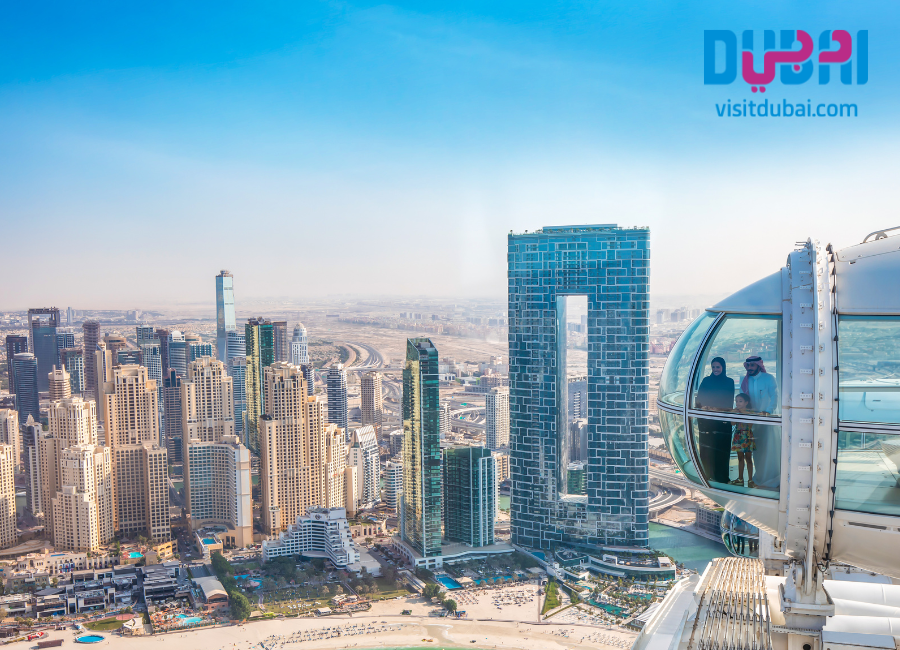
Designed by the legendary Zaha Hadid, The Opus is an architectural masterpiece with its distinctive void at the center. Showcasing the modern architecture Dubai is known for, the futuristic structure appears as two towers merging into one, creating a fluid, sculptural form. Its reflective glass façade enhances its striking visual appeal, especially at night. Housing luxury residences, hotels, and office spaces, it epitomizes elegance and modernity. The Opus is a testament to Hadid’s visionary approach to architecture and design, making it a standout in Dubai’s skyline.
O-14 Opus (Swiss Cheese Tower)
Nicknamed the “Swiss Cheese Tower,” O-14 Opus features a perforated concrete exoskeleton that gives it a unique, organic look. The 22-story commercial tower is designed for sustainability, with its outer shell providing natural cooling and ventilation. The irregularly placed circular holes create a dynamic play of light and shadow inside. Its innovative structure eliminates the need for interior columns, offering flexible office spaces. O-14 stands as an example of functional and visually striking architecture in Dubai’s skyline.
Final Thoughts
Dubai stands as a global pioneer in modern architecture, continuously redefining the skyline with groundbreaking designs. From awe-inspiring skyscrapers to futuristic cultural landmarks, the city showcases an unparalleled fusion of innovation and heritage. Its visionary approach influences urban development worldwide, inspiring architects to embrace bold and sustainable designs. Dubai’s commitment to pushing architectural boundaries ensures that it remains at the forefront of the industry. As the city evolves, it continues to set new standards for futuristic urban landscapes.
Isn’t it amazing to see how Dubai has reached the heights in such a short span of time and gained fame for being home to unique architectural creations? Has reading about these marvels inspired you to travel to Dubai? If so, reach out to our travel experts, and they’ll assist you in planning your dream trip to Dubai.
FAQs
What is the most famous architecture in Dubai?
Dubai is home to many iconic structures, but the Burj Khalifa stands out as the world’s tallest building and a symbol of modern innovation.
What is the famous UAE architecture?
The UAE is known for Burj Al Arab, Sheikh Zayed Grand Mosque, and The Louvre Abu Dhabi, blending traditional Islamic and futuristic designs.
What style of architecture is Dubai?
Dubai’s architecture is a mix of contemporary, futuristic, and traditional Islamic influences, creating a unique skyline of ultra-modern skyscrapers and heritage-inspired structures.
What is the most mysterious architecture in the world?
The Great Pyramid of Giza, Machu Picchu, and Stonehenge are among the most mysterious architectural wonders, with construction techniques still puzzling experts today.
What are the 7 historical wonders?
The traditional Seven Wonders of the Ancient World include the Great Pyramid of Giza, Hanging Gardens of Babylon, and the Statue of Zeus at Olympia, among others.
What makes Dubai’s architecture unique compared to other global cities?
Dubai’s skyline is a blend of cutting-edge technology, sustainability, and cultural influences, featuring record-breaking skyscrapers and innovative structures like the Museum of the Future.
Are there any free architectural landmarks to visit in Dubai?
Yes, you can explore Al Fahidi Historical District, Dubai Marina, and Jumeirah Mosque without any entrance fee while enjoying stunning architectural beauty.
What are some must-visit places for photography enthusiasts in Dubai?
The Burj Khalifa, The Frame, Palm Jumeirah, and Old Dubai’s souks offer breathtaking photo opportunities of both modern and traditional architecture.
How has Dubai integrated sustainability into its architectural designs?
Dubai prioritizes eco-friendly materials, solar energy, and green building standards, with projects like Sustainable City and the Al Bahar Towers leading the way.
Which buildings in Dubai have the best observation decks?
The Burj Khalifa (At the Top), The Frame, and Sky Views Observatory offer stunning panoramic views of Dubai’s skyline.
What are some lesser-known architectural wonders in Dubai?
Hidden gems include The Opus by Zaha Hadid, O-14 Tower (Swiss Cheese Tower), and Binghatti Pearls, showcasing innovative and artistic designs.
Are there guided architectural tours available in Dubai?
Yes, several companies offer guided tours focusing on Dubai’s skyscrapers, heritage sites, and futuristic buildings, including exclusive access to iconic landmarks.
What is the best time of year to explore Dubai’s landmarks?
The ideal time is between November and March, when the weather is pleasant for outdoor sightseeing and architectural tours.
How does Dubai balance modern innovation with cultural heritage in its architecture?
Dubai seamlessly integrates traditional Islamic elements, such as mashrabiya screens and domes, with cutting-edge technology and futuristic designs, preserving heritage while embracing modernity.
 Toll Free (USA & Canada) +1 866 978 2997