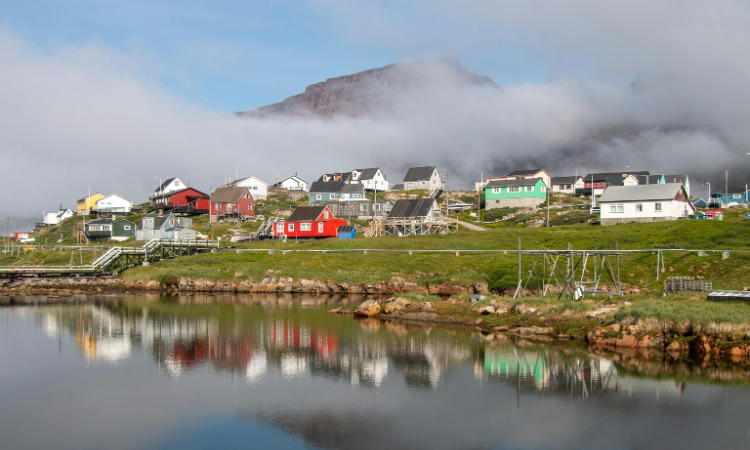
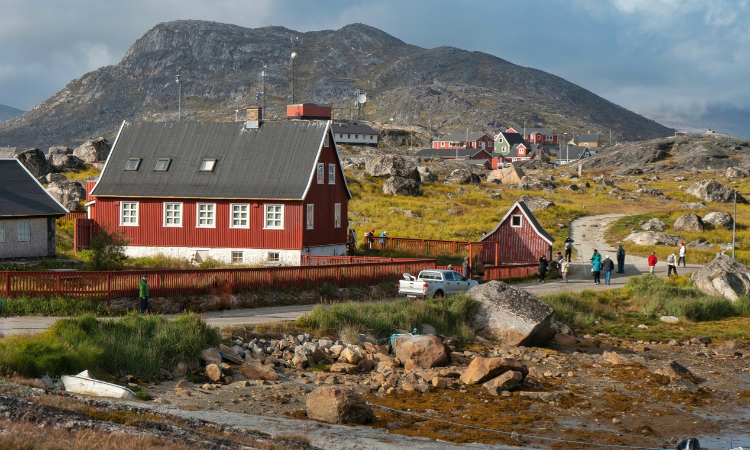
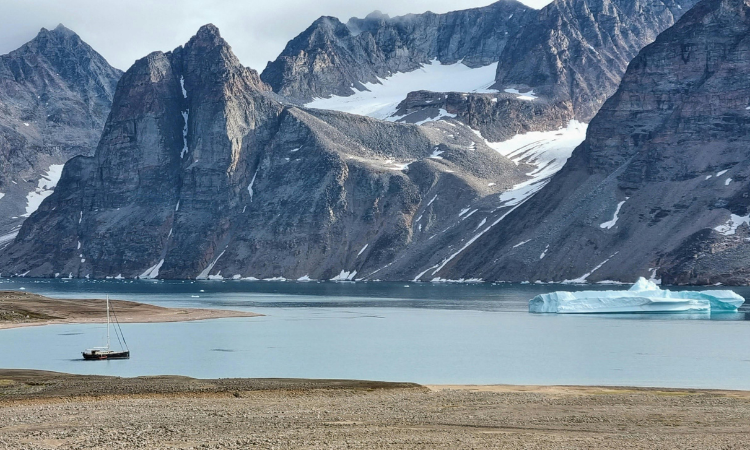
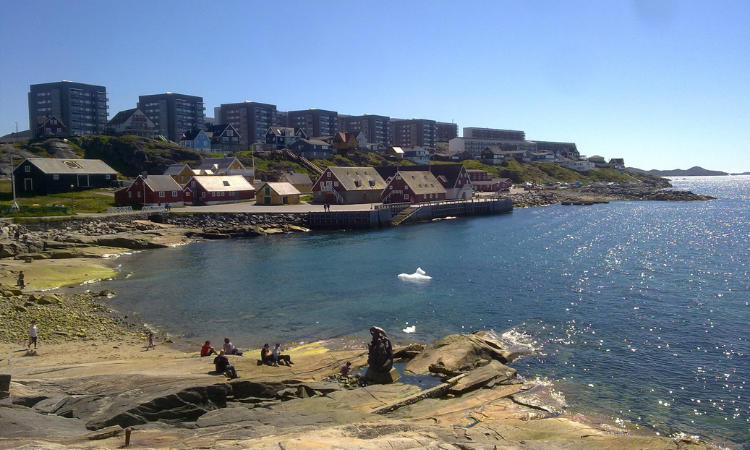
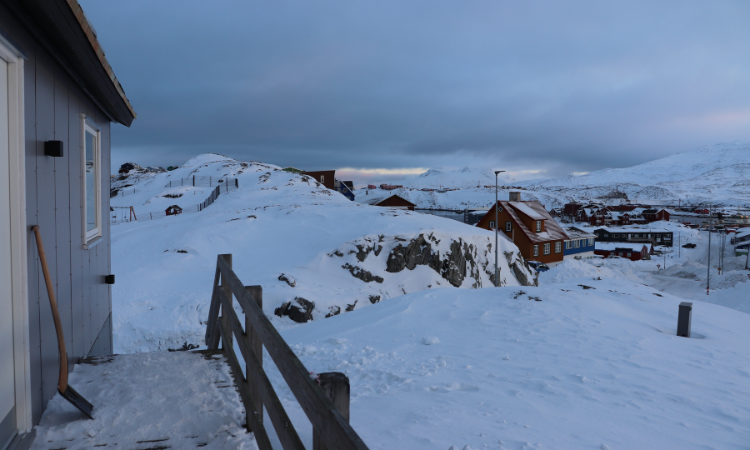
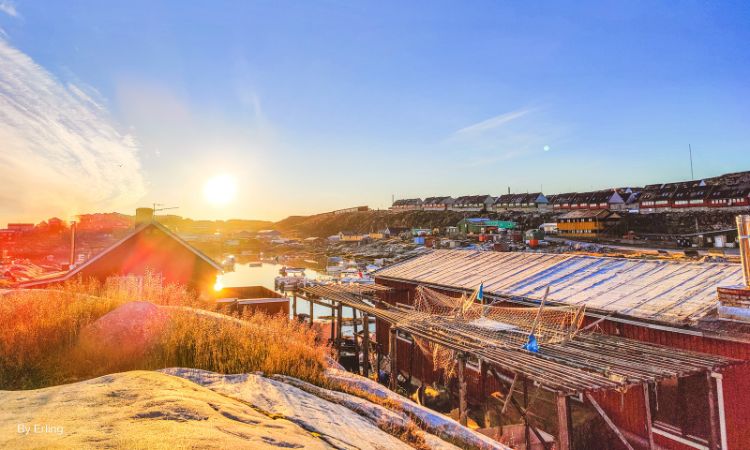
Remote, rugged, and remarkably beautiful—visiting Greenland is unlike any other journey. This Arctic wonderland, home to colossal glaciers and traditional Inuit communities, promises extraordinary adventures for those willing to go off the beaten path. From kayaking through iceberg-filled fjords to watching whales breach under the midnight sun, Greenland offers a raw and immersive experience. With limited infrastructure and few tourists, it remains one of the last truly untouched frontiers. Use this comprehensive Greenland travel guide to help plan the ultimate Arctic escape.
Why Visit Greenland?
If you’re looking for authenticity, solitude, and nature in its most majestic form, Greenland tourism delivers. You’ll be surrounded by vast, dramatic landscapes—towering icebergs, endless tundra, and vibrant Arctic flora in summer. The country’s rich Inuit heritage adds depth and meaning to every interaction and excursion. Whether you want to photograph Northern Lights or experience dog sledding firsthand, Greenland caters to both culture seekers and thrill-seekers. Visiting Greenland is not just about checking off sights—it’s about experiencing life in a way that feels refreshingly primal.
Planning Your Trip
Best Time to Go
The best time to visit Greenland depends on your travel goals. Summer (June to August) offers long days, milder temperatures, and opportunities for hiking, kayaking, and Greenland tourism events. Winter (November to March) turns the landscape into a snowy paradise, ideal for dog sledding, backcountry skiing, and viewing the Northern Lights. For a balance of activities and fewer crowds, late spring and early autumn are also rewarding.
Select Your Region
Greenland’s vastness demands careful planning. East Greenland is remote and culturally rich. South Greenland is relatively green and dotted with Norse ruins and small farming communities. West Greenland, including towns like Ilulissat and Nuuk, is more developed and offers easier access and infrastructure. Your choice will shape your Greenland itinerary, so decide based on interests, accessibility, and time.
Visa & Entry Requirements
Though part of the Kingdom of Denmark, Greenland isn’t in the Schengen Zone. Travelers requiring a visa for Denmark usually need a separate one for Greenland. However, U.S. citizens and many EU nationals can enter visa-free for up to 90 days. Always consult updated government advisories before traveling to Greenland.
Travel Insurance
Due to its remoteness, travel insurance is essential when visiting Greenland. Be sure your policy covers emergency medical evacuation, trip cancellations, and adventure activities like snowmobiling or glacier hiking.
Flights & Connections
There are no direct flights from North America. Most travelers connect via Reykjavik, Iceland, or Copenhagen, Denmark. From there, Air Greenland offers flights to hubs like Kangerlussuaq, Nuuk, and Ilulissat. Book early, as flights fill up fast during the best time to visit Greenland.
Ferries & Local Transport
No roads connect Greenlandic towns, so air and sea travel are primary. The Sarfaq Ittuk ferry runs along the west coast during summer, offering scenic, budget-friendly travel. Small domestic flights and helicopters serve remote areas, though schedules depend on weather.
Accommodation Options
Greenland offers a range of lodging—from modern hotels in Nuuk and Ilulissat to rustic lodges and guesthouses in more remote villages. Summer sees high demand, so advance reservations are a must for your Greenland trip.
Where Should I Go in Greenland?
Wondering about the top places to visit in Greenland? Here are some standouts:
- Ilulissat – Home to the famous Icefjord and a UNESCO World Heritage Site, perfect for iceberg boat tours and glacier hikes.
- Nuuk – The capital blends Arctic modernity with cultural richness. Visit the National Museum for insights into Greenlandic heritage.
- Qaqortoq – This southern town boasts Norse ruins, art-filled streets, and nearby hot springs.
- Tasiilaq – In East Greenland, it offers dramatic landscapes and traditional Inuit culture, ideal for immersive experiences.
- Narsarsuaq – Gateway to South Greenland, offering lush valleys, Norse history, and short hikes to the ice cap.
- Kangerlussuaq – Known for its wildlife, easy access to the ice sheet, and as a travel hub for West Greenland.
Each of these destinations is included in any well-rounded guide to Greenland.
Essential Packing List
Pack smart for unpredictable Arctic conditions.
- Layered Clothing – Weather can shift quickly, so pack moisture-wicking base layers, insulating fleece, and waterproof outerwear.
- Sturdy Footwear – Waterproof hiking boots are essential for uneven, often wet terrain.
- Binoculars & Long Lens – Great for spotting whales, musk oxen, and distant peaks.
- Dry Bag – Protect cameras and gear during boat or kayak trips.
- Sun Protection – The glare from ice and snow is intense; bring sunglasses and sunscreen.
- Mosquito Net – In summer, especially in southern Greenland, bugs can be bothersome.
Top Things to Do in Greenland
The Arctic activities are as wild as the landscapes:
- Whale Watching (summer) – Spot humpbacks, minkes, and even narwhals in the fjords.
- Kayaking the Fjords – Paddle past massive icebergs in near-silent waters.
- Hiking Peaks – Trails range from gentle walks to rugged alpine climbs.
- Skiing & Snow Sports – Winter and spring are ideal for backcountry adventures.
- Dog Sledding – A time-honored Arctic tradition still in use today.
- Iceberg Boat Tours – A must for photographers and nature lovers.
- Heritage Sites – Explore Viking ruins and Inuit settlements.
- Northern Lights Viewing – Clear winter skies provide spectacular aurora displays.
These unique activities are a key reason Greenland tourism is growing among adventurous travelers.
Culture & Etiquette
Greenlanders are welcoming but reserved. Always greet with eye contact and a handshake. Ask before taking photos, especially of people or homes. Learn a few words in Greenlandic, like “qujanaq” (thank you), to show respect for local culture. Understanding etiquette is crucial when traveling to Greenland.
Food & Dining
Greenlandic cuisine is rooted in hunting and fishing. Try musk ox, reindeer, or Arctic char, often served with local herbs. Coastal towns offer fresh seafood. In larger towns, international cuisine and coffee shops are becoming more common. South Greenland even features experimental farms producing greens during the short summer.
Practical Tips
- Wi‑Fi & SIM Cards – Limited and expensive; buy a local SIM for basic connectivity.
- Wildlife Precautions – Stay safe by respecting animal distance and local advice.
- Navigation & Weather – Always check weather updates—conditions shift rapidly.
- Shopping & Currency – Use Danish krone. Credit cards are accepted, but cash is handy in smaller areas.
- Safety & Flexibility – Greenland is very safe, but itineraries often change due to weather.
- Travel Insurance – Repeat reminder: get comprehensive coverage before visiting Greenland.
Conclusion
Few destinations capture the imagination like Greenland. Whether you’re drawn by its glacial landscapes, rich culture, or remote wilderness, this is a place where every moment feels epic. From Ilulissat’s iceberg-dotted fjords to the serene villages of the east, every region tells a different story. Make the most of your trip with a structured Greenland travel guide or take advantage of a curated Greenland adventure to simplify logistics. For those wondering, “is Greenland a good place to visit?”—the answer is a resounding yes. It’s a journey of a lifetime.
FAQs
Is it easy to get in and around Greenland?
While the infrastructure is limited, getting around is manageable through local flights, ferries, and tours. Booking through a provider offering a full Greenland travel guide helps streamline the experience.
How much money do I need?
Greenland is expensive. Budget $200–$400 per day depending on your travel style, transport, and accommodation. A guided tour often provides the best value.
What to know before visiting Greenland?
Prepare for limited connectivity, unpredictable weather, and vast distances. Pack appropriately and have flexible plans. This guide to Greenland ensures you’re ready for the unexpected.
What is the best way to visit Greenland?
The best way to visit Greenland is with an organized tour. It handles logistics and access to remote areas while maximizing safety and convenience.
Is Greenland expensive for tourists?
Yes, due to imported goods, remote locations, and seasonal tourism. However, the unique experiences justify the cost for most travelers.
Is it safe for Americans to travel to Greenland?
Absolutely. Greenland is one of the safest travel destinations, with low crime and friendly locals.
Do I need cash in Greenland?
While credit cards are accepted in larger towns, it’s wise to carry some Danish krone for remote locations or small purchases.
What clothes to wear in Greenland?
Layered clothing is crucial. Use thermal base layers, insulating mid-layers, and waterproof outer shells. Conditions vary drastically.
What are the best months to visit Greenland?
June to August for summer activities; February to April for winter adventures. Timing depends on your preferred Greenland itinerary.
Do US citizens need a visa for Greenland?
No visa is required for short visits (under 90 days). Just bring a valid passport and proof of onward travel.
What is the most beautiful place in Greenland?
Many say Ilulissat Icefjord tops the list, with its dramatic icebergs and photogenic fjords.
How to fly from the USA to Greenland?
You’ll need to connect through Reykjavik (Iceland) or Copenhagen (Denmark), then fly to a Greenlandic airport like Nuuk or Ilulissat.
What language do they speak in Greenland?
Greenlandic is the official language. Danish is also widely used, and English is common in tourism sectors.
Is Greenland a good place to visit?
Absolutely. For nature lovers, culture seekers, and those craving remote adventure, visiting Greenland offers unmatched experiences.
 Toll Free (USA & Canada) +1 866 978 2997