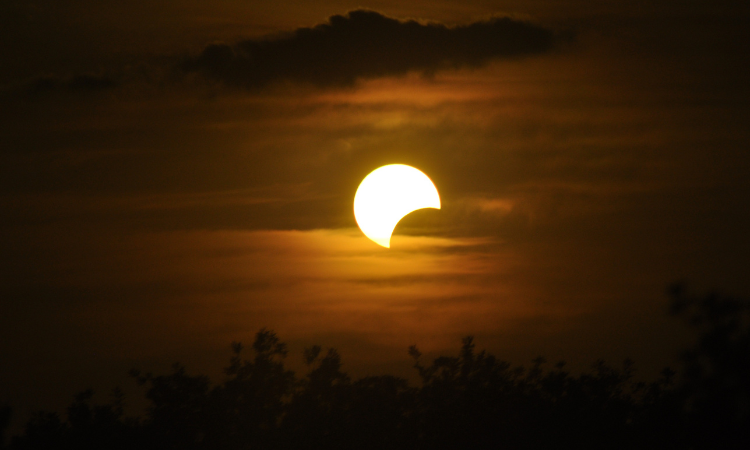
The 2026 total solar eclipse: An astrologer’s most awaited celestial event of the decade. On Aug. 12, 2026, people across North and South America, the western half of Europe, and the North Atlantic will have a chance to marvel at a total solar eclipse, which isn’t due to grace our planet’s surface again until 2046. But where can you be for the best view of the solar eclipse 2026?
Best place to watch the solar eclipse:
- Iceland
- Spain
- Portugal
- Balearic Islands (Spain)
These areas are the path of totality for the most dramatic eclipse show. From Iceland’s otherworldly terrain to Spain’s cloudless summer skies and Portugal’s dramatic coast, every location is its own kind of magic. At many of these places, viewers can not only see the eclipse but also see unique cultural and natural preludes to the eclipse. Add to this an eclipse journey to a land of spiritual well-being, natural beauty and gracious hospitality, and you are in for the trip of a lifetime.
What Is the Solar Eclipse 2026?
A solar eclipse happens when the Moon is positioned between the Earth and the Sun, partially or totally blocking the light of the Sun from the view of a portion of the Earth. The 2026 solar eclipse will be the type we refer to as a ‘Total Solar Eclipse’ where the Moon will completely cover the disk of the Sun for a brief time in select regions of the globe.
- Date: August 12, 2026
- Totality: When the Sun is fully covered by the Moon
- Duration: 2 minute for some places
This uncommon celestial occurrence creates a moment of strange twilight, temperature change, and an opportunity to catch a glimpse of the solar corona — the Sun’s outer atmosphere — only visible during totality. These minutes of totality are often described as life-changing, because of the overwhelming sensory experience and intense emotions. A total solar eclipse is something that many people have on their list of things to see before they die.
But what’s so great about this eclipse is that it’s happening in and around one of the most travel-rich and aesthetically-stunning areas of Europe. The chance of a totality wonder with tourist attractions known around the globe, makes the event all the more appealing.
Where to See the 2026 Solar Eclipse?
The 2026 eclipse will sweep over sections of the North Atlantic Ocean before arriving in Europe from the west. The path of totality, where observers will see a total eclipse, passes across the North Atlantic Ocean before it hits land in Iceland, Spain, Portugal and the Balearic Islands and then leaves the Earth in Northern Africa.
Nations within the Totality Zone:
- Iceland
- Spain (north and centre in particular)
- Portugal
- Balearic Islands
Eclipse Duration by Region:
Iceland: Approx. 1m 45s to 2m 15s
- Spain: Up to 2 minutes of totality in areas like Burgos and Zaragoza
- Portugal: Partial eclipse with parts reaching near totality
- Balearic Islands: Approx. 1–2 min in Mallorca and Menorca
The solar eclipse 2026 will start in the mid-Atlantic, veer onto land in Greenland and then cross Iceland. It pushes southeast, brushing parts of northern Spain and neighboring Portugal. The eclipse will then drift over the Mediterranean after traversing the Balearic Islands.
Some countries will see only a partial eclipse, meaning that in order to get the full experience, it’s important to select a destination within the path of totality.
Where is the best place to see the Eclipse?
1. Iceland: A Celestial Wonderland
Iceland is a leading contender for both reasons. Here in Iceland, where light pollution is minimal, there are huge open spaces, and we sit directly on the path of the totality that means we are not only witnessing but experiencing this celestial phenomenon. The aesthetics — picture black sand beaches, lava fields, glaciers and waterfalls — makes for an incredible setting as well.
You could sign up for guided eclipse trips, like the Iceland solar eclipse 2026 tour with Indus Travels, that mix celestial wonder with Icelandic adventure. Whether you are photographing the event near a volcano or simply admiring it from a coastal cliff, Iceland converts the eclipse into a bucket-list journey.
What’s more, Iceland is a lovely place in August, with comfortable temperatures and long days and even the (albeit slim) chance of getting a head start on viewing the Northern Lights in the fall. From the capital of Reykjavik to off-the-beaten-path small towns like Isafjordur and Akureyri, there are a lot of one-of-a-kind viewing locations that should satisfy every type of traveler.
2. Spain: In the Path of Totality
Spain offers some excellent places to view the eclipse in Europe. It is surrounded by the totality path, especially in the Spanish regions of Navarra, La Rioja, Cantabria, Castile and León and Aragon. Among the cities where the weather is expected to be favorable and the eclipse duration long are Zaragoza, Soria and Burgos.
August is dry and sunny in northern Spain so weather is unlikely to disrupt the action. The infrastructure and accommodation is good in the country and this makes traveling more easy and comfortable. From UNESCO World Heritage sites to wine tasting in La Rioja, Spain is a heady mix of culture, food and cosmic wonder. Solar eclipse Spain 2026 is surely going to be one of the most amazing experiences for those who get to see it.
3. Portugal: Scenic and Sunny
Most of Portugal will witness a partial viewing, but the stable summer climate and easy accessibility to the path of totality makes Portugal an excellent option. Travelers can stay in Northern Portugal and take Friday’s brief journey to Spain to see the total eclipse.
Cities like Bragança, near the Spanish border, provide a suitable viewing location. Or you could drive from Porto or Lisbon into Spain and return for a two-country experience.
Portugal is a good bet for slow travelers who want to couple the eclipse with cultural discovery — to bask on sunny beaches; wander hilltop villages or meander through ancient castles.
4. Balearic Islands: Mediterranean Magic
The Balearic Islands, home to Mallorca, Menorca and Ibiza, would provide a dreamy Mediterranean backdrop to watch the eclipse. Off the east coast of Spain, these islands fall within or near to the path of totality.
Totality in those locations may not last as long as in northern Spain, but the islands’ low light pollution, laid-back vibe, and scenic views make them a prime choice for eclipse chasers who want to experience the event in particularly stylish settings.
Rent a private villa, charter a boat or seek out a seaside viewpoint for a never-to-be-forgotten experience. Property and hotel packages, available for booking on the property’s website, include trainings with eclipse experts as well as culinary experiences. Plus, in addition to the eclipse, the islands boast world-class cuisine, tranquil beaches and quaint towns rich in history.
Unique Solar Eclipse Experiences
1. Cruise Ships (Forbes Reference)
On a cruise ship in the Atlantic, you can position yourself in the perfect location to see the eclipse with nothing but ocean on the horizon. Forbes has reported on how cruise companies are creating eclipse itineraries with on-board astronomy experts.
These cruises often offer themed lectures and special eclipse parties to make sure you get the most out of when the sun hides behind the moon, and they also come equipped with professional-grade telescopes to guide you on the viewing process. You’ll also experience upscale accommodations, gourmet meals, and visits to ports including Lisbon, Reykjavik, or Barcelona. Solar eclipse cruise 2026 is something that you must experience.
2. Stargazing + Meteor Showers
On August 11-13, the Perseid meteor shower, which is one of the busiest annual meteor showers, reaches its height. Yeah, you could be treated to shooting stars and a total eclipse within the same week.
A trip to the eclipse in combination with a star-gazing night in Iceland’s remote countryside or Spain’s national parks. Special viewings also are hosted by a number of astronomy clubs and observatories.
3. Luxury Villa Viewing
Think about sipping some cava from your Spanish hilltop villa as the sky turns black and the corona emerges. Many luxury rentals across the Balearic Islands, northern Spain and Portugal come with rooftop terraces or infinity pools, which are ideal for watching the eclipse.
You can also find astronomy-inspired villas complete with telescopes, dark-sky lighting and, in some cases, personal astronomers for hire.
4. Remote Lighthouses & Photography
If you are a photographer, try staking out the eclipse from a distant lighthouse or coastal cliff. The roughhewn coasts of Iceland, the northern capes of Spain, Iceland itself, and the lofty mountains of South America are the best viewpoints.
Shoot the shadow of the moon over the ocean, framed by dramatic cliffs or icy glaciers. Just don’t forget to bring a solar filter and do a dry run before the event.
Planning Your Eclipse Trip: Tips and Tools
1. Book Early (Hotels, Flights, Cruises)
Hotels and flights in total zones are already filling up. Plan your hotels, eclipse cruises or tours at least 12 to 18 months before the eclipse.
Seek out travel companies that specialize in astronomical tourism, like Indus Travels, that provide curated trips.
2. Use Eclipse Weather Trackers
Use websites like TimeandDate. com, Eclipse2026. org, or NASA eclipse maps to monitor cloud cover, the progress of the eclipse and the best viewing locations. Opt for regions for which August is normally a low-cloud month, like northern Spain, and perhaps southern Iceland.
3. Travel Insurance
They may be subject to delays or weather can change. Purchase comprehensive travel insurance, including trip interruptions and coverage for weather-related incidents.
If you’re planning to hike, cruise or do other outdoor activities, make sure your policy also covers adventure activities.
Gear You Must-Bring (Eclipse Glasses, Camera Filters)
And then there’s your guide to what to pack for the eclipse, of course:
- Eclipse glasses that are ISO certified
- Solar filters for telescope and cameras
- DSLR or a mirrorless camera with manual controls
- Tripod, intervalometer, and backup batteries
- stargazing aap such as Skysafari or Stellarium
- Portable seating, sunscreen, and water
Eclipse Tours and Travel Packages
Not up for planning everything on your own? Book an all-inclusive eclipse tour! The packages don’t leave out anything: knowledgeable guides, the best viewing and comfort options, meals, transportation and sightseeing.
Indus Travels has a Solar Eclipse in Iceland tour, with glacier hikes, geothermal lagoons and expert-led eclipse viewing.
These tours take the stress out of visiting premier locations, and they often come with extra perks such as astrophotography workshops, cultural excursions and private observatory tours.
Conclusion
The 2026 solar eclipse isn’t just an astronomical phenomenon — it’s a chance to see mother nature at her best and visit some of Europe’s most beautiful destinations. Whether you want to stand on an Icelandic glacier, recline in a Spanish vineyard or cruise the Atlantic beneath a darkened sky, this eclipse will be unmissable.
Start planning now. With the a good destination, careful preparation and an open mind, your eclipse experience is guaranteed not to be just memorable, but truly magical.
FAQs
1. When and where will the 2026 solar eclipse, or the great American eclipse, occur?
The next total solar eclipse will occur on Aug. 12, 2026.
2. What is the best way to see the 2026 solar eclipse?
Iceland, Spain, Portugal and the Balearics are some of the best locations. Or leave the stress to the pros on a guided trip, such as the Solar Eclipse in Iceland tour.
3. Can I look at the eclipse without glasses?
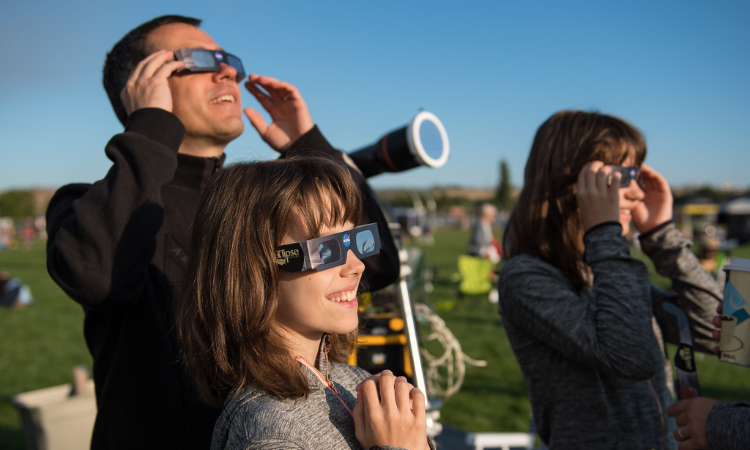
No. It is vital to utilize certified eclipse glasses to view the Sun safely at any point before or after totality. Viewing the sun without proper protection could leave you with serious eye damage.
4. Are there any cruises for the 2026 eclipse?
Yes, there are a few cruise lines planning special eclipse voyages across the Atlantic. They will provide peak viewing opportunities, along with onboard astronomy experts and special theme events.
5. Will I see the northern lights in Iceland as well?
Possibly. As early in the season as August might be, you can sometimes catch a fleeting peek of northern lights under solar favorable conditions in northern Iceland.
6. How long is the totality in 2026?
There is only a little more than 2 minutes of totality, which can be seen in parts of Iceland and northern Spain.
7. How can I take a photograph of the 2026 solar eclipse without damaging my camera?
Use solar filters on all optical instruments, Don’t look through any viewfinder directly at the Sun.Use a tripod and remote shutter and plan your exposures!
8. What is the best spot in Iceland to catch the 2026 eclipse?
And towns like Akureyri, Isafjordur, as well as the Snæfellsnes Peninsula are in the path of totality. For a full, guided experience, you might also like to take this Solar Eclipse in Iceland tour.
 Toll Free (USA & Canada) +1 866 978 2997