Europe is home to some of the world’s most awe-inspiring cultural treasures. With an unmatched wealth of UNESCO World Heritage Sites in Europe, travelers are spoiled for choice when it comes to exploring the continent’s rich legacy. From ancient temples to fairytale castles, these historical sites in Europe offer stories that span millennia.
If you’re looking to build a meaningful 2025 itinerary around culture, architecture, and timeless beauty, this guide is your passport to the most iconic UNESCO sites in Europe. Let’s explore some of the most captivating historical places in Europe, where the past is beautifully preserved for the curious modern traveler.
Featured Sites
Late Baroque Towns of the Val di Noto (Italy)
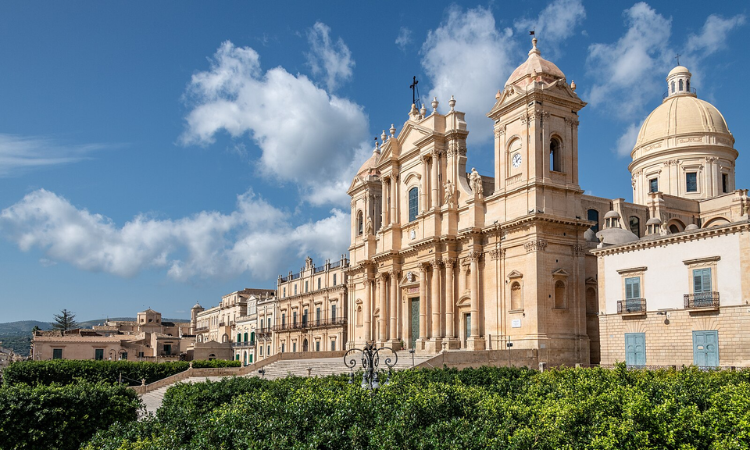
In southeastern Sicily lies Val di Noto, a jewel of Baroque architecture. These eight towns were magnificently rebuilt after the devastating 1693 earthquake, and today they showcase elegant façades, richly decorated churches, and remarkable town planning. Their cohesive artistic vision and architectural splendor stand as a testament to human resilience and creativity. As one of the most distinguished world heritage sites in Europe, Val di Noto tells a powerful story of recovery and rebirth. For a curated experience, Explore Sicily and Malta and immerse yourself in this architectural marvel.
Cinque Terre (Italy)
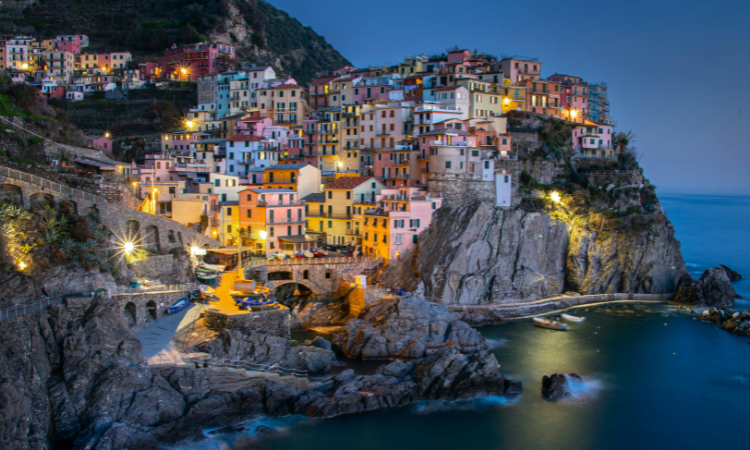
Cinque Terre’s five colorful villages cling to the rugged Italian Riviera, forming one of the most picturesque historical sites in Europe. The area blends dramatic cliffs with terraced vineyards and winding trails that attract nature lovers and culture seekers alike. Despite modernization, the villages retain their traditional charm and seafaring heritage. With breathtaking views and old-world charm, Cinque Terre is a scenic addition to any Italy group tour.
Ġgantija Temples (Malta)
Among the oldest historical places in Europe, the Ġgantija Temples date back to 3600 BCE, predating even the Egyptian pyramids. Located on the island of Gozo, these megalithic temples are shrouded in legend, believed to have been built by giants due to the massive size of the stone blocks. Their age and sophistication provide valuable insight into early human civilization and religious practices. As one of the earliest UNESCO sites in Europe, Ġgantija is a must-visit for anyone fascinated by ancient history and archaeology.
Giant’s Causeway (Northern Ireland, UK)
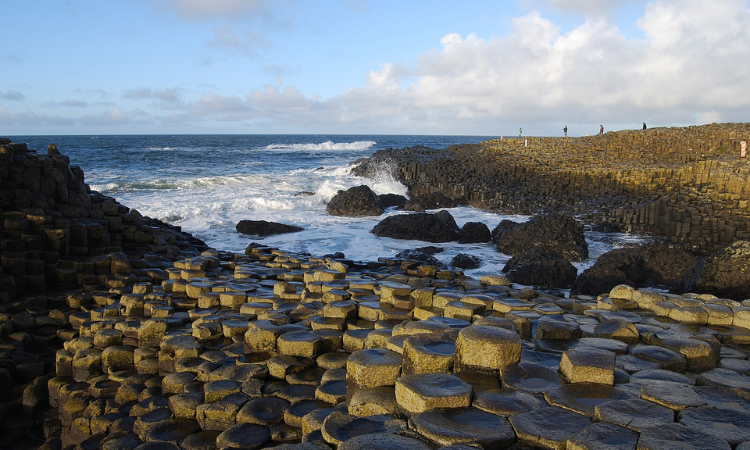
An iconic natural wonder, Giant’s Causeway was formed by volcanic activity over 50 million years ago. Its unique interlocking basalt columns create a surreal landscape that has sparked myths about ancient giants walking across the sea. The site is both a geological marvel and a cultural icon in Northern Ireland. As one of the more mysterious UNESCO sites in Europe, it offers a blend of scientific intrigue and Celtic folklore.
Mont‑Saint‑Michel (France)
Mont-Saint-Michel rises majestically from the tidal flats of Normandy, creating one of the most visually striking historical places in Europe. Accessible only at low tide, this fortified abbey has long served as a pilgrimage site and spiritual retreat. The Gothic spires, medieval ramparts, and winding alleys transport visitors to another era. It remains one of France’s most visited and admired UNESCO sites in Europe.
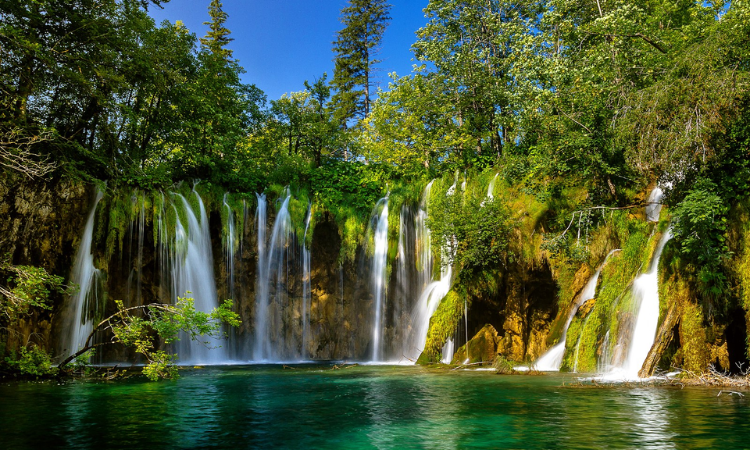
Plitvice Lakes National Park (Croatia)
Plitvice Lakes is a haven of natural beauty, where 16 emerald-green lakes are connected by cascading waterfalls and lush forests. Wooden boardwalks wind through the park, offering close encounters with pristine nature and rich biodiversity. It’s a peaceful escape that contrasts with the architectural historical sites in Europe, offering a different kind of UNESCO experience. Visitors are drawn here year-round for the tranquil scenery and photographic beauty.
Banks of the Seine (Paris, France)
The Seine River is more than a scenic waterway—it is a cultural artery through the heart of Paris. Lined with architectural gems such as Notre-Dame, the Louvre, and the Eiffel Tower, it illustrates the historical evolution of the French capital. The area is a showcase of Enlightenment ideals, urban planning, and artistic innovation. As one of the most iconic UNESCO World Heritage Sites Europe boasts, it is both romantic and historically significant.
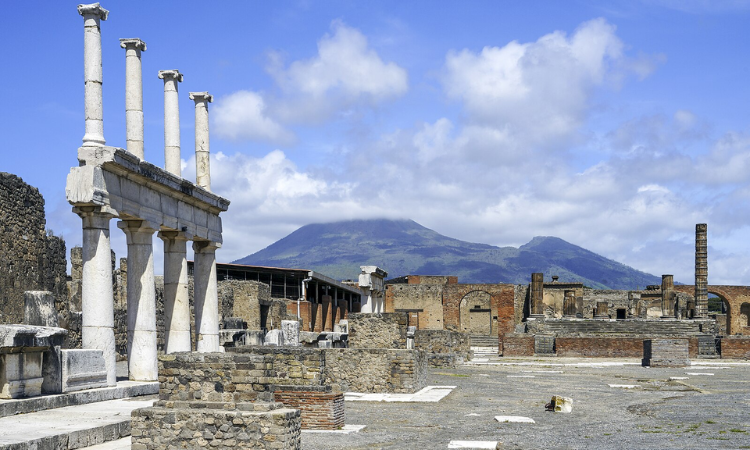
Ruins of Pompeii (Italy)
Buried under volcanic ash in 79 AD, Pompeii offers a remarkable glimpse into life in Ancient Rome. Walking through its well-preserved streets, homes, and forums feels like stepping back in time. The eruption of Mount Vesuvius froze the city in a moment, preserving frescoes, artifacts, and even food remains. As one of the most compelling UNESCO sites in Europe, it provides a deeply human look at history.
Alhambra, Generalife and Albayzín (Spain)
This trio of sites in Granada showcases the pinnacle of Moorish art and architecture in Europe. The Alhambra’s ornate palaces and fountains, the Generalife’s lush gardens, and the Albayzín’s maze-like streets all reflect centuries of Islamic, Christian, and Jewish influence. These historical places in Europe are a testament to coexistence and cultural fusion. It’s a breathtaking destination that continues to inspire artists, historians, and travelers.
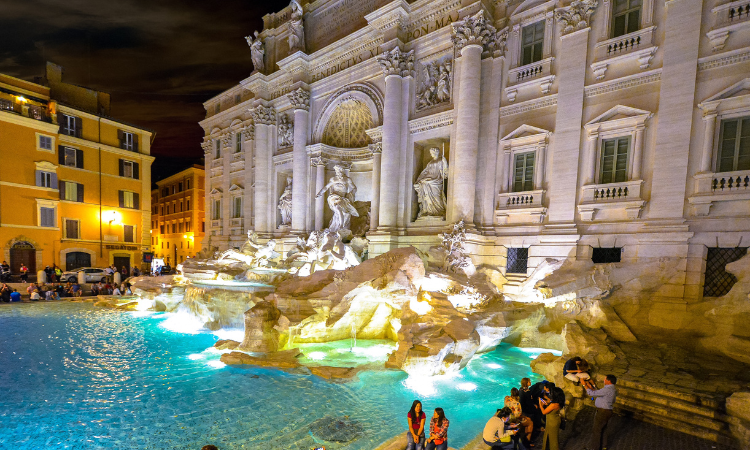
Historic Centre of Rome (Italy)
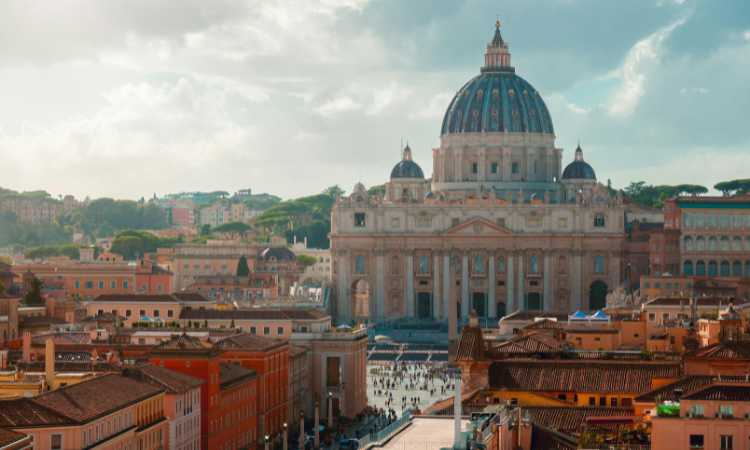
Rome’s historic center is a living museum, where layers of history unfold with every step. From the Roman Forum and the Pantheon to Vatican City and Trevi Fountain, the city holds some of the richest historical sites in Europe. It tells the story of empire, religion, art, and architecture over millennia. Few cities in the world rival Rome’s concentration of cultural significance.
Historic Centre of Bruges (Belgium)
Bruges captivates visitors with its fairy-tale charm, cobblestone streets, and Gothic architecture. Often called the “Venice of the North,” its canals add to the picturesque ambiance. The city’s well-preserved medieval buildings reflect its wealthy past as a trading hub. As a designated world heritage site in Europe, Bruges offers a timeless look into Europe’s golden age of commerce and culture.
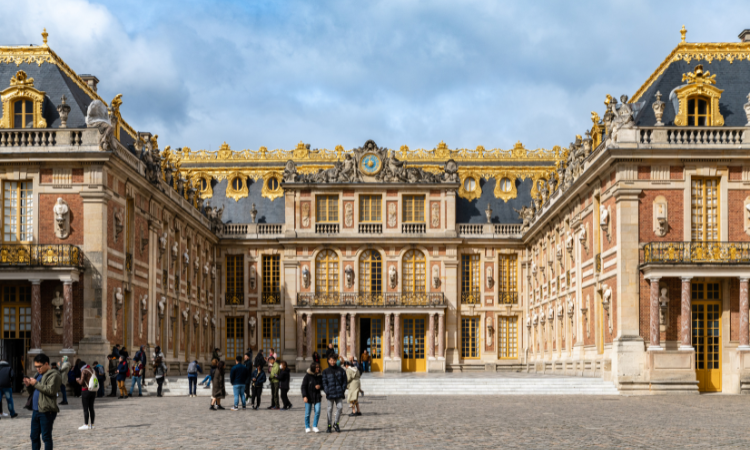
Palace and Park of Versailles (France)
The Palace of Versailles stands as a symbol of royal extravagance, with grand halls, endless gardens, and gilded décor. It was once the seat of French political power and remains an emblem of the country’s opulent history. Visitors marvel at the Hall of Mirrors, royal apartments, and the perfectly manicured parklands. As one of the grandest UNESCO sites in Europe, Versailles encapsulates the drama and artistry of pre-revolutionary France.
Planning Your UNESCO Tour
If you’re dreaming of connecting the dots between Europe’s most famous landmarks, here are some practical tips:
- Best Times to Visit: Late spring (May–June) and early fall (September–October) offer mild weather and smaller crowds.
- Getting Around: Eurail passes allow unlimited travel between countries, while regional trains and car rentals give you flexibility to reach remote sites.
- Tickets: Many attractions offer online reservations—book early for places like the Vatican Museums or Versailles.
- Accommodations: Choose central hotels or charming heritage inns near the sites for easier access and deeper cultural immersion.
- Tours: Join a guided heritage itinerary to learn context and stories you might otherwise miss.
Conclusion
Europe is a treasure trove of cultural, architectural, and natural wonders that tell the story of civilizations past and present. From the prehistoric temples of Malta to the grandeur of Versailles and the timeless charm of Rome, every UNESCO World Heritage Site offers a unique glimpse into humanity’s legacy. These destinations aren’t just stops on a travel itinerary—they are experiences that evoke awe, reflection, and deep appreciation for the history that shapes our world.
Whether you’re journeying through the cobbled streets of Bruges or standing in silent awe before the ruins of Pompeii, exploring these sites allows you to connect with history in a powerful way. Let Europe’s most iconic landmarks inspire your next adventure, and discover the richness and diversity that have made this continent a center of heritage for generations.
FAQs
Which European country has the most UNESCO World Heritage Sites?
Italy leads the list with over 50 UNESCO sites in Europe, making it a paradise for history buffs and culture seekers.
Which country has the highest UNESCO World Heritage Sites?
Italy and China are tied for the global top spot in terms of total UNESCO World Heritage listings.
Which continent of Europe is home to more than 400 UNESCO World Heritage Sites?
Europe itself is home to more than 400 UNESCO listings—more than any other continent—featuring some of the most remarkable historical places in Europe.
What are the 12 UNESCO World Heritage Sites?
There’s no official list of just twelve, but iconic examples include the Acropolis in Greece, Stonehenge in the UK, and Venice in Italy.
What’s the most visited attraction in Europe?
The Eiffel Tower remains one of the most visited and photographed monuments in Europe, drawing millions of travelers annually.
What is the most visited UNESCO heritage site?
The Historic Centre of Rome stands as one of the most visited UNESCO World Heritage Sites Europe, offering ancient ruins, churches, and cultural landmarks all in one place.
Which country has the best cultural heritage?
While Europe offers many contenders, Italy is widely regarded as having the best cultural heritage, thanks to its rich art, architecture, and historical sites in Europe.
What is the smallest World Heritage Site?
The Holy Trinity Column in Olomouc, Czech Republic, is often cited as the smallest UNESCO World Heritage Site in terms of area.
 Toll Free (USA & Canada) +1 866 978 2997