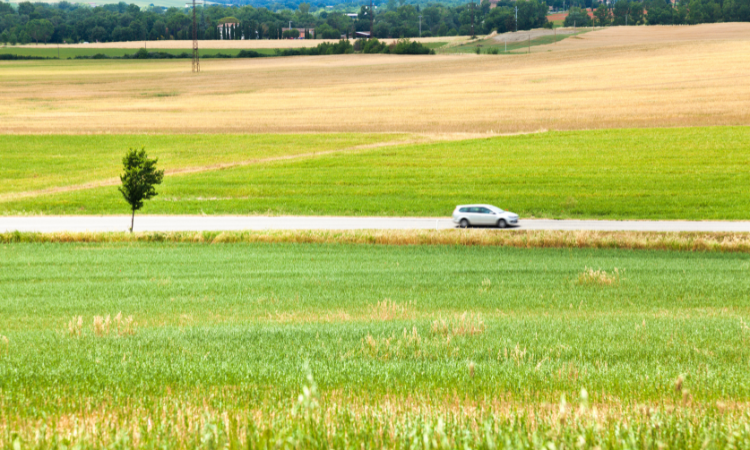
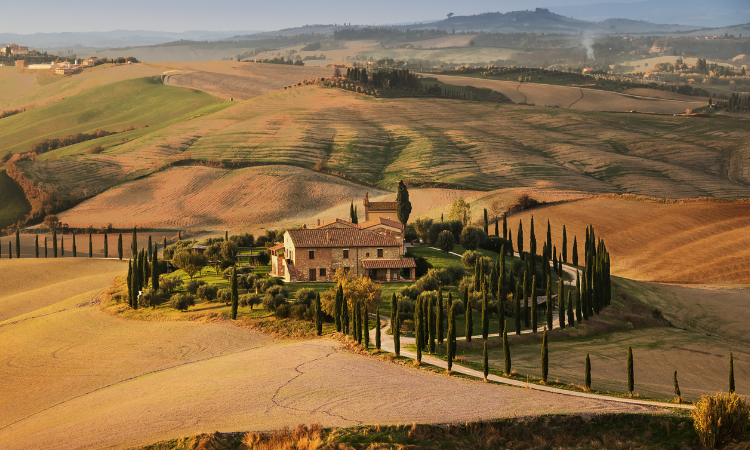
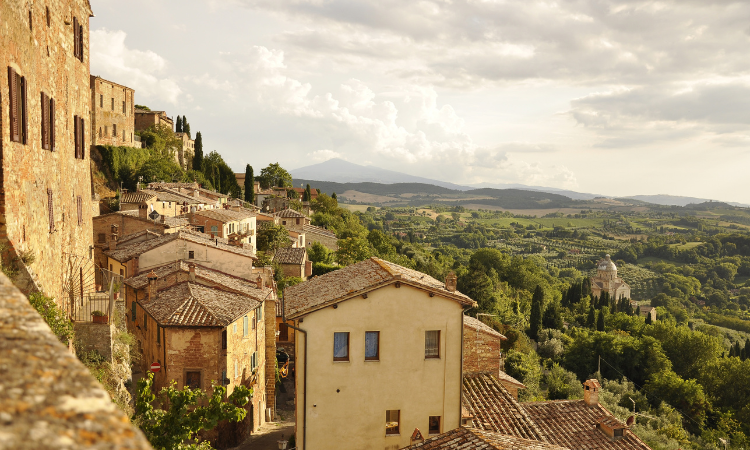
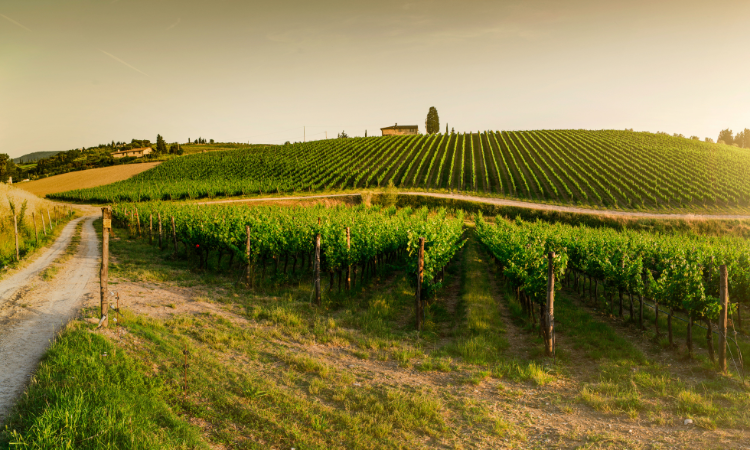
Rolling vineyards, medieval villages, and breathtaking countryside—Tuscany by car is the perfect way to explore this stunning region. Traveling by car lets you uncover hidden gems, from charming hilltop towns to world-class wineries. The best time to hit the road is spring (April–June) or early fall (September–October), when the weather is pleasant, and the crowds are smaller. What makes a Tuscany by car adventure truly special? The stunning landscapes, rich history, and unforgettable cuisine. Whether you’re sipping Chianti in a vineyard or strolling through centuries-old piazzas, every stop promises a magical experience. Many Italy tours include Tuscany for good reason—it’s a region that captures the essence of Italian beauty. Let’s map out your perfect route!
Planning Your Tuscany Road Trip
Choosing the Right Vehicle for the Journey
Tuscany’s rolling hills, charming villages, and narrow streets call for a comfortable yet compact vehicle. A small to mid-size car is ideal for navigating winding country roads and historic town centers. If you plan on exploring off-the-beaten-path vineyards or countryside villas, consider renting a car with good suspension and fuel efficiency. Tuscany by car is one of the best experiences that you will have.
How Long Should You Spend on a Road Trip Through Tuscany?
A well-paced Tuscany road trip can range from 5 to 10 days, depending on how much you want to explore. A week allows you to visit Florence, Siena, and the Chianti wine region while still enjoying leisurely countryside drives. If you want to include coastal gems like Livorno or lesser-known villages, extending your trip to 10 days is ideal.
Essential Travel Documents, Tolls, and Road Rules in Italy
You’ll need a valid driver’s license (an International Driving Permit for non-EU travelers), passport, and rental car insurance for Tuscany road trip. Be prepared for toll roads—most highways require payment via cash, card, or a Telepass device. Drive on the right side, adhere to speed limits, and avoid restricted traffic zones (ZTL) in historic centers to avoid fines.
Packing List for a Tuscan Road Trip
Pack comfortable clothing and sturdy shoes for walking through cobbled streets. Sunglasses, sunscreen, and a hat are must-haves for sunny days. Bring a GPS or offline maps, a reusable water bottle, a power bank, and a playlist for scenic drives. If visiting vineyards, leave extra space in your luggage for wine souvenirs!
Best Season To Take A Road Trip In Tuscany
The best season for a road trip in Tuscany is spring (April–June) and early autumn (September–October). During these months, the weather is pleasant, with mild temperatures and fewer crowds compared to peak summer. Spring brings lush green landscapes, blooming flowers, and lively local festivals, while autumn offers golden vineyards, harvest celebrations, and ideal conditions for wine tasting. Summer (July–August) can be hot and crowded, especially in touristy areas, while winter (November–March) is quieter but may limit access to certain attractions. For the perfect balance of scenery, weather, and experience, plan your trip to Tuscany in late spring or early fall.
Self Drive In Tuscany Tour By Indus Travels- 8 Days
Discover the beauty and art of Tuscany on this self-drive tour through one of Italy’s most picturesque regions. Tuscany celebrated as a prime art repository and a stunning Southern European destination, offers a rich tapestry of experiences. Base yourself in this charming area and embark on excursions to various Tuscan cities, tailoring your journey to your interests. Explore Pistoia, a city famed for its plant nurseries, medieval churches, and culinary delights. Marvel at the scenic hills, cypress trees, olive groves, and vineyards that define Tuscany’s landscape. An hour’s drive takes you to Florence, where you can immerse yourself in its extraordinary architecture. Don’t miss the iconic Leaning Tower of Pisa in your travels. For nature lovers, Chianti offers excellent hiking trails with stunning views of the authentic Tuscan countryside. This tour has best places to visit Tuscany, hence is perfect for you!
TOUR HIGHLIGHTS OF THIS TRIP TO TUSCANY
- Discover the beautiful landscape, Town, and Villages of Tuscany at your own pace
- Visit the historical Cathedral of San Zeno in Pistoa, built in the 12th to 13th century
- Explore the splendid city of Florence, home of the Renaissance and Michelangelo
- Experience the beauty of Siena and the medieval town of San Gimignano
- Choose to relax in the thermal waters of Montecatini, Italy’s main thermal center
- Have the opportunity to discover Rome’s historical sites before or after your Journey
INCLUSIONS
- 06 nights accommodation on a twin/double sharing basis at listed superior hotels or similar
- Car rental for 06 days including:
- Pick up and drop off at Rome Airport
- Economy Manual transmission- Fiat Panda or similar (Automatic transmission available for extra fees)
- VAT tax included
- One driver (drivers must be at least 25 years old)
- Unlimited mileage
- Theft Waiver (TW). Unwaivable charges may apply.
- Collision Damage Waiver Reduction (CDW). Unwaivable charges may apply.
- International roundtrip airfare from various Gateways
- All air taxes and fuel surcharges
- All currently applicable taxes
ITINERARY FOR BEST PLACES TO VISIT IN TUSCANY BY CAR
Wondering how many days do you need in Tuscany? The ideal number of days in Tuscany depends on your travel style, but here’s a general guide:
- 3–4 Days: Perfect for a short trip focused on Florence and a day trip to the Chianti wine region or Pisa.
- 5–7 Days: Allows you to explore Florence, Siena, San Gimignano, and the rolling countryside, with time for wine tasting and small villages.
- 10+ Days: Ideal for a relaxed, in-depth experience, covering Florence, the Val d’Orcia (Montepulciano, Pienza, Montalcino), Lucca, Pisa, and the Tuscan coast.
Here is an itinerary that you can follow.
DAY 1 – DEPARTURE FROM USA/CANADA
Begin your journey by making your way to the airport for your overnight flight to Italy. Enjoy the inflight meals and services.
DAY 2 – ARRIVAL IN ROME – TRANSFER TO PISTOIA
Arrive at Rome International Airport, collect your rental car, and drive to the picturesque Tuscany region, approximately a 3-hour journey. Check into your Pistoia hotel and spend the remainder of the day at your leisure.
Stay overnight in Tuscany.
DAY 3 – EXPLORE PISTOIA, LUCCA, AND PISA
Enjoy a day either relaxing in Pistoia or exploring Lucca and Pisa. A 45-minute drive from Pistoia leads you to Lucca, a captivating medieval town. Wander its ancient streets, visit San Michele, and see the site of the old Roman Forum. In Pisa, stroll through the Old Maritime Republic’s charming streets, marvel at the medieval Borgo Pio arcades, and don’t miss the iconic Piazza dei Miracoli with the Leaning Tower, Baptistery, and Duomo. Return to Pistoia in the evening.
Stay overnight in Tuscany.
Optional Day Tours:
- Full Day Tour to Pisa, San Gimignano from Florence Including Lunch: USD 130 per person, minimum 2 participants.
- Cinque Terre Day Trip from Florence with Hiking: USD 145 per person, minimum 2 participants.
- Pisa from Florence Afternoon Tour including Skip-The-Line Leaning Tower Ticket: USD 125 per person, minimum 2 participants.
- Skip the Line: Florence Uffizi Gallery Tickets: USD 60 per person, minimum 2 participants.
DAY 4 – PISTOIA TO FLORENCE DAY TRIP
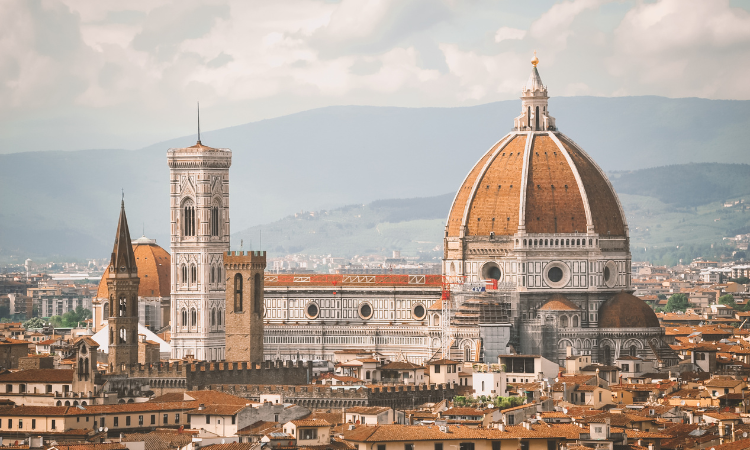
Choose to relax in Pistoia or take a 1-hour drive to explore Florence, known for its Renaissance art and architecture. Visit the Piazza del Duomo, Cathedral of Santa Maria del Fiore, Giotto’s Bell Tower, Baptistery of St. John, and Santa Croce. Discover the Galleria dell’ Accademia with Michelangelo’s “David” and the Uffizi Gallery’s masterpieces. Return to Pistoia in the evening.
Stay overnight in Tuscany.
DAY 5 – PISTOIA TO CHIANTI REGION EXCURSION
Spend the day leisurely in Pistoia or visit the Chianti region, famous for its red wine. Explore Radda In Chianti and possibly enjoy wine tasting at local wineries. As you drive through the Tuscan countryside, take in the rolling vineyards and scenic landscapes that make this region so enchanting. Visit Greve, a medieval market town, and the picturesque Montefioralle village before returning to Pistoia.
Stay overnight in Tuscany.
DAY 6 – VISIT SIENA AND SAN GIMIGNANO
Relax in Pistoia or drive to Siena and San Gimignano. For the perfect road trip, start in Siena, where you can see the Duomo, Piazza del Campo, and explore its medieval streets. Then, head to San Gimignano, known for its striking towers and art treasures, and wander through its charming lanes and squares. Enjoy the breathtaking scenery along the way before returning to Pistoia.
Stay overnight in Tuscany.
DAY 7 – PISTOIA TO MONTECATINI AND RETURN TO ROME
On this Tuscany trip, visit Montecatini, famous for its thermal waters and the vintage funicular, then drive back to Rome. Spend the day at leisure in Rome, exploring its architecture and enjoying local cuisine.
Stay overnight in Rome.
Optional Rome Tours:
- Half-Day Tour of Classic Rome (3H): USD 140 per person, minimum 2 participants.
- Half-Day Tour of Vatican Museum, Sistine Chapel & St. Peter Basilica – Afternoon (3H): USD 85 per person, minimum 2 participants.
- Half-Day Tour of Crypts & Catacombs (3.5H): USD 95 per person, minimum 2 participants.
DAY 8 – ROME – USA / CANADA
Depending on your departure flight schedule, drive to Rome International Airport accordingly and return your vehicle prior to your flight home.
Driving in Tuscany, navigating through the undulating hills and vineyards, exploring ancient towns, and savoring the local gastronomy, you’re embarking on much more than a mere holiday. This journey is a timeless adventure, weaving through the rich tapestry of Tuscan history and culture. This self-drive tour is an exploration deep into the heart of Tuscany, crafting memories that will resonate long after your return. Embark on this journey with Indus Travels and discover the enchantment of Tuscany, a region where each path has its own tale to tell and every moment is a cherished gem.
Should you need assistance in planning this trip, reach out to us and our experts at Indus Travels will ensure your experience is seamless and unforgettable.
Other Road Trip Routes Through Tuscany
Classic Tuscany Route: Florence → Chianti → Siena → Val d’Orcia → Montepulciano → Pisa
This iconic route takes you through Tuscany’s most famous destinations. Start in Florence, exploring its Renaissance charm before heading to the rolling vineyards of Chianti. Discover Siena’s medieval streets, drive through the breathtaking Val d’Orcia, and sip wine in Montepulciano. End your journey in Pisa with its world-famous Leaning Tower.
Wine Lover’s Route: Florence → Greve in Chianti → Montalcino → Montepulciano
Perfect for wine enthusiasts, this route takes you through the heart of Tuscany’s best wine regions. Start in Florence and head to Greve in Chianti for world-class Chianti Classico (one of the best things to see in Tuscany). Continue to Montalcino, home of Brunello di Montalcino, and finish in Montepulciano, famous for Vino Nobile wines.
Coastal Tuscany Route: Pisa → Livorno → Bolgheri → Maremma
For a mix of seaside charm and fine wines, begin in Pisa before heading to Livorno’s vibrant port. Explore Bolgheri, known for its Super Tuscan wines, then drive south to Maremma, where you’ll find pristine beaches, medieval villages, and natural thermal baths.
Hidden Gems Route: Lucca → Garfagnana → Pitigliano → Saturnia Hot Springs
This off-the-beaten-path adventure starts in Lucca, with its well-preserved Renaissance walls. Venture into Garfagnana’s rugged mountains, then explore Pitigliano, a stunning “tufa town” built into cliffs. End your trip relaxing in the Saturnia Hot Springs, a natural thermal paradise.
Must-Visit Towns & Stops Along the Way While Visiting Tuscany
Florence: The starting point, rich in art, history, and architecture.
Things to see: Admire Michelangelo’s David at the Accademia Gallery, explore the Uffizi Gallery, and walk across the Ponte Vecchio. Don’t miss climbing the Duomo for breathtaking city views.
Chianti Region: Rolling vineyards, wine tastings, and charming villages.
Things to see: Visit traditional wineries in Greve, Radda, and Castellina in Chianti. Enjoy scenic drives through vineyards, taste Chianti Classico, and explore medieval castles like Castello di Brolio.
Siena: A medieval city with stunning piazzas and cathedrals.
Things to see: Marvel at the Gothic Siena Cathedral, walk through the Piazza del Campo (home of the famous Palio horse race), and climb Torre del Mangia for panoramic views.
San Gimignano: The ‘Medieval Manhattan’ of Tuscany.
Things to see: Wander through its UNESCO-listed historic center, admire the famous medieval towers, and try the award-winning gelato at Gelateria Dondoli.
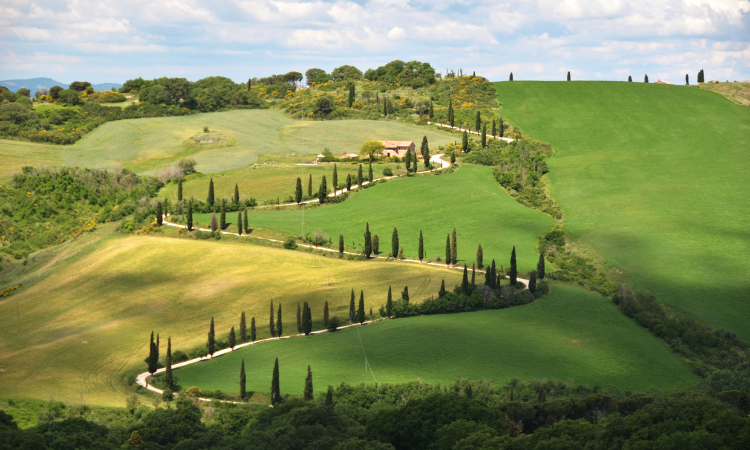
Val d’Orcia: Picture-perfect countryside with famous cypress-lined roads.
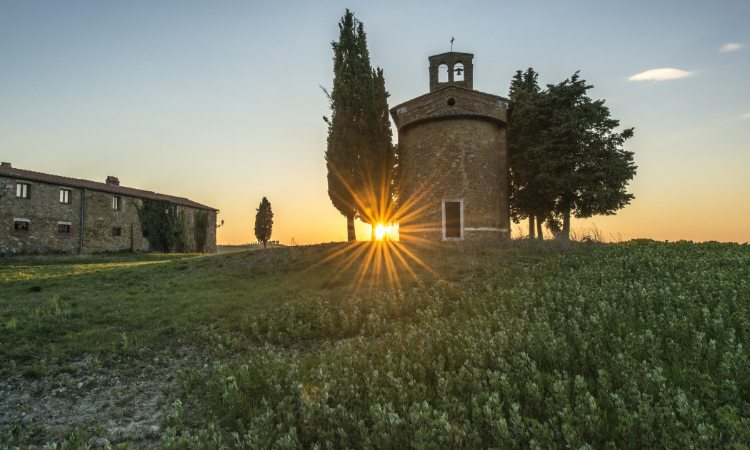
Things to see: Drive through rolling hills dotted with cypress trees, stop in charming villages like Bagno Vignoni, and photograph the iconic Chapel of the Madonna di Vitaleta.
Pienza & Montepulciano: The best places for pecorino cheese and Tuscan wine.
Things to see: Stroll through Pienza’s picturesque streets and sample pecorino cheese. In Montepulciano, visit wine cellars and enjoy a glass of Vino Nobile di Montepulciano.
Pisa & Lucca: Iconic Leaning Tower and a beautifully walled city.
Things to see: Take a classic Leaning Tower photo in Pisa, then head to Lucca to cycle along its ancient walls and explore its charming piazzas and churches.
Maremma: A less touristy coastal paradise with sandy beaches.
Things to see: Relax on the unspoiled beaches of the Maremma coastline, visit the medieval town of Castiglione della Pescaia, and explore the Tuscan cowboys’ region.
Saturnia Hot Springs: A natural spa to relax after days on the road.
Things to see: Soak in the cascading thermal pools of Cascate del Mulino, known for their healing properties, and enjoy the scenic surroundings of the Maremma countryside.
What to Eat and Drink in Tuscany
Tuscany is a paradise for food lovers, offering simple yet flavorful dishes made with fresh, local ingredients. Start with ribollita, a hearty vegetable and bread soup, or pappa al pomodoro, a thick tomato and bread stew. Savor the famous bistecca alla Fiorentina, a perfectly grilled T-bone steak, and indulge in handmade pici pasta with rich meat sauces. Pair your meals with world-class wines like Chianti Classico, Brunello di Montalcino, and Vino Nobile di Mont.
Final Thoughts
A road trip through Tuscany is an unforgettable journey filled with breathtaking landscapes, rich history, and world-class food and wine. From exploring Florence’s Renaissance treasures to sipping wine in the rolling vineyards of Chianti and relaxing in the thermal springs of Saturnia, every stop offers something unique. The beauty of a Tuscan road trip lies in its flexibility—whether you want to wander medieval streets, discover hidden villages, or simply enjoy scenic drives, you can set your own pace. With its perfect blend of culture, nature, and gastronomy, Tuscany is the ultimate destination for travelers seeking an immersive and authentic Italian experience. So, take the scenic route, embrace the slow travel lifestyle, and let Tuscany’s charm unfold before you!
FAQs: Tuscany Road Trip
1. What is the best time of year for a road trip in Tuscany?
Spring (April–June) and early autumn (September–October) are ideal, offering pleasant weather, fewer crowds, and stunning landscapes. Summer can be hot and busy, while winter is quieter but may limit access to some rural areas.
2. Do I need an international driver’s license to drive in Tuscany?
If you are from outside the EU, you’ll need an International Driving Permit (IDP) along with your regular driver’s license. It’s best to check local regulations before your trip.
3. Are there toll roads in Tuscany, and how do I pay for them?
Yes, most highways (autostrade) in Tuscany have tolls. You can pay with cash, credit cards, or use a Telepass for automatic payments, which can be rented with your car.
4. What are the best scenic routes in Tuscany?
Popular routes include the Classic Tuscany Route (Florence to Pisa via Chianti and Val d’Orcia), the Wine Lover’s Route, and the Coastal Route through Maremma. Each offers breathtaking landscapes and charming towns.
5. How easy is it to find parking in Tuscan towns?
Parking can be challenging in historic centers, as many towns have restricted zones (ZTL). Look for designated parking lots outside city centers and use public transportation or walk into town.
6. What are the fuel prices like in Italy?
Fuel prices in Italy tend to be higher than in the U.S. but comparable to other European countries. Expect to pay around €1.70–€2.20 per liter for gasoline, depending on the region and station.
7. Can I rent a car in one city and drop it off in another?
Yes, most rental agencies allow one-way rentals, though additional fees may apply. Be sure to confirm drop-off policies with your rental company in advance.
8. Is it safe to drive at night in Tuscany?
While main roads are well-lit and safe, rural roads can be winding and poorly lit. Driving at night is generally safe, but caution is advised, especially in the countryside.
9. What are some local customs or driving rules I should be aware of?
Always drive on the right, and be aware of ZTL zones in city centers. Roundabouts are common, and headlights must be on outside urban areas. Speed limits and road signs should be strictly followed to avoid fines.
10. Are there any road trip apps recommended for navigating Tuscany?
Google Maps and Waze are great for navigation, while MyWay (for toll roads) and Parkopedia (for parking) can be useful. If exploring wineries, try Vivino to discover top-rated local wines.
11. What country is Tuscany in?
Tuscany is in Italy.
Check out more of our Tuscany Tours for a memorable trip across Italy.
 Toll Free (USA & Canada) +1 866 978 2997