Discover the Flavors of Africa: A Culinary Journey Through Traditional African Food
Food is more than sustenance; it’s a part of your history, culture, and identity. Nowhere is this more evident than on the African continent, where menus are as myriad as the landscapes and cultures. From the spice-infused, complex flavors of the North African coast to the simpler, yet bold and hearty stews of the sub-Saharan interior to the fiery jerk and barbecue dishes of the South, traditional African food reflects the continent’s diverse and rich history, and there are so many not-to-be-missed dishes.
In this blog, we are going to travel the world from the kitchen and share the colorful patchwork of food in Africa, with real African food recipes, traditional West African cuisine, and the ever-evolving South African food culture, which has left its footprint not just in its local communities but on international plates too.
TheDiversity of Traditional African Food
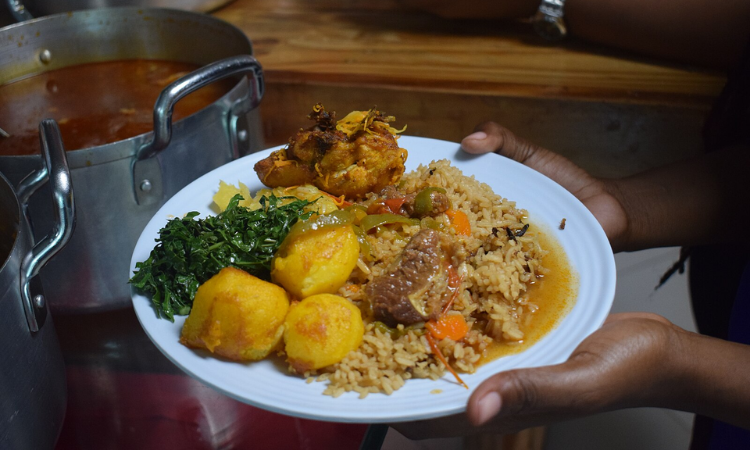
Africa is large and diverse, having more than 50 countries, thousands of ethnic groups and climates, and agricultural resources that vary from one end of the continent to the other. That diversity is represented in typical African food that comes in different forms in various regions, but often includes communal eating, the use of locally available produce, and spicy, rich, fresh-tasting flavors.
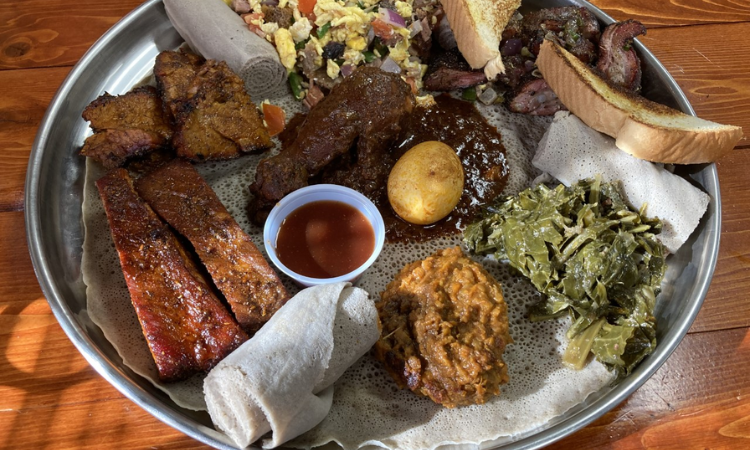
In North Africa, you’ll find a blend of Mediterranean and Middle Eastern influences in dishes such as couscous and tagines, as well as fragrant spices including cumin and saffron. Dishes include plantains, lentils, and injera bread as staples in East African cuisine and heart stews, peanut sauces and jollof rice in West African. South African cuisine also combines the ancient food traditions of the indigenous individuals with a culture of cooking from the colonists and immigrants – a plate that offers a unique mix of flavor, made to be enjoyed year-round.
Traditional African Food in Daily Life
For many communities, food in Africa is inextricably linked to rituals, festivities, and day-to-day life. Food is frequently cooked and eaten together, reaffirming social contacts and mirroring a culture of hospitality and togetherness. Ancient preparation methods, like slow-cooking over open fires, fermenting and pounding grains, are preserved and passed down through the ages, meaning real African recipes reflect not just traditions, but also the geography of the area.
Staples differ throughout the continent, but include millet, maize, rice, sorghum, cassava, and yams as well. They accompany vegetables, beans, meat, and fish to form nutritious dishes. Whether it’s the smoky fragrance of grilled meats from a South African braai or the perennial popularity of West African dishes in the culinary scene, traditional African food captures the African spirit.
Image: Wikimedia Commons
West African Cuisine: Big Flavor and Bold Dishes
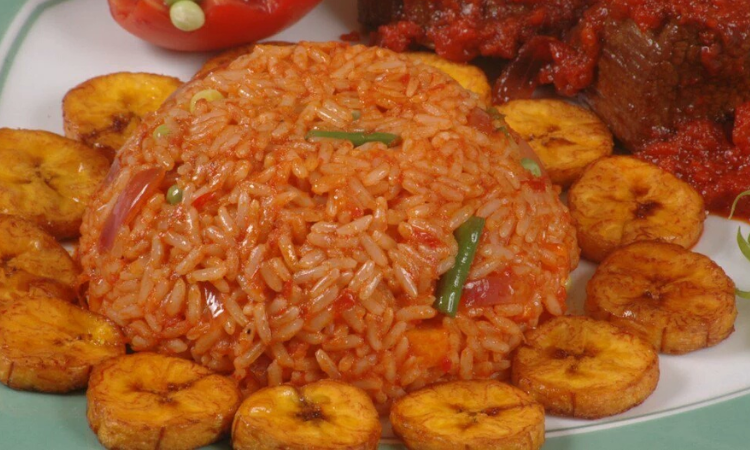
West African food is one of the best culinary traditions in, if not simply the continent itself, with bold use of spices, peppers, as well as rich and savoury bases. Traditional meals like jollof rice, fufu, and groundnut soup are staples in West Africa and have even transcended regions to become favorites worldwide.
Iconic Dishes of West Africa
1. Jollof Rice: Another one-pot thing that is rice cooked with tomatoes and onions and peppers and spices, sometimes with grilled meats or fish. Jollof rice has many iterations throughout Nigeria, Ghana and Senegal – and in each of these jollof rice arguers believe their version is best.
2. Egusi Soup: Comprising ground melon seeds, leafy greens, and meats, this thick and dense soup is often served with fufu.
3. Suya: Spiced grilled meat skewers, a favorite street food throughout Nigeria and beyond.
Many traditional West African dishes reflect a collective approach to dining, meant to be eaten by hand and shared with family members. Chili peppers, ginger, and aromatic spices are believed to be the most popular ingredients in West Africa, and this makes their culinary preparation so palatable.
Image: Wikimedia Commons
South African Food: A Fusion of Culture
South Africa’s history of migration and cultural blending has created a distinctive food identity. South African foods often combine indigenous ingredients with Dutch, Indian, and Malaysian influences, resulting in a vibrant and diverse culinary scene.
Highlights of South African Food Culture
1. Braai: The South African barbecue, where meats such as boerewors (a type of traditional sausage), steak, and chicken are cooked over open flames. Later, served with accompaniments such as pap (maize porridge) and chakalaka (a hot vegetable relish).
2. Bunny Chow: Durban street food at its finest: mostly bread with a bread hole stuffed with delicious curry.
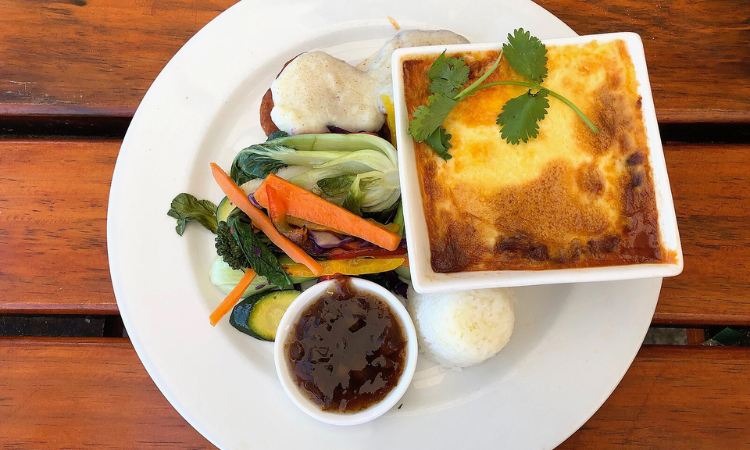
3. Bobotie: A Cape Malay dish consisting of spiced minced meat baked with an egg topping and usually served with yellow rice.
In SA, food culture is about people coming together around a delicious shared meal or celebration. The combination of flavors mirrors not only the country’s history, but also its dynamic present.
Image: Wikimedia Commons
Culinary Travel: Eating your way through Africa
For tourists, gastronomy tourism is, for many, the most beneficial way to taste Africa travel itineraries. Those who sample traditional African food would gain a better appreciation of the history, Geography, and way of life of the people.
Best African Eateries
1. Lagos, Nigeria: The hub for West African dishes, where everything from upscale eateries that serve homegrown African food recipes to those chaotic street food markets.
2. Cape Town, South Africa: A foodies paradise, showing off the best of fine dining that incorporates some of South Africa’s tastes together with casual, friendly braai experiences.
3. Marrakech, Morocco: Known for both its food markets and tagines that show the northern reaches of the traditional African diet.
4. Addis Ababa, Ethiopia: Be there for injera-based feasts and deeply-rooted coffee ceremonies.
Exploring these destinations through their cuisines adds depth to an Africa vacation, connecting travelers to African culture in unforgettable ways.
Image: Wikimedia Commons
Authentic African Food Recipes To Try
While nothing compares to experiencing food in Africa firsthand, authentic African food recipes can be recreated at home. Cooking these dishes offers a way to connect with African culture and culinary traditions.
Recipes to Explore
1. West African Jollof Rice: Try your hand at cooking this classic dish with ingredients including tomatoes, peppers, onions and seasoning, to get a true flavor of West African food.
2. South African Bobotie: Make yourself this delicious casserole that has a fusion of flavors, sweet and spiced, a true South African food culture in a casserole for sure.
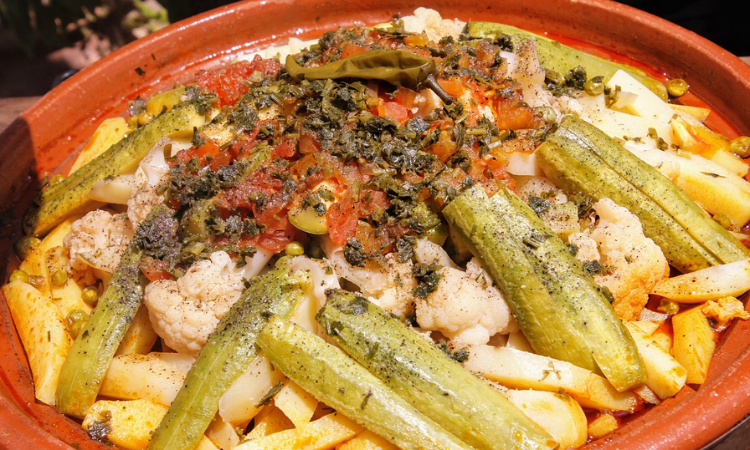
3. Moroccan Tagine: Anything left to stew long enough with meat, vegetables, and dried fruit along with North African spices.
For those who love trying out new recipes, trying your hands at some original African food recipes could be an adventure of its own, bringing its own taste and culture.
The Significance of Food in the African Culture
African cuisine is not just food; it is a reflection of the continent and how the communities live. Whether celebrating festivals, weddings, or community feasts, food acts as a sign of togetherness and identity. “SHARING meals is a beloved tradition across Africa, where food serves as a means to connect, celebrate, and honor generations,” the website proclaims.
Music, dance, and storytelling often accompany meals, creating a holistic cultural experience. Whether it’s a simple family dinner or a grand community feast, food in Africa continues to bring people together.
What to eat in Africa: Culinary travel tips for your Africa vacation
If you’re thinking about going on an African vacation with a focus on its culinary culture, here are some tips to inspire you:
1. Get a Real Street Food Experience: Some of the best African food can be found in market and roadside stalls.
2. Cooking Class: Learn to cook traditional African dishes with local chefs for a real hands-on experience.
3. Respect Local Customs: Dining habits differ in different parts of the world; people eat with their hands in some parts.
4. Be Daring: Amidst the different options of animal products, vegetables, and spices, the essence of African influence on food is discovery. Don’t be afraid of new flavors.
Conclusion: A Feast of Cultures and Flavors
Exploring traditional African food is more than a culinary adventure; it’s a journey into the heart of African culture. From the traditional West African plates of jollof rice to South African food like bobotie and braai, food in Africa reflects centuries of history, migration, and cultural exchange. And, as with any food experience, making authentic recipes at home is a way for us to share in the flavors of the world, even as culinary travel allows us to sample the best places to eat African food firsthand.
Whether you’re enjoying colorful West African dishes or are getting a taste of South African food culture, one thing is for sure: African traditional food is a celebration of community, heritage, and life. And it’s the reason it’s an indispensable addition to any African vacation.
 Toll Free (USA & Canada) +1 866 978 2997