Around the world, certain roads have gained notoriety for their extreme danger and challenging conditions. One such infamous route is the Death Road in Bolivia. Known locally as “El Camino de la Muerte,” this treacherous road stretches over 60 kilometers (37 miles) from La Paz to Coroico. Carved into the mountainside, the Death Road is characterized by narrow, winding paths with steep drop-offs, frequent landslides, and unpredictable weather conditions. Despite its peril, it attracts thrill-seekers and adventurous travelers, offering breathtaking views and an adrenaline-pumping experience. However, its reputation as one of the world’s most dangerous roads serves as a sobering reminder of the risks involved.
The Allure of Danger: What Makes the Death Road So Thrilling?
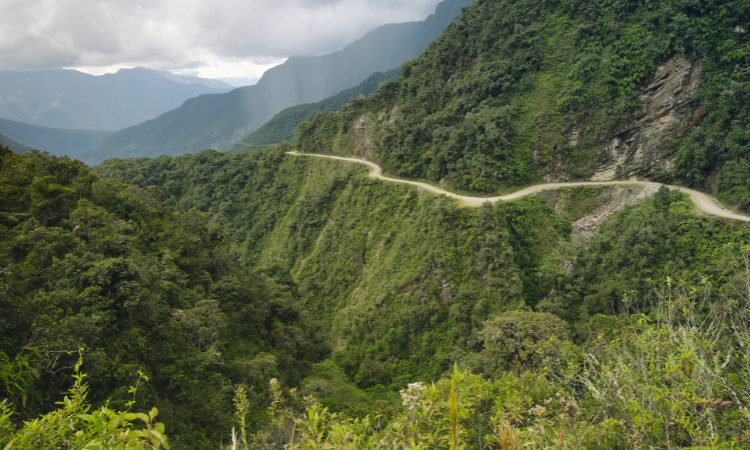
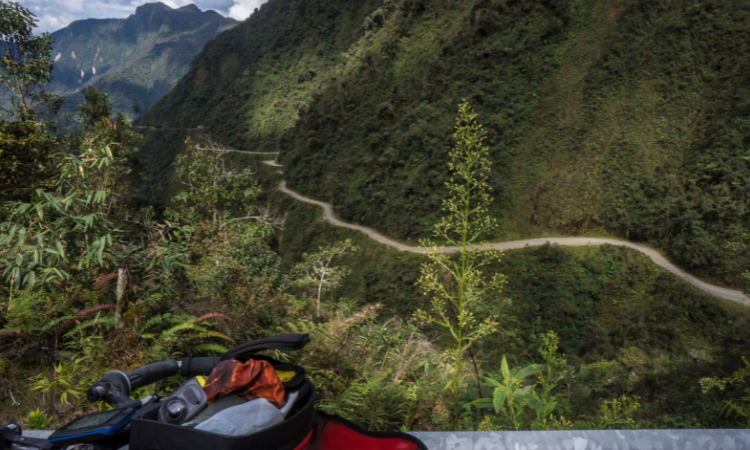
The Death Road in Bolivia, also known as “El Camino de la Muerte” or the “Bolivian Death Road,” is infamous for its perilous conditions and thrilling allure. Constructed in the 1930s during the Chaco War by Paraguayan prisoners, this 60-kilometer (37-mile) stretch connects La Paz to Coroico. Its narrow, unpaved path winds through steep cliffs, with drops of up to 600 meters (2,000 feet), and is often shrouded in fog, making visibility a constant challenge.
What makes the Bolivian Death Road so thrilling is its combination of breathtaking scenery and the sheer adrenaline rush of navigating such a dangerous route. Despite the risk, thousands of thrill-seekers and mountain bikers are drawn to its dangerous curves and stunning views, eager to conquer one of the world’s most notorious roads. The Death Road’s history and its extreme conditions have cemented its reputation as both a perilous journey and an unforgettable adventure.
Key Features of the Death Road
The Death Road, officially known as North Yungas Road, is renowned as one of the world’s most dangerous roads. Its geography presents a series of harrowing features that contribute to its notorious reputation. The road winds through the Bolivian Andes, stretching 60 kilometers (37 miles) from La Paz to Coroico, and is carved into the mountainside.
Key features include steep cliffs with drops of up to 600 meters (2,000 feet), and extremely narrow passages that often barely accommodate a single vehicle. The lack of guardrails along these treacherous edges adds to the peril, with vehicles navigating hairpin turns often shrouded in fog or rain, further reducing visibility.
The combination of these factors—steep cliffs, narrow passages, and absence of guardrails—makes the North Yungas Road not only one of Bolivia’s most infamous routes but also a prime candidate for the title of the world’s most dangerous road. This reputation draws adventurers and thrill-seekers from around the globe, all eager to experience the formidable challenge of one of the most dangerous roads on the planet.
Experiencing Death Road: Mountain Biking and Tours
The Death Road in Bolivia, also known as the North Yungas Road, offers an unparalleled adventure for thrill-seekers and mountain biking enthusiasts. Despite its ominous moniker as “the world’s most dangerous road,” the Death Road has become a premier destination for adventurous tourists seeking to experience its dramatic landscapes and adrenaline-pumping descents.
Mountain Biking Tours
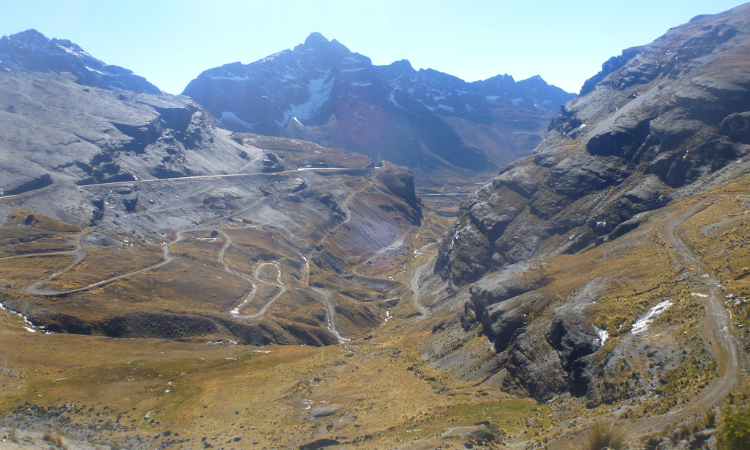
Mountain biking tours on the Death Road have surged in popularity, with several tour operators providing guided experiences tailored to different skill levels. These tours typically start in La Paz, where participants are transported to La Cumbre, the starting point of the biking journey at an altitude of 4,700 meters (15,420 feet). From there, riders embark on a descent of nearly 3,600 meters (11,800 feet) to the town of Coroico.
Tour operators such as Gravity Assisted Mountain Biking, Barracuda Biking, and Biking Bolivia offer comprehensive packages that include high-quality mountain bikes, safety gear, experienced guides, and transportation. The tours usually span a full day, with riders covering approximately 64 kilometers (40 miles) of varied terrain, from high-altitude plains to lush rainforests.
Safety Measures
Given the Death Road’s reputation, safety is a paramount concern for tour operators. Here are some key safety measures implemented to ensure a secure and enjoyable experience:
- Professional Guides: Each tour is led by experienced guides who are well-versed in the road’s conditions and safety protocols. They provide detailed briefings on the route, safety tips, and what to expect during the ride.
- Quality Equipment: Riders are equipped with high-quality mountain bikes designed to handle the rugged terrain. Safety gear, including helmets, gloves, and knee and elbow pads, is also provided.
- Support Vehicles: Tours are accompanied by support vehicles that follow the group, providing assistance in case of emergencies and carrying additional gear, water, and snacks.
- Paced Riding: Riders are encouraged to ride at a comfortable pace and take regular breaks to rest and hydrate. Guides ensure that no one is left behind and that the group stays together.
- Weather Considerations: Tours are planned with weather conditions in mind, as fog and rain can significantly reduce visibility and increase the risk of accidents. Guides monitor weather forecasts and make adjustments as necessary.
What to Expect
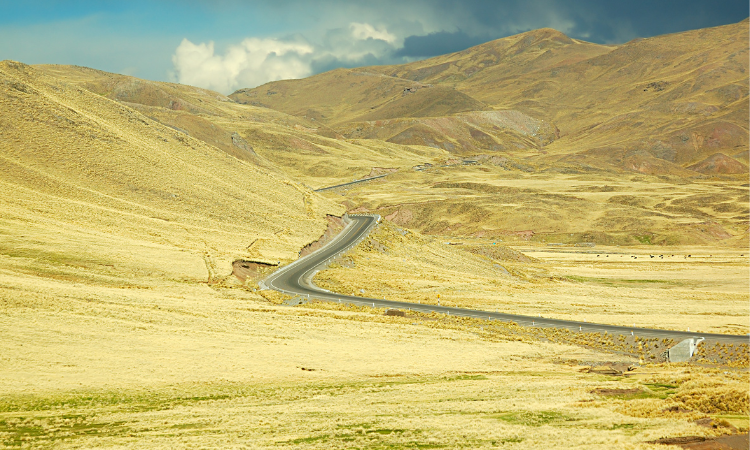
Tourists embarking on a Death Road mountain biking tour can expect a blend of exhilaration and breathtaking scenery. The journey begins in the cold, crisp air of the Andean highlands and transitions into the warm, humid environment of the Amazonian basin. Along the way, riders experience stunning views of snow-capped peaks, lush valleys, and cascading waterfalls.
The thrill of navigating hairpin turns, narrow passages, and steep descents is balanced by the sense of accomplishment upon completing the ride. The adventure concludes in Coroico, where riders can relax and celebrate their achievement with a well-deserved meal and refreshments.
Traveler Tales: Stories from the Death Road in Bolivia
The Death Road in Bolivia, also known as North Yungas Road, has etched itself into the memories of countless travelers. For many, it offers the adrenaline rush of a lifetime; for others, it’s a harrowing journey fraught with challenges. Here are some tales from those who have braved “the most dangerous road across the world.”
The Adrenaline Junkie’s Paradise
John, an adventure enthusiast from Australia, recounted his first encounter with the Death Road. “The moment we started our descent from La Cumbre, I could feel the adrenaline rush. The sheer drop-offs and narrow paths were both terrifying and exhilarating. The ride was a roller-coaster of emotions, with breathtaking views around every corner.”
John’s group, led by experienced guides, navigated the steep cliffs and sharp turns with caution. Despite the road’s perilous reputation, John felt a sense of accomplishment upon reaching the end. “It was the most thrilling experience of my life. The danger is real, but that’s what makes it so exhilarating.”
A Close Call
Not all stories are without incidents. Maria, a backpacker from Spain, shared her near-miss experience. “About halfway down, the weather took a turn for the worse. Fog rolled in, and visibility dropped dramatically. I lost my balance on a particularly narrow section and nearly went over the edge.”
Maria’s accident was a stark reminder of the road’s dangers. Thankfully, the tour’s safety measures, including a quick response from the support vehicle, ensured she was unhurt. “It was a scary moment, but the guides were fantastic. They calmed me down and helped me get back on my bike. The rest of the ride was tense, but reaching the end was incredibly rewarding.”
A Journey of Transformation
For some, the Death Road is more than just a physical challenge. Alex, a writer from the United States, found it to be a journey of personal growth. “I was terrified of heights, but I decided to face my fears on the Death Road. The first few kilometers were nerve-wracking, but the encouragement from my group and guides helped me push through.”
Alex’s story is one of overcoming fear and finding inner strength. “Each turn, each steep drop, was a small victory. By the end of the ride, I felt like a different person. It wasn’t just about the adrenaline rush; it was about conquering my own limitations.”
Lessons Learned
These traveler tales from the Death Road in Bolivia highlight both the allure and the dangers of this infamous route. Accidents and close calls are not uncommon, underscoring the importance of proper preparation and respect for the road’s risks. However, for those who brave its challenges, the Death Road offers unparalleled beauty and a profound sense of achievement.
In summary, the Death Road is a testament to the spirit of adventure and human resilience. Whether it’s the thrill of the ride, the brush with danger, or the personal transformation, the experiences shared by travelers make the journey on this perilous path an unforgettable chapter in their lives.
Safety Tips for Travelers on Death Road in Bolivia
Navigating the Death Road in Bolivia, known for its “steep cliffs,” “narrow road,” and lack of “safety barriers,” requires careful preparation and adherence to safety measures. Whether you’re an experienced mountain biker or an adventurous traveler, following these essential tips will help ensure a safe and memorable journey on one of the world’s most dangerous roads.
Preparation and Planning
- Choose a Reputable Tour Operator: The first step in ensuring safety is selecting a reputable tour operator. Look for companies with excellent reviews, experienced guides, and a strong emphasis on safety. Well-known operators like Gravity Assisted Mountain Biking and Barracuda Biking are highly recommended.
- Physical Fitness: Ensure you are in good physical condition before attempting the ride. The descent, while mostly downhill, requires stamina, balance, and strength to navigate the rough terrain and maintain control of your bike.
- Travel Insurance: Obtain travel insurance that covers adventure sports, including mountain biking. This will provide peace of mind and financial protection in case of accidents or injuries.
- Safety Gear: Ensure you have high-quality safety gear. This includes a well-fitted helmet, gloves, knee and elbow pads, and sturdy footwear. Your tour operator should provide this equipment, but it’s wise to double-check that everything is in good condition.
Best Travel Times
- Weather Considerations: The best time to ride the Death Road is during the dry season, from May to October. The weather is more predictable, and the road conditions are generally better. Avoid the rainy season (November to April), as heavy rain can make the road slippery and increase the risk of landslides and reduced visibility due to fog.
- Early Starts: Begin your journey early in the morning. This not only provides ample daylight but also helps you avoid potential afternoon rain showers and crowded conditions, especially during peak tourist season.
Navigating the Road
- Follow Your Guide’s Instructions: Pay close attention to your guide’s briefings and instructions. They are familiar with the road’s conditions and the safest ways to navigate its hazards.
- Pace Yourself: Ride at a pace that is comfortable for you. Do not feel pressured to keep up with faster riders. It’s better to take your time and ensure you have control over your bike, especially around tight corners and steep sections.
- Stay Alert: Constant vigilance is crucial. Keep an eye on the road ahead, be aware of changing conditions, and watch for signals from your guide. Look out for loose gravel, potholes, and any oncoming traffic.
- Stay to the Left: On the Death Road, vehicles and cyclists are required to drive on the left side. This gives better visibility for the driver and allows the descending traffic (usually cyclists) to stay closer to the mountainside, reducing the risk of falling over the cliff edge.
Emergency Preparedness
- Know the Emergency Procedures: Make sure you are aware of the emergency procedures your tour operator has in place. This includes understanding how to signal for help and knowing the location of the nearest medical facilities.
- First Aid Kit: Ensure that your group is carrying a well-stocked first aid kit. Basic medical supplies can be crucial in treating minor injuries on the spot.
- Stay Connected: Carry a fully charged mobile phone with emergency contacts pre-programmed. While signals can be spotty, having a means of communication is essential in case of emergencies.
Hydration and Nutrition
- Stay Hydrated: The high altitude can lead to dehydration quickly. Carry enough water and take regular sips throughout the ride to stay hydrated.
- Snacks: Bring energy-boosting snacks like nuts, energy bars, and fruit. Keeping your energy levels up is vital for maintaining concentration and stamina during the ride.
Mental Preparedness
- Know Your Limits: Understand your own limits and do not push beyond them. If you feel uncomfortable or fatigued, communicate with your guide. It’s okay to take breaks or even ride in the support vehicle if necessary.
- Stay Calm: Maintaining a calm and focused mindset is crucial. Anxiety can lead to mistakes, so practice deep breathing and stay composed, especially in challenging sections.
In conclusion, while the Death Road in Bolivia offers an unforgettable adventure, it demands respect and careful preparation. By choosing a reputable tour operator, following safety guidelines, and staying alert, you can safely enjoy the breathtaking journey down this iconic road. Remember, the goal is not just to conquer the Death Road, but to do so safely and return with incredible stories and experiences.
Check out our Bolivia Tours.
Conclusion
Conquering the Death Road in Bolivia is an exhilarating adventure that combines stunning natural beauty with the thrill of navigating one of the world’s most dangerous roads. With careful preparation, safety guidelines, and experienced guides, you can safely enjoy this unforgettable journey.
Ready for the adventure of a lifetime? Book your Death Road tour through Indus Travel for a safe and memorable experience. Indus Travel offers top-notch safety measures and professional guides, ensuring a journey tailored to your adventurous spirit. Don’t miss this unique opportunity to challenge yourself and create lasting memories on Bolivia’s infamous Death Road.
Reserve your spot with Indus Travel today and prepare for an unparalleled adventure.
FAQ Section
Q1: Why is the Death Road in Bolivia considered the most dangerous road around the globe?
A1: The Death Road in Bolivia, also known as North Yungas Road, is considered the most dangerous road in the world due to its perilous conditions. The road is extremely narrow, often just a single lane wide, with steep cliffs dropping up to 600 meters (2,000 feet) on one side. The lack of safety measures, such as guardrails, combined with frequent fog, rain, and landslides, significantly increase the risks for drivers and adventurers navigating this route.
Q2: What activities can I do on the Death Road?
A2: The Death Road is most famous for its mountain biking tours, which offer an adrenaline-filled adventure as you descend from the high Andes into the lush Yungas region. These tours allow you to experience the road’s dramatic landscapes and challenging terrain firsthand, making it a popular choice for thrill-seekers. Additionally, some tours include stops at scenic viewpoints and local attractions, enhancing the overall experience.
Q3: How long is the Death Road and where does it start and end?
A3: The Death Road stretches approximately 69 kilometers (43 miles). It begins at La Cumbre, located about 4,700 meters (15,420 feet) above sea level near La Paz, and descends into the Yungas region, ending near the town of Coroico at an elevation of around 1,200 meters (3,937 feet). This dramatic descent provides a stark contrast in climate and scenery, from high-altitude plains to tropical rainforest.
Q4: What are the safety precautions for traveling on the Death Road?
A4: Safety is paramount when traveling on the Death Road. Essential precautions include wearing appropriate safety gear such as helmets, gloves, and protective pads. It is crucial to follow the guide’s instructions meticulously and maintain a cautious riding pace. Avoiding travel during bad weather conditions, such as heavy rain or fog, is also important to reduce the risk of accidents. Reputable tour operators provide safety briefings and support vehicles to enhance traveler safety.
Q5: Can beginners cycle the Death Road?
A5: While beginners can cycle the Death Road, it is essential to do so with a reputable tour company that offers comprehensive safety briefings and high-quality equipment. These companies ensure that even those with less experience can navigate the road safely by providing professional guides and support. Beginners should listen carefully to all instructions and not hesitate to ride at their own comfortable pace, ensuring a safer and more enjoyable experience.
 Toll Free (USA & Canada) +1 866 978 2997