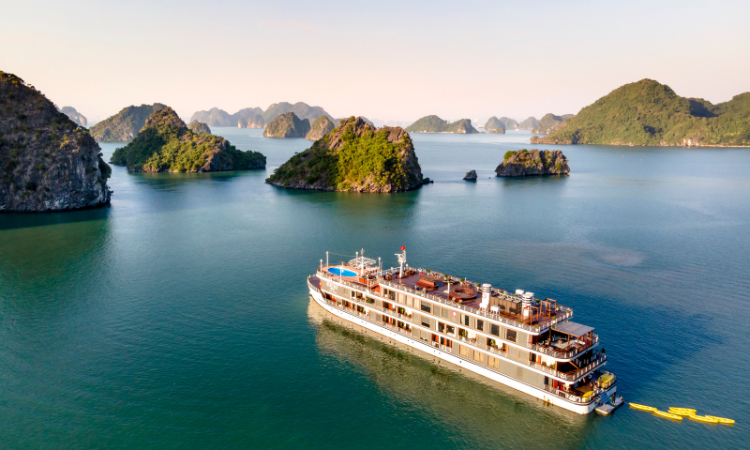
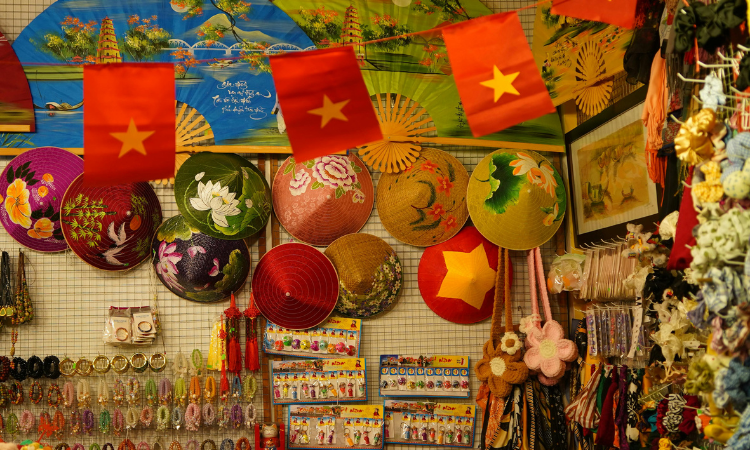
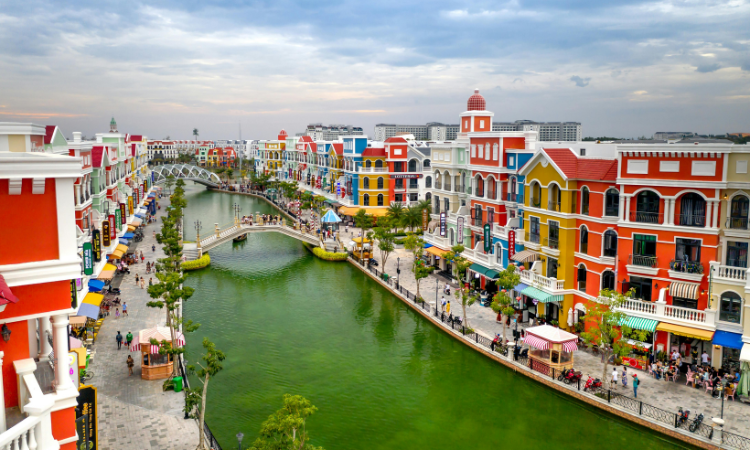
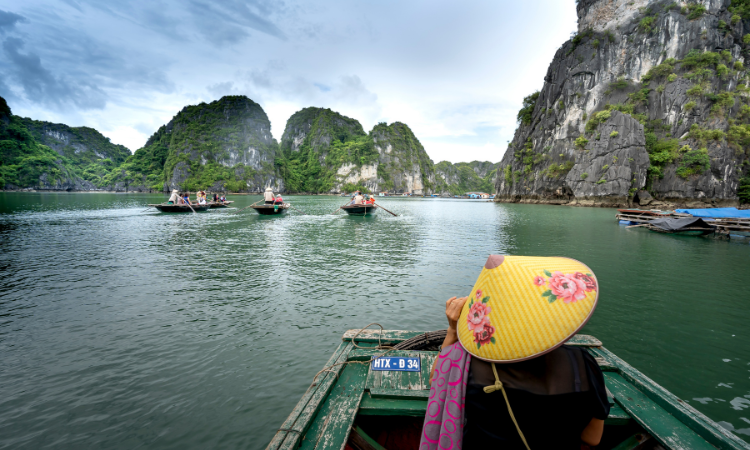
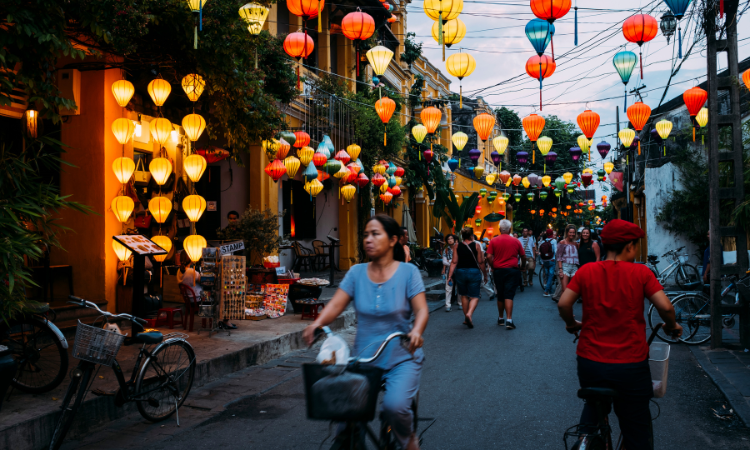
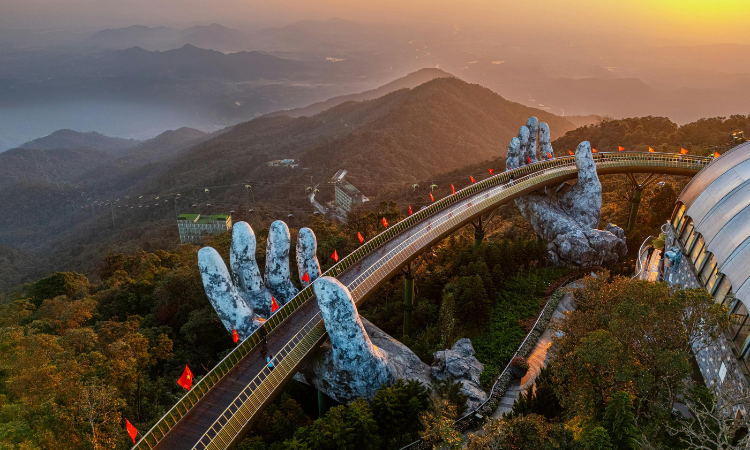
Vietnam has become one of Asia’s most visited destinations in recent years, welcoming travelers with its dramatic landscapes, vibrant cities, rich history, and world-famous cuisine. Whether you dream of cruising through Ha Long Bay, wandering the lantern-lit streets of Hoi An, hiking through rice terraces in Sapa, or tasting authentic pho on a busy Hanoi street corner, Vietnam offers unforgettable experiences at every turn.
Still, many first-time visitors ask the same question before planning their trip: Is Vietnam safe?
The good news is that Vietnam is generally considered a very safe country for international visitors. Millions of travelers visit every year without major issues, and the country continues to grow in popularity among solo travelers, couples, families, and backpackers alike. However, like any destination, understanding local customs, tourist scams, transportation risks, and general safety practices can make your trip smoother and more enjoyable.
This guide explains everything travelers should know about Vietnam travel safety, including common scams, transportation concerns, food safety, local attitudes toward foreigners, and even the truth about dangerous animals in Vietnam. We will also discuss some common reasons not to go to Vietnam so travelers can make realistic and informed decisions before visiting.
Is Vietnam Safe for Tourists?
For most travelers, the answer is yes — is Vietnam safe for tourists is a question that can generally be answered positively. Vietnam has relatively low rates of violent crime against visitors compared to many major global tourist destinations.
Tourists can comfortably explore cities, beaches, mountains, and rural areas across the country. Violent incidents involving travelers are uncommon, and most visitors experience Vietnam as welcoming, energetic, and easy to navigate once they become familiar with local customs and transportation.
However, safety in Vietnam depends largely on awareness and preparation. The most common issues travelers encounter include:
- Petty theft
- Tourist scams
- Traffic accidents
- Overcharging
- Pickpocketing in crowded areas
These situations are usually manageable and rarely dangerous when travelers remain alert.
Safest Destinations in Vietnam
Some of the safest and most tourist-friendly places include:
- Hanoi
- Hoi An
- Da Nang
- Ha Long Bay
- Ninh Binh
- Hue
- Phu Quoc
- Sapa
These destinations are well-developed for tourism and frequently visited by international travelers.
Understanding Vietnam Travel Safety
When discussing Vietnam travel safety, transportation is often the biggest concern rather than crime.
Vietnam’s streets can initially feel chaotic, especially in major cities like Hanoi and Ho Chi Minh City where thousands of motorbikes dominate the roads. Crossing the street may seem intimidating at first, but locals follow an organized flow that becomes easier to understand after a day or two.
Transportation Safety Tips
To stay safe while traveling around Vietnam:
- Use trusted ride-hailing apps like Grab
- Avoid unlicensed taxis
- Wear helmets on motorbikes
- Be cautious while crossing busy roads
- Use reputable overnight buses and trains
- Keep valuables secure during transport
Road accidents are one of the most significant safety risks in Vietnam, especially for tourists renting motorbikes without prior experience. While riding scooters through Vietnam may look exciting on social media, inexperienced drivers should think carefully before attempting long-distance routes.
Common Tourist Scams in Vietnam
Although Vietnam is safe overall, scams targeting tourists do exist. Most are non-violent but can still be frustrating if travelers are unprepared.
Here are the most common scams visitors encounter.
Taxi Overcharging
Some taxi drivers may refuse to use meters or take unnecessarily long routes. To avoid this:
- Use Grab whenever possible
- Choose reputable taxi companies
- Confirm fares before starting rides
Fake Tour Agencies
In tourist-heavy areas, some fake travel agencies advertise cheap tours with misleading promises. Travelers should:
- Read verified reviews
- Book through trusted companies
- Avoid unusually cheap offers
Motorbike Rental Damage Scams
Some rental shops may claim pre-existing damage was caused by the renter.
Before renting:
- Take photos and videos of the vehicle
- Check brakes and lights
- Use reputable rental providers
Street Vendor Pricing
In tourist zones, vendors may quote inflated prices for food or souvenirs.
Helpful tip:
- Politely negotiate
- Check menus before ordering
- Carry small bills
Shoe Shining and Street Services
Some visitors report overly aggressive shoe-shining services or unsolicited street assistance followed by inflated demands for payment.
The best approach is a polite but firm “no thank you.”
Is Vietnam Safe for Solo Travelers?
Vietnam is extremely popular among solo travelers, including solo female travelers.
Backpacker routes are well-established, locals are generally helpful, and tourism infrastructure is strong in most regions. Many travelers report feeling safer in Vietnam than in some Western cities.
Solo Female Travel in Vietnam
Women traveling alone generally find Vietnam comfortable and manageable. Basic precautions still apply:
- Avoid isolated areas late at night
- Use licensed transportation
- Dress respectfully in temples and rural areas
- Trust instincts in uncomfortable situations
Catcalling and harassment are usually less aggressive than in some other tourist destinations, although occasional staring may occur in rural areas where foreign visitors are less common.
Vietnamese Attitude Towards Foreigners
One of the most pleasant surprises for visitors is the warm Vietnamese attitude towards foreigners.
Vietnamese people are often curious, friendly, and welcoming toward tourists. In many places, locals may approach travelers to practice English, offer recommendations, or simply start friendly conversations.
Hospitality is deeply rooted in Vietnamese culture, especially outside major tourist areas where interactions can feel especially genuine.
What Visitors Should Know About Local Culture
Respectful behavior goes a long way in Vietnam.
Travelers should:
- Remove shoes when entering homes
- Dress modestly at religious sites
- Avoid loud confrontations
- Respect elders
- Learn a few Vietnamese phrases
Simple gestures like saying “Xin chào” (hello) are often appreciated.
Food Safety in Vietnam
Vietnamese food is one of the country’s biggest highlights, but travelers naturally worry about food hygiene.
Fortunately, food safety issues can usually be avoided with common sense.
Street Food Safety Tips
Street food is an essential part of Vietnamese culture. To stay safe:
- Choose busy stalls with high turnover
- Eat freshly cooked meals
- Avoid raw or undercooked meats
- Drink bottled or filtered water
- Skip ice in questionable establishments
Many travelers enjoy Vietnam’s street food daily without problems.
Dangerous Animals in Vietnam
Another common concern is the presence of dangerous animals in Vietnam.
In reality, dangerous wildlife is rarely a major issue for typical tourists staying in cities or popular tourist destinations.
However, Vietnam is home to some wildlife travelers should be aware of.
Snakes
Venomous snakes exist in jungle and rural areas, particularly during trekking activities.
Safety tips:
- Wear proper hiking shoes
- Stay on marked trails
- Avoid walking through tall grass at night
Mosquitoes
Mosquito-borne illnesses such as dengue fever can occur in tropical areas.
Travelers should:
- Use insect repellent
- Wear long sleeves in the evening
- Stay in accommodations with screens or air conditioning
Monkeys
In some tourist locations, monkeys may attempt to steal food or belongings.
Avoid feeding wildlife and keep bags secure.
For most visitors, dangerous animals in Vietnam are not a significant concern during regular tourism activities.
Vietnam Travel Warnings: What Travelers Should Actually Know
When researching destinations online, travelers often encounter government advisories and Vietnam travel warnings.
Most travel advisories for Vietnam are precautionary rather than severe. They usually mention:
- Petty theft
- Road safety
- Weather conditions
- Occasional scams
Vietnam is not generally considered a high-risk destination for tourism.
Weather-Related Risks
Vietnam experiences typhoons and heavy rain during certain seasons.
Flooding can occasionally affect:
- Central Vietnam
- Coastal areas
- Mountain regions
Checking seasonal weather before booking is important.
Reasons Not to Go to Vietnam
While Vietnam is an incredible destination for many travelers, it may not suit everyone. Understanding the possible reasons not to go to Vietnam helps set realistic expectations.
Traffic Can Feel Overwhelming
Vietnam’s roads are busy and noisy, especially in large cities. Some travelers may find the constant motorbike traffic stressful.
Crowded Tourist Areas
Popular spots like Ha Long Bay or parts of Hanoi can become crowded during peak travel periods.
Long Travel Distances
Vietnam is geographically long, and traveling between regions can take significant time.
Hot and Humid Weather
The tropical climate may feel intense for travelers unaccustomed to humidity.
Limited Sidewalk Space
In major cities, sidewalks are often occupied by parked scooters or street vendors, making walking less comfortable.
These are not necessarily deal-breakers, but they are realistic aspects travelers should consider.
Is Vietnam Safe Compared to Other Southeast Asian Countries?
Compared to many neighboring destinations, Vietnam ranks very well for traveler safety.
Many tourists find Vietnam:
- Safer than expected
- Affordable
- Organized for tourism
- Comfortable for independent travel
It is often compared favorably with Thailand, Cambodia, and Indonesia in terms of overall tourist safety.
Tips for Staying Safe in Vietnam
To enjoy a smooth and memorable trip, follow these practical safety tips:
Keep Your Belongings Secure
Use anti-theft bags in crowded areas and avoid displaying expensive jewelry or electronics openly.
Use Reliable Transportation
Ride-hailing apps reduce risks of scams and communication issues.
Carry Small Cash
Vietnam remains cash-friendly in many areas. Small denominations help avoid confusion.
Stay Connected
Purchase a local SIM card for maps, translation, and transportation apps.
Respect Local Customs
Polite behavior creates positive interactions with locals.
Final Thoughts: Is Vietnam Safe?
So, is Vietnam safe?
For the vast majority of travelers, absolutely yes.
Vietnam offers extraordinary experiences, welcoming people, incredible food, rich history, and stunning scenery at excellent value. While petty scams and traffic require awareness, violent crime against tourists remains relatively low, and most visitors leave with overwhelmingly positive memories.
Understanding Vietnam travel safety, learning about local customs, staying alert in crowded areas, and preparing realistically can help travelers confidently enjoy one of Southeast Asia’s most rewarding destinations.
Whether you are exploring ancient temples, cruising through Ha Long Bay, hiking mountain villages, or tasting fresh street food in Hanoi, Vietnam continues to prove why it has become one of the world’s most beloved travel destinations.
 Toll Free (USA & Canada) +1 866 978 2997