Best Time to Visit Vietnam: A Complete Weather & Travel Season Guide
Planning a trip to Southeast Asia and wondering about the best time to visit Vietnam? You’re not alone. Vietnam stretches over 1,600 km from north to south, meaning weather patterns vary dramatically across regions.
Understanding Vietnam weather by month is essential before booking flights, planning trekking adventures, or scheduling beach escapes. In this detailed Vietnam travel season guide, we’ll break down the climate by region, explore the Vietnam rainy season, highlight the best months for North Vietnam, and help you decide when to go for trekking, beaches, or budget travel.
Understanding Vietnam’s Climate
Vietnam has three distinct climate zones:
North Vietnam – Four seasons, cooler winters
Central Vietnam – Tropical with typhoon risks
South Vietnam – Warm year-round with wet and dry seasons
Because of this diversity, the best time to visit Vietnam depends on where you’re going and what you want to do.
Vietnam Weather by Month (Quick Overview)
Here’s a simplified breakdown of Vietnam weather by month:
January – March
Cool and dry in the north
Pleasant in central regions
Dry and sunny in the south
Ideal for sightseeing
April – June
Hotter temperatures begin
Beaches shine
Pre-monsoon humidity increases
July – September
Peak Vietnam rainy season
Heavy showers, especially in the south
Lush landscapes
Fewer crowds
October – November
Cooler in the north
Rain decreases in the south
Central Vietnam may still experience storms
December
Cool and dry in the north
Comfortable weather across most regions
Popular travel month
If you want the overall best time to visit Vietnam, the sweet spot is typically March to April and October to November.
Best Time for North Vietnam
When discussing the best month for North Vietnam, timing is crucial.
North Vietnam includes destinations like:
Hanoi
Ha Long Bay
Sapa
Best Months:
October to November – Clear skies, cooler temperatures
March to April – Mild weather, blooming landscapes
Winters (December–February) can be surprisingly chilly in Sapa. Summers (May–August) are hot and humid with heavy rainfall.
For trekking lovers, understanding Vietnam weather by month in the north is essential.
Vietnam Rainy Season Explained
The Vietnam rainy season typically runs:
North & South: May to October
Central Vietnam: September to November
Rain usually falls in short, heavy bursts rather than all-day downpours. Landscapes become vibrant and green, but humidity levels rise significantly.
If you’re flexible with weather and want fewer crowds, the rainy season can still be enjoyable — especially in urban areas.
When to Go to Vietnam for Trekking and Beaches
One of the most common travel questions is: When to go to Vietnam for trekking and beaches?
Best Time for Trekking (North Vietnam)
March to April
September to November
Sapa’s rice terraces are particularly beautiful in September during harvest season.
Best Time for Beaches (Central & South Vietnam)
Beach hotspots include:
Da Nang
Nha Trang
Phu Quoc
Best beach weather:
February to August (varies slightly by region)
March to May is especially ideal
If beaches are your priority, late spring is often considered the best time to visit Vietnam.
Central Vietnam: A Special Case
Central Vietnam experiences a slightly different pattern.
Destinations like:
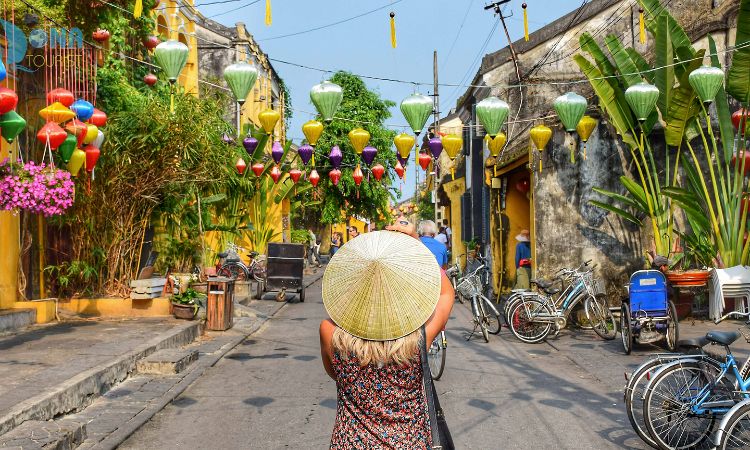
Hoi An
Hue
are best visited between February and August.
Typhoon season peaks from September to November, which can bring heavy rains and occasional flooding.
Cheapest Time to Fly to Vietnam
If budget is your main concern, you may be wondering about the cheapest time to fly to Vietnam.
Generally:
May to September offers lower airfare
Rainy season months see fewer international tourists
Avoid December and Lunar New Year peak periods
While this overlaps with the Vietnam rainy season, savvy travelers can find excellent hotel deals and discounted tours.
High Season vs Low Season in Vietnam
High Season (November to April)
Best weather across most regions
Higher prices
More crowds
Shoulder Season (March–April & October–November)
Ideal balance of weather and price
Fewer tourists
Often considered the true best time to visit Vietnam
Low Season (May–September)
Rain and humidity
Lower airfare
Fewer crowds
Understanding this Vietnam travel season guide helps you align expectations with budget.
Festivals & Cultural Timing
Vietnam’s cultural calendar also impacts travel timing.
Tet (Vietnamese Lunar New Year)
Usually January or February
Major national holiday
Businesses may close
Domestic travel peaks
Traveling during Tet can be culturally fascinating, but planning ahead is essential.
Regional Summary: Where & When
Region
Best Months
Notes
North Vietnam
Oct–Nov, Mar–Apr
Ideal trekking weather
Central Vietnam
Feb–Aug
Best beaches
South Vietnam
Dec–Apr
Dry season
Because of regional differences, there is no single answer to the best time to visit Vietnam — it depends on your itinerary.
Month-by-Month Highlights
January
Cool north, sunny south — great overall time.
February
Dry and pleasant, good for beaches and culture.
March
Arguably one of the best months — ideal across regions.
April
Hotter but still excellent before rains begin.
May
Start of Vietnam rainy season in south.
June–August
Beach-friendly in central areas, wet elsewhere.
September
Great for trekking in Sapa, mixed weather.
October
Excellent shoulder season month.
November
Comfortable nationwide — a strong contender for the best month for North Vietnam.
December
Cool and festive, high tourist demand.
Final Thoughts: Best Time to Visit Vietnam
So, what is truly the best time to visit Vietnam?
For most travelers, March to April and October to November offer the perfect combination of comfortable weather, fewer crowds, and balanced pricing.
If you’re planning trekking adventures in the north, aim for autumn or spring. If beaches are your focus, late spring and early summer work beautifully. If budget matters most, consider the rainy season for lower airfare and hotel deals.
By understanding Vietnam weather by month, the Vietnam rainy season, and regional variations, you can confidently decide when to go to Vietnam for trekking and beaches while even optimizing for the cheapest time to fly to Vietnam.
Vietnam is a year-round destination — the key is choosing the right region at the right time.
 Toll Free (USA & Canada) +1 866 978 2997