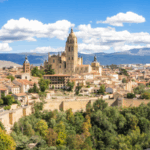
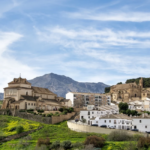
Spain is one of the most diverse and visually stunning nations of Europe, a beautiful and multifaceted country that offers everything from golden beaches along the Mediterranean to the snowcapped Pyrenees, from world-class art museums to pulse-of-life street life and steaming paella pans. With all that variety, deciding when to go can be overwhelming. The reality is, the best time to visit Spain depends on your personal travel tastes: do you want sunny beach days, cultural festivals, low tourist numbers, or cheap prices?
This month-by-month guide will help orient you to Spain’s seasons, regional climates and local festivals, so you can decide on the best time for your trip to Spain.
When Is the Best Time to Visit Spain?
There is no one “best” time to go to Spain. Rather, there is the best time for your own goals:
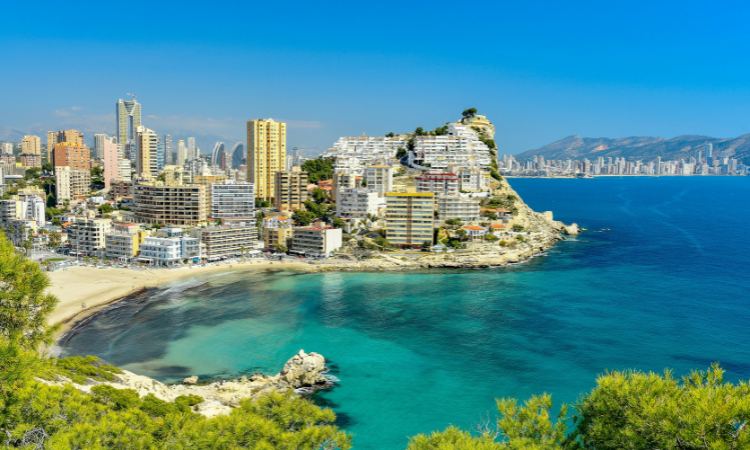
For sun and sea, summer (June to August) is best, especially on the Balearic Islands and Costa del Sol.
For festivals and cultural events, spring (April–May) and early summer see many highlights, such as Seville’s Feria de Abril and the Running of the Bulls in Pamplona.
The trump card is nature: Late spring (May) and autumn (September–October) make for both sightseeing and fewer crowds.
To ensure a reasonable rate, travel during the winter (November to February, excluding Christmas and New Year).
Spain Climate Summary: What You Can Expect by Season
1. Summer (June–August)
Spain’s summer is a hot, bright, social season. It’s possible for central Spain (Madrid and Seville) to reach more than 35°C (95°F), which contrasts sharply with the cooler coasts and islands with sea breezes. Beaches are packed, the nightlife is humming, and there’s an abundance of festivals.
2. Spring (April–May)
Spring is temperate, the flowers are in bloom and the party is on. This is a great window for city sightseeing without the extreme heat and crowds. Temperatures range between 15–25°C (59–77°F).
3. Fall (September–October)
Autumn is another best season, when the weather is warm (though not scorching), grape harvest festival is happening around the country and it is less crowded in September after August. Even in October, the coastal waters are still warm enough for swimming.
4. Winter (December–February)
Winters are less severe and very mild in the south and on the Mediterranean coast, and are much colder in the interior and in the north. The Sierra Nevada is great for skiing, and behind the range, cities such as Seville and Málaga can experience lovely weather for sightseeing.
Spain’s Travel Seasons Explained
For you to decide the best time to go to Spain, this season’s bifurcation is quite useful.
High Season (June to August): Hot temperatures, crowded beaches, higher prices. Best for festivals and nightlife.
Shoulder Season (March-May & September-October): Excellent weather, fewer tourists, moderate rates. The happy medium for most travelers.
Low Season (November–February): Least expensive time to visit, apart from Christmas. Quieter cities that are perfect for cultural travelers (northern Spain can be chilly and rainy).
Spain climate by regions
Northern Spain (Basque Country, Galicia)
Cooler, wetter climate. Summers are cool (20–25°C), winters are wet. Best for hiking, green landscapes and food.
Central Spain (Madrid, Castile, Extremadura)
Temperate climate with hot summers and cold winters. It’s best in the spring and fall.
Southern Spain (Andalusia)
Summer is hot and dry (often over 35°C). Mild and sunny in winter, it’s a great year-round destination.
You could eventually head to the east (Barcelona, Valencia, Costa Brava)
Islands (Balearic, Canary): Mediterranean climate with hot summers and milder winters. Spring and autumn are especially nice.
Balearics (Mallorca, Ibiza): Hot summers, mild winters.
Canaries (Tenerife, Gran Canaria): subtropical, warm and sunny all year round, popular in winter.
Spain by Month
Spain in January
Weather: Cold in central/northern Spain (5-10°C), warm in the south and Canary Islands (15-20°C).
Highlights: Epiphany Three Kings Day parades, ski season in Sierra Nevada and Pyrenees.
Crowds: Off season, other than holidays.
Spain in February
Weather: Like January, but a bit cooler to milder.
Highlights: Carnival in Cádiz and Tenerife, almond blossom in Andalusia.
Crowds: Mainly tranquille, except for festival venues.
Spain in March
Weather: Spring starts, temperatures of 12–20°C occur.
Highlights: Las Fallas in Valencia featuring firework displays and massive effigies.
Crowds: Increasing toward Easter.
Spain in April
Weather: Mild and sunny, 15–22°C.
Don’t miss: Processions during Semana Santa (Holy Week), Seville’s Feria de Abril.
Crowds: Busy during Easter week.
Spain in May
Weather: Warm but comfortable, 20–25°C.
Highlights: Madrid’s San Isidro festival, festival of patios in Córdoba.
Crowds: Moderate, great for sightseeing.
Spain in June
Weather: Warmer, with temperatures in the range of 25–30 in most places.
Highlights: Celebrations for Night of San Juan, beginning of the beach season.
Crowds: Building toward summer peak.
Spain in July
Temperature: Boiling, regularly over 35°C in central/southern Spain.
Highlights: Running of the Bulls in Pamplona, summer music festivals.
Crowds: High season, particularly around the coast.
Spain in August
Weather: Hot and humid, with peak summer temperatures, especially inland.
Highlights: The La Tomatina festival in the town of Buñol, and the weeklong fiestas in many towns.
Crowds: Insanely busy on coasts, lots of locals on vacation.
Spain in September
Weather: Warm, 22–28°C.
SPECIAL EVENTS — Harvest and Grape Festivals; Barcelona’s La Mercè.
Crowds: Fewer than summer, perfectly in tune.
Spain in October
Weather: Nice, 18-25 degrees Celsius, cooler in the north.
Highlights: Pilar Festival in Zaragoza, chestnut festivals in Galicia.
Crowds: Moderate, shoulder season.
Spain in November
Weather: Cooler, 10–15°C.
Highlights: All Saints’ Day; beginning of olive harvest.
Crowds: Low season starts, and museums and attractions start to be less crowded.
Spain in December
Weather: Cold in north/central Spain, mild in Andalusia and Canaries.
Highlights: Christmas markets, holiday lights in Madrid and Barcelona.
Crowds: Busy at Christmas and New Year, otherwise quiet.
When is the Best Time to Visit Spain for Different Interests?
Best Time for Festivals and Events in Spain
Spring (April-May) is when Spain’s most-celebrated festivals take place – Semana Santa, Feria de Abril, Las Fallas, and Running of the Bulls (July).
Best Time to Go for Beaches
From June to September there are warm seas and long sunny days. Early June or September are for fewer crowds.
Best time to visit for sightseeing?
May, September and October are the most comfortable, with more manageable crowds.
Best Time to Visit for Crowd-Free Weather
It’s the least busy from November to March (except Christmas and Easter).
Best Time to Visit for Hiking and Nature
The Pytenees and Picos de Europa are some of the best regions to hike in during spring and autumn months.
When to Go for Good Weather
May–June and September–October have good weather with lesser extremity.
When to Go for Lower Prices
Traveling in Winter (November to February) means the best deals for hotels and flights.
When to Visit Barcelona
Mid-spring, and early autumn (April—June, September–October) for sightseeing, beach, and festivals.
The Best Time to Visit Madrid
May and October are often the sweet spot, with temperate weather an Moncler Fortnite d lively cultural activities.
Cheapest Time to Visit Spain
The most budget-friendly months are in late fall and winter (November through February, excluding Christmas), especially for flights and hotels.
Worst Times to Visit Spain
Even by the time you reach inland cities like Madrid and Seville in August, the temperature can be unpleasantly hot. The costs for Easter and Christmas are high and the lines are long.
Planning Your Trip to Spain
For the best prices, book flights two to three months before departure. Efficient city-to-city travel is on Spain’s high-speed AVE trains.
What to Pack for Each Season
Summer: Lightweight clothes, sunscreen.
Winter: Warm clothes, especially in the north and central parts of Spain.
Spring/Fall: Light coats and cushioned walking shoes.
Entry Requirements
Visitors from the EU, US, Canada and Australia do not require a visa for short visits. ETIAS will be needed from 2025.
Local Holidays to Know
Other important dates are Semana Santa (March/April), Assumption Day (August 15) and Christmas (December 25).
Spain Travel Tips
When to Book: Book early for summer and festival seasons.
How to Save on Admission: Some museums have free admission on certain days.
Tipping & Etiquette: Tipping is low key, typically just rounding up the bill.
Safety Tips for Every Season: Beware of pickpockets in crowded places, keep yourself hydrated in summer.
Language Tips & Regional Differences: There is a large number of Spanish speakers, as well as Catalan, Basque, and Galician spoken in their respective regions.
Conclusion
All-year Spain is every season time travel. Whether you’re seeking to celebrate among a dazzling sea of cherry blossoms, bask in the sun on a tropical beach, savor a rainbow of fall foliage, or cozy up on a cold-weather cultural escape, we reveal the best time to go according to what you wish to do on your travels. Use this month-by-month guide to plan your Spanish adventure.
FAQs
1. What is the least crowded time to visit Spain?
Outside of Christmas and New Year, November-February.
2. When is the best time to visit Barcelona?
May, June, September, or October.
3. Is it worth visiting Spain in winter?
Yes, particularly in the south of Spain, the Canary Islands, or for skiing in the Sierra Nevada.
4. When are Spain’s national holidays?
The principal ones are New Year’s Day (Jan 1), Epiphany (Jan 6), the Assumption (Aug 15), and Christmas (Dec 25).
5. When is the best time to travel to Spain?
May, June, September, and October.
6. When is the best time to visit Spain on a budget?
Winter, especially January and February.
7. What is the hottest month in Spain?
July and August.
8. How long in Spain is enough?
10–14 days It’s a well-calibrated mix of the countryside and cities.
9. What is the best time to visit Spain?
Spring and fall for a mix of weather and crowd conditions.
10. What month is the coldest in Spain?
January.
11. Where in Spain has the best climate?
And, you know, Málaga has mild winters and sunny days.
12. Is Spain expensive to visit?
It’s relatively cheap — at least compared to other European destinations, particularly in the off-season.
13. When is Spain the most crowded?
August.
14. What is the best time to travel to Spain?
Late spring and early fall.
15. When to visit Spain?
It depends on your priority — festivals, beaches or lower prices.
16. When is fall in Spain?
September to November.
17. How many seasons are in Spain?
Four seasons: Spring, Summer, Fall and Winter.
18. When should I visit Spain?
Overall, May–June and September–October.
 Toll Free (USA & Canada) +1 866 978 2997