What to Eat in Greece? 25 Yummy Greek Foods to Try
25 Greek Foods to Eat in Greece That Will Make You Ditch Italian Forever
If you thought you’d never get over pizza and pasta, Greece’s incredible cuisine is here to challenge your cravings. This Greek food bucket list is packed with sun-soaked villages, history-rich recipes, and unforgettable experiences. From biting into souvlaki Athens style on a lively corner, to savoring homemade Cretan dakos in an island café or spooning soft Santorini fava by a caldera sunset, these dishes live and breathe the Mediterranean’s magic. Here are 25 Greek foods, to Eat in Greece during your Trip to Greece with Indus Travels that just might change your foodie loyalties—plus the best places to eat them!
1. Souvlaki (Athens)
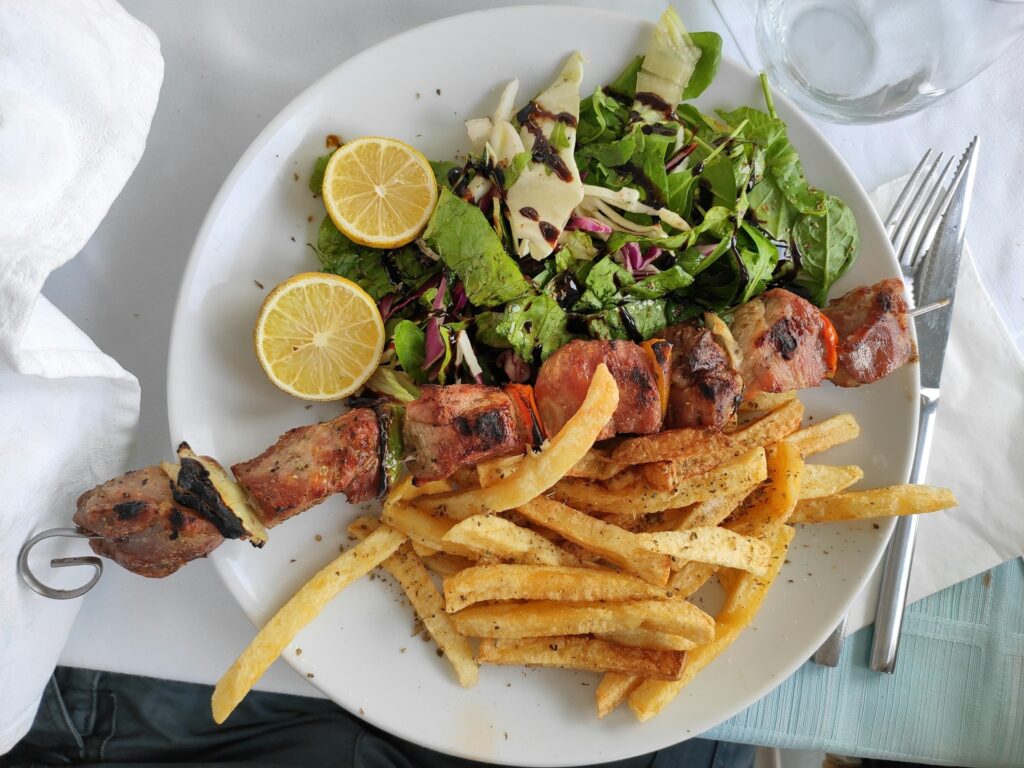
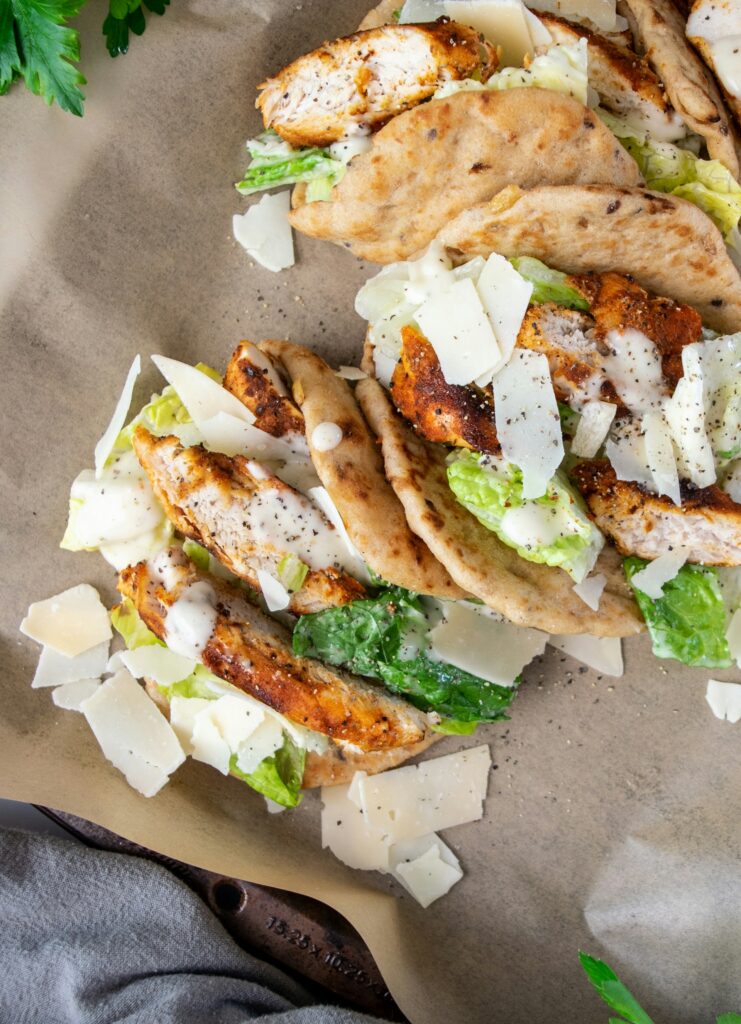
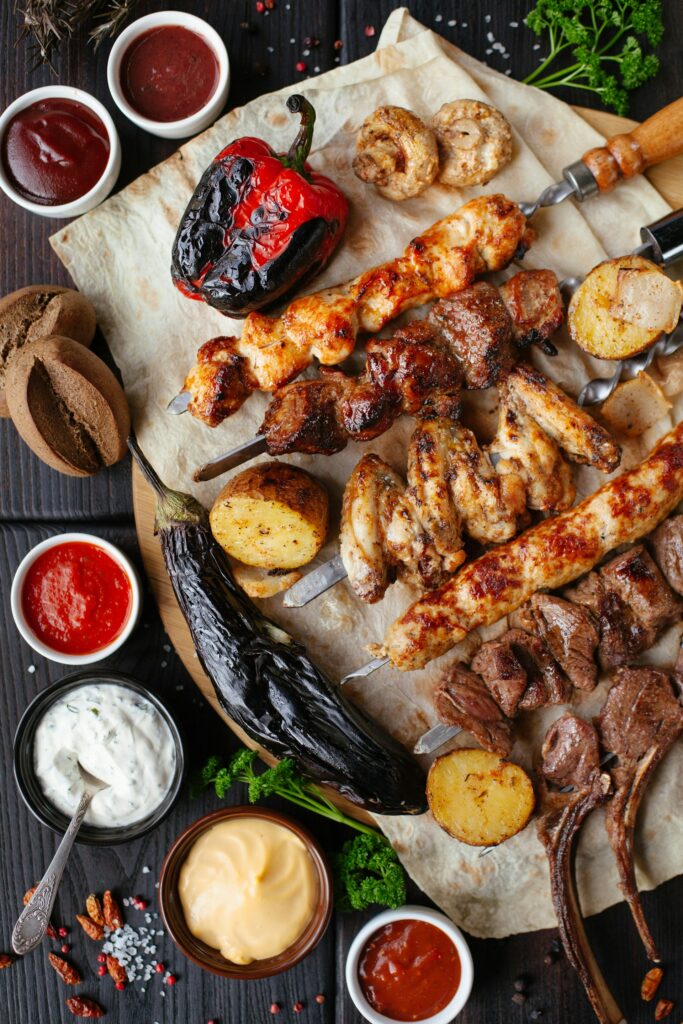
The king of Greek street food, that you Must Eat in Greece, souvlaki is more than a meal—it’s a way of life. In Athens, skewered pork or chicken is flash-grilled over smoky coals, then folded into a pita with ripe tomatoes, onions, golden fries, and a generous slather of creamy tzatziki. The scent of oregano floats through the streets and every bite is a brilliant medley of juicy, fresh, tart, and cool. Souvlaki is the heartbeat of the city, fueling bustling lunchtime crowds, late-night strollers, and generations of nostalgic locals. If there’s one thing on your Greek food bucket list, it’s hunting down the best souvlaki—tasting the secret house marinades and finding your own favorite corner joint. Where to Eat: O Kostas (Athens Central Market) for old-fashioned style, or Lefteris o Politis for true local soul near Omonia Square.
2. Moussaka
A bubbling, golden casserole of layers: roasted eggplant, potato, spiced ground beef, and an impossibly decadent béchamel. Each mouthful is sweet with cinnamon, savory with onion and meat, and silky from the slow-roasted vegetables. This is Greek grandma food at its most warming: served piping hot on winter nights, or cooled and sliced for summer family tables. Moussaka, unlike its Italian cousin, is defined by the dreamy custard topping and the timeless blend of Eastern Mediterranean spice. It’s a staple at homey tavernas, especially on Sundays. Where to Eat: To Kati Allo (Plaka, Athens) or any village taverna—bonus points for Thessaloniki or Crete where home cooks shine.
3. Pastitsio
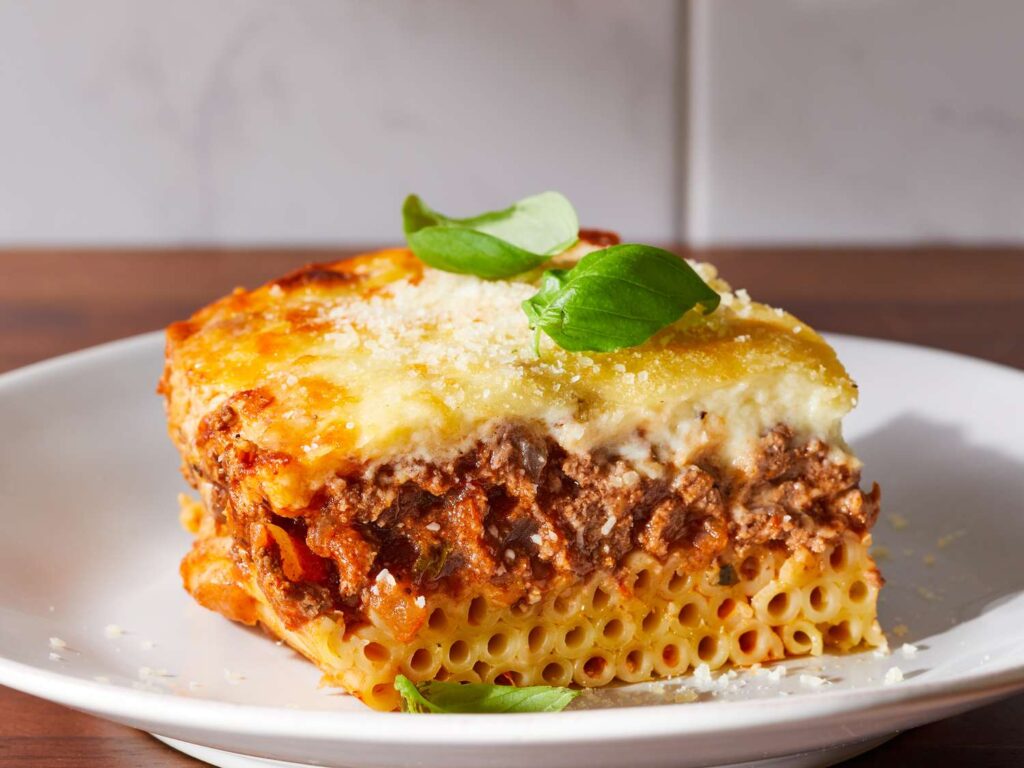
Greece’s answer to lasagna: fat macaroni noodles baked with aromatic minced beef, tomato, cinnamon, and topped with thick, nutmeg-scented béchamel. The dish is all about texture and contrast—velvety, meaty, and deliciously creamy, with a satisfyingly crisp top. Greek children grow up with this as Sunday lunch, and every Greek cook proudly claims theirs is the best. Pastitsio’s spiced, subtly sweet profile is uniquely Greek—guaranteed to reset how you think about baked pasta. Where to Eat: Oinomageiremata (Athens) or family-style tavernas across the mainland.
4. Spanakopita (Spinach Pie)
Layers of paper-thin, golden phyllo cradle a vibrant filling of chopped spinach or wild greens, tangy feta, onions, dill, and herbs. Spanakopita is irresistibly flaky and savory, with each bite balancing the earthiness of greens and the creaminess of cheese. Whether eaten warm from a bakery counter or as a meze alongside wine, spanakopita tastes like the Greek countryside—fresh, bright, and satisfying. Found everywhere from corner boulangeries to city cafes, spanakopita is Greek food at its easiest and most cheerful. Where to Eat: Ariston Bakery (Athens) or any village bakery across Greece in the early morning.
5. Tiropita (Cheese Pie)
This crowd-pleaser is all about classic Greek feta. Tiropita features ultra-flaky, buttered phyllo pastry, layered around a blend of feta, eggs, and sometimes ricotta. Each square or triangle bursts with creamy, salty tang, perfectly balanced by the crisp, golden shell. Greeks enjoy tiropita at any time of day—especially as a morning snack on the go. Any bakery worth its salt serves fresh, still-steaming tiropita by the trayful. Where to Eat: Takis Bakery (Athens Plaka) or Thessaloniki bakeries before noon.
6. Greek Salad (Horiatiki)
More than a salad, it’s a celebration of summer: plump tomatoes, crisp cucumber, green pepper, sharp red onion, and olives, all crowned with a brick of velvety feta. Splash everything with olive oil and dust with oregano. There’s no lettuce in sight—just ripe, sun-blessed produce and creamy, briny flavor. Eat with thick country bread to mop the juices. No Greek food bucket list is complete without this vibrant classic. Where to Eat: To Steki tou Ilia (Athens) or in any village taverna across the islands.
7. Cretan Dakos
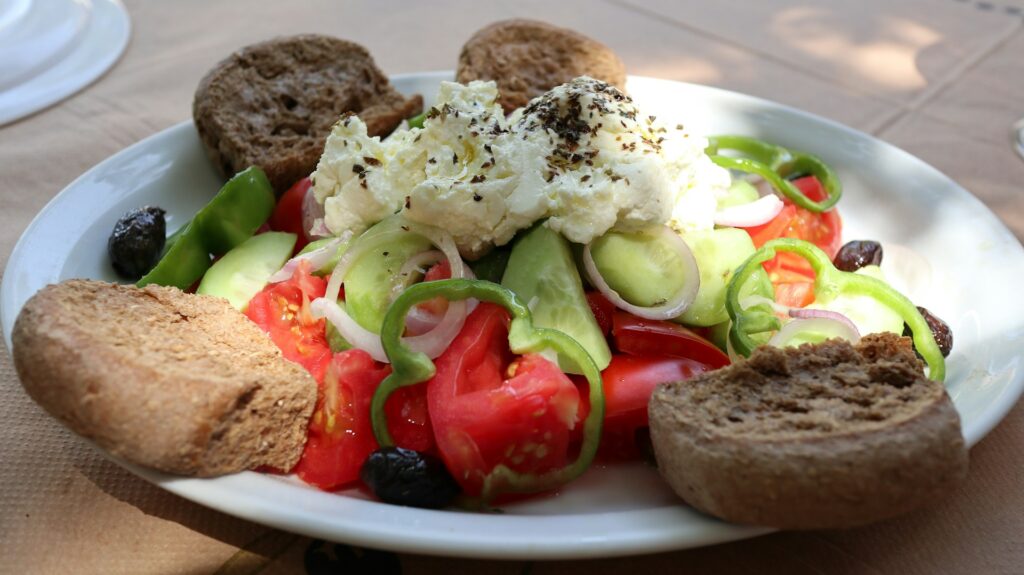
A rustic slice of Crete in a bowl: crunchy barley rusk (paximadi), soaked with olive oil, and topped with a mound of sweet tomatoes, mizithra or feta cheese, oregano, and sometimes capers or olives. Cretan dakos is textural magic—crisp, juicy, creamy—and tastes of mountain air and sea breeze. It’s a lunch that makes you forget bruschetta ever existed, making it one of the Top Things to Eat in Greece. Where to Eat: Tamam (Chania, Crete) or any Cretan beachside taverna—order alongside local white wine.
8. Santorini Fava
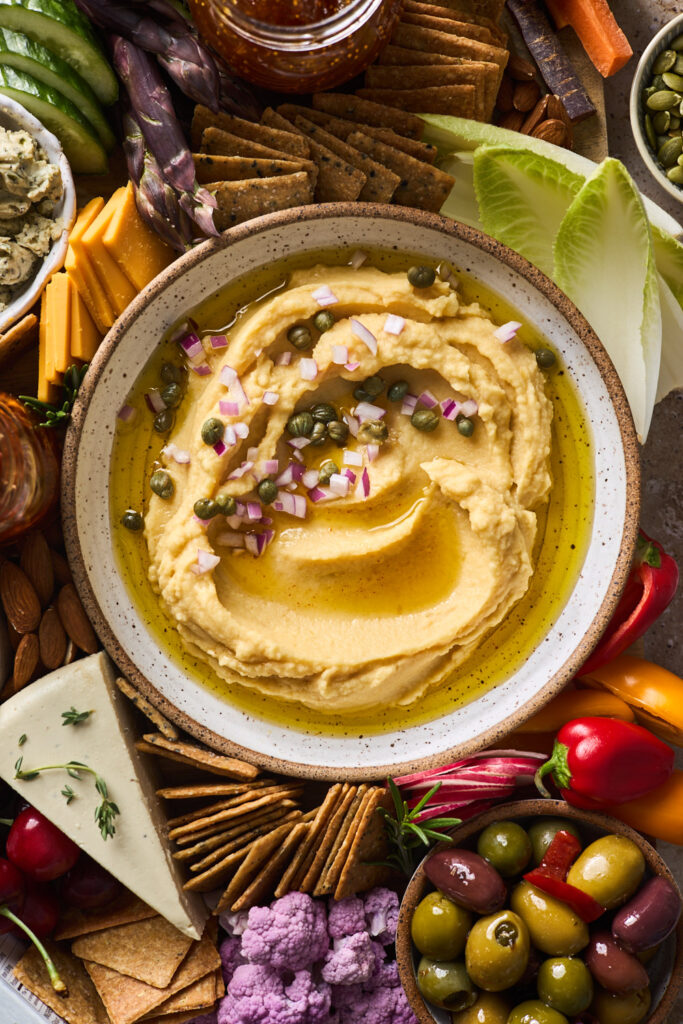
A bowl of Santorini fava is sunshine transformed into food: yellow split peas, grown in volcanic soil, slow-cooked until creamy, then drizzled with olive oil and crowned with lemon, red onion, and capers. It’s the ultimate Greek dip—sweet, earthy, faintly smoky, and deeply nourishing. No mezze spread on the island is complete without it—and the views are a perfect pairing. Where to Eat: Selene (Pyrgos, Santorini), Metaxi Mas (Exo Gonia, Santorini), or Oia’s seaside tavernas.
9. Gyros
The quick, delicious rival to souvlaki, a gyros is thinly sliced pork or chicken from a rotating spit, packed into pita with fries, salad, tzatziki, and a dusting of paprika. It’s Greek fast food with soul, and every corner stand claims their combo as the best. Try it for lunch, late-night, or on a sun-drenched ferry ride. Where to Eat: Bairaktaris (Monastiraki, Athens), corner stands across Thessaloniki, or after midnight in Mykonos Chora.
10. Dolmades
Hand-rolled grape leaves stuffed with a bright, aromatic filling of rice, herbs, pine nuts, and occasionally minced lamb. Dolmades are tender, lemony, and softly herby—the flavor of Greek hospitality. Served as meze, warm or cold, each bite is a labor of love. Where to Eat: To Koutouki tou Antoni (Athens), or home kitchens across the Aegean islands.
11. Kleftiko
Named after “bandits” who slow-cooked stolen lamb in underground pits, kleftiko today is melt-in-your-mouth lamb, roasted with potato, lemon, garlic, herbs, and olive oil until fall-apart tender. Savory, fragrant, and endlessly comforting, this is a dish that lingers in memory. Where to Eat: Ouzeri tou Lelis (Exarchia, Athens) or mountain tavernas in Central Greece.
12. Fried Calamari
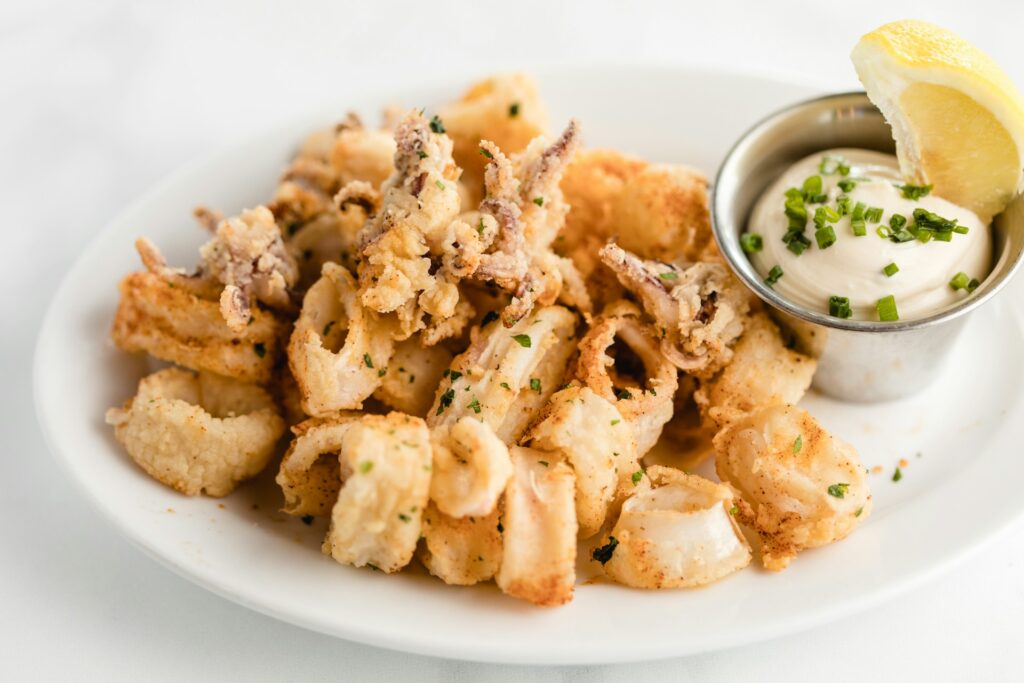
Perfectly crisp rings and tentacles, dusted in flour and fried, then served with lemon and sea views—the taste of sunshine and salt air. Simple, fresh, and impossible to stop eating. Where to Eat: Piraeus fish tavernas (Athens), Nikolas Taverna (Mykonos), or any seaside spot at sunset.
13. Grilled Octopus (Santorini & Islands)
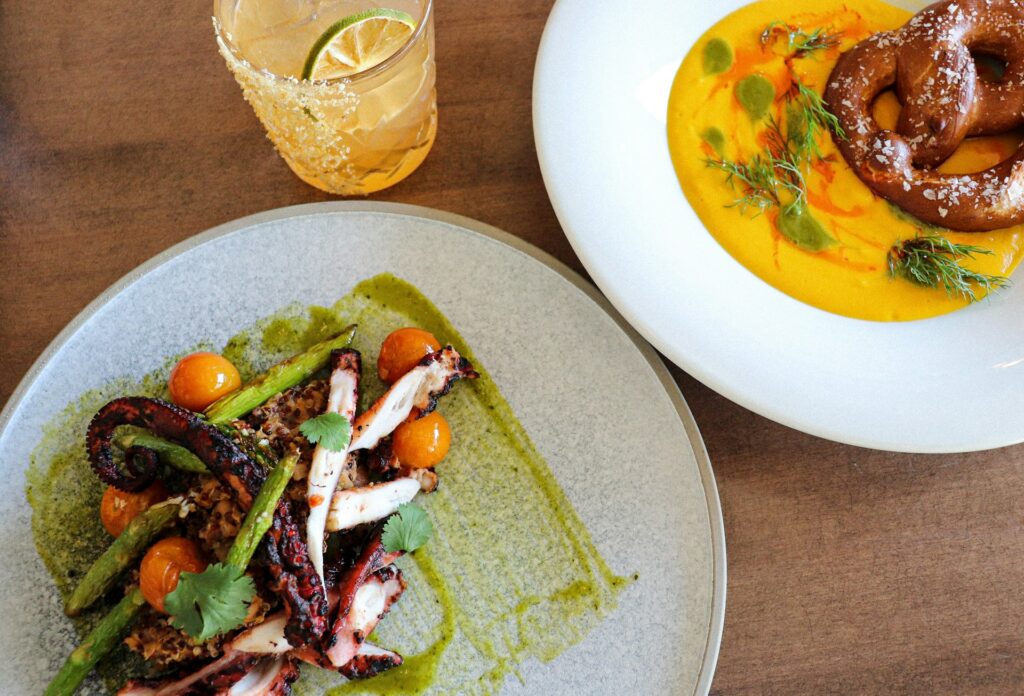
Octopus is an artform on the islands: fresh-caught, sun-dried, and grilled just until smoky-charred outside and tender within, finished with oil, vinegar, and Greek oregano. Each forkful is briny, smoky heaven. Where to Eat: Ammoudi Fish Tavern (Oia, Santorini), Mouragio (Naxos), or harbor tavernas island-wide.
14. Baklava
Baklava is the crown jewel of Greek sweets, that you must Eat in Greece: golden layers of wispy-thin phyllo, finely chopped nuts spiced with cinnamon and clove, and an amber cascade of honey syrup. Crisp, sticky, and intoxicatingly aromatic, it’s impossible to eat just one. Where to Eat: Chatzis (Thessaloniki), Krinos (Athens), or any stalwart “zacharoplasteio.”
15. Loukoumades
Imagine Greek donut holes—golden, airy puffs, fried hot, soaked in honey syrup, and finished with cinnamon or crushed walnuts. Loukoumades are a street festival’s essential sweetness and pair perfectly with strong Greek coffee. Where to Eat: Krinos (Athens), or local market squares during village panigiri (festivals).
16. Tzatziki
Creamy Greek yogurt blended with grated cucumber, garlic, dill, olive oil, and vinegar—served chilled and piled high. Cold, sharp, and deeply satisfying as a dip or side, it brings freshness to every grill plate. Where to Eat: Tzitzikas kai Mermigas (Athens), at souvlaki joints nationwide, or with any meze spread.
17. Stifado
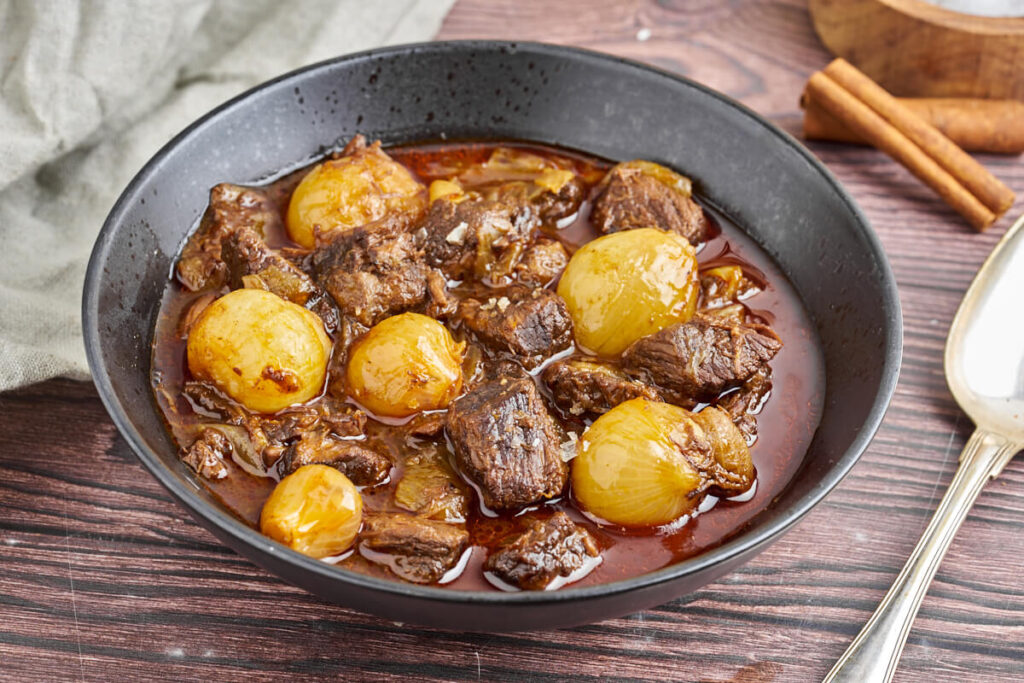
A robust, hearty stew of beef or rabbit, slow-cooked with pearl onions, tomato, red wine, bay, and aromatic spices until meltingly tender. Each spoonful is homely, rich, and soulful, welcoming you after a day’s island wander. Where to Eat: Ouzeri Lesvos (Athens), or in the cool hillside tavernas of Naxos and Kea.
18. Horta (Boiled Wild Greens)
A dish simple in theory, divine in practice. Wild foraged greens—dandelion, chicory, amaranth—boiled and dressed with lemon and fruity local olive oil. Slightly bitter, grassy, and nourishing in the truest sense. Where to Eat: Klimataria (Athens), or any Greek “magirio” (diner). Locals love horta with a squeeze of lemon and crusty bread.
19. Saganaki
Salty Greek cheese (often kefalotyri) pan-fried until it blisters and bubbles, served sizzling. Saganaki is pure tavern indulgence, best devoured with friends, cold retsina, and tales of good times. Where to Eat: Café Avissinia (Athens Flea Market), Limnionas Tavern (Samos), or island mezedopoleio restaurants.
20. Bougatsa
Sweet or savory, bougatsa is a phyllo pastry filled with velvety semolina custard (sweet) or tangy cheese (savory), sliced warm, and sprinkled with sugar and cinnamon for breakfast or afternoon treat. Where to Eat: Bougatsa Bantis (Thessaloniki) or on Chania’s pedestrian streets in Crete.
21. Revithada (Chickpea Stew – Sifnos)
On the island of Sifnos, chickpeas are revered. Slow-baked with onions, oil, and water in a clay pot overnight, revithada emerges creamy, subtly nutty, and soulfully comforting. True Greek vegan magic. Where to Eat: Manolis Taverna (Artemonas, Sifnos), or nearly every Sunday across the Cyclades.
22. Tomato Keftedes (Santorini Tomato Fritters)
On Santorini, volcanic soil produces legendary cherry tomatoes—mashed and turned into golden, herb-scented fritters with onion, mint, and flour, fried till crisp and served at every caldera-view café. Where to Eat: Katina’s Tavern (Ammoudi Bay, Santorini), street-side in Pyrgos or Oia.
23. Yemista (Stuffed Vegetables)
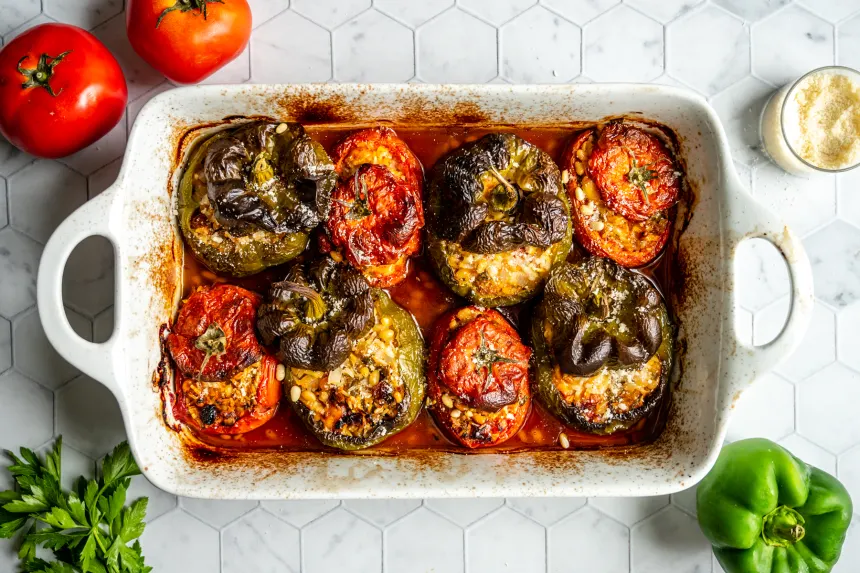
Tomatoes, peppers, and zucchini hollowed and filled with rice, pine nuts, fresh herbs, and olive oil, then slow-roasted until they caramelize—comforting, healthy, and deeply satisfying. Where to Eat: Oineas (Psirri, Athens) or any village taverna on Santorini or Crete.
24. Cretan Kalitsounia (Cheese or Herb Pies)
Dainty pies—curved or moon-shaped—filled with sweet local cheese and honey, or wild greens picked in Cretan hills. A culinary symbol of hospitality, shared with raki and smiles. Where to Eat: Kouriton House (Anogeia, Crete) or any Cretan bakery in festival season.
25. Greek Yogurt with Honey & Nuts
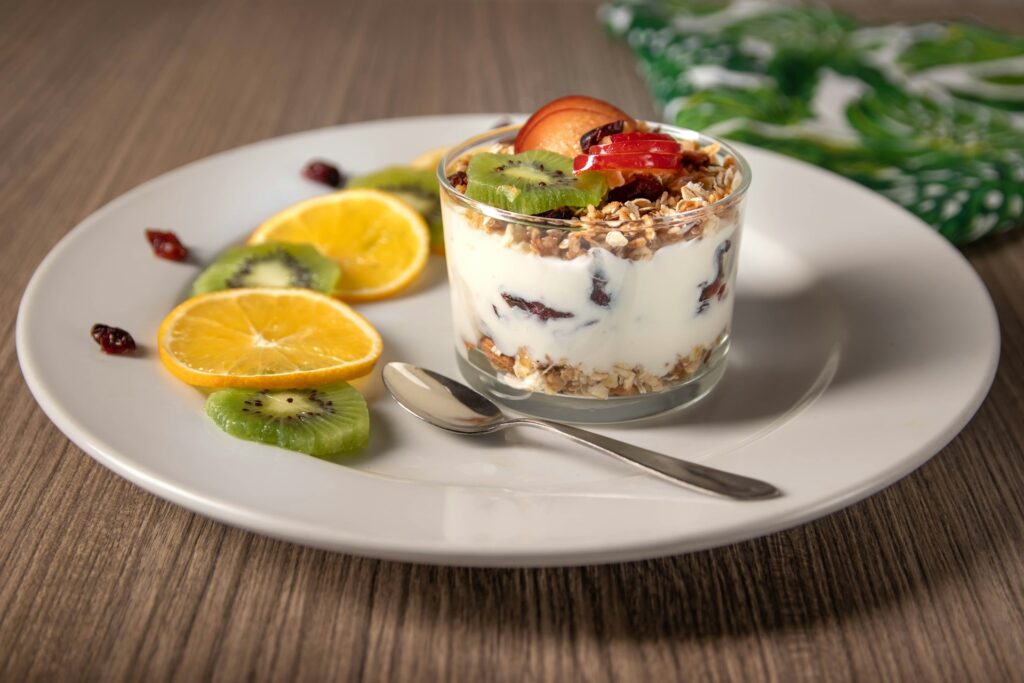
Silky, tangy Greek yogurt, thick enough to stand a spoon in, topped with island honey and walnuts or pistachios. The ultimate breakfast, dessert, or healthy snack. You’ll never crave gelato again! Where to Eat: Stani (Athens) or directly from a shepherd’s kitchen in the mountains of Epirus or Crete.
The Ultimate Greek Food Bucket List
The flavors on this Greek food bucket list are as rich in story as they are in taste—each dish connecting you to sunlit islands, blue-domed villages, and generations of celebration. Trade pizza’s predictability for souvlaki’s sizzle in Athens; let Cretan dakos, Santorini fava, and more sweep your palate into the Aegean’s heart. Whether you’re an adventurer, a nostalgic traveler, or a culinary romantic, Greek cuisine promises a lifetime’s worth of delicious memories—the ultimate reason to pack your bags (and your appetite).
 Toll Free (USA & Canada) +1 866 978 2997