Victoria Falls, one of the Seven Natural Wonders of the World, is a breathtaking spectacle of nature. What country is Victoria Falls in? It is located on the border of Zambia and Zimbabwe, making it accessible from both countries. This massive waterfall is one of the largest and most powerful on Earth. Known as “The Smoke That Thunders,” its roaring waters and misty spray can be seen from miles away. Beyond its sheer beauty, Victoria Falls is rich in history, wildlife, and adventure opportunities. Whether you’re planning a visit or simply fascinated by natural wonders, these incredible facts will make you appreciate this awe-inspiring marvel even more!
Facts about Victoria Falls and Victoria Falls National Park
Victoria Falls: The Largest Waterfall in the World
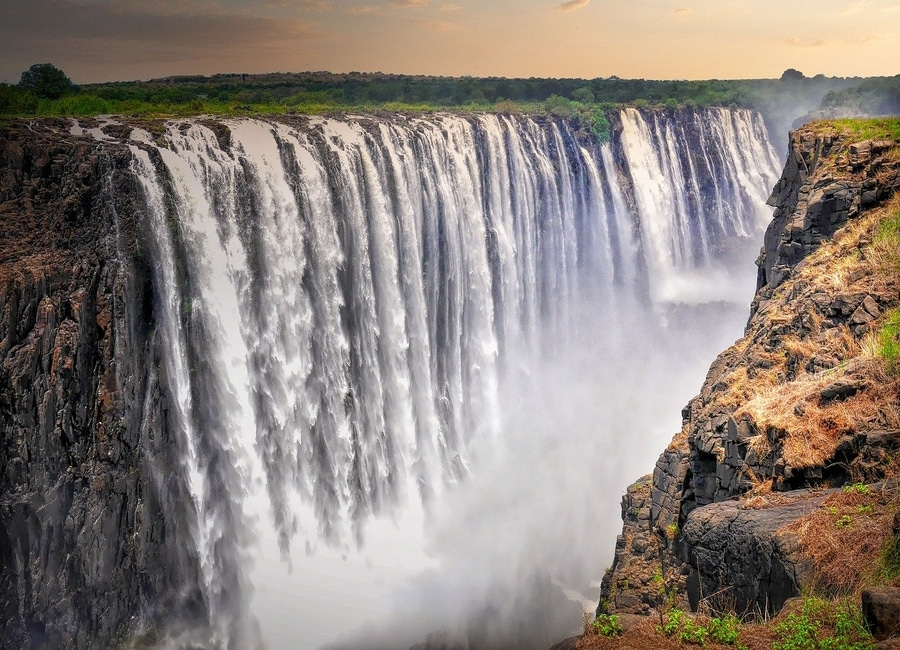
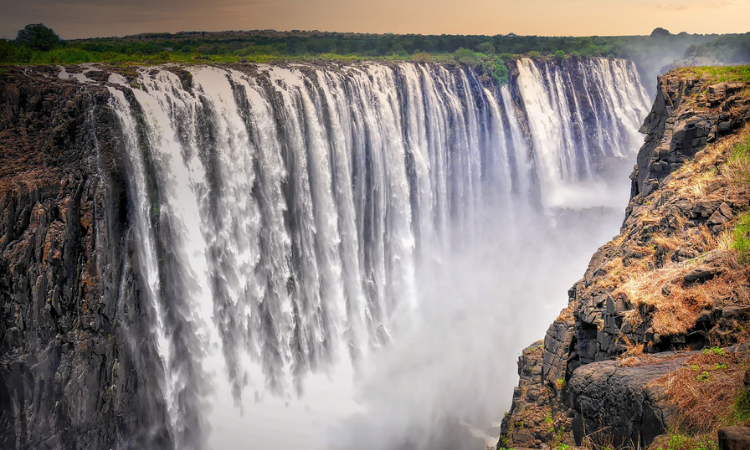
Victoria Falls holds the title of the largest waterfall on Earth based on its combined width and height. It stretches an impressive 1,708 meters across and plunges 108 meters into a deep gorge. Victoria Falls fun facts include its sheer volume of water tumbling down, making it one of the most powerful waterfalls globally. Every minute, over 500 million liters of water cascade over the edge, creating a breathtaking spectacle. The mist from the falls can rise over 400 meters, making it visible from kilometers away.
A Natural Wonder of the Zambezi River
Victoria Falls is a significant part of the mighty Zambezi River, the fourth-longest river in Africa. The Zambezi flows through six countries before reaching the Indian Ocean. As the river approaches the falls, it widens, forming a broad curtain of water before plunging into the deep Batoka Gorge. The water levels and intensity of the falls change throughout the year, depending on seasonal rainfall. The river also supports rich biodiversity, from hippos and crocodiles to various fish species.
Straddling the Border of Zimbabwe and Zambia
Victoria Falls serves as a natural border between Zimbabwe and Zambia, offering unique views from both countries. The Zimbabwean side is home to the Victoria Falls Rainforest, where visitors can experience constant rainfall from the waterfall’s mist. On the Zambian side, travelers can explore thrilling viewpoints like Knife-Edge Bridge. The Victoria Falls Bridge connects both nations and is a popular spot for adventure activities. Tourists can access the falls from either country, each offering a distinct perspective of this natural wonder.
A Wonder Recognized Globally
Victoria Falls is officially one of the Seven Natural Wonders of the World, a prestigious title that highlights its breathtaking beauty and significance. It is also a UNESCO World Heritage Site due to its ecological and geological importance. The continuous spray from the falls has created a unique rainforest ecosystem, sustaining rare plant and animal species. The falls have captivated explorers, travelers, and nature lovers for centuries. Its thunderous roar and mesmerizing mist make it a true global treasure.
The European Discovery of Victoria Falls
Though the local tribes had known about the falls for centuries, European explorer David Livingstone was the first to document them in 1855. He was so mesmerized by their beauty that he named them “Victoria Falls” in honor of Queen Victoria. However, the indigenous name, “Mosi-oa-Tunya,” meaning “The Smoke That Thunders,” remains widely used. Livingstone’s journey to the falls paved the way for future explorers and tourism in the region. Today, his legacy is remembered through statues and landmarks near the falls.
The Power of “The Smoke That Thunders”
The local name, “Mosi-oa-Tunya,” perfectly describes the dramatic nature of Victoria Falls. The immense force of the cascading water generates a continuous mist, which rises high above the gorge and creates a near-permanent rain effect in surrounding areas. The sound of the falls can be heard from up to 50 km away, adding to their awe-inspiring presence. During peak flow, the spray is so dense that it creates a mystical atmosphere, making the falls look like they are shrouded in clouds.
The Incredible Size and Scale of Victoria Falls
Victoria Falls Zimbabwe boasts a staggering width of 1,708 meters, making it the largest continuous sheet of falling water in the world. With a height of 108 meters, it is nearly twice as tall as Niagara Falls. The sheer power of the water plummeting into the gorge has carved out a series of deep canyons over millions of years. The falls change dramatically with the seasons—during peak flow, they create a massive curtain of water, while in the dry season, individual rock formations become visible.
A Never-Ending Waterfall: The Massive Water Flow
Victoria Falls experiences an immense flow of water, with over 500 million liters cascading over the edge every minute. The volume of water varies throughout the year, depending on the Zambezi River’s seasonal changes. During the wet season, the falls are at their most powerful, creating an enormous spray that blankets the entire area. In the dry season, parts of the rocky cliff become visible, revealing the geological formations underneath. Regardless of the season, the falls remain an awe-inspiring sight.
A Rare Nighttime Phenomenon: The Moonbow
Victoria Falls Zimbabwe is one of the few places on Earth where you can witness a “moonbow”—a nighttime rainbow created by the moon’s light reflecting off the mist. This rare spectacle occurs on clear, full-moon nights when the spray from the falls catches the moonlight. Unlike regular rainbows, moonbows appear in softer, ghostly hues. The best place to see this natural wonder is from the Zimbabwean side of the falls, where the mist is most concentrated.
A Waterfall That Creates Its Own Rain
Victoria Falls produces a near-constant downpour in the surrounding rainforest due to its mist. The spray rises high above the falls and then falls back as fine rain, creating a unique microclimate. This phenomenon allows lush vegetation to thrive, forming the Victoria Falls Rainforest—one of the few places in the world where it “rains” every day. The perpetual moisture supports rare plant species and provides a haven for birds, butterflies, and small animals.
The Thunderous Roar Heard from Afar
Victoria Falls isn’t just a visual marvel—it’s an auditory one too. The deafening roar of the falls can be heard from up to 50 km away, especially during the peak water flow. This immense sound is created by millions of liters of water crashing into the gorge below. The thunderous noise is so powerful that early explorers mistook it for distant storms. Locals have long revered the sound, believing it to be the voice of ancestral spirits. Which is the biggest waterfall in Africa? Now you have your answer.
The Deep Gorges Shaped Over Time
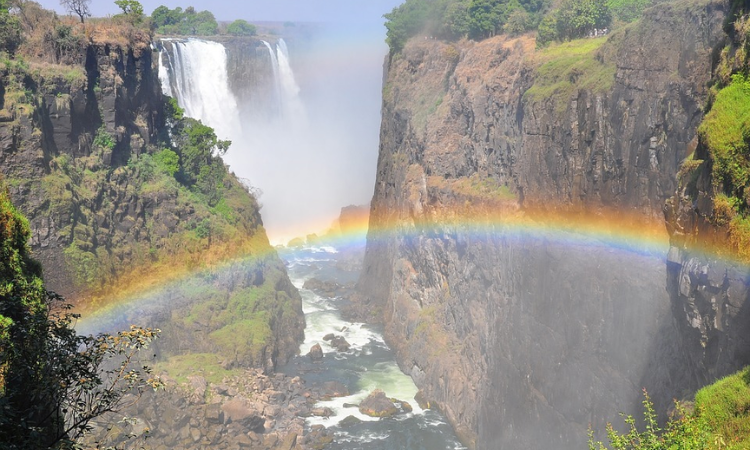
The landscape around Victoria Falls has been shaped over millions of years by the force of the Zambezi River. The falls have carved out a series of deep gorges, each marking a previous location of the waterfall. These gorges create a dramatic landscape and offer opportunities for thrilling activities like white-water rafting. The Batoka Gorge, the most famous of these, stretches far downstream and provides breathtaking views of the turbulent waters below.
Swimming at the Edge: The Devil’s Pool
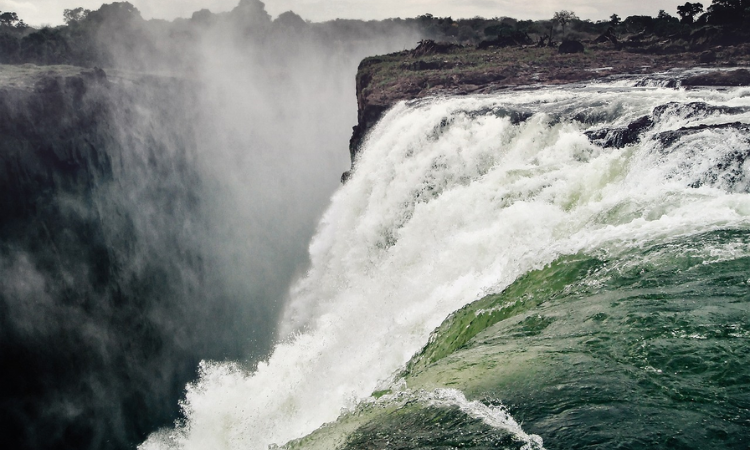
One of the most daring experiences at Victoria Falls is swimming in Devil’s Pool, a natural rock pool at the very edge of the waterfall. During the dry season, when water levels are lower, thrill-seekers can safely swim to the edge and peer over the 108-meter drop. It’s an exhilarating experience, offering unparalleled views of the cascading water. Guided tours ensure safety, but the experience is not for the faint-hearted.
A Haven for Wildlife and Rare Birds
The area around Victoria Falls is home to an incredible diversity of wildlife. Elephants, buffalo, antelopes, and even big cats roam the surrounding national parks. The falls also attract birdwatchers, as the misty rainforest provides a sanctuary for rare bird species like the Taita falcon and African fish eagle. The ecosystem thrives due to the constant water supply, supporting both land and aquatic species.
Protected Areas on Both Sides of the Falls
Victoria Falls is part of two national parks: Victoria Falls National Park in Zimbabwe and Mosi-oa-Tunya National Park in Zambia. These protected areas ensure the preservation of the region’s unique ecosystems. Visitors can explore walking trails, view wildlife, and experience the beauty of the falls from different angles. Conservation efforts continue to maintain the delicate balance between tourism and nature.
Changing Faces: The Falls in Wet and Dry Seasons
Victoria Falls looks dramatically different depending on the time of year. During the wet season, the Zambezi River swells, creating a massive, thundering curtain of water. In contrast, the dry season reveals rocky ledges and separate streams, exposing the geological history of the falls. Both views offer a unique perspective, making Victoria Falls a year-round destination for travelers.
An Adrenaline Junkie’s Paradise
For adventure lovers, Victoria Falls offers some of the world’s most thrilling activities. One of the most popular is bungee jumping off the Victoria Falls Bridge, a heart-pounding 111-meter plunge over the Zambezi River. Other adrenaline-fueled experiences include white-water rafting, zip-lining, and microlight flights over the falls. Whether you’re seeking an extreme adventure or a scenic view, Victoria Falls has something for everyone.
The Victoria Falls Bridge: A Historic Engineering Marvel
The Victoria Falls Bridge, built in 1905, is an iconic structure spanning the Zambezi River between Zimbabwe and Zambia. Commissioned by Cecil Rhodes as part of his grand vision for a railway from Cape Town to Cairo, the bridge offers breathtaking views of the falls and gorge below. It stands 128 meters above the river and is a hotspot for adrenaline activities like bungee jumping and zip-lining. The bridge also serves as an important border crossing between the two countries, with a pedestrian walkway allowing visitors to take in the incredible scenery.
The Victoria Falls Rainforest: A Unique Ecosystem
The Victoria Falls Rainforest, located on the Zimbabwean side, is one of the few places in the world where it rains almost every day. The constant mist from the waterfall nourishes this lush green sanctuary, creating a habitat for diverse flora and fauna. Towering mahogany, ebony, and fig trees provide shelter for monkeys, bushbuck, and a variety of exotic birds. Walking through the rainforest, visitors can experience a refreshing coolness and stunning viewpoints of the falls framed by dense vegetation. This microclimate makes the rainforest a must-visit spot for nature lovers.
The Cultural and Spiritual Significance of Victoria Falls
Victoria Falls has been a place of deep spiritual and cultural importance for local communities for centuries. Indigenous tribes such as the Tonga people believed the falls were a sacred site inhabited by powerful spirits. Traditional ceremonies and rituals were performed to honor the ancestors and seek blessings. Today, local folklore and traditions continue to be passed down through generations, adding a rich cultural layer to the natural wonder. Tourists can experience this heritage through guided cultural tours, storytelling, and interactions with local communities.
Sunset Cruises on the Zambezi River
A sunset cruise on the Zambezi River is one of the most relaxing ways to experience the beauty of Victoria Falls. As the sun sets, the sky transforms into hues of orange and pink, creating a magical backdrop. Guests can enjoy refreshments while spotting wildlife such as hippos, crocodiles, and elephants along the riverbanks. These cruises provide a serene contrast to the roaring falls and offer a perfect opportunity for photography. Whether on a luxury boat or a traditional wooden canoe, a sunset cruise is an unforgettable experience.
White-Water Rafting: Conquering the Zambezi Rapids
For thrill-seekers, white-water rafting on the Zambezi River below Victoria Falls is an adventure like no other. The river features some of the world’s most intense rapids, ranging from Class III to Class V, making it a top destination for extreme rafting. Rafters navigate through deep gorges, tackling names like “The Devil’s Toilet Bowl” and “The Terminator.” The experience is both exhilarating and scenic, offering a close-up view of the rugged canyon walls and powerful currents. It’s a bucket-list activity for adrenaline junkies.
Flight of Angels: Aerial Views of Victoria Falls
For a breathtaking perspective of Victoria Falls, a helicopter or microlight flight—known as the “Flight of Angels”—is a must. This aerial tour offers a bird’s-eye view of the falls, showcasing its sheer size and the winding path of the Zambezi River. From above, visitors can witness the dramatic plunge of the waterfall, the deep gorges, and even wildlife roaming the surrounding national parks. The name “Flight of Angels” comes from David Livingstone’s famous words when he first saw the falls: “Scenes so lovely must have been gazed upon by angels in their flight.”
The Best Time to Visit Victoria Falls
The experience of Victoria Falls varies depending on the season. The best time to visit depends on what you want to see. From February to May, after the rainy season, the falls are at their most powerful, with a massive curtain of water and thick mist. However, during the dry season (August to December), water levels drop, revealing rocky formations and allowing for activities like swimming in Devil’s Pool. Wildlife viewing is also better in the dry months, as animals gather around the riverbanks.
Accommodation: Staying Near Victoria Falls
Visitors to Victoria Falls have a wide range of accommodation options, from luxury lodges to budget-friendly campsites. Upscale resorts offer stunning views of the falls and private game drives, while charming lodges provide a more intimate experience with nature. For those seeking adventure, camping near the Zambezi River offers a unique way to immerse in the wild. Whether on the Zimbabwean or Zambian side, accommodations cater to different preferences, ensuring a comfortable stay with easy access to the falls and nearby attractions.
Wildlife Safaris Around Victoria Falls
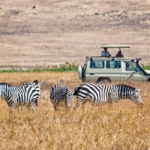
Beyond the falls, the surrounding national parks offer incredible safari experiences. Zambezi National Park (Zimbabwe) and Mosi-oa-Tunya National Park (Zambia) are home to elephants, buffalo, lions, and other wildlife. Game drives and walking safaris allow visitors to explore these pristine landscapes while spotting diverse animal species. Birdwatchers will also find the area a paradise, with hundreds of species, including the vibrant lilac-breasted roller and the rare African skimmer. Combining a visit to the falls with a safari offers the best of both worlds—thrilling landscapes and unforgettable wildlife encounters.
Victoria Falls: A Photographer’s Dream Destination
Victoria Falls provides endless opportunities for photographers, whether capturing the misty spray, golden sunsets, or vibrant rainbows. The ever-changing light conditions create dramatic effects, making each visit unique. The best time for photography is early morning or late afternoon when the light is soft, and the mist is at its most magical. The Lunar Rainbow, or “Moonbow,” is a rare phenomenon that makes for a stunning night-time shot. With its breathtaking scenery, Victoria Falls is a true haven for photography enthusiasts.
Exploring Beyond Victoria Falls: Wonders of South Africa
After marveling at Victoria Falls, dive deeper into the wonders of South Africa. Traverse the iconic Table Mountain, witness the breathtaking wildlife of Kruger National Park, and immerse yourself in the vibrant culture and history of this diverse nation. Whether you seek thrilling safaris, stunning landscapes, or cultural encounters, South Africa offers it all. Explore the various tours available to make the most of your journey through this captivating destination. Consider exploring the available South Africa Tours.
FAQs: Victoria Falls Unveiled
1. What makes Victoria Falls unique among the world’s waterfalls?
Victoria Falls is unique due to its sheer size and scale. As the largest waterfall on Earth, it boasts an impressive width and height, making it a breathtaking natural wonder. Its location within the Zambezi River, marking the boundary between the upper and middle segments, further adds to its uniqueness.
2. How does the Zambezi River contribute to the falls’ splendor?
The Zambezi River plays a crucial role in shaping Victoria Falls. Flowing from Zambia, Angola, Namibia, and Botswana, it powers the falls’ thundering cascades, creating spectacular mist and rainbows. Its force and seasonal variations define the waterfall’s intensity throughout the year.
3. Can visitors safely view the falls from both Zimbabwe and Zambia?
Yes, visitors can safely enjoy Victoria Falls from both Zimbabwe and Zambia. Each side offers stunning viewpoints—Zimbabwe has about 75% of the views, while Zambia provides closer access to features like Devil’s Pool. Safety measures, such as railings and guided tours, ensure a secure experience.
4. What activities can adventurers partake in at Victoria Falls?
Victoria Falls is a hub for thrill-seekers, offering:
- Helicopter flights over the falls for aerial views.
- Bungee jumping from the Victoria Falls Bridge.
- White-water rafting on the Zambezi River’s rapids.
- Sunset cruises for a serene river experience.
5. How do the Falls’ gorges enhance its natural beauty?
The deep gorges of Victoria Falls add a dramatic backdrop to the cascading waters. Carved over millions of years, these rocky formations create stunning views. Visitors can explore them through hikes, boat tours, or scenic viewpoints along the falls.
6. What is the best time of year to visit Victoria Falls?
- February to May (High Water Season): The falls are at their most powerful, with massive water flow and thick mist.
- August to December (Low Water Season): Water levels drop, exposing rock formations and allowing activities like swimming in Devil’s Pool.
7. Can you visit Victoria Falls from both Zimbabwe and Zambia?
Yes, both countries provide access to the falls.
- Zimbabwe Side: Offers expansive views and the Victoria Falls Rainforest.
- Zambia Side: Provides closer interaction with the falls and features like Knife-Edge Bridge.
A Univisa allows visitors to cross between both countries easily.
8. Is it safe to swim in Devil’s Pool?
Yes, but only during the dry season (August to December) under guided supervision. The natural rock barrier prevents swimmers from being swept over, but it remains a thrilling experience best suited for adventure lovers.
9. What is the significance of the name “Mosi-oa-Tunya”?
“Mosi-oa-Tunya,” meaning “The Smoke That Thunders,” is the Lozi name for Victoria Falls. It describes the mist rising from the falls and the roar heard from kilometers away, reflecting its cultural and spiritual importance.
10. How does the waterfall change during different seasons?
- Wet Season (February to May): The falls are at their fullest, creating dense mist and powerful cascades.
- Dry Season (August to December): Water flow decreases, revealing rock formations and allowing activities like Devil’s Pool swimming.
11. Are there entrance fees to visit Victoria Falls?
Yes, entrance fees vary based on location and nationality:
- Zimbabwe Side: Around $50 for international visitors.
- Zambia Side: Around $20 for international visitors.
Fees may change, so checking updated rates before visiting is advised.
12. What activities can be done near Victoria Falls?
- Adventure: Bungee jumping, zip-lining, and rafting.
- Wildlife & Nature: Safaris, birdwatching, and sunset cruises.
- Cultural Experiences: Local village tours and museums.
- Unique Sights: Seeing a moonbow (nighttime rainbow).
13. How does climate change affect Victoria Falls?
Climate change has led to fluctuating water levels, with some years seeing extreme drought, reducing the waterfall’s intensity. Rising temperatures and erratic rainfall patterns affect wildlife, tourism, and the surrounding ecosystem. Conservation efforts aim to protect this natural wonder.
14. What is the best way to get to Victoria Falls?
- By Air:
- Victoria Falls International Airport (Zimbabwe) – 20 minutes from the falls.
- Harry Mwanga Nkumbula International Airport (Zambia) – Close to Livingstone.
- By Land: Accessible by road from neighboring countries.
- By Train: Luxury Rovos Rail offers scenic journeys from South Africa.
15. Are there accommodations near the falls?
Yes, visitors can choose from a variety of accommodations:
- Luxury Lodges & Hotels with river views.
- Mid-Range Safari Lodges near national parks.
- Budget Guesthouses & Campsites for affordable stays.
16. What are 3 interesting facts about Victoria Falls?
- It is the largest waterfall in the world by width and height combined.
- The falls create a “moonbow,” a rare nighttime rainbow.
- Its roar can be heard up to 50 km away during peak flow.
17. How old is Victoria Falls?
Victoria Falls is approximately 2 million years old, formed during the Late Pleistocene period. The Zambezi River has continuously eroded rock, shaping the falls over time.
18. Why is it called the Devil’s Pool?
The name “Devil’s Pool” reflects its thrilling and daring location at the very edge of Victoria Falls. This natural rock pool forms during the dry season, offering swimmers the heart-pounding experience of looking over the 108-meter drop.
19. How deep is Devil’s Pool?
Devil’s Pool is about 3 meters (10 feet) deep. The water is relatively calm in the dry season, allowing for safe swimming with proper guidance.
20. Where is Victoria Falls?
Victoria Falls is located on the border between Zambia and Zimbabwe in southern Africa. The Zambezi River, which forms the natural boundary between the two countries, plunges over the falls, creating one of the most spectacular sights in the world. Visitors can view the falls from either the Zimbabwean side in Victoria Falls town or the Zambian side in Livingstone.
 Toll Free (USA & Canada) +1 866 978 2997