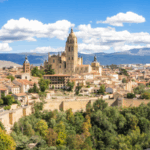
Spain is a country where every street whispers history, an empire that reached the farthest corners of the world; artists who painted, sculpted, and wrote ideas that exploded into eternity like fireworks shot from the stars; explorers who embarked on adventures bold enough to change humanity in a single heartbeat. These were no ordinary people.
And then there’s the flavor, walking through Spain is like tasting a symphony on your tongue. With Moorish palaces, Gothic cathedrals, sun-kissed coasts, and wild mountain ranges, a vacation in Spain always promises an enchanting experience. From culture, history, and cuisine to fiesta frenzies, Spain is a destination that captivates every traveler.
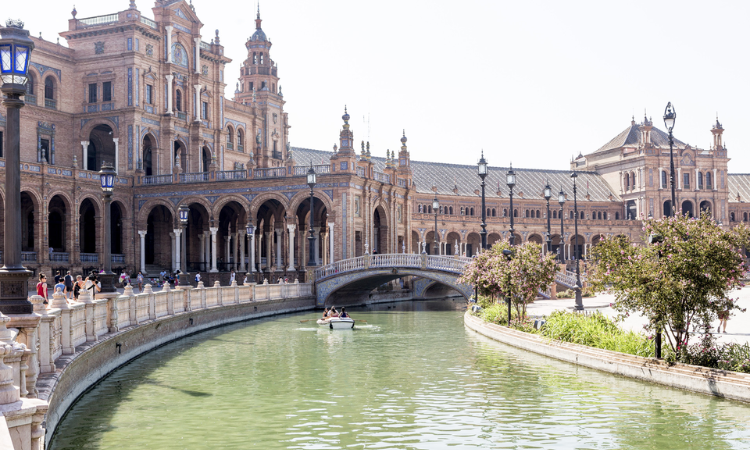
Home to some of Europe’s most vibrant cities, from the historic heart of Madrid to the stylish streets of Barcelona and the sun-drenched charm of Seville, Spain offers endless experiences. From breathtaking national parks to towns and cities steeped in centuries-old traditions, here is our ultimate bucket list of top things to do in Spain.
Best Things to Do in Spain
1. Granada: Look at The Alhambra at Sunsets
As a shining example of Islamic architecture, Granada’s Alhambra astounds visitors with its carvings, courts, and vistas over Spain’s Sierra Nevada. At sunset, the red-tinted walls turn to a dream. This UNESCO World Heritage site offers a mix of Moorish king stories and a Spanish conquistador’s taste test in one stunning area
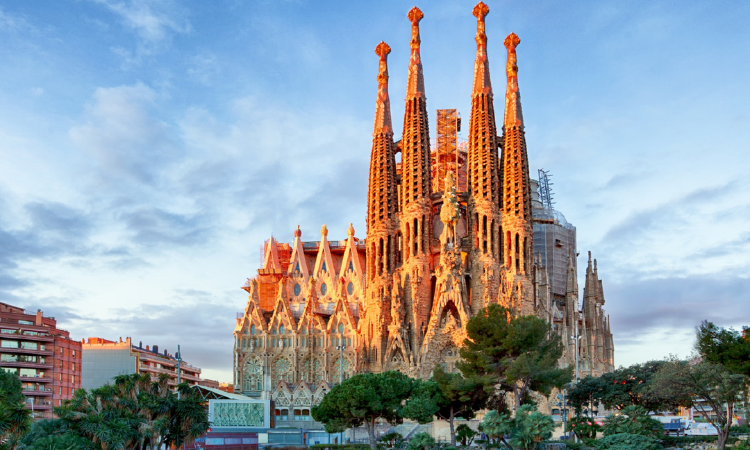
2. Go up the Towers of Sagrada Familia, Barcelona
Gaudí’s work-in-progress masterpiece is a cathedral like no other on earth. From the outside, it combined Gothic and Art Nouveau forms; from within, views of Barcelona reward those who climb its towers. The Sacré-Cœur: a supernatural edifice that’s been growing and changing for over 100 years.
3. Try Tapas
Tapas — tiny dishes representing Spanish small plates, as well as its most famous culinary export — span from meal to social ritual. Dig into sizzling gambas al ajillo (garlic shrimp), patatas bravas, and jamón ibérico in bar after local bar. Some of the best are found in cities like Seville, Madrid, and Granada.
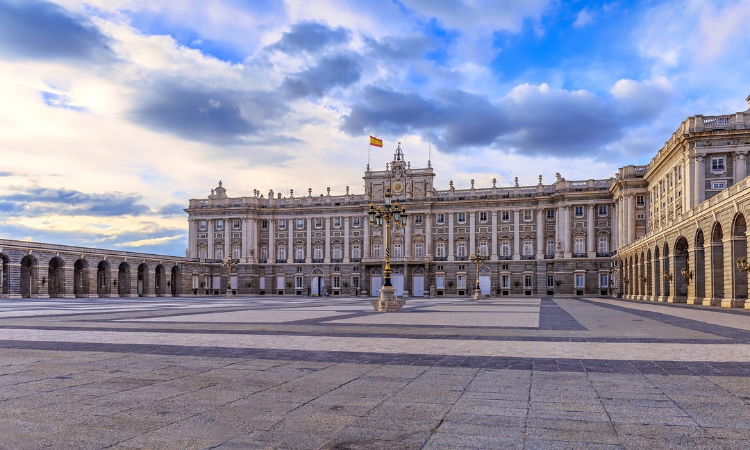
4. The Royal Palace, Madrid
Step inside the Royal Palace and you might feel like an 18th-century monarch. Enter the Royal Palace – Residence of the Spanish Royal Family. Not exactly a home anyone would want to live in (and the family doesn’t live there anymore), but 3,000 rooms and great architecture make it worth a visit. Its sumptuous halls, sweeping staircases, and armouries provide a look into the royal past of Spain.
5. Eat pinchos near the old part of San Sebastián
Significantly different from your average tapas, pinchos (or pintxos) are numerous and varied skewered snacks placed on top of bread, prevalent in the Basque Country. San Sebastián’s old town is known for its pintxo (tapas) bars, which serve up tasty little morsels with a local glass of txakoli.
6. Enjoy the Guggenheim Museum Bilbao
Bilbao became a world-class cultural destination with the introduction of Frank Gehry’s architectural masterpiece on the Nervión River. Meanwhile, within, temporary exhibitions of more contemporary and modern art are designed to shock, upset, and confuse us. After all, the lawn sculptures and Puppy are pretty impressive from the outside with their titanium bends.
7. Go to a flamenco show
A visit to Spain would be incomplete without hearing and dancing flamenco, the fiery Andalusian music and dance heritage. Whether in the intimate tablaos of Seville or in the grand theatres of Madrid, flamenco is raw emotion and high-voltage artistry.
8. The Canary Islands’ Four National Parks
There are a variety of ecosystems to enjoy on each island, from the lunar landscape of Timanfaya in Lanzarote to the ancient laurel forests of Garajonay in La Gomera. The highest peak in Spain lies within Teide National Park, which also provides out-of-this-world sights and stargazing opportunities.
9. Discover Las Meninas in the Prado Museum
Arguably the world’s most studied painting, Las Meninas by Velázquez is in the Prado Museum of Madrid. The museum itself is home to an amazing collection of European art, but this mysterious figurative painting stands out.
10. Doñana National Park
Doñana National Park, a UNESCO-listed biosphere reserve, is a paradise for birdwatchers and nature photographers. Its diverse landscapes—from marshes and dunes to forests, are home to lynx, flamingos, and breathtaking sunsets. Visiting Doñana offers an unforgettable encounter with Spain’s rich wildlife and natural beauty.
11. Travel the Way of Saint James
Named after St. James, this pilgrimage trail finishes with the tomb of St. James in Santiago de Compostela and is called the Camino de Santiago. It is a beautiful and rewarding experience, whether you cover the way entirely on foot for days or just a part of it.
12. Barça – Real Madrid match
El Clásico is more than just a game; it’s a national psychosis. Seeing the match live in Camp Nou, Santiago Bernabéu is a spine-chilling view for all football fans around the globe.
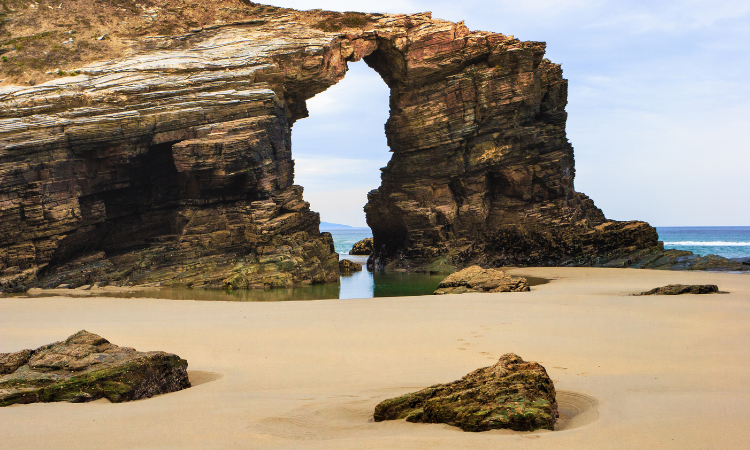
13. Explora Playa de las Catedrales en Galicia
This beach, with its Gothic-cathedral-like tall rock arches, is a natural wonder shaped by wind and waves. Low tide is the time to visit for maximum dramatic effect.
14. Track the footsteps of Don Quixote in La Mancha
The backdrop of Cervantes’ literary classic, Castilla-La Mancha, has windmills, castles, and vineyards; Pass through sleepy towns and across long stretches of horizon, and track the moments where reality meets tall tale.
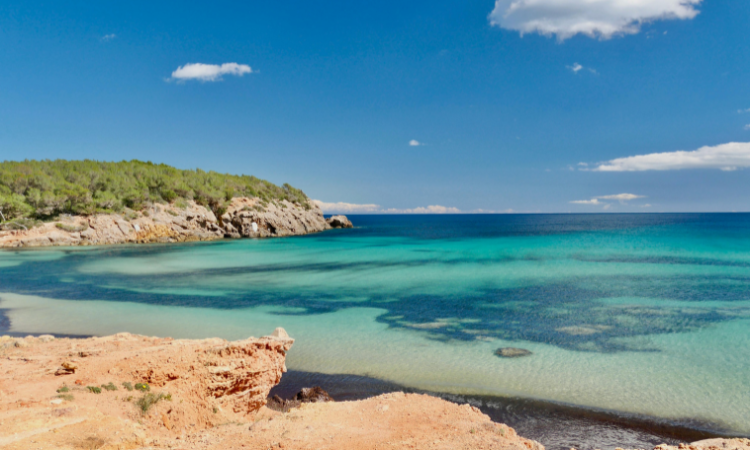
15. Explore Ibiza – Spain’s Party and Island Paradise
Ibiza is famous worldwide for its vibrant nightlife, beach clubs, and world-class DJs, making it a must-visit for party lovers. But beyond the nightlife, the island also offers serene beaches, hidden coves, and charming old towns like Dalt Vila, a UNESCO World Heritage Site. Spend your days relaxing on Cala Comte or Cala Salada, enjoying water sports, or exploring local markets and Mediterranean cuisine. Ibiza truly offers the perfect mix of energy and relaxation, making it an essential stop on any Spain vacation.
Planning Your Trip to Spain
Best Time to Visit Spain
From April to June: Spring (April -June) and Fall (September – November ) provide the best weather and fewer crowds. Good option if during your festival: March (Fallas), July (San Fermín) or Holy Week. It basks in the glory of beaches ideal for summer; when winter is here, cities can be so well explored with fewer crowds and at a lower price.
Suggested Trip Duration
One Week: A Single Region (Andalusia, Catalonia, or Madrid & Surroundings)
14 days: Mix cities with countryside or coast to give an experience a little more texture.
Visa Requirements
Travelers from the US, UK, and the EU can enter for up to 90 days without a visa.
Make sure to consult the current entry requirements before travelling.
Language Basics & Cultural Tips
Language: Spanish is the universal language, but there are regional languages including Catalan, Galician, and Basque
Even picking up something as simple as “gracias” and “la cuenta, por favor” can make a world of difference
Clothing
Dress modestly when visiting churches.
How to Get Around Spain
1. Buses (ALSA), Trains (Renfe), and National Flights
- Trains are usually very fast and on time in Spain, thanks to Renfe. Such as AVE trains that connect the main cities of Madrid, Barcelona, and Seville.
- Local bus service is cheap, has good connections to towns not served by train or AL, and market towns.
- Flights are best suited to cover long distances and work very well to go to the Canary Islands or Galicia.
- Rent a car for road trips. Ideal for exploring rural areas like Andalusia, La Rioja, or Castilla-La Mancha. The roads are maintained quite well, and there is plenty of signage.
- Top that with perhaps the best metro systems of any other cities in Europe, and you are set.
- Transit in most cities is easy with trams, buses, and bike hires.
2. Travel Passes or Cards
Madrid Card & Barcelona Pass: Ideal for city-focused travelers, gives access to great attractions on top of free public transport.
Travel Tips for Spain
1. Currency and ATMs
Spain uses the Euro (€). ATMs are everywhere, and cards are accepted in most places, too.
2. Tipping Etiquette
Tipping is modest but appreciated. Most restaurants you can round up to the nearest dollar or leave 5–10%.
3. Reopening Plan
What is open, what is closed during ‘Siesta hours’? However, note that in most smaller towns, many shops and businesses close between 2 and 5 PM. Plan accordingly.
4. Useful Spanish Phrases
Hello: Hola
Thank you: Gracias
Please: Por favor
How much: Cuánto cuesta
Checking out: La cuenta, por favor
5. Mobile SIM or eSIM Options
You can buy local SIM cards at mobile phone shops like Vodafone, Orange, or Movistar for next to nothing. eSIMs are a simple solution for shorter stays,
Conclusion
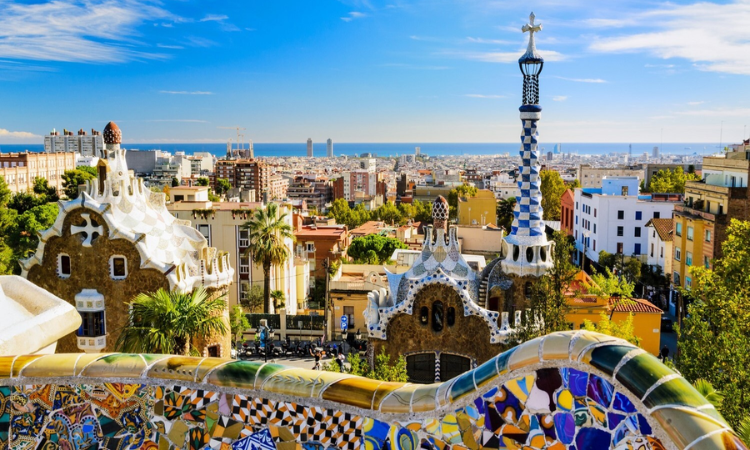
Spain is a sensual feast. Whether you’re marveling at Gaudí’s surreal architecture in Barcelona, letting your feet dance the night away in Ibiza, or chasing epic waves in the Basque Country, every moment holds wonder. After all this, it’s high time to start planning your Spanish adventure.
Check out all our Spain Tours to pick up the itinerary that suits you.
FAQs
1. Is Spain Good for Solo Travel?
Absolutely! Spain is one of the safest countries in Europe for solo travelers, including women. Cities like Barcelona, Madrid, and Seville offer excellent infrastructure, reliable public transport, and friendly locals eager to help newcomers. As always, use common sense: stay aware of your surroundings, avoid areas that may pose higher risks, and keep your belongings secure in hard-to-reach places.
2. What are Spain’s Top adventure activities?
In Spain, you can find virtually every kind of adventure. Climb the rugged Pyrenees in the north, walk the historic Way of St. James (El Camino de Santiago), paraglide off cliffs in Andalusia, or surf giant waves in the Basque Country. For even more thrills, try canyoning in the Sierra de Guara or skiing in the Sierra Nevada during winter. Spain is truly an adventure lover’s paradise all year round.
3. When is the best month to go to Spain?
The best time to visit Spain is during the spring months, from late April to June, and the fall from September to November. The weather is mild, the crowds are fewer, and festive events like Semana Santa (Easter) or La Mercè in Barcelona occur during these months. This is one of the best times to visit for beach lovers (along the Mediterranean coast), but summer can be stiflingly hot further inland.
4. How long do you need in Spain?
You can do a basic overview of Spain in 7 days, but it is highly recommended to take at least 10–14 days. A one-week trip allows you to really experience a big chunk of a region like Andalucia or Catalonia. In two weeks, it is possible to visit well-known cities such as Madrid and Barcelona with cultural treasures steeped in history, like Seville or Granada, Valencia, or maybe even an island retreat to Ibiza or the Canary Islands.
5. Did someone say budget-friendly travel to Spain?
Indeed, Spain can be quite affordable. Cheap tapas, free museum entry days, discount digs in the form of hostels or Pensións, and affordable modes of transport – think buses or regional trains – make traveling in Spain on a budget more than doable. If you can, try to travel in the shoulder season.
6. What are the best things to do in Spain?
From scenic walks to gastronomy, and from captivating flamenco shows to trekking historic towns, Spain offers something for every traveler. Explore medieval villages, visit world-class museums, relax on sun-kissed beaches, or savor local wines; there’s never a shortage of incredible experiences to enjoy.
7. Which Spanish city should you go to first?
There’s no better place to start than the vibrant city of Barcelona, a city famous for its iconic architecture (hello Gaudí), golden beaches on the Mediterranean, buzzing markets, and pumping nightlife. Madrid, the capital, is another great choice with its royal palaces, museum,s and convenient location to other cities. Located midway between Alicante and Valencia, both airports provide connections to international flights, so they are a perfect point of entry to Spain.
8. What makes Spain so popular with Tourists?
Spain’s rich culture, diverse regions, world-renowned cuisine, historic monuments, and lively festivals make it one of the most sought-after destinations in the world. Tourists love its welcoming vibe, mild climate, affordability, and convenience. Whether you’re passionate about art, nature, food, or history, Spain offers something special for every traveler, making every visit unforgettable.
9. What tourists should not do in Spain?
Keep your voice down in public — Spaniards like it when you have murmuring conversations. Be aware of siesta hours (usually 2–5 PM), and do not tip big; a pair of small change will suffice. Do dress conservatively when visiting religious sites, and try not to eat in haste (meals are enjoyable moments).
10. What are the absolute best things to do in Spain at Night
Evenings in Spain are full of energy and excitement. Catch a live flamenco performance, join locals on a tapas bar crawl, party at a beach club in Ibiza, or enjoy dinner late into the night on a bustling plaza. Cities like Madrid and Barcelona boast fantastic nightlife, live music venues, and an undeniable after-hours charm.
Whether you’re celebrating at a local fiesta, sampling tapas in every city, dancing until dawn, or soaking up the sun on a Mediterranean beach with over 300 days of sunshine, Spain never disappoints. Sip wine in La Rioja, watch a fútbol match, or wander through historic neighborhoods; every experience is a lively, immersive education in Spanish culture.
11. What are the best things to do in Spain for a week?
Go for a mix of city life and culture – spend one week exploring Madrid, Toledo, and Seville. In Barcelona, Valencia, and Granada in one trip. You can also choose to dedicate a week to hiking in the Spanish north or travel around the Canary Islands. You should concentrate on what you love: art, food, the beach; pick your favorite.
 Toll Free (USA & Canada) +1 866 978 2997