Things to Do in Kenya: 33 Unforgettable Adventures
Kenya is a land of contrasts, a place where safari adventures blend seamlessly with Indian Ocean beaches, snow-capped peaks, ancient cultures, and vibrant cities. While it’s famous for the Great Migration and Big Five game drives, there’s much more to explore—from off-the-grid deserts and UNESCO-listed heritage towns to lively street markets and tropical coastline.
Incredible wildlife, friendly people, scenic landscapes, and cultural richness. From Nairobi’s urban buzz to the serene shores of Lamu, Kenya invites travelers to dive into diverse experiences unlike anywhere else in Africa.
Why Visit Kenya?
Kenya is an adventure lover’s dream, offering world-class safaris, diverse tribal cultures, and tropical coastlines. Here’s why it should top your travel list:
Spot the Big Five in legendary parks like Maasai Mara and Amboseli
Experience the vibrant traditions of the Maasai, Swahili, and Samburu peoples
Relax on the white-sand beaches of the Indian Ocean
Venture into off-the-beaten-path wilderness areas
Enjoy easy access to wildlife — even in cities like Nairobi
These are just some of the best things to do in Kenya for first-time or repeat visitors.
Best Wildlife & Safari Experiences in Kenya
Maasai Mara National Reserve
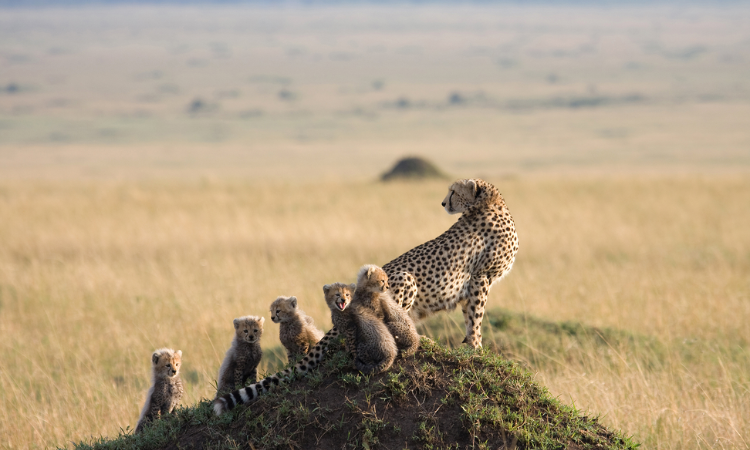
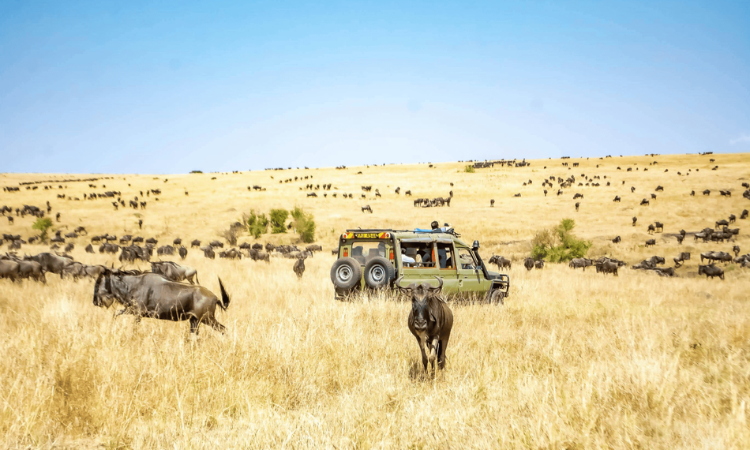
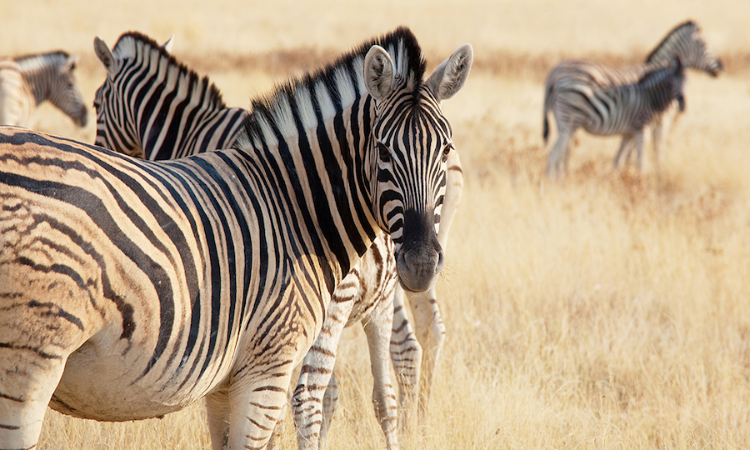
Undoubtedly the crown jewel of Kenyan safaris, Maasai Mara is best known for the Great Migration (July to October), when over two million wildebeest, zebras, and gazelles thunder across the plains. It’s a top spot for seeing lions, leopards, cheetahs, and more. Your trip to Kenya is incomplete without visiting this place!
Tsavo East & West – Remote and Untamed
These vast parks make up one of Kenya’s largest protected ecosystems. Expect dramatic landscapes, red-dusted elephants, lava flows, and fewer crowds.
Lake Nakuru – Flamingos & Rhinos
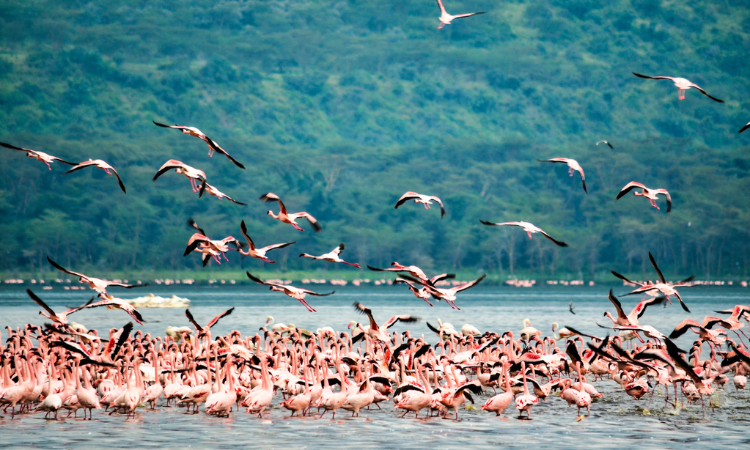
Fringed by acacia forests, Lake Nakuru is famous for its pink flamingo population and rare black and white rhinos. This park also offers views of baboons, buffalo, and Rothschild giraffes.
Ol Pejeta Conservancy – Black Rhinos + Chimps
A leading conservation success story, Ol Pejeta protects endangered black rhinos and is the only place in Kenya to see chimpanzees. It’s also home to the last two northern white rhinos on earth.
Amboseli National Park (with Kilimanjaro views)
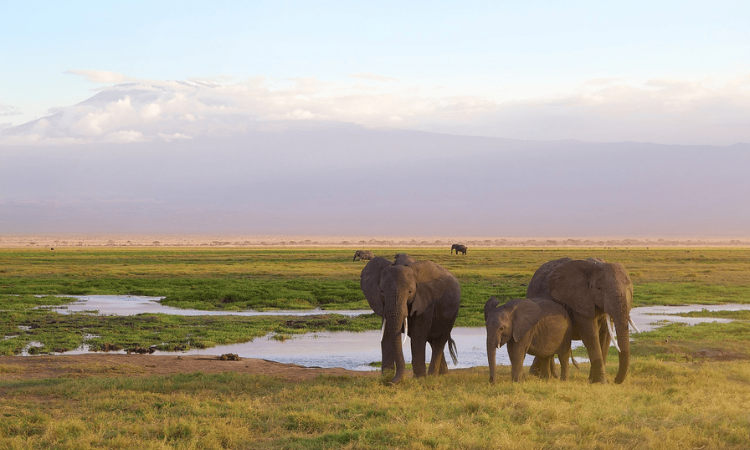
Amboseli offers postcard-perfect views of Mount Kilimanjaro, Africa’s tallest peak, and is home to large elephant herds, flamingos, and big cats. The landscape is open, making it great for photography.
Spot nocturnal wildlife on night safaris in Laikipia or Tsavo
Samburu National Reserve
Located in Kenya’s arid north, Samburu is rich with desert-adapted wildlife like the grevy’s zebra, gerenuk, Somali ostrich, and Beisa oryx, collectively known as the Samburu Special Five.
Cultural & Heritage Experiences in Kenya
Explore Lamu Old Town (UNESCO site)
Lamu, a Swahili coastal town, feels like stepping back in time. With its narrow alleys, coral-stone buildings, and donkey-drawn carts, it offers a tranquil, deeply cultural escape.
Nairobi National Museum
Explore Kenya’s archaeological, paleontological, and cultural past—from prehistoric fossils to modern art and ethnography.
Attend a Traditional Swahili Wedding or Dance
In Mombasa or Lamu, visitors may be lucky enough to witness traditional Swahili ceremonies, known for rhythmic music, rich attire, and henna art.
Try Kenyan Coffee at a Local Farm
Tour a coffee estate near Nairobi or Mount Kenya and discover the journey from bean to cup—with plenty of tastings along the way.
Visit a Maasai Village
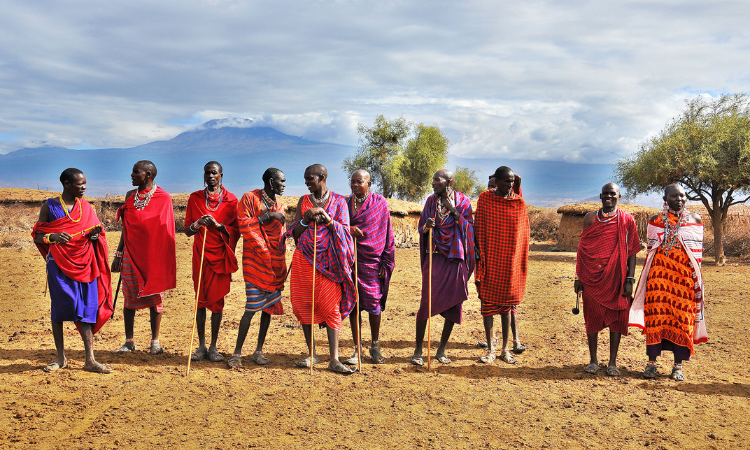
Immerse yourself in the culture of one of Kenya’s most iconic tribes. Participate in traditional dances, learn about pastoralist lifestyles, and support local artisans. If you wonder what is Kenya known for, it is for its culture and Maasai tribe.
Best Nature & Adventure Activities in Kenya
Hike Mount Kenya
Africa’s second-highest peak offers trekking trails through glacial valleys, moorlands, and bamboo forests. It’s a lesser-known but equally epic alternative to Kilimanjaro.
See the Great Rift Valley
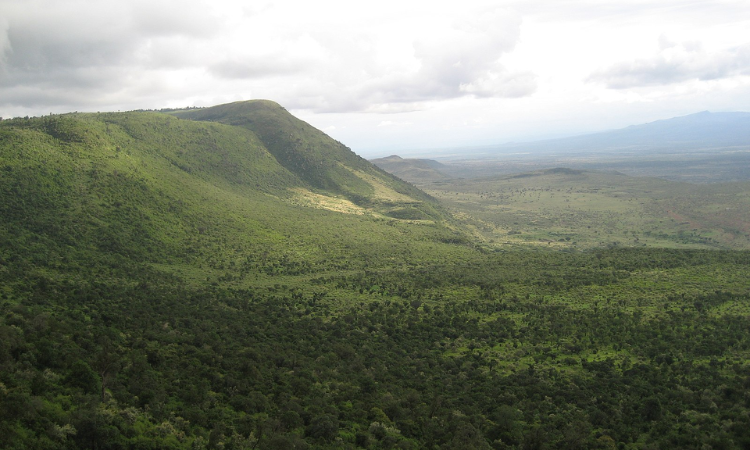
Stretching from Lebanon to Mozambique, the Great Rift Valley carves through Kenya with lakes, cliffs, and geothermal springs. It’s a scenic paradise for geologists and photographers alike.
Hell’s Gate National Park – Biking + Rock Climbing
This otherworldly park lets you cycle past zebras and giraffes, hike through canyons, and even climb ancient volcanic plugs.
Visit Lake Turkana – The Jade Sea
Remote and starkly beautiful, this UNESCO-listed lake in northern Kenya glows green and supports crocodiles, flamingos, and fascinating tribal communities.
Chase Waterfalls at Karura Forest or Thomson’s Falls
Karura Forest, within Nairobi, offers tranquil nature trails, while Thomson’s Falls in Nyahururu is a stunning 243-ft cascade surrounded by lush scenery.
Ride the New Nairobi to Mombasa SGR Train
Fast, scenic, and safe, the SGR train is a great way to cut travel time between the coast and capital. Spot wildlife as you glide across the savannah.
Image: Wikimedia Commons
Explore Nairobi’s Urban Side
Giraffe Centre & David Sheldrick Elephant Orphanage
Get up close with endangered Rothschild giraffes and rescued baby elephants in Nairobi’s leafy suburbs. Great for families!
Nairobi National Park – Wildlife Near the City
Where else can you see lions, rhinos, and giraffes with a city skyline in the background? It’s an incredible urban safari experience.
Eat at Carnivore Restaurant (Roast Everything!)
Carnivore is Nairobi’s most famous restaurant, offering exotic meats (think crocodile or ostrich!) grilled on massive Maasai swords.
Shop at Maasai Market
Held on rotating days in different parts of the city, this open-air market is the place to find handmade jewelry, beadwork, art, and textiles.
Explore Nairobi Railway Museum
For railway buffs and history lovers, this museum showcases vintage locomotives and tells the story of Kenya’s colonial-era railway construction.
Relaxing Coastal & Island Experiences in Kenya
Diani Beach – White Sands and Luxury
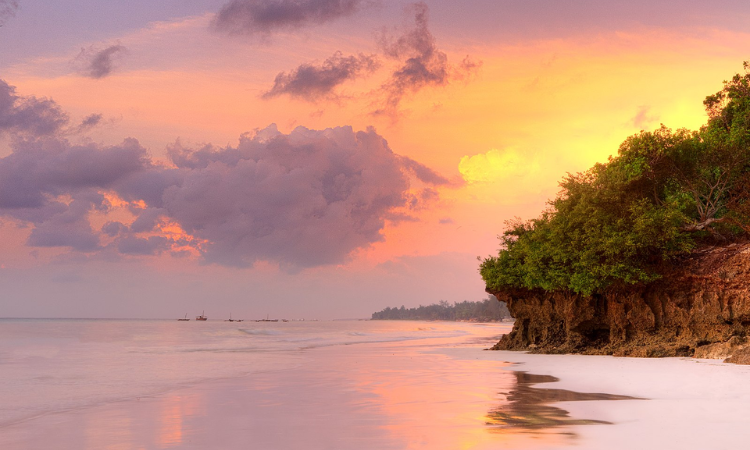
Regularly ranked among Africa’s top beaches, Diani offers turquoise waters, luxury resorts, and easy access to marine parks.
Malindi & Watamu – Snorkeling and Swahili Culture
These charming beach towns are known for coral reefs, Arabic architecture, and the Gede Ruins, a 13th-century Swahili settlement.
Lamu Island – Time-Travel to Another World
Lamu is car-free, quiet, and filled with charm—from dhows and donkeys to stone townhouses and centuries-old mosques.
Mombasa Old Town & Fort Jesus
A melting pot of Arab, Portuguese, and African influences, Mombasa’s historic quarter is a delight to explore on foot.
Kayaking, Kite Surfing, or Diving on the Indian Ocean
The warm waters of Kenya’s coast are perfect for water sports lovers. Try diving at Wasini Island, kite surfing in Nyali, or kayaking through mangrove creeks.
Off-the-Beaten-Path Adventures in Kenya
Visit the Crying Stone of Kakamega
A natural rock formation that “weeps,” this site is sacred to the Luhya people and surrounded by legend and ritual.
Explore Rusinga Island & Lake Victoria
Less frequented by tourists, Rusinga is a peaceful island offering fishing, birdwatching, and cultural immersion with the Luo people.
Learn from the El Molo Tribe in Northern Kenya
The El Molo are one of Kenya’s smallest and most endangered ethnic groups, living around Lake Turkana with unique customs and diets.
Discover Kit-Mikayi Rock Shrine
Located near Kisumu, this large stone formation is the centerpiece of local Luo folklore and a place of prayer and pilgrimage.
Meru National Park
Remote and often overlooked, Meru is where George and Joy Adamson released Elsa the lioness of Born Free fame. It’s wild, beautiful, and crowd-free.
Planning Your Trip to Kenya
Best Time to Visit: For the Great Migration, plan from July to October.
Getting Around: Book bush flights for remote parks or use the SGR train to reach the coast.
Combine Experiences: In 10–14 days, you can enjoy safari, beach, and culture.
For expert help in Booking your African safari, consider guided packages that include transport, park fees, and cultural stops. These itineraries cover the top places to visit in Kenya and more.
Kenya Travel Tips
Visa: An eVisa is required for most travelers—apply online in advance.
Currency: The Kenyan Shilling (KES) is used. Carry small denominations for markets and tips.
Water: Avoid tap water—opt for bottled or filtered.
Taxis: Use Bolt or Uber for safe, affordable rides in cities.
Vaccines: A Yellow Fever vaccination certificate may be needed depending on where you’re coming from.
Conclusion
From the roaring wildebeest of Maasai Mara to the still waters of Lake Turkana, Kenya offers experiences that touch the soul. Whether you’re after wildlife, beaches, ancient traditions, or vibrant cities, Kenya delivers it all, wrapped in warmth, wonder, and wild beauty.
FAQs
What’s the best time to go on safari in Kenya?
The dry season (July to October) is best for safaris, especially during the Great Migration in Maasai Mara.
Do you need a visa to visit Kenya?
Yes, most travelers need an eVisa, which can be applied for online before arrival.
What to do in Kenya?
There are many unique things to do in Kenya from wildlife safaris to cultural tours, and more.
Is Kenya safe for tourists?
Generally, yes. Most visitors have safe trips. Stay alert in cities and follow local advice in remote areas.
What currency is used in Kenya?
The Kenyan Shilling (KES). Credit cards are accepted in cities, but cash is useful for markets and tipping.
What to do in Kenya as a tourist?
From coast to savanna, there’s no shortage of Kenya tourist attractions to explore.
Is $100 dollars a lot in Kenya?
Yes, $100 USD can go far—covering meals, transportation, and more—especially outside major tourist zones.
What is Kenya best known for?
When asking what is Kenya known for, most think of its wildlife, the Great Migration, and the Maasai culture.
How do you say hello in Kenya?
“Jambo” is a common and friendly greeting in Swahili.
What is the number one tourist attraction in Kenya?
The Maasai Mara National Reserve is often considered the top tourist destination, especially during migration season.
What to see in Kenya?
Whether it’s Mount Kenya, Samburu, or Diani Beach.
 Toll Free (USA & Canada) +1 866 978 2997