India is a country of rich traditions, vibrant cultures, and breathtaking landscapes, making it one of the most diverse travel destinations in the world. Whether you’re a history buff, a foodie, a nature lover, or an adventure seeker, there’s no shortage of what to do in India. From exploring the majestic Taj Mahal to sailing along the sacred Ganges, every experience in India is unforgettable.
If you’re wondering what to see in India, this guide will take you through the top things to do in India, helping you plan the perfect itinerary.
Check out these India Tours to explore India’s wonders seamlessly!
Top 20 Must-Do Activities in India
1. Go on a Wildlife Safari in Search of Tigers in Ranthambore or Jim Corbett
India is home to some of the most incredible wildlife reserves, making it a paradise for nature enthusiasts. Head to Ranthambore or Jim Corbett National Park to witness the majestic Bengal tiger in its natural habitat. Exploring these reserves is one of the most exciting top things to do in India for wildlife lovers.
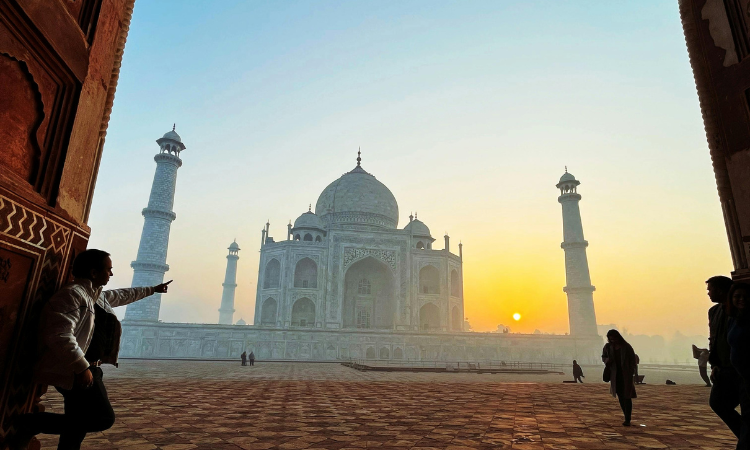
2. Visit the Majestic Taj Mahal at Sunrise or Sunset
The Taj Mahal, one of the most famous monuments in the world, is a symbol of love and architectural brilliance. Built by Emperor Shah Jahan in memory of his wife, this marble wonder looks magical during sunrise and sunset. Visiting the Taj Mahal is undoubtedly one of the top things to do in India for any traveler. This is one of the must places to visit in India.
3. Feast on Delicious Indian Street Food in Vibrant Cities
Indian street food is an explosion of flavors, with every region offering its own unique delicacies. Try pani puri, chaat, and butter chicken in Delhi, or enjoy vada pav and pav bhaji in Mumbai. Exploring India’s street food scene is what to do in India if you want a taste of its diverse culinary heritage.
4. Attend a Colorful Indian Festival (Diwali, Holi, Pushkar Camel Fair)
Experiencing an Indian festival is one of the most vibrant and exhilarating things to do in India. Celebrate Holi, the festival of colors, or witness the beauty of Diwali, the festival of lights. The Pushkar Camel Fair is another must-see event where thousands of traders, musicians, and tourists gather.
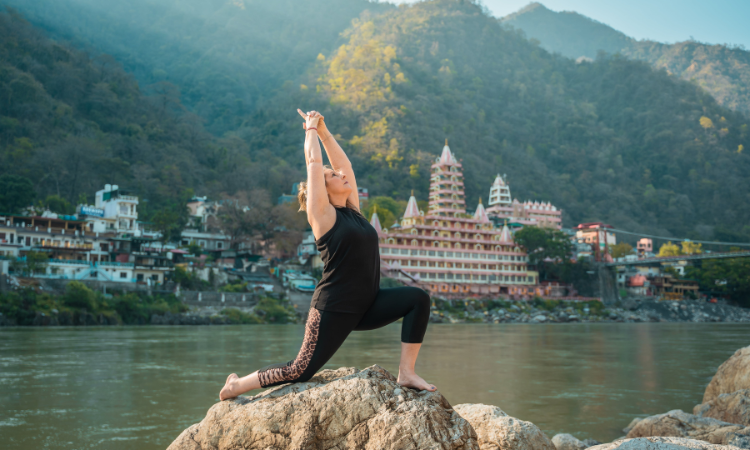
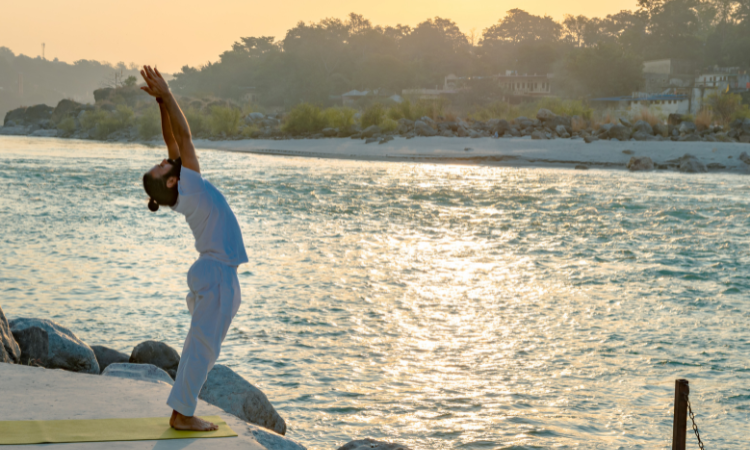
5. Practice Yoga and Meditation in Rishikesh
Rishikesh, often called the Yoga Capital of the World, is a spiritual haven nestled in the foothills of the Himalayas along the sacred Ganges River. Visitors can join world-renowned yoga retreats and ashrams, such as Parmarth Niketan and Sivananda Ashram, to experience authentic yoga and meditation practices. The serene atmosphere, surrounded by lush forests and the calming river, makes Rishikesh the perfect destination for relaxation, self-discovery, and spiritual rejuvenation.
6. Experience a Scenic Train Ride Across the Country
Train travel in India is an adventure in itself, offering stunning views of mountains, deserts, and coastline. The Darjeeling Himalayan Railway (Toy Train) and the Palace on Wheels are among the most scenic rail journeys in the world. A train ride is a must if you want to see India from a different perspective.
7. Relax on the Sun-Kissed Beaches of Goa or Along the Indian Ocean
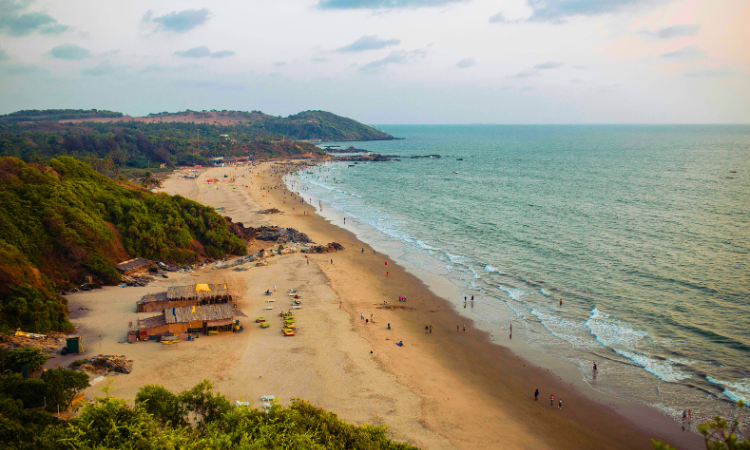
Goa’s golden beaches, laid-back vibe, and vibrant nightlife make it a favorite destination for travelers. For those looking for more secluded beaches, head to the Andaman Islands or Lakshadweep. Exploring India’s beaches is one of the top things to do in India for relaxation and adventure.
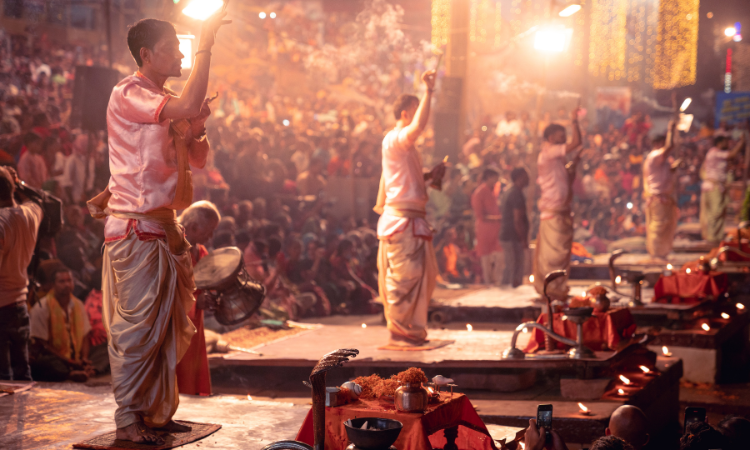
8. Sail Along the Sacred Ganges in Varanasi
Varanasi, one of the world’s oldest continuously inhabited cities, is a place of deep spiritual significance. A boat ride on the Ganges at sunrise offers breathtaking views of ancient ghats, temples, and the daily rituals of pilgrims. If you’re looking for what to do in India for a spiritual experience, this is it.
9. Uncover the Hidden Stories Behind Khajuraho’s Temples and the Kama Sutra
The Khajuraho Temples in Madhya Pradesh are a UNESCO World Heritage Site, famous for their intricate sculptures and carvings that depict stories of love, life, and divinity. These temples, built between the 9th and 12th centuries by the Chandela dynasty, are a fascinating blend of spirituality and sensuality, showcasing the ancient Indian perspective on human relationships. Exploring the temples gives travelers an insight into India’s artistic excellence and the historical interpretation of love, passion, and devotion.
10. Explore the Vast Mangrove Forests of the Sundarbans
The Sundarbans, the world’s largest mangrove forest, is a biodiversity hotspot that spans across India and Bangladesh. It is home to the elusive Royal Bengal Tiger, saltwater crocodiles, and a variety of exotic bird species. Cruising through its dense waterways offers an unforgettable adventure for wildlife enthusiasts, providing a rare glimpse into one of the most unique ecosystems on Earth.
11. Camp Under the Starlit Skies of Rajasthan’s Thar Desert
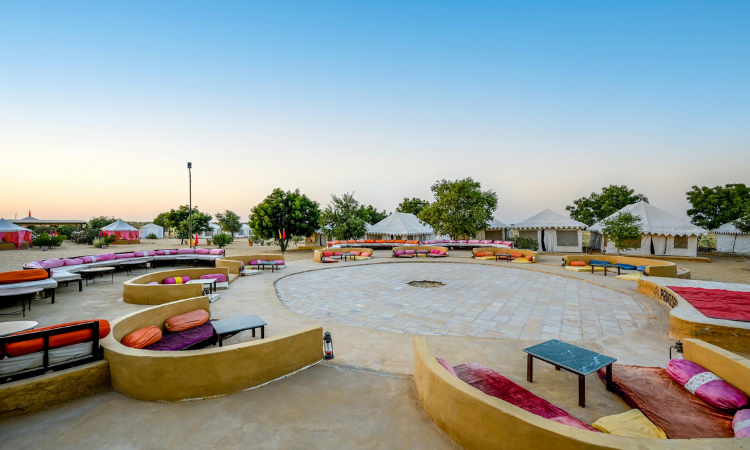
A desert safari in Rajasthan’s Thar Desert offers a magical escape into India’s rugged landscapes. Visitors can ride camels across golden sand dunes, enjoy traditional folk performances, and experience authentic Rajasthani cuisine around a bonfire. The highlight of the experience is camping under a blanket of stars, far from city lights, making it a perfect retreat for adventure seekers and stargazers alike.
12. Visit the Divine Golden Temple in Amritsar
The Golden Temple, or Sri Harmandir Sahib, is the spiritual and cultural heart of Sikhism, attracting millions of visitors from all over the world. The temple’s breathtaking golden facade reflects beautifully in the surrounding Amrit Sarovar (holy pool), creating a serene and peaceful atmosphere. Visitors can also partake in the Langar, a community meal service that serves free food to thousands of people daily, embodying the spirit of equality and generosity.
13. Cruise Through Kerala’s Serene Backwaters
A houseboat cruise through the backwaters of Kerala offers one of the most tranquil and picturesque experiences in India. As the boat gently glides through palm-fringed canals, travelers can witness traditional village life, spot exotic birds, and savor freshly prepared seafood on board. The lush landscapes, serene waters, and breathtaking sunsets make this an unforgettable experience for nature lovers and honeymooners alike.
14. Discover Ancient Monasteries and Rugged Landscapes in Ladakh
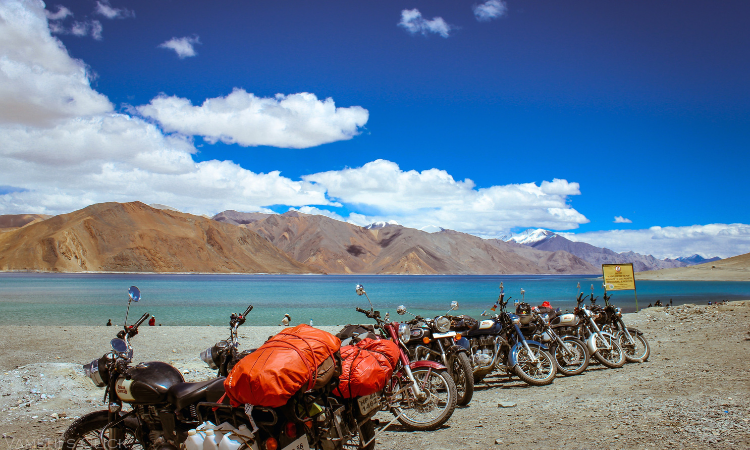
Ladakh, known as the Land of High Passes, is home to some of the world’s most breathtaking monasteries, including Hemis, Thiksey, and Diskit. Nestled amidst towering Himalayan peaks, these monasteries offer a glimpse into the region’s rich Buddhist heritage. The dramatic landscapes, crystal-clear lakes, and thrilling high-altitude roads make Ladakh a paradise for both spiritual seekers and adventure enthusiasts.
15. Explore the Artistic Heritage of Raghurajpur Arts and Crafts Village in Odisha
The Raghurajpur Heritage Village in Odisha is a hidden gem, known for its Pattachitra paintings, a traditional art form that dates back over 1,000 years. Visitors can explore the village’s vibrant streets, where every home doubles as an artist’s workshop, showcasing intricate paintings, palm leaf engravings, and handicrafts. Engaging with the local artists and learning about their time-honored techniques provides a unique cultural experience.
16. Get Lost Among the Mystical Ruins of Hampi
Hampi, a UNESCO World Heritage Site, was once the capital of the Vijayanagara Empire and is now a fascinating open-air museum of ancient temples, palaces, and markets. The dramatic boulder-strewn landscapes, combined with the grandeur of structures like Vittala Temple and Virupaksha Temple, transport visitors to a bygone era. Exploring Hampi on foot or by bicycle allows travelers to uncover its hidden gems at their own pace.
17. Venture Beyond Goa’s Beaches to Uncover Inland Cultural Treasures
While Goa is famous for its pristine beaches, the state also boasts a rich cultural heritage, including Portuguese-style churches, spice plantations, and historic forts. Exploring the charming villages of Divar and Chandor or visiting the vibrant local markets offers a glimpse into Goa’s unique blend of Indian and colonial influences. For nature lovers, the Dudhsagar Waterfalls and Bhagwan Mahavir Wildlife Sanctuary provide refreshing escapes from the coastal crowds.
18. Be Mesmerized by the Silent Sands of the Rann of Kachchh
The Rann of Kachchh in Gujarat is an otherworldly landscape, transforming into a mesmerizing white desert under the moonlight. During the annual Rann Utsav, the vast salt flats come alive with cultural performances, camel rides, and handcrafted artwork, offering visitors a taste of Gujarat’s vibrant traditions. Whether visiting during the festival or in solitude, witnessing the endless white expanse is a surreal and unforgettable experience.
19. Immerse Yourself in the Vibrant Diversity of Northeast India
Northeast India is a treasure trove of untouched landscapes, diverse cultures, and unique traditions that set it apart from the rest of the country. From the rolling tea gardens of Assam to the breathtaking mountain vistas of Meghalaya and Arunachal Pradesh, this region offers an unparalleled blend of natural beauty and rich heritage. Travelers can explore tribal villages, attend colorful festivals like the Hornbill Festival in Nagaland, and savor local delicacies that showcase the region’s distinct culinary flavors.
20. Meet Locals and Immerse Yourself in Authentic Village Life
One of the best ways to experience India’s rich culture is by spending time in its villages, where traditions have been preserved for centuries. Whether you visit the colorful tribal villages of Rajasthan, the serene hamlets of Kerala’s backwaters, or the remote settlements in Northeast India, you’ll find warm hospitality and a slower pace of life. Engage in local crafts, participate in traditional cooking, and learn about age-old farming techniques while forming meaningful connections with the people who call these villages home.
Practical Travel Tips
- Best time to visit India: October to March is ideal for sightseeing.
- Transportation and Accommodation: Trains, budget hotels, luxury resorts, and homestays offer diverse options.
- Cultural Etiquette: Dress modestly in religious sites, respect local customs, and greet people with “Namaste.”
- Safety & Health: Stick to bottled water, avoid raw street food, and carry basic medications.
Conclusion
With its breathtaking landscapes, ancient wonders, rich traditions, and delicious cuisine, India is a destination that captivates every traveler. Whether you’re seeking adventure, spirituality, history, or relaxation, the country has something to offer.
If you’re ready to explore, check out these India Tours and start planning your dream journey today!
FAQs
What activities can be done in India?
India offers a wide range of activities for travelers. You can explore ancient heritage sites like the Taj Mahal, go on wildlife safaris in Ranthambore or Jim Corbett, relax on Goa’s beaches, or take a scenic train ride through the Himalayas. Adventure lovers can enjoy trekking in Ladakh, river rafting in Rishikesh, and desert camping in Rajasthan. Food enthusiasts can indulge in street food tours, while those seeking peace can practice yoga in Rishikesh.
What are five things India is known for?
- The Taj Mahal – One of the most iconic monuments in the world.
- Diverse Cuisine – From spicy curries to sweet treats, India is a food lover’s paradise.
- Yoga and Meditation – India is the birthplace of yoga and attracts spiritual seekers worldwide.
- Bollywood – The Indian film industry produces colorful, high-energy movies.
- Vibrant Festivals – Holi, Diwali, and Durga Puja are some of the most famous celebrations.
Do I need a visa to visit India?
Yes, most travelers need a visa to enter India. Many nationalities are eligible for an e-Visa, which can be applied for online. The e-Visa allows tourists to stay for up to 30 or 90 days, depending on the type. It’s recommended to check visa requirements well in advance on the official Indian visa website.
What currency is used in India and how can I exchange money?
The official currency of India is the Indian Rupee (INR). You can exchange money at banks, airports, currency exchange counters, and authorized forex providers. ATMs are widely available in cities and towns, and international debit or credit cards can be used to withdraw cash. It’s advisable to carry some cash for smaller purchases, especially in rural areas.
Are credit cards widely accepted, or should I carry cash?
Major credit and debit cards like Visa, Mastercard, and American Express are accepted in hotels, restaurants, and shopping malls in big cities. However, in smaller towns, markets, and local transport, cash is preferred. Mobile payment options like Google Pay and Paytm are also widely used.
What cultural etiquette should I be aware of while traveling in India?
- Dress Modestly – Especially when visiting temples, mosques, and rural areas.
- Remove Shoes – Before entering religious places and some homes.
- Use Right Hand for Eating and Giving – The left hand is considered impolite for these actions.
- Respect Local Customs – Avoid public displays of affection and follow religious site rules.
- Greet with a Namaste – A polite and traditional way to say hello.
What common scams or issues should travelers be aware of?
While India is generally safe for tourists, be cautious of common scams:
- Fake Ticket Scams – Always buy tickets from official counters.
- Overcharging Taxis and Rickshaws – Use prepaid services or ride-hailing apps like Uber and Ola.
- Fake Tour Guides – Use only registered and recommended guides.
- Street Begging Scams – Politely decline and avoid giving money to child beggars.
- Gem and Carpet Scams – Be wary of shopkeepers promising “rare” or “special” deals.
What is the local language and do I need to know it?
India has 22 official languages, with Hindi and English being the most widely spoken. English is commonly used in cities, tourist areas, and major hotels, so you can easily get by without knowing Hindi. However, learning a few basic Hindi phrases can be helpful for communication in rural areas.
How can I stay connected and navigate easily while in India?
- Get a Local SIM Card – Providers like Airtel, Jio, and Vi (Vodafone Idea) offer affordable data plans.
- Use Google Maps – For navigation and public transport routes.
- Download Ride-Hailing Apps – Uber, Ola, and Rapido are reliable transport options.
- Carry a Portable Wi-Fi Device – Useful for staying connected in remote locations.
How do you say hello in India?
The most common way to say hello in India is “Namaste”, which is used across the country. In some regions, you might also hear:
- “Namaskar” (Formal greeting in Hindi)
- “Sat Sri Akal” (Punjabi greeting)
- “Vanakkam” (Tamil greeting)
- “Kem Cho” (Gujarati greeting)
What should I see in India?
India is home to countless historical, cultural, and natural wonders. Some must-see attractions include:
- The Taj Mahal – A UNESCO World Heritage Site and symbol of love.
- Jaipur’s Palaces – Explore the Amber Fort and City Palace.
- Kerala’s Backwaters – A unique and tranquil houseboat experience.
- Goa’s Beaches – Perfect for relaxation and nightlife.
- Varanasi Ghats – Witness the spiritual Ganga Aarti on the riverbanks.
What can you eat in India?
Indian cuisine is incredibly diverse and varies by region. Some must-try dishes include:
Desserts – Gulab Jamun, Jalebi, Rasgulla, and Kheer.
North Indian Cuisine – Butter Chicken, Rogan Josh, Chole Bhature, and Naan.
South Indian Cuisine – Dosa, Idli, Sambar, and Chettinad Curries.
Street Food – Pani Puri, Chaat, Vada Pav, and Momos.
 Toll Free (USA & Canada) +1 866 978 2997