Belgium may be a small country, but it has a huge global impact! What is Belgium known for? From its delicious chocolates, crispy fries, and over 1,500 types of beer to its status as the heart of the European Union, Belgium is a dream destination for food lovers and history enthusiasts alike. However, the moment you travel to Belgium, you’ll discover the multitude of aspects that make it a remarkable country. Home to stunning medieval cities, iconic comic book heroes like Tintin, and quirky traditions, Belgium has a rich cultural heritage that often goes unnoticed. Get ready to explore 55 fun facts about Belgium that will make you see this fascinating country in a whole new light!
Fun Facts About Belgium
1. Belgium Takes Chocolate Making to an Art Form
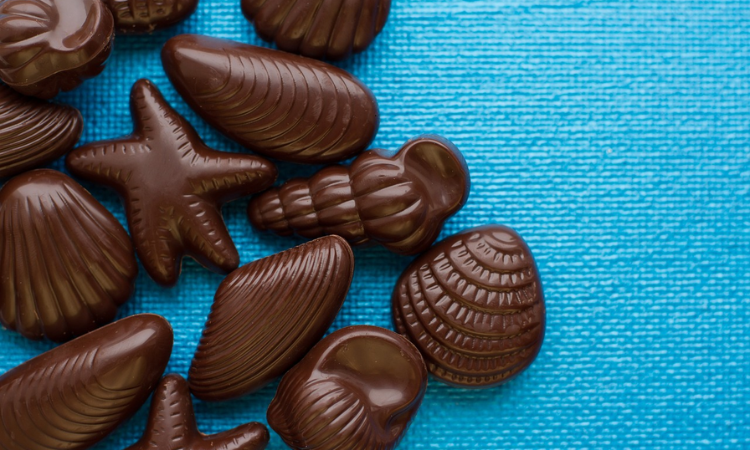
Belgium is a haven for chocolate enthusiasts! Renowned worldwide for its delicious chocolate, its chocolate-making heritage has its roots in the 17th century. Belgian chocolatiers are famous for their artistry and use of premium ingredients, producing an extensive array of delights, including pralines, truffles, and chocolate bars. When in Brussels, home to the famous brand Godiva, don’t miss the chance to take a chocolate-making workshop – it’s a sweet Belgian tradition you won’t want to skip!
2. No Single Language Unites All Belgians
Belgium has three official languages—Dutch, French, and German—but no single language unites all Belgians. The country is divided into regions: Flanders in the north speaks Dutch, Wallonia in the south speaks French, and a small community in the east speaks German. Brussels, the capital, is officially bilingual (French and Dutch) but leans heavily toward French. This linguistic diversity reflects Belgium’s complex cultural identity and sometimes leads to political challenges. Among the interesting facts about Belgium is that this multilingualism shapes its politics, education, and even daily interactions, making it a truly unique European nation.
3. Football Is More Than Just a Sport in Belgium
Football in Belgium is more than just a game—it’s a national passion! The Belgian Red Devils, the national team, have a huge fan following and have consistently ranked among the world’s best. The country has produced top football stars like Eden Hazard, Kevin De Bruyne, and Romelu Lukaku. With a rich football history and intense club rivalries, match days bring the entire nation together, making football a true unifying force in Belgium!
4. Belgium Has Operated Without a Government for Years
Belgium holds the record for the longest time without a government—an incredible 541 days from 2010 to 2011! Due to political deadlocks between Dutch-speaking Flanders and French-speaking Wallonia, forming a coalition government often takes months or even years. Despite this, the country continued to function smoothly, proving that Belgium is known for its unique political structure and ability to operate without an official government in place. This fascinating aspect of Belgian politics showcases the nation’s resilience and well-organized administrative system.
5. Belgium Hosts Some of the World’s Biggest Festivals
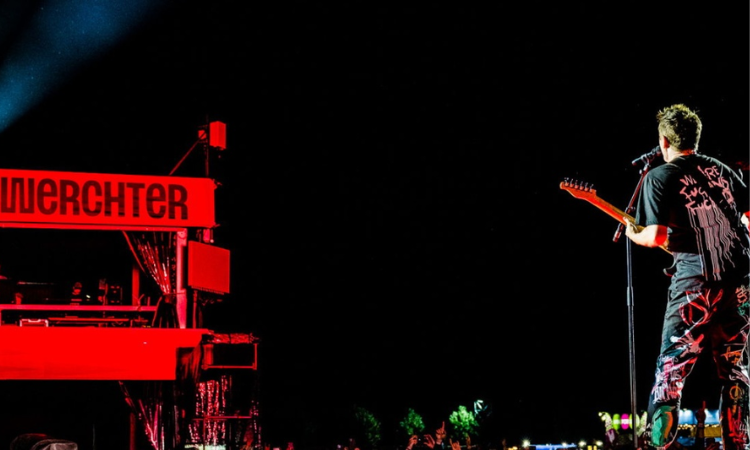
Belgium is renowned for its vibrant music festival scene, attracting music lovers from all over the world. One of the most iconic festivals is Tomorrowland, a global sensation that showcases top-tier electronic music acts. Rock Werchter, another Belgian gem, hosts an impressive lineup of rock and pop artists, making it a must-visit for music enthusiasts. Besides these giants, Belgium boasts a diverse array of festivals catering to various musical tastes, from jazz and classical to hip-hop and techno, ensuring there’s a festival for everyone to enjoy in this musical haven. The country also hosts a range of other noteworthy festivals such as the Brussels Summer Festival, Pukkelpop, and I Love Techno.
6. Belgian Fries Are a National Obsession (Don’t Call Them French!)
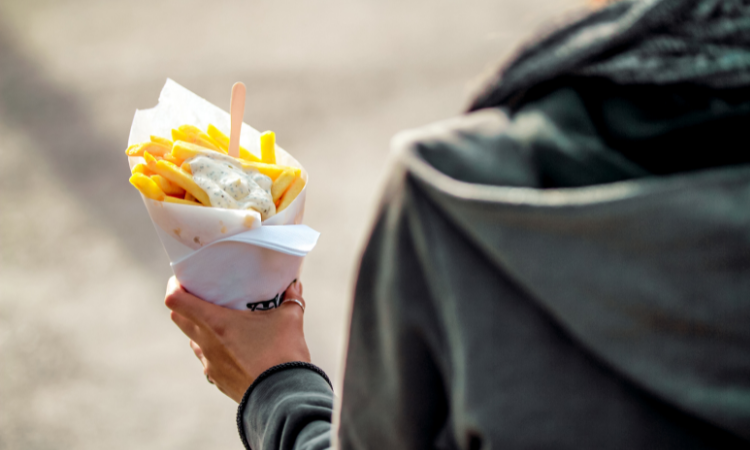
A lesser-known historical tidbit is that the beloved French fries, yes, French fries, actually originated in Belgium. The “frites” in Belgium offer a gastronomic experience that surpasses any fry I had ever tasted before; they are truly scrumptious. What sets Belgian fries apart is their distinctive cooking method.
These fries are subjected to a two-step frying process, which sets them apart from the rest. Moreover, they are cooked using beef fat instead of the more common vegetable or sunflower oil. This unique preparation method infuses them with an unparalleled, mouthwatering flavor that makes them irresistible.
7. There Are More Than 1,000 Types of Belgian Beer
Dive into a world of aquatic wonders, savor exquisite cuisinBelgian beer culture is a UNESCO-recognized intangible cultural heritage, akin to Fado for the Portuguese, tango for Argentinians, or Thai massage for the people of Thailand.e, and unwind under the sun’s warm embrace at this idyllic island retreat.
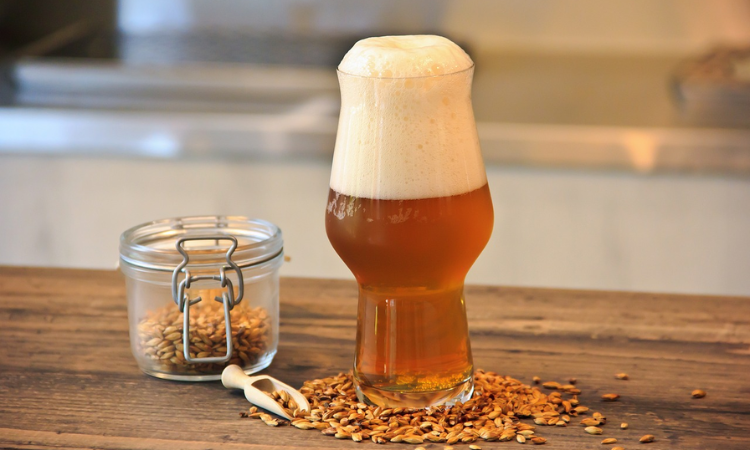
Belgium boasts an impressive lineup of over 300 active breweries, ranging from big international names to historic, traditional ones. Belgium’s famous Trappist monastery brews contribute to its beer reputation. The array of Belgian beers is astounding, featuring pale lagers, amber ales, lambics, sour ales, strong ales, Flemish red ales, and velvety stouts.
8. Every Belgian Beer Has Its Own Special Glass
Yes! In Belgium, every beer is traditionally served in its own uniquely designed glass. This isn’t just for aesthetics—it enhances the aroma, flavor, and overall drinking experience. The shape of the glass is tailored to each beer style, whether it’s a tulip glass for Trappist ales, a chalice for strong Belgian ales, or a flute for crisp lambics. It’s a cultural tradition that shows the country’s deep appreciation for beer craftsmanship. Are you working on something related to Belgian beer?
9. Antwerp Is Known as the Diamond Capital of the World
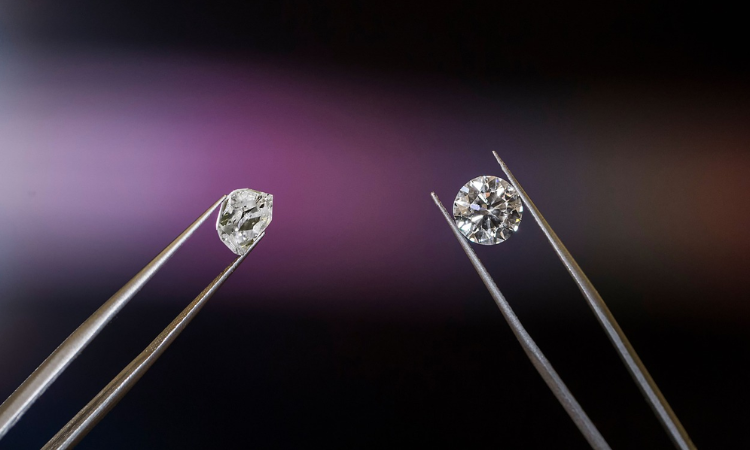
Antwerp is known as the Diamond Capital of the World. The city has a long-standing reputation for its diamond trade, dating back to the 15th century. Antwerp’s diamond district is one of the most important trading hubs globally, where a significant portion of the world’s diamonds are traded, cut, and polished. The city’s expertise in the diamond industry, coupled with its rich history and skilled artisans, has solidified its position as the global leader in the diamond
10. Belgian Waffles Come in Endless Delicious Varieties
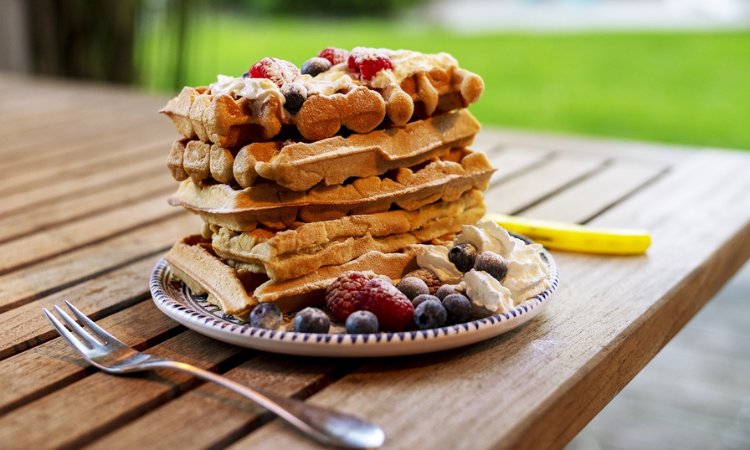
Belgian waffles are world-famous, but did you know there’s more than one kind? The two most popular types are the Brussels waffle, which is light, crispy, and rectangular, and the Liège waffle, which is denser, sweeter, and caramelized with pearl sugar. Beyond these, you’ll find endless variations topped with chocolate, fresh fruit, whipped cream, or even savory ingredients. Whether from a street vendor or a café, Belgian waffles are a must-try treat!
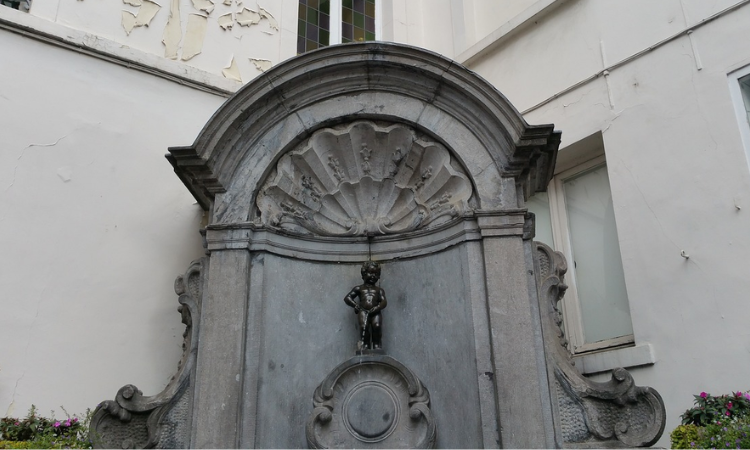
11. A Tiny Statue of a Peeing Boy Is a National Icon
One of Belgium’s famous landmarks, tucked away on a charming Brussels street, holds a rather unique reputation as one of Europe’s most unexpectedly unimpressive attractions. So, what’s the story behind its fame? Well, chances are, you’ve already heard of it: it’s a statue of a little boy in the act of relieving himself. In more recent years, artists have created additional statues, including Jeanneke Pis (depicting a little girl) and Het Zinneke.
The original statue, crafted in bronze by Jérôme in 1619, quickly became both an attraction and a beloved monument in Brussels. Belgians hold a deep affection for Manneken Pis and often adorn it in elaborate and amusing outfits.
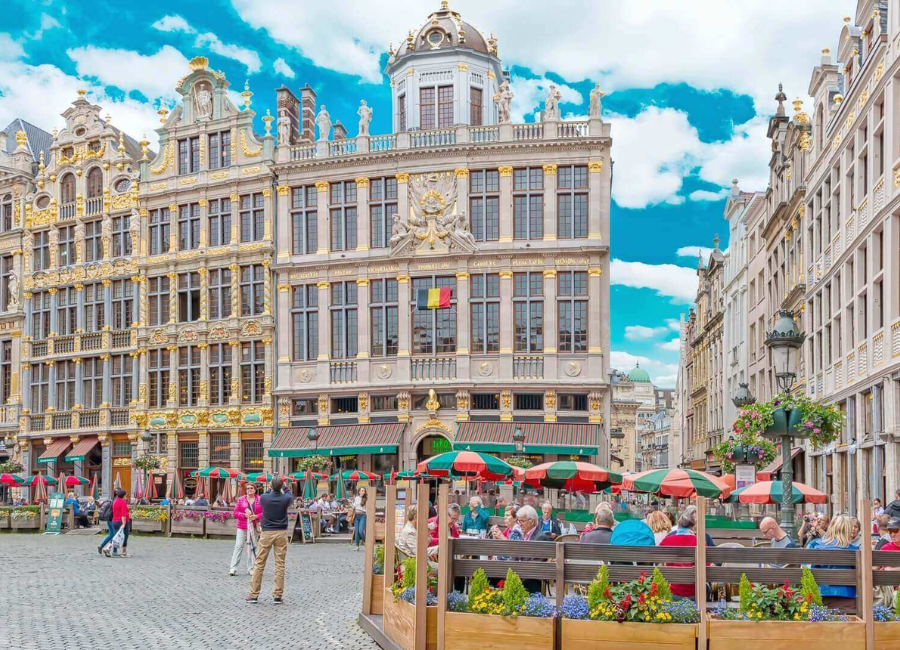
While the original is showcased in the Brussels city museum, the replica that garners widespread attention is just a short 5-minute stroll from the Grand Place, located at the crossroads of Rue du Chêne/Eikstraat and the pedestrian Rue de l’Étuve/Stoofstraat.
12. The Smurfs and Tintin Were Created in Belgium
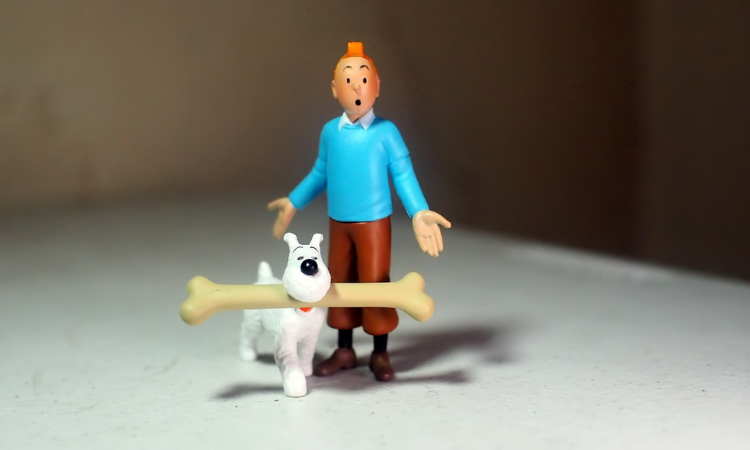
Belgium has made significant contributions to the world of comic strips and graphic novels. The country gave birth to iconic characters like Tintin, the Smurfs, and Lucky Luke, all created by Belgian artists. Tintin, in particular, has become a worldwide sensation, with his adventures translated into many languages and captivating readers of all ages. To celebrate this artistic heritage, Brussels created the Comic Strip Route, featuring murals of beloved characters on city buildings. Fans shouldn’t miss the chance to visit the Belgian Comic Strip Center in Brussels, which offers a comprehensive look at the history and artistry behind these timeless creations.
13. Belgium’s Highways Are Always Illuminated at Night
Belgium’s highways are famously well-lit at night, making them visible even from space! This is due to an extensive network of streetlights that were installed for safety reasons, ensuring clear visibility for drivers. However, in recent years, there has been a shift toward energy conservation, with some regions dimming or turning off lights during off-peak hours.
14. Talking About the Weather Is a National Pastime
It’s true! Talking about the weather is a beloved pastime in Belgium, and it’s often a go-to conversation starter. The weather can be very unpredictable, so it’s no surprise that Belgians are constantly discussing whether it’s sunny, rainy, or just plain gray. With its frequent changes, it’s almost like a national icebreaker—whether you’re talking to strangers in a café or with family. It’s also a great way to bond during those long, often cloudy, days!
15. Belgian Cuisine Is More Than Just Waffles and Chocolate
While Belgium is famous for its waffles and chocolate, its cuisine offers much more. Belgian food is rich, hearty, and diverse, influenced by neighboring countries like France, Germany, and the Netherlands. Some classic Belgian dishes include:
- Moules-frites (mussels with fries): A beloved dish served in many restaurants, often paired with a cold Belgian beer.
- Carbonnade flamande: A beef stew made with beer, typically served with bread or fries.
- Stoofvlees: Another variation of Belgian beef stew, cooked with beer and served with fries or bread.
- Speculoos: A spiced shortcrust biscuit, often enjoyed with coffee or as a topping for ice cream.
- Waterzooi: A creamy stew with chicken or fish, often served with vegetables and potatoes.
Belgian beer is also a huge part of the food scene—each beer often pairs with a specific dish to enhance the flavors. There’s so much to discover beyond the famous sweets!
16. Shopping Is a Favorite Belgian Leisure Activity
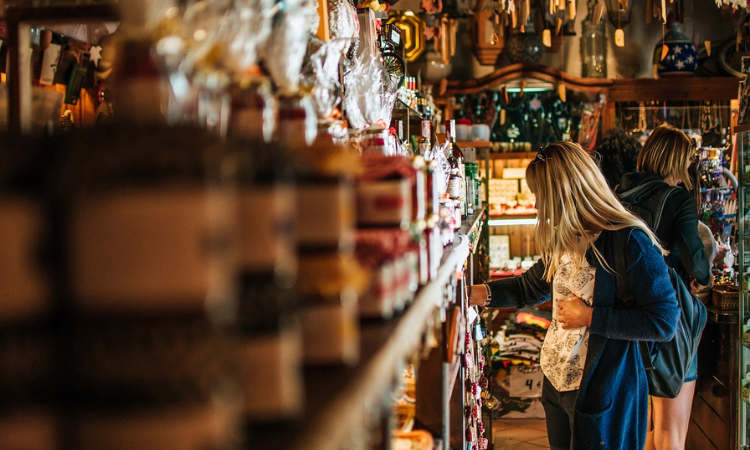
Shopping is a popular leisure activity in Belgium, with Belgians often spending their weekends exploring local boutiques, street markets, and shopping centers. Cities like Brussels, Antwerp, and Bruges are known for their stylish shopping districts, offering a mix of luxury brands, unique designer pieces, and vintage finds. Belgians enjoy not just the act of buying, but also the social experience of browsing with friends or family. Whether it’s fashion, antiques, or chocolates, shopping is a great way to immerse in the culture. Belgium fun facts also include the country’s love for weekend markets, where locals can find everything from artisanal cheeses to handmade crafts, adding to the charm of Belgian shopping experiences.
17. Owning a Home Is a Lifelong Goal for Many Belgians
For many Belgians, owning a home is considered a lifelong goal and a symbol of financial security. The culture places great value on property ownership, and it’s seen as an important step in achieving stability. Many Belgians aspire to buy their own homes as early as possible, with some even choosing to invest in real estate for long-term financial growth. It’s common for homeownership to be passed down through generations, further reinforcing its significance in Belgian society.
18. Many Belgians Dream of Retiring to a B&B in the South of Europe
It’s a popular dream among many Belgians to retire to a bed and breakfast (B&B) in the sunny South of Europe, especially in countries like Spain, France, or Italy. With its picturesque landscapes, milder climate, and slower pace of life, the idea of running a cozy B&B while enjoying the Mediterranean lifestyle is an appealing retirement plan. Many Belgians love the thought of escaping the colder, often gray, northern climate for a more relaxed, warmer environment. It’s not just about the climate, though—it’s also about embracing the culture, food, and lifestyle of Southern Europe.
19. The Legal Drinking Age in Belgium Is Surprisingly Low
You can legally drink beer and wine at the age of 16, while the minimum age for spirits and hard liquor is 18. The culture of drinking is ingrained in Belgian society, and beer, in particular, is considered more of a staple than a special occasion drink. However, there are strict regulations regarding drinking in public and underage consumption is still closely monitored.
20. Money Talk Is Considered Impolite in Belgium
Talking about money is often considered impolite or a bit too forward, especially in social settings. Belgians tend to be discreet when it comes to financial matters and prefer not to openly discuss salaries, personal wealth, or expenses. It’s a cultural norm that values modesty and privacy. In business settings, however, money matters are discussed more openly, but even then, it’s done with a level of professionalism and respect. It’s all about maintaining a sense of decorum and not appearing boastful or presumptuous.
21. Belgium Has One of the Highest Tax Rates in the World
Both income tax and value-added tax (VAT) are high, with the top income tax rate reaching around 50%. Additionally, the VAT on goods and services is 21%, although certain items, like food and books, are taxed at a lower rate. While these high taxes can be a burden, they fund an extensive public welfare system, including healthcare, education, and social security benefits, which are a core part of Belgian society. The high taxes reflect the country’s strong commitment to social services and a high standard of living.
22. The Grand Place Flower Carpet in Brussels Is a Must-See
Held every two years in August, this vibrant event transforms the city’s central square into a stunning tapestry of flowers. Over 1 million begonias are used to create intricate designs, covering nearly 20,000 square feet. The flower carpet is not only a visual spectacle but also a celebration of Belgian horticultural tradition and artistry. Visitors from around the world come to marvel at the beauty and craftsmanship, making it one of Brussels’ most iconic events. If you’re ever in Belgium during the event, it’s a sight you won’t want to miss!
23. In Belgium, St. Nicholas Brings Gifts Instead of Santa Claus
St. Nicholas (known as Sinterklaas) is the one who brings gifts to children, not Santa Claus. Celebrated on December 6th, St. Nicholas is a beloved figure who arrives from Spain by boat, accompanied by his helpers, Zwarte Piet (Black Peter). On the evening of December 5th, children leave their shoes out, and St. Nicholas fills them with small gifts, sweets, and sometimes a piece of fruit. This tradition is part of the larger holiday season in Belgium, and while Santa Claus has gained popularity, St. Nicholas remains central to the festive celebrations.
24. Belgium Is Home to One of the Smallest Cities in the World
One of the world’s smallest cities can be found in Belgium. Nestled in the picturesque Ardennes, this tiny city is renowned for its medieval charm and stunning landscapes. Though it officially holds city status, its population is under 15,000, making it feel more like a quaint village. Despite its size, Durbuy attracts many visitors, offering a peaceful and scenic retreat with narrow cobblestone streets and cozy vibes.
25. A Belgian Scientist Helped Invent the Internet
Among Belgium famous people, Robert Cailliau, played a crucial role in the invention of the Internet. Alongside British computer scientist Tim Berners-Lee, Cailliau was instrumental in the development of the World Wide Web in the late 1980s and early 1990s. While Berners-Lee is often credited with the creation of the web, Cailliau contributed significantly to its design, including the development of the first web browsers and helping to promote the idea of the web globally. His work helped lay the foundation for the digital age as we know it today.
26. Public Toilets in Belgium Often Require a Fee
Typically, the cost is around 0.50 to 1 euro, and the money helps maintain the facilities. This system is widely found in busy urban areas, train stations, and public parks. While it might be inconvenient for some, it ensures that the toilets are kept clean and functional. In certain places, you might find free toilets, but they’re less common in popular tourist spots or busy public areas.
27. The Saxophone Was Invented by a Belgian Musiciana
The saxophone was invented by a Belgian musician named Adolphe Sax in the early 1840s. Sax, who was both a talented musician and inventor, created the saxophone with the intention of combining the best qualities of woodwind and brass instruments. He patented the saxophone in 1846, and it quickly became a staple in military bands, orchestras, and, later, in jazz music. Sax’s invention has since become one of the most iconic instruments, loved by musicians across the world.
28. Many Belgian Cities Have Different Names in Different Languages
Yes, many Belgian cities have different names depending on the language spoken. Belgium is a multilingual country with three official languages: Dutch, French, and German. As a result, cities and towns often have distinct names in each language. For example:
- Brussels is called Bruxelles in French and Brussel in Dutch.
- Liège is known as Luik in Dutch.
- Antwerp is Anvers in French.
- Charleroi is referred to as Karlsruhe in German.
This multilingual naming reflects Belgium’s rich linguistic diversity, with different regions speaking different languages, and contributes to the country’s unique cultural fabric.
29. The Big Bang Theory Was First Proposed by a Belgian Physicist
Big Bang Theory was first proposed by Belgian physicist Georges Lemaître in the 1920s. Lemaître, a Catholic priest and professor of physics, suggested that the universe began as a “primeval atom,” which later expanded and evolved into the universe we know today. His ideas were groundbreaking and laid the foundation for modern cosmology, even though they were initially met with some skepticism. Lemaître’s theory was later supported by the discovery of cosmic expansion, which confirmed the idea of the universe’s origins from a single point.
30. Belgium’s Charleroi Airport Is Among the Most Punctual in Europe
Belgium’s Charleroi Airport (officially Brussels South Charleroi Airport) is known for its impressive punctuality. Despite being a smaller airport compared to Brussels Airport, Charleroi has consistently ranked among the most punctual airports in Europe, particularly for low-cost carriers like Ryanair. Its efficiency and the regularity of its flights contribute to its strong reputation for timely departures and arrivals. This makes it a popular choice for travelers looking for reliable and affordable flight options in and out of Belgium.
31. Cricket Might Have Originated in Belgium Instead of England
There is an interesting theory suggesting that cricket might have originated in Belgium, rather than England. Some historians believe that the game’s origins can be traced back to the medieval times, when a similar bat-and-ball game was played in the region now known as Belgium. This theory is supported by historical records mentioning games resembling cricket being played in the 12th century. While England is generally credited with popularizing and formalizing the sport, the idea that Belgium could have been the birthplace adds an intriguing twist to cricket’s history. However, the evidence remains largely speculative.
32. Belgian Men Are Among the Tallest in the World
Belgian men are among the tallest in the world. Studies have shown that the average height for Belgian men is about 5’11” (180 cm), placing them near the top of global height rankings. This trend is often attributed to factors such as good nutrition, healthcare, and genetics. Belgium’s tall stature is shared by other northern European countries, such as the Netherlands, where people are also known for their height.
33. Belgium’s Highest Peak Is Lower Than the Tallest Skyscraper
Belgium’s highest peak, Signal de Botrange, stands at just 694 meters (2,277 feet) above sea level, making it much lower than the tallest skyscrapers in the world. For comparison, the Burj Khalifa in Dubai, the tallest building in the world, is over 828 meters (2,717 feet) tall—significantly higher than Belgium’s highest point. While Belgium is known for its rolling hills and picturesque landscapes, it doesn’t have towering mountains like some of its neighboring countries.
34. Belgium Was One of the First Countries to Legalize Same-Sex Marriage
Belgium was one of the first countries in the world to legalize same-sex marriage. The law was passed in 2003, making Belgium the second country in Europe (after the Netherlands) and the second in the world to legalize marriage for same-sex couples. The law also granted same-sex couples the same legal rights as heterosexual couples, including adoption rights and inheritance rights. Belgium has been recognized as a progressive country in terms of LGBTQ+ rights, with strong protections against discrimination and a commitment to equality.
35. The Brussels Law Courts Is One of the Largest Courthouses in the World
the Brussels Law Courts (Palais de Justice) is one of the largest courthouses in the world. Located in the heart of Brussels, it is an architectural marvel with an imposing façade and a massive interior. The building covers around 26,000 square meters and features over 27 kilometers of corridors, making it not only vast in size but also incredibly complex in design. Completed in 1883, it stands as a symbol of the Belgian legal system and has become a major landmark in the city. The courthouse is also known for its grand dome, which remains one of the largest in the world.
36. Belgium Contributed to the Invention of Plastic, the Saxophone, and BMI
Belgium has contributed to several groundbreaking inventions, including plastic through Leo Baekeland’s creation of Bakelite, the first synthetic plastic. Adolphe Sax, a Belgian musician, invented the saxophone in the 1840s, revolutionizing music. Additionally, Belgian mathematician Adolphe Quetelet developed the Body Mass Index (BMI) formula in the 19th century, still used to assess body weight today. These innovations reflect Belgium’s significant role in shaping science and culture.
37. Europe’s First Skyscraper Was Built in Belgium
Europe’s first skyscraper was built in Belgium. The Boerentoren (Farmer’s Tower) in Antwerp, completed in 1932, is considered the first true skyscraper in Europe. Standing at 87 meters (285 feet), it was ahead of its time, showcasing modern architectural techniques and steel frame construction. The Boerentoren was a symbol of Belgium’s industrial and economic progress during the early 20th century and remains an iconic part of Antwerp’s skyline.
38. The Name ‘Belgium’ Dates Back to Ancient Roman Times
The name “Belgium” has its origins in ancient Roman times. The region was known as Gallia Belgica by the Romans, referring to a group of tribes living in the area that is now Belgium, parts of northern France, and Luxembourg. The name “Belgica” was used to describe the northernmost part of Roman Gaul. Over time, the term evolved into “Belgium,” which became the name of the modern country when it gained independence in 1830. The connection to its Roman roots highlights Belgium’s deep historical significance in Europe.
39. Belgium Has One of the Highest Divorce Rates in Western Europe
Belgium has one of the highest divorce rates in Western Europe. The country’s divorce rate is relatively high compared to other European nations, with around 40-50% of marriages ending in divorce. Factors contributing to this include changing societal norms, greater acceptance of divorce, and evolving expectations of marriage. Despite this, Belgium also has robust legal frameworks and support systems for divorced individuals and families, reflecting the country’s progressive approach to family dynamics.
40. Belgium Produces More Comic Books per Square Kilometer Than Any Other Country
Belgium is renowned for its rich comic book culture and produces more comic books per square kilometer than any other country. Belgian comics are celebrated worldwide, with iconic series like The Adventures of Tintin by Hergé and Spirou and Fantasio by André Franquin. Belgium has a deep-rooted tradition in the comic industry, with many artists and writers contributing to the global popularity of the medium. The country even hosts the Belgian Comic Strip Center in Brussels, celebrating its vibrant comic heritage.
41. Belgium Holds the Record for the Longest Time Without a Government
It holds the record for the longest time without a government. In 2010-2011, the country went without an official government for a staggering 589 days due to political disagreements and difficulties in forming a coalition. Despite this, the country continued to function through a caretaker government, and its institutions remained stable. This political deadlock was a unique chapter in Belgian history, highlighting the complexities of its multilingual and federal political system.
42. The World’s Longest Tram Line Runs Along Belgium’s Coast
The world’s longest tram line runs along Belgium’s coast. The Coastal Tram Line (Kusttram) stretches for 67 kilometers (around 42 miles) from Knokke-Heist in the north to De Panne in the south. This scenic tram route offers stunning views of the North Sea and passes through many of Belgium’s popular coastal towns and beaches. It’s a popular mode of transport for both locals and tourists, offering an easy and picturesque way to explore the Belgian coastline.
43. Brussels Is a Global Hub for International Organizations
As the capital of Belgium and the de facto capital of the European Union, Brussels hosts numerous EU institutions, including the European Commission, the European Parliament, and the European Council. The city is also home to NATO, making it a key center for political, economic, and diplomatic activities. Brussels’ strategic location, multilingual environment, and political importance make it a vital hub for international cooperation and decision-making.
44. Belgian Architect Victor Horta Was a Pioneer of Art Nouveau
Belgian architect Victor Horta was a pioneer of the Art Nouveau movement. In the late 19th and early 20th centuries, Horta revolutionized architecture with his innovative designs, characterized by flowing, organic shapes and the use of iron, glass, and decorative details. His most famous works include Hotel Tassel and Hotel Solvay in Brussels, both of which are considered masterpieces of Art Nouveau. Horta’s work significantly influenced architecture across Europe and helped define the Art Nouveau style, which emphasized harmony between design, craftsmanship, and nature.
45. Belgium Is One of the Most Densely Urbanized Countries in Europe
With a high population density and a significant percentage of its population living in urban areas, Belgium’s cities, including Brussels, Antwerp, and Ghent, are bustling hubs of activity. The country’s relatively small size combined with its advanced infrastructure and economy has led to urban sprawl, with many people living in cities or densely populated regions. Belgium’s urbanization is also reflected in its well-developed public transport system, making it easy to navigate between cities and towns.
46. Belgium’s Highway Network Can Be Seen from Space at Night
Belgium’s highway network is so extensive and well-lit that it can be seen from space at night. The dense network of roads, particularly the major highways, are brightly illuminated, making the country’s transportation system visible even from outer space. This visibility reflects Belgium’s advanced infrastructure and efficient road system, which is vital for both domestic and international travel. The well-lit highways also contribute to road safety, ensuring clear visibility for drivers during the nighttime hours.
47. The Word ‘Spa’ Comes from a Belgian Town of the Same Name
The word “spa” originates from the Belgian town of Spa in the Walloon region. Known for its natural mineral springs, Spa became famous in the 16th century as a health resort where people would come to bathe in the therapeutic waters. The town’s reputation for wellness and relaxation eventually led to the term “spa” being used worldwide to describe places offering therapeutic water treatments, such as hot springs, baths, and wellness resorts. Today, “spa” is synonymous with relaxation and rejuvenation.
48. A Belgian Artist Designed the Common Side of the Euro Coin
The common side of the Euro coin was designed by Luc Luycx, a Belgian artist. Luycx’s design, which features a map of Europe, was chosen through a competition organized by the European Central Bank in the late 1990s. His design appears on all euro coins, regardless of the issuing country, symbolizing the unity of the Eurozone. The design is simple yet meaningful, representing the continent’s integration and shared economic space.
49. Belgium Has Won More Tour de France Titles Than Any Country Except France
Yes, Belgium has won more Tour de France titles than any country except France. Belgian cyclists have a rich history in the prestigious race, with Eddy Merckx, widely regarded as one of the greatest cyclists of all time, winning the Tour five times (1969, 1970, 1971, 1972, and 1974). Merckx’s dominance in the Tour helped solidify Belgium’s reputation as a powerhouse in cycling. Belgium’s success in the Tour de France is part of the nation’s long-standing cycling tradition, which continues to produce top riders.
50. Tomorrowland Is the World’s Largest Electronic Dance Music Festival
Tomorrowland is the world’s largest electronic dance music (EDM) festival. Held annually in Boom, Belgium, it attracts hundreds of thousands of visitors from around the globe. The festival is known for its massive, visually stunning stages, top-tier DJ performances, and vibrant atmosphere. Since its debut in 2005, Tomorrowland has grown into a global phenomenon, celebrating EDM culture and showcasing some of the biggest names in the music industry. Its impressive production, international reach, and enthusiastic crowds make it a bucket-list event for music lovers worldwide.
51. Belgium Has More Castles per Square Kilometer Than Any Other Country
With hundreds of castles scattered across the country, ranging from medieval fortresses to elegant châteaux, Belgium boasts a rich history of noble families and feudal estates. These castles, often set against picturesque landscapes, are not only historical landmarks but also attract tourists who come to explore their architecture, museums, and surrounding gardens. Regions like Wallonia and Flanders are particularly well-known for their abundance of castles, making Belgium a castle lover’s paradise.
52. The Battle of Waterloo, Which Changed European History, Took Place in Belgium
The Battle of Waterloo, one of the most significant battles in European history, took place in Belgium on June 18, 1815. This decisive battle marked the end of Napoleon Bonaparte’s rule and led to his abdication. Napoleon’s defeat by the British-led coalition, commanded by the Duke of Wellington, and the Prussian forces under Gebhard Leberecht von Blücher, reshaped the political landscape of Europe. Today, the battlefield is a popular historical site, with a monument and museum dedicated to commemorating the battle and its pivotal role in European history.
53. Belgium Has Been Home to Many Famous Artists, Writers, and Scientists
The country has produced iconic figures such as René Magritte, a surrealist painter, and Hergé, the creator of the beloved Tintin comics. Georges Simenon, known for his detective novels featuring Jules Amedee Francois Maigret, is another celebrated Belgian writer. In the field of science, André-Marie Ampère made significant contributions to electromagnetism, and Georges Lemaître proposed the Big Bang theory. Belgium’s rich cultural and intellectual heritage continues to shape the world in various fields.
54. Belgium Is the Top Global Exporter of Billiard Balls
The country is home to Aramith, a world-renowned brand known for producing high-quality billiard balls used in professional pool, billiards, and snooker. Aramith balls are prized for their durability, precision, and craftsmanship. Belgium’s reputation for excellence in manufacturing these specialized products has made it the dominant player in the global billiard ball market.
55. Belgian Chocolate-Making Traditions Date Back Over 400 Years
The country has a long history of chocolate craftsmanship, with the art of chocolate making being introduced in the 17th century. Belgian chocolatiers refined the process over time, perfecting techniques such as the use of high-quality cocoa beans, ganache filling, and pralines. Today, Belgium is world-famous for its premium chocolate, with iconic brands like Godiva, Neuhaus, and Leonidas. Belgian chocolate is celebrated for its smooth texture and rich flavor, making it a symbol of national pride and craftsmanship.
Conclusion
Belgium is a country rich in history, culture, and innovation, offering a blend of contributions to global cuisine, art, and science. From its world-renowned chocolate and beer to its pioneering achievements in art, design, and even technology, Belgium continues to influence the world in numerous ways. Its diverse languages and cultural heritage make it a unique melting pot in Europe, while its dedication to quality craftsmanship, especially in industries like lace-making and diamond trading, highlights its commitment to excellence. Belgium’s contributions, from fashion to science, remain integral to shaping global culture.
FAQ’s
Why does Belgium have three official languages?
Belgium has three official languages — Dutch, French, and German — due to its rich cultural diversity. The country is divided into three regions: Flanders (Dutch-speaking), Wallonia (French-speaking), and a small German-speaking community. This linguistic diversity reflects Belgium’s complex history and regional identities.
What makes Belgian beer different from other beers?
Belgian beer is famous for its wide variety, rich flavors, and long brewing traditions. It includes unique styles such as Trappist, Abbey, and Lambic beers, often made with specific yeast strains and fermented in distinct ways. Belgium is also known for its high-quality ingredients, innovative brewing techniques, and the use of local hops and fruits.
Why is Brussels considered the political capital of Europe?
Brussels is considered the political capital of Europe because it hosts key institutions of the European Union (EU), including the European Commission, European Parliament, and European Council. It also serves as the headquarters for NATO, making it a central hub for international diplomacy and policy-making.
What are some unusual laws in Belgium that tourists should know?
Some quirky laws in Belgium include the ban on chewing gum in public places in Brussels, restrictions on working on Sundays in certain sectors, and the requirement to carry identification at all times. Visitors should be mindful of local regulations to ensure they comply with these rules.
How did Belgium influence the world of fashion?
Belgium is a major player in the world of fashion, particularly in Brussels, which is home to renowned designers like Dries Van Noten and Ann Demeulemeester. The country’s fashion scene is known for its avant-garde style and high-quality craftsmanship, influencing global trends in both casual and high fashion.
Why do Belgian trains and stations have announcements in multiple languages?
Belgium’s multilingual population means that public announcements are typically made in Dutch, French, and German, depending on the region. This ensures that all passengers, regardless of language, can understand important information while traveling across the country.
What is the significance of Belgian lace in history and culture?
Belgian lace has been a significant part of the country’s cultural heritage for centuries, particularly in regions like Brussels and Bruges. The craftsmanship of lace-making became renowned worldwide, symbolizing Belgium’s long-standing tradition of intricate and delicate handwork. It remains a symbol of Belgium’s rich artistic history.
What things is Belgium famous for?
Belgium is famous for its chocolate, beer, waffles, diamond trade, and Art Nouveau architecture. It is also known for its medieval towns, comic strips, and contributions to the world of fashion and design.
What product is famous in Belgium?
Belgium is most famous for its chocolate, beer, and diamonds. The country is renowned for producing some of the finest chocolate in the world and is a global leader in the diamond trade, particularly in Antwerp.
What is Belgium proud of?
Belgium is proud of its rich cultural heritage, culinary excellence, and diverse contributions to the arts and sciences. The country’s political role in Europe, particularly in Brussels, and its history as a hub for international diplomacy and trade are also sources of national pride.
What is the most popular souvenir?
The most popular souvenirs from Belgium include chocolate, lace, beer, and comic books like Tintin. Visitors also often purchase items like Belgian waffles, diamond jewelry, and famous Belgian beer glasses as souvenirs.
What clothing is famous in Belgium?
Belgium is known for its high-quality, avant-garde fashion. Designers such as Dries Van Noten, Ann Demeulemeester, and Haider Ackermann are internationally recognized for their unique contributions to modern fashion. The country is also famous for its luxury knitwear and timeless tailoring.
What should I bring home from Belgium?
When visiting Belgium, popular items to bring home include Belgian chocolates, lace, beer from famous breweries, comic books like Tintin, and artisan crafts from local markets. For fashion enthusiasts, Belgian designer items and accessories are also great souvenirs.
Belgium has something for everyone, from its vibrant people and rich culture to its delicious cuisine and famous landmarks. If you’re thinking about visiting Belgium, feel free to reach out to us and our experts will be happy to help you craft the perfect itinerary!
 Toll Free (USA & Canada) +1 866 978 2997