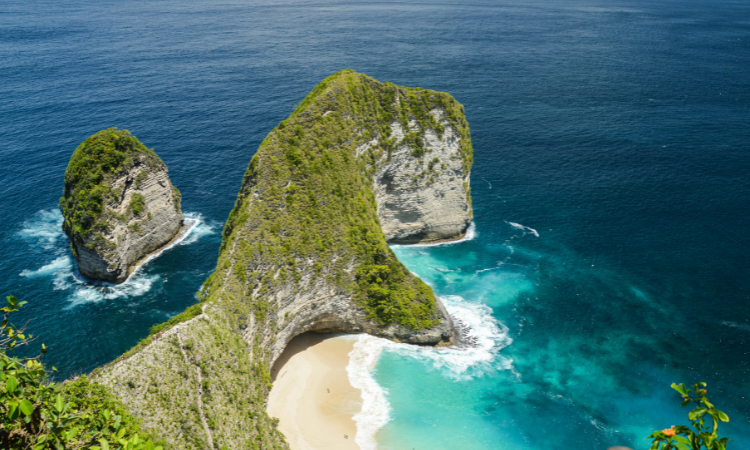
Southeast Asia is one of the most exciting and diverse regions in the world for travelers. From the bustling street markets of Bangkok to the lush rice terraces of Bali, and from the lantern-lit streets of Hoi An to the pristine beaches of Phuket, the region offers unforgettable experiences for every type of traveler. Countries like Thailand, Vietnam, Indonesia, Cambodia, and Malaysia attract millions of visitors every year thanks to their rich cultures, warm hospitality, and affordable travel options. However, as with many popular travel destinations worldwide, travelers may encounter scams in Southeast Asia if they are not prepared. While the vast majority of locals are friendly and welcoming, certain tourist-heavy areas sometimes attract opportunistic scams targeting visitors who may be unfamiliar with local practices.
The good news is that most of these scams are easy to avoid if you know what to look for. Understanding the most common scams in Southeast Asia 2026 and learning how to spot a travel scam in SE Asia can help you enjoy your journey without unnecessary stress. This guide will walk you through the typical tricks used on travelers and share practical Southeast Asia safety tips so you can explore the region confidently and safely.
Why Tourist Scams Exist in Popular Destinations
Tourism is a major economic driver across Southeast Asia. Cities like Bangkok, Ho Chi Minh City, Hanoi, and Denpasar receive millions of visitors every year. While tourism supports local businesses, it can also create opportunities for small-scale scams targeting unsuspecting travelers.
Many scams are not dangerous but are designed to make tourists overpay for goods, transportation, or services. Understanding how to stay safe in Southeast Asia begins with awareness. Once you recognize how these scams work, you can avoid them easily and continue enjoying your trip.
Taxi and Transportation Scams
One of the most common scams in Southeast Asia 2026 involves transportation, especially taxis and tuk-tuks.
In cities like Bangkok and Phnom Penh, drivers may refuse to use the meter and instead offer a flat rate that is significantly higher than the normal fare. In other cases, drivers may claim the meter is broken or take unnecessarily long routes to increase the fare.
Another version of this scam occurs when drivers bring tourists to specific shops or attractions where they receive a commission. These detours often lead to overpriced stores selling jewelry, souvenirs, or tailor-made clothing.
How to Avoid It
- Use ride-hailing apps when available.
- Ask the driver to use the meter before starting the ride.
- Confirm the price in advance for tuk-tuks or motorcycle taxis.
- Use the transportation recommended by your hotel or a trusted tour operator.
Being cautious with transportation is one of the easiest ways to avoid Southeast Asia travel scams.
The “Temple Is Closed” Scam
Another classic trick occurs near major attractions such as Grand Palace in Bangkok.
A friendly stranger approaches tourists and informs them that the attraction is closed for a special event, holiday, or lunch break. They then suggest visiting another temple or shop instead, offering to arrange transportation.
In reality, the attraction is usually open. The tourist is then taken to various stores where drivers receive commissions from sales.
How to Avoid It
Always check official hours online or verify with the entrance gate staff. Avoid relying on strangers for information about major attractions.
Fake Tour Operators
Booking tours is one of the best ways to experience Southeast Asia, but travelers should be cautious when choosing tour providers.
Fake tour offices sometimes advertise extremely cheap excursions to destinations such as Ha Long Bay or Angkor Wat. Once the tour begins, travelers may discover hidden fees, lower-quality services, or entirely different itineraries.
This is one of the most common scams in Southeast Asia 2026, especially in highly visited destinations.
How to Avoid It
- Book tours through reputable travel companies.
- Check recent reviews online.
- Avoid paying large sums in cash without documentation.
Learning how to spot a travel scam in SE Asia often comes down to verifying the legitimacy of businesses before booking.
Currency and Money Exchange Scams
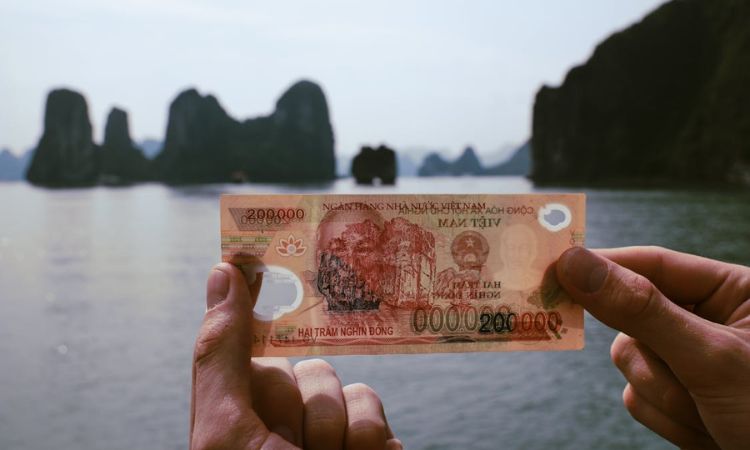
Currency confusion is another way travelers can lose money. Countries like Vietnam and Indonesia use currencies with large numbers, which can sometimes confuse visitors.
In some cases, dishonest vendors may return incorrect change or use sleight-of-hand tricks to shortchange customers.
How to Avoid It
- Count your money carefully.
- Use official currency exchange counters.
- Avoid exchanging money with street vendors.
- Familiarize yourself with local currency before arriving.
Following these Southeast Asia safety tips can prevent simple but frustrating mistakes.
Rental Scams for Motorbikes and Scooters
Scooters are one of the most popular ways to explore destinations like Bali or Chiang Mai. However, rental scams occasionally occur.
Some rental shops claim that travelers damaged the scooter and demand payment for repairs—even if the damage existed before the rental.
This issue is often discussed when talking about avoiding scams in Bali, where scooter rentals are extremely common.
How to Avoid It
- Take photos or videos of the scooter before renting it.
- Use reputable rental shops with clear contracts.
- Never leave your passport as collateral.
The Gem and Jewelry Scam
In cities like Bangkok, tourists may be approached by someone claiming there is a government jewelry promotion or special export sale.
Travelers are encouraged to purchase gemstones at supposedly discounted prices with the promise of high resale value back home. In reality, these gems are usually overpriced or of low quality.
How to Avoid It
If a deal sounds too good to be true, it probably is. Avoid buying expensive items through unsolicited recommendations.
Street Game and Distraction Scams
Busy markets such as Ben Thanh Market in Ho Chi Minh City or Chatuchak Weekend Market in Bangkok are fantastic places to explore local culture. However, they can also attract small distraction scams.
These may involve street games, fake petitions, or groups creating distractions while someone attempts to pickpocket.
How to Avoid It
- Keep valuables secure.
- Avoid participating in street betting games.
- Stay aware of your surroundings in crowded areas.
Overpriced Tourist Traps
Many travelers also encounter common tourist traps Thailand Vietnam, especially in heavily visited areas.
Restaurants or shops located near major landmarks sometimes charge significantly higher prices for food or souvenirs.
For example, visitors near Patong Beach or Hoan Kiem Lake may notice menus without clear pricing.
How to Avoid It
- Check menus before ordering.
- Look for restaurants with visible prices.
- Walk a few streets away from major attractions for better value.
Fake Charity or Donation Requests
Another scam occasionally seen in tourist areas involves fake charity collectors asking for donations.
People may claim to represent schools or community organizations and present official-looking documents.
How to Avoid It
Donate only through recognized organizations or verified charities.
Practical Southeast Asia Safety Tips
Knowing how to stay safe in Southeast Asia is mostly about awareness and preparation. Fortunately, the region is generally very safe for travelers who use basic precautions.
Here are a few helpful Southeast Asia safety tips:
- Research destinations before arriving.
- Keep digital copies of important documents.
- Avoid displaying large amounts of cash.
- Use reputable transportation and tour providers.
- Trust your instincts if something feels suspicious.
These simple practices can significantly reduce the chances of encountering Southeast Asia travel scams.
Why Most Travelers Have Positive Experiences
Despite the scams mentioned above, it is important to remember that the vast majority of travelers have wonderful experiences across Southeast Asia. The region is known for its welcoming cultures, delicious cuisine, and incredible landscapes.
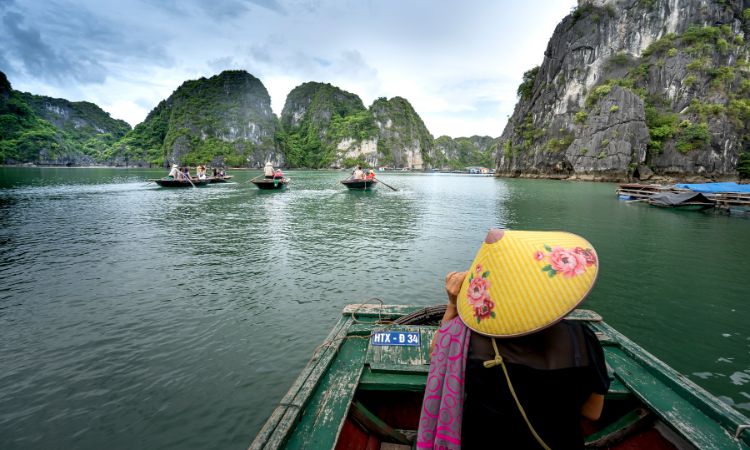
From exploring the limestone cliffs of Ha Long Bay to visiting ancient temples like Angkor Wat or relaxing on the beaches of Bali, travelers continue to return to the region year after year.
By understanding how to spot a travel scam in SE Asia and staying informed about the most common scams in Southeast Asia 2026, you can focus on enjoying the authentic experiences that make the region so special.
Final Thoughts
Traveling through Southeast Asia is an unforgettable adventure filled with vibrant cultures, incredible food, and breathtaking scenery. While Southeast Asia travel scams do exist in certain tourist areas, most are minor and easily avoided with a little preparation.
By learning how to stay safe in Southeast Asia, understanding common tourist traps Thailand Vietnam, and being aware of tactics used when avoiding scams in Bali, travelers can explore the region confidently.
Ultimately, knowledge is the best defense. The more informed you are about how to spot a travel scam in SE Asia, the more you can relax and enjoy everything this fascinating part of the world has to offer.
With a bit of awareness and these practical Southeast Asia safety tips, your journey through Southeast Asia can be as safe as it is unforgettable.
 Toll Free (USA & Canada) +1 866 978 2997