North India vs South India – Where Should You Travel To?
India is a country of extraordinary diversity. From snow-covered Himalayan peaks and royal palaces to tropical backwaters and golden beaches, every region offers a completely different experience. For travelers planning their first journey, one common question often arises: North India vs South India – where should you travel to?
The answer depends entirely on the kind of experience you are looking for. While North India is known for grand forts, bustling cities, deserts, and Himalayan landscapes, South India offers serene backwaters, lush hill stations, ancient temples, and laid-back coastal charm.
This guide explores the key differences between the two regions, the best attractions, cultural highlights, cuisine, weather, and the top places to visit in South India and things to do in North India to help you decide which part of the country suits your travel style best.
Whether you want adventure, spirituality, heritage, food, or nature, one thing is certain—when you Visit India, you are stepping into one of the world’s most fascinating destinations. Welcome to Incredible India.
Understanding North India and South India
India is geographically and culturally vast. The northern and southern regions differ significantly in language, food, architecture, climate, landscapes, and traditions.
North India Includes:
Delhi
Rajasthan
Uttar Pradesh
Punjab
Himachal Pradesh
Jammu & Kashmir
Uttarakhand
South India Includes:
Kerala
Tamil Nadu
Karnataka
Andhra Pradesh
Telangana
Each region offers unique experiences, making it difficult to declare one “better” than the other. Instead, the right choice depends on your interests.
North India vs South India: Major Differences
Feature
North India
South India
Landscapes
Mountains, deserts, plains
Beaches, backwaters, hills
Climate
Extreme summers and winters
Tropical and humid
Cuisine
Rich, spicy, bread-based
Rice-based, coconut flavors
Architecture
Mughal forts and palaces
Ancient temples and Dravidian architecture
Atmosphere
Fast-paced and vibrant
Relaxed and peaceful
Best For
History, adventure, iconic landmarks
Nature, wellness, culture
Why Choose North India?
North India is often the first choice for travelers visiting India for the first time. The region is home to many iconic attractions associated with Incredible India, including the Taj Mahal, Jaipur’s palaces, and the Himalayas.
The energy here is vibrant, colorful, and immersive.
Top Things to Do in North India
There are endless things to do in North India, whether you love history, spirituality, nature, or adventure.
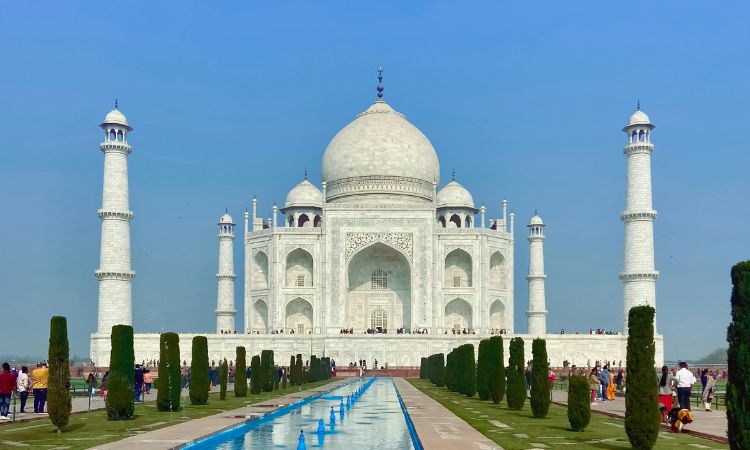
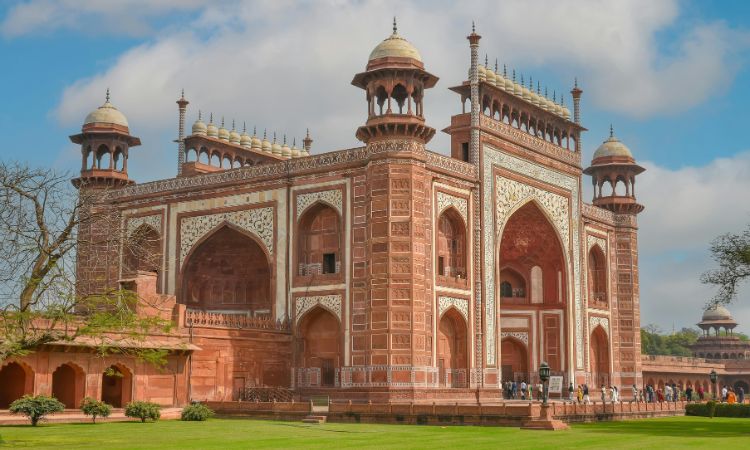
Visit the Taj Mahal in Agra
No trip to India is complete without seeing the Taj Mahal. This white marble masterpiece is one of the world’s most famous landmarks and a symbol of eternal love.
Sunrise visits are especially magical.
Explore Jaipur’s Royal Heritage
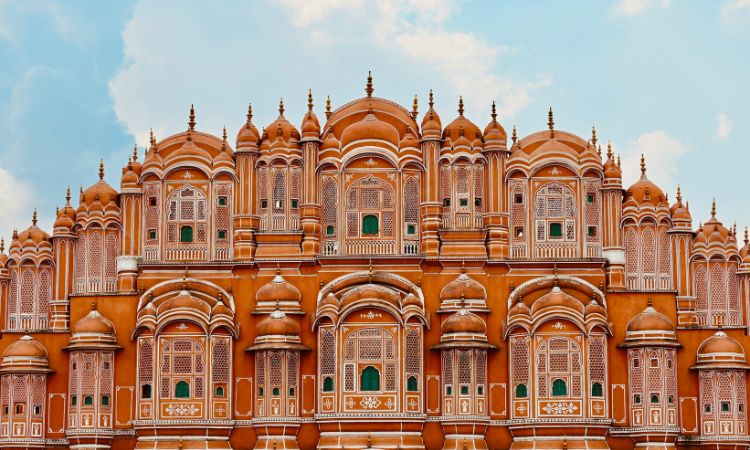
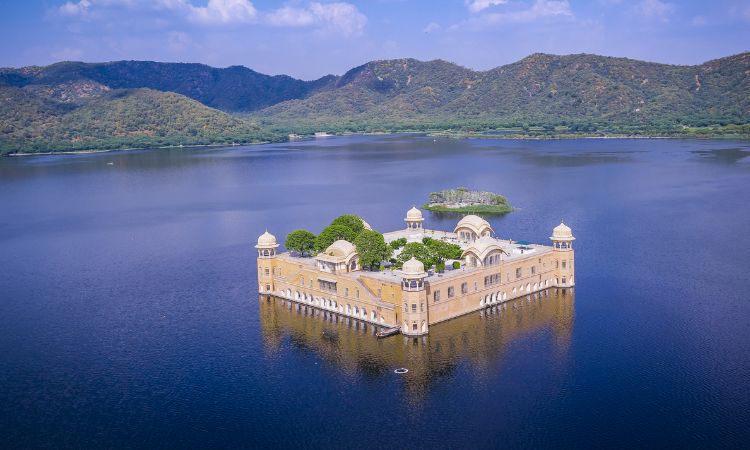
Jaipur, the Pink City, is filled with royal palaces, colorful bazaars, and majestic forts.
Highlights include:
Amber Fort
City Palace
Hawa Mahal
Jantar Mantar
Rajasthan’s royal culture offers one of the most memorable experiences when you Visit India.
Experience Delhi’s Historic and Modern Blend
India’s capital is a fascinating mix of old and new.
Explore:
Red Fort
Jama Masjid
India Gate
Humayun’s Tomb
Chandni Chowk markets
Delhi also offers some of the country’s best food experiences.
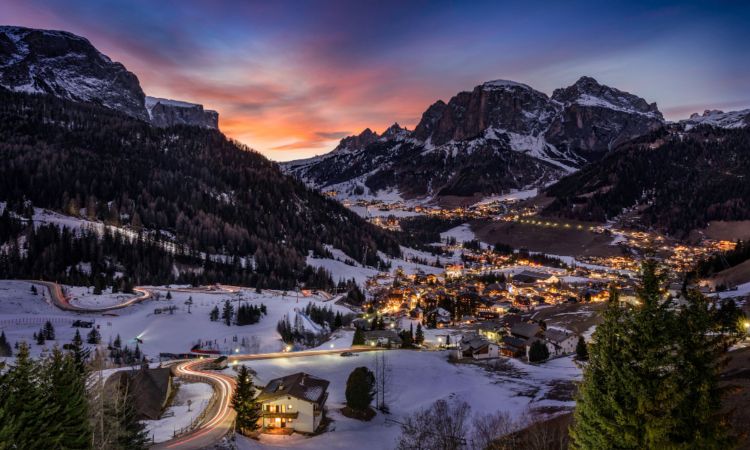
Discover the Himalayas
For nature lovers, North India offers breathtaking Himalayan destinations like:
Manali
Shimla
Leh-Ladakh
Rishikesh
Dharamshala
Popular activities include:
Trekking
River rafting
Mountain biking
Camping
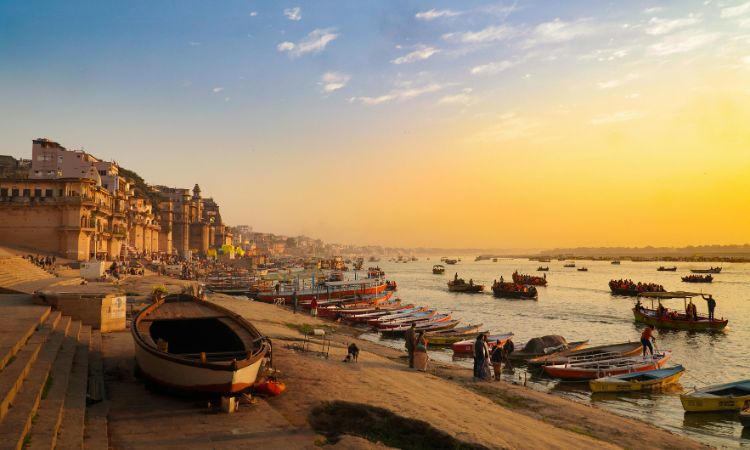
Attend the Ganga Aarti in Varanasi
Varanasi is one of the world’s oldest continuously inhabited cities and India’s spiritual heart.
Watching the evening Ganga Aarti ceremony along the ghats is an unforgettable cultural experience.
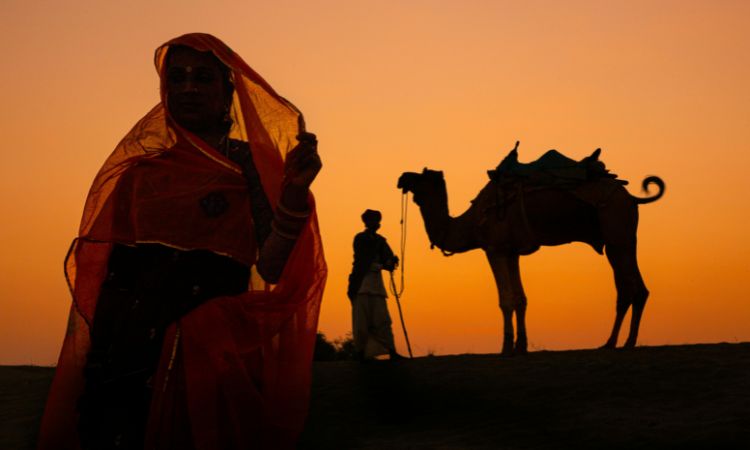
Go on a Desert Safari in Rajasthan
Camel rides and desert camps in Jaisalmer offer a unique glimpse into Rajasthan’s desert culture.
Spending a night under the stars in the Thar Desert is among the top things to do in North India.
Why Choose South India?
South India is calmer, greener, and often less chaotic than the north. It is known for its tropical beauty, ancient temples, wellness retreats, and coastal landscapes.
Travelers seeking slower-paced experiences often fall in love with South India.
Best Places to Visit in South India
There are countless beautiful places to visit in South India, ranging from beaches and backwaters to temples and hill stations.
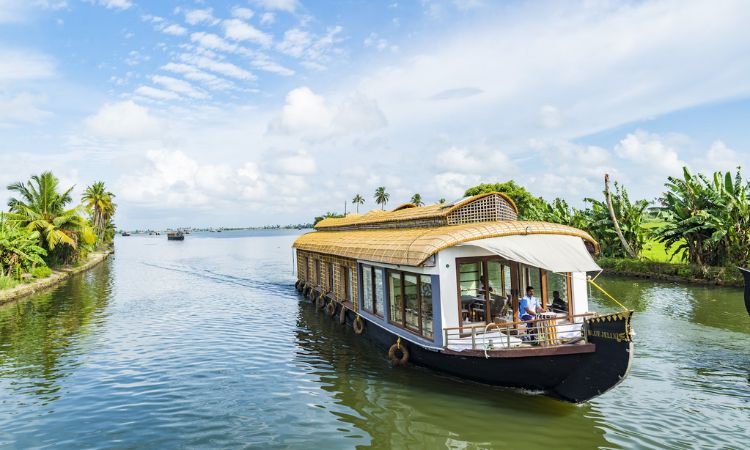
Cruise Through Kerala’s Backwaters
Kerala’s backwaters are among the most iconic places to visit in South India.
Stay aboard a traditional houseboat and glide through:
Alleppey
Kumarakom
Vembanad Lake
The peaceful scenery, coconut groves, and village life create a relaxing experience unlike anywhere else in India.
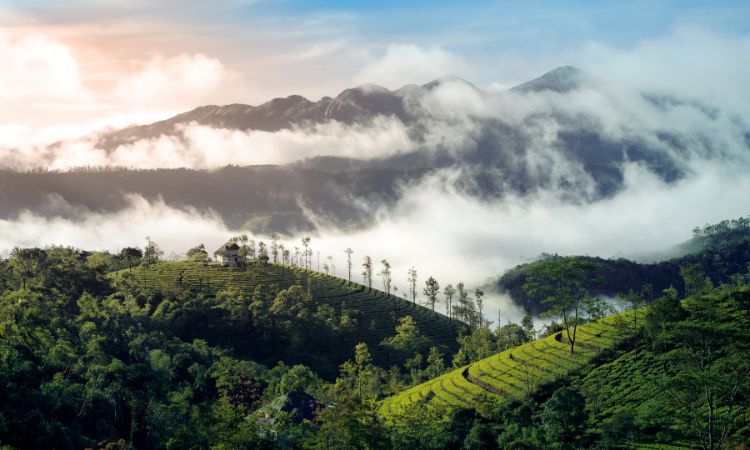
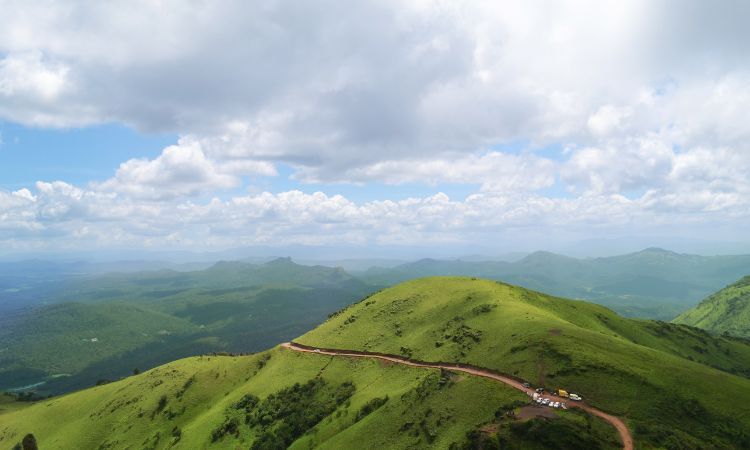
Explore Munnar’s Tea Plantations
Munnar is a scenic hill station filled with rolling tea estates and misty mountains.
Visitors enjoy:
Tea plantation tours
Waterfalls
Nature walks
Wildlife parks
The cooler climate makes Munnar a refreshing escape.
Visit Mysore Palace
Mysore in Karnataka is famous for its royal palace, colorful markets, and rich cultural heritage.
The illuminated Mysore Palace during evenings is truly spectacular.
Relax on Goa’s Beaches
Though geographically on India’s western coast, Goa is often combined with South India itineraries.
Goa offers:
Golden beaches
Portuguese heritage
Seafood cuisine
Vibrant nightlife
It is perfect for both relaxation and adventure.
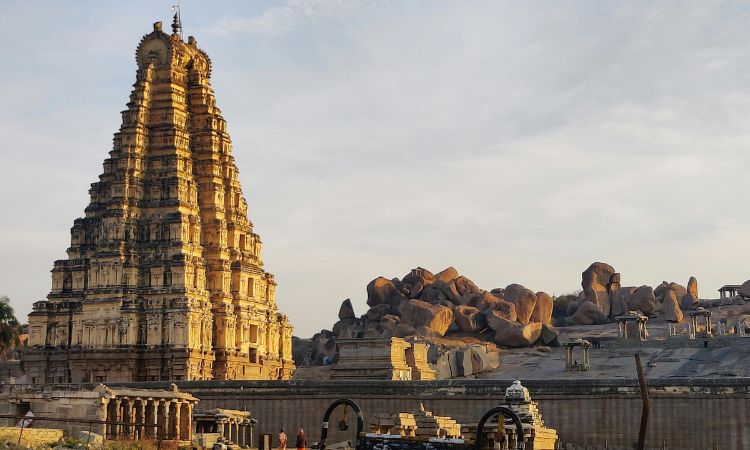
Discover Temple Architecture in Tamil Nadu
Tamil Nadu is home to some of India’s most magnificent temples.
Must-visit sites include:
Meenakshi Temple
Brihadeeswarar Temple
Ramanathaswamy Temple
The towering Dravidian architecture is visually stunning.
Explore Coorg’s Coffee Plantations
Known as the “Scotland of India,” Coorg offers:
Coffee estates
Scenic hills
Waterfalls
Wildlife
It is one of the most peaceful places to visit in South India.
Food: North India vs South India
Cuisine is one of the biggest differences between the two regions.
North Indian Food
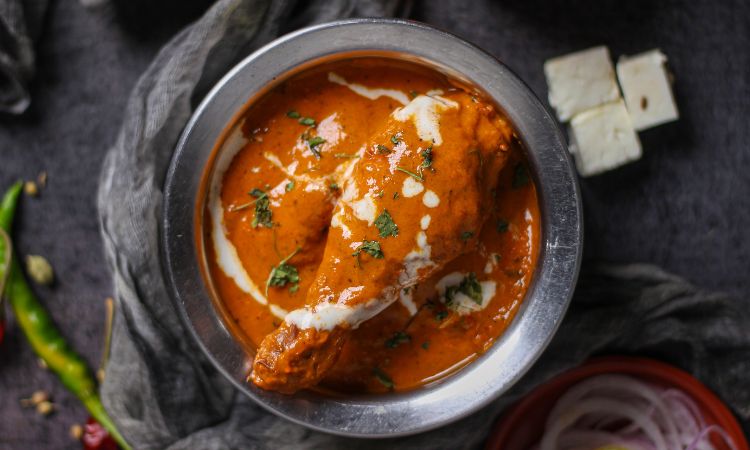
North Indian cuisine is rich, creamy, and flavorful.
Popular dishes include:
Butter chicken
Rogan josh
Paneer tikka
Naan
Chole bhature
Meals are often wheat-based with breads like naan and roti.
South Indian Food
South Indian cuisine is lighter and heavily rice-based.
Famous dishes include:
Dosa
Idli
Sambar
Appam
Hyderabadi biryani
Coconut, curry leaves, and spices play a major role in flavors.
Food lovers will enjoy both regions for entirely different reasons.
Weather and Best Time to Visit
Best Time for North India
The best months are:
October to March
This period offers pleasant temperatures for sightseeing.
Avoid peak summer if possible, especially in cities like Delhi and Agra.
Best Time for South India
South India is more tropical and can be visited year-round, though:
November to February is ideal
Monsoon season transforms Kerala and hill stations into lush green landscapes.
Cultural Experiences
Both regions are culturally rich, but the experiences differ greatly.
North India Culture
North India reflects Mughal, Rajput, and Sikh influences.
Expect:
Grand forts
Colorful festivals
Bustling bazaars
Traditional dance and music
South India Culture
South India is deeply rooted in ancient Dravidian traditions.
Visitors experience:
Classical dance forms
Temple rituals
Ayurveda
Carnatic music
Both regions offer incredible opportunities to connect with local traditions.
Nature and Landscapes
North India Landscapes
Himalayas
Deserts
Valleys
Rivers
Adventure travelers often prefer North India for trekking and mountain experiences.
South India Landscapes
Beaches
Backwaters
Tropical forests
Tea plantations
South India is ideal for wellness and scenic relaxation.
Which Region is Better for First-Time Visitors?
If it is your first time planning to Visit India, North India may feel more iconic because of:
Taj Mahal
Jaipur
Varanasi
Delhi
These destinations represent the classic imagery associated with Incredible India.
However, travelers seeking a calmer and more relaxed introduction to India may prefer South India.
Can You Combine Both North and South India?
Absolutely.
Many travelers combine both regions for a more complete experience of India’s diversity.
A combined itinerary may include:
Delhi
Agra
Jaipur
Kerala
Mysore
Chennai
This allows visitors to experience India’s contrasts in culture, landscapes, and traditions.
Travel Tips for India
Plan Ahead
India is vast, and distances between cities can be significant.
Dress Comfortably
Lightweight clothing works best, especially in warmer months.
Respect Local Customs
Temple visits may require modest clothing and the removal of shoes.
Stay Hydrated
India’s climate can be hot and humid depending on the region.
Try Regional Cuisine
Each state has its own specialties worth exploring.
Budget Considerations
Both North and South India offer:
Budget travel
Luxury experiences
Boutique stays
Cultural tours
Generally:
South India can feel slightly more relaxed and affordable
North India offers a wider range of luxury heritage properties
Travelers of all budgets can comfortably explore either region.
Final Verdict: North India vs South India
So, when it comes to North India vs South India, where should you travel?
Choose North India if you want:
Iconic landmarks
Royal palaces
Himalayan adventures
Desert experiences
Fast-paced cultural immersion
Choose South India if you prefer:
Beaches and backwaters
Wellness and Ayurveda
Temple architecture
Tropical scenery
Slower, relaxed travel
Ultimately, there is no wrong answer. Both regions showcase different sides of Incredible India, and each offers unforgettable experiences.
From the majestic Himalayas to Kerala’s tranquil backwaters, India rewards every kind of traveler. Whether you explore the bustling cities of the north or the lush places to visit in South India, every journey reveals something extraordinary.
No matter where you begin, one thing is certain: when you Visit India, you will leave with memories, colors, flavors, and stories that stay with you forever.
 Toll Free (USA & Canada) +1 866 978 2997