Explore the Mystical Lake Titicaca Floating Islands
Description of the Uros Floating Islands:
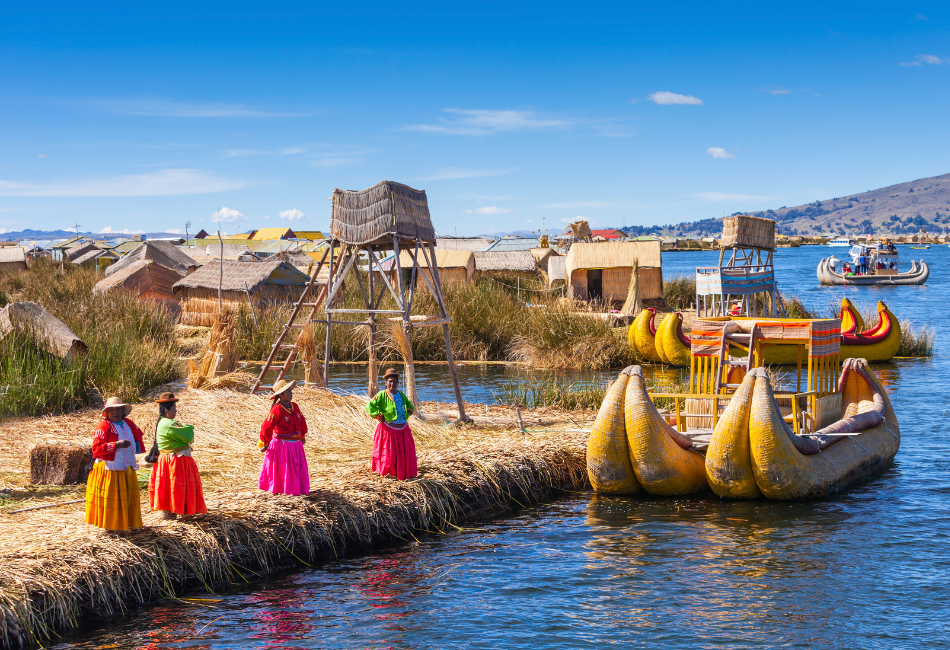
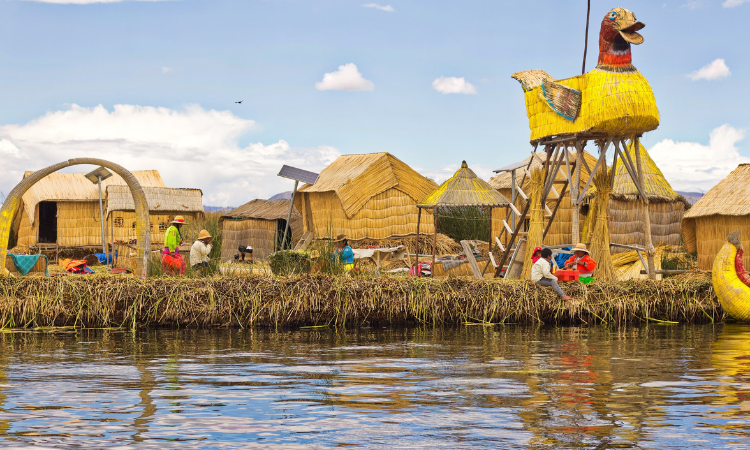
Apart from Machu Picchu, another famous landmark in Peru is Lake Titicaca, which crosses the border between Peru and Bolivia and is home to the remarkable Uros floating islands. These islands are constructed entirely from totora reeds, a versatile plant that grows abundantly in the shallow waters of the lake. The Uros people, an indigenous group, ingeniously use these reeds to build the islands, their homes, and even their boats. The islands are anchored to the lake bed with ropes and poles, allowing them to float freely and be moved if necessary. The totora reeds provide a soft, spongy surface, which requires constant maintenance as the reeds at the bottom rot away and new layers are added on top.
Historical Background of the UROS Islands and Their Inhabitants:
The Uros people have a rich history that dates back to pre-Incan times. They originally created the floating islands as a means of protection from more aggressive tribes on the mainland. By living on the water, the Uros could escape and relocate quickly if threatened. This way of life allowed them to preserve their unique culture and traditions, despite the encroachments of neighboring civilizations. Today, the Uros continue to live on these floating islands, maintaining their traditional lifestyle while also engaging in tourism. Visitors to Lake Titicaca can experience the unique culture of the Uros islands, learning about their reed-based craftsmanship, folklore, and way of life that has persisted for centuries.
How to Visit the Floating Uros Islands from Cusco
Transport Options from Cusco to Lake Titicaca:
By Bus:
Tourist Bus: Several companies offer tourist buses from Cusco to Puno, the gateway to Lake Titicaca. These buses are comfortable, with amenities such as Wi-Fi, snacks, and guided stops at various attractions along the route.
Direct Bus: Direct buses are available for a more straightforward journey without stops. These typically depart in the evening, allowing you to travel overnight and arrive in Puno in the early morning.
Popular Companies: Cruz del Sur, Inka Express, and Turismo Mer offer reliable services.
By Train:
PeruRail Titicaca Train: This luxurious train ride offers a scenic and leisurely journey from Cusco to Puno. It features panoramic windows, gourmet dining, and onboard entertainment. This option provides a unique travel experience, though it is more expensive and slower than the bus.
By Plane:
Flight to Juliaca: You can fly from Cusco to Juliaca, the nearest airport to Puno. The flight takes about an hour. From Juliaca, you can take a bus or taxi to Puno, which is approximately a one-hour drive.
Estimated Travel Times and Best Practices for Tourists:
Bus:
Tourist Bus: Approximately 10-12 hours, depending on the number of stops.
Direct Bus: Around 7-8 hours, typically overnight.
Train:
PeruRail Titicaca Train: About 10 hours, offering a full-day travel experience with stunning views.
Plane:
Flight to Juliaca: 1-hour flight, plus 1 hour by road to Puno.
Best Practices for Tourists:
Book in Advance: Transport options, especially trains and tourist buses, can fill up quickly. Book your tickets in advance to secure your preferred travel method.
Pack Appropriately: The journey from Cusco to Puno involves significant changes in altitude and climate. Dress in layers and bring essentials like snacks, water, and travel pillows for comfort.
Acclimatize: Both Cusco and Puno are at high altitudes. Ensure you are well-acclimatized in Cusco before making the trip to Puno to avoid altitude sickness.
Stay Hydrated: Drink plenty of water, especially if traveling by bus or train for long hours.
Arrive Early: Plan to arrive in Puno a day before your tour of the floating islands to rest and prepare for the experience.
Choose Guided Tours: Opt for guided tours to the floating islands for a more informative and structured visit. Local guides provide valuable insights into the culture and history of the Uros people.
Respect Local Customs: When visiting the floating islands, be respectful of the local customs and traditions. Always ask for permission before taking photos of the residents.
By following these guidelines, you can ensure a smooth and enjoyable journey from Cusco to the fascinating floating islands of Lake Titicaca.
The Experience of Visiting the Uros Islands
Visiting the Uros floating islands on Lake Titicaca offers a unique and immersive experience into the lives of the Uros people. These artificial islands, made entirely of totora reeds, are a testament to the ingenuity and resilience of their inhabitants. Upon arrival, visitors are greeted with a warm welcome by the islanders, who eagerly share their fascinating history and intricate reed-crafting techniques.
One of the highlights of the visit is a ride on a traditional totora reed boat, offering a serene and picturesque view of the lake and the surrounding landscape. Exploring the Uros islands, you’ll walk on the spongy reed surface and see firsthand how the islands are constructed and maintained. The Uros people will explain the continual process of adding fresh reeds to keep the islands afloat, an essential part of their daily life.
A visit often includes a traditional lunch featuring local ingredients, allowing you to savor the unique flavors of the region. Additionally, you can purchase handmade crafts and souvenirs directly from the artisans, including intricately woven textiles, jewelry, and reed miniature boats. These purchases support the local economy and help preserve the Uros’ traditional crafts.
The experience is both educational and enriching, providing deep insights into the sustainable lifestyle and rich cultural heritage of the Uros community. It’s a rare opportunity to connect with a unique way of life that has been preserved for centuries, making it a memorable and meaningful part of any visit to Lake Titicaca.
The Best Lake Titicaca Peru Tours and Uros Islands Tours
Recommended Tour Options:
Uros and Taquile Island Full-Day Tour: This popular tour combines visits to the Uros floating islands and Taquile Island. Experience the unique culture of the Uros people and then explore Taquile, known for its stunning landscapes and vibrant textile traditions.
Overnight Amantani Island Homestay: Spend the night with a local family on Amantani Island, offering an immersive cultural experience. Participate in daily activities, enjoy home-cooked meals, and experience traditional music and dance.
Luxury Catamaran Cruise: For a more comfortable journey, opt for a luxury catamaran cruise. Enjoy panoramic views, gourmet meals, and guided tours of the Uros, Taquile, and other islands.
Tour Comparisons:
Private Tours: Ideal for a personalized experience, private tours offer flexibility and customization. You can set your own pace and focus on specific interests, whether cultural, historical, or natural. They are more expensive but provide a tailored and intimate experience.
Group Tours: These tours are more budget-friendly and offer a social atmosphere, perfect for meeting other travelers. Group sizes can vary, but they typically follow a fixed itinerary. While less flexible, they are efficient and cover key attractions.
Bespoke Experiences: For the ultimate personalized adventure, bespoke tours are fully customized based on your preferences. Work with a travel specialist to design an itinerary that includes unique activities, exclusive access, and special accommodations. These tours are the most expensive but offer a highly curated and unique experience.
Choosing the right tour depends on your budget, travel style, and desired level of personalization. Each option offers a different way to explore the beauty and culture of Lake Titicaca.
Planning Your Visit: Tips and Recommendations
The best times to visit Lake Titicaca are between May and October, during the dry season, offering clear skies and mild temperatures. When visiting, respect local customs and traditions. Always ask for permission before taking photos of people, and dress modestly to honor cultural norms. Engage with local communities with curiosity and respect, listening to their stories and purchasing handmade crafts to support their livelihoods. Learning a few basic phrases in the local language, Aymara or Quechua, can enhance your interactions and show appreciation for their culture. These considerations ensure a respectful and enriching experience.
FAQs About Lake Titicaca and the Floating Islands
1. What can tourists buy on the floating islands of Lake Titicaca?
When visiting the floating islands of Lake Titicaca, tourists can purchase a variety of handmade crafts, textiles, and souvenirs created by the Uros people. These items often include beautifully woven reed boats, intricately embroidered textiles, vibrant tapestries, and colorful jewelry. The crafts are made using traditional techniques passed down through generations, offering a unique glimpse into the cultural heritage of the Uros. Buying these handmade products directly from the artisans supports the local economy and preserves the traditional craftsmanship of the islanders.
2. How are the floating islands of Lake Titicaca maintained?
The floating islands of Lake Titicaca are made from totora reeds, which require regular maintenance to remain afloat and habitable. The Uros people maintain their islands by continuously adding fresh layers of reeds to the surface. As the lower layers of reeds decompose and sink, new reeds are harvested from the lake and laid on top. This process not only keeps the islands buoyant but also ensures a stable and dry living environment. Maintenance is a communal effort, with island residents working together to harvest, transport, and layer the reeds. This ongoing maintenance is crucial, as it ensures the longevity and sustainability of the floating islands.
3. What is the best way to get to Lake Titicaca from Lima or Cusco?
Travelers have several options to reach Lake Titicaca from Lima or Cusco:
From Lima:
Flights: The fastest way to get to Lake Titicaca from Lima is by flying to Juliaca, the nearest airport to Puno. The flight takes about 1.5 hours. From Juliaca, Puno is a one-hour drive, accessible by taxi or bus.
Buses: There are also long-distance bus services from Lima to Puno, which take approximately 20-24 hours. This option is less expensive but much longer.
From Cusco:
Flights: Like from Lima, you can fly from Cusco to Juliaca. The flight duration is around one hour, followed by a one-hour drive to Puno.
Buses: Several tourist and direct buses run from Cusco to Puno. Tourist buses often take 10-12 hours, including stops at various attractions along the way. Direct buses take around 7-8 hours.
Train: The PeruRail Titicaca Train offers a scenic and luxurious journey from Cusco to Puno, taking approximately 10 hours. This option provides a unique travel experience with panoramic views, gourmet dining, and onboard entertainment.
4. Are there accommodation options on the floating islands?
Yes, there are accommodation options on the floating islands of Lake Titicaca. Visitors can experience an authentic stay through homestays with local families. These homestays provide a unique opportunity to immerse oneself in the daily life and culture of the Uros people. Guests can participate in activities such as fishing, weaving, and reed boat building, while also enjoying traditional meals prepared by their hosts. While the facilities are basic, the experience is rich in cultural exchange and personal connection. In addition to homestays, there are also a few guesthouses on some of the larger islands, offering slightly more comfort while still providing an authentic experience.
5. What unique wildlife can be seen on and around the islands?
Lake Titicaca is home to a variety of unique wildlife, including several endemic species. Notable among them is the Titicaca water frog, also known as the “scrotum frog” due to its baggy skin. This critically endangered species is unique to the lake and plays a crucial role in the local ecosystem. Another notable species is the Titicaca grebe, a flightless bird that is also endemic to the lake. Bird watchers can also spot Andean flamingos, Andean geese, and various ducks. The lake’s ecosystem supports a range of aquatic life, including fish species that are vital to the diet of the local communities.
The totora reeds that dominate the landscape provide habitat and nesting grounds for many bird species. The biodiversity of Lake Titicaca not only adds to the natural beauty of the region but also underscores the importance of conservation efforts to protect these unique species and their habitats. Visitors are encouraged to observe wildlife respectfully, ensuring minimal impact on the fragile ecosystems.
In summary, a visit to Lake Titicaca and its floating islands offers a rich tapestry of cultural heritage, natural beauty, and unique experiences. Whether shopping for handmade crafts, learning about the meticulous maintenance of the floating islands, or exploring travel options from Lima and Cusco, travelers will find a journey filled with discovery and connection. Accommodations on the islands provide an immersive cultural experience, while the diverse wildlife adds to the allure of this remarkable destination.
 Toll Free (USA & Canada) +1 866 978 2997