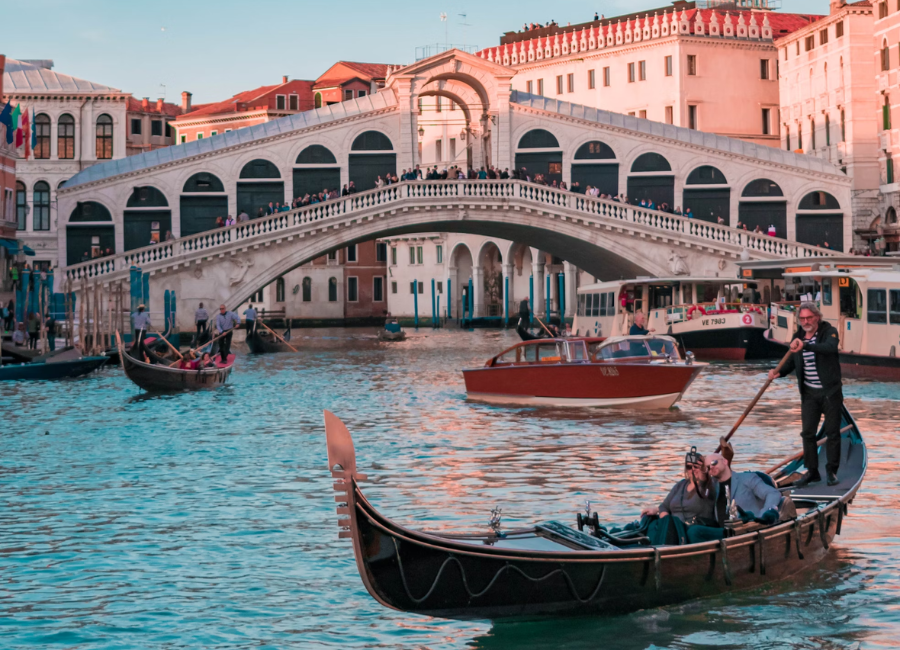
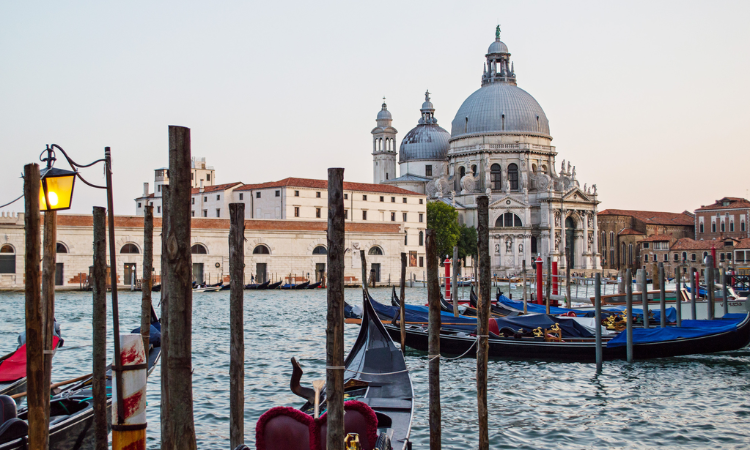
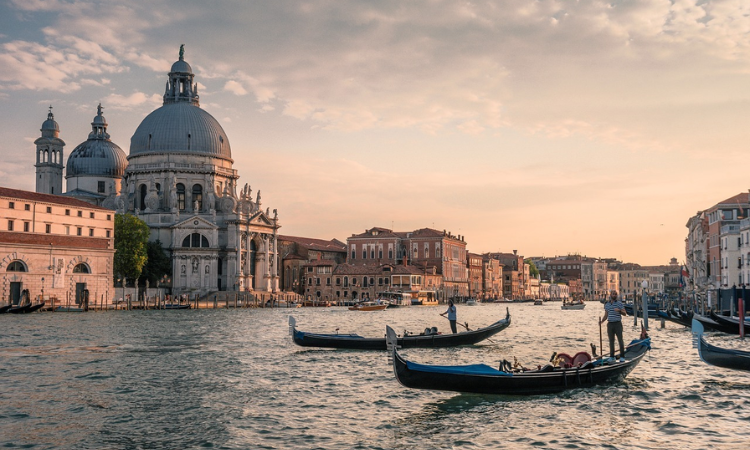
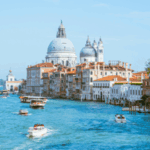
Imagine gliding through the serene waters of Venice, the iconic city in Italy with canals, nestled comfortably in a gondola as it weaves through narrow waterways flanked by centuries-old buildings. The soft lapping of water against the ancient stone walls, the melodious rhythm of the gondolier’s song echoing through the labyrinthine streets – it’s a scene straight out of a romantic dream.
Overview of Italian cities with canals:
Italy’s allure extends beyond its renowned landmarks and culinary delights; it encompasses a network of enchanting canal cities that hold centuries of history and culture within their watery embrace. From the iconic canals of Venice, the city of canals, built in the Middle Ages as a source of transportation, to the lesser-known gems like Comacchio and Mantua, each Italian city with canals offers a unique glimpse into Italy’s rich tapestry of art, architecture, and tradition.
In this article, we embark on a journey to explore both the famous and lesser-known cities with water streets, uncovering the secrets and stories that lie beneath the shimmering surface of their waters. Beyond the well-trodden paths of the metropolitan city of Venice, we delve into the lesser-explored corners of Italy’s canal network, where charming bridges, colorful facades, and bustling marketplaces await discovery.
Are you ready to drift away on a voyage of discovery, tracing the intricate waterways that have shaped the cultural landscape of Northern Italy for centuries? Join us as we navigate the labyrinthine canals and hidden corners of Italy’s canal cities, unlocking the beauty and mystery that await around every bend.
Venice – The Queen of Canals
NNestled gracefully amidst the waters of the Venetian Lagoon, what Italian city is popular for tourists because of its canals? Venice stands as the undisputed Queen of Canals, captivating visitors with its timeless beauty and rich heritage. At the heart of this enchanting city lies the majestic Grand Canal, a waterway steeped in history and grandeur. You can travel to Venice by rail, air, or road. All means are pretty much feasible.
The Grandeur of the Grand Canal Venice:
Stretching gracefully through the heart of Venice, one of the most popular Italian cities with canals, the Grand Canal is a testament to the city’s architectural prowess and maritime legacy. Lined with opulent palaces, elegant bridges, and bustling marketplaces, this iconic waterway offers a glimpse into Venice’s illustrious past. From the iconic Rialto Bridge, with its elegant arches and bustling market stalls, to the majestic St. Mark’s Square, adorned with its magnificent basilica and towering campanile, each landmark along the Grand Canal tells a story of Venetian splendor and grandeur.
The Depths of Venice’s Canals:
Beneath the shimmering surface of Venice’s canals lies a complex network of waterways that have sustained the city for centuries. Despite their picturesque appearance, these canals hold a deeper significance, serving as vital arteries of Venetian life and commerce. Yet, Venice’s reliance on its aquatic infrastructure comes with its own set of challenges, as the delicate balance of the Venetian Lagoon faces environmental threats and preservation efforts.
A Gondola Ride Through History:
No visit to this beautiful city with water streets is complete without a leisurely gondola ride along its labyrinthine canals. As iconic symbols of Venetian culture, gondolas have plied these waters for centuries, offering a unique perspective on the city’s storied past. Embarking on a gondola journey is akin to stepping back in time, as you glide past historic buildings and hidden courtyards, accompanied by the melodic serenade of your gondolier. From the ornate facades of Gothic palaces to the elegant arches of Renaissance bridges, each architectural marvel along the canal tells a tale of Venice’s rich and vibrant history.
Beyond Venice – Other Italian Cities with Canals
Treviso – The “Little Venice”
Treviso is a charming city often referred to as “Little Venice” due to its picturesque canals winding through the historic center. The waterways, fed by the Sile River, flow beneath medieval bridges and past frescoed buildings. Strolling along these canals, visitors can enjoy scenic reflections, quaint cafés, and a peaceful atmosphere away from Venice’s crowds.
Milan (Navigli District) – Da Vinci’s Canal System
Milan may be famous for fashion, but its Navigli District is a hidden gem of waterways and nightlife. Designed in part by Leonardo da Vinci, these canals once served as a crucial transportation network. Today, they are lined with trendy restaurants, vibrant bars, and art studios, making the district one of Milan’s most scenic and lively spots.
Bologna – Hidden Medieval Canals
Bologna’s canals date back to the Middle Ages, yet they remain mostly hidden beneath the city’s streets. One of the best places to glimpse these waterways is through the Finestrella di Via Piella, a small window revealing a view of the “hidden Venice” of Bologna. These canals once powered mills and transported goods, and they still add a secret charm to the city.
Comacchio – The “Little Venice” of Emilia-Romagna
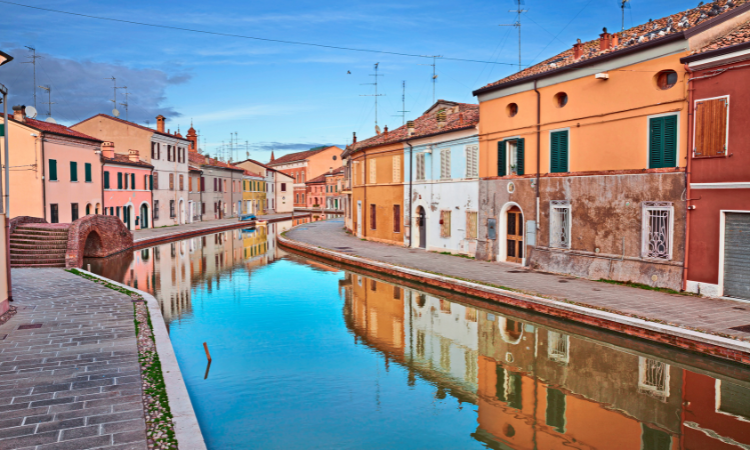
With its arched bridges and pastel-colored houses, Comacchio resembles a smaller, quieter version of Venice. Located in Emilia-Romagna’s Po Delta, this canal city is famous for its Trepponti Bridge, fresh eel cuisine, and relaxed atmosphere. Gondola-like boat rides offer visitors a unique way to explore its scenic waterways.
Livorno – The “Venice of Tuscany”
The “New Venice” district of Livorno is a maze of canals originally built to protect the city from invaders. Today, these waterways wind past colorful buildings, seafood markets, and historic fortresses. A boat tour through Livorno’s canals is a must to fully appreciate its maritime history and picturesque setting.
Padua (Brenta Canal) – Renaissance Elegance
Padua is home to the Brenta Canal, an elegant waterway connecting the city to Venice. Lined with grand Renaissance villas, including Villa Pisani, this canal was historically used by Venetian nobility as a summer retreat. Today, visitors can e
While Italy’s Venice canals reign supreme as the country’s iconic canal city, the charm of Northern Italy and waterways extends far beyond its borders. From the picturesque shores of Lake Garda to the tranquil landscapes of the Po Delta, a journey through these lesser-known canal cities reveals a tapestry of scenic beauty, cultural heritage, and culinary delights.
The Charm of Northern Italy’s Waterways
Peschiera del Garda:
Nestled on the shores of Lake Garda, Peschiera del Garda captivates visitors with its scenic beauty and leisure activities. Framed by ancient walls and surrounded by shimmering waters, this charming town offers a perfect blend of history and relaxation.
Chioggia:
Dubbed a mini-version of Venice, Chioggia boasts a rich fishing heritage and a network of picturesque canals that wind through its narrow streets. From colorful fishing boats to bustling fish markets, Chioggia offers a glimpse into the authentic maritime culture of the Venetian lagoon.
Valeggio on the Mincio:
Perched along the banks of the Mincio River, Valeggio beckons with its historical significance and array of attractions. From the medieval fortress of the Scaliger Castle to the enchanting gardens of Parco Sigurtà, Valeggio is a treasure trove of architectural wonders and natural beauty.
The Po Delta’s Hidden Gems:
Borghetto sul Mincio:
Tucked away in the heart of the Mincio Valley, Borghetto sul Mincio exudes medieval charm and culinary delights. With its ancient stone bridges and quaint watermills, this idyllic village offers a tranquil escape into northern Italy’s rural past.
Comacchio:
Located in the Emilia-Romagna region, Comacchio is often referred to as “Little Venice” for its intricate network of canals and bridges. Steeped in cultural heritage, this coastal town is renowned for its traditional fishing industry and vibrant festivals.
Rasiglia:
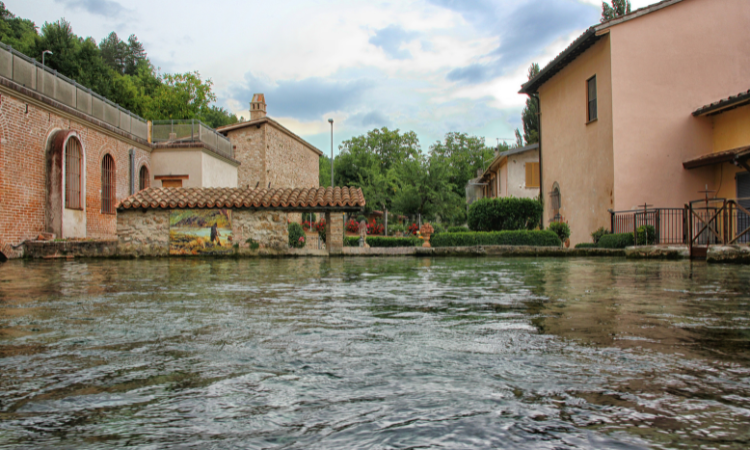
Nestled amidst the lush greenery of Umbria, Rasiglia is affectionately known as the “Village of Streams” for its abundance of natural waterways. A haven for nature lovers, Rasiglia offers scenic hiking trails, cascading waterfalls, and a glimpse into rural Italian life.
Burano:
Located in the Venetian Lagoon, Burano enchants visitors with its colorful houses, intricate lace-making tradition, and vibrant cultural scene. As you wander through its narrow streets and charming piazzas, you’ll discover why Burano is hailed as one of Italy’s most picturesque islands.
Best Ways to Explore Canal Cities
Gondola Rides vs. Vaporetto (Water Buses) – When to Choose Which
- Gondola Rides: Perfect for a romantic or intimate experience, gondolas are best for slow-paced sightseeing through historic canals. Ideal for cities like Venice and Comacchio, where narrow waterways add to the charm.
- Vaporetto (Water Buses): A budget-friendly and efficient way to travel, vaporettos are great for longer distances and exploring multiple neighborhoods. Best suited for cities with larger canals, like Venice and Milan (Navigli District).
Walking Tours Along Canals – Where to Find the Best Scenic Routes
- Treviso: Walk along the Sile River and through the old town’s waterways.
- Bologna: Follow the streets near Via Piella to see hidden medieval canals.
- Livorno: Stroll through the New Venice district for colorful buildings and charming bridges.
- Padua: Walk along the Brenta Canal, lined with Renaissance villas.
Cycling Along Canal Paths – Available in Cities like Milan and Bologna
- Milan’s Navigli District offers well-paved cycling routes alongside its historic canals, making it a scenic and easy way to explore.
- Bologna has hidden waterways, and while cycling through the city, visitors can stop by the Finestrella di Via Piella for a glimpse of its medieval canals.
- Padua features beautiful cycling routes along the Brenta Canal, passing historic villas and lush countryside.
The Architectural and Cultural Tapestry
Bridges and Buildings – The Backbone of Canal Cities:
In the intricate network of canal cities, bridges and buildings stand as the enduring symbols of architectural splendor and ingenuity. From the graceful arches of medieval bridges to the grandeur of Renaissance palaces, each structure along the waterways tells a story of craftsmanship and cultural heritage. Whether it’s the iconic Rialto Bridge in Venice, the ornate Ponte Vecchio in Florence, or the charming Ponte di Rialto in Chioggia, these bridges serve as vital connections between neighborhoods and landmarks, weaving together the fabric of canal city life.
The Cultural Mosaic:
Beyond their architectural allure, the city’s canals play a pivotal role in shaping the cultural mosaic of their surrounding communities. From Venice’s vibrant Carnivale celebrations to Chioggia’s traditional fish festivals, the rhythms of canal life are intertwined with local culture, traditions, and festivities. The city’s canals serve as more than just waterways; they are the lifeblood of community gatherings, artistic performances, and culinary experiences. Whether it’s the colorful regattas of Burano or the lively street markets of Comacchio, the canals provide a stage for the expression of local identity and pride. Through their enduring presence, canal cities continue to inspire and unite communities, fostering a sense of belonging and celebration amidst the flowing waters of tradition.
Environmental Aspects and Future Challenges
Balancing Beauty and Sustainability:
As visitors marvel at the timeless beauty of Italy’s canal cities, it’s crucial to acknowledge the environmental factors that underpin their existence. From Venice’s delicate ecosystem to the biodiversity of the Po Delta, these waterways are not only cultural treasures but also vital habitats for flora and fauna. Sustainable tourism practices are essential to ensure the preservation of these fragile ecosystems while allowing visitors to experience their charm responsibly. Initiatives such as waste management programs, eco-friendly transportation options, and conservation efforts play a crucial role in maintaining the delicate balance between beauty and sustainability in canal cities.
The Impact of Modernization:
While historic canals have stood the test of time, they face new challenges in the wake of modernization. Urban development, pollution, and climate change pose significant threats to the integrity of these waterways, requiring innovative adaptation strategies to safeguard their future. From flood prevention measures in Venice to restoration projects in Chioggia, canal cities are exploring ways to mitigate the impact of modern challenges while preserving their rich cultural heritage. Embracing sustainable practices, investing in infrastructure upgrades, and engaging local communities are key steps toward ensuring that these iconic waterways continue to thrive for generations to come.
Planning Your Visit:
When to Visit and What to Expect:
Italy’s canal cities beckon visitors year-round, each season offering its own unique charm and attractions. Spring and early autumn are ideal for pleasant weather and fewer crowds, allowing visitors to explore at their leisure. Summer brings vibrant festivals and cultural events but also sees an influx of tourists, so be prepared for larger crowds and higher temperatures. Winter offers a quieter, more intimate experience, with the chance to enjoy cozy cafes and festive markets amidst the crisp air.
Must-See Destinations and Hidden Corners:
While iconic landmarks like Venice’s St. Mark’s Square and Florence’s Ponte Vecchio are must-visit destinations, don’t overlook the hidden corners and lesser-known areas of Italian canal cities. In Venice, venture beyond the well-trodden paths to discover charming neighborhoods like Cannaregio and Dorsoduro, where authentic trattorias and artisan workshops await. In Chioggia, stroll along the picturesque canals of the historic center and savor fresh seafood at local trattorias. Explore the tranquil beauty of Borghetto sul Mincio or indulge in the colorful charm of Burano’s lace-making tradition. Whether you’re drawn to the iconic sights or the hidden gems, Italian canal cities promise a memorable journey filled with beauty, history, and discovery.
FAQs
- How deep are the canals in Venice?
- Venice’s canals average 1.5 to 2 meters in depth, with the Grand Canal being deeper.
- Which Italian city is famous for its canals besides Venice?
- Other notable canal cities include Milan, Comacchio, and Chioggia.
- What are the main canals to visit in Venice?
- The Grand Canal, Cannaregio Canal, and Giudecca Canal are among the must-visits.
- Can you explore the canals of other Italian cities by boat?
- Many Italian cities offer boat tours to explore their charming canals.
Check out Italy tours by Indus Travels for a memorable Italian vacation. Reach out to us and our experts will be happy to help you in crafting your perfect trip to Italy.
FAQ’s
How deep are the canals in Venice?
Venice’s canals vary in depth, with the Grand Canal averaging 5 meters (16 feet) deep, while smaller canals can be shallower.
Which Italian city is famous for its canals besides Venice?
Several Italian cities have canals, including Treviso, Milan (Navigli District), Bologna, Comacchio, and Livorno, each offering a unique charm.
What are the main canals to visit in Venice?
The Grand Canal, Giudecca Canal, and the smaller canals of Dorsoduro, Cannaregio, and San Polo are must-sees for visitors.
Can you explore the canals of other Italian cities by boat?
Yes, several cities like Milan, Treviso, and Padua (Brenta Canal) offer boat tours and navigable waterways.
What city in Italy has canals?
Beyond Venice, Treviso, Milan, Bologna, Comacchio, Padua, and Livorno all feature canal systems.
What Italian city has canals instead of roads?
Venice is the most famous Italian city where canals completely replace roads, making boats the primary mode of transport.
Is Venice the only city with canals?
No, many Italian cities have canals, including Milan, Treviso, Comacchio, Bologna, Livorno, and Padua, each with its own distinct atmosphere.
Which Italian city has narrow streets?
Venice is famous for its narrow alleyways (calli), with some streets barely wide enough for a single person to walk through.
What is the most unique city in Italy?
Venice is often considered the most unique due to its floating cityscape, canal network, and rich maritime history.
Which city in Europe has the most canals?
Surprisingly, Amsterdam has more canals than Venice, but Venice remains the most iconic canal city.
Is Venice very expensive?
Venice can be pricey, especially in peak tourist seasons, but budget options are available for food, accommodation, and transportation.
Are gondola rides available in cities other than Venice?
Yes! Cities like Milan (Navigli), Treviso, and Comacchio offer boat tours and Venetian-style gondola experiences.
What is the best time to visit Italy’s canal cities?
Spring (April–June) and early autumn (September–October) offer the best weather and fewer crowds for exploring canal cities.
How were these canal networks developed in Italian history?
Many of Italy’s canals were created for trade, irrigation, and defense during medieval and Renaissance times, with Venice being the most famous example.
Which canal city in Italy is the least touristy?
Comacchio and Treviso are great lesser-known alternatives, offering beautiful canals with fewer crowds.
Can you take boat tours in all these cities?
While not all, many cities like Milan, Padua, and Treviso have boat tours that allow visitors to experience the canals from the water.
How do the canals impact daily life in these cities?
In cities like Venice, canals serve as streets, affecting transportation, deliveries, and even emergency services.
What are some romantic spots in Italy’s canal towns?
Venice’s Bridge of Sighs, Treviso’s Buranelli Canal, and Milan’s Navigli at sunset are top romantic locations.
Which of these cities are best for a day trip from Venice?
Padua, Treviso, and Comacchio make excellent day trips from Venice, offering charming canals and historical attractions.
Are there unique festivals or events celebrated along these canals?
Yes! Venice’s Regata Storica, Bologna’s Waterways Festival, and Milan’s Navigli Christmas Markets are just a few examples.
Approximately how many canals are there in the city of Venice, Italy?
Venice is home to around 150 canals, which weave through the city, serving as its primary mode of transportation and adding to its enchanting charm. The Grand Canal, the largest and most famous, snakes through the heart of Venice, connecting many of its historic districts.
 Toll Free (USA & Canada) +1 866 978 2997