Incredible India: 7 Must-See Landmarks Beyond the Taj Mahal
Ask most travellers to name a landmark in India and the Taj Mahal will almost always come first. Yet limiting your image of Incredible India to one marble masterpiece means missing out on a whole world of forts, temples, palaces and landscapes that are just as unforgettable.
From golden temples reflected in holy pools to ancient ruins scattered across boulder‑strewn hills, the real magic of Incredible India lies in its contrasts and the stories that link them together.
This guide handpicks seven must‑see landmarks beyond the Taj Mahal that showcase the full spectrum of Incredible India – places where history, spirituality, architecture and everyday life still meet in powerful ways. And guess what you can tick off all these landmarks when you sign up for the India Group Tours by Indus Travels.
1. Amer Fort and the Royal Heart of Jaipur, Rajasthan
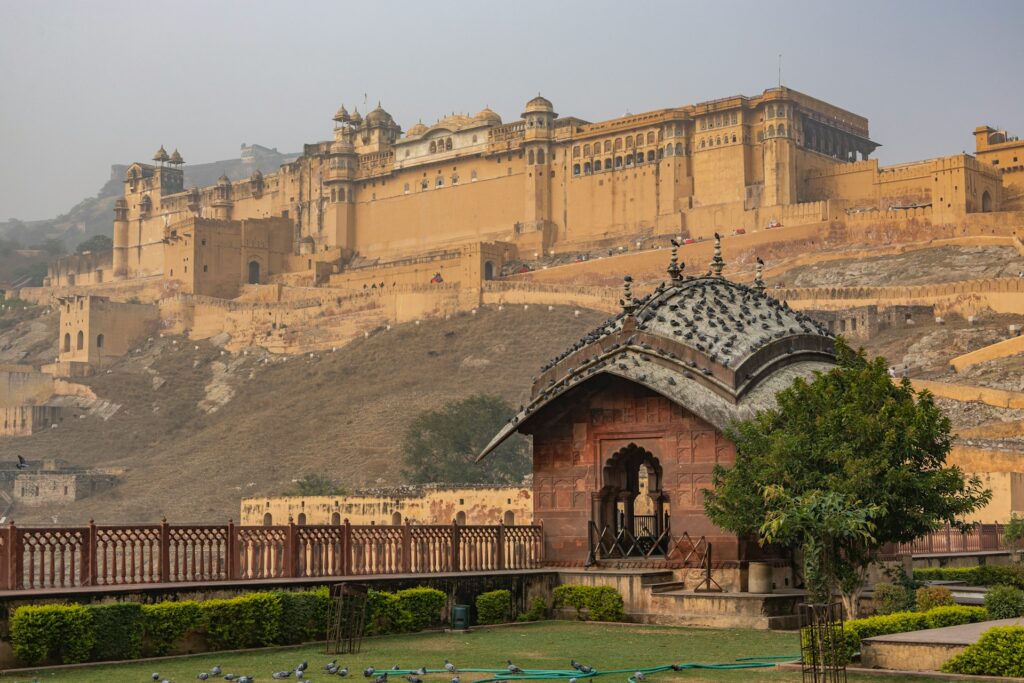
No list of Incredible India landmarks is complete without Jaipur, the “Pink City” and gateway to the desert state of Royal Rajasthan. Perched on a hill above Maota Lake, Amer (Amber) Fort looks like something out of a storybook, with honey‑coloured ramparts, mirrored halls and courtyards cooled by fountains.
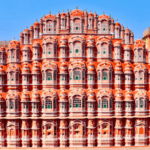
Inside the fort, you’ll wander through the Sheesh Mahal (Hall of Mirrors), Rajput courtyards and pavilions that blend Mughal elegance with local craftsmanship. Down in the city, Hawa Mahal’s honeycomb of windows, the City Palace and the astral instruments of Jantar Mantar add even more layers to your Incredible India experience.
Come for sunrise or late afternoon when the light turns the walls gold, then stay to explore bazaars overflowing with textiles, jewellery and spices – proof that Incredible India is as much about living culture as it is about monuments.
2. Golden Temple, Amritsar: A Living Spiritual Landmark
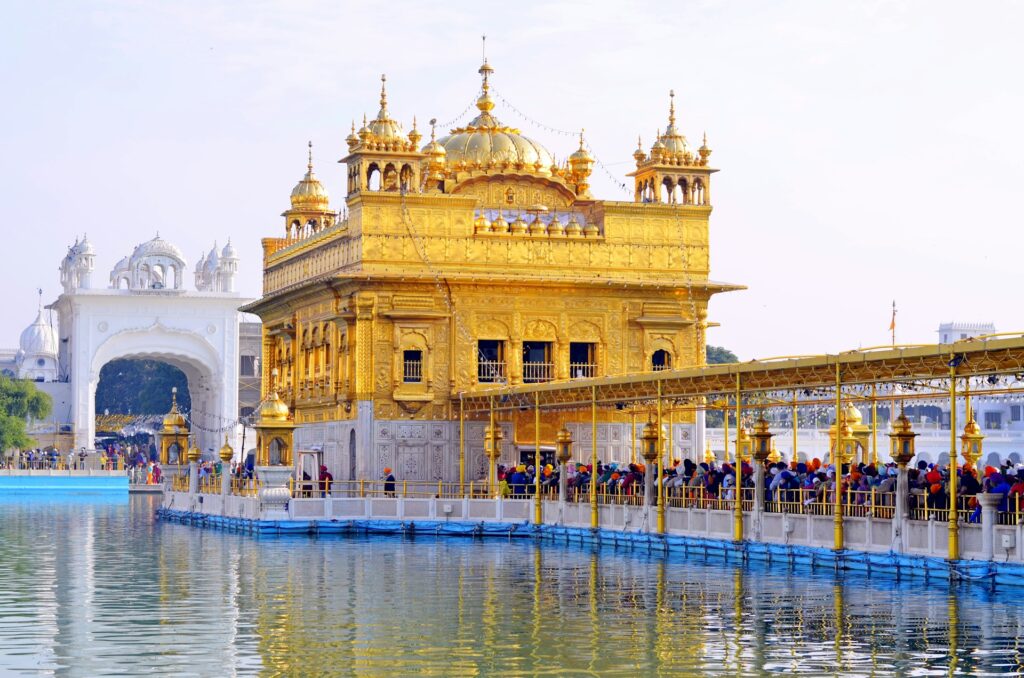
If you want to feel the spiritual side of Incredible India, the Golden Temple (Sri Harmandir Sahib) in Amritsar is unmissable. The Sikh faith’s holiest shrine appears to float in the middle of a sacred pool, its gilded domes mirrored in the still water at dawn and dusk.
What makes this place one of the most powerful landmarks in Incredible India is not just its beauty, but its openness. Pilgrims and travellers of all backgrounds are welcome, and the temple’s community kitchen (langar) serves hundreds of thousands of free vegetarian meals every day, cooked and shared by volunteers.
Walk slowly around the marble parikrama, listen to the continuous hymns and watch families sit quietly by the water’s edge – a reminder that in Incredible India, faith is woven into daily life in deeply practical, communal ways.
3. Varanasi Ghats and the Ganges: India’s Eternal City
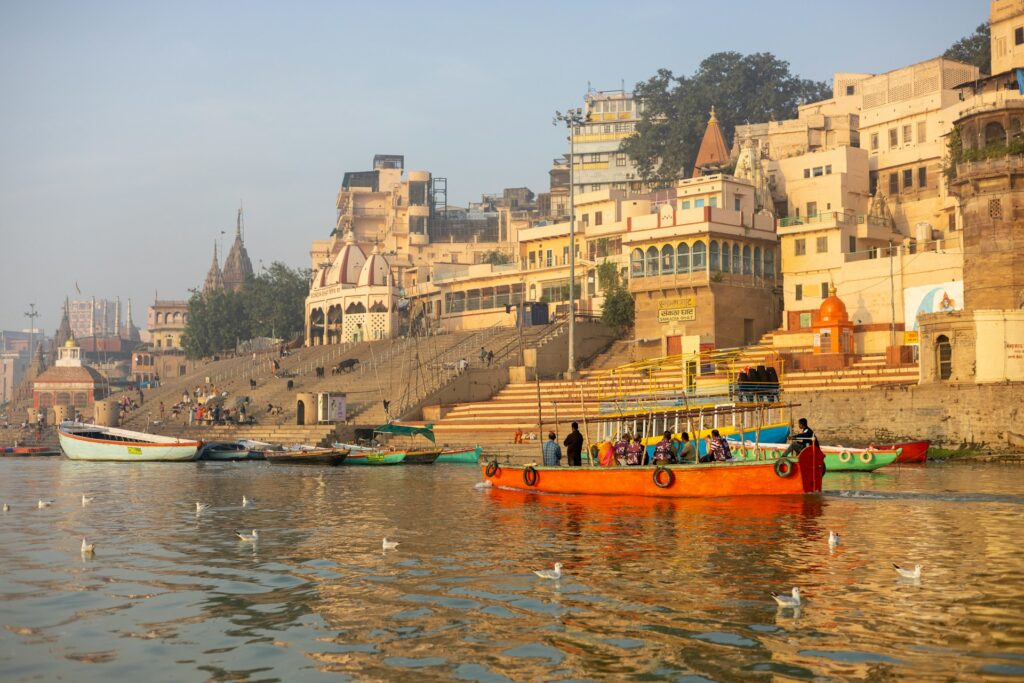
Few places capture the soul of Incredible India like Varanasi, one of the world’s oldest continuously inhabited cities, that you can visit when you sign up for the Best of Rajasthan and Varanasi Small Group Tour. Here, religion, ritual and everyday routine all meet on the stepped riverfronts, or ghats, that lead down to the Ganges.
At sunrise, boats glide through mist as locals bathe, priests perform small ceremonies and chai sellers call out over the water. In the evening, the Ganga Aarti fills the main ghats with fire, bells and chanting, offering one of the most visceral spiritual experiences in Incredible India.
It can feel intense, but that’s exactly why the ghats belong on any “beyond the Taj” list. They show a raw, complex, utterly compelling side of Incredible India that you simply cannot understand from photos alone.
4. Hampi, Karnataka: Ruined Capital in a Boulder Desert
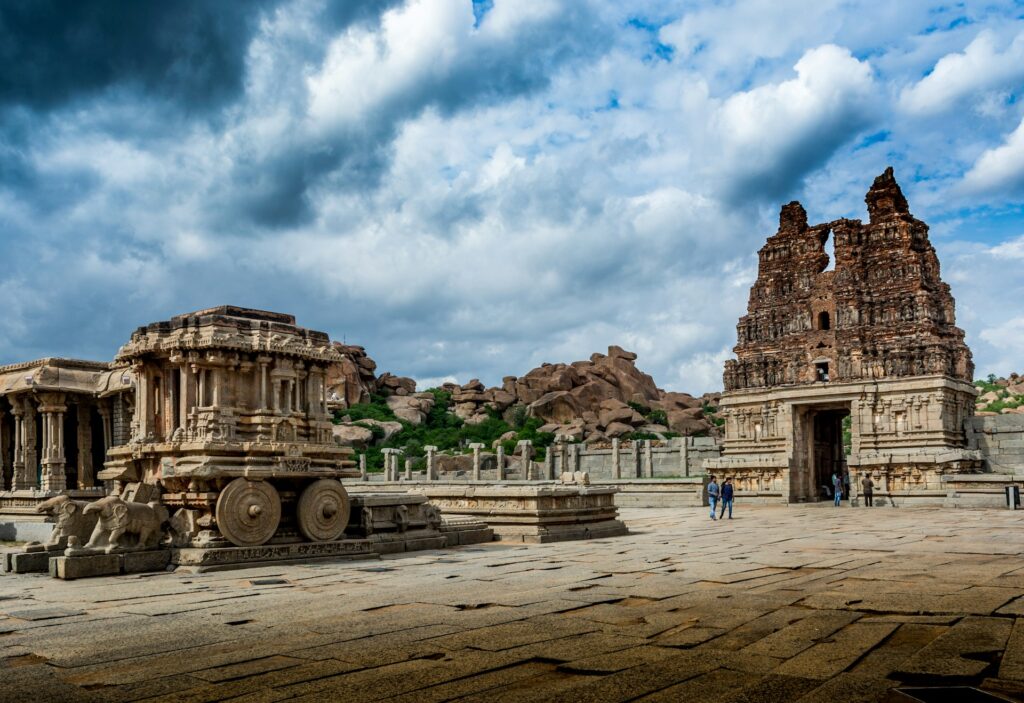
Travel south and you’ll find one of the most atmospheric archaeological sites in Incredible India: Hampi, once the capital of the mighty Vijayanagara Empire. Today, temple towers and palace platforms are scattered across a surreal landscape of giant granite boulders and banana plantations.
You can spend days here exploring carved mandapas, royal enclosures, ancient markets and the iconic stone chariot at Vittala Temple. Sunrise from Matanga Hill or Hemakuta Hill, with the Tungabhadra River winding below, is a moment when Incredible India feels both timeless and otherworldly.
Hampi is proof that the country’s most evocative ruins are not just in the north, and that the story of Incredible India stretches far beyond Mughal marble to Dravidian stone and forgotten empires.
5. Ajanta and Ellora Caves, Maharashtra: Art Carved from Rock
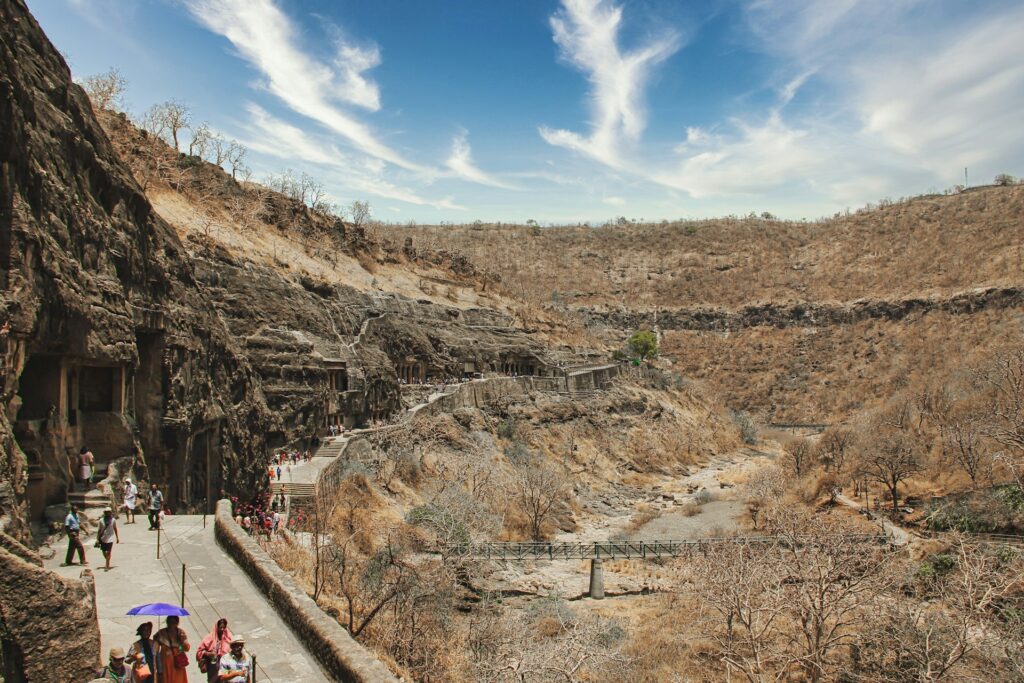
For art and architecture lovers, the cave complexes of Ajanta and Ellora are among the most extraordinary landmarks in Incredible India. Carved into cliffs in Maharashtra, these sites preserve centuries of Buddhist, Hindu and Jain art in the form of rock‑cut monasteries, temples and shrines.
Ajanta is famous for its serene Buddha statues and delicate murals that still glow with colour despite being painted over 1,500 years ago. Ellora astonishes with the Kailasa Temple, a colossal free‑standing structure carved from a single rock from top to bottom – an engineering miracle that defines Incredible India ingenuity.
Walking through dimly lit halls, past pillars and reliefs chiselled by hand, you feel you’ve stepped inside a three‑dimensional art gallery that rivals anything above ground, another reason these caves are central to understanding Incredible India.
6. Meenakshi Amman Temple, Madurai: A Riot of Colour and Ritual
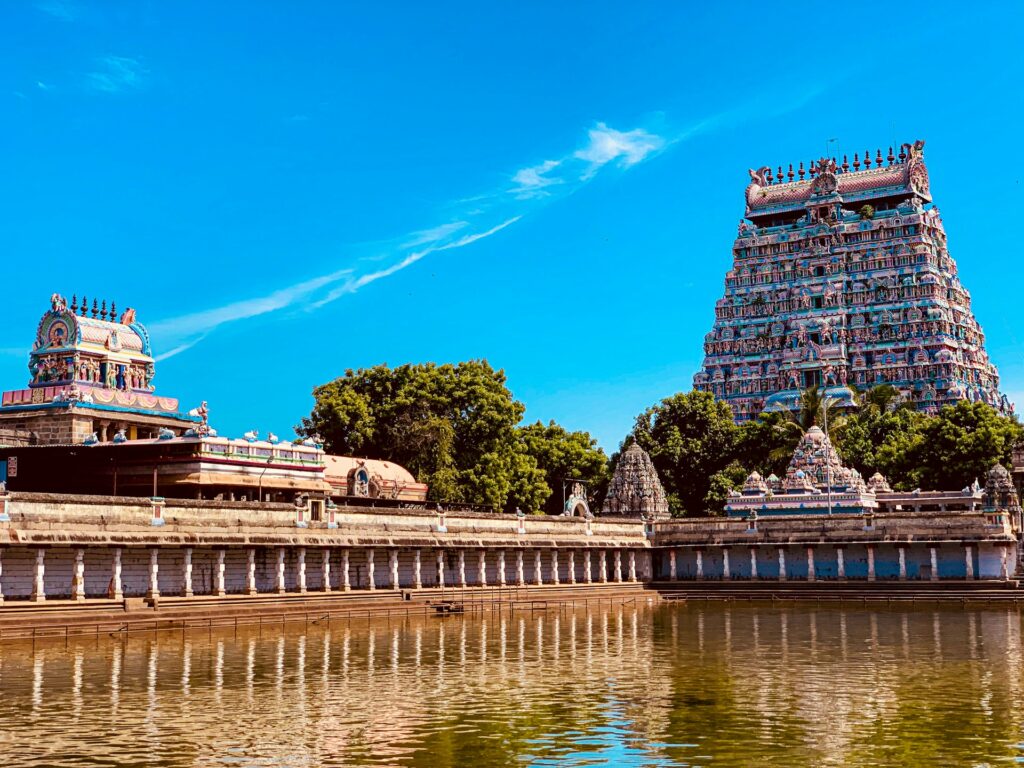
In Tamil Nadu’s temple city of Madurai, Meenakshi Amman Temple, one of Southern India Jewels shows a dramatically different face of Incredible India. Instead of white marble, you’re greeted by towering gopurams (gateway towers) covered in a kaleidoscope of painted deities, demons and mythological scenes.
Inside, pillared halls, shrines, sacred tanks and bustling corridors create a labyrinth of sound, incense and movement. Devotees line up with offerings, priests move through the crowds and small rituals unfold in every corner, making the temple feel like a living organism rather than a static monument.
For visitors willing to slow down and observe respectfully, Meenakshi Temple becomes one of the most immersive stops on an Incredible India journey, showing how ancient Dravidian architecture and active worship still coexist.
7. Kerala Backwaters, Alleppey & Kumarakom: Liquid Lanes of the South
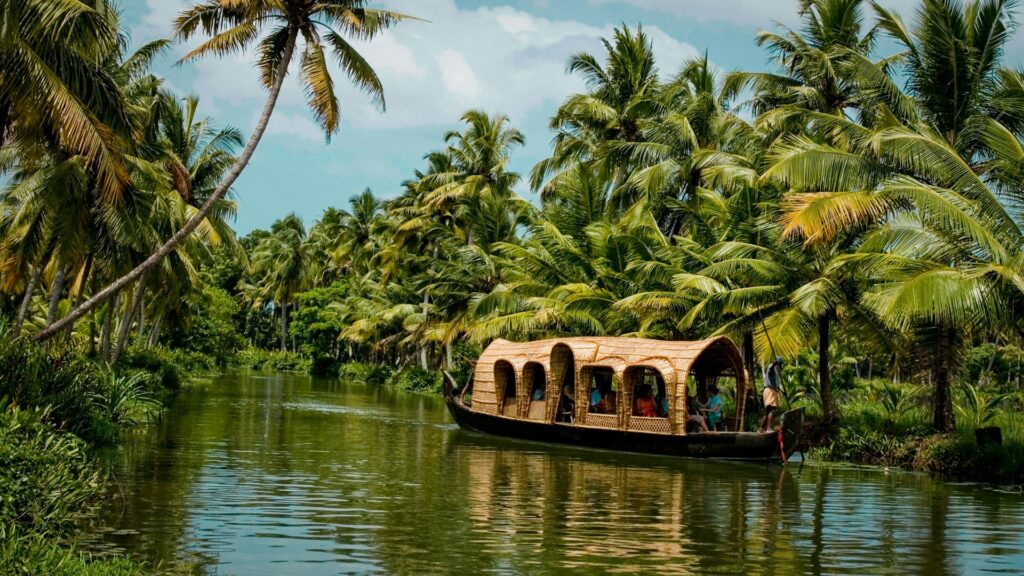
Not all of the must‑see landmarks in Incredible India are built from stone. In Kerala, a labyrinth of canals, lagoons and lakes known as the backwaters offers a completely different kind of icon: a landscape shaped by water and village life, and the highlight of our Classic South India Tour.
Board a traditional kettuvallam (houseboat) in Alleppey or Kumarakom and drift past rice paddies, coconut palms and small churches and temples lining the banks. Daily scenes – children rowing to school, women washing clothes, fishermen checking their nets – become the moving postcards of this side of Incredible India.
As the sun sets and lanterns flicker on, you’ll realise that quiet, reflective moments can be just as defining for your memory of Incredible India as grand monuments and busy bazaars.
Planning Your Route Around These Incredible India Landmarks
One challenge when exploring Incredible India beyond the Taj Mahal is simply geography: the country is huge, and these seven landmarks are spread across very different regions. The upside is that each can anchor a deeper route.
North circuit: Combine Delhi and the Taj with Amritsar’s Golden Temple and the Varanasi ghats for a powerful mix of history and spirituality.
Royal Rajasthan loop: Build a route around Jaipur’s Amer Fort and other desert cities like Jodhpur and Udaipur.
South India trail: Pair Meenakshi Temple with the temple towns of Tamil Nadu, then unwind in the Kerala backwaters.
Central and western focus: Link Mumbai with Ajanta and Ellora, and, if time allows, add Hampi or other Karnataka highlights.
Even if you have just two weeks, choosing two or three of these landmarks lets you experience very different faces of Incredible India, without trying to cover the entire map in one trip.
Tips for Visiting India’s Iconic Landmarks
To make the most of these Incredible India sites, a few practical tips go a long way:
Time your visit: Early mornings and late afternoons mean softer light, fewer crowds and cooler temperatures at outdoor monuments.
Dress respectfully: Many landmarks are active places of worship; covering shoulders and knees is a sign of respect and often required.
Hire local guides: A good guide can turn carvings, inscriptions and rituals into stories, bringing each stop on your Incredible India journey to life.
Build in buffer days: Trains, flights and weather can be unpredictable; extra time lets you explore neighbourhoods and markets around the big sights.
Travel across seasons: Winter is popular, but shoulder seasons can offer fewer crowds and a different mood at each landmark.
Why Incredible India Is Best Experienced Beyond the Icons
The Taj Mahal deserves its fame, but as soon as you step into a mirrored hall in Jaipur, float through the Kerala backwaters or stand before a rock‑cut Buddha at Ajanta, you’ll understand why the slogan “Incredible India” was never meant to describe just one place.
Exploring these seven landmarks beyond the Taj opens doors to regional cuisines, languages, festivals and everyday rituals that collectively define Incredible India. Each stop is a doorway into a different chapter of the country’s story – from royal courts and lost empires to living temples and riverfront rituals.
Use this shortlist as a starting point, then keep going. The more of these landmarks you weave into your itinerary, the more “Incredible India” becomes not just a tourism tagline but your own lived experience of one of the world’s most complex and rewarding destinations.
 Toll Free (USA & Canada) +1 866 978 2997