Introduction
Solo travel has become a global phenomenon, attracting adventurers of all backgrounds eager to explore the world on their own terms. More than just a trend, solo travel provides an enriching opportunity for personal growth, cultural immersion, and self-discovery. Whether you’re planning to escape from the pressures of everyday life, seeking to challenge yourself in unfamiliar surroundings, or simply yearning to experience new cultures, solo travel offers unmatched freedom.
However, with this freedom comes responsibility. Planning every aspect of your trip becomes crucial, from researching your destination to ensuring your safety. For solo travelers, meticulous preparation is key to making the journey enjoyable, stress-free, and safe. This comprehensive guide delves deep into every facet of solo travel, offering expert tips and advice to help you confidently plan and embark on your solo adventure.
Why Plan a Solo Trip?
Solo travel isn’t just about exploring new places; it’s about personal empowerment, independence, and gaining a sense of accomplishment. Unlike group travel, where decisions are often compromised, solo travel allows you to craft an experience that is truly your own. Every choice, from where you stay to what activities you engage in, is entirely yours to make.
But with this sense of freedom comes additional responsibility. You must handle all logistics, stay vigilant for your safety, and manage finances independently. The key to enjoying a smooth and rewarding solo trip lies in thorough planning. Let’s explore why proper preparation is critical:
Freedom to Customize Your Experience
Solo travel allows for complete control over your itinerary. Want to spend hours in an art museum? Or maybe you’d prefer to spend a day lounging on a secluded beach? When traveling solo, every decision is yours. You can pursue activities that align with your interests without having to compromise with fellow travelers. This freedom creates opportunities for spontaneous adventure or deep introspection, depending on your personal travel goals.
Personal Growth and Empowerment
Traveling solo fosters self-reliance, independence, and confidence. Navigating unfamiliar places, meeting new people, and overcoming challenges on your own is immensely empowering. You learn to trust your instincts, make decisions in real time, and adapt to unexpected circumstances. Many solo travelers report a profound sense of personal growth after returning from their trips, which shapes how they approach challenges in everyday life.
Budgeting for Your Solo Adventure
Managing your finances on a solo trip can be both a challenge and a learning experience. Without a travel companion to split costs, you’ll need to carefully manage your budget for accommodations, meals, transportation, and activities. However, with careful planning, solo travel can be just as affordable as traveling with others. Plus, you can allocate your resources toward activities and experiences that matter most to you, without compromise.
How to Plan a Solo Trip: Step-by-Step Guide
Step 1: Research Your Destination
The first and perhaps most important step while understanding how to plan a solo trip is researching your destination. It’s crucial to choose a place that excites you, aligns with your travel goals, and, most importantly, is safe and easy to navigate. Some destinations are more solo traveler-friendly than others due to factors like ease of communication, public transportation, and safety.
Popular Destinations for Solo TRIP:
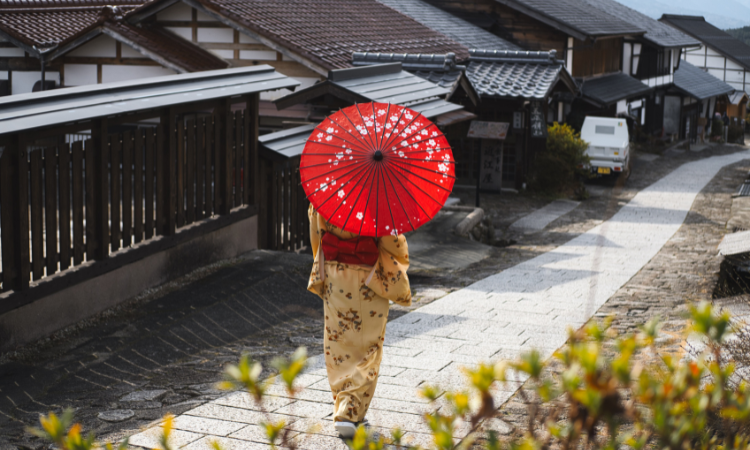
- Japan: Known for its efficiency, safety, and hospitality, Japan is an excellent destination for your first solo trip. Its public transportation is world-class, and there’s plenty to explore, from the bustling streets of Tokyo to the tranquil temples of Kyoto.
- New Zealand: With its breathtaking landscapes, friendly locals, and countless adventure opportunities, New Zealand is a haven for people planning a solo trip.
- Canada: From the vibrant cities of Toronto and Vancouver to the stunning national parks, Canada is safe, diverse, and welcoming.
When researching, also consider cultural norms and customs. Some destinations may have specific social etiquette that differ from your home country. Understanding these cultural differences before you go can help avoid misunderstandings and make your experience more enjoyable. Websites like Lonely Planet and travel blogs dedicated to solo travel can offer invaluable insights into solo travel-friendly destinations.
Therefore, researching is the first and most important step for knowing how to plan a solo trip.
Step 2: Create a Detailed Itinerary
An itinerary helps to structure your trip, allowing you to balance sightseeing with relaxation, and ensures that you won’t miss out on important attractions. Your itinerary should include the major highlights of your destination, but leave room for spontaneity.
Example Itinerary:
- Day 1: Arrive and settle into accommodation, explore nearby restaurants or cafes, and take a city walk.
- Day 2: Visit top attractions like museums, historical landmarks, or natural wonders.
- Day 3: Join a day tour to explore the outskirts or a nearby destination.
- Day 4: Relax and take in the culture through local markets, parks, or beach activities.
Flexibility is key in solo travel. Some of the best travel experiences happen when plans change unexpectedly or you stumble upon something you hadn’t anticipated.
Step 3: Booking Accommodations and Flights
Accommodations:
Choose accommodations that cater to solo travelers. Hostels, boutique hotels, and guesthouses are excellent choices because they often offer social spaces where you can meet other travelers. If you value privacy, Airbnb and vacation rentals provide a home-away-from-home experience.
When selecting accommodations, consider safety features such as secure access, a well-lit location, and a solid reputation based on reviews. Sites like Booking.com and Hostelworld allow you to filter options based on safety, cleanliness, and location.
Flights:
Sign up for fare alerts on booking platforms like Skyscanner, Google Flights, or Momondo to monitor prices and score a deal for your solo trip planning. Booking in advance typically yields better prices, and being flexible with your dates can help you find cheaper flights.
Direct flights, while more expensive, minimize the stress of long layovers, especially for solo travelers. Weigh the pros and cons of convenience versus cost to make the best decision for your trip.
Step 4: Packing Essentials for Solo Travel
Solo travelers benefit from packing light. Traveling alone means you’ll have to manage all your belongings on your own, so packing smart is essential. A well-organized packing list tailored to your destination can help ensure you have everything you need without overpacking.
Packing List for Solo Travelers:
- Clothing: Opt for versatile, comfortable clothing you can layer. Choose items based on your destination’s climate and activities. For instance, if you’re heading to a tropical location, pack breathable fabrics, light dresses, and sandals. For colder destinations, pack warm layers, sturdy shoes, and a water-resistant jacket.
- Essentials: A travel-sized first aid kit, portable phone charger, and copies of your important documents (passport, visa, insurance) are must-haves. Also, consider investing in a good travel backpack or carry-on for ease of movement.
- Miscellaneous: Items like a foldable daypack, reusable water bottle, sunscreen, and power adapters for your destination can be lifesavers on the road.
Packing light will allow you to move more freely and efficiently, whether you’re navigating public transport or exploring on foot.
Step 5: Safety Tips for Solo Travelers
Traveling solo offers unparalleled freedom and the chance to embark on personal adventures, but it also requires heightened awareness and careful planning to ensure your safety. Here are detailed safety tips to help you navigate your solo journey with confidence:
1. Share Your Itinerary and Check In Regularly
One of the most important safety measures is to keep someone informed about your travel plans. Before you depart, share your full itinerary—including flight details, accommodation addresses, and key activities—with a trusted friend or family member. This way, someone always knows where you are supposed to be, which can be crucial in case of an emergency.
Regular check-ins are also essential. Establish a schedule for checking in, whether daily or every few days, depending on your itinerary. Use messaging apps, emails, or phone calls to update them on your whereabouts and any changes to your plans. This practice not only keeps your loved ones informed but also provides a sense of accountability and connection.
2. Choose Well-Reviewed Accommodations
Selecting the right place to stay can significantly impact your safety. Opt for accommodations with positive reviews and strong ratings from previous guests. Platforms like TripAdvisor, Booking.com, and Airbnb allow travelers to leave detailed reviews and ratings, which can give you insights into the safety and quality of the accommodation.
Consider the location of your accommodation carefully. Ideally, it should be in a well-lit, safe neighborhood with easy access to public transportation and essential services. Avoid staying in isolated areas or places known for high crime rates. If possible, choose accommodations with 24-hour reception or security services, which can offer additional layers of safety and assistance.
3. Avoid Isolated Areas, Especially at Night
When exploring a new city, it’s essential to be cautious about the areas you visit, particularly after dark. Stick to well-populated, well-lit areas and avoid wandering into unfamiliar or poorly lit streets, alleys, or neighborhoods. If you’re uncertain about an area’s safety, consult local sources or ask your accommodation staff for advice.
While it’s exciting to explore, ensure you have a clear understanding of the local environment. Using reliable maps, GPS apps, or local guides can help you navigate safely and avoid potentially dangerous areas.
4. Purchase Travel Insurance
How to plan a solo trip? Travel insurance is a crucial aspect of solo travel safety. It provides coverage for unexpected events such as medical emergencies, trip cancellations, lost baggage, or theft. By investing in comprehensive travel insurance, you gain peace of mind knowing that you have financial protection in case something goes wrong.
When selecting a travel insurance policy, ensure it covers a wide range of situations relevant to your trip, including emergency medical expenses, evacuation, and trip interruption. Review the policy details carefully and keep a copy of your insurance information with you at all times.
5. Trust Your Instincts
One of the most valuable tools in ensuring your safety while traveling is trusting your instincts. If a situation, place, or person makes you feel uncomfortable or uneasy, trust your gut and remove yourself from the situation. Your intuition is often your first line of defense in potentially dangerous situations.
Be aware of your surroundings at all times, especially in crowded or unfamiliar areas. Stay alert to changes in your environment and the behavior of those around you. Avoid distractions such as excessive phone use or listening to music with headphones while navigating busy areas.
6. Use Technology Wisely
Modern technology can enhance your safety as a solo traveler. Utilize apps and tools that can assist with navigation, safety, and communication:
- Navigation Apps: Use GPS-enabled apps like Google Maps or Waze to find your way around and avoid getting lost.
- Safety Apps: Consider downloading safety apps such as bSafe, Mypanic, or Safetipin, which offer features like emergency alerts, location sharing, and safety information.
- Communication Tools: Stay connected with family and friends using messaging apps like WhatsApp, Telegram, or Signal. Regular updates and check-ins help keep you connected and informed.
7. Secure Your Valuables
Keep your valuables secure to prevent theft or loss. Use anti-theft bags or money belts that can be worn under your clothes to protect your passport, cash, and credit cards. When staying in accommodations, use the provided safes or lockboxes for storing valuable items.
Be cautious when withdrawing money or using ATMs. Choose machines located in well-lit, busy areas, and avoid withdrawing large amounts of cash at once. Monitor your bank statements and report any suspicious activity to your bank immediately.
8. Be Prepared for Emergencies
Prepare yourself for potential emergencies by familiarizing yourself with local emergency services and procedures. Know the local emergency numbers (e.g., 911 in the US, 112 in Europe), the location of nearby hospitals or clinics, and the address of your country’s embassy or consulate.
Carry a list of emergency contacts, including local authorities, your accommodation, and your insurance provider. Having this information readily accessible can make it easier to respond quickly if an emergency arises.
9. Practice Personal Safety
Adopt personal safety practices to reduce the risk of encountering problems. Avoid sharing too much personal information with strangers and be cautious about accepting invitations from people you’ve just met. Be mindful of alcohol consumption and avoid excessive drinking, as it can impair your judgment and make you more vulnerable.
If you’re using public transportation or rideshare services, verify the identity of the driver and the vehicle details before getting in. Trust your instincts if something feels off and consider using well-known and reputable transportation options.
10. Stay Informed About Local Conditions
Before and during your trip, stay informed about the local conditions and any potential risks. Monitor travel advisories, news reports, and updates from local authorities. Understanding the current political, social, and environmental conditions of your destination can help you make informed decisions and avoid areas of concern.
Budgeting for Your Solo Trip
This is one of the most important steps for understanding how to plan a solo trip. Solo travel often means bearing the full cost of accommodations, transportation, and activities, which can be more expensive than splitting expenses with a companion. However, with careful budgeting, you can make your solo adventure affordable. Here’s how:
- Create a Trip Budget: Calculate the costs of accommodation, food, transportation, and activities in advance. Use apps like Trail Wallet or Splitwise to help track your spending throughout the trip.
- Save on Accommodation: Consider staying in budget-friendly accommodations like hostels or booking private rooms through Airbnb. In some destinations, staying with locals through platforms like Couchsurfing can also be a great way to save money.
- Cook Your Meals: Eating out for every meal can quickly add up. If you’re staying in a place with kitchen facilities, cooking some of your meals can help you stay within your budget.
- Use Public Transportation: In most countries, public transportation is significantly cheaper than taxis or private transport. Buses, subways, and trains are usually the best way to explore cities affordably.
- Look for Free Activities: Many destinations offer free walking tours, museums with free entry days, and beautiful natural attractions that don’t cost a dime to visit.
Setting aside an emergency fund for unexpected expenses like medical issues or last-minute changes to your itinerary is also essential.
Making Friends and Socializing On Solo Trip
Solo travel doesn’t have to mean being alone all the time. Many solo travelers report that they meet more people when traveling alone than when they’re with others. Here are some tips to help you make friends along the way:
- Stay in Social Accommodations: Hostels, guesthouses, and boutique hotels often have communal spaces where you can meet other travelers. Some accommodations also host social events like barbecues, movie nights, or group outings.
- Join Group Tours or Classes: Signing up for a cooking class, walking tour, or group activity is a great way to meet fellow travelers and locals. Many cities also have Meetup groups for travelers, making it easy to find people with similar interests.
- Be Open to Conversations: Solo travelers often find that locals and other travelers are more likely to approach them and strike up conversations. Be open to meeting new people and saying yes to opportunities that come your way.
- Use Travel Apps: Apps like Backpackr, SoloTraveller, and Meetup are designed to connect solo travelers with others in the same area. You can use these platforms to find travel buddies or attend events happening during your trip.
Building connections while traveling solo can lead to lifelong friendships and unforgettable memories.
Conclusion
Planning a solo trip may seem overwhelming at first, but with careful research, thoughtful preparation, and a sense of adventure, it can be one of the most rewarding experiences of your life. By following these expert tips, you’ll be well on your way to creating an itinerary that’s both exciting and stress-free. Remember, solo travel is all about embracing the journey, not just the destination—so take the leap and start planning your next solo adventure today!
FAQs
- How do I start planning a solo trip?
To start planning your solo trip, begin with thorough research. Identify your destination, determine your budget, and outline a rough itinerary. This will help you make informed decisions about where to stay, what to do, and how to get around.
- What should I include in my solo travel itinerary?
A good solo travel itinerary should balance must-see attractions with time for relaxation. Include major sights, cultural experiences, and opportunities to explore off-the-beaten-path areas. Flexibility is key—leave some room for spontaneous adventures.
- How can I stay safe while traveling alone?
Safety should be your top priority. Stay in touch with friends or family, use trusted transportation options, and keep your valuables secure. Purchase travel insurance to ensure financial protection against emergencies and trip cancellations, giving you peace of mind.
- What are the best destinations for first-time solo travelers?
Destinations like Costa Rica, Japan, and various European countries are popular among first-time solo travelers. These places are known for their safety, ease of travel, and a welcoming atmosphere for solo adventurers.
- How do I meet people while traveling solo?
Meeting people as a solo traveler can be easy if you’re open to new experiences. Join group tours, participate in local events, and stay in social accommodations. Online communities and apps can also connect you with fellow travelers in the area.
 Toll Free (USA & Canada) +1 866 978 2997