Planning your first heritage tour to West Africa represents more than booking a vacation; it’s embarking on a profound journey of cultural discovery, ancestral connection, and historical understanding. For diaspora travelers seeking to trace their roots and history enthusiasts wanting to walk through pivotal moments in world history, Ghana has emerged as the gateway destination for heritage tourism in the region.
Since Ghana’s groundbreaking Year of Return initiative in 2019, which welcomed over 750,000 visitors and sparked a cultural renaissance, Ghana tours focused on heritage have become increasingly sophisticated, accessible, and emotionally resonant. Whether you’re considering joining organized Ghana tour packages or crafting an independent itinerary, this comprehensive guide will walk you through every essential step of planning your transformative heritage journey.
Understanding Heritage Tourism in West Africa
Heritage tourism in West Africa centers primarily on sites connected to the transatlantic slave trade, pre-colonial kingdoms, independence movements, and contemporary Pan-African culture. Ghana serves as the heart of this experience, hosting over 40 preserved forts and castles along its 550-kilometer coastline—more than any other African nation.
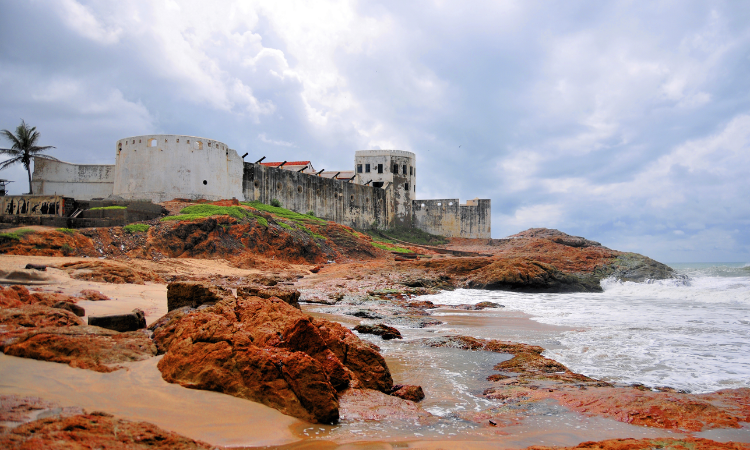
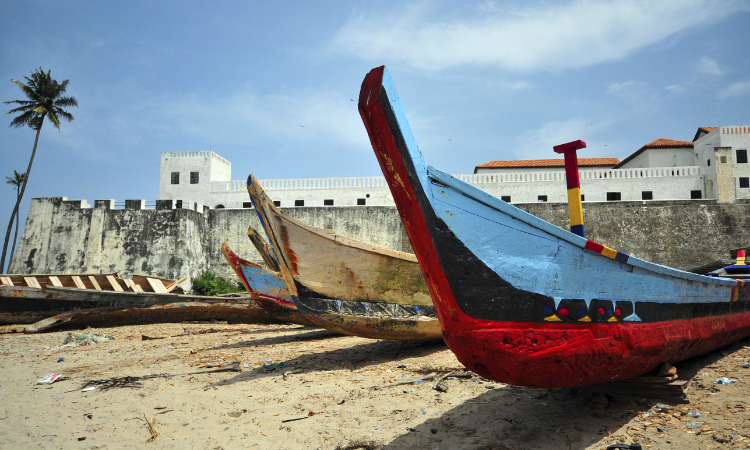
Cape Coast Castle and Elmina Castle, both UNESCO World Heritage Sites, stand as the most significant historical landmarks for Ghana tours focused on the slave trade. These structures witnessed the imprisonment and departure of countless Africans who would never return to their homeland. Walking through the dungeons, standing at the “Door of No Return,” and experiencing these spaces firsthand creates profound emotional connections that no textbook or documentary can replicate.
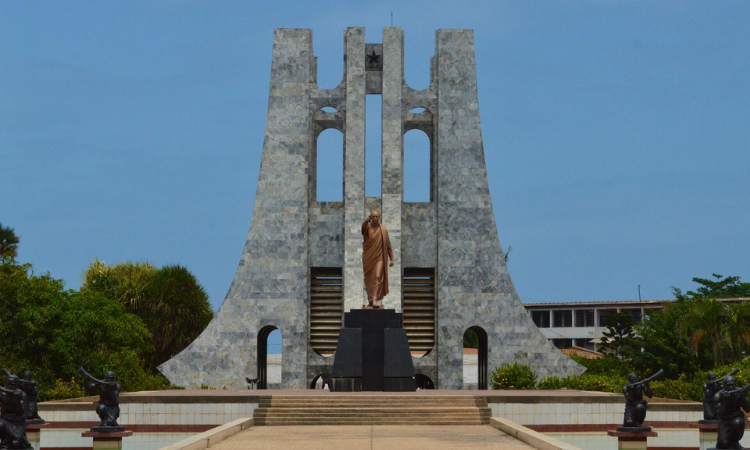
Beyond the castles, heritage tourism encompasses visits to Assin Manso (the final resting place before coastal departure), Kwame Nkrumah’s mausoleum (celebrating Ghana’s independence), traditional palaces in Kumasi (exploring Ashanti royal heritage), and vibrant cultural centers where naming ceremonies welcome diaspora visitors back home. This multifaceted approach to Ghana vacation packages ensures travelers experience not just historical grief but also cultural celebration and contemporary connection.
Step 1: Clarifying Your Heritage Travel Intentions
Before researching Ghana tour packages or booking flights, take time to clarify what you want from your heritage journey. This introspection shapes every subsequent planning decision and ensures your experience aligns with your emotional and educational goals.
Ask yourself:
What draws you to West Africa? Are you tracing specific family ancestry, seeking general historical understanding, or pursuing spiritual reconnection with African heritage? Your primary motivation influences whether you need DNA-guided ancestry services, comprehensive historical tours, or culturally immersive experiences with local communities.
How emotionally prepared are you? Heritage tours, particularly visits to slave castles, can be intensely emotional. Many travelers report experiencing profound grief, anger, catharsis, and ultimately healing. Consider whether you want to travel alone, with supportive family, or within a group of fellow diaspora travelers who share similar emotional experiences.
What’s your desired depth of engagement? Some Ghana tours focus primarily on major historical sites with a week-long itinerary, while others incorporate extended stays in specific regions, language learning, traditional ceremonies, and volunteer work. Knowing whether you want an introductory overview or a deep cultural immersion helps determine appropriate trip length and structure.
These reflections ensure you choose Ghana vacation packages or independent travel options that serve your specific needs rather than generic tourist experiences.
Step 2: Choosing Between Group Tours and Independent Travel
One of the most significant planning decisions involves whether to join organized Ghana tour packages or craft an independent heritage itinerary.
Organized Heritage Tour to West Africa Packages
Professional Ghana tour packages designed specifically for heritage tourism typically include:
- Airport pickup and all ground transportation between cities and sites
- Pre-arranged accommodation at vetted hotels, guesthouses, or heritage lodges
- Experienced guides who understand both historical facts and the emotional weight of diaspora travel
- Entrance fees to all major castles, museums, and cultural sites
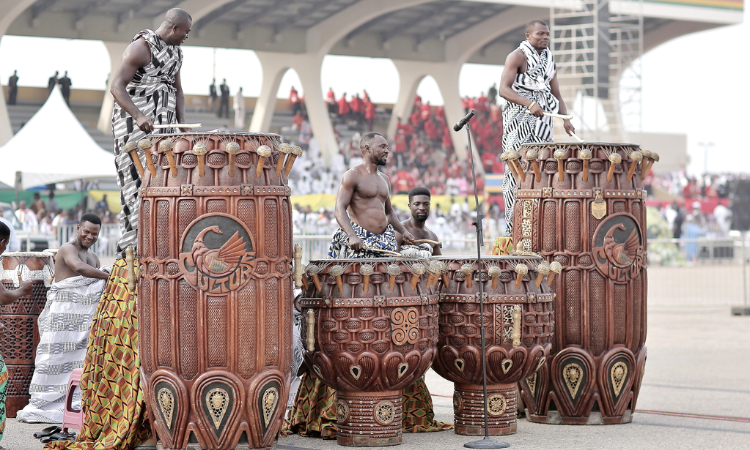
- Cultural experiences like naming ceremonies, traditional drumming and dance, village visits, and interactions with local historians
- Group support from fellow travelers experiencing similar emotional journeys
Many specialized operators offering Ghana tour packages have guides who are trained not just in history but in facilitating emotional processing for diaspora visitors. This proves invaluable when standing in spaces where your ancestors may have been imprisoned, as guides help contextualize grief while honoring the experience.
Group tours typically last 7-14 days and range from budget-friendly options with shared accommodations to luxury experiences with private guides and upscale hotels. Prices for comprehensive Ghana vacation packages generally range from $1,500-$5,000 per person, depending on duration, group size, accommodation level, and included experiences.
Independent Heritage Travel
Traveling to Ghana alone or with personal companions offers maximum flexibility and can be more budget-conscious. This approach works best if:
- You’re comfortable navigating visa processes, hotel bookings, and ground transport arrangements in a new region
- You prefer exploring at your own pace with the freedom to spend more time in specific areas
- You have specific ancestral research you want to pursue beyond standard tour itineraries
- You’re comfortable processing emotional experiences more privately
Even independent travelers benefit from booking local guides for major heritage sites. A knowledgeable guide at Cape Coast Castle, for example, transforms the visit from simple observation into deep historical and emotional understanding. Many independent travelers hire private drivers for multi-day trips along the coast, combining flexibility with local expertise and safety.
The Ghana tours landscape has evolved to accommodate hybrid approaches too—some travelers book accommodation and transportation independently but join day tours for specific sites, getting the best of both approaches.
Step 3: Navigating Visa Requirements and Entry Procedures
Understanding travel to ghana visa requirements early in planning prevents last-minute complications and ensures smooth entry.
Most international visitors require a visa to enter Ghana. The application process typically involves:
Visa Application Requirements:
- Passport valid for at least six months beyond your intended departure date
- Completed visa application form (available from Ghana Immigration Service or embassies)
- Two recent passport-sized photographs
- Proof of accommodation (hotel reservations or invitation letter)
- Proof of sufficient funds for your stay
- Round-trip flight itinerary or ticket confirmation
- Yellow fever vaccination certificate (mandatory for entry)
- Visa processing fee (varies by nationality and visa type)
Visa Types for Heritage Tourism:
- Tourist Visa (Single Entry): Valid for 30-60 days, suitable for most heritage tours
- Tourist Visa (Multiple Entry): Allows multiple entries if your ghana vacation packages include side trips to neighboring countries
- Diaspora Visa: Some initiatives offer extended validity for African diaspora visitors
Processing times typically range from 5-15 business days, though this varies by consulate location. Apply at least 4-6 weeks before your planned departure to accommodate potential delays. Some embassies now offer expedited processing for additional fees.
Important Entry Notes:
- Present your yellow fever vaccination card at immigration; entry can be denied without it
- Airport officials may ask about accommodation plans and return flight details
- Keep digital and physical copies of all travel documents
- Register with your embassy upon arrival for safety notifications
For those booking Ghana tour packages through reputable operators, many provide visa application assistance or connect you with visa processing services to streamline this step.
Step 4: Essential Health Preparations and Travel Insurance
Comprehensive health preparation and travel insurance for Ghana protect both your well-being and financial investment in your heritage journey.
Vaccinations and Health Precautions
Mandatory:
- Yellow Fever: Required for entry into Ghana; obtain at least 10 days before travel for full immunity
Recommended:
- Hepatitis A and B: Protection against food and waterborne illness
- Typhoid: Particularly important for travelers eating street food or visiting rural areas
- Routine vaccinations: Ensure tetanus, diphtheria, and measles immunizations are current
- Malaria prophylaxis: Ghana is a malaria-endemic country; consult travel health specialists about appropriate antimalarial medication
Schedule a travel health consultation 4-6 weeks before departure to complete all necessary vaccinations and receive personalized health advice based on your specific ghana tours itinerary.
Additional Health Preparation:
- Pack prescription medications in original containers with enough supply plus extras
- Bring over-the-counter remedies for common issues (anti-diarrheal, pain relievers, antihistamines)
- Include insect repellent with DEET for malaria prevention
- Bring basic first aid supplies and any personal medical equipment
Travel Insurance Coverage
Comprehensive travel insurance for Ghana should include:
Medical Coverage:
- Emergency medical treatment and hospitalization
- Emergency medical evacuation to adequate facilities
- Repatriation in case of serious illness or death
- Coverage for pre-existing conditions, if applicable
Trip Protection:
- Trip cancellation coverage if you need to cancel before departure
- Trip interruption coverage if you must return home early
- Travel delay reimbursement for significant flight delays
- Lost, stolen, or damaged luggage coverage
Additional Considerations:
- Adventure activity coverage if your Ghana vacation packages include activities like canyoneering or water sports
- Cancel for any reason (CFAR) coverage provides maximum flexibility, though at a higher cost
- 24/7 emergency assistance hotline with language support
Travel insurance for Ghana typically costs 4-10% of total trip cost. Compare policies carefully, as coverage limits and exclusions vary significantly between providers. Given the emotional intensity of heritage tourism, having comprehensive coverage provides peace of mind that lets you focus on your journey rather than worrying about potential mishaps.
Step 5: Crafting Your Heritage-Focused Itinerary
A well-structured itinerary balances historical sites, cultural experiences, emotional processing time, and practical logistics. Most first-time Ghana tours focus on the southern regions where most heritage sites concentrate.
Essential Heritage Destinations
Accra (2-3 days):
- W.E.B. Du Bois Centre: Final home of the Pan-African scholar and activist
- Kwame Nkrumah Memorial Park: Celebrating Ghana’s independence leader
- Makola Market: Vibrant commercial center for experiencing contemporary Ghanaian life
- James Town: Historic fishing community with Ga cultural heritage
- National Museum: Contextualizing Ghanaian history from ancient times to present
Cape Coast and Elmina (2-3 days):
- Cape Coast Castle: UNESCO World Heritage Site and primary embarkation point during the slave trade
- Elmina Castle: Oldest European building in sub-Saharan Africa (built 1482)
- Assin Manso: Site of “Slave River” where enslaved Africans bathed before coastal journey; now home to “Ancestors Memorial” with reinterred remains of diaspora descendants
- Kakum National Park: Canopy walkway and rainforest experience providing natural reflection space
Kumasi (2-3 days):
- Manhyia Palace Museum: Royal residence of Ashanti kings with extensive historical exhibits
- Cultural Center: Witnessing kente weaving, adinkra cloth printing, and traditional crafts
- Kejetia Market: One of West Africa’s largest open-air markets
- Prempeh II Jubilee Museum: Artifacts and history of Ashanti resistance to colonialism
Optional Extensions:
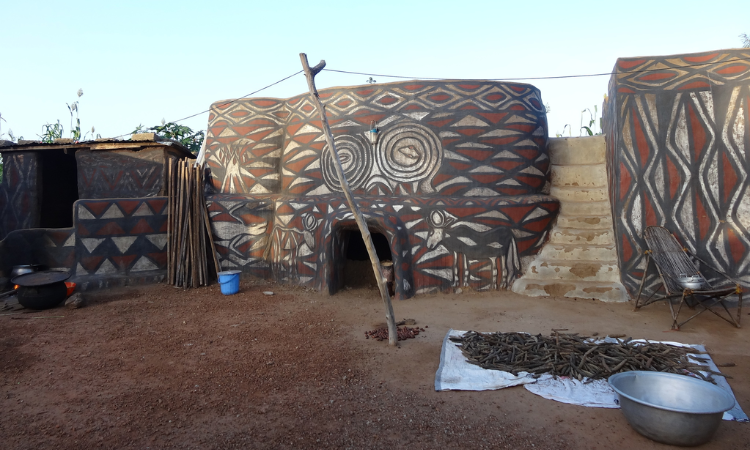
- Northern Regions: Ancient mosques, traditional architecture, and different ethnic cultures
- Volta Region: Waterfalls, mountains, and Ewe cultural experiences
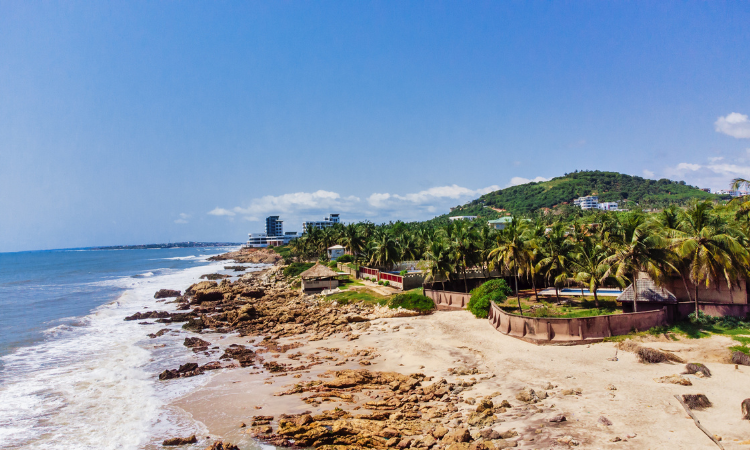
- Ada/Coastal Areas: Traditional coastal communities and beach relaxation
Sample 10-Day Heritage Itinerary
Days 1-2: Arrival and Accra Orientation
- Airport arrival and hotel check-in
- Jet lag recovery and city orientation
- Visit W.E.B. Du Bois Centre and Kwame Nkrumah Memorial Park
- Welcome dinner with tour group or local guide introduction
Days 3-4: Cape Coast and Elmina
- Morning departure to Cape Coast (3-hour drive)
- Afternoon guided tour of Cape Coast Castle, including dungeons and Door of No Return
- Evening reflection time and group sharing if traveling with organized ghana tour packages
- Next day: Elmina Castle tour and fishing harbor visit
- Optional beach time for emotional decompression
Day 5: Assin Manso and Return to Accra
- Visit Assin Manso Slave River and Ancestors Memorial
- Participate in libation ceremony honoring ancestors
- Return to Accra with coastal scenic route
- Evening free for personal reflection
Days 6-7: Kumasi and Ashanti Heritage
- Early morning flight or drive to Kumasi
- Manhyia Palace Museum and meeting with cultural officers if arranged
- Traditional craft center visits (kente, adinkra, woodcarving)
- Kejetia Market experience with local guide
- Optional naming ceremony or traditional dinner
Days 8-9: Nature and Reflection
- Return to coastal area
- Kakum National Park canopy walk
- Beach relaxation and journaling time
- Sunset reflection at coastal heritage site
- Farewell cultural performance and dinner
Day 10: Departure
- Last-minute shopping at Makola Market or craft centers
- Airport transfer and departure
This structure, common in professional Ghana tour packages, balances intense historical engagement with cultural celebration and emotional processing time. Modify based on personal interests, physical stamina, and emotional capacity.
Step 6: Accommodation Planning Along Your Route
Selecting appropriate accommodation enhances your heritage experience while managing costs effectively.
Accommodation Categories
Best hotels accra and other major cities offer international chains like Kempinski, Movenpick, and Labadi Beach Hotel for travelers wanting familiar luxury standards. These typically cost $100-300+ per night and include amenities like pools, restaurants, and business centers.
Mid-range hotels and guesthouses ($40-100/night) provide comfortable, clean accommodation with local character. Many heritage-focused Ghana tour packages use these properties, which often include breakfast and have staff experienced with diaspora visitors.
Budget options ($15-40/night) include basic guesthouses, hostels, and Airbnb properties. These work well for traveling to Ghana alone on limited budgets, though carefully check reviews regarding safety, cleanliness, and location.
Location Considerations
In Accra: Stay in Osu, Labone, or Airport Residential areas for safety, restaurant access, and proximity to attractions. These neighborhoods cater to international visitors and offer good infrastructure.
In Cape Coast: Book accommodations within walking distance of the castle or with reliable transportation arrangements, as you’ll likely feel emotionally drained after castle visits and won’t want complicated logistics.
In Kumasi: Central locations near cultural sites minimize travel time and maximize engagement with local life.
Many Ghana vacation packages include accommodation, but if booking independently, reserve at least 2-3 months ahead during peak seasons (November-March, July-August) when heritage tourism increases significantly.
Step 7: Budgeting Your Heritage Journey
Comprehensive budget planning prevents financial stress from overshadowing your heritage experience.
Major Cost Categories
International Flights: $800-2,000 from North America, $600-1,500 from Europe, $1,200-2,500 from Asia, depending on season and booking timing. Book 2-4 months in advance for best prices.
Ghana Tour Packages (if joining organized tours): $1,500-5,000 per person for 7-14 day comprehensive heritage packages including accommodation, transport, guides, entrance fees, and most meals.
Independent Travel Daily Budget:
- Budget: $40-70/day (basic hotels, local food, shared transport, self-guided visits)
- Mid-range: $80-150/day (comfortable hotels, mix of restaurants, private driver for multi-day trips, guided tours)
- Comfort: $150-300+/day (upscale hotels, private guides, dining variety, premium experiences)
Specific Heritage Site Fees:
- Cape Coast Castle: $10-15 entrance
- Elmina Castle: $10-15 entrance
- Manhyia Palace Museum: $5-10 entrance
- Kakum National Park: $10-15 entrance
- Private guides: $30-80/day depending on language and specialization
Additional Costs:
- Visa fees: $100-200 depending on nationality
- Yellow fever and other vaccines: $200-400
- Travel insurance for ghana: 4-10% of trip cost
- Shopping and souvenirs: Variable based on interests
- Tips for guides, drivers, hotel staff: Budget $5-15/day
- Emergency fund: $200-500 for unexpected expenses
Money-Saving Strategies
Book Ghana vacation packages during shoulder seasons (April-June, September-October) when prices drop but the weather remains favorable. Many operators offer early-bird discounts for bookings 6+ months in advance.
Travel with a group to share costs for private drivers and guides. If traveling to ghana alone, connect with other solo travelers through heritage tourism forums to split transportation costs while maintaining independent schedules.
Eat at local chop bars and street food vendors for authentic, inexpensive meals ($2-5 per meal) rather than hotel restaurants ($15-30 per meal). This also provides genuine cultural immersion.
Book direct flights when possible to avoid long layovers and additional meals/accommodation in transit cities. Focus your spending on experiences that matter most to your heritage journey rather than attempting to see everything.
Step 8: Practical Tips for Traveling to Ghana
Safety Considerations for Heritage Tourists
Ghana ranks among Africa’s safest and most stable countries, with a long tradition of welcoming diaspora visitors. However, standard travel precautions apply:
General Safety:
- Use hotel safes for passports, extra cash, and valuables
- Keep copies of important documents separately from originals
- Stay aware of surroundings in crowded markets and tourist areas
- Avoid displaying expensive jewelry, cameras, or large amounts of cash
- Use licensed taxis or transportation arranged through hotels/tours
- Don’t walk alone in unfamiliar areas after dark
For Solo Travelers:
Traveling to ghana alone, particularly for women, is generally safe with sensible precautions. Join group tours for major heritage sites even if traveling independently otherwise. Share your itinerary with family/friends back home and check in regularly. Many hostels and guesthouses have communities of international visitors you can connect with for shared experiences.
Health Safety:
- Drink bottled or purified water only
- Avoid ice in drinks unless at upscale restaurants
- Eat at busy establishments with high turnover (food stays fresh)
- Wash hands frequently, especially before eating
- Carry hand sanitizer for situations without facilities
Cultural Etiquette and Respect
Heritage tourism requires particular sensitivity since you’re visiting sites of immense historical trauma and engaging with communities who are generously sharing their culture.
At Heritage Sites:
- Follow guide instructions carefully, especially in emotionally sensitive spaces like castle dungeons
- Ask permission before photographing people, particularly during ceremonies or private moments
- Dress modestly (covered shoulders and knees) when visiting castles and cultural sites
- Maintain quiet, respectful demeanor in dungeons and at memorials
- Refrain from trivializing or making light of the historical suffering these places represent
In Communities:
- Learn basic Twi greetings: “Maakye” (good morning), “Maaha” (good afternoon), “Medaase” (thank you)
- Accept offered hospitality graciously, even if initially uncomfortable
- Ask before photographing people, homes, or ceremonies
- Dress modestly in rural areas and religious spaces
- Remove shoes when entering homes unless told otherwise
- Use right hand for giving, receiving, and eating (left hand considered unclean in traditional contexts)
- Be patient with different concepts of time; “Ghana time” is more flexible than Western schedules
What to Pack for a Heritage Tour to West Africa
Essential Documents:
- Passport with at least 6 months validity
- Visa (if obtained before arrival)
- Yellow fever vaccination certificate
- Copies of all documents stored separately
- Travel insurance for ghana policy details and emergency contacts
- Flight confirmations and hotel reservations
- Credit cards (Visa and Mastercard widely accepted) plus cash USD/EUR for exchange
Clothing:
- Lightweight, breathable fabrics for hot, humid climate
- Modest clothing for heritage sites (covered shoulders/knees)
- Light rain jacket for sudden tropical showers
- Comfortable walking shoes for castle and museum tours
- Sandals for beach and casual wear
- One slightly dressy outfit for cultural dinners or ceremonies
- Sun hat and sunglasses
Health and Safety:
- Prescription medications in original containers
- Malaria prophylaxis if prescribed
- Insect repellent with DEET
- Sunscreen SPF 30+
- Basic first aid kit
- Hand sanitizer and wet wipes
- Water purification tablets as backup
- Any personal medical equipment
Electronics:
- Universal power adapter (Ghana uses UK-style plugs)
- Phone/camera and chargers
- Portable power bank
- Headlamp or flashlight (power outages occasional)
Step 9: Emotional Preparation for Your Heritage Journey
Heritage tourism, particularly visits to slave castles and other sites of historical trauma, affects travelers profoundly. Preparing emotionally is as important as logistics.
Before You Go
Read historical accounts, watch documentaries, and engage with diaspora narratives to build context. Understanding what you’ll encounter helps process experiences, though nothing fully prepares you for standing in the dungeons where your ancestors may have suffered.
Consider journaling throughout your journey. Recording thoughts, emotions, and reflections helps process intense experiences and creates meaningful documentation of your heritage journey.
If you have specific ancestry information from DNA testing, bring documentation. Some heritage tours can incorporate personalized elements connecting you with regions your ancestors likely came from.
During Your Journey
Allow flexibility in your schedule for emotional processing. Many travelers need quiet time after castle visits to sit with overwhelming feelings. Don’t pack every day with activities—build in rest and reflection.
Consider traveling with supportive companions or joining group ghana tour packages where fellow diaspora travelers share similar emotional experiences. Many describe the collective grieving and healing within groups as profoundly meaningful.
Participate in offered ceremonies like libation pouring or naming ceremonies. These rituals provide structure for honoring ancestors and claiming your connection to African heritage.
After Your Return
Heritage tourism often marks the beginning of ongoing engagement with African culture and diaspora communities. Many travelers join Pan-African organizations, support Ghana-based initiatives, maintain relationships with guides and hosts, or plan return trips exploring other regions.
Share your experience thoughtfully with others interested in heritage tourism. Your insights help others prepare for their own journeys while processing your own experience through storytelling.
Step 10: Choosing Reputable Tour Operators and Guides
If booking Ghana tour packages rather than traveling independently, selecting reputable operators ensures safe, ethical, and meaningful experiences.
What to Look For in a Heritage Tour to West Africa
Specialization in Heritage Tourism:
Choose operators specifically focused on diaspora heritage rather than general tourism companies. Heritage specialists understand the emotional weight of the journey and train guides accordingly.
Local Ownership and Benefit:
Support Ghana-owned and operated companies where tourism revenue stays in local communities. These operators often have deeper connections to historians, cultural practitioners, and community leaders.
Transparent Pricing and Inclusions:
Reputable Ghana tour packages clearly list what’s included (accommodation, meals, entrance fees, guides) versus additional costs. Avoid operators with vague pricing or unexpected charges.
Cultural Sensitivity Training:
Ask whether guides receive training in facilitating emotional experiences for diaspora visitors. The best heritage guides balance historical education with emotional support.
Sustainable and Ethical Practices:
Look for operators committed to community benefit, environmental responsibility, and cultural preservation rather than extractive tourism.
References and Reviews:
Request contacts for past travelers, particularly diaspora visitors, and read reviews on platforms like TripAdvisor, Google, and heritage-focused travel forums.
Red Flags to Avoid on Heritage Tour to West Africa
- Operators promising to “find your specific ancestors” (DNA testing provides regional origins, but specific individual ancestry is rarely traceable)
- Extremely low prices that seem too good to be true (likely cutting corners on safety, accommodation, or guide quality)
- No clear cancellation or refund policies
- Operators unable to provide detailed itineraries or answer specific questions
- Companies with no physical address or verifiable Ghana registration
Conclusion: Your Heritage Journey Awaits
Planning your first heritage tour to West Africa, particularly Ghana, requires attention to logistics like visas, vaccinations, and budgets. But more importantly, it requires opening yourself to profound emotional and spiritual experiences that can fundamentally shift your understanding of identity, history, and belonging.
Whether you choose comprehensive Ghana tour packages with full support or prefer traveling to ghana alone with independent flexibility, whether you select the best hotels Accra offers or budget guesthouses, the essence of your heritage journey transcends these practical details. You’re walking paths your ancestors walked, standing in spaces they occupied, and connecting with a homeland that, despite centuries of separation, remains part of your story.
Secure appropriate travel insurance for Ghana, prepare yourself emotionally and logistically, choose Ghana vacation packages or independent routes that serve your needs, and approach this journey with open hearts and minds. Your heritage tour to West Africa will challenge you, move you, and quite possibly transform you in ways no other travel experience can.
The ancestors are calling. Ghana—and West Africa more broadly—is ready to welcome you home.
Ready to plan your heritage journey? Research reputable tour operators specializing in diaspora travel, begin your visa application process, and start preparing emotionally for one of life’s most meaningful experiences. Your roots are waiting to be discovered.
 Toll Free (USA & Canada) +1 866 978 2997