Portugal is a country of stunning landscapes, rich cultural heritage, and a deep history that dates back centuries. It is known for its picturesque coastline, charming cities, and vibrant traditions. If you’re looking for exciting things to do in Portugal, you’ll find a mix of historic landmarks, scenic beauty, and unique experiences. However, beyond its well-known attractions, Portugal is home to many fascinating and little-known facts that make it even more intriguing. Did you know Portugal holds a Guinness World Record for one of its bookstores? From exploring ancient castles to tasting world-famous port wine, there are countless things to do in Portugal that make it a must-visit destination. Read on to discover some fun facts about Portugal.
Fun Facts About Portugal
Taste Typical Portuguese Snacks and Dishes
Portugal’s cuisine is rich in flavors, influenced by its maritime history and diverse regions. Try the famous Pastel de Nata, a creamy custard tart with a crispy, flaky crust. Savor Bacalhau à Brás, a beloved dish made of salted cod, eggs, and onions. Don’t miss Francesinha, a meaty, cheese-covered sandwich from Porto. Pair your meal with a refreshing glass of Vinho Verde, a light and crisp Portuguese wine.
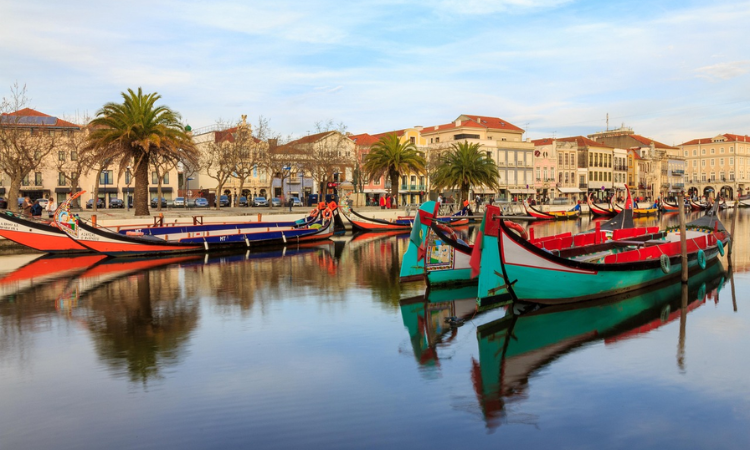
Explore the “Venice of Portugal”, Aveiro
Aveiro is a picturesque coastal town known for its charming canals and colorful moliceiro boats. Take a boat tour to admire the Art Nouveau architecture and tranquil waterways. Stroll through the historic center, filled with azulejo-tiled buildings and vibrant streets. Visit the Aveiro Museum, housed in a former convent, to learn about the city’s history. Indulge in Ovos Moles, a sweet local delicacy made from egg yolks and sugar.
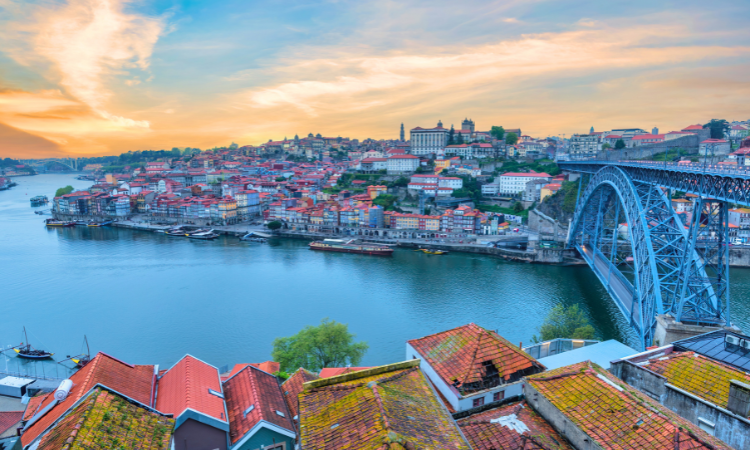
Try Porto, One of Portugal’s Most Famous Drinks
Port wine, a sweet and fortified wine, originates from the Douro Valley. It is traditionally aged in wooden barrels and enjoyed as a dessert wine. There are several varieties, including ruby, tawny, and vintage Port. Visit Porto’s historic wine cellars in Vila Nova de Gaia for a tasting experience. Pair Port wine with Portuguese cheeses and chocolates for a rich flavor combination.
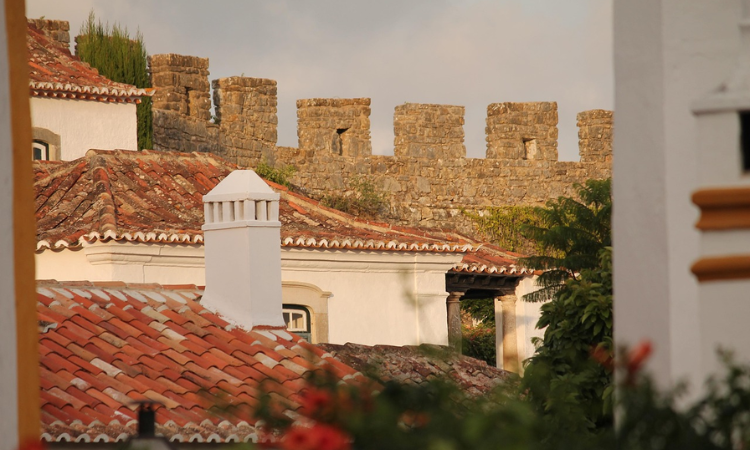
Visit the Medieval Town of Óbidos
Óbidos is a well-preserved medieval town enclosed by ancient castle walls. Stroll along its cobbled streets lined with whitewashed houses and vibrant bougainvillea. Explore Óbidos Castle, which dates back to the 12th century and offers stunning views. Try Ginjinha, a cherry liqueur often served in an edible chocolate cup. The town is also known for its annual medieval fair and literary festivals.
Explore Lisbon’s Alfama District
Alfama is the oldest and most charming district of Lisbon, known for its narrow, winding streets. It is the birthplace of Fado music, a soulful genre deeply connected to Portuguese culture. Visit the Miradouro de Santa Luzia for breathtaking views of the city and the Tagus River. Explore the Sé de Lisboa, the city’s ancient cathedral with Romanesque architecture. Get lost in Alfama’s labyrinthine alleys and discover hidden cafés and local shops. Make sure to add this place to your Lisbon city tour.
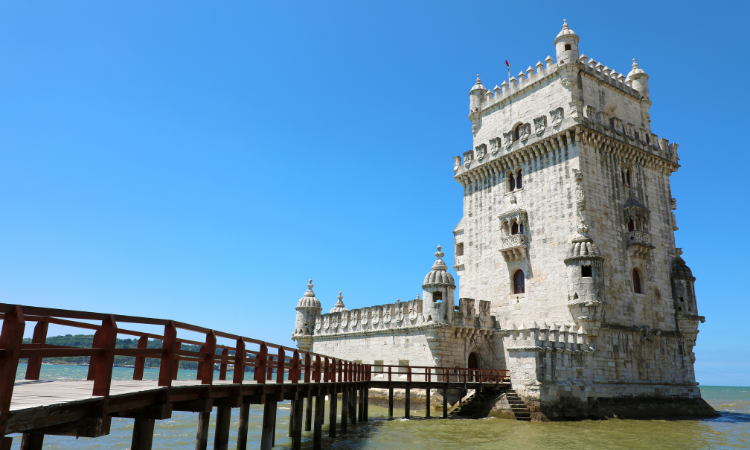
Visit Belém Tower in Lisbon
What to do in Lisbon? Here is the answer!
Belém Tower is a UNESCO-listed fortress that once guarded Lisbon’s harbor. Built in the 16th century, it is an architectural masterpiece with Manueline and Moorish influences. The tower played a crucial role in Portugal’s maritime explorations. Climb to the top for panoramic views of the Tagus River and the surrounding area. Nearby, try the famous Pastéis de Belém, the original version of Pastel de Nata.
Discover Sintra’s Pena National Palace
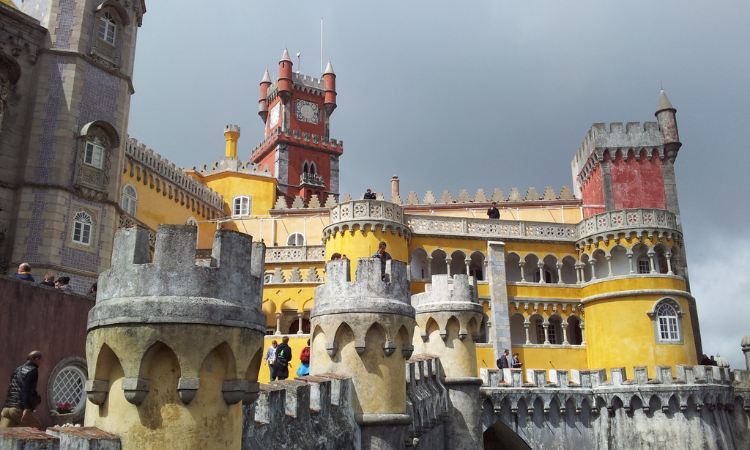
Pena Palace is a fairy-tale castle perched on a hilltop in Sintra. It is known for its vibrant colors, intricate tilework, and romantic architecture. The palace was built in the 19th century and served as a royal summer retreat. Surrounding it is the lush Pena Park, filled with exotic plants and hidden pathways. The palace offers breathtaking views over Sintra and the Atlantic coastline.
Tour Quinta da Regaleira in Sintra
Quinta da Regaleira is a mystical estate filled with underground tunnels, hidden symbols, and lush gardens. The Initiation Well is its most famous attraction, a spiral staircase used for Masonic rituals. The palace itself is an architectural masterpiece with Gothic, Renaissance, and Manueline elements. Explore the estate’s mysterious grottoes, lakes, and secret passageways. It is a must-visit for those fascinated by history and mythology.
Relax on Algarve’s Pristine Beaches
The Algarve is home to some of Europe’s most beautiful beaches, with golden cliffs and turquoise waters. Visit Praia da Marinha, famous for its dramatic rock formations and crystal-clear sea. Meia Praia in Lagos offers a vast stretch of soft sand and calm waters. Surfers flock to Arrifana Beach, known for its powerful waves and scenic cliffs. Many Algarve beaches have hidden coves, perfect for a peaceful escape.
Marvel at the Benagil Sea Cave
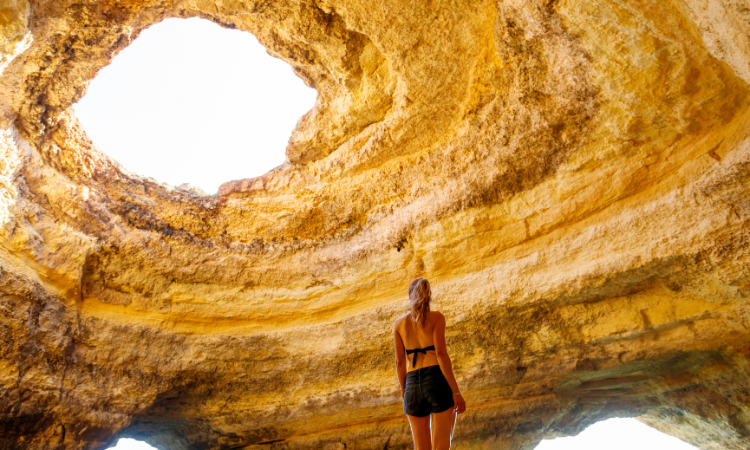
The Benagil Cave is one of Portugal’s most iconic natural wonders. Located on the Algarve coast, it features a huge dome-like opening in the ceiling. The only way to access the cave is by boat, kayak, or paddleboard. Sunlight streams through the natural skylight, illuminating the golden sand inside. It is a must-visit spot for photographers and nature lovers.
Visit Livraria Lello in Porto
Livraria Lello is often called one of the most beautiful bookstores in the world. Its Neo-Gothic architecture, stunning stained-glass ceiling, and grand staircase make it a magical place. The bookstore is rumored to have inspired J.K. Rowling’s Harry Potter series. It has been a literary landmark in Porto since 1906. Visitors can browse rare books and enjoy the unique atmosphere.
Hike Madeira’s Laurisilva Forest
Madeira’s Laurisilva Forest is a UNESCO World Heritage Site with lush greenery and exotic flora. It is a remnant of the ancient laurel forests that once covered Europe. Hiking trails wind through misty valleys, waterfalls, and towering trees. The Levada Walks offer scenic routes along Madeira’s unique irrigation channels. Nature lovers will enjoy the diverse birdlife and breathtaking landscapes.
Explore Funchal’s Old Town in Madeira
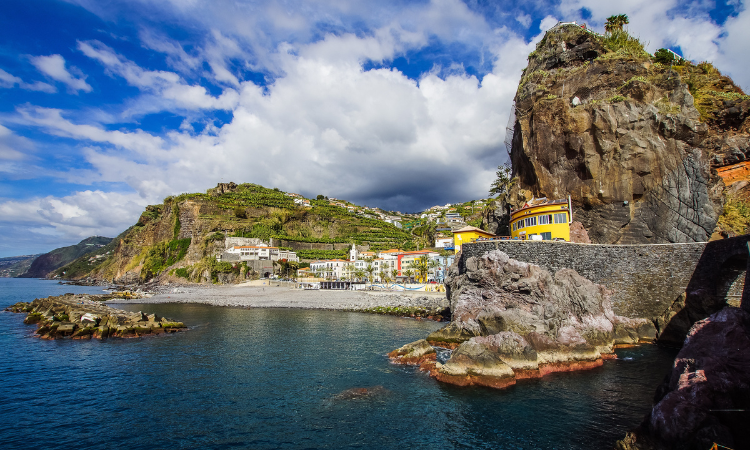
Funchal’s Old Town is a vibrant area filled with historic buildings, colorful street art, and lively markets. The Mercado dos Lavradores is a must-visit for fresh produce, flowers, and local goods. Visit the São Tiago Fortress, a 17th-century structure overlooking the Atlantic. Enjoy a ride on the Funchal Cable Car, offering panoramic views of the island. The Old Town is also famous for its excellent seafood restaurants and wine bars.
Witness the Giant Waves in Nazaré
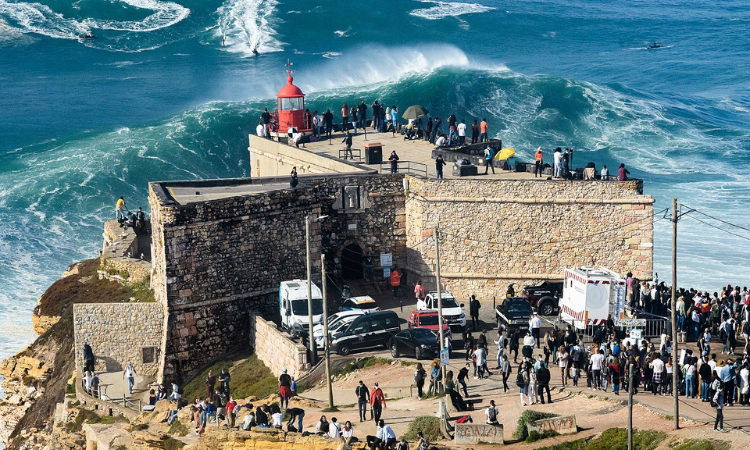
Nazaré is world-famous for its record-breaking waves, attracting top surfers from around the globe. The Praia do Norte beach is where some of the largest waves ever recorded have been surfed. This phenomenon is caused by the Nazaré Canyon, an underwater trench that amplifies wave heights. The annual Big Wave Challenge draws professional surfers competing in extreme conditions. Even non-surfers can enjoy watching the awe-inspiring power of the Atlantic.
Climb to Bom Jesus do Monte Sanctuary in Braga
Bom Jesus do Monte is a stunning religious sanctuary set on a steep hill. The baroque staircase, with its zigzag design, is one of Portugal’s most famous landmarks. Visitors can either climb the 577 steps or take the funicular railway, which operates using water balance. The sanctuary offers breathtaking views over Braga. It is a peaceful and spiritual retreat surrounded by lush gardens.
Visit Braga Cathedral
Braga Cathedral is the oldest in Portugal, dating back to the 11th century. It features a mix of Romanesque, Gothic, and Baroque architectural styles. Inside, visitors can admire ornate chapels, intricate wood carvings, and sacred relics. The cathedral has played a significant role in Portugal’s religious history. It remains an important pilgrimage site and a symbol of Braga’s heritage.
Tour the Chapel of Bones in Évora
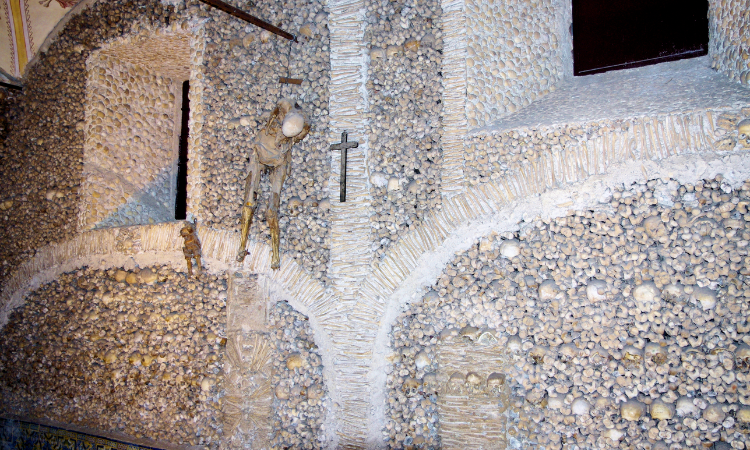
The Capela dos Ossos (Chapel of Bones) in Évora is one of Portugal’s most eerie yet fascinating landmarks. It is decorated with thousands of human skulls and bones, arranged along the walls and ceiling. The chapel was built by Franciscan monks in the 16th century as a reminder of life’s impermanence. A haunting inscription at the entrance reads, “We bones that are here, for yours await”. Despite its eerie atmosphere, it is a place of deep reflection and history.
Explore the Boulder Houses of Monsanto
Monsanto, known as “the most Portuguese village in Portugal”, is famous for its houses built between massive boulders. The village’s ancient granite homes blend seamlessly with the rugged landscape. Some houses have giant rocks serving as walls or even roofs. The Castle of Monsanto, perched at the top, offers breathtaking views of the countryside. Walking through Monsanto feels like stepping into a magical, prehistoric world.
Stand at Cabo da Roca, Europe’s Westernmost Point
Cabo da Roca is the westernmost point of mainland Europe, offering dramatic views over the Atlantic Ocean. A large stone monument marks the exact location, with the inscription, “Where the land ends and the sea begins.” The cliffs here stand 140 meters (460 feet) high, creating a stunning backdrop for sunset views. Visitors can explore the lighthouse, which has been guiding ships since the 18th century. The site is part of the Sintra-Cascais Natural Park, making it a great spot for nature lovers.
Embark on a Douro Valley Wine Tour
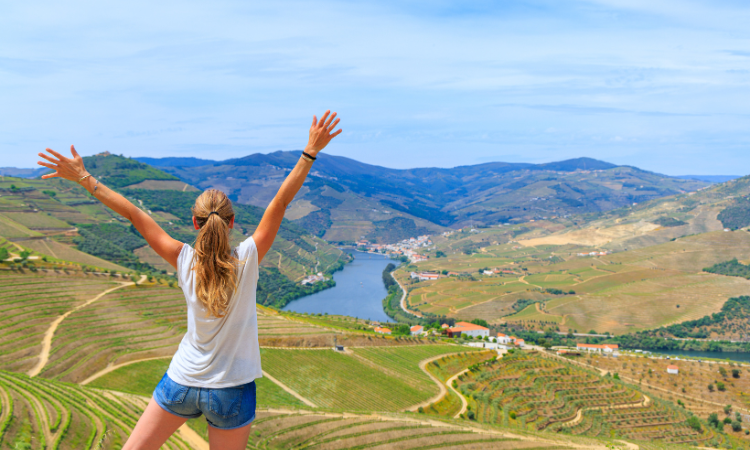
The Douro Valley is Portugal’s most famous wine region, known for producing Port wine and rich red wines. The landscape is filled with terraced vineyards, rolling hills, and the scenic Douro River. Visitors can tour historic wine estates, known as quintas, to learn about traditional winemaking. Many tours include wine tastings, boat cruises, and gourmet food pairings. The region is a UNESCO World Heritage Site and a must-visit for wine enthusiasts.
Visit the University of Coimbra
Founded in 1290, the University of Coimbra is one of the world’s oldest universities. The Joanina Library is a highlight, featuring golden baroque interiors and thousands of ancient books. The university sits on a hill, offering stunning views of Coimbra’s historic center. Students still wear traditional black capes, which are said to have inspired Hogwarts’ uniforms in Harry Potter. The university is a symbol of Portugal’s deep academic and cultural heritage.
See Sete Cidades Lake in the Azores
Sete Cidades Lake is one of the most breathtaking natural wonders of the Azores archipelago. It consists of two connected lakes, one blue and one green, nestled inside a volcanic crater. The contrasting colors are the result of different depths and reflections of the sky and vegetation. Visitors can enjoy hiking trails, kayaking, and panoramic viewpoints like Miradouro da Boca do Inferno. The lake is surrounded by lush landscapes, making it a paradise for nature lovers.
Check out our Portugal page for tour inspirations.
Conclusion
Portugal is a country rich in history, culture, and fascinating facts. From its significant role in global exploration to its delicious cuisine and impressive architecture, Portugal offers something for everyone. Whether you’re visiting the vibrant city of Lisbon, enjoying the scenic Douro Valley, or learning about Portugal’s past, there’s always something new to discover. With its beautiful landscapes, friendly people, and incredible heritage, Portugal is truly a remarkable destination.
FAQs
What are 5 interesting facts about Portugal?
- Portugal is the oldest nation-state in Europe.
- It is the world’s largest cork producer.
- The Vasco da Gama Bridge is the second-longest bridge in Europe.
- Portuguese is the official language in nine other countries.
- The world’s oldest bookstore, Livraria Bertrand, is in Lisbon.
What is Portugal famously known for?
Portugal is known for its stunning beaches, delicious cuisine, rich history, and famous explorers like Vasco da Gama. It is also famous for its production of Port wine and its Fado music tradition.
Is Portugal older than Italy?
Yes, Portugal became a country in 1143, while Italy was unified in 1861.
What is the old name for Portugal?
Before becoming Portugal, the region was part of the Roman province called Lusitania.
What is Portugal’s national animal?
The national animal of Portugal is the Iberian wolf.
What is Portugal’s national sport?
Football (soccer) is the most popular sport in Portugal, and the country has produced legendary players like Cristiano Ronaldo.
What has Portugal invented?
Portugal has contributed to several inventions, including the Caravela ship, tempura (which was introduced to Japan), and the ATM system.
What is the traditional Portuguese greeting?
A common Portuguese greeting is “Olá” (Hello) or “Bom dia” (Good morning).
 Toll Free (USA & Canada) +1 866 978 2997