Italy is a country of breathtaking landscapes, world-famous cuisine, and a rich cultural heritage that spans thousands of years. From the ancient ruins of Rome to the romantic canals of Venice, Italy is full of wonders that captivate travelers worldwide. But beyond its famous landmarks and delicious pasta, Italy is home to many quirky and surprising facts that make it even more fascinating. Did you know Italy has a free wine fountain? On your trip to Italy, remember these facts as you travel through
Keep reading to uncover more fun and unexpected facts about this incredible country!
Fun Facts About Italy
Italy is the fifth most visited country in the world
Italy attracts millions of tourists each year, making it one of the most sought-after travel destinations globally. With its breathtaking landscapes, world-famous landmarks, and rich cultural heritage, it offers something for everyone. Visitors flock to see Rome’s ancient ruins, Venice’s romantic canals, and Tuscany’s rolling vineyards. The country’s diverse regions each have their own unique charm, from the Amalfi Coast’s stunning cliffs to Sicily’s sun-soaked beaches. Whether for history, food, or art, Italy remains a dream destination for travelers worldwide.
Rome is over 2,000 years old and is known as the ‘Eternal City’
Rome, the heart of Italy, has been continuously inhabited for over two millennia, making it one of the oldest cities in the world. Known as “The Eternal City,” it showcases centuries of history, from the Roman Empire to the Renaissance. The Colosseum, Pantheon, and Roman Forum stand as testaments to its glorious past. Vatican City, located within Rome, adds to its historical and religious significance. Walking through Rome feels like stepping back in time, where ancient ruins blend with modern life.
Italy has the highest number of UNESCO World Heritage Sites
Italy boasts over 50 UNESCO World Heritage Sites, more than any other country in the world. These sites range from ancient Roman ruins to stunning natural landscapes and masterpieces of Renaissance art. Florence’s historic center, Pompeii’s archaeological remains, and Venice’s lagoon are just a few examples. The recognition of these sites highlights Italy’s vast contributions to global culture and history. Whether exploring medieval towns or iconic landmarks, every corner of Italy offers something extraordinary.
Much of southern Italy was once part of Ancient Greece
Before the rise of the Roman Empire, parts of southern Italy were Greek colonies, collectively known as “Magna Graecia” (Greater Greece). Regions like Sicily, Calabria, and Campania were heavily influenced by Greek architecture, philosophy, and governance. Even today, visitors can explore well-preserved Greek ruins such as the temples of Paestum and the Valley of the Temples in Sicily. Many southern Italian dialects also retain traces of Greek influence. This deep connection between Italy and Greece is a fascinating part of its history.
The first-ever bank was founded in Italy in the 15th century
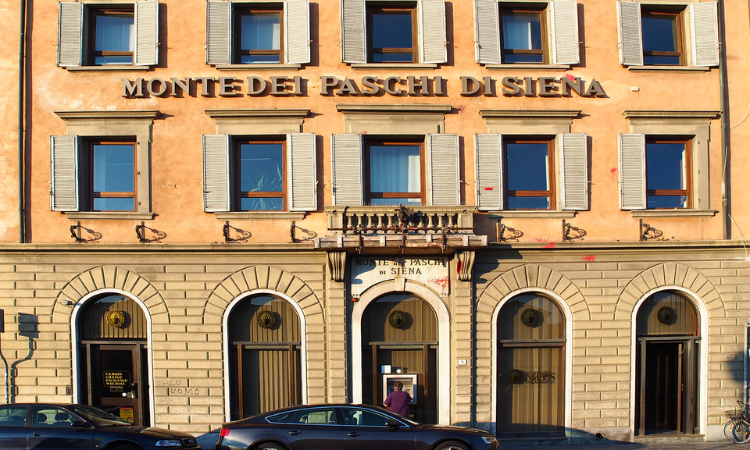
Italy played a major role in the development of modern banking, with Banca Monte dei Paschi di Siena established in 1472. Located in Siena, this bank revolutionized financial systems and is still in operation today. The powerful Medici family of Florence also helped shape the banking industry, funding art, architecture, and trade. Italy’s early banking innovations laid the foundation for modern financial institutions worldwide. Today, Italy remains a significant player in the global financial market.
The world’s first thermometer was designed by an Italian scientist
In the early 1600s, Italian scientist Santorio Santorio invented the first-ever thermometer, transforming the way temperature was measured. His invention was a breakthrough in medicine, allowing doctors to track fevers and illnesses more accurately. Later, another Italian, Daniel Gabriel Fahrenheit, improved temperature measurement by developing the Fahrenheit scale. Italy has been at the forefront of scientific advancements, contributing to various fields like astronomy, medicine, and engineering. From Galileo’s telescope to Marconi’s radio waves, Italian innovation has shaped the modern world.
Italy has three active volcanoes—Etna, Stromboli, and Vesuvius
Italy is one of the most volcanically active countries in Europe, with three major volcanoes still erupting today. Mount Etna in Sicily is the tallest and most active, frequently spewing lava and ash. Stromboli, known as the “Lighthouse of the Mediterranean,” erupts almost constantly, creating stunning nighttime displays. Mount Vesuvius, near Naples, is infamous for its catastrophic eruption in 79 AD, which buried the ancient cities of Pompeii and Herculaneum. These volcanoes, while dangerous, have also enriched Italy’s soil, making it ideal for agriculture.
There are over 1,500 lakes in Italy, including Lake Como and Lake Garda
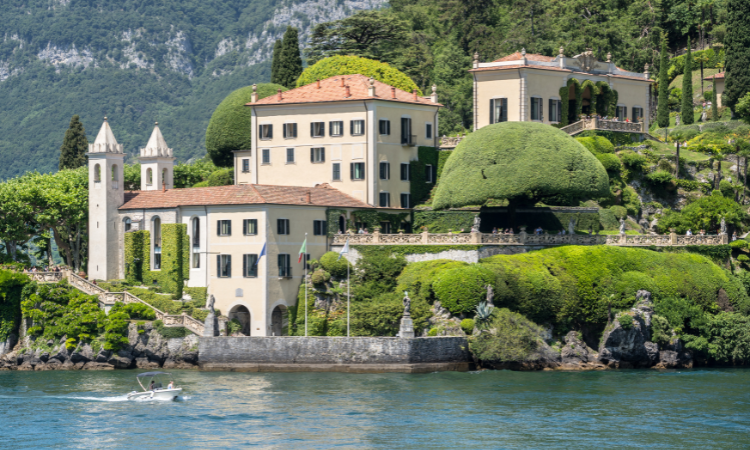
Italy’s stunning lakes are a major draw for visitors, with Lake Como and Lake Garda being among the most famous. Surrounded by mountains and picturesque villages, these lakes offer breathtaking scenery and luxury resorts. Lake Como, in particular, is a favorite getaway for celebrities and travelers seeking relaxation. Many of Italy’s lakes were formed by glaciers, creating deep, crystal-clear waters. Whether for boating, hiking or simply soaking in the views, Italy’s lakes are a must-visit.
Much of southern Italy was once part of Ancient Greece
Before the rise of the Roman Empire, parts of southern Italy were colonized by the Greeks. Known as “Magna Graecia” (Greater Greece), these areas included Sicily and regions like Calabria and Campania. The Greeks introduced architecture, democracy, and philosophy to Italy, influencing Roman civilization. Even today, you can find Greek ruins in Italy, such as the temples of Paestum and the Valley of the Temples in Sicily. This connection between Greece and Italy showcases the shared heritage of these two ancient cultures.
The world’s first thermometer was designed by an Italian scientist
Santorio Santorio, an Italian physician and scientist, invented the first rudimentary thermometer in the early 1600s. His work laid the foundation for modern temperature measurement in medicine and science. Later, in the 18th century, another Italian, Daniel Gabriel Fahrenheit, improved temperature scales. Today, Italy continues to be a leader in scientific discoveries and innovations. From Galileo’s telescope to Marconi’s radio waves, Italian scientists have shaped the world.
Mont Blanc, the highest mountain in Western Europe, is partly in Italy
One of the most exciting fun facts about Italy is that it shares Mont Blanc, the tallest peak in Western Europe, with France. Standing at 4,807 meters (15,774 feet), this majestic mountain is a popular destination for climbers and nature lovers. The Italian side, known as Monte Bianco, offers breathtaking views and world-class skiing in the Aosta Valley. The region is also known for its charming Alpine villages, delicious mountain cuisine, and stunning hiking trails. Whether you’re a thrill-seeker or simply love scenic landscapes, Mont Blanc is a must-visit.
The Italian flag was inspired by the French Revolution
A surprising interesting fact about Italy is that its flag was influenced by the French Revolution. The green, white, and red tricolor design was first introduced by Napoleon in 1797 and later became Italy’s official flag. Each color has a symbolic meaning—green represents hope, white signifies faith, and red stands for charity. The flag has become a powerful national symbol, representing Italy’s unity and pride. Whether flying over historical landmarks or waving at international sporting events, the Italian flag is a proud emblem of the nation’s identity.
The Sistine Chapel welcomes over 20,000 visitors daily
Located in Vatican City, the Sistine Chapel is one of the most famous artistic masterpieces in the world. Michelangelo’s frescoes, including The Creation of Adam, adorn the chapel’s ceiling, drawing thousands of visitors each day. The chapel is still used for important religious ceremonies, including the election of a new pope. Its breathtaking artwork and rich history make it one of Italy’s most treasured landmarks. Seeing the Sistine Chapel in person is an unforgettable experience for any traveler.
Italy has the oldest population in Europe, with a high number of centenarians
A fascinating fact about Italy is that it has one of the oldest populations in the world, with a large number of people living past 100. Many of these centenarians reside in Sardinia, one of the world’s five “Blue Zones,” where people live exceptionally long and healthy lives. The Mediterranean diet, strong family bonds, and an active lifestyle contribute to this longevity. In many small Italian villages, it’s common to find residents who have seen over a century of history. This longevity is a testament to Italy’s relaxed, high-quality way of life.
Italy is the world’s largest wine producer
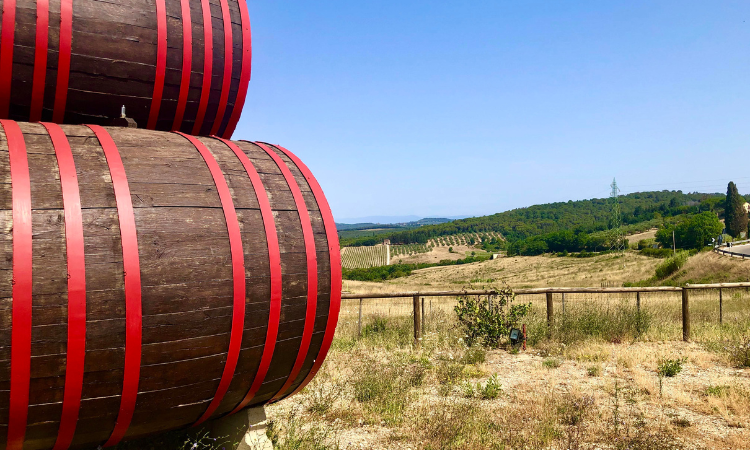
Italy consistently ranks as the world’s top wine producer, often surpassing France and Spain. The country produces an astonishing variety of wines, from the famous Chianti and Barolo to refreshing Prosecco. Every region in Italy has its own unique vineyards, benefiting from diverse climates and soil conditions. Wine is deeply embedded in Italian culture, playing a central role in meals, celebrations, and traditions. Whether sipping a glass in Tuscany or exploring Sicilian wineries, wine lovers are in for a treat.
Pinocchio was first published in an Italian newspaper in 1881
One of the most famous children’s stories, The Adventures of Pinocchio, originated in Italy. Written by Carlo Collodi, it was first published in an Italian newspaper in 1881 before being compiled into a book. This classic tale of a wooden puppet who dreams of becoming a real boy has since been translated into numerous languages. Pinocchio’s story teaches lessons about honesty, responsibility, and courage, making it a timeless favorite. Today, Pinocchio remains a beloved figure in Italian culture, with museums and statues dedicated to his story.
13 of Shakespeare’s plays, including Romeo and Juliet, are set in Italy
One of the most surprising fun facts about Italy is its deep connection to William Shakespeare’s plays. The famous playwright set 13 of his works in Italy, including Romeo and Juliet (Verona), Othello (Venice), and Julius Caesar (Rome). Though Shakespeare likely never visited Italy, the country’s history, landscapes, and culture inspired many of his most iconic stories. Verona, in particular, has embraced Romeo and Juliet, with tourists flocking to see Juliet’s famous balcony. Shakespeare’s love for Italy is evident in the way he brought its cities to life through his plays.
Tiramisu means “pick me up” in Italian, referring to its energizing ingredients
The beloved Italian dessert Tiramisu gets its name from the phrase “pick me up” due to its rich and energizing ingredients. Made with layers of coffee-soaked ladyfingers, creamy mascarpone, cocoa, and sugar, it provides a delightful boost. The dessert originated in the Veneto region and quickly became a favorite worldwide. The combination of caffeine from espresso and sugar gives a mild energy kick, perfect after a meal. Today, Tiramisu has inspired countless variations, from fruit-infused versions to gelato flavors.
Fourteen billion espressos are consumed in Italy every year
Italians take their coffee seriously, consuming an estimated 14 billion espressos annually. The tiny but strong espresso is a staple of daily life, often enjoyed standing at a café counter. Unlike in other countries, Italians drink coffee quickly, treating it as a short but essential ritual. Many locals visit their favorite barista multiple times a day for a fresh espresso shot. With its rich aroma and bold flavor, espresso is an integral part of Italian culture.
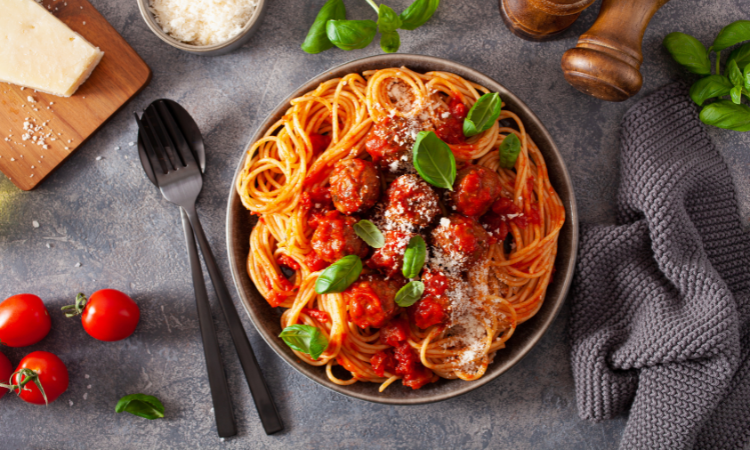
There are over 350 different types of pasta in Italy
Another one of the most delicious facts about Italy is that there are more than 350 different pasta shapes! Each region has its own specialties, with variations designed to hold different sauces perfectly. For example, tagliatelle is ideal for rich meat sauces, while orecchiette pairs well with vegetables and olive oil. Some pasta shapes even have historical or symbolic meanings, passed down through generations. With so much variety, it’s no wonder that pasta is a beloved part of Italian cuisine.
Italians do not drink cappuccinos after 11 AM; it’s considered a morning-only drink
In Italy, cappuccino is strictly a morning beverage, typically enjoyed with a pastry for breakfast. Italians believe that drinking milk-based coffee after a meal can disrupt digestion. Ordering a cappuccino in the afternoon or after dinner might earn you a surprised look from locals. Instead, Italians prefer a simple espresso or macchiato later in the day. If you want to blend in with the locals, save your cappuccino cravings for the morning.
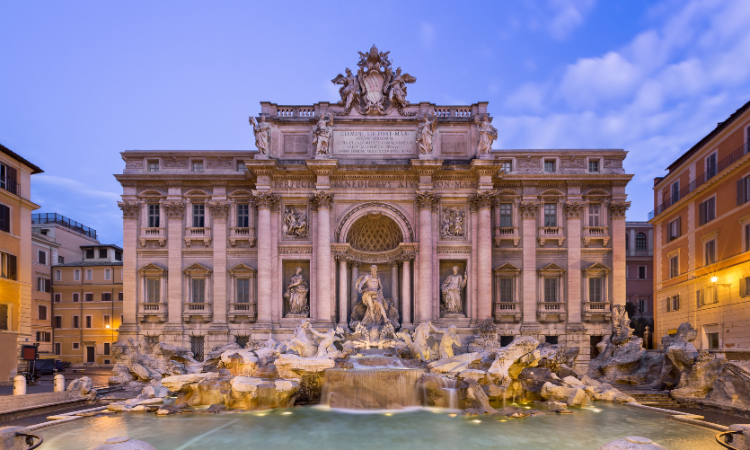
Tourists throw over €1.5 million into the Trevi Fountain each year for good luck
The Trevi Fountain in Rome isn’t just a beautiful landmark—it’s also a symbol of good fortune. According to tradition, tossing a coin over your left shoulder into the fountain ensures a return to Rome. Every year, visitors throw more than €1.5 million into the water, with the money donated to charity. The funds help support local food programs for those in need. This iconic fountain continues to bring luck to visitors while helping a good cause. You must do this during your Rome city tour.
Italy’s police force uses Lamborghinis for high-speed chases and medical emergencies
Italy’s police force, the Polizia Stradale, is equipped with high-performance Lamborghini sports cars. These sleek vehicles aren’t just for show—they’re used for high-speed chases and urgent medical transport. Fitted with defibrillators and medical supplies, they help deliver life-saving assistance in emergencies. The Lamborghini Huracán, gifted to the police, can reach speeds of over 200 mph. It’s a true blend of luxury, speed, and practicality, making law enforcement in Italy even more thrilling.
Cats have special rights in Italy and are protected by law
Italy has a deep love for cats, and these furry friends are legally protected in many cities. In Rome, cats are allowed to roam freely among ancient ruins, including the Colosseum and the Forum. Killing or harming a stray cat is punishable by law, ensuring their safety across the country. Many Italians feed and care for stray cats, treating them as part of the community. With their special status, cats have become an iconic and beloved part of Italian life.
Italy’s last king ruled for only 36 days in 1946 before the country became a republic
One of the most interesting facts about Italy is that it was once a monarchy, but its last king, Umberto II, ruled for just over a month. In 1946, following the devastation of World War II, Italians voted in a referendum to abolish the monarchy and establish a republic. King Umberto II, known as the “May King” due to his short reign, was exiled to Portugal, never returning to Italy. The transition marked a major shift in Italy’s political history, paving the way for the democratic system in place today. This event remains a crucial turning point in modern Italian history.
Pizza was invented in Naples, with the Margherita being created in 1889
No list of Italy fun facts would be complete without mentioning pizza! The modern pizza, as we know it, originated in Naples, with the Margherita pizza being created in 1889. Legend says that a Neapolitan chef-crafted it in honor of Queen Margherita of Savoy, using tomatoes, mozzarella, and basil to represent the Italian flag. Today, Naples remains the pizza capital of the world, with strict rules on how authentic Neapolitan pizza should be made. Pizza has since become a global favorite, but nothing beats the original flavors found in Italy.
Superstitions are common in Italy, including avoiding the number 17 for bad luck
In Italy, the number 17 is considered unlucky, much like 13 in other cultures. The fear comes from the Roman numeral XVII, which, when rearranged, forms “VIXI,” meaning “I have lived” in Latin—implying death. Many hotels, airlines, and buildings in Italy skip the number 17 altogether, avoiding room or floor numbers with it. Italians also believe in other superstitions, like not placing a hat on a bed or spilling salt. These traditions are still followed today, blending ancient beliefs with modern life.
Italians have been eating pasta since at least 4 BC
A key part of what Italy is known for is its long love affair with pasta. Historical records show that Italians have been enjoying pasta since at least the 4th century BC. Ancient Romans made a pasta-like dish using wheat, water, and eggs, laying the foundation for modern pasta. Over the centuries, pasta has evolved into hundreds of different shapes and styles, becoming a staple of Italian cuisine. Whether it’s spaghetti, penne, or tagliatelle, pasta remains at the heart of Italy’s culinary traditions.
Italians invented eyeglasses in the 13th century
Eyeglasses, a revolutionary invention, were first created in Italy during the late 13th century. The earliest designs, made with convex lenses, helped people with farsightedness read and work more comfortably. These primitive glasses were hand-held or balanced on the nose, evolving over time into wearable frames. The innovation spread across Europe, changing the way people dealt with vision problems. Today, Italy remains a leader in eyewear fashion, with luxury brands like Prada and Ray-Ban.
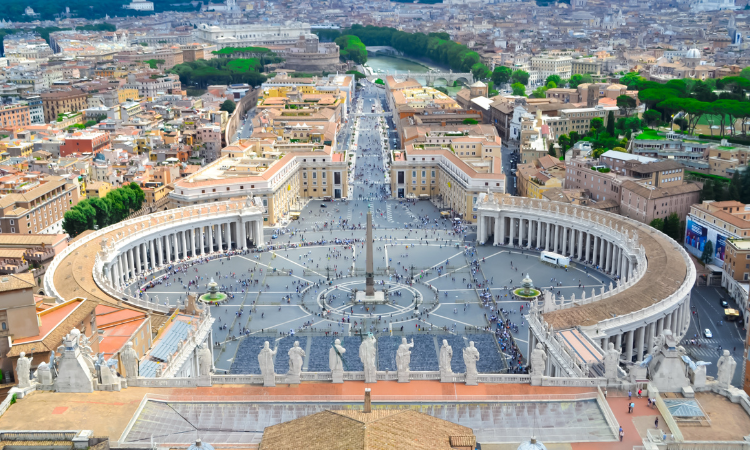
Italy is home to the world’s smallest country, Vatican City
Tucked inside Rome, Vatican City is the smallest independent country in the world, covering just 44 hectares (110 acres). Despite its tiny size, it holds immense cultural and religious significance as the center of the Roman Catholic Church. Millions of visitors come each year to see St. Peter’s Basilica, the Vatican Museums, on of the famous Museums in Rome, and Michelangelo’s Sistine Chapel. It is also the official residence of the Pope and the site of important religious ceremonies. Vatican City’s history and art make it a must-visit for travelers.
Placing bread upside down on a table is considered bad luck in Italy
In Italy, turning bread upside down is seen as a sign of bad luck and disrespect. This superstition dates back to medieval times when bread reserved for executioners was placed upside down in bakeries. Many Italians believe that mishandling bread, a staple of life, brings misfortune. Bread is highly valued in Italian culture, symbolizing nourishment, family, and tradition. So, if you want to follow Italian customs, always place your bread the right way up!
Italy’s police force uses Lamborghinis for high-speed chases and medical emergencies
One of the coolest Italy fun facts is that the Italian police force uses Lamborghinis for high-speed pursuits! The Italian State Police have been gifted several Lamborghini Huracán cars, which they use for chasing criminals on highways and urgent medical transports. These luxury sports cars are equipped with sirens, cameras, and even a refrigerated compartment for transporting organs. It’s no surprise that in a country known for Ferrari and Lamborghini, even law enforcement rides in style!
Cats have special rights in Italy and are protected by law
If you’re a cat lover, you’ll appreciate this interesting fact about Italy—cats are legally protected in many cities! Rome, in particular, has designated areas where stray cats can roam freely without being disturbed. The famous ruins of Largo di Torre Argentina, where Julius Caesar was assassinated, are now home to hundreds of cats. Italian law prohibits harming or relocating stray cats from these historical sites. So, don’t be surprised if you spot a cat lounging near an ancient landmark—they belong there!
Superstitions are common in Italy, including avoiding the number 17 for bad luck
Among the many fun facts about Italy, its unique superstitions stand out. Unlike the Western fear of the number 13, Italians consider 17 unlucky. This is because, when written in Roman numerals (XVII), it can be rearranged to spell “VIXI,” which means “I have lived” in Latin—often associated with death. Many hotels and airlines in Italy skip the number 17 in their room and seat numbering. If you’re in Italy, don’t be surprised if there’s no 17th floor in your hotel!
Conclusion
Italy is a country full of surprises, from its world-famous landmarks and ancient Roman ruins to its quirky traditions and fun superstitions. Whether it’s sipping the finest wines, tossing coins into the Trevi Fountain, or avoiding the number 17, Italy’s culture is rich with fascinating details. These fun facts make the country even more captivating, proving that there’s always something new to learn about Italy. So, whether you’re planning a trip or just dreaming of one, keep these unique tidbits in mind. After all, Italy isn’t just about history and food—it’s about embracing la dolce vita in every way!
FAQs
What is Italy unique for?
Italy is unique for its rich cultural heritage, world-class cuisine, and breathtaking landscapes. It is home to ancient ruins, Renaissance art, and some of the most famous fashion brands in the world. The country’s influence on architecture, literature, and film has shaped global culture for centuries.
What is a secret fact about Italy?
A little-known fact about Italy is that it has a free wine fountain! In the town of Caldari di Ortona, visitors can enjoy unlimited red wine from a public fountain, making it a dream destination for wine lovers.
What is Italy so famous for?
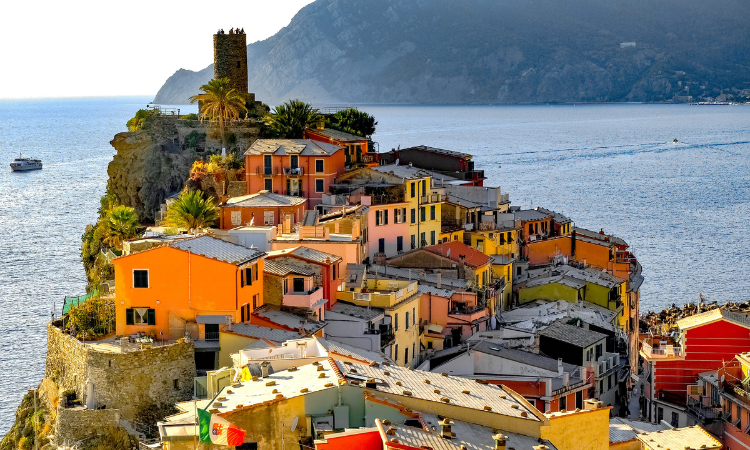
Italy is famous for its historical landmarks, including the Colosseum, Leaning Tower of Pisa, and Vatican City. It is also renowned for its food, fashion, luxury sports cars, and picturesque coastlines, such as the Amalfi Coast and Cinque Terre.
What is Italy’s national animal?
Italy’s national animal is the Italian wolf. This majestic creature has been a symbol of Rome since ancient times and is associated with the legend of Romulus and Remus, the founders of the city.
What food is famous in Italy?
Italy is known for its delicious cuisine, with dishes like pasta, pizza, risotto, and gelato being some of the most famous. Italian food is celebrated worldwide for its fresh ingredients and bold flavors.
What is Italy’s national dish?
Ragu alla Bolognese, commonly known as Bolognese sauce, is considered Italy’s national dish. Originating from Bologna, this slow-cooked meat sauce is typically served with tagliatelle or other types of pasta.
What is Italy best known for?
Italy is best known for its art, history, and cuisine. From Michelangelo’s masterpieces to Leonardo da Vinci’s iconic works, Italy has been a hub for creativity and innovation. The country is also famous for its scenic beauty, including the rolling hills of Tuscany and the canals of Venice.
What are Italy’s most famous foods?
Some of Italy’s most famous foods include pizza, pasta, tiramisu, lasagna, risotto, and cannoli. Each region of Italy has its own specialties, making the country a paradise for food lovers.
What is the most visited city in Italy?
Rome is the most visited city in Italy, attracting millions of tourists each year. With its ancient ruins, Vatican treasures, and charming piazzas, Rome is a must-visit destination for history and culture enthusiasts.
Why do Italians talk with their hands?
Italians are known for their expressive hand gestures, which are an integral part of their communication style. These gestures help convey emotions, emphasize points, and add extra meaning to conversations, making Italian conversations lively and engaging.
Why does Italy have so many old churches?
Italy has a deep-rooted religious history, being the home of the Vatican and the Catholic Church. Over the centuries, countless churches were built to honor saints, celebrate religious events, and showcase incredible architectural styles, from Romanesque to Baroque.
What are the best souvenirs to buy in Italy?
Some of the best souvenirs to buy in Italy include handmade leather goods from Florence, Murano glass from Venice, ceramics from the Amalfi Coast, Italian wine, olive oil, and artisan pasta. A bottle of Limoncello or a beautifully crafted Italian coffee maker also make great gifts.
 Toll Free (USA & Canada) +1 866 978 2997