Brač Island, located in Croatia, is a gem in the Adriatic Sea, known for its stunning beaches, rich history, and diverse outdoor activities. Renowned for the iconic Zlatni Rat beach, which changes shape with the tides and currents, Brač offers a unique coastal experience. The island’s historical sites, such as the ancient Roman quarries and the beautiful medieval town of Supetar, provide a glimpse into its storied past. For outdoor enthusiasts, Brač boasts a variety of activities, including hiking up Vidova Gora, the highest peak of the Adriatic islands, windsurfing in the clear waters, and exploring hidden coves and olive groves. Whether you seek relaxation or adventure, Brač Island Croatia promises an unforgettable experience.
How to Get to Brač Island
Brač Island, one of the most beautiful Islands of Croatia, is easily accessible by ferry from the city of Split, Croatia’s vibrant coastal hub. There are regular ferry services operated by Jadrolinija and other companies, offering both passenger and car ferries, making it convenient for travelers with or without vehicles.
Car Ferries Available
For those planning to explore Brač Island Croatia with their own or rented car, car ferries are available, ensuring you can bring your vehicle for a more flexible travel experience on the island.
Travel Tips and Best Times to Visit
Travel Tips:
Book in Advance: During peak tourist season, ferry tickets can sell out quickly. It’s advisable to book your tickets in advance. You can buy ferry tickets online.
Check Schedules: Ferry schedules can vary, so always check the latest timetable to plan your trip accordingly.
Arrive Early: Arriving at the port early ensures a smoother boarding process, especially if you have a car.
Best Times to Visit:
Spring (April to June): Pleasant weather and fewer tourists make this a great time for sightseeing and outdoor activities.
Summer (July to August): This is the peak season, ideal for beach lovers and those who enjoy vibrant island life, though it can be crowded.
Autumn (September to October): The weather remains warm, and the crowds thin out, providing a more relaxed atmosphere while still offering excellent conditions for outdoor activities.
Image: Zoran Jelaca
Top Attractions on Brač Island Croatia
Zlatni Rat Beach
Zlatni Rat Beach, often referred to as the Golden Horn, is one of the most famous beaches in Croatia. Located near the town of Bol, this unique beach stretches into the Adriatic Sea and changes shape with the tides and currents, creating a constantly evolving landscape. Visitors can enjoy sunbathing on its pristine pebble shores, swimming in crystal-clear waters, and engaging in various water sports such as windsurfing, paddleboarding, and kayaking. The beach’s stunning beauty and vibrant atmosphere make it a must-visit destination on Brač Island.
Vidova Gora
Vidova Gora, standing at 780 meters (2,559 feet), is the highest peak of the Adriatic islands. It offers breathtaking panoramic views of Brač, the surrounding islands, and the mainland. Hiking enthusiasts can explore several trails leading to the summit, ranging from easy walks to more challenging routes. The climb is well worth the effort, as the views from the top are spectacular, especially at sunset. Vidova Gora is not only a paradise for hikers but also a great spot for nature lovers and photographers.
Dragon’s Cave
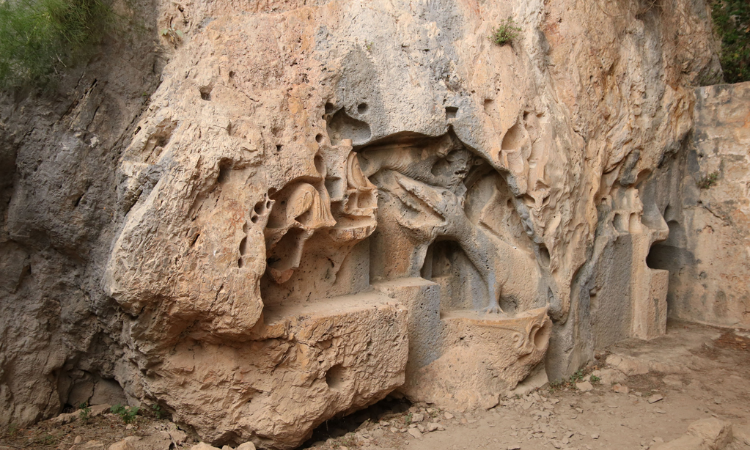
Dragon’s Cave, also known as Zmajeva špilja, is a fascinating historical site located near the village of Murvica. The cave features unique carvings and reliefs dating back to the 15th century, created by Glagolitic monks who used the cave as a dwelling and place of worship. The carvings depict mythical creatures, including dragons, which give the cave its name. Guided tours are available, offering insights into the cave’s historical and cultural significance, as well as its mysterious and mystical atmosphere. Visiting Dragon’s Cave provides a glimpse into the island’s rich heritage and the monks’ intriguing way of life.
Image: Shutterstock
Beaches and Outdoor Activities
Other Popular Beaches:
Sumartin Beach: Known for its crystal-clear Adriatic waters and smooth pebbles, it provides a perfect spot for swimming and sunbathing in a laid-back setting. The nearby village of Sumartin adds to the beach’s appeal with its quaint harbor, traditional stone houses, and local eateries where you can enjoy fresh seafood. There is a ferry from Makarska to Sumartin, making it easily accessible.
Murvica Beach: It is a hidden gem on the southwestern coast of Brač Island, renowned for its stunning natural beauty and tranquil atmosphere. This small, secluded beach is framed by dramatic cliffs and vineyards, offering a picturesque backdrop of lush greenery and crystal-clear waters.
Lovrečina Bay: Located on the northern coast of Brač, Lovrečina Bay is renowned for its sandy beach and shallow waters, making it perfect for families. The bay also has ruins of a Roman villa and a basilica, adding a touch of history to your beach day.
Outdoor Activities:
Hiking: Explore the island’s diverse landscapes with hiking trails that range from leisurely walks to challenging climbs. A must-do is the hike up Vidova Gora, the highest peak of the Adriatic islands, offering panoramic views of Brač and beyond.
Island Hopping: Discover the beauty of the surrounding Adriatic islands with day trips from Brač Island Croatia. Visit neighboring islands like Hvar, Vis, and Korčula, each with its own unique charm and attractions.
Watersports: Brač is a haven for water enthusiasts. Engage in a variety of watersports such as windsurfing, paddleboarding, kayaking, and diving. The island’s clear waters and favorable wind conditions make it an ideal spot for both beginners and experienced adventurers.
Image: Shutterstock
Historical and Cultural Sites
Olive Oil Museum
Located in the charming village of Škrip on Brač Island, the Olive Oil Museum provides a fascinating look into the island’s rich olive oil production heritage. Housed in a historic olive mill, the museum showcases traditional tools and techniques used for olive oil extraction over the centuries. Visitors can learn about the history and cultural significance of olive oil in the region, watch demonstrations of the olive pressing process, and enjoy tastings of local olive oils. It’s an enriching experience that highlights Brač’s long-standing agricultural traditions.
Venetian Senate and Brač Stone Heritage
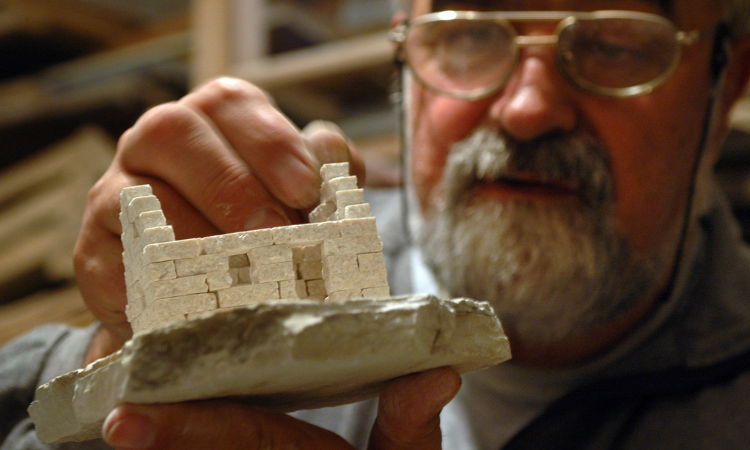
Brač is renowned for its high-quality limestone, known as Brač stone, which has been used in notable constructions worldwide, including Diocletian’s Palace and the White House in Washington, D.C. The Venetian Senate in the town of Pučišća stands as a testament to this stone’s historical importance. This beautiful building, along with the town’s renowned stonemasonry school, showcases the island’s long tradition of stone carving and architecture. Visitors can tour the school, watch craftsmen at work, and admire the exquisite stone buildings and sculptures that highlight Brač’s significant stone heritage.
Image: Stipe Surac
Nightlife and Local Cuisine
Nightlife Spots and Activities
Brač Island offers a lively yet relaxed nightlife scene, with options ranging from beach bars to nightclubs.
Bol: Known for its vibrant atmosphere, Bol boasts several popular spots, including the Bolero Cocktail Bar and the Varadero Cocktail Bar, where you can enjoy refreshing drinks with a view of the sea. The 585 Club, located near Zlatni Rat Beach, is one of the island’s top nightclubs, featuring live DJ performances and a dynamic party scene.
Supetar: As the largest town in Brač, Supetar offers a mix of cozy pubs, lively bars, and cultural events. The Havana Bar is a favorite for cocktails and music, while Vinoteka Wine Bar provides a more relaxed setting with an extensive selection of local wines.
Beach Parties and Festivals: During the summer months, beach parties and local festivals are common, providing opportunities to dance under the stars and experience the island’s festive spirit.
Must-Try Dishes
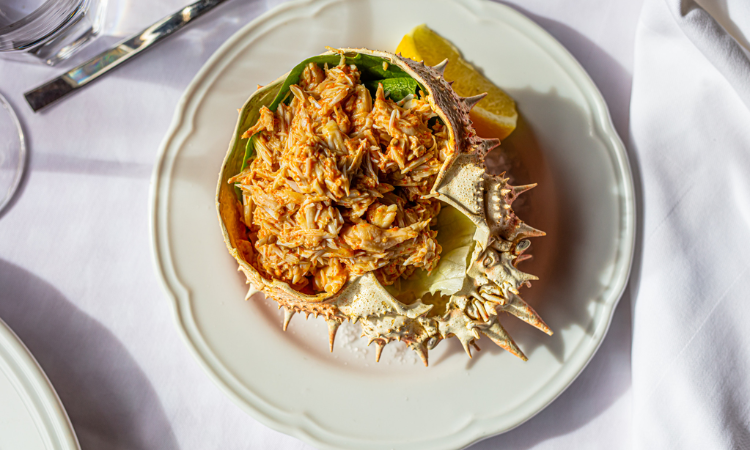
Seafood Risotto: Made with the freshest catch from the Adriatic Sea, this creamy risotto is a staple in Brač’s coastal cuisine. It features a medley of seafood, such as mussels, clams, shrimp, and squid, cooked with Arborio rice, garlic, white wine, and a touch of saffron.
Black Risotto: Known locally as Crni Rižot, this distinctive dish gets its deep black color from squid ink. It’s a rich and flavorful risotto made with cuttlefish or squid, onions, garlic, and red wine, creating a savory and slightly briny taste that’s unique to the Dalmatian coast.
Olive Oil Products: Brač is famous for its high-quality olive oil, which is a key ingredient in many local dishes. Be sure to try dishes drizzled with this liquid gold, such as fresh salads, grilled fish, and homemade bread. Olive oil tastings and tours at local mills offer a deeper appreciation of this essential part of the island’s culinary heritage.
Whether you’re looking to dance the night away or savor delicious local flavors, Brač Island provides a perfect blend of nightlife and cuisine for an unforgettable experience.
Image: Maja Danica Pecanic
Accommodation and Best Hotels
Recommended Hotels and Stays
Bluesun Hotel Elaphusa (Bol): Located near the famous Zlatni Rat Beach, this upscale hotel offers luxurious rooms, a large spa, multiple pools, and several dining options. It’s perfect for those looking to indulge in comfort and enjoy easy access to Bol’s attractions.
Hotel Osam (Supetar): An adults-only boutique hotel in Supetar, Hotel Osam combines modern amenities with a serene atmosphere. Guests can enjoy stunning sea views from the rooftop terrace, relax by the outdoor pool, and dine at the elegant on-site restaurant.
Villa Adriatica (Supetar): This charming family-run hotel provides a cozy and welcoming atmosphere. It features comfortable rooms, a lovely garden, and a pool area. Its location offers convenient access to Supetar’s beaches and town center.
Boutique Hotel Bol (Bol): A stylish and contemporary hotel, Boutique Hotel Bol is known for its excellent service and chic design. It offers comfortable rooms, a wellness area, and a complimentary shuttle service to Zlatni Rat Beach.
Villa Giardino Heritage Boutique Hotel (Bol): Set in a beautiful historic building, this boutique hotel exudes charm and elegance. It features tastefully decorated rooms, a tranquil garden, and personalized service, making it ideal for a romantic getaway.
Tips for Booking During Peak Season
Book Early: Summer is the peak tourist season on Brač Island, and accommodations can fill up quickly. To secure the best options, it’s advisable to book your stay several months in advance.
Flexible Dates: If your travel dates are flexible, consider visiting during the shoulder seasons (late spring or early autumn). The weather is still pleasant, and you’ll find more availability and potentially lower rates.
Check Cancellation Policies: When booking, pay attention to the cancellation policies. Opting for accommodations with flexible cancellation terms can provide peace of mind in case your plans change.
Look for Package Deals: Some hotels offer package deals that include meals, activities, or transportation. These can be a great way to save money and enjoy a more comprehensive experience.
Read Reviews: Before booking, read reviews from other travelers to ensure the accommodation meets your expectations. Websites like TripAdvisor and Booking.com provide valuable insights into the quality and service of different hotels.
By following these tips and choosing one of the recommended hotels, you’ll ensure a comfortable and enjoyable stay on Brač Island Croatia.
Day Trips and Nearby Islands
Hvar Island
Hvar Island, a short ferry ride from Brač, is one of Croatia’s premier destinations, known for its lively nightlife, historical sites, and stunning natural beauty. For a memorable day trip, consider the following highlights:
Hvar Town: Wander the charming streets of Hvar Town, where you’ll find beautiful Venetian architecture, a bustling harbor, and lively squares filled with cafes and boutiques. Climb up to Fortica Fortress for panoramic views of the town and the surrounding islands.
Pakleni Islands: Just off the coast of Hvar, the Pakleni Islands offer secluded beaches, crystal-clear waters, and excellent snorkeling spots. Take a boat tour or rent a private vessel to explore these idyllic islets.
Stari Grad: One of Europe’s oldest towns, Stari Grad boasts rich history and culture. Visit Tvrdalj Castle, the former summer residence of poet Petar Hektorović, and stroll through the town’s narrow streets and ancient squares.
Other Nearby Islands and Day Trip Ideas
Vis Island: Known for its untouched beauty and relaxed atmosphere, Vis Island is perfect for a peaceful day trip. Highlights include the Blue Cave on Biševo Island, Stiniva Cove, and the charming town of Vis with its historic architecture and local cuisine.
Šolta Island: A short ferry ride from Split, Šolta offers picturesque villages, pristine beaches, and a laid-back vibe. Spend the day swimming in secluded coves, visiting olive groves, and tasting local honey and olive oil.
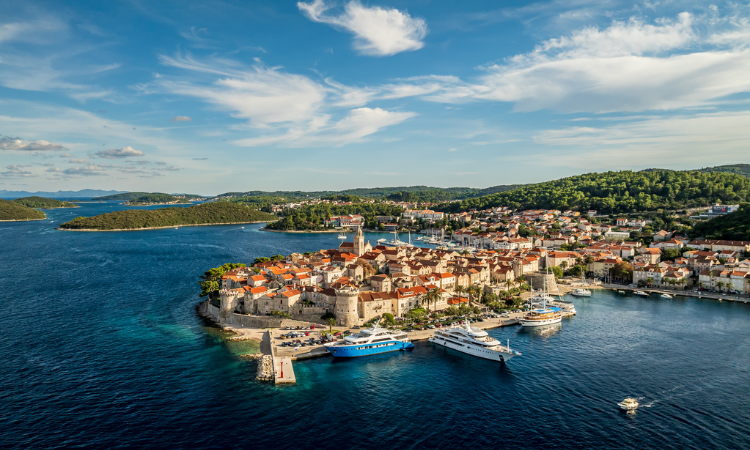
Korčula Island: Often referred to as “Little Dubrovnik,” Korčula is famous for its medieval architecture and rich history. Explore Korčula Town, believed to be the birthplace of Marco Polo, and enjoy the island’s beautiful beaches and vineyards.
Blue Cave and Green Cave Tours: Many operators offer day trips combining visits to the Blue Cave on Biševo Island and the Green Cave on Ravnik Island. These natural wonders feature stunning light displays created by sunlight reflecting off the cave walls, making for an unforgettable experience.
Split: For a mix of culture and urban energy, a day trip to Split is a great option. Explore Diocletian’s Palace, stroll along the Riva promenade, and visit bustling local markets. Split’s rich history and vibrant atmosphere provide a perfect complement to the tranquility of island life.
Image: Julien Duval
These day trips and nearby island options offer a variety of experiences, from cultural and historical explorations to relaxing beach days and natural wonders, enhancing your stay on Brač Island with diverse adventures.
Brač Island is situated in the Adriatic Sea, forming part of Croatia’s Dalmatian Islands. It lies near the city of Split, which is a major gateway to the island. The island is positioned between the cities of Split and Makarska on the Croatian mainland. Brač is accessible from Split by a short and scenic ferry ride, making it a convenient destination for those exploring Croatia’s stunning coastline and island archipelagos.
How big is Brač Island?
Brač Island is the third-largest island in the Adriatic Sea, covering an area of approximately 396 square kilometers (153 square miles). Its size provides a diverse range of landscapes, from picturesque beaches and charming villages to rugged mountain terrain and lush olive groves. This expansive area allows visitors to experience a variety of activities and attractions, making Brač a versatile destination for travelers seeking both relaxation and adventure.
How to get to Brač Island from Split?
Traveling from Split to Brač Island is straightforward and convenient. The primary method of transportation is by ferry. Here’s how you can get to Brač Island:
Car Ferry: The most common way to reach Brač is by taking a car ferry from Split. The ferry ride typically takes about 50 minutes. Jadrolinija and Krilo are two of the main ferry operators that provide regular services. The ferries depart from Split’s ferry port and arrive at Supetar, the main town on Brač Island. It is advisable to book tickets in advance, especially during the peak tourist season, to ensure availability and avoid long waits.
Passenger Ferry: For those traveling without a car, passenger ferries are also available. These ferries operate on a similar schedule to the car ferries but only accommodate passengers and bicycles. The journey duration remains around 50 minutes.
Private Boat or Yacht: Alternatively, you can reach Brač Island by private boat or yacht. This option offers a more personalized and scenic approach to the island, with the opportunity to explore the Adriatic Sea at your own pace.
What are the best beaches on Brač Island?
Brač Island Croatia boasts several stunning beaches, each offering its own unique charm. Here are some of the best beaches you should consider visiting:
Zlatni Rat Beach: Known as the Golden Horn, Zlatni Rat is the most famous beach on Brač Island. Its distinctive, horn-shaped spit of land extends into the Adriatic Sea and changes shape with the tides and currents. The beach is renowned for its crystal-clear waters, ideal for swimming and sunbathing. Zlatni Rat is also a popular spot for windsurfing and other water sports, thanks to its favorable wind conditions.
Lovrečina Bay: Located on the northern coast of Brač, Lovrečina Bay is celebrated for its sandy beach and shallow waters. This makes it a great choice for families with young children. The bay is also home to the ruins of an ancient Roman villa and a basilica, providing a touch of historical intrigue to your beach day.
Supetar Beach: As the main beach in the town of Supetar, this sandy stretch is easily accessible and perfect for a relaxed beach day. The beach offers calm waters and a range of amenities, including cafes, restaurants, and rental services for beach equipment. It’s an excellent spot for a casual swim and enjoying the local atmosphere.
Sutivan Beach: Located in the charming village of Sutivan, this pebble beach is known for its clean, clear waters and beautiful surroundings. The beach is flanked by pine trees and offers a serene environment, ideal for swimming and relaxation.
Sumartin Beach: In the village of Sumartin, this beach features a mix of pebbles and sand, with shallow waters perfect for families. The area around the beach is less crowded, providing a more tranquil setting for visitors.
What is the history of Brač stone?
Brač stone, also known as Brač marble, has a long and distinguished history in construction and sculpture. Here’s an overview of its significance:
Historical Use: Brač stone has been used since ancient times due to its durability and aesthetic appeal. The stone is a type of limestone known for its creamy white color and fine grain. Its versatility and quality made it a preferred material for various significant constructions throughout history.
Diocletian’s Palace: One of the most notable examples of Brač stone is its use in the construction of Diocletian’s Palace in Split. Built in the early 4th century by Roman Emperor Diocletian, the palace is a UNESCO World Heritage site and a prime example of Roman architecture. The use of Brač stone in this grand structure highlights its historical importance and the skill of ancient builders.
The White House: Brač Stone’s reputation extends beyond Croatia. It was used in the construction of the White House in Washington, D.C. This iconic building, completed in 1800, features Brač stone as one of its key materials, showcasing the stone’s global significance.
Other Notable Structures: In addition to Diocletian’s Palace and the White House, Brač stone has been used in various other prominent structures, including churches, public buildings, and monuments. Its historical significance and enduring quality continue to be celebrated in architectural and artistic circles.
Modern Use: Today, Brač stone is still quarried and used in various building and decorative applications. Its legacy as a material of choice for both historical and contemporary projects underscores its timeless appeal and enduring value.
Brač Island’s rich history, combined with its stunning natural beauty, makes it a fascinating destination for visitors interested in exploring Croatia’s cultural and architectural heritage.
 Toll Free (USA & Canada) +1 866 978 2997